| |  | | | Iran Seizes on U.S. Leak to Claim Military Action Won't Achieve Goals By Winfield Myers ● Feb 25, 2026 Smart Brevity® count: 6 mins...1647 words Mardo Soghom reports that Iranian media has seized on reports that Chairman of the Joint Chiefs of Staff General Dan Caine cautioned President Trump and senior officials that a military campaign against Iran would carry serious risks. One outlet wrote that the "U.S. can launch an attack but does not know how to manage Iran's response." Shay Khatiri explains the complex succession plans for Iranian leaders should the U.S. target Supreme Leader Khamenei. Constitutional measures are designed to ensure that reliably pro-regime clergy from Qom Seminary and members of the security establishment retain control. Saeid Golkar details why, despite harsh crackdowns, Iranian universities remain significant centers of opposition. This issue also features the work of Potkin Azarmehr, Aymenn Jawad Al-Tamimi, Amine Ayoub, and Siyad Madey. | | Iran Seizes on U.S. Joint Chiefs Leak to Suggest Military Action Won't Achieve Goals 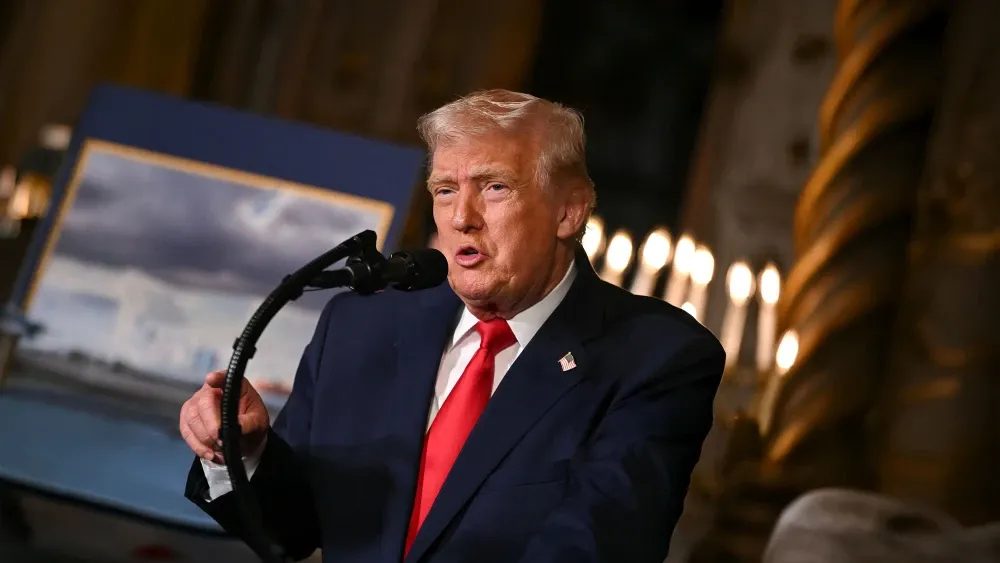 By: Mardo Soghom As the possibility of a U.S. air campaign looms, Iranian media highlight American doubts about President Trump's military resolve. Why it matters: Government-controlled media stress that a lack of strategy for Iran's retaliation could lead to prolonged conflict. Iran's media narrative: Nour News amplifies these concerns, reflecting the Supreme National Security Council's views. Military dynamics: Tehran's deterrent relies on its ballistic missile arsenal, partly degraded by past Israeli strikes. To read the full article, click here. | | Who Will Rule Iran if the United States Kills Khamenei? 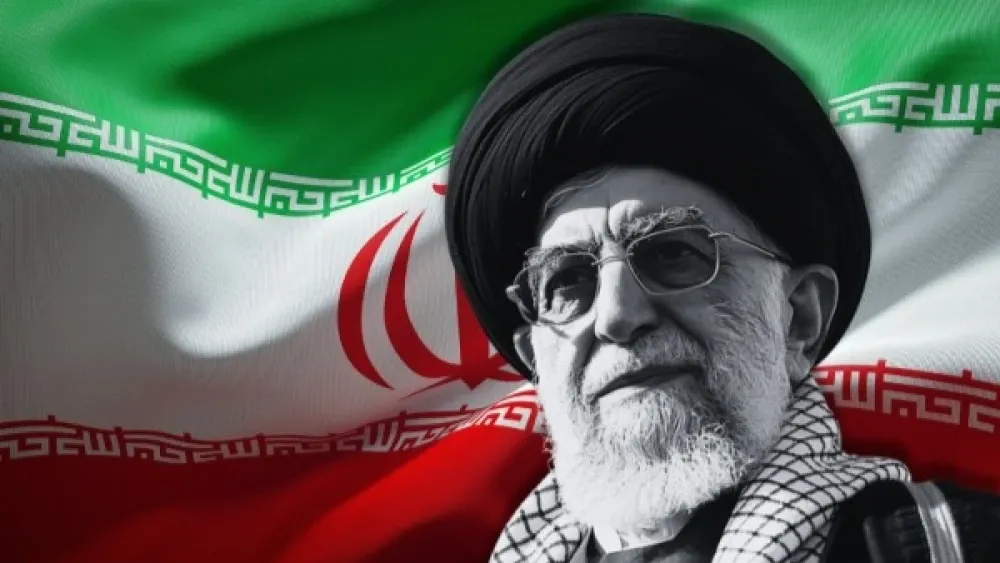 By: Shay Khatiri President Donald Trump issued a two-week ultimatum to Iran, aligning with the USS Gerald Ford Carrier Strike Group's arrival. Why it matters: This deployment, the largest since 2003, signals a major U.S. military escalation in the Middle East. Iran's intricate succession: In case of a leadership void, a council including the president, chief justice, and a cleric takes over. Hardliners' influence: The Larijani brothers, with deep ties in Iran's political and security circles, are poised to shape leadership outcomes. To read the full article, click here. | | ICYMI: Israel Insider with Ashley Perry  There is intense speculation in Israel about whether U.S. President Donald Trump will order a military strike on Iran, as only Trump holds the final decision despite ongoing hints, massive U.S. military buildup in the region, and the historic deployment of American F-22 jets to Israel for potential offensive use. Negotiations between American and Iranian teams in Geneva represent a decisive moment, with the U.S. insisting on no sunset clauses and pushing for strict limits on Iran's nuclear program, while Israel urges zero uranium enrichment and warns that even low-level enrichment brings Iran significantly closer to weapons capability. If talks fail to produce major Iranian concessions—including on ballistic missiles and proxies—military action appears likely given Trump's limited patience for delays, though domestic Israeli politics, including election timing discussions influenced by potential regional developments, remain closely tied to these events. Ashley Perry is an advisor to the Middle East Forum's Israel office. He served as adviser to Israel's minister of foreign affairs and deputy prime minister in 2009-15, and has also been an advisor to the Negev Forum. Originally from the United Kingdom, he moved to Israel in 2001. He holds a B.A. from University College London and an M.A. from Reichman University (IDC Herzliya). To watch the entire podcast, click here. | | Why Universities Are Still a Powerful Force in Iran 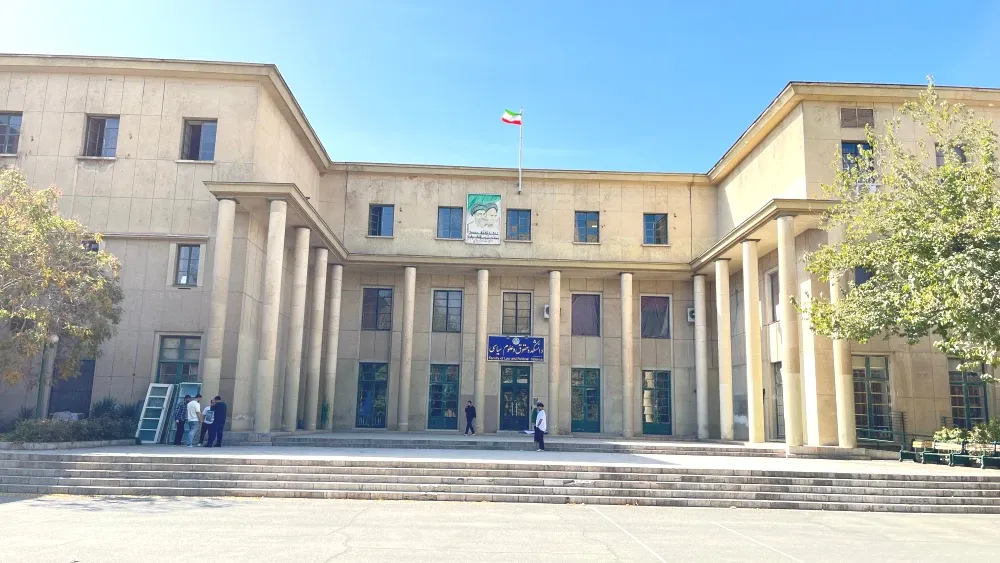 By: Saeid Golkar January 2026 marked Iran's attempt to crush dissent by targeting over a million protestors demanding regime change. Why it matters: Thousands killed highlight the regime's view of public assembly as an existential threat. Repressive tactics: Beyond violence, the regime employed bureaucratic measures like dorm closures and online exams, aiming to silence student networks. -
The regime understands that the university is not simply a physical space, but a social infrastructure built on networks, trust, and shared political language. -
A dorm isn't just a building; it's a vibrant community where information circulates rapidly, enabling collective action. Enduring dissent: Despite harsh measures, students adapt by organizing online and in semi-clandestine ways, maintaining resistance. To read the full article, click here. | | Mojahedin-e Khalq Lies About Attacking Khamenei's Compound Erode Its Credibility 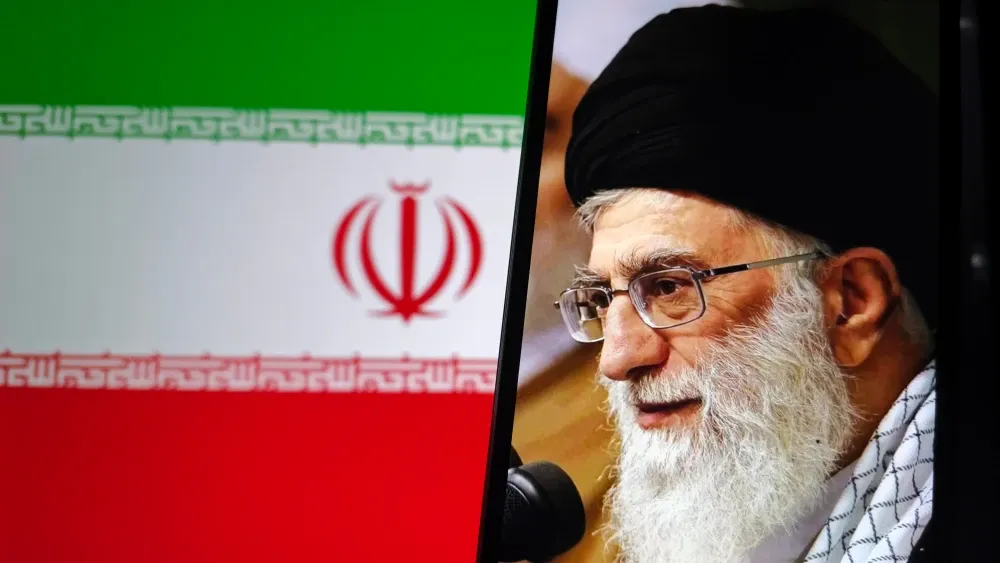 By: Potkin Azarmehr The Mojahedin-e Khalq (MEK) claims a major armed operation near Supreme Leader Khamenei's residence, with 250 members involved and 100 casualties. Why it matters: If true, this would be a significant confrontation in Iran's recent history, but the lack of evidence raises serious doubts. -
No verified footage, photographs, or eyewitness accounts support the claim, casting doubt on its authenticity. MEK's credibility questioned: Use of old images from a 2017 Islamic State attack further undermines the group's narrative. Implications for Iran: The MEK remains a controversial figure, seen as less desirable than the current regime by many Iranians. The bottom line: The inflated claim risks eroding MEK's credibility, reinforcing the regime's portrayal of it as a chaotic alternative. To read the full article, click here. | | Why 2026 Is the Year Israel Finally Stopped Fearing Ramadan 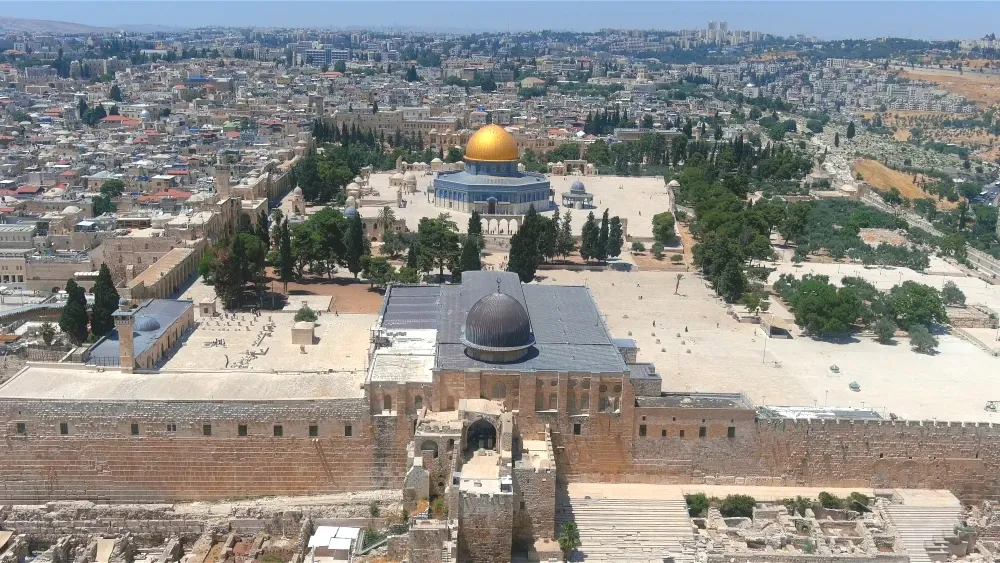 By: Amine Ayoub Israel's decision to expand Jewish visiting hours on the Temple Mount during Ramadan marks an end to the "Ramadan Veto." Why it matters: This shift asserts Israeli sovereignty, challenging the notion that Jewish presence is a provocation. Failure of appeasement: The former policy of restricting Jewish access was seen as a sign of weakness, prompting further demands from extremist groups. Strategic resolve: By maintaining access, Israel confronts incitement, showing that sovereignty over Jerusalem is non-negotiable. To read the full article, click here. | | Somalia's Pivot from the United Arab Emirates 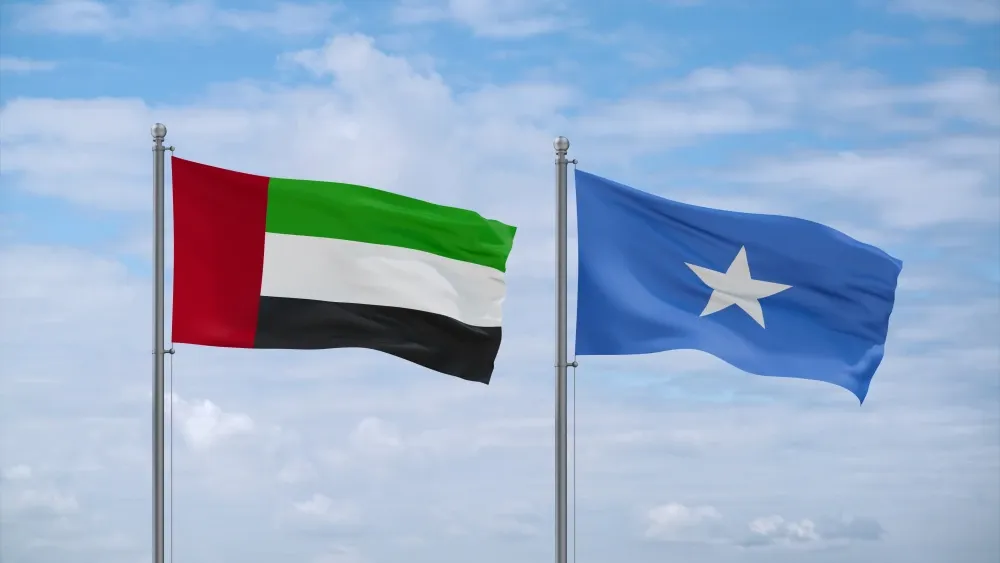 By: Siyad Madey On January 12, 2026, Somalia's President Hassan Sheikh Mohamud canceled agreements with the United Arab Emirates (UAE), citing Israel's recognition of Somaliland. Why it matters: This move signifies Somalia's effort to reduce reliance on UAE while expanding external partnerships. Geopolitical recalibration: The Red Sea-Horn corridor is witnessing realignments as Persian Gulf states, Israel, and African hubs intersect. Implications for the Horn: UAE's investments and networks in the Horn allow influence adaptation without confrontation. To read the full article, click here. | | Armed Groups in Sudan's War: An Interview With the al-Bara' bin Malik Corps 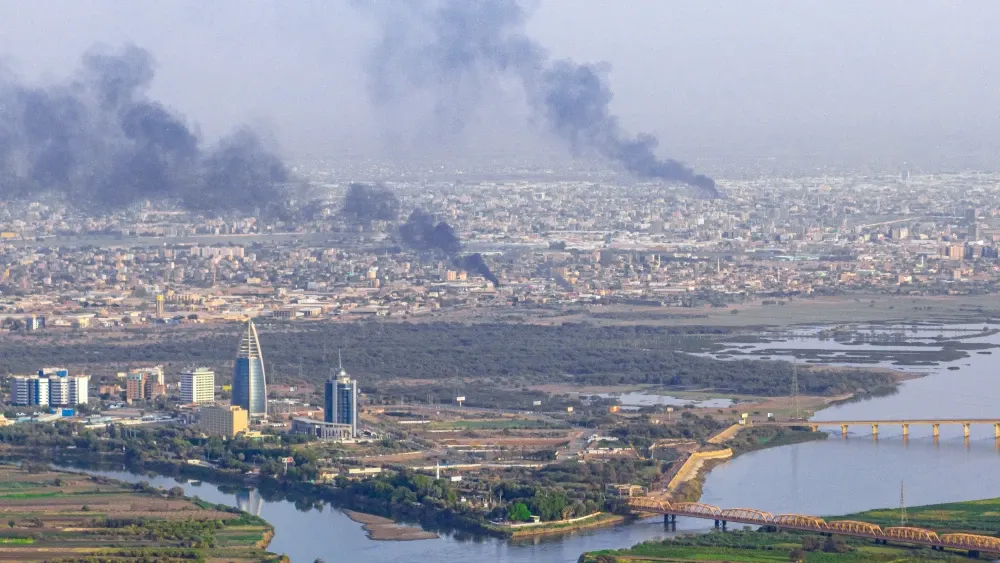 By: Aymenn Jawad Al-Tamimi Aymenn Jawad Al-Tamimi conducted an interview with a representative of the al-Bara' bin Malik Corps, one of the main auxiliary groups of the Sudanese Armed Forces (SAF) in Sudan's ongoing civil war, which is being fought between the SAF and the Rapid Support Forces and has yet to see a decisive victory for either side. Why it matters: Formed over 27 years ago, the Corps is central to the SAF's efforts against the Rapid Support Forces. Controversial ties: The Corps denies links to the Muslim Brotherhood, dismissing such claims as enemy propaganda. Future outlook: Despite ongoing conflict, the Corps remains optimistic about victory and national unity. To read the full interview, click here. | | Tunisia's democratic backslide: 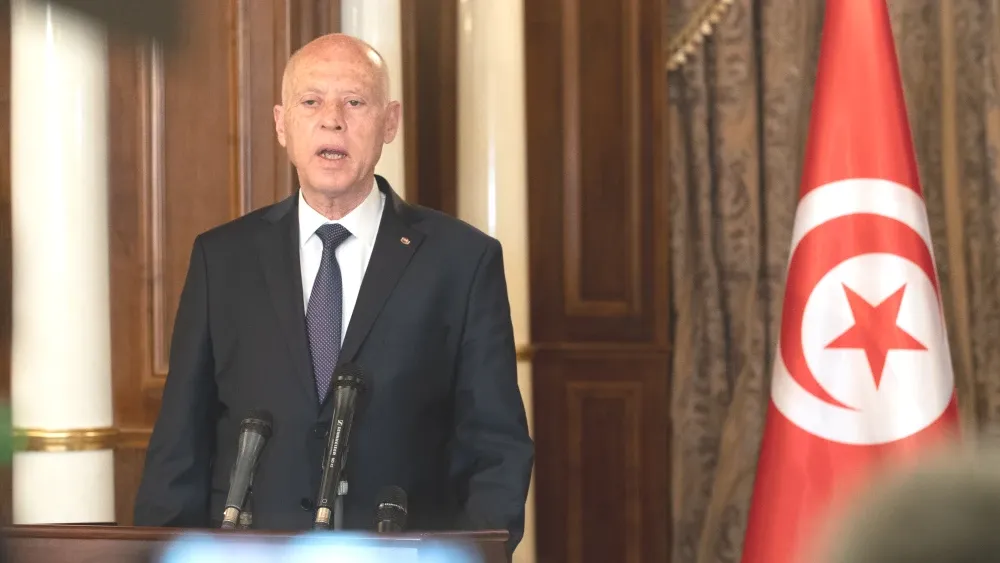 By: Amine Ayoub Once a beacon of the Arab Spring, Tunisia's democratic progress is now in jeopardy as President Kais Saied aims for a potential third term. Why it matters: The dismantling of the "Tunisian Exception" suggests a shift towards a permanent presidency. Strategic vacuum: Saied's administration uses a narrative of constant crisis to justify exceptional measures and maintain control. International implications: A permanent autocracy in Tunisia threatens regional stability, making it a brittle partner. To read the full article, click here. | | | | | Thank you for reading the Dispatch and for counting on the Middle East Forum to bring you continuing updates and analyses. Please share this with a friend and let us know what you think of our ongoing coverage. Thank you, Winfield Myers
Managing Editor, Middle East Forum
Director, Campus Watch | | | | Was this edition useful?  

Your email will be recorded and shared with the sender |        MEF, an activist think tank, deals with the Middle East, Islamism, U.S. foreign policy, and related topics, urging bold measures to protect Americans and their allies. Pursuing its goals via intellectual and operational means, the Forum recurrently has policy ideas adopted by the U.S. government.
Copyright © 2025 Middle East Forum, All rights reserved.
Our mailing address is:
Middle East Forum
1650 Market Street, Suite 3600
Philadelphia, PA 19103 | | | | | Powered by 
| | This email was sent by Middle East Forum via Axios HQ | | | |

0 коммент.:
Отправить комментарий