| |  | | | Iranians Fear Social Ostracism More than the Regime By Winfield Myers ● Feb 23, 2026 Smart Brevity® count: 6 mins...1583 words Shay Khatiri writes that the Muslim commemoration of the dead 40 days after they die, a fading tradition in Iran's secularizing society, has made a strong comeback. February 19 marked the 40th day since the regime's security forces slaughtered thousands of protesters. In response, many families who would not normally observe the commemoration did so in defiance of the Islamic Republic. Fear of social ostracism, Khatiri argues, outweighs fear of the regime's thugs, as "nobody wants to be remembered as the person who did not participate in protests, in case the regime falls." Mardo Soghom reports that Iran's information dam has broken, as state-controlled media has begun reporting on the huge buildup of U.S. forces in the region, with some even speculating on the toppling of the regime. Eric Navarro and Edmund Fitton-Brown analyze the Saudi-United Arab Emirates split and call on the U.S. to rein in the Saudis. This edition also includes the work of Aymenn Jawad Al-Tamimi, Dalga Khatinoglu, Mohammad Taha Ali, and Imran Khurshid. | | Iranians Fear Social Ostracism More than the Regime 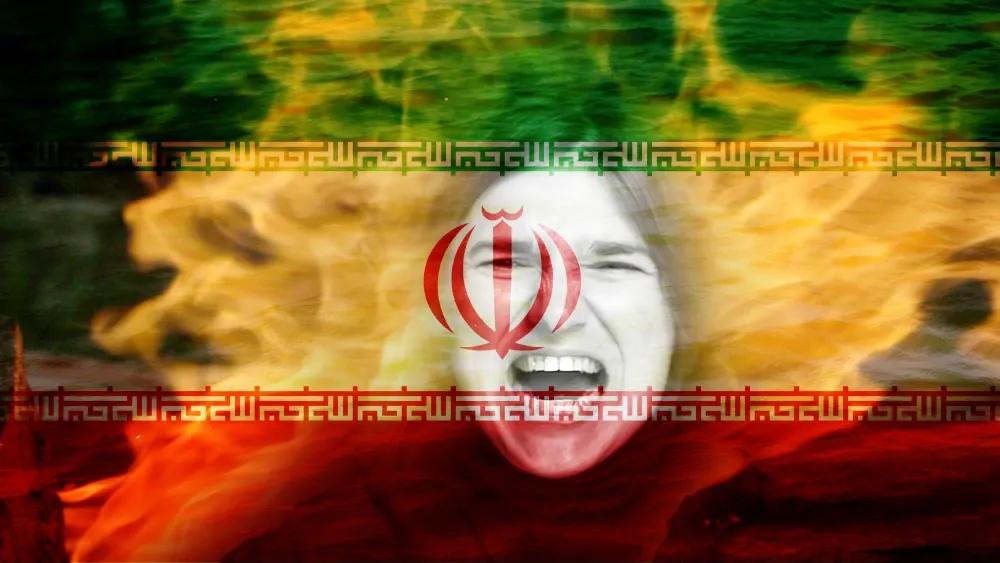 By: Shay Khatiri On February 19, 2026, Iranians observed the fortieth-day commemoration of the violent crackdown on protesters, marking a significant societal shift. Why it matters: This resurgence in traditional mourning highlights a growing defiance against the regime. Classroom tribute reveals societal change: A poignant event at a high school illustrated this transformation. -
Students dressed in black, played a revolutionary anthem, and projected photos of a slain teacher's son, creating a powerful symbol of resistance. Shift in public sentiment: A decade ago, fear of regime retaliation stifled dissent. -
Today, social ostracism outweighs fear, with citizens openly defying the regime by honoring the dead and participating in protests, signaling a collective resistance that the state struggles to suppress. To read the full article, click here. | | War Talk Spreads in Iran as Protests Continue 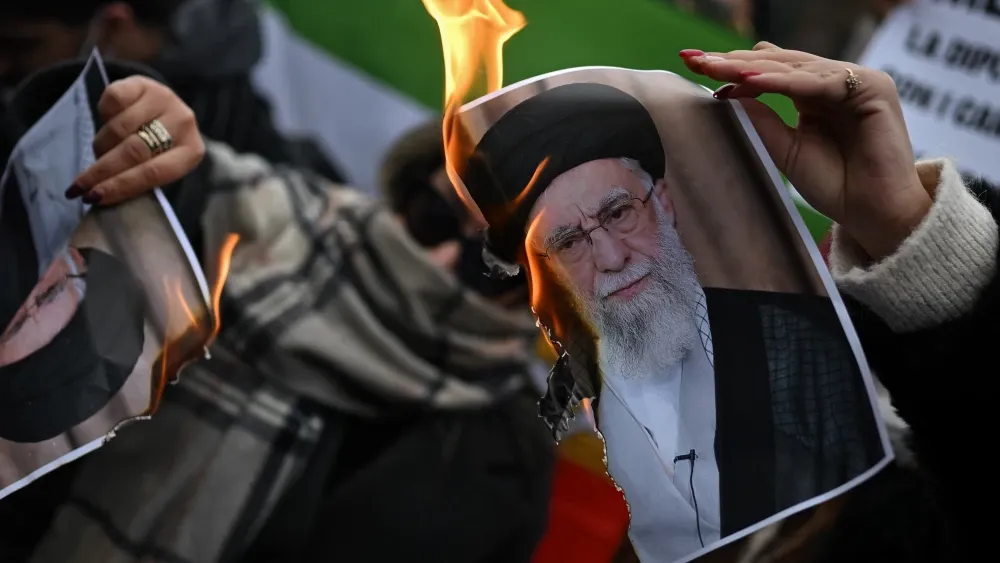 By: Mardo Soghom Iran's government-controlled media have begun covering the U.S. military buildup, breaking long-standing information barriers that tightly controlled public discourse. Why it matters: This media shift signals a change in regime control and public perception, with previously taboo topics now openly discussed. Protests continue despite crackdown: Widespread protests have persisted across Iran, with notable gatherings at universities and memorials. -
A decade ago, fear of regime retaliation stifled dissent, but now, defiant mourning rituals replace traditional prayers, highlighting societal resilience. Media discussions on U.S. strategy: February 22 saw debates on the scope of potential U.S. strikes, with media citing Western perspectives to bypass censorship. -
During previous conflicts, Iranian media rarely acknowledged Western reports, but current discussions range from limited operations to regime change, exploring implications for regional dynamics and showing a cautious yet candid approach to sensitive issues. To read the full article, click here. | | ICYMI: Is a U.S. Strike on Iran Imminent? 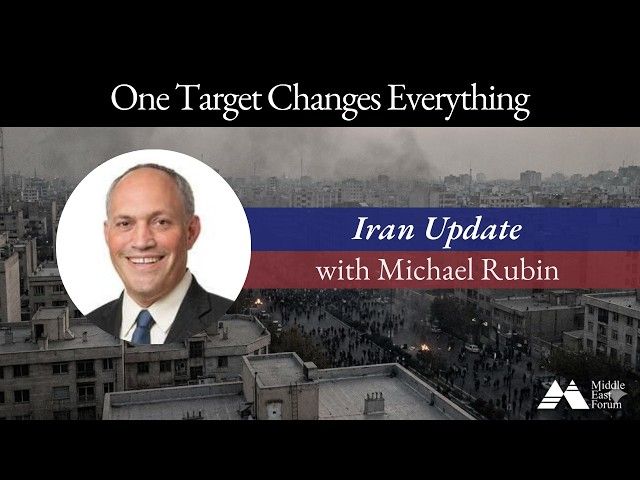 The United States has deployed its largest military force to the Middle East since 2003, including two carrier strike groups positioned safely outside the Persian Gulf to enable effective strikes on Iran while minimizing vulnerability. Discussions focus on potential U.S. targets such as senior regime officials, the Supreme Leader Ali Khamenei, and economic assets like the Kharg Island oil terminal to cripple Iran's oil exports and payroll for the Revolutionary Guard, alongside doubts about whether air power alone can force regime change or submission. Concerns arise over incomplete U.S. commitments, lack of ground coordination as seen in past actions against the Houthis, risks of power vacuums or civil war if leadership collapses suddenly, and the challenges of unifying opposition groups or preventing a chaotic transition without direct support for Iranian resistance. Michael Rubin is director of research at the Middle East Forum and a senior fellow at the American Enterprise Institute, where he specializes in Middle Eastern countries, particularly Iran and Turkey. His scholarly work includes several key publications, such as Dancing with the Devil and Eternal Iran. Rubin earned his Ph.D. and M.A. in history and a B.S. in biology from Yale University. To watch the full podcast, click here. | | Can Strategy Make a Weapon Halal? 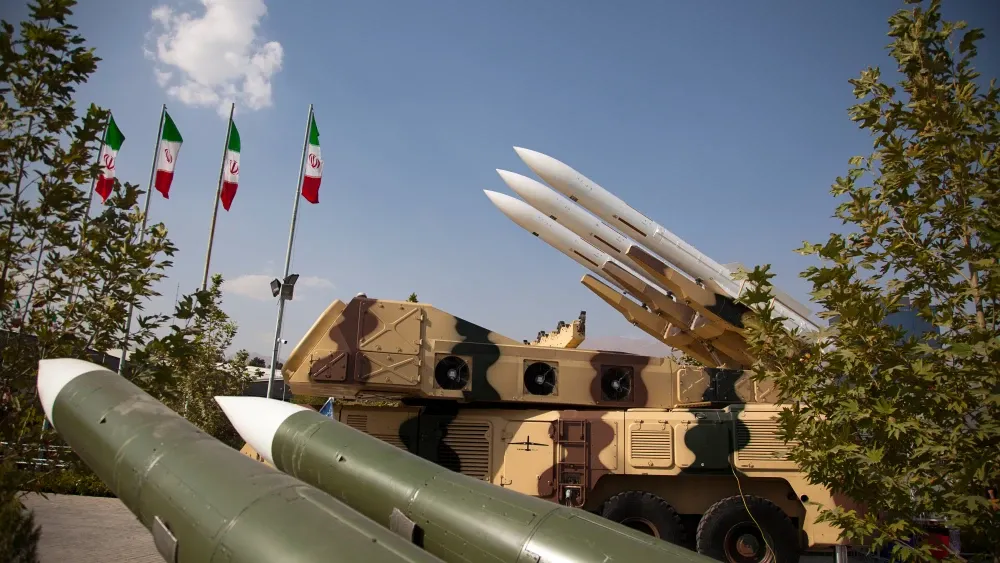 By: Mohammad Taha Ali Modern Islamic discourse labels weapons as "halal" or "un-Islamic," diverging from classical jurisprudence that focuses on conduct over technology. Why it matters: This practice reflects strategic manipulation of religious language to legitimize military actions. Iran's moral narrative: Post-Iran-Iraq War, Iran's leaders framed WMDs as forbidden, citing classical prohibitions against indiscriminate harm. Militant rhetoric: Groups like Hezbollah and Palestinian factions label their arsenals as defensive tools against perceived threats. Strategic implications: In asymmetrical conflicts, weaker actors use moral discourse to gain legitimacy. -
Declaring weapons "halal" shifts focus from destructive capacity to moral authority, a strategy seen in Iranian-backed groups in Lebanon, Iraq, and Yemen. To read the full article, click here. | | When U.S. Allies Turn on Each Other, America Must Act 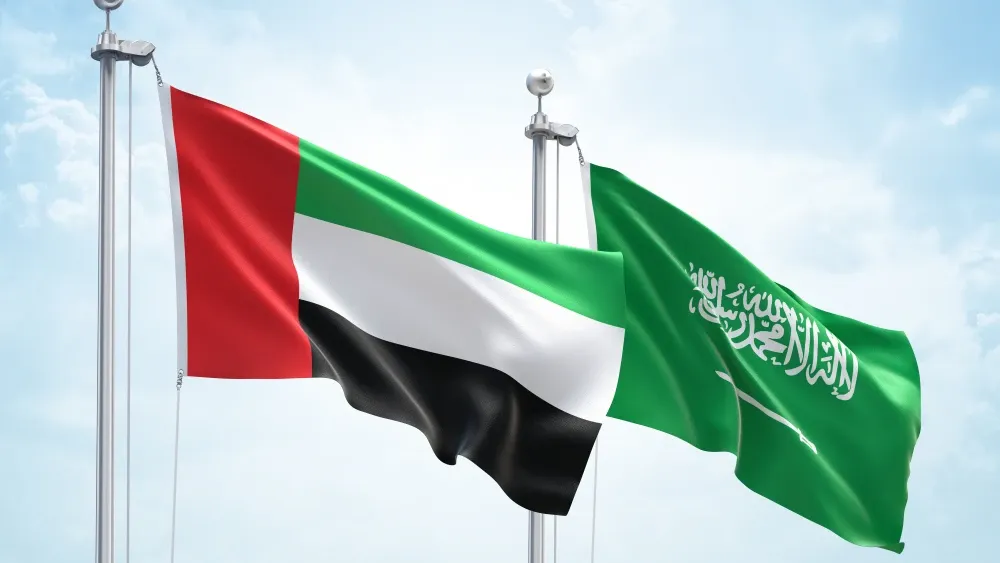 By: Eric Navarro and Edmund Fitton-Brown Two Persian Gulf powerhouses, Saudi Arabia and the United Arab Emirates (UAE), are clashing over Yemen, posing risks to U.S. interests and regional stability. Why it matters: Both nations are U.S. allies, yet their divergence in Yemen endangers Trump's Abraham Accords, a pivotal peace initiative. Contrasting strategies in Yemen: The UAE embraces risk, partnering with insurgents like the Southern Transitional Council, opposing Saudi Arabia's preference for central authorities, even if unstable. U.S. leverage and strategic errors: Despite dependence on U.S. military and economic support, Saudi Arabia tests American patience with its actions against the UAE. To read the full article, click here. | | Islamic State Detainees Transferred From Syria to Iraq: A Statistical Breakdown 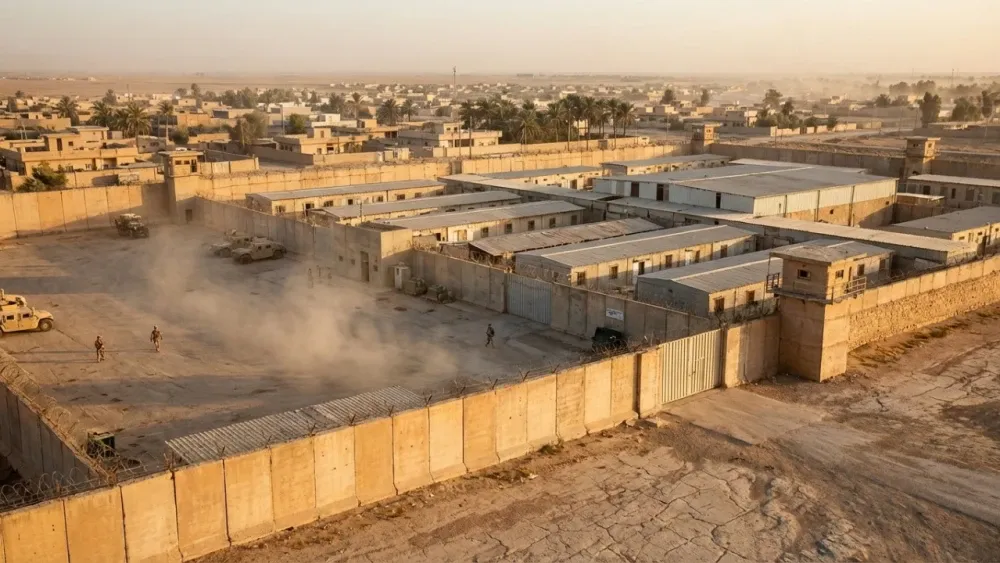 By: Aymenn Jawad Al-Tamimi Recently, a document has circulated that purports to come from a prison in western Baghdad (the right bank of the Tigris River, since the river flows from north to south) affiliated with Iraq's Justice Ministry. The document provides a statistical overview of prisoners recently transferred from SDF-run prisons in Syria that were holding people accused of affiliation with the Islamic State. Why it matters: The document, verified as authentic, aligns with data from Iraq's National Centre for International Judicial Cooperation. Implications for Iraq and beyond: The presence of numerous foreign nationals, especially Tunisians, reflects broader jihadist trends. Regional tensions and diplomatic challenges: The status of Syrian detainees poses challenges similar to past issues with Lebanon. To read the full article, click here. | | Why Is India Tightening the Screws on Iran Now? 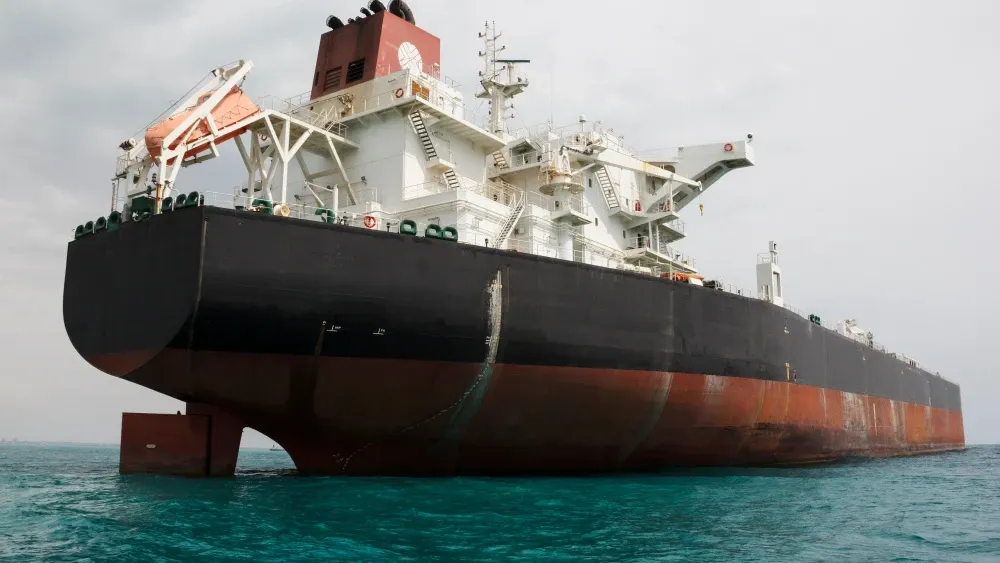 By: Dalga Khatinoglu India, a key trading partner of Iran, has seized three Iranian oil tankers, highlighting escalating tensions amid complex geopolitical dynamics. Why it matters: This marks a departure from Iran's typical retaliatory threats, showing a cautious approach towards a vital trade partner. Geopolitical ramifications: The seizures align with U.S. pressure tactics, including recent tariffs aimed at isolating Iran economically. Economic and regional impact: Iran's oil exports to China and India are vital, with the Strait of Hormuz being a critical point for global oil transit. To read the full article, click here. | | Previewing Indian Prime Minister Modi's Visit to Israel 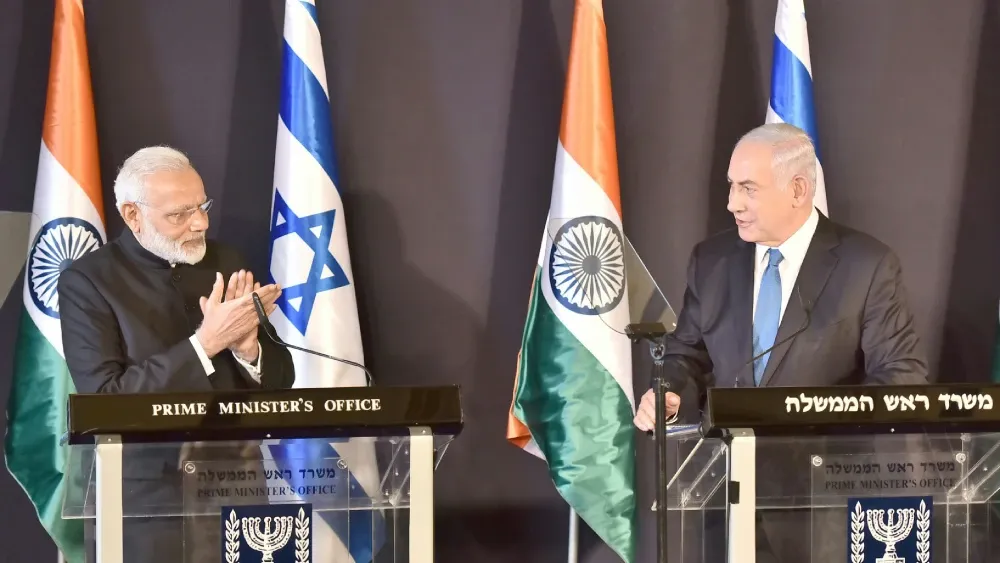 By: Imran Khurshid Prime Minister Narendra Modi's visit to Israel on February 25-26, 2026, underscores India's evolving strategic priorities in the Middle East. Why it matters: The visit reflects a deepening partnership amid regional turbulence and India's broader recalibrations. -
Modi's agenda will likely include discussions on defense, counter-terrorism, and trade, reinforcing the high-trust nature of India-Israel ties. Defense and security focus: Defense remains a cornerstone of the partnership, with Israel providing high-end technologies that bolster India's capabilities. Broader regional implications: Modi's visit highlights India's capability to strengthen ties with Israel while engaging Arab partners. To read the full article, click here. | | Thank you for relying on the Middle East Forum to keep you informed about the vital issues we cover. If you enjoyed this issue of the MEF Dispatch, please forward it to a friend. We invite you to use the comments feature to let us know your thoughts on this issue of the Dispatch. Sincerely, Winfield Myers
Managing Editor, Middle East Forum
Director, Campus Watch | | | | Was this edition useful?  

Your email will be recorded and shared with the sender |        MEF, an activist think tank, deals with the Middle East, Islamism, U.S. foreign policy, and related topics, urging bold measures to protect Americans and their allies. Pursuing its goals via intellectual and operational means, the Forum recurrently has policy ideas adopted by the U.S. government.
Copyright © 2025 Middle East Forum, All rights reserved.
Our mailing address is:
Middle East Forum
1650 Market Street, Suite 3600
Philadelphia, PA 19103 | | | | | Powered by 
| | This email was sent by Middle East Forum via Axios HQ | | | |

0 коммент.:
Отправить комментарий