| |  | | | The Islamic Republic of Iran: Unstable & Unloved, but Still Dangerous By Winfield Myers ● Aug 25, 2025 Smart Brevity® count: 7.5 mins...2030 words Iranians are increasingly fed up with the Islamic Republic's incompetence, corruption, and brutality—but it still poses a menace to its neighbors. We feature three articles by Mardo Soghom, who writes that Tehran's latest military moves are aimed at its Gulf neighbors amid threats to close the Strait of Hormuz. Soghom also describes how Israeli Prime Minister Benjamin Netanyahu's call for Iranians to "take to the streets" has "rattled" the regime. So might the cold reception accorded Iran's national security chief Ali Larijani during his recent regional tour, according to Soghom. No Lebanese officials greeted him at Beirut's airport, Larijani had to settle for signing a meaningless document in Iraq, and—adding insult to injury—Syria refused his plane overflight clearance. Dalga Khatinoglu reports on Iran's unsold oil stocks, as sanctions have forced the regime to take drastic and costly steps to obscure its crude exports. Nevertheless, Jalal Tagreeb warns that new Iranian ballistic missiles pose an increased danger to Israeli and U.S. air defenses, and that Tehran's deepening military partnership with China has led to a "joint defense network" with coordinated radar and sensor integration. | | Iran Flexes Muscle in Persian Gulf While Sanctions Loom and Protests Erupt 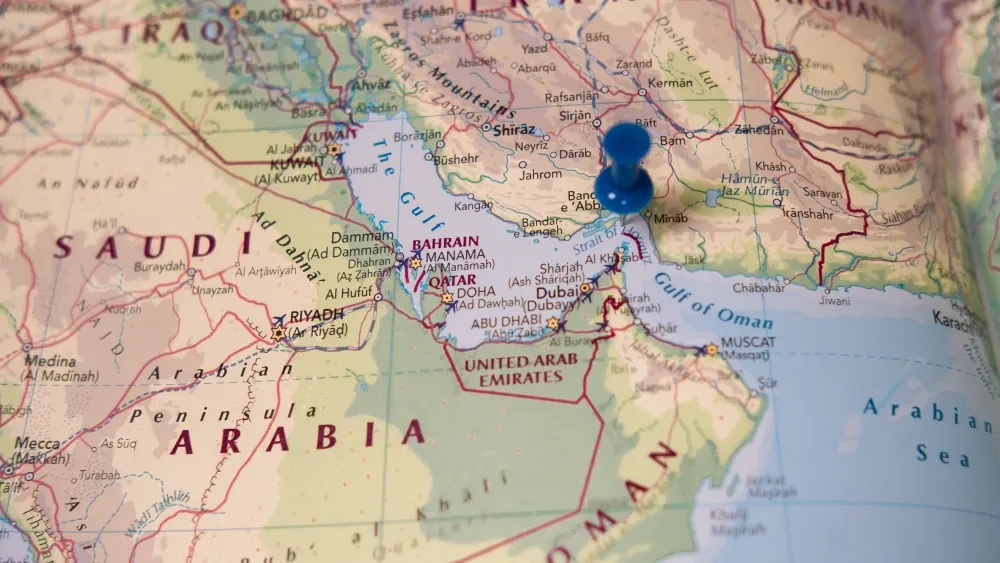 By: Mardo Soghom The Islamic Republic launched two-day military drills in the Persian Gulf and Indian Ocean on August 22, 2025, amid Israeli warnings of a possible second air campaign. Why it matters: These exercises focus on short-range weapons, signaling Tehran's resolve to close the Strait of Hormuz and sending a warning to Persian Gulf states. The big picture: Tehran appears defenseless against Israeli air power, with no credible deterrent after its air defenses were wiped out in June. What's next: Iran's Foreign Minister is in talks with European diplomats regarding nuclear sanctions. The bottom line: If the United Nations restores its economic sanctions, Washington's existing measures will gain added force. Countries that quietly facilitate Iran's illicit oil trade and financial transfers would come under new pressure to comply. Such a move would choke Tehran's already crippled revenues and intensify its worsening economic crisis. To read the full article, click here. | | Inside Iran's Missile Shift and Hezbollah's Post-War Strategy 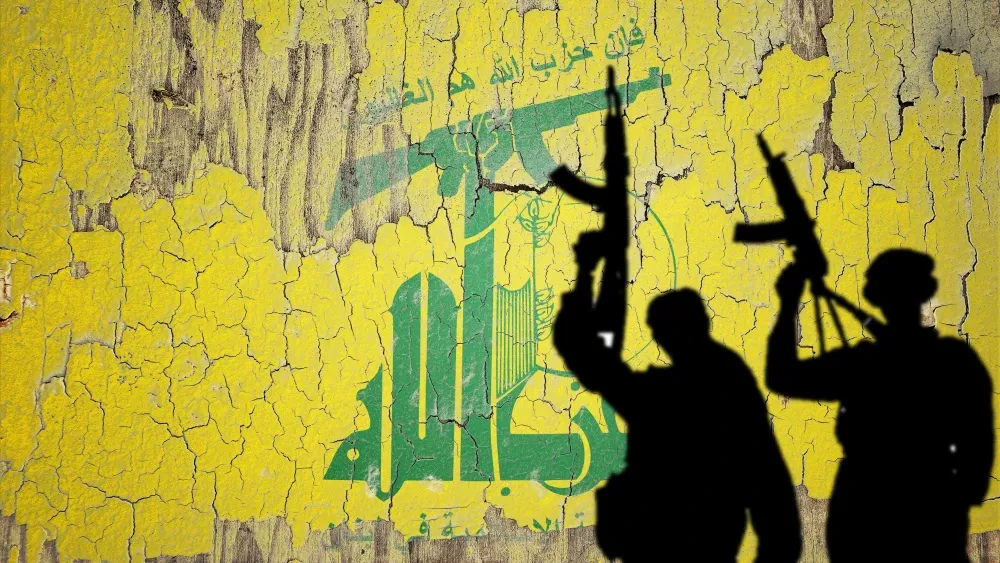 By: Jalal Tagreeb In May 2025, Iran deployed the Qassem Basir missile, described as a solid-fuel, medium-range ballistic system with enhanced guidance and maneuverability. Why it matters: The missile, which operates independently of GPS and maintains precise targeting, may challenge U.S. and Israeli defenses. The big picture: Hezbollah, which may be down but it is not out, is recalibrating its strategy under new leadership while resisting Lebanese disarmament efforts. What's next: Iran is deepening its military ties with China, integrating radar and sensor systems, which could complicate any pre-emptive strikes. The stakes: The U.S., moderate Arab bloc, and Israel must support Lebanon's disarmament timeline to prevent Hezbollah from rearming. -
Iran is replacing quantity with quality in its missile forces, Hezbollah is adapting its force structure under new leadership, and Tehran is embedding itself in a Chinese-assisted defense architecture. To read the full article, click here. | | ICYMI: "Navigating U.K. College Campuses Post-October 7" with Amira Halperin  A broad network of pro-Palestinian activists justifying the October 7th atrocities as "necessary resistance," has emerged on British university campuses over the last two years. This nexus engages in rampant glorification of terrorism on U.K. campuses, seeks to build institutional partnerships linking British universities with those in Gaza and the West Bank, and supports Hamas' bid to escape its terrorist designation—all cloaked under the Palestinians' right to education campaign. How did this institutional rot take hold, and what does it mean for the future of free inquiry and security in higher education? Dr. Amira Halperin is a senior research associate at Britain Israel Communications and Research Centre (BICOM), a Forum Dvorah media expert on foreign policy and security, and an international commentator. She taught at universities in Canada, the U.K., and China, authoring The Use of New Media by the Palestinian Diaspora in the United Kingdom (2018). Halperin collaborated with the Canadian Government and MOSAIC on refugee media initiatives. She holds an M.A. in International Journalism and a Ph.D. in Communication from the University of Westminster. To watch the full podcast episode, click here. | | Tehran Faces New Threats of Sanctions, Fears War and Collapse 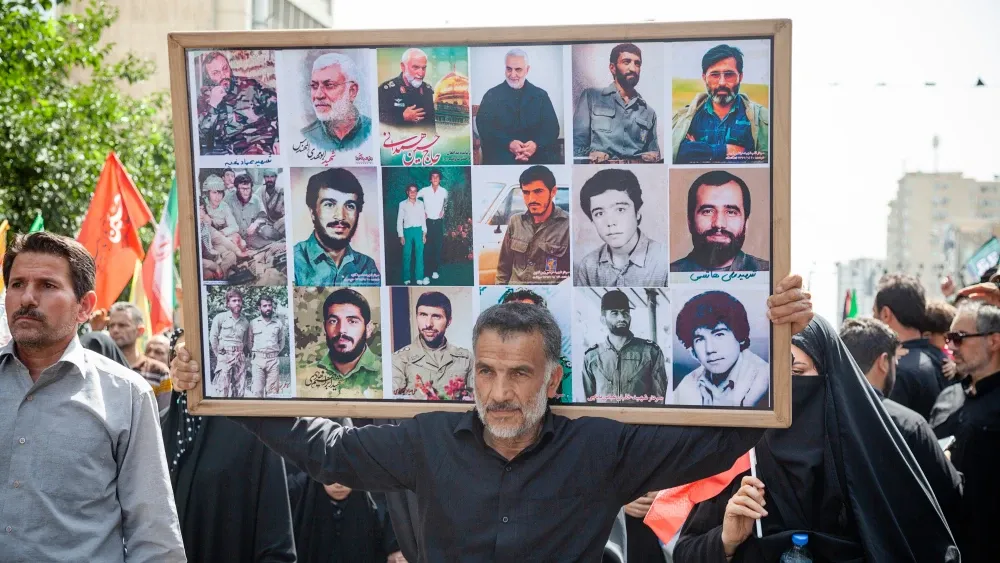 By: Mardo Soghom As European powers threaten to reimpose U.N. sanctions, Tehran's foreign policy becomes increasingly erratic and defiant. Why it matters: A senior Revolutionary Guard general has threatened to strike Europe and the U.S. with ballistic missiles, marking a dangerous escalation in rhetoric. -
Tehran's threats come as Israeli Prime Minister Netanyahu urges Iranians to rise up, promising Israeli support against regime forces. -
"I urge you to be bold and brave. Take risks for freedom, for your future, for your families. … Take to the streets. Demand justice, demand accountability. Protest tyranny. Build a better future for your families and for all Iranians," Netanyahu declared. The big picture: The regime is under pressure both domestically and internationally as internal instability grows. What's next: As August draws to a close and the British, French, and German deadline to restore United Nations sanctions approaches, Tehran shows little sign of making major concessions to avert another Israeli assault. The bottom line: Tehran's defiance and internal unrest heighten the risk of renewed conflict. To read the full article, click here. | | Event: Dexter Van Zile in Stoughton, MA – "Defeating the Red-Green Alliance" – August 27, 2025  Where: Ahavath Torah Congregation, Stoughton, MA
When: Wednesday, August 27, 2025 | 7:00p.m. to 9:00p.m. The alliance between far-left radicals and Islamist movements has become a driving force behind antisemitism, anti-Westernism, and social unrest in Europe and North America. Drawing on years of investigative research, Dexter Van Zile exposes how this "Red-Green Alliance" exploits civil rights rhetoric, co-opts academic institutions, and corrodes public discourse—and outlines concrete steps to push back. Dexter Van Zile is managing editor of Focus on Western Islamism and the Violin Family Research Fellow at the Middle East Forum. He has reported on anti-Israel protests, radical mosque networks in the U.K., and the employment of extremists in public offices. His work has appeared in the Jerusalem Post, the Boston Globe, Middle East Quarterly, and The Algemeiner, among other outlets. To register, click here. | | Iran Reels from Economic Crisis and Humiliating Regional Setbacks 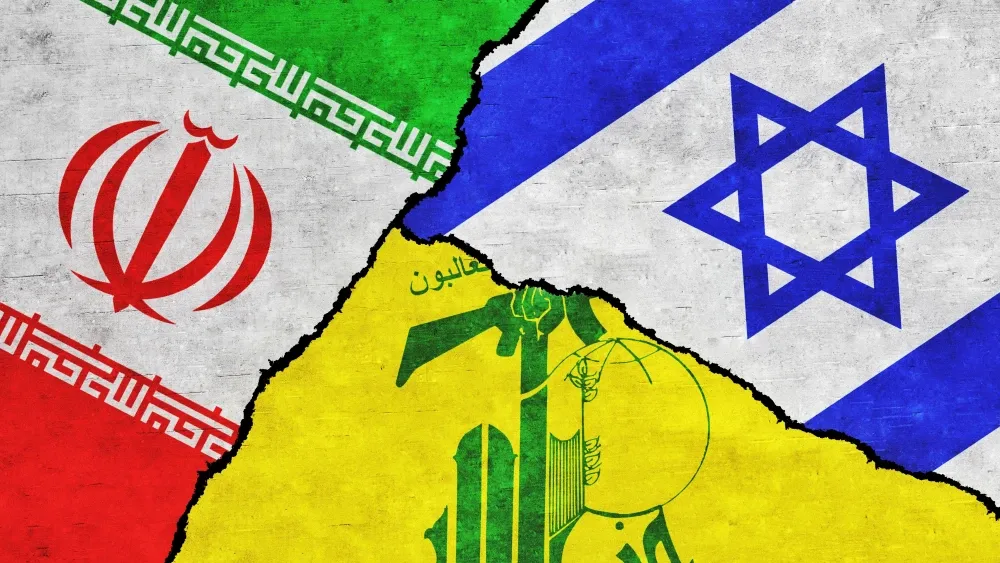 By: Mardo Soghom The Islamic Republic's diplomatic and economic challenges have deepened since Israel's air offensive devastated Iran's nuclear and military infrastructure. Why it matters: Iran's regional sway is eroding as evidenced by national security chief Ali Larijani's unsuccessful diplomatic tour of Iraq and Lebanon. -
Only two years ago, both countries received Iranian envoys with full protocol. Today, however, once dominant proxies, like Lebanese Hezbollah, are shadows of their former selves, while Baghdad increasingly asserts national sovereignty. The big picture: Larijani's mission to Iraq and Lebanon aimed to forge new understandings post-defeat, but ended in humiliation. What's next: The trip's low profile continued in Beirut, where no Lebanese officials greeted Larijani upon arrival. Instead, Hezbollah members met him. The foreign minister, however, declined a meeting. -
Then came another embarrassment: Lebanese media reported that Syria had refused overflight clearance for Larijani's aircraft, forcing it to detour over Turkey on both legs of the trip. -
In addition to this humiliation, the Israeli air campaign has revealed a staggering intelligence success: The Israel Defense Forces appeared to possess detailed knowledge of hundreds of high-value targets, including the nightly whereabouts of key commanders. The stakes: Iran's security services, long feared for their reach and ruthlessness, appeared blindsided after years of Israeli penetration. To read the full article, click here. | | Iran's unsold oil stockpile swells amid sanctions 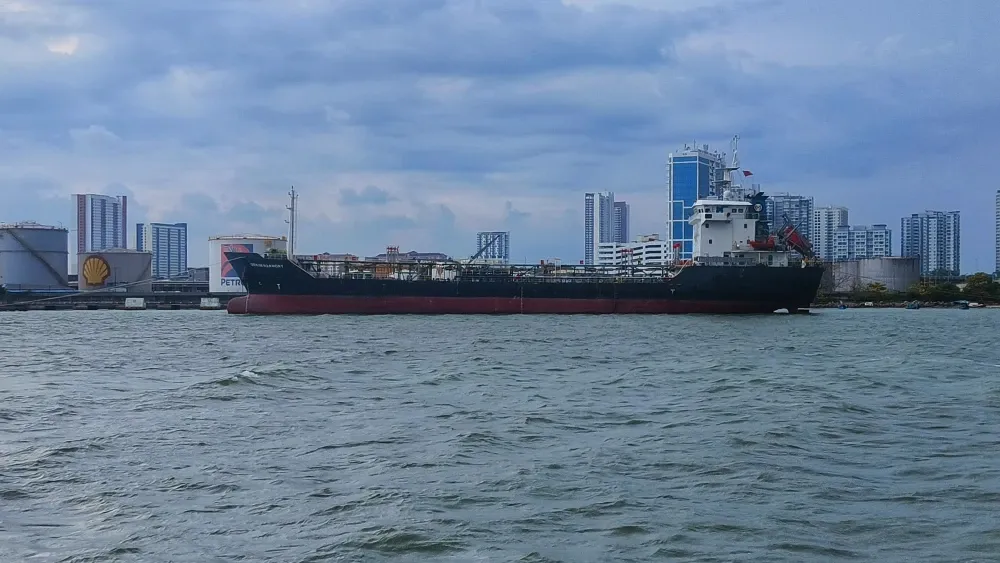 By: Dalga Khatinoglu Iran's oil minister denied reports of unsold crude, yet satellite data shows a surge in Iranian oil stored at sea, undermining Tehran's claims. Why it matters: To obscure the origin of its crude exports and bypass U.S. sanctions, Iran frequently uses ship-to-ship transfers in international waters—especially near Malaysia and Singapore—in a complex smuggling operation. The big picture: Additionally, Iran must pay middlemen—shell companies and brokers based in the United Arab Emirates, Iraq, Oman, Malaysia, and Singapore—as well as Chinese intermediaries who help falsify documentation and rebrand Iranian crude. What's next: Iran's reliance on costly "ghost fleets" and smuggling intermediaries further erodes its oil export value. The bottom line: This is a loss the government can hardly afford, but it has no alternatives except reaching a deal with the United States to suspend economic sanctions. The state depends on oil income to balance its budget, and current estimated revenues fall well short of covering needs or necessary infrastructure maintenance to preserve its oil industry. To read the full article, click here. | | Greece's Maritime Eastern Mediterranean Push Will Force Washington to Choose Sides  By: Nicoletta Kouroushi Greece has formally staked its maritime claims in the Eastern Mediterranean, challenging Turkey's expansionist moves and testing regional power dynamics. Why it matters: Athens' new Maritime Spatial Plan sets legal markers and signals its intent to assert control over contested waters. The big picture: Within days, Turkey unveiled a maritime plan that bisects the Aegean and revived the "grey zones" theory, asserting that sovereignty over an unspecified number of islands is unsettled by treaty. What's next: Exploration south of Crete by Chevron could challenge Turkey's claims and solidify Greek rights. -
Obstructing such operations risks friction with the United States, while allowing them to proceed could enable Greece to turn legal claims into sustained facts at sea. -
The U.S. sees Greece as a pillar of stability and a key ally in regional energy supply, with potential backing for Greek efforts. The stakes: Choosing to reinforce Greek efforts would not only advance U.S. interests, but also send an unambiguous signal that in the Eastern Mediterranean, the United States and its partners, not America's rivals, will set operational terms. To read the full article, click here. | | | | | Thank you for relying on the Middle East Forum for up-to-date analyses of the region. If you enjoyed this issue of the MEF Dispatch, please forward it to a friend. We invite you to use the comments feature to let us know your thoughts on the Dispatch and the issues we cover. Sincerely, Winfield Myers
Managing Editor, Middle East Forum
Director, Campus Watch | | | | Was this edition useful?  

Your email will be recorded and shared with the sender |        MEF, an activist think tank, deals with the Middle East, Islamism, U.S. foreign policy, and related topics, urging bold measures to protect Americans and their allies. Pursuing its goals via intellectual and operational means, the Forum recurrently has policy ideas adopted by the U.S. government.
Copyright © 2024 Middle East Forum, All rights reserved.
Our mailing address is:
Middle East Forum
1650 Market Street, Suite 3600
Philadelphia, PA 19103 | | | | | Powered by 
| | This email was sent by Middle East Forum via Axios HQ | | | |

0 коммент.:
Отправить комментарий