|
|
 |
|
The War's Fate Lies in the Strait of Hormuz By Winfield Myers ● Apr 06, 2026
Smart Brevity® count: 7 mins...1797 words
Jonathan Spyer writes that, as things now stand, the Iranian regime may very well survive this round of conflict. If Iran still controls the Strait of Hormuz when the fighting ends, Tehran will have forced its enemies to blink first. The likely outcome will be efforts by both regional and global players to reconcile with Tehran. When all U.S. forces are in place later this month, the choice facing the U.S. and its allies will be clear: action to open Hormuz or accepting a significant Iranian strategic achievement.
Mardo Soghom says that, precisely because the Strait is irreplaceable, a simple ceasefire between Washington and Tehran is unlikely without a fundamental shift on the Iranian side involving a political and military retreat that restores full freedom of navigation. Lazar Berman argues that because the U.S. cannot allow Iran to control the Strait, the war against Iran looks to be headed for further escalation.
This issue also includes articles by Mehrdad Marty Youssefiani, Shay Khatiri, Sirwan Kajjo, and Imran Khurshid.
|
|
The Fate of the Iran War Lies in the Strait of Hormuz
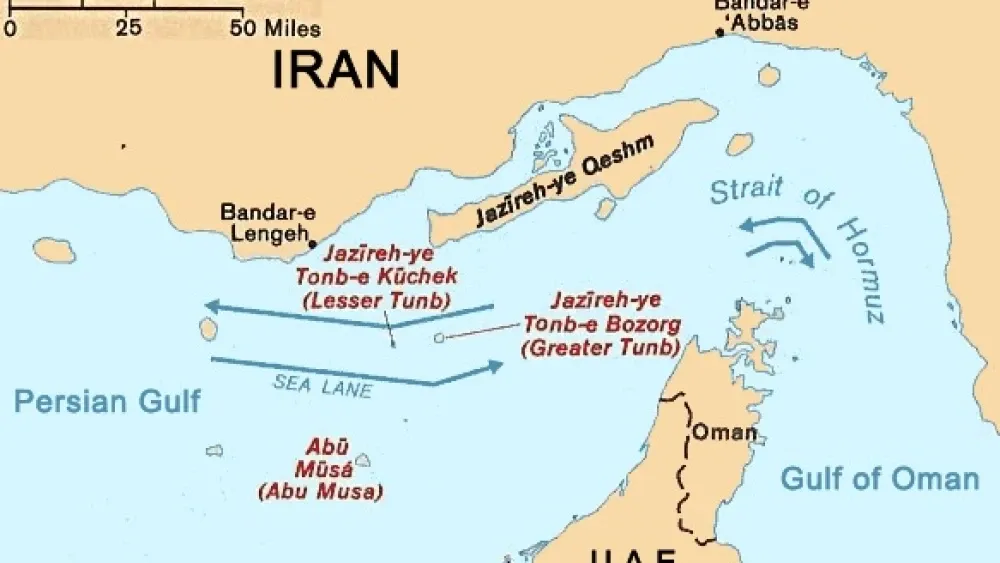
By: Jonathan Spyer
The Iranian regime appears set to survive the current conflict, potentially maintaining control over the Strait of Hormuz—a strategic shift with profound implications.
Why it matters: If Iran retains control of Hormuz, it alters the strategic balance in the Middle East.
Control over this critical chokepoint could force global powers to accommodate Tehran’s influence. Countries like Russia, China, and India are already making pragmatic accommodations with Iran.
Between the lines: Iran’s investment in asymmetric warfare has proven effective against superior conventional forces.
What’s next: The U.S. faces a critical decision with the arrival of additional military forces in the region.
To read the full article, click here.
|
|
Iran Believes It Can Leverage Hormuz to Shape a Ceasefire
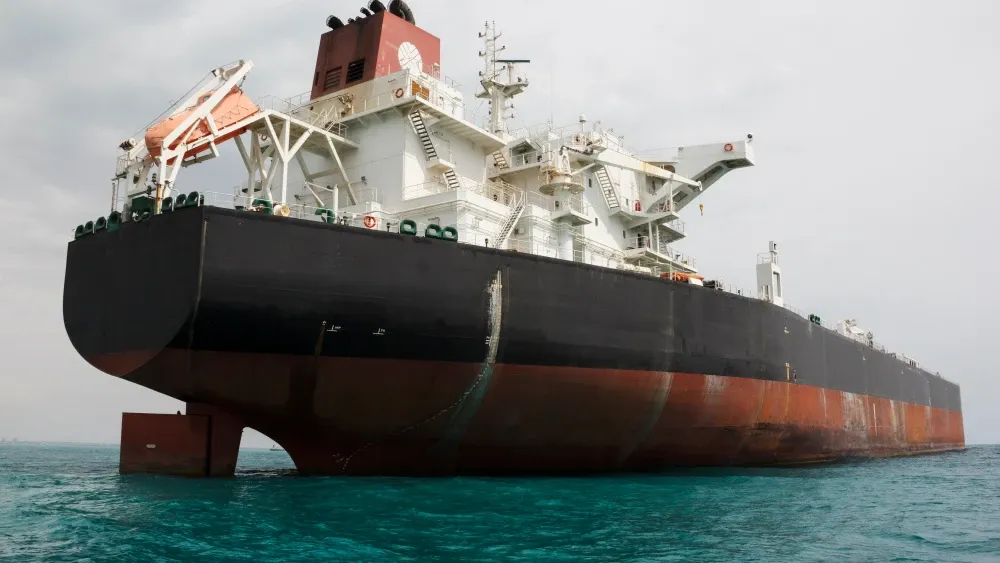
By: Mardo Soghom
As tensions over the Strait of Hormuz persist, Tasnim, aligned with the Islamic Revolutionary Guard Corps (IRGC), claims Iran now exercises an economic chokehold over its Gulf neighbors.
Why it matters: Tasnim highlights that Iran’s actions have shifted $250 billion in energy revenues under its influence, reshaping regional economic power.
The broader context: Arab Gulf states have evolved into global financial hubs, surpassing Iran’s economically constrained position.
What’s next: Alternative routes to bypass Hormuz face significant challenges, leaving the strait as a critical point of negotiation.
To read the full article, click here.
|
|
ICYMI: Israel, Syria, and Lebanon: Looking Ahead, with Eyal Zisser
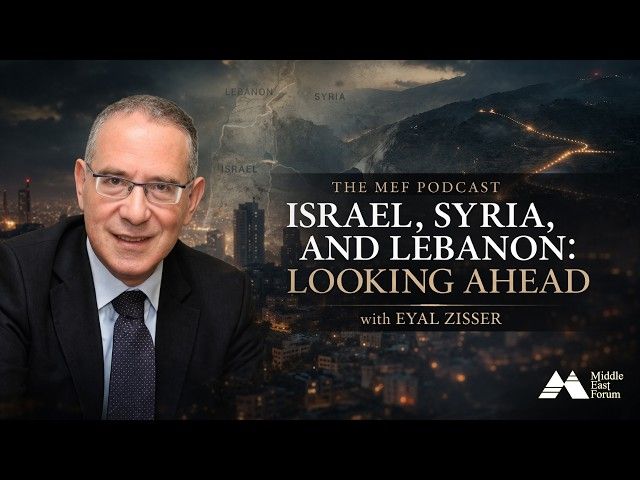
Lebanon shifted from a potentially friendly neighbor at Israel's founding to a long-term threat, first through PLO attacks from the mid-1960s to the 1980s and then through Hezbollah, an Iranian proxy whose charter prioritizes Israel's destruction and whose actions on October 8, 2023, served Tehran's broader strategy. Hezbollah suffered severe losses in the recent war, including the elimination of much of its command and rocket capabilities, but exploited a ceasefire—imposed under American pressure—to rebuild using Lebanon's fragmented sectarian system, identity politics, and the weakness of its government and army. Israel now creates an empty buffer zone in southern Lebanon to block cross-border attacks and conducts ongoing strikes across the country, determined to make the current conflict its last war on the northern front rather than repeat the mistakes of the 2000 withdrawal that empowered Hezbollah.
Eyal Zisser is the holder of the Yona and Dina Ettinger Chair of Contemporary Middle Eastern History at Tel Aviv University. His works include The Bleeding Cedar (2009) and Syria at War: the Rise and Fall of the Syrian Revolution (2020). Zisser has been a visiting professor at Cornell University and a visiting research fellow at the Washington Institute for Near East Policy. He received his Ph.D. from Tel Aviv University.
To watch the entire podcast, click here.
|
|
As Iran War Enters 6th Week, Escalation Looks the Most Likely Scenario
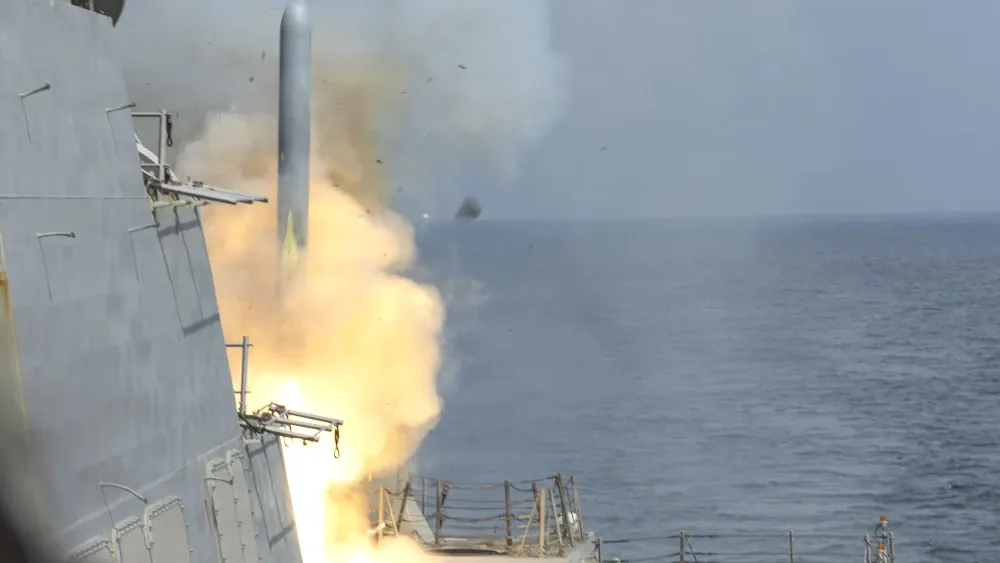
By: Lazar Berman
The U.S.-Israeli campaign against Iran has reached a critical five-week mark, with no resolution in sight and potential escalation looming.
Why it matters: Iran’s missile capabilities remain robust, with over 1,000 missiles still operational despite significant losses.
The broader context: Trump’s ultimatum threatens severe military action, targeting Iran’s key energy infrastructure.
What’s next: Alternatives to bypass Hormuz are fraught with challenges, keeping the strait central to geopolitical strategies.
Iran’s nuclear material, buried under bombed sites, remains a lingering threat, with potential future military operations to secure it.
At least for the coming weeks, the war against Iran looks to be headed for further escalation. That would hurt Iran more than Israel and the U.S., but it by no means points to an easy way out of the war.
To read the full article in the Times of Israel, click here.
|
|
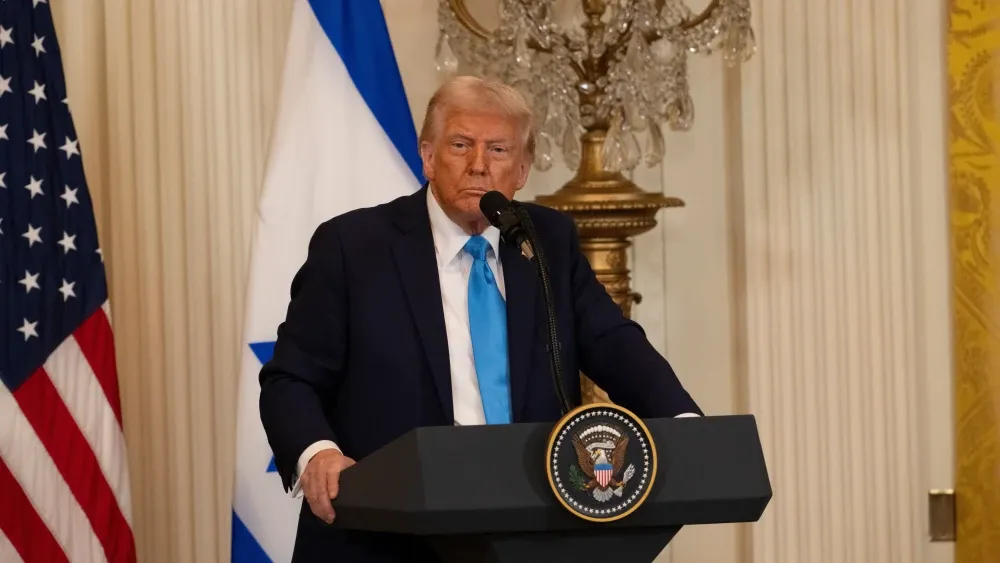
Precise Language Matters When Targeting Iran
By: Mehrdad Marty Youssefiani
The U.S. and Israeli military actions against Iran showcase precision, but rhetorical missteps risk undermining strategic gains, echoing past errors in Afghanistan, Iraq, and Libya.
Why it matters: Imprecise language conflates the Iranian people with the regime, aiding regime propaganda and alienating potential allies among Iran’s 92 million citizens.
The broader context: Historical missteps, such as Obama’s 2009 stance during Iran’s Green Revolution, illustrate the strategic costs of rhetorical imprecision.
What’s next: As the conflict progresses, precision in language and strategy remains crucial for the U.S. to avoid repeating past mistakes.
To read the full article, click here.
|
|
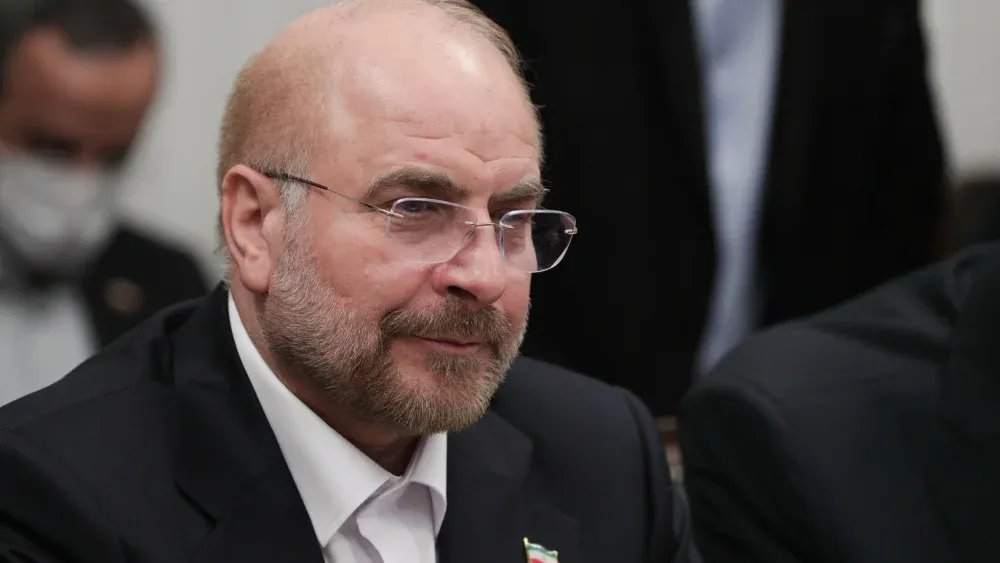
Trump May See Ghalibaf as Iran’s Delcy Rodriguez, but Does He Have a Path to Power?
By: Shay Khatiri
President Trump views Venezuela’s regime change as a success and considers Mohammad-Bagher Ghalibaf as Iran’s potential equivalent to Delcy Rodriguez, ready to lead after regime change.
Why it matters: The complexity of Iran’s political structure, with no clear succession line, poses a challenge for the U.S. to install Ghalibaf as a leader.
The broader context: U.S. expertise in Iran’s internal politics lags behind its understanding of Venezuela, limiting its strategic effectiveness.
What’s next: Rumors of Ghalibaf’s negotiations with Trump raise questions about how to ensure his rise to power.
To read the full article, click here.
|
|
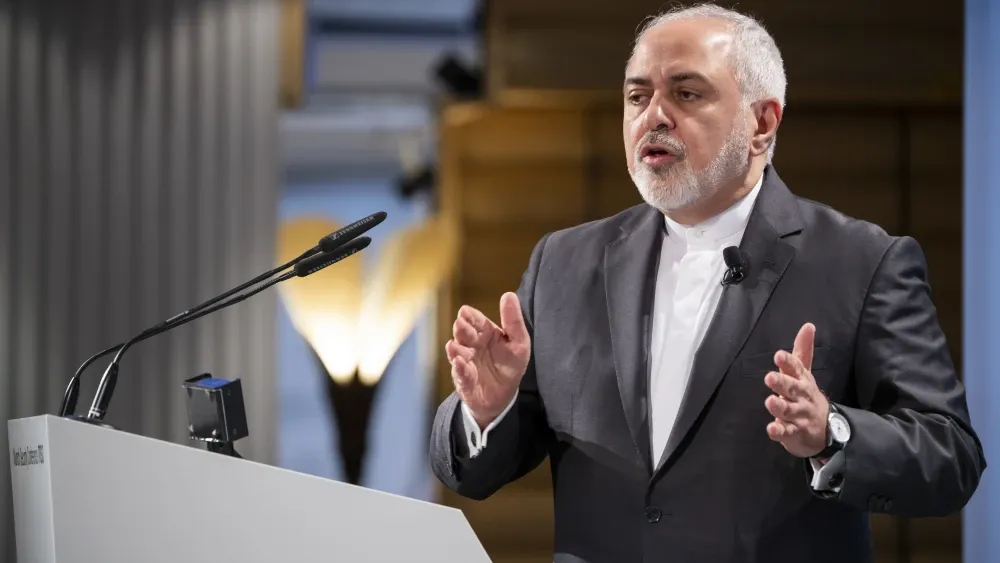
Is Zarif’s Peace Plan a Real Alternative or Political Maneuver?
By: Mardo Soghom
Iran’s former Foreign Minister Mohammad Javad Zarif proposed a peace plan in Foreign Affairs, drawing mixed responses from Iran’s political landscape.
Why it matters: Zarif’s proposal includes restoring navigation through the Strait of Hormuz in exchange for lifting oil sanctions, aiming to balance Iran’s national interests.
The broader context: The proposal suggests a trade-off that includes reparations and dismisses U.S. demands for zero uranium enrichment.
What’s next: While some view Zarif’s move as a reformist political maneuver, others speculate it might have tacit backing from the Islamic Revolutionary Guard Corps.
The restrained response from Tasnim, aligned with the Islamic Revolutionary Guard Corps, hints at possible internal support, despite overt hardliner criticism.
To read the full article, click here.
|
|
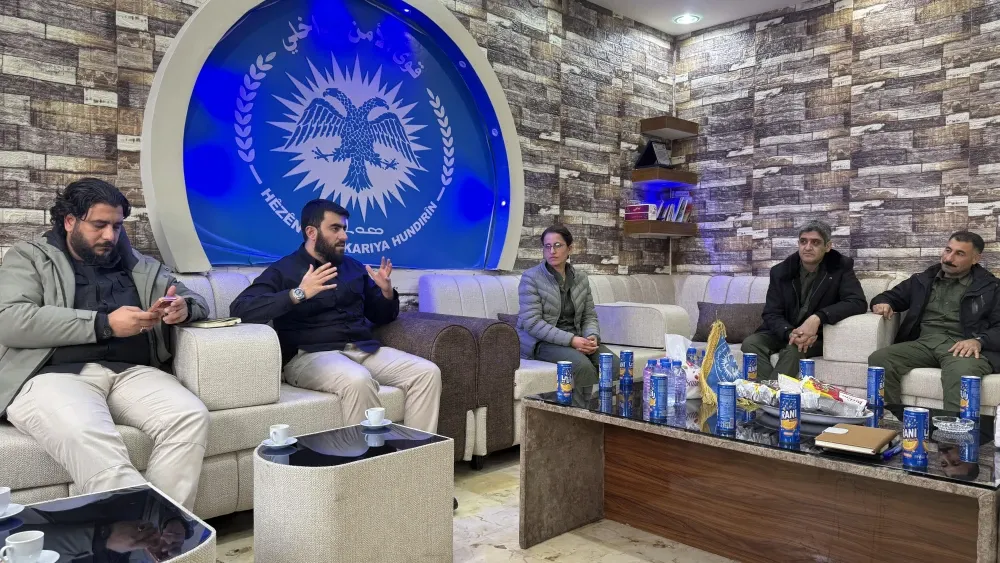
Damascus Dilutes the Kurdish Question in Syria
By: Sirwan Kajjo
Since a U.S.-brokered deal with the Syrian Democratic Forces, the Syrian regime has made strides in controlling the Kurdish question, leveraging its position to undermine Kurdish political legitimacy.
Why it matters: Interim President Ahmed al-Sharaa mirrors Turkish President Erdoğan’s tactics, offering symbolic concessions while using force against Kurds.
The broader context: Al-Sharaa’s approach includes dividing Kurdish regions to fragment their political unity.
What’s next: As regional dynamics shift, Kurdish networks remain resilient despite military setbacks.
To read the full article, click here.
|
|
Why India’s Strategic Partnership with Israel Continues to Deepen
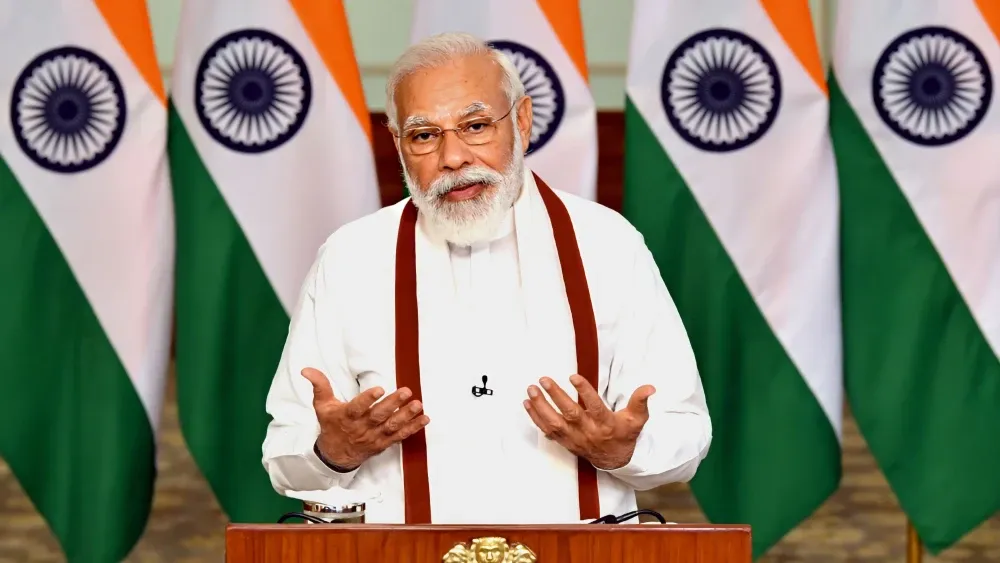
By: Imran Khurshid
India’s partnership with Israel has evolved over three decades into a robust security and technology alliance, driven by shared concerns over terrorism and regional stability.
Why it matters: Israel’s reliable support during conflicts has reinforced its role as a critical defense partner for India, especially in advanced military technology and cybersecurity.
The broader context: India’s balanced Middle East strategy includes strong ties with Arab states, but Israel’s unmatched defense innovation makes it indispensable.
What’s next: As geopolitical dynamics shift, India’s pragmatic approach is likely to strengthen its ties with Israel further.
To read the full article, click here.
|
|
|
|
|
Thank you for reading the MEF Dispatch. The Middle East Forum provides ongoing updates of events in Iran, Israel, and beyond at https://www.meforum.org/. Please share your thoughts on this issue in the comments.
Thank you,
Winfield Myers
Managing Editor, Middle East Forum
Director, Campus Watch
|
|
|
Was this edition useful?  

Your email will be recorded and shared with the sender |
      
MEF, an activist think tank, deals with the Middle East, Islamism, U.S. foreign policy, and related topics, urging bold measures to protect Americans and their allies. Pursuing its goals via intellectual and operational means, the Forum recurrently has policy ideas adopted by the U.S. government.
Copyright © 2025 Middle East Forum, All rights reserved.
Our mailing address is:
Middle East Forum
1650 Market Street, Suite 3600
Philadelphia, PA 19103
|
|
|
|
Powered by 
|
This email was sent by Middle East Forum via Axios HQ |
|
|
|

0 коммент.:
Отправить комментарий