|
|
 |
|
Thirty-Nine Days of Fire By Winfield Myers ● Apr 08, 2026
Smart Brevity® count: 7 mins...1830 words
Gregg Roman provides an in-depth analysis of the war with Iran. There is, he writes, only the question of whether the space that destruction created is used for construction, or whether the Islamic Revolutionary Guard Corps reconsolidates while the world argues about oil prices and competing victory narratives. Both sides are already positioning for the next round, while the war in Lebanon continues. Jonathan Spyer warns that the U.S. and Israel have not yet demonstrated the capacity to turn their military advantage into a strategy able to topple the Tehran regime—the only way this conflict will end.
Mardo Soghom reports that Iran is claiming victory even though poverty, high inflation, and the lack of effective governance will likely get worse amid the threat of additional popular protests. Michael Rubin argues that, contrary to the claims of 100 legal scholars, President Trump is not committing war crimes in Iran. The charge is, he says, ignorant, hypocritical, and overblown.
We also feature the work of Saeid Golkar, Dalga Khatinoglu, Elliot Nazar, Umud Shokri, and Jose Lev Alvarez Gomez.
|
|
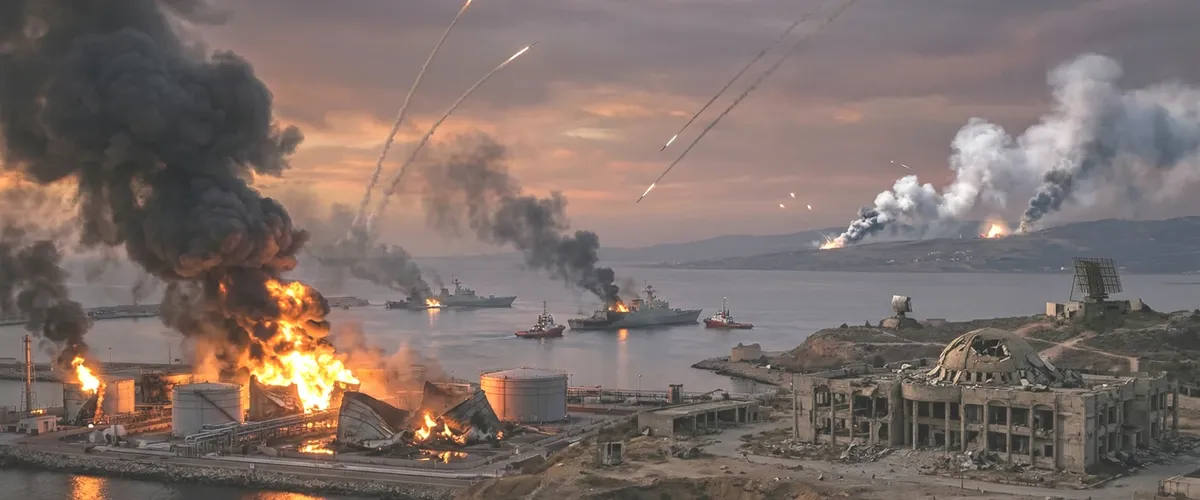
By: Gregg Roman
The war began unexpectedly on a Saturday with B-2 stealth bombers and Israeli F-35s executing a precision strike that killed Iran’s Supreme Leader, Ayatollah Khamenei.
Why it matters: The swift military action by the U.S. and Israel marked a significant escalation, targeting key figures and infrastructure in Iran.
Within 39 days, the allies struck over 11,000 targets, severely degrading Iran’s military and nuclear capabilities.
Ceasefire declared: President Trump announced a two-week ceasefire, labeling it a “complete and total victory,” despite ongoing regional tensions.
Economic shockwaves: The closure of the Strait of Hormuz triggered the worst global energy crisis in half a century, with oil prices soaring.
Negotiations set: The Islamabad talks open April 10. The two-week clock is ticking.
Each side is telling its domestic audience a story incompatible with the story being told across the table. The Islamabad talks will collide with these narratives on April 10, and something will have to give.
To read the full article, click here.
|
|
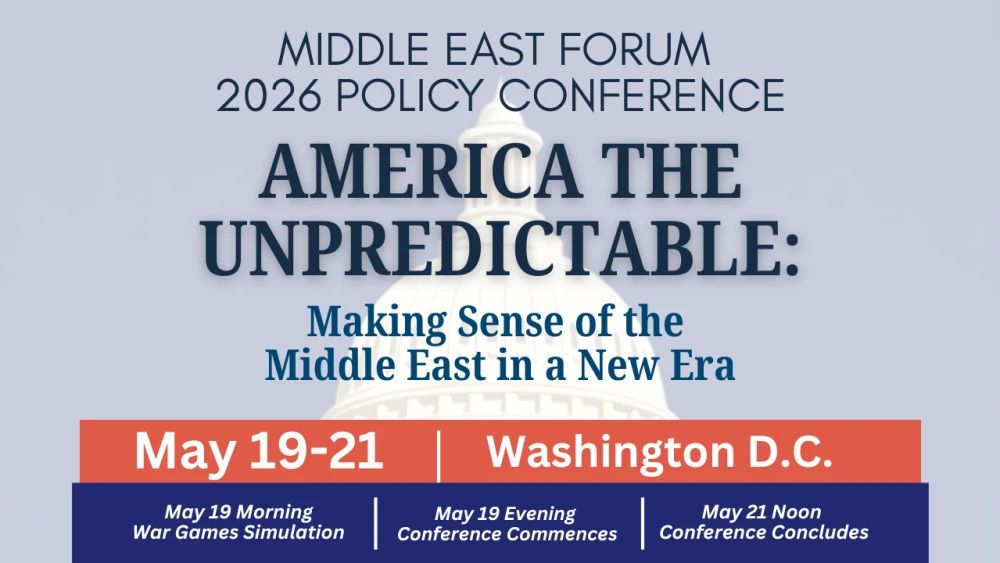
Secure Your Spot: The 2026 Middle East Forum Policy Conference
Join us in Washington, D.C., from May 19-21, 2026, for the Middle East Forum's exclusive Policy Conference as we navigate the turbulent aftermath of the Iran war and its regional shockwaves. This private gathering will tackle today's most pressing geopolitical challenges, featuring in-depth analyses of Turkey's shifting influence and the vital future of the U.S.-Israel relationship. We will also confront the rising threat of domestic Islamists, equipping attendees with the strategic insights needed to counter these interconnected issues.
Click here to secure your spot for America the Unpredictable and access our special hotel block before the May 1st RSVP deadline.
|
|
The Winners and Losers of the Iran Ceasefire Deal
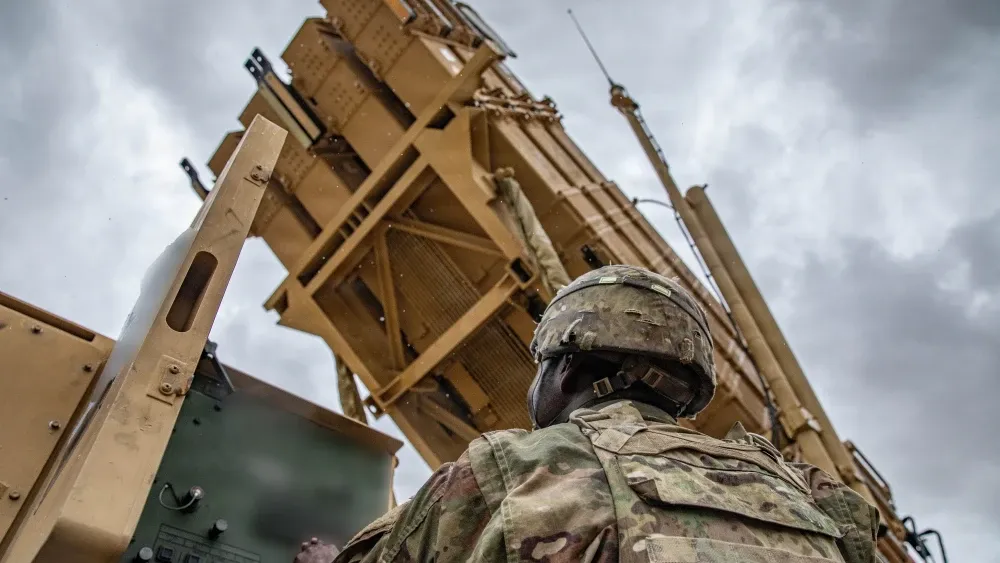
By: Jonathan Spyer
The abrupt announcement of a two-week ceasefire in the conflict between the U.S., Israel, and Iran leaves many issues unresolved.
Why it matters: Iran remains a formidable power with ambitions to expel the U.S. from the region and dominate the Gulf states.
Israel’s perspective: The Iranian regime’s capabilities have been weakened, but its leadership and intentions remain largely intact.
Strait of Hormuz dynamics: Iran’s control over transit fees in Hormuz marks a strategic gain, impacting global economics.
Strategic outlook: Israel and the U.S. have demonstrated their vast conventional military advantage over the Iranians.
To read the full article, click here.
|
|
Iran Claims Victory as Ceasefire Offers No Reprieve for Tehran
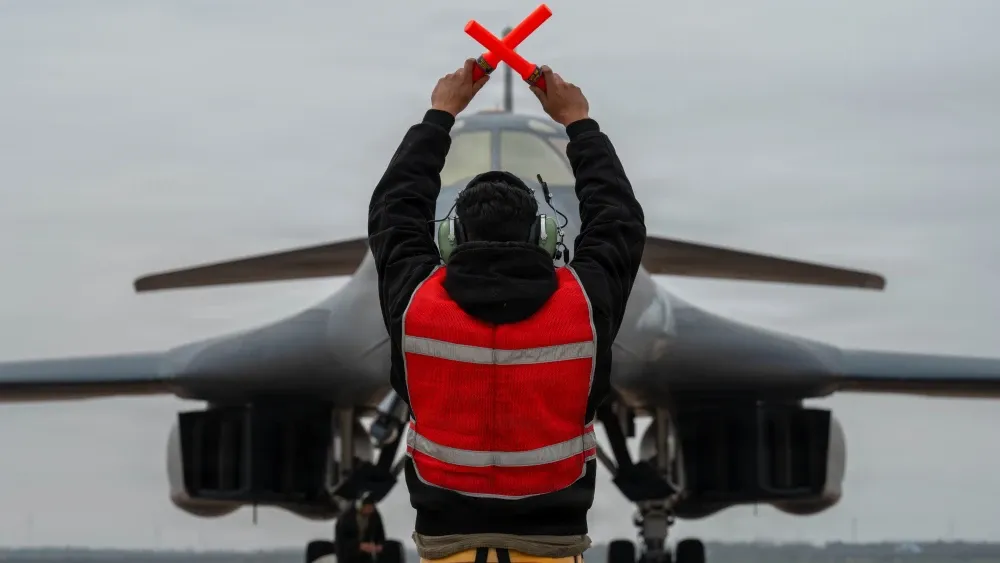
By: Mardo Soghom
Iran’s leaders are lauding a self-declared victory over the U.S. following a two-week ceasefire agreement.
Why it matters: Despite the Iranian regime’s celebrations, the U.S. and Israel have inflicted severe damage on Iran’s military and infrastructure.
Economic strain intensifies: Iran’s economy is grappling with the aftermath of extensive military strikes and pre-existing financial woes.
Military and regional dynamics: Ongoing missile and drone exchanges highlight persistent tensions, even as global markets react positively to the ceasefire.
To read the full article, click here.
|
|
No, Trump Is Not Committing War Crimes in Iran
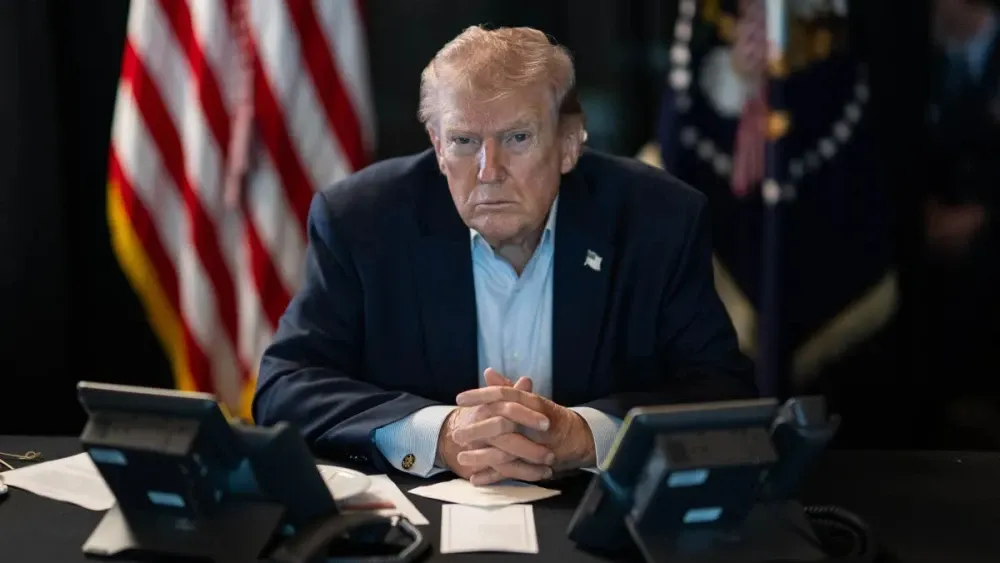
By: Michael Rubin
A group of legal scholars has accused President Trump of potential war crimes for his threats against Iranian infrastructure, but their argument overlooks critical realities.
Why it matters: These scholars‘ charges ignore the complexity of Iran’s entanglement with its Revolutionary Guard and the broader historical context.
The critique fails to acknowledge that Iran’s power plants, threatened by Trump, are under the control of the Revolutionary Guard, making them legitimate military targets.
Hypocrisy in focus: The scholars’ selective outrage disregards Iran’s own record of regional aggression and human rights abuses.
Legal principles at risk: The scholars‘ politically motivated rhetoric risks undermining international humanitarian law rather than reinforcing it.
To read the full article, click here.
|
|
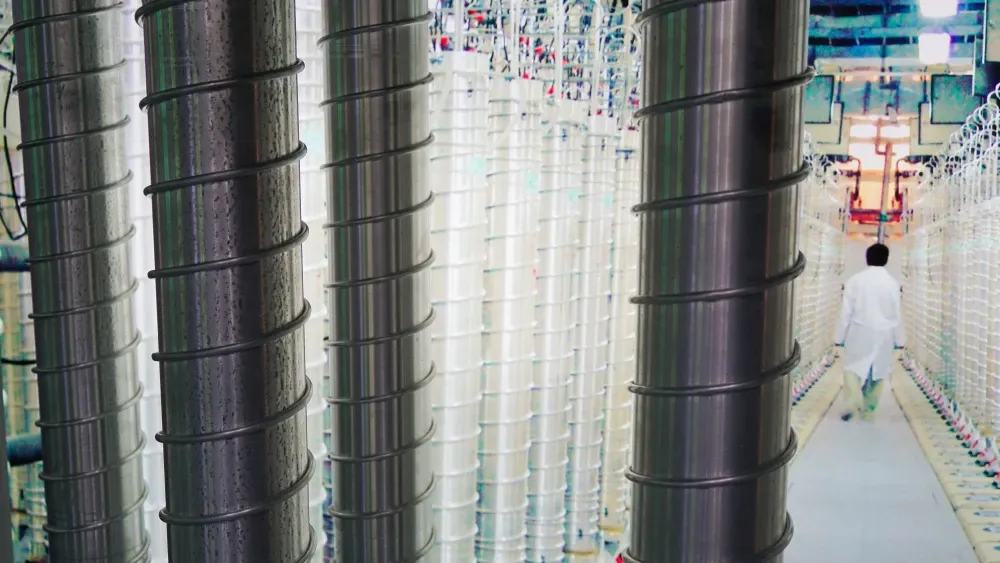
The Challenges of a Nuclear Deal with Iran
By: Saeid Golkar
As Washington eyes a potential agreement with Iran to dismantle its nuclear program, the strategic landscape shifts.
Why it matters: While a deal may seem like a diplomatic triumph, it risks overlooking the deeper issues sustaining the Iranian regime’s power.
Economic relief risks: Sanctions easing could inadvertently fortify Iran’s non-nuclear capabilities, bolstering its regional influence and internal repression.
Focus beyond enrichment: The U.S. must target the financial networks propping up Iran’s security apparatus and enhance regional defenses.
To read the full article, click here.
|
|
The Economic Consequences of Targeting Iran’s Steel, Infrastructure, and Petrochemicals
By: Dalga Khatinoglu
Israel’s latest wave of strikes has shifted focus from military to key economic infrastructure, marking a significant escalation.
Why it matters: The strikes on Iran’s steel, petrochemical, and transportation hubs aim to cripple its industrial development and economic resilience.
Strategic impacts: The attacks on major infrastructure are designed to degrade Iran’s long-term economic capacity.
Industries heavily tied to the Islamic Revolutionary Guard Corps, like steel and petrochemicals, are particularly affected, highlighting the strategic nature of these strikes.
Economic consequences: Iran’s economic pillars, once symbols of growth, now face substantial damage, affecting their ability to generate key export revenues.
To read the full article, click here.
|
|
Time to Crack Down on Iran’s Kangaroo Courts
By: Elliot Nazar
Despite significant military setbacks, Iran’s regime continues to suppress opposition using its judiciary as a tool of fear.
Why it matters: The Islamic Republic’s judiciary enforces the regime’s ideology, issuing harsh sentences against political dissidents and human rights activists.
Strategic shift: The judiciary’s hardline courts, known for closed trials and predetermined verdicts, are central to maintaining regime control.
Long-term impact: Removing the judiciary’s power would dismantle a mechanism of terror, giving ordinary Iranians a chance to resist the regime’s oppressive grip.
To read the full article, click here.
|
|
Will War Push Turkey’s Fragile Economy over the Edge?
By: Umud Shokri
Turkey faces a critical energy challenge as the conflict with Iran exposes its heavy reliance on imported energy.
Why it matters: With 90 percent of its energy imported, Turkey is vulnerable to disruptions and price surges, impacting its economic stability.
Economic strain: Rising energy costs are forcing Ankara to consider politically sensitive measures like increasing electricity and gas prices.
Strategic pivot: Turkey is accelerating energy diversification, focusing on renewables and domestic production to reduce reliance on imports.
To read the full article, click here.
|
|
Iran’s Mafia Hit Squads and Tehran’s Hybrid War on the West’s Streets
By: Jose Lev Alvarez Gomez
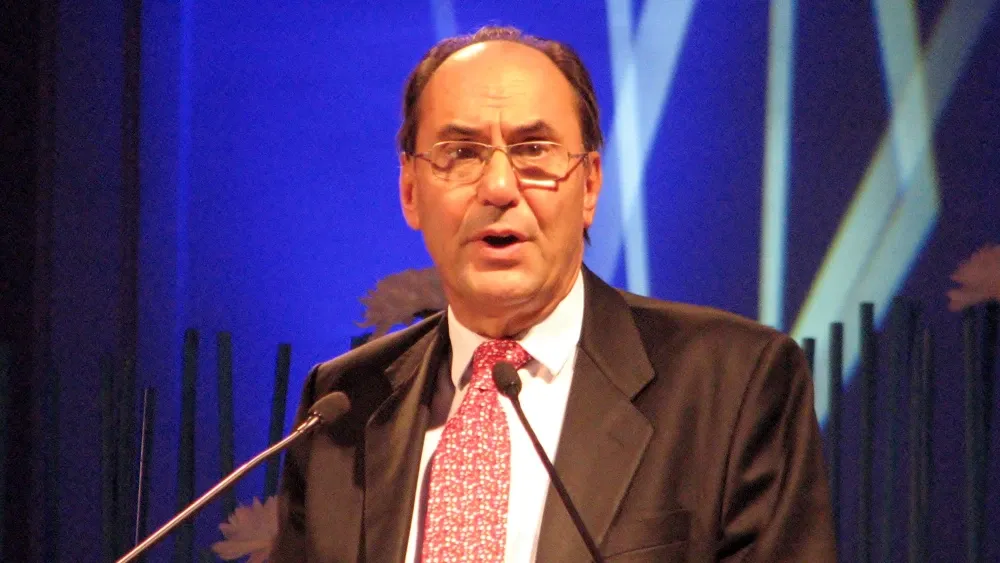
The attack on Alejo Vidal-Quadras, a former Spanish vice president of the European Parliament, highlights Iran’s use of criminal networks to target its adversaries. He was walking along a Madrid sidewalk after attending Mass when a scooter pulled up behind him and a gunman fired a single 9mm round into his face. He survived, but was seriously injured.
Why it matters: Iran’s regime employs gangs to carry out attacks, exploiting Europe’s gang wars while avoiding direct accountability.
Criminal networks at play: Iran’s partnerships with groups like the Mocro Mafia and the “Kurdish Fox” network facilitate a range of operations, from targeted killings to attacks on Jewish sites.
Western response needed: Despite condemnations, European sanctions remain insufficient to counter Iran’s hybrid warfare tactics effectively.
To read the full article, click here.
|
|
Thank you for reading the MEF Dispatch. As we enter a two-week ceasefire with Iran, the Middle East Forum will provide a steady stream of analyses and updates at https://www.meforum.org/. Please share your thoughts on this issue in the comments.
Thank you,
Winfield Myers
Managing Editor, Middle East Forum
Director, Campus Watch
|
|
|
Was this edition useful?  

Your email will be recorded and shared with the sender |
      
MEF, an activist think tank, deals with the Middle East, Islamism, U.S. foreign policy, and related topics, urging bold measures to protect Americans and their allies. Pursuing its goals via intellectual and operational means, the Forum recurrently has policy ideas adopted by the U.S. government.
Copyright © 2025 Middle East Forum, All rights reserved.
Our mailing address is:
Middle East Forum
1650 Market Street, Suite 3600
Philadelphia, PA 19103
|
|
|
|
Powered by 
|
This email was sent by Middle East Forum via Axios HQ |
|
|
|

0 коммент.:
Отправить комментарий