|
|
 |
|
The Roots of Harvard’s Jewish Problem By Winfield Myers ● Apr 17, 2026
Smart Brevity® count: 6.5 mins...1723 words
Of the Trump administration’s lawsuit against Harvard University for its failure to curb its rampant antisemitism, A.J. Caschetta writes that Harvard’s “deliberate indifference” to this ingrained bigotry began long before October 7, and it will take more than a lawsuit to correct the problem. Dexter Van Zile analyzes the “Hijabi Brigades”—veiled Muslim women who attack Israel and the West while ignoring the suffering of women in Muslim-majority environments.
Also included is the work of Marilyn Stern, Giulio Meotti, Jules Gomes, and Michael Rubin, among others.
|
|
The Roots of Harvard’s Jewish Problem
By: A.J. Caschetta
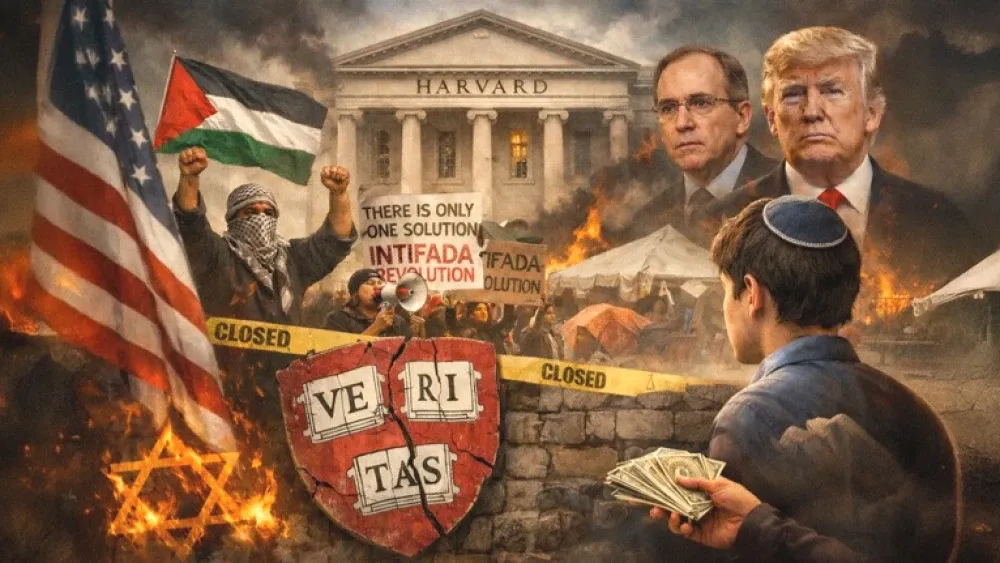
The Trump administration has filed a lawsuit against Harvard University, accusing it of fostering a campus climate rife with antisemitism since October 7.
Federal demands: On April 11, 2025, federal agencies issued a mandate to Harvard President Alan Garber, demanding audits of departments fueling antisemitic harassment.
They specifically targeted the Center for Middle Eastern Studies, Near Eastern Languages, and the Divinity School, labeling them as Harvard’s “unholy Trinity of Jew Hatred.”
DOJ’s accusations: The Department of Justice claims Harvard violated the Civil Rights Act by failing to discipline antisemitic protests.
Controversial support: Harvard University Police Chief Victor A. Clay allegedly supported protesters hostile to Jewish students, breaking enforcement rules.
To read the full article, click here.
|
|
Secure Your Spot: The 2026 Middle East Forum Policy Conference
Join us in Washington, D.C., from May 19-21, 2026, for the Middle East Forum's exclusive Policy Conference as we navigate the turbulent aftermath of the Iran war and its regional shockwaves. This private gathering will tackle today's most pressing geopolitical challenges, featuring in-depth analyses of Turkey's shifting influence and the vital future of the U.S.-Israel relationship. We will also confront the rising threat of domestic Islamists, equipping attendees with the strategic insights needed to counter these interconnected issues.
Click here to secure your spot for America the Unpredictable and access our special hotel block before the May 1st RSVP deadline.
|
|
Hijabi Brigade Silences Critics of Jihadist Violence
By: Dexter Van Zile
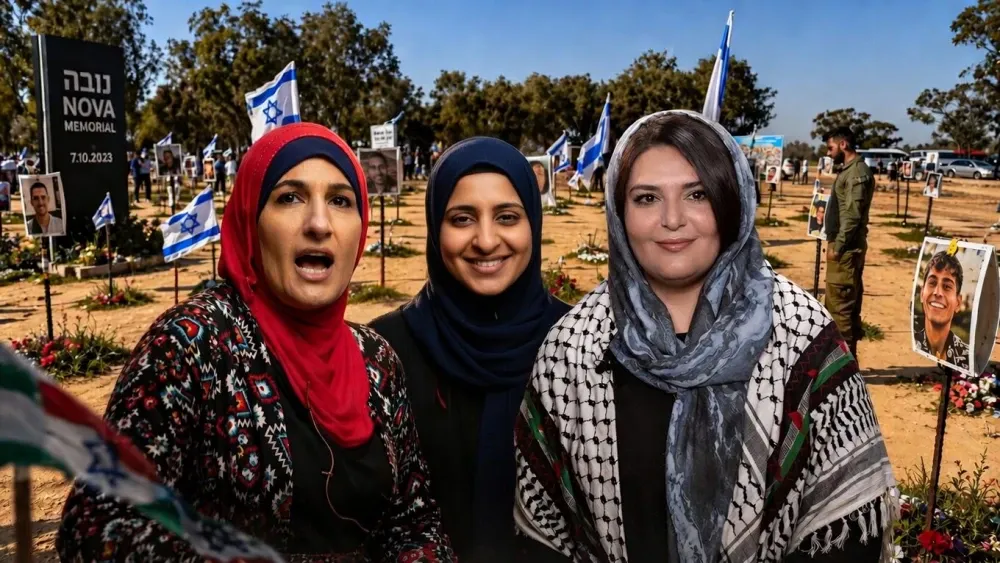
Anyone who has spent any time at anti-Israel and anti-American protests since October 7 has seen them: the veiled Muslim women who inveigh against Israel’s “genocide” in Gaza and the “Islamophobia” they have endured while living in Western democracies. They are led by figures like Nerdeen Kiswani.
Kiswani’s rhetoric: The Palestinian-American activist labels Israel’s defense actions as “genocide” and dismisses Hamas atrocities as lies.
Spotlight on U.S. leaders: Figures like Linda Sarsour and Sameerah Munshi have historically led similar movements, often masked under the guise of “Islamophobia” activism.
International reach: European groups like MAGIC amplify the brigade’s influence, framing criticism of Islamism as hate speech.
To read the full article, click here.
|
|
Judith Miller on Dhimmitude and the Politics of Accommodation
By: Marilyn Stern
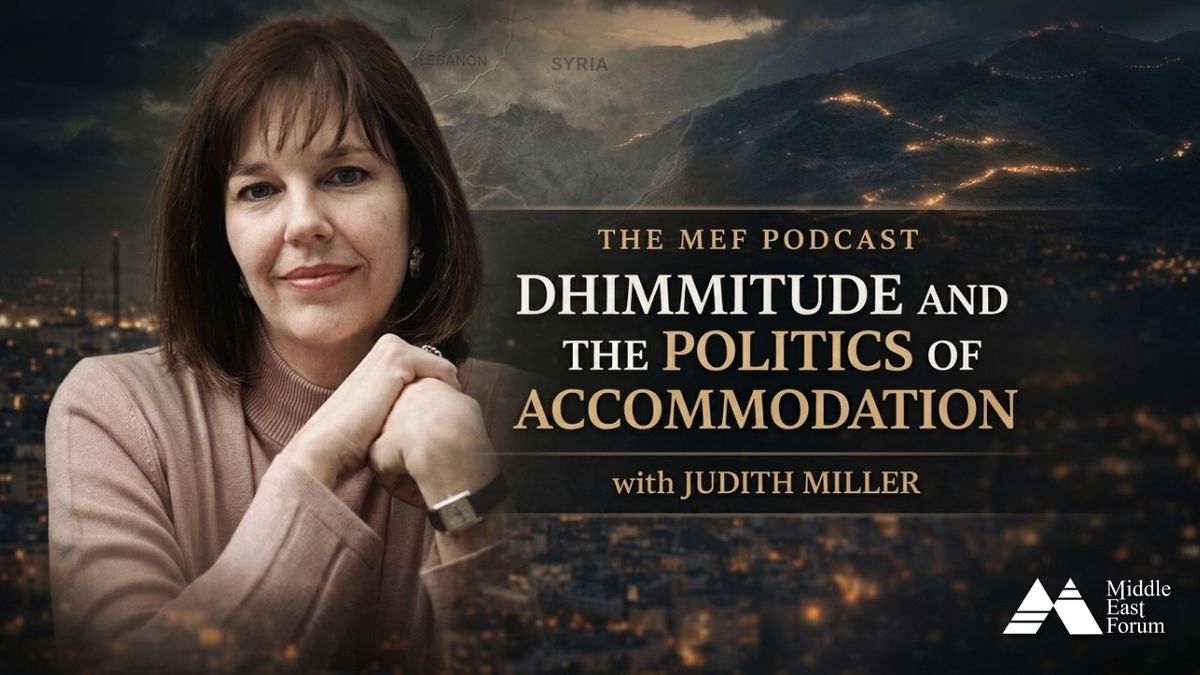
Pulitzer Prize-winning investigative reporter Judith Miller, speaking on an MEF podcast, highlights Bat Ye’or’s insights on the consequences of Muslim migration into Europe, which have proven prophetic.
Daughter of the Nile: Bat Ye’or, a.k.a. Giselle Littman, an Egyptian-born Jew expelled from Egypt, introduced the term “dhimmitude” to describe the second-class status of Jews and Christians under Islamic rule.
Backlash predicted: Ye’or warned of European policies fueling Islamist influence and antisemitism, leading to public backlash.
U.S. parallels: While the U.S. faces similar pressures, its Jewish activism and democratic traditions offer resilience.
Conclusion: Bat Ye’or’s warnings urge Western societies to reaffirm their democratic values and address cultural challenges with informed vigilance.
To read the full summary and watch the podcast, click here.
|
|
Will All of Europe Soon Be a No-Go Wasteland?
By: Giulio Meotti
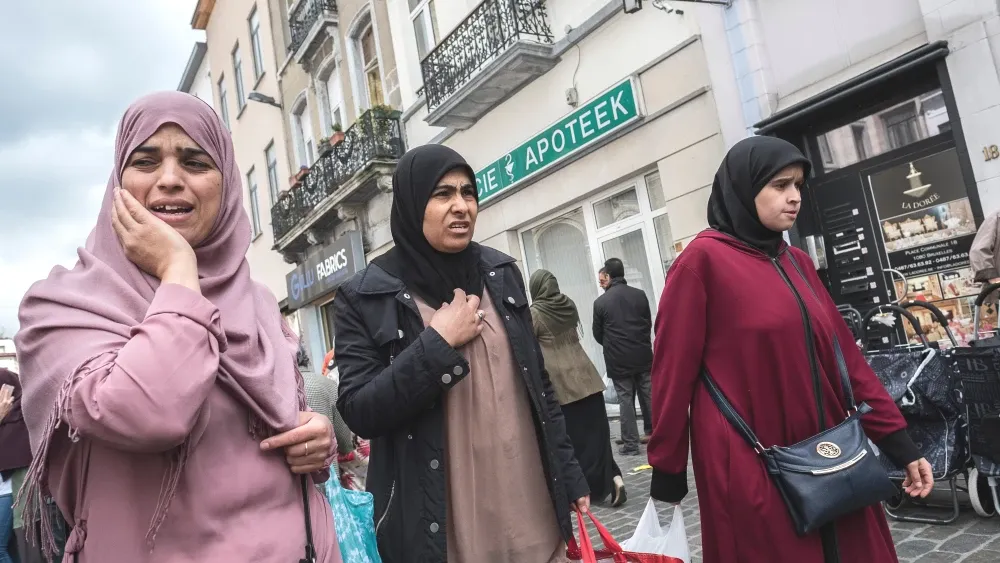
The unchecked influx of Muslim migrants across Europe has led to the rise of no-go zones, challenging the continent’s social fabric.
Marseille’s reality: A TV scene shows a Muslim man confronting a Frenchman for smoking during Ramadan, exemplifying the cultural clashes.
Political warnings: Reports from the New Direction Foundation highlight “parallel societies” emerging due to mass Muslim immigration.
Government responses: Some European governments acknowledge these zones but often use euphemisms to downplay the crisis.
In Sweden, emergency responders demand protection similar to those used in war zones, due to increasing violence from migrant populations. Many European governments have concluded it is too late to prevent an Islamized Europe and that all that can be done is to cushion its effects in the short term and hope that the destruction is limited to those no-go zones, preferably not theirs.
To read the full article, click here.
|
|
Belgium Shrugs Off Warning of Muslim Brotherhood Influence

By: Jules Gomes
Florence Bergeaud-Blackler criticizes Belgium’s intelligence report for underestimating the Muslim Brotherhood’s (MB) influence, despite clear threats outlined by France.
Intelligence contradictions: Belgian authorities acknowledge the Brotherhood’s extremist ideology but dismiss its immediate threat.
French warnings: A French report identifies Belgium as a key hub for the MB, warning of deep ties to European institutions.
Institutional oversight: Bergeaud-Blackler criticizes Belgium for ignoring evidence and relying on biased sources.
To read the full article, click here.
|
|
The Iran War’s Damage to Global Aviation

By: Dalga Khatinoglu
The United States and Israel’s campaign against Iran has triggered a severe aviation crisis, particularly affecting the Middle East.
Strait of Hormuz impact: Iran’s actions have disrupted a key transit route for jet fuel, causing global shortages and price surges.
Airline struggles: Regional carriers like Qatar Airways and Emirates are under pressure, with daily flights halved and losses mounting to $3 billion.
Global repercussions: Flight volumes in Europe and Asia have declined significantly, highlighting the conflict’s wide-reaching effects on air transport.
Industrialized nations are releasing strategic reserves, but jet fuel markets, especially Europe-dependent ones, remain strained.
To read the full article, click here.
|
|
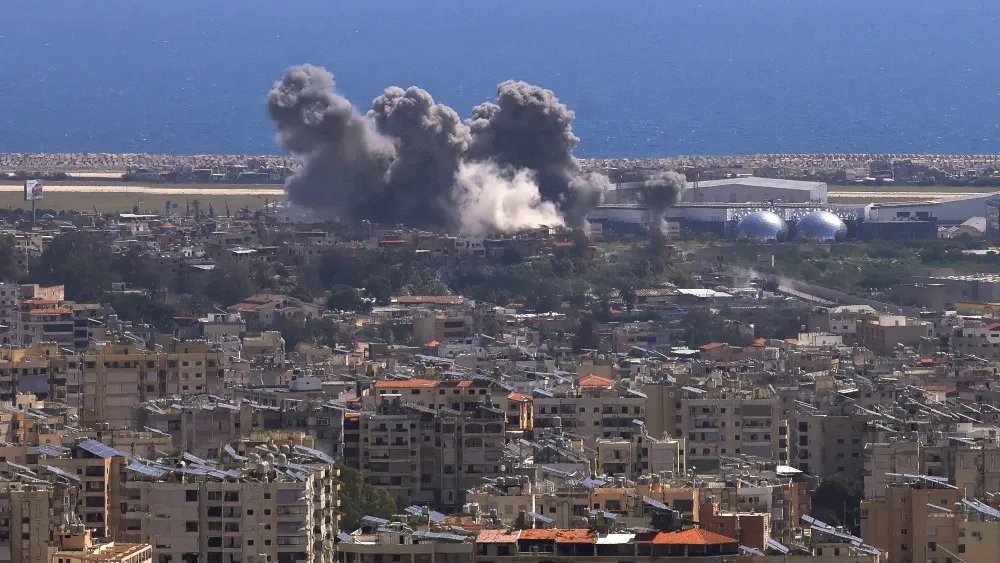
Christian Villages in South Lebanon Caught in the Crossfire
By: Aymenn Jawad Al-Tamimi
In interviews by Aymenn Jawad Al-Tamimi, residents of Rmeich and Ain Ebel reveal their struggles as their villages are caught in the crossfire between Israel and Hezbollah.
Rmeich’s dire situation: With the Lebanese army withdrawn, Rmeich faces severe shortages of electricity, water, and food.
Ain Ebel’s challenges: The village, on the periphery of Bint Jbeil, is affected by nearby military operations, causing infrequent aid deliveries.
Call for peace: Both villages express a strong desire for peace and international protection, emphasizing their neutrality and need for stability.
To read the full interviews, click here.
|
|
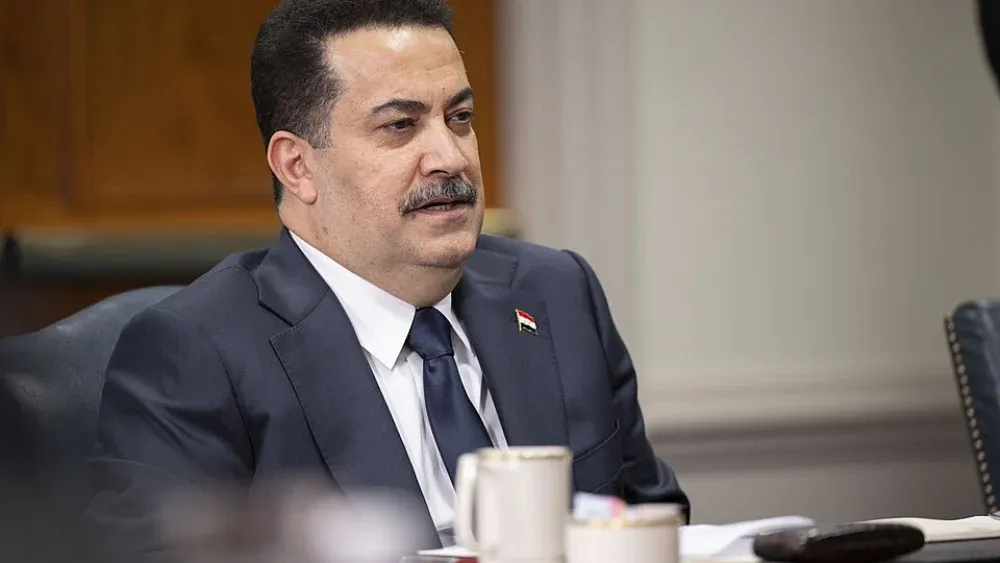
Iraqi Prime Minister Sudani Lies to President Trump About Militias
By: Michael Rubin
Iraqi Prime Minister Mohammed Shia’ al-Sudani has shown both promise and peril, with development strides overshadowed by his appeasement of Iran-backed militias.
Development vs. corruption: While Sudani has enhanced Iraq’s infrastructure, corruption persists, with business outsourced to family, mirroring past leaders.
Recent tensions: In March 2026, Iranian-backed militias attacked the U.S. Embassy in Baghdad, with Sudani deflecting blame and urging militias to retaliate against U.S. responses.
Trust questioned: Sudani’s attempts to recast relations with the U.S., despite his actions, highlight a credibility gap.
To read the full article, click here.
|
|
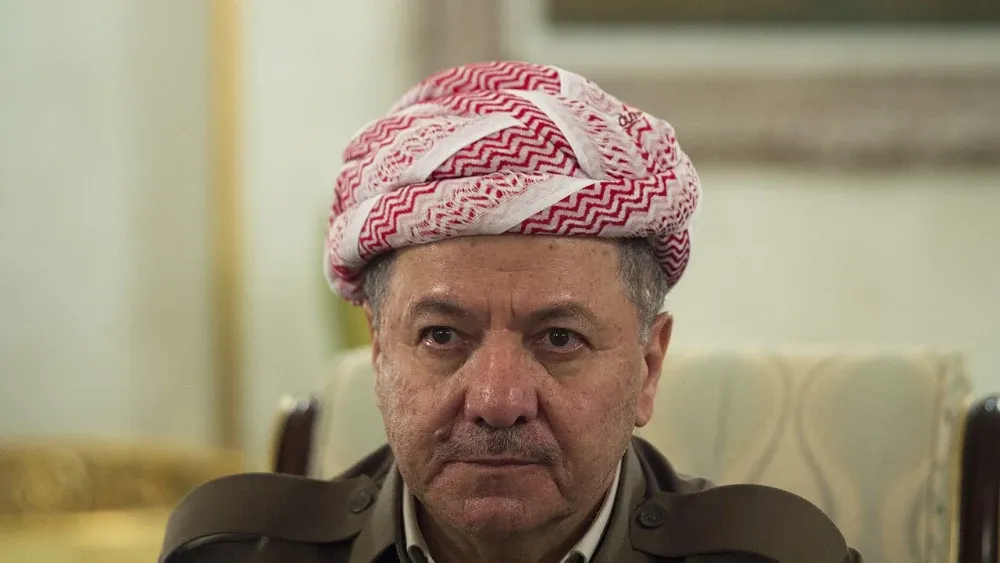
Why Masoud Barzani’s Kurdistan Democratic Party Keeps Losing Iraq’s Presidency
By: Kamal Chomani
Kurdistan Democratic Party leader Masoud Barzani faces another setback as his opposition to Iraq’s presidential election is ignored, highlighting a recurring pattern of political overreach.
Unheeded warnings: Barzani’s demand for a unified Kurdish nominee in the presidential election was swiftly bypassed, with the Patriotic Union of Kurdistan’s candidate winning.
Pattern of failure: Repeated defeats in presidential contests reveal Barzani’s strategic miscalculations and failure to adapt to political realities.
Need for change: Barzani’s approach of ultimatums and boycotts is ineffective; successful coalition-building requires negotiation and power-sharing.
To read the full article, click here.
|
|
|
|
|
If you found this issue of the MEF Dispatch interesting and informative, please forward it to a friend. The Middle East Forum provides a steady stream of analyses and updates at https://www.meforum.org/. Please share your thoughts on our coverage in the comments.
Thank you,
Winfield Myers
Managing Editor, Middle East Forum
Director, Campus Watch
|
|
|
Was this edition useful?  

Your email will be recorded and shared with the sender |
      
MEF, an activist think tank, deals with the Middle East, Islamism, U.S. foreign policy, and related topics, urging bold measures to protect Americans and their allies. Pursuing its goals via intellectual and operational means, the Forum recurrently has policy ideas adopted by the U.S. government.
Copyright © 2025 Middle East Forum, All rights reserved.
Our mailing address is:
Middle East Forum
1650 Market Street, Suite 3600
Philadelphia, PA 19103
|
|
|
|
Powered by 
|
This email was sent by Middle East Forum via Axios HQ |
|
|
|



0 коммент.:
Отправить комментарий