| |  | | | U.S.-Israeli Strikes Expose Scale of Iran's Missile Infrastructure By Winfield Myers ● Mar 27, 2026 Smart Brevity® count: 8.5 mins...2215 words This issue of the Dispatch covers the Iran war from a number of different angles. We feature two articles from Mardo Soghom and three from Michael Rubin (one with Stan Veuger), plus the work of Saeid Golkar & Kasra Aarabi, Benjamin Baird, Jonathan Spyer, Lazar Berman, Marilyn Stern, and Jan Kapusnak. | | U.S.-Israeli Strikes Expose Scale of Iran's Missile Infrastructure 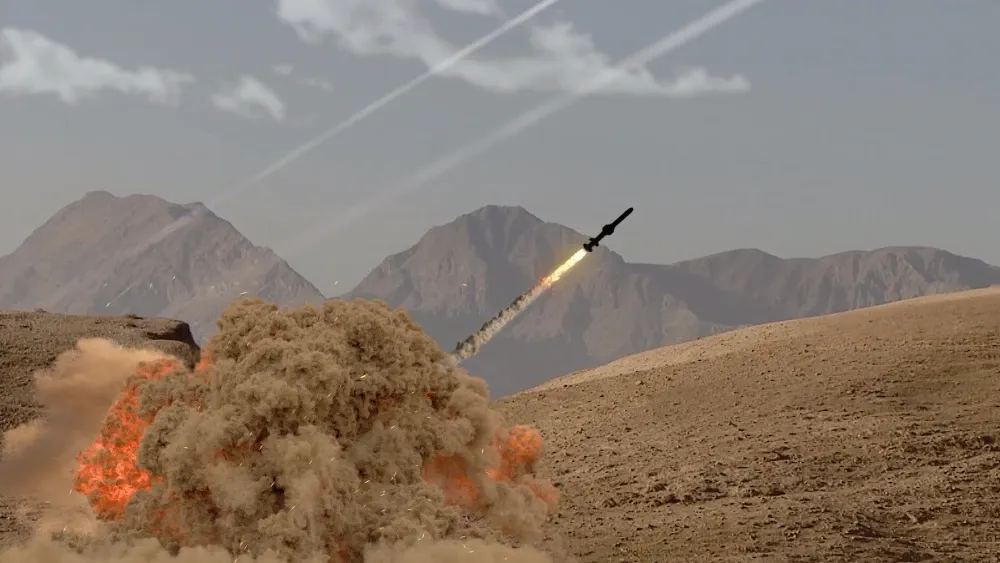 By: Mardo Soghom The March 2026 U.S.–Israeli air campaign against Iran barely dented its extensive missile infrastructure, revealing Tehran's formidable resilience. Underground fortresses: Iran's missile sites, many embedded deep underground, exemplify its strategic foresight. -
A site near Yazd, fortified in granite, withstands repeated strikes, showcasing Iran's defense ingenuity. Massive investment: Iran has poured billions into these subterranean missile networks, prioritizing military might over its people's welfare. Economic paradox: Despite vast oil wealth, Iran's economy suffers as funds funnel into military ambitions, leaving citizens in poverty. To read the full article, click here. | | Revolutionary Guard Warns Civilians to Leave as Hormuz Tensions Rise  By: Mardo Soghom Iran's Islamic Revolutionary Guard Corps has issued a warning for civilians to vacate areas with U.S. presence, indicating potential military actions. Guard's communiqué: Tehran's forces falsely accuse the U.S. of indiscriminate killings and urge civilians to avoid danger zones. Strategic maneuvers: Trump has extended the deadline for strikes on Iran's energy plants, citing progress in diplomacy. Saudi encouragement: Saudi Arabia urges the U.S. to intensify its military campaign, viewing it as an opportunity to reshape the region. To read the full article, click here. | | MEF Action Alert: Iran Freedom Campaign Series 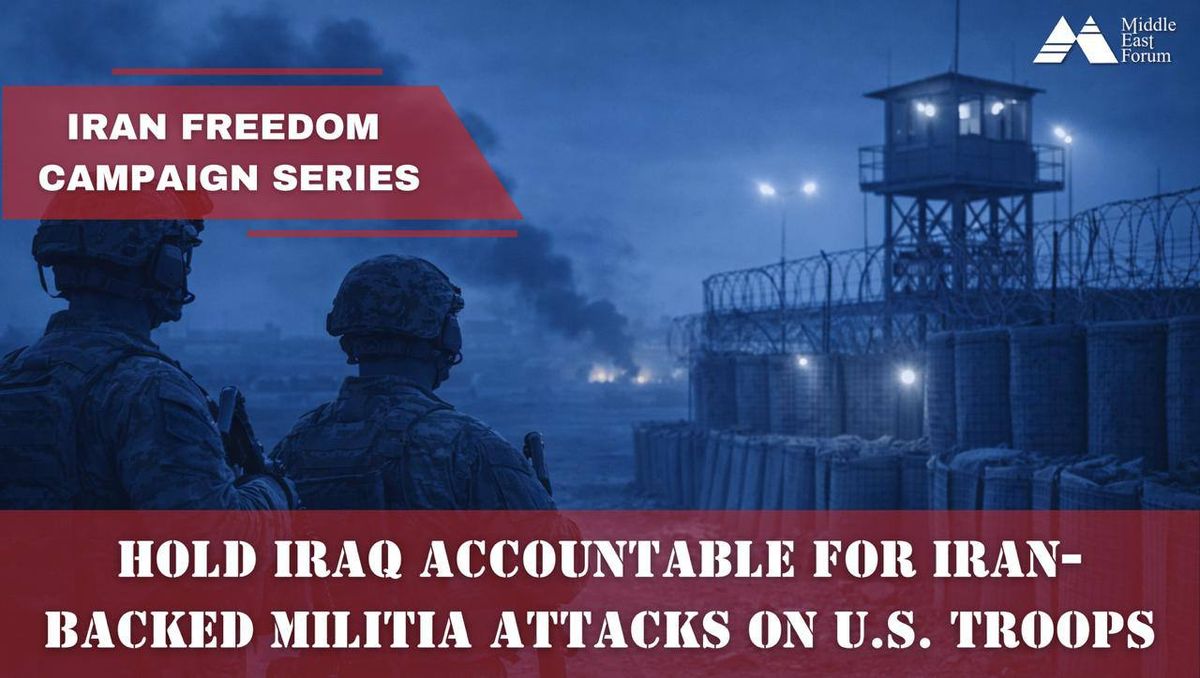 Tell Congress to Sanction Iraq for Supporting Iran-Backed Militias Responsible for 100 Attacks on U.S. Troops The Situation: Iran-backed Popular Mobilization Forces (PMFs) in Iraq—officially part of Iraq's security forces but loyal to Tehran—have carried out over 100 attacks on U.S. troops using drones and rockets. Despite a prior MEF Action campaign that led to terrorist designations for three major PMF factions, Iraq still shelters and funds these militias. How to Help: Join MEF Action's Iran Freedom Campaign. Send pre-written letters to your House representative and senators urging Congress to: -
Enforce the 2026 National Defense Authorization Act and withhold 50 percent of U.S. security assistance to Iraq until it demobilizes the Iran-loyal PMF factions. -
Impose targeted sanctions on Iraqi officials and state-owned enterprises that enable PMF monopolies in oil, transport, and telecommunications. -
Designate remaining PMF militias as Foreign Terrorist Organizations and condition all non-security U.S. aid on Iraq cutting support for these groups. Visit the MEF Action Center to send your letters to Congress today. Why It Matters: Iraq must stop funding militias that kill Americans or lose U.S. support. Your letters will pressure Congress to act now, weaken Iran's proxy network in Iraq, protect U.S. forces, and hold Baghdad accountable. TO TAKE ACTION NOW, CLICK HERE! | | There Is a Sinister New Power in Iran, and It's Not Who the West Thinks 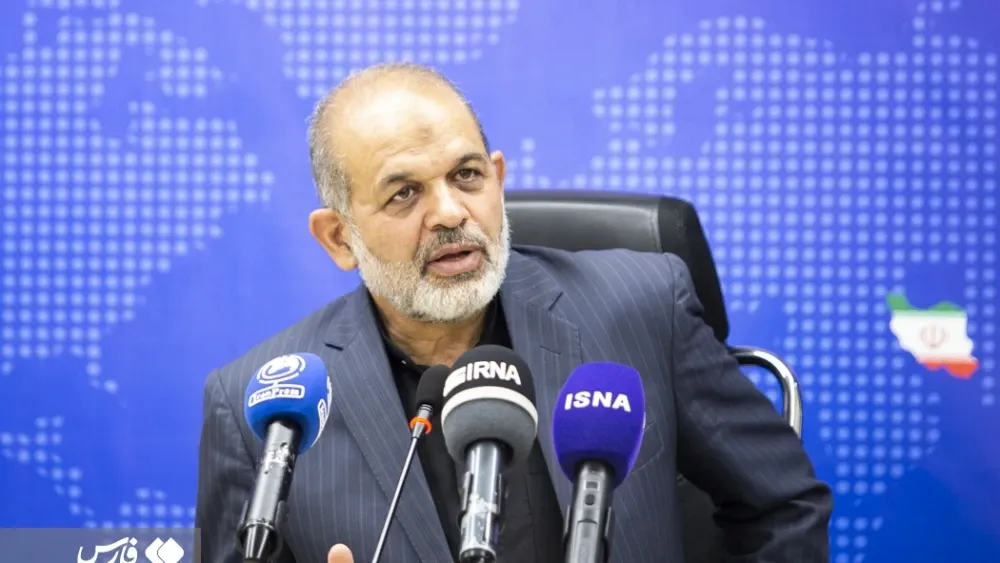 By: Saeid Golkar and Kasra Aarabi As the U.S.-Iran conflict intensifies, Ahmad Vahidi, the new IRGC commander-in-chief, is positioned as the real power in Tehran. Vahidi's covert influence: Known for his strategic acumen, Vahidi operates from the shadows, pulling the strings of Iran's military and intelligence apparatus. A calculated militarist: Vahidi's history of expanding Iran's military capabilities includes orchestrating global terrorist activities and solidifying ties with North Korea. Implications for the West: Allowing this regime to survive under Vahidi's influence could lead to a more militarized and dangerous Iran. To read the entire article, click here. | | Time for Congress to Get Busy Backing Regime Change in Iran  By: Benjamin Baird Amid surging gas and food prices, the Pentagon has requested $200 billion to replenish ammunition and fund operations critical to the war effort in Iran. Why it matters: Bombs and bullets alone will not defeat Iran's Islamist leaders. Congressional inaction: Stalled initiatives like the "Enforcing Maximum Pressure" have delayed meaningful change. Future governance challenges: Managing Iran's transition post-regime collapse poses significant hurdles. What's next: it's time for Congress to force the issue by going all-in on regime change, and the best way to achieve this outcome is by carving out portions of an emergency spending bill for political warfare and state-building operations. To read the full article, click here. | | ICYMI: Israel Insider with Ashley Perry 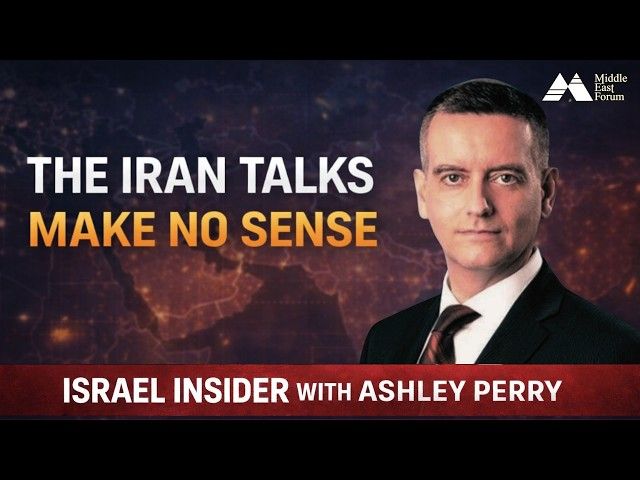 Uncertainty surrounds the U.S.-Iran negotiations, with confusion over who represents each side, wildly divergent demands, and no clear path to agreement despite scheduled talks. The Trump administration signals strong interest in wrapping up the conflict soon to meet its four-to-six-week timeline and address domestic priorities like lowering energy costs, while downplaying or walking back elements of its earlier deadline on the Strait of Hormuz. Israel accelerates airstrikes on Iranian nuclear, missile, and defensive sites amid nervousness that talks might produce an unfavorable pause, even as regional allies urge continued pressure to reshape the Middle East. Ashley Perry is an advisor to the Middle East Forum's Israel office. He served as adviser to Israel's minister of foreign affairs and deputy prime minister in 2009-15, and has also been an advisor to the Negev Forum. Originally from the United Kingdom, he moved to Israel in 2001. He holds a B.A. from University College London and an M.A. from Reichman University (IDC Herzliya). To watch the entire podcast, click here. | | Taking Kharg Island Is Seen as Key to Opening Hormuz. There Are Better Options 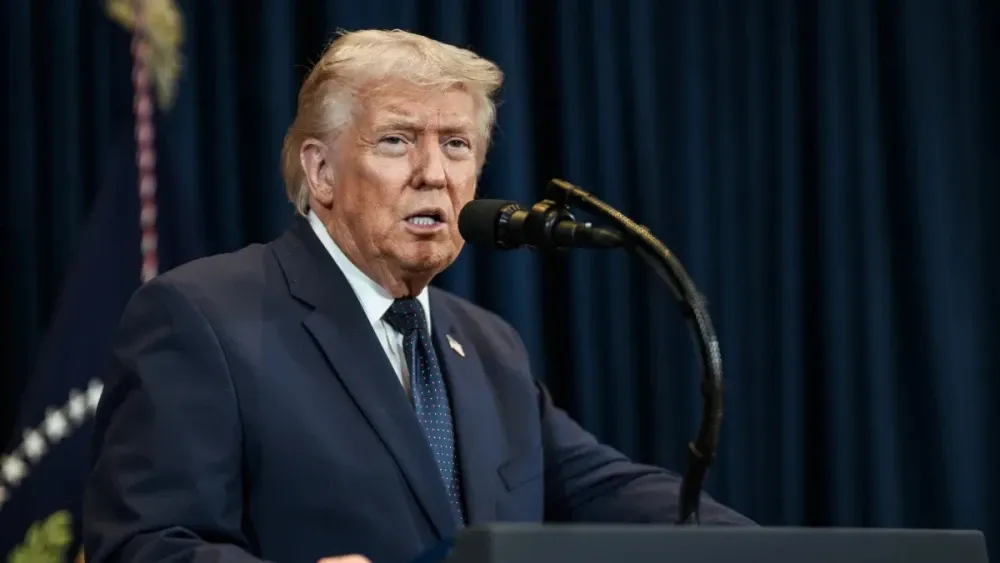 By: Lazar Berman Kharg Island, a crucial oil export terminal for Iran, is emerging as a pivotal point in the U.S.-Iran conflict. Strategic chessboard: Controlling Kharg could cripple Iran's economy, cutting off ninety percent of its oil exports. Military considerations: The U.S. has overwhelming military advantages, but taking Kharg poses significant risks. -
Six thousand U.S. troops are en route, indicating potential operations to seize the island. -
There are less risky ways to deny Iran the ability to export gas. It wouldn't be very hard to stop ships carrying Iranian oil in the Persian Gulf or out in the Arabian Sea. -
The U.S. could also steadily destroy Iranian facilities on the island from the air Economic implications: Iran's economy, already strained, would face collapse without oil revenues from Kharg. To read the full article in the Times of Israel, click here. | | Don't Snatch Defeat from the Jaws of Victory by Antagonizing Ordinary Iranians 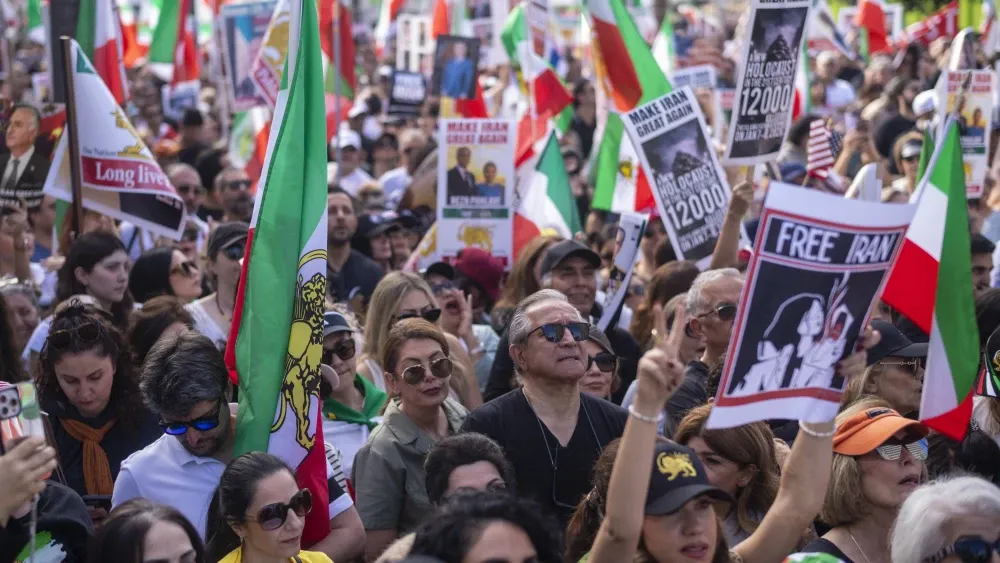 By: Michael Rubin Growing frustration in Washington stems from Iranians not rising against their regime despite U.S. airstrikes targeting oppressive infrastructure. Policy opportunity: The U.S. can demonstrate support for ordinary Iranians by adjusting its immigration policies, signaling allies rather than adversaries. Historical perspective: Iran's historical reliance on external support emphasizes sensitivity towards foreign intervention, especially from the U.S. Strategic implications: Ending the bans could weaken the regime by encouraging Iranians to seek opportunities abroad, undermining regime propaganda. To read the entire article in The Hill, click here. | | The United States Should Retaliate Against Iranian Embassies 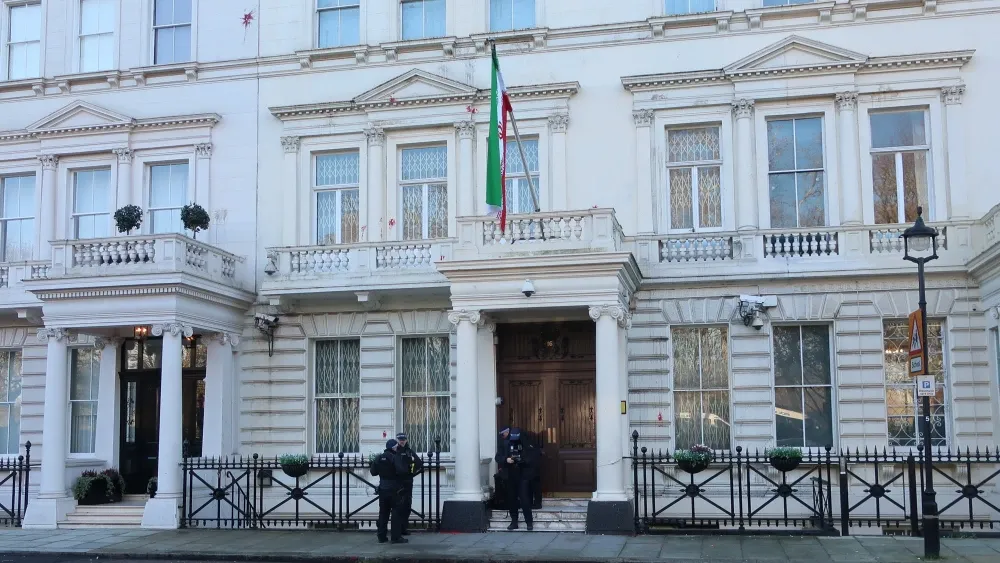 By: Michael Rubin Since Iran's Islamic Revolution, its regime has repeatedly targeted U.S. diplomatic properties, with recent attacks escalating on the U.S. embassy in Baghdad. Historical aggression: Iran has a long history of attacking U.S. embassies, from the 1979 hostage crisis to recent militia-led assaults in Baghdad. Proposed deterrence: The U.S. administration considers destroying the Iranian embassy in Baghdad if further attacks occur, signaling a firm stance against Iranian aggression. Strategic implications: Retaliatory actions aim to deter future attacks and hold Iran accountable, emphasizing the consequences of violating diplomatic protections. To read the full article, click here. | | Rumors of Dubai's Demise Are Silly 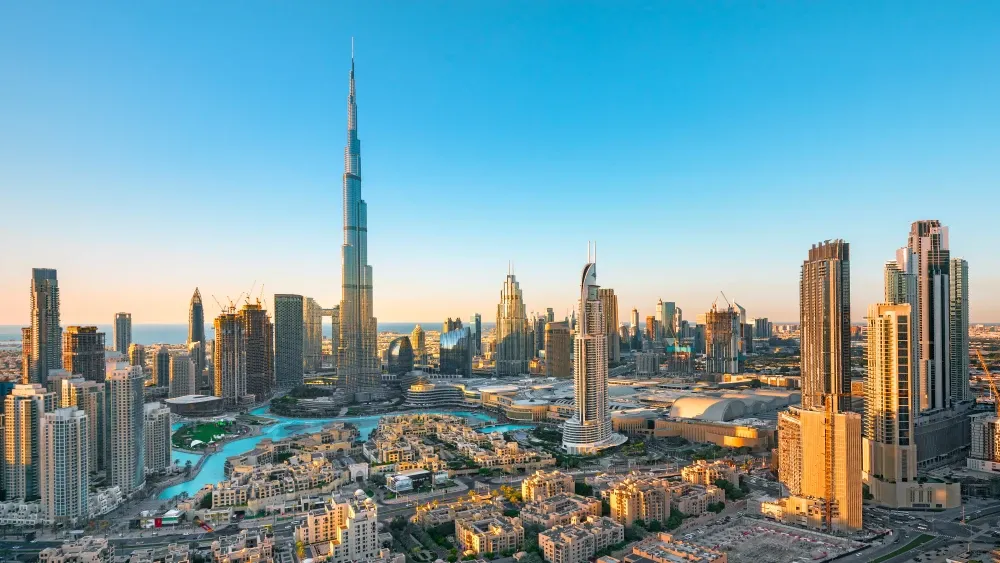 By: Michael Rubin Despite recent Iranian drone and missile attacks, Dubai remains a symbol of resilience and opportunity in the Middle East. Historical context: Dubai's success isn't rooted in oil but in embracing free market principles and tolerance. Strategic misjudgments: Western media's predictions of Dubai's downfall ignore its history of bouncing back from crises. -
Dubai's success also drew petty jealousy. Despite bribes and international sporting events, Doha lives in Dubai's shadow. -
Real estate dips may actually attract investors eager to capitalize on lower prices. Unique appeal: Dubai's brand as a cosmopolitan hub remains unmatched despite regional threats. To read the full article, click here. | | Will Iran Give Benjamin Netanyahu a Wartime Boost?  By: Jonathan Spyer Israel's ongoing conflicts in Lebanon and Iran show no signs of abating, with the IDF seeking to establish a buffer zone in Lebanon and conducting daily air attacks on Iran. Public sentiment: Support for the war remains high, with over 90 percent backing the campaigns, reflecting unity on Iran's threat. Political landscape: Netanyahu's leadership as a war leader is solid, yet it hasn't translated into increased political support for his party. Coalition challenges: Likud remains the largest party, but coalition prospects are uncertain, with polls showing insufficient support for a majority. To read the full article, click here. | | Palestinian Islamic Jihad May Be Iran's Most Expendable Proxy, but It Is Still Dangerous  By: Jan Kapusnak Since 1979, Iran has sought to export its Islamic Revolution, aiming to destroy Israel and drive the U.S. out of the Middle East. The Axis of Resistance, including Palestinian Islamic Jihad, serves as a key instrument in this strategy. Proxy dynamics: While Hezbollah and Hamas often grab headlines, Palestinian Islamic Jihad remains a critical player, leveraging its infrastructure in the West Bank. Strategic challenges: Palestinian Islamic Jihad faces disruption due to Israeli strikes and loss of leaders, yet it persists, exploiting propaganda to portray loss as martyrdom. Future outlook: As Iran's proxy network faces unprecedented pressure, Palestinian Islamic Jihad's role evolves, balancing between maintaining regional influence and navigating internal challenges. To read the full article, click here. | | Danny Burmawi on the Rebranding of Islamic Jihad in the West  By: Marilyn Stern In a recent MEF Podcast, Danny Burmawi of the Ideological Defense Institute highlighted two dominant narratives shaping the Middle East. Blame the Jews narrative: This view paints Israel as the aggressor and Muslims as victims, distorting history to undermine Western support. Rebranding jihad: The West's attempt to sanitize jihad has weakened counterterrorism efforts, emboldening jihadists. Strategic implications: Protecting the West requires confronting jihad's roots and redefining its narrative to prevent further vulnerabilities. To read the full summary and watch the podcast, click here. | | | | | The Middle East Forum continues to provide updates of events in Iran, Israel, and beyond at https://www.meforum.org/. Thank you for reading the MEF Dispatch, and please share your thoughts on this issue in the comments. Thank you, Winfield Myers
Managing Editor, Middle East Forum
Director, Campus Watch | | | | Was this edition useful?  

Your email will be recorded and shared with the sender |        MEF, an activist think tank, deals with the Middle East, Islamism, U.S. foreign policy, and related topics, urging bold measures to protect Americans and their allies. Pursuing its goals via intellectual and operational means, the Forum recurrently has policy ideas adopted by the U.S. government.
Copyright © 2025 Middle East Forum, All rights reserved.
Our mailing address is:
Middle East Forum
1650 Market Street, Suite 3600
Philadelphia, PA 19103 | | | | | Powered by 
| | This email was sent by Middle East Forum via Axios HQ | | | |


0 коммент.:
Отправить комментарий