| |  | | | On War: The Last Quiet Room By Winfield Myers ● Mar 07, 2026 Smart Brevity® count: 8.5 mins...2307 words In a poignant, personal reflection, Gregg Roman writes from Israel about the many hours he and his family have sought safety in a bomb shelter as Iranian missiles rain down on Tel Aviv. "There is no sound in the human catalog that does to the body what an Israeli air raid siren does. It is not a sound. It is a rearrangement of priorities. Every biological instruction your nervous system has ever received is instantly overwritten. You do not think. You move. You move toward your children." In three other pieces, Roman analyzes Tucker Carlson's role as the Islamic regime's chief English-language propagandist, the need for supplemental appropriations to sustain the war effort, and the $6 billion in Iranian funds now sitting in Qatari banks. Also included is the work of Mardo Soghom, Lazar Berman, Michael Rubin, Jose Lev Alvarez Gomez, Aymenn Jawad Al-Tamimi, and Marilyn Stern. | | On War: The Last Quiet Room 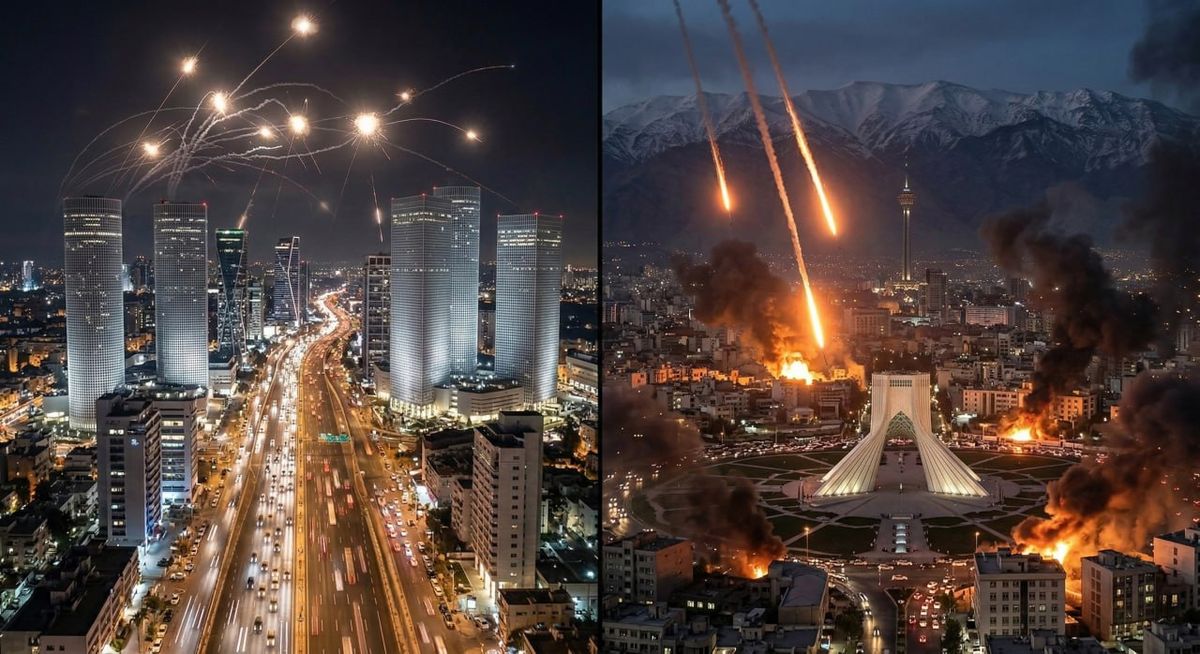 By: Gregg Roman At 1:05 AM on a Saturday, I return from the shelter where my children sleep on mattresses we dragged down a week ago. The sirens start and stop, confirming a new reality without language to describe it. Why it matters: Iran's retaliation has transformed life into a series of air raid sirens and shelter stays. I. The last quiet room The Israeli air raid siren isn't just a sound; it redefines priorities in an instant. II. The observers and the observed Historical narratives guide our understanding amidst chaos, as Orwell and Didion once chronicled. III. What is lost Casualties mount, with lives shattered on both sides. IV. A war against a regime This conflict targets the oppressive regime, not the Iranian people or their rich culture. V. The booms above the shelter The sound of interceptors reassures us, but the cost of conflict remains high. Conclusion: In this war's early days, the focus must remain on ending the conflict justly and securing a future where such tragedies are not repeated. To read the full article, click here. | | Tucker Carlson Has Become Tehran's Most Effective English-Language Propagandist 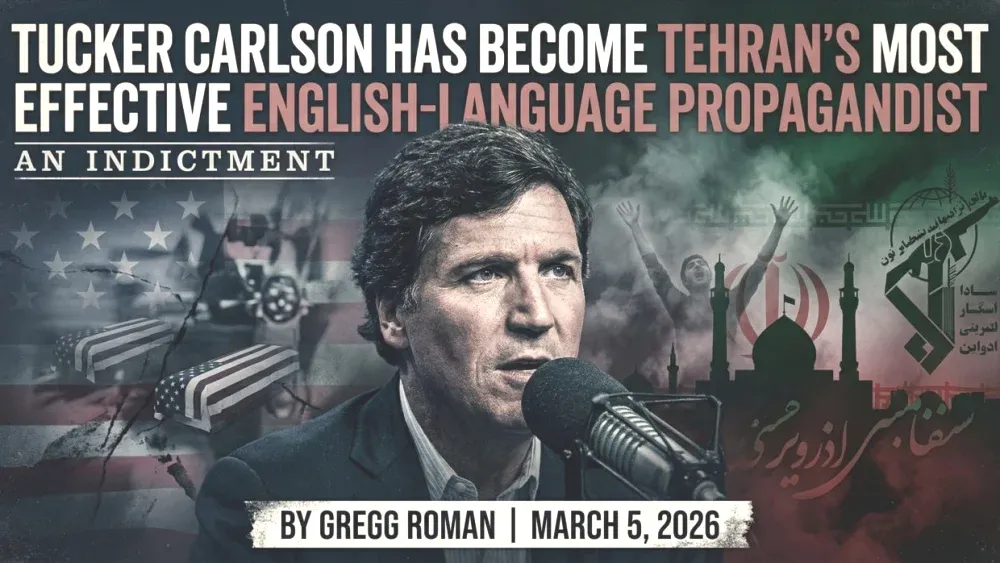 By: Gregg Roman "Tucker has lost his way," President Trump declared, blasting Carlson for betraying MAGA values and aligning with Iran's agenda. Why it matters: Carlson's influence spreads Tehran's propaganda, threatening national security and echoing antisemitic tropes. Erasing American sacrifices Carlson ignores Iran's attacks on Americans, disrespecting those who served and died. Agency betrayal Carlson accuses Israel of manipulating the U.S., undermining America's sovereignty and leadership. Gulf delusion Carlson falsely claims Israel engineered Gulf tensions, disregarding Iranian aggression. Surrendering to chaos Carlson calls for U.S. withdrawal, risking unchecked Iranian influence and regional instability. Conclusion: Carlson's rhetoric not only challenges U.S. policy but also emboldens adversaries, aligning with Iranian propaganda and antisemitic narratives, risking national security for sensationalism. To read the full article, click here. | | MEF Action Alert: Support Regime Change in Iran 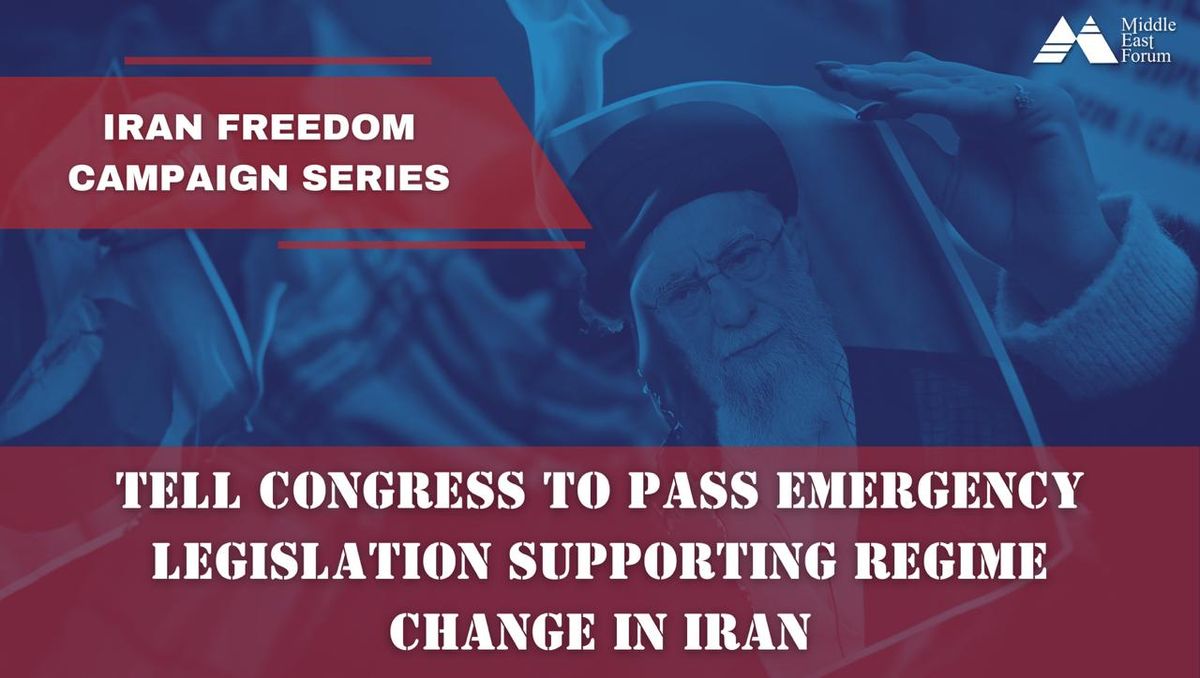 Urge Congress to Introduce an Emergency Supplemental Appropriations Bill to Support Regime Change in Iran In Operation Epic Fury, the U.S. and Israel struck key Iranian military targets, killing Supreme Leader Ali Khamenei and over 40 top officials, and decimating the regime's air defenses and missile launch sites. President Trump has urged Iranians to overthrow the Islamic Republic, but to realize regime change, Congress must pair military action with civic and humanitarian dimensions. By signing up, you'll send letters to your Congress members asking them to introduce and pass an emergency supplemental bill providing immediate assistance for Iranian revolutionaries and extended support for political transition in a post-regime Iran. This supplemental spending bill will set policies and allocate resources for humanitarian aid and information warfare, while providing funds to encourage defections and labor strikes. It includes a massive expansion of sanctions and terror designations, and sets aside funding for amnesty programs and civil society groups. With your help, we can build a stable and secure Iran—a peaceful participant in a global economy. Help us convince Congress to draft an Iran Freedom Supplemental Appropriations Act. CLICK HERE TO TAKE ACTION! | | America Needs an Iran Supplemental — And It Must Include More Than Missiles  By: Gregg Roman Operation Epic Fury highlights the necessity of preventing Iran from acquiring nuclear weapons, despite fiscal challenges. Why it matters: A nuclear-armed Iran poses a catastrophic threat, demanding immediate U.S. action to prevent global instability. Fiscal imperatives The Pentagon faces a $50 billion supplemental request to sustain operations, reflecting the high cost of action versus inaction. Beyond replenishment Investing in Iran's future governance is crucial to prevent reconstitution of hostile capabilities. Conclusion: Congress should prioritize strategic funding to tackle Iran's nuclear threat, ensuring long-term security and stability despite fiscal constraints. To read the full article, click here. | | Iran's $6 Billion Sits in Qatar. Give It to the Americans Tehran Killed 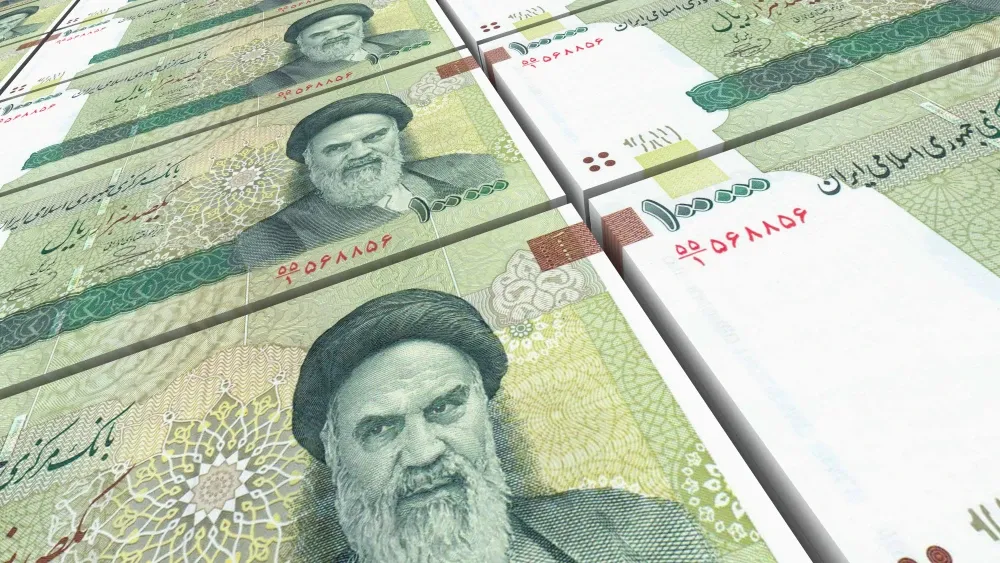 By: Gregg Roman Iran's $6 billion in Qatari banks should be seized to compensate American victims of terrorism. Why it matters: Iran's relentless aggression, including recent missile strikes, underscores the urgency to act. I. Levinson family first Congress must authorize the transfer of $1.45 billion to the Levinson family. -
Iranian officials kidnapped retired FBI agent Robert Levinson on Kish Island in 2007. Iran denied holding him. -
The U.S. government concluded in 2020 that he died in Iranian custody. -
The precedent exists: The U.S. has seized Iranian assets for terror victims before. Strategic allocation The remaining funds should compensate Gulf states and support the U.S. Victims of State Sponsored Terrorism Fund. Global precedent Seizing these assets sets a standard for holding Iran accountable globally. Conclusion: The U.S. must seize Iran's frozen assets to compensate victims and deter future aggression. It's time for Congress to act decisively. To read the full article, click here. | | Airstrikes Intensify Over Tehran as Iran's Missile Barrages Decline 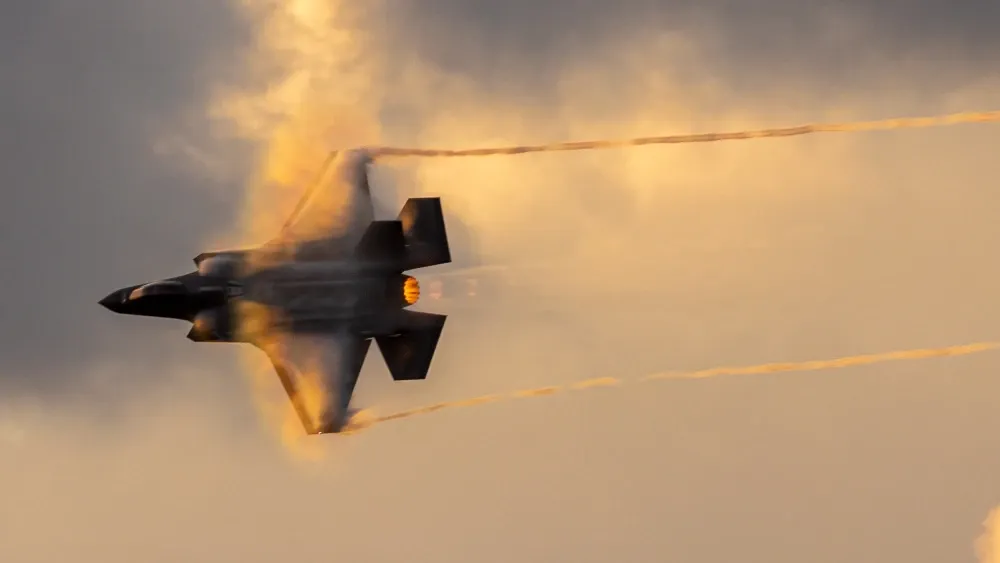 By: Mardo Soghom Heavy airstrikes hit Tehran and major Iranian cities, signaling a new phase in the U.S.-Israeli campaign. Civilian upheaval Tehran residents face increasing hardships as daily life becomes more challenging. Strategic dismantling Strikes target Iran's underground command centers and military tunnels. Diminished retaliation Iranian missile and drone attacks have nearly ceased, reducing threats to neighboring countries. Conclusion: As "Phase Two" of the campaign progresses, it focuses on disabling Iran's military capabilities while managing civilian challenges and geopolitical repercussions. To read the full article, click here. | | Iran Scrambles to Replace Bases as Strikes Target Missile Launchers 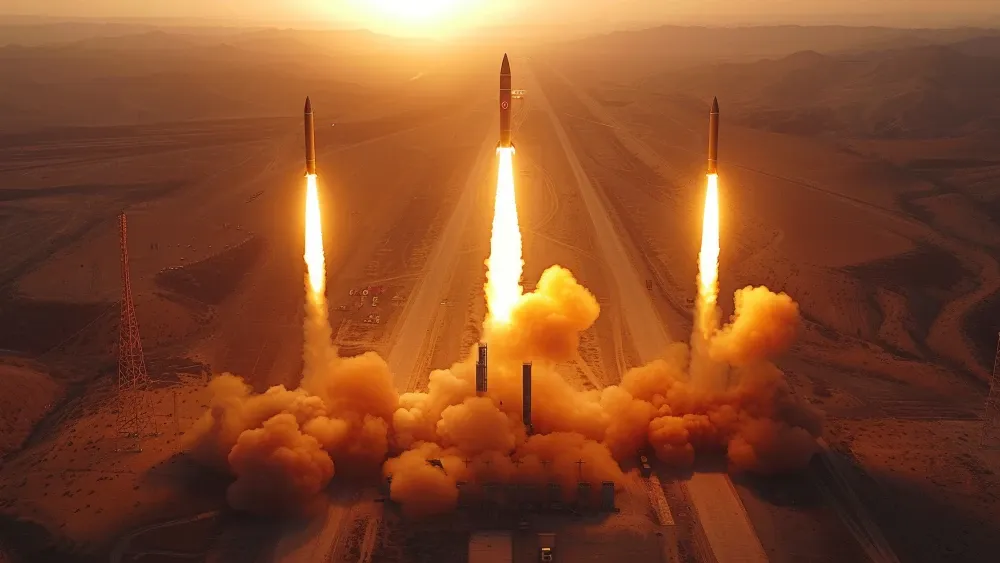 By: Mardo Soghom Heavy strikes have forced Iran to reposition military units, reflecting a strategic scramble. Evacuation of municipal buildings Authorities clear key Tehran sites to house military personnel and equipment. Infrastructure resilience Despite strikes, Tehran's basic services remain operational, though internet access is cut. Missile barrage decline U.S. and Israeli efforts to dismantle Iran's missile capabilities show visible impact. Conclusion: As the conflict intensifies, Tehran's adaptations highlight both its vulnerabilities and the resilience of its infrastructure amidst ongoing military pressures. To read the full article, click here. | | They Won't Specify It in Their War Aims, but Both Israel and U.S. Want Iran Regime Change  By: Lazar Berman The U.S.-Israeli campaign against Iran stirs unease, especially regarding regime change ambitions. Why it matters: Americans are wary of repeating past costly interventions, while Israel seeks clarity in its objectives. Regime change ambiguity Both nations hint at regime change but stop short of making it an explicit goal. Mixed messages U.S. leaders send contradictory signals about the extent of their objectives, complicating perceptions. Conclusion: The U.S. and Israel navigate complex objectives with unspoken desires for regime change. Read the full article at the Times of Israel. | | Kurdish Gamble: Why A U.S.-Backed Insurgency Could Be A 'Gift' To Iran 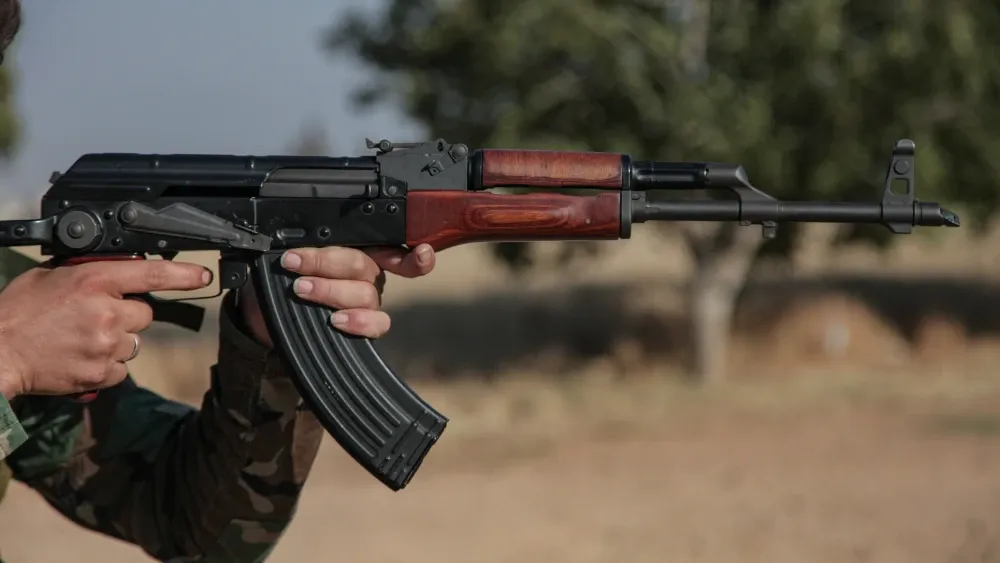 By: Michael Rubin Iran's historical paranoia about fragmentation persists, influenced by past foreign interventions and internal uprisings. Why it matters: Kurdish aspirations for autonomy could reignite tensions, echoing historical betrayals and strategic calculations. Historical betrayals Foreign powers often incite regional revolts in Iran, only to abandon them when larger geopolitical interests prevail. Strategic caution Kurdish leaders should demand U.S. delisting of the PKK and advocate for federalism rather than independence. Conclusion: As Iran navigates potential regime changes, the Kurds must balance historical lessons with strategic aspirations, ensuring their demands align with regional and global realities. To read the full article, click here. | | The West's International-Law Double Standard on America and Israel 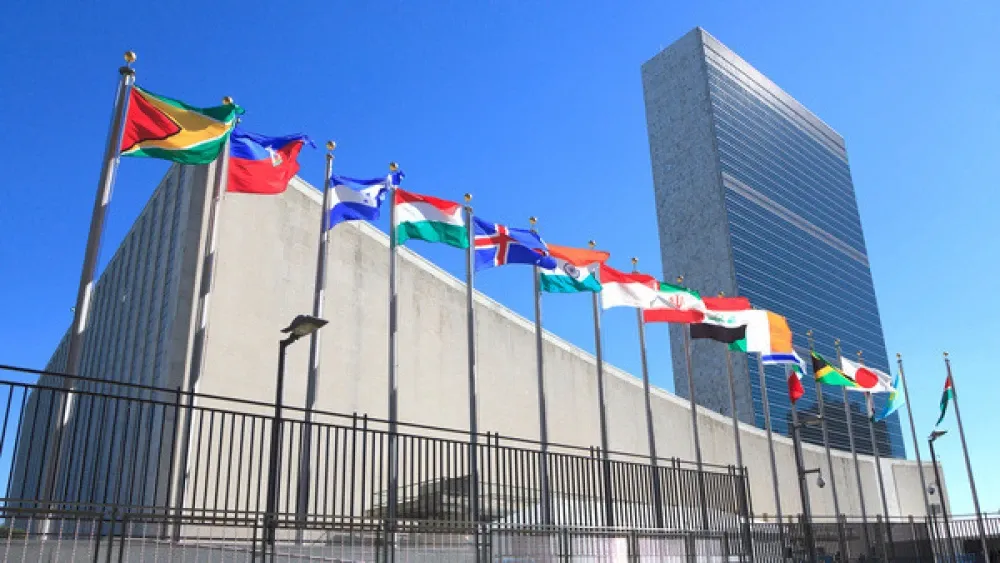 By: Jose Lev Alvarez Gomez The claim that U.S.-Israeli strikes on Iran violate international law collapses under scrutiny. Why it matters: Article 51 of the U.N. Charter allows self-defense against imminent threats, justifying the strikes. Iran's strategic threat Tehran holds a massive missile arsenal and is near nuclear capability, amplifying regional risks. European reluctance Despite legal justification, some European governments question the strikes due to domestic political concerns. Conclusion: The U.S. and Israel's actions align with international law, addressing real threats while European skepticism reflects political, not legal, challenges. To read the full article, click here. | | Islamic State Editorial on the War Between the U.S./Israel and Iran 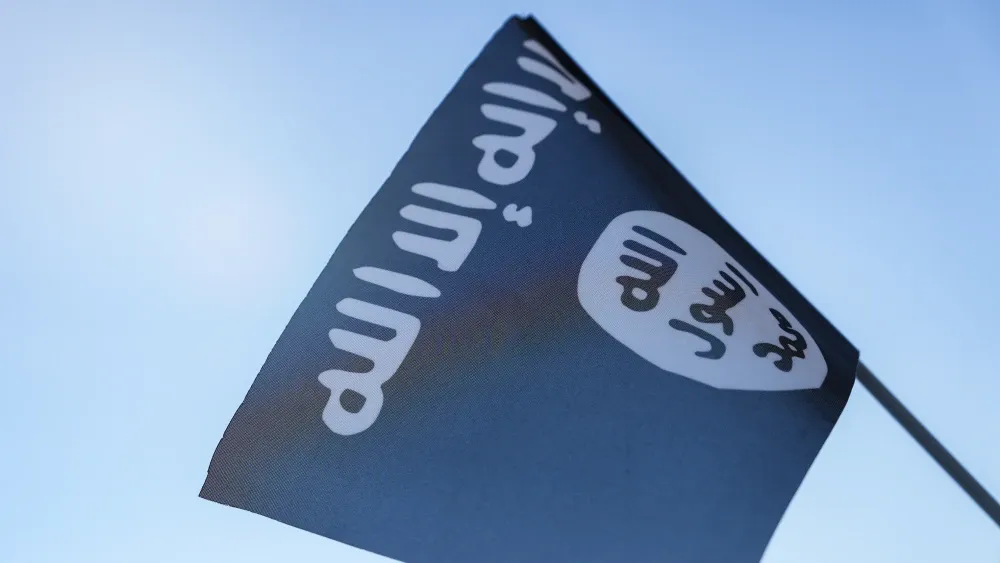 By Aymenn Jawad Al-Tamimi The Islamic State's newsletter al-Naba' comments predictably on the U.S.-Iran conflict, rejecting both sides as disbelievers. Aymenn Jawad Al-Tamimi translated the document. Why it matters: Islamic State's views the U.S.-Israel and Iran conflict through a lens of mutual repulsion, celebrating divisions among perceived enemies. Strategic opportunity Islamic State urges Muslims to seize the chaos as a chance to invigorate jihad, exploiting the disarray for strategic gains. Doctrinal stance The editorial underscores the need for Muslims to avoid siding with any disbelieving axis, advocating for a strict adherence to Islamic monotheism. Conclusion: The editorial reflects Islamic State's consistent narrative of exploiting chaos to strengthen its jihadist agenda, while rejecting alliances with both the U.S.-Israel and Iran. To read the full translation, click here. | | Andrew Fox on The Iran War: Strategy, Strikes, and the Risk of Escalation 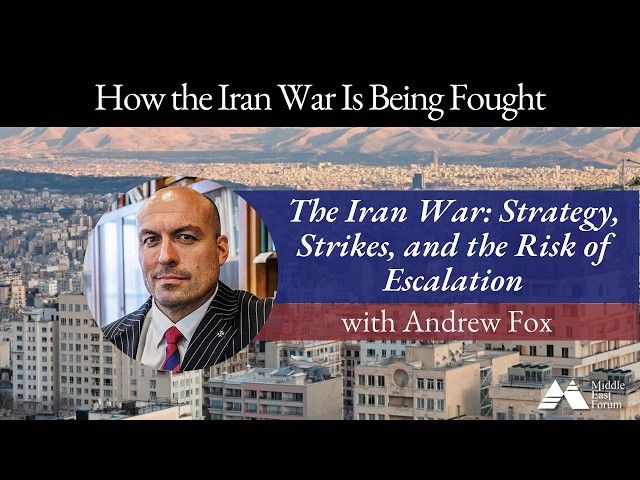 By: Marilyn Stern Andrew Fox, senior fellow at the Henry Jackson Society, spoke to a recent Middle East Forum Podcast about the complexities of the U.S.-Israel-Iran conflict. Why it matters: Israeli intelligence's successful targeting of Iran's leadership highlights vulnerabilities in Iran's command structure. Military dynamics Iran's shift to solid fuel missiles posed new challenges, but Israeli tactics adapted effectively. Geopolitical ripple effects Regime change could trigger regional power shifts, with countries like Turkey poised to expand influence. To read the full summary and watch the podcast, click here. | | | | | As events continue to unfold in Iran, Israel, and across the Middle East, the Middle East Forum will provide a steady stream of articles at https://www.meforum.org/. Thank you for reading the MEF Dispatch, and please share your thoughts on this issue in the comments. Sincerely, Winfield Myers
Managing Editor, Middle East Forum
Director, Campus Watch | | | | Was this edition useful?  

Your email will be recorded and shared with the sender |        MEF, an activist think tank, deals with the Middle East, Islamism, U.S. foreign policy, and related topics, urging bold measures to protect Americans and their allies. Pursuing its goals via intellectual and operational means, the Forum recurrently has policy ideas adopted by the U.S. government.
Copyright © 2025 Middle East Forum, All rights reserved.
Our mailing address is:
Middle East Forum
1650 Market Street, Suite 3600
Philadelphia, PA 19103 | | | | | Powered by 
| | This email was sent by Middle East Forum via Axios HQ | | | |

0 коммент.:
Отправить комментарий