| |  | | | Israel Can't Assassinate Its Way to Victory over Iran By Winfield Myers ● Mar 20, 2026 Smart Brevity® count: 6.5 mins...1696 words Jonathan Spyer writes that Israel's assassination of Iranian leaders marks the first time any country has pursued an ongoing and systematic campaign of targeted assassinations of senior enemy officials against a state at a time of war. While it is unlikely to completely destroy the regime, it does indicate that the borders between regular and irregular warfare, and between "conventional" war and insurgency, appear to be disappearing. Mardo Soghom reports that, while domestically the regime in Tehran is growing fragile, it can still launch attacks against its neighbors and Israel. Many Iranians, he says, hope that Israel has further surprises in the coming weeks to enable Iranians to challenge the regime. In two articles, Spyer analyzes Israel's push into Lebanon and the peace talks between the two countries; Aaron J. Shuster and Aymenn Jawad Al-Tamimi also weigh in on Lebanon. This issue also features the work of Marilyn Stern and Abdulmajeed Zubah. | | Israel Can't Assassinate Its Way to Victory over Iran 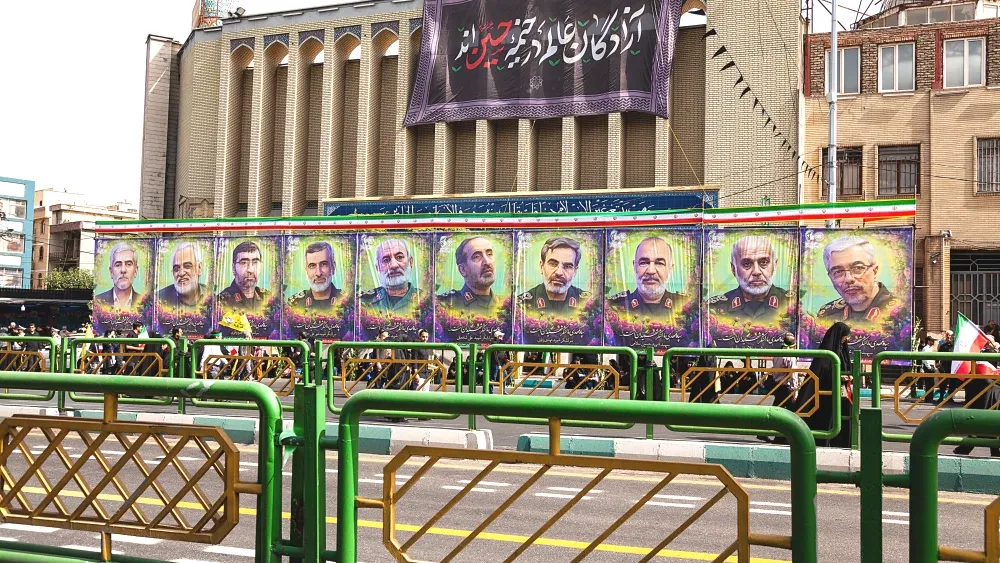 By: Jonathan Spyer The recent assassination of Iranian security official Ali Larijani marks a pivotal moment in modern warfare tactics. Historical precedent: Israel's strategic assassinations began with the early Zionist movement, evolving through key conflicts. Current campaign: Targeting Iranian officials represents a novel application of these tactics against a state. Strategic implications: The blurring lines between conventional and irregular warfare signal a new era of conflict. To read the full article, click here. | | Iran's Domestic Fragility Contrasts with Ability to Disrupt Global Markets  By: Mardo Soghom Iran intensified attacks on energy infrastructure in the Middle East, sending global markets into turmoil. Market volatility: Energy prices skyrocketed as Iran targeted key oil facilities in Qatar, Saudi Arabia, and Kuwait. -
Oil prices surged to $113–$115 per barrel, while global equity markets, including the Dow, faced significant declines. Strategic maneuvers: Tehran's actions reflect a calculated escalation to leverage its strategic assets amid regional conflict. Internal unrest: Social media reports indicate disarray among Iranian security forces, exacerbated by Israeli pressure. To read the full article, click here. | | Why Israel Is Pushing Further Into Lebanon 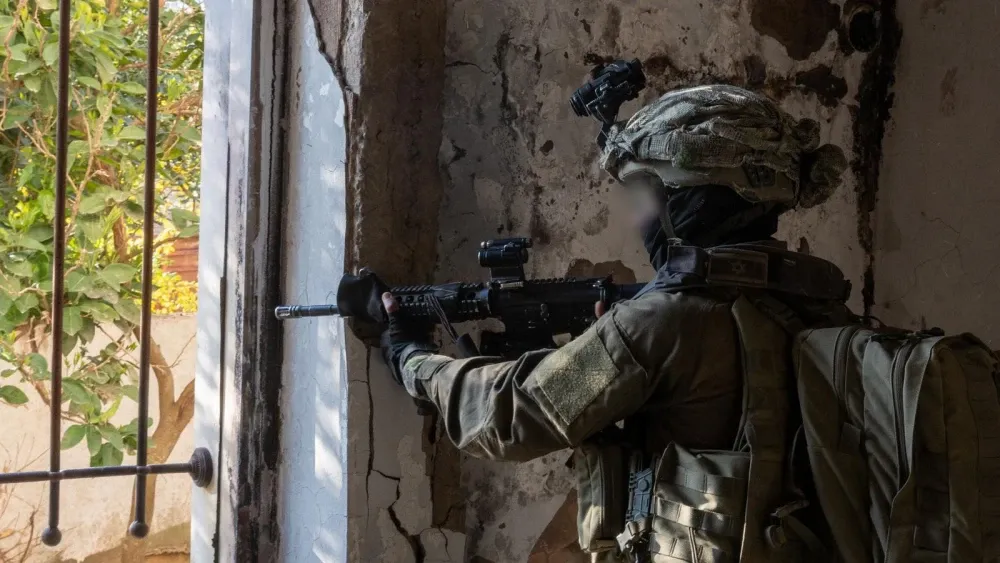 By: Jonathan Spyer Israel launched a limited ground operation in southern Lebanon to extend its buffer zone amid ongoing conflict. Operation details: The IDF aims to secure 13 new positions north of the border, intensifying efforts against Hezbollah. Historical context: The issue of Lebanese sovereignty and non-state military use has persisted since the late 1960s. Strategic shift: Israel's latest strategy emphasizes physical control over deterrence, seeking measurable security outcomes. To read the full article, click here. | | Beirut-Jerusalem Peace Talks Plans Rest on an Old Fiction: Lebanese Sovereignty 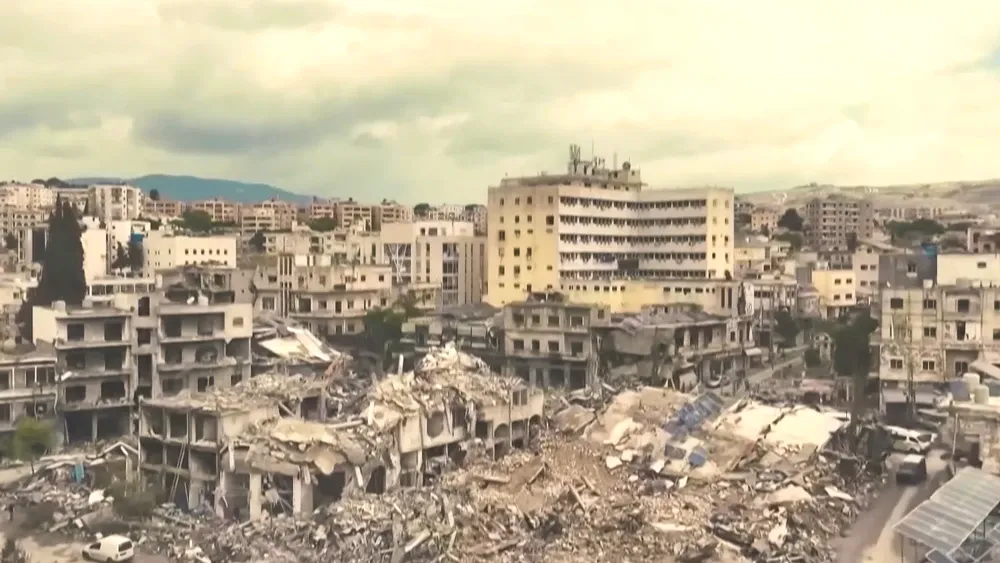 By: Jonathan Spyer Recent reports suggest direct negotiations between Israel and Lebanon may soon commence, driven by a French initiative. Negotiation goals: The talks aim for a non-aggression declaration, with Lebanon initially recognizing Israel. Regional context: The backdrop of these talks is the ongoing conflict with Hezbollah, an Iranian proxy. Sovereignty challenges: Lebanon lacks true sovereignty; Hezbollah acts as a state within a state, driven by Iranian interests. To read the full article, click here. | | A Diplomatic Opening—or a Tactical Pause? 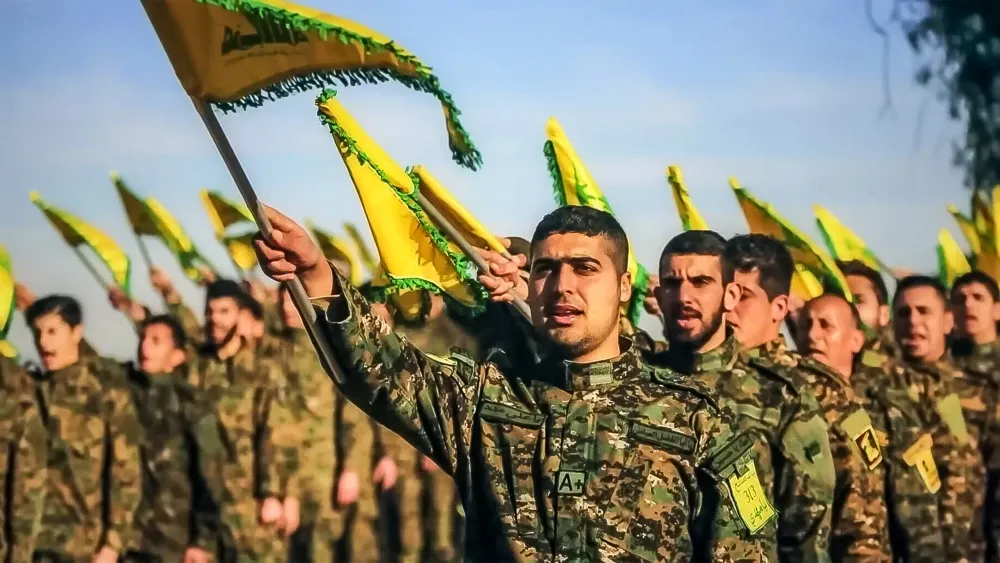 By: Aaron J. Shuster Reports suggest Israel and Lebanon may enter direct talks, generating cautious optimism amid ongoing tension with Hezbollah. Limited scope: The talks, encouraged by Washington, focus on border stability rather than comprehensive normalization. Historical context: Previous engagement attempts highlight the difficulty of achieving lasting change. Cautious interpretation: The risk lies in overestimating these talks as a strategic shift. To read the full article, click here. | | Hezbollah and the New Escalation on the Lebanon Front: Interview 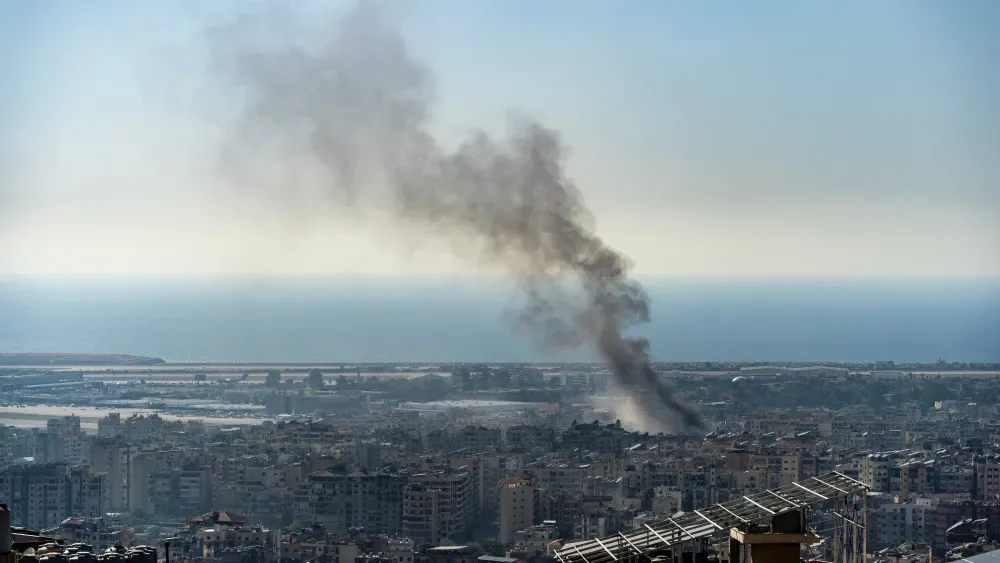 By: Aymenn Jawad Al-Tamimi In contrast to the '12-Day War', Hezbollah reopens a front against Israel amid a joint U.S.-Israel conflict with Iran. Aymenn Jawad Al-Tamimi conducted a 8 March interview with one Hezbollah supporter in Lebanon—Houssein Tarshishi—regarding the escalation and Hezbollah's thinking and positioning. Ceasefire dynamics: Despite a ceasefire, Israel's strikes continue as Hezbollah refuses full disarmament. Hezbollah's position: Hezbollah maintains resistance ideology, rejecting disarmament despite Lebanese government pressure. Regional implications: Hezbollah's defiance underscores Lebanon's internal divisions and challenges diplomatic resolutions. To read the full article and interview, click here. | | As the West Embraces 'Technocracy,' Will Hamas Follow Hezbollah's Model? 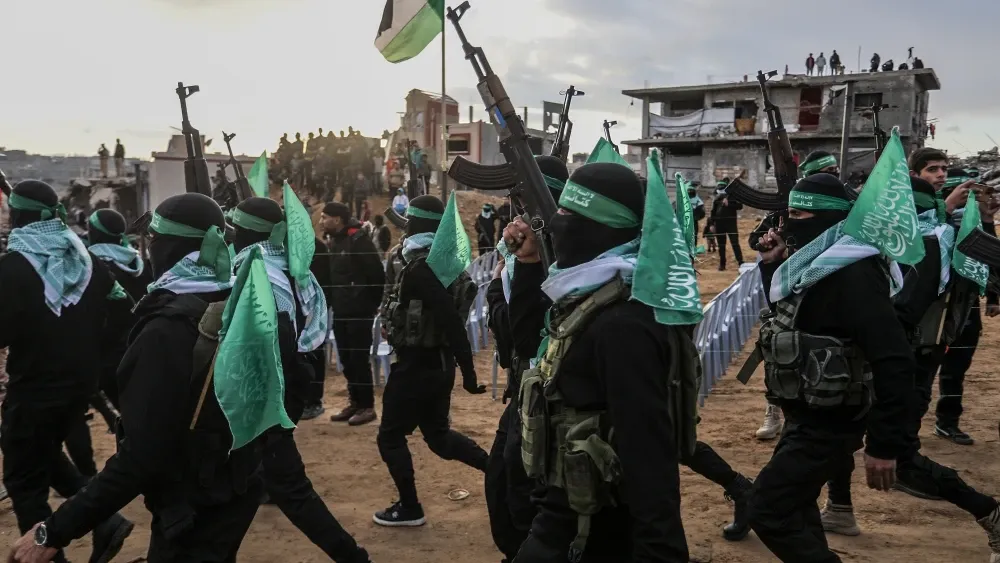 By: Aaron J. Shuster Calls for a technocratic government in Gaza aim to stabilize the region post-war, avoiding Israeli reoccupation and Hamas rule. Underlying issue: Armed groups like Hamas rarely relinquish control simply because civilian administrators are appointed. Structural flaw: A technocratic government risks operating under constraints set by Hamas, preserving its influence. Appeal vs. reality: While promising stability, such governance might entrench Hamas's power, creating only superficial change. To read the full article, click here. | | Elder of Ziyon: The New Palestinian Constitution Makes Peace Illegal 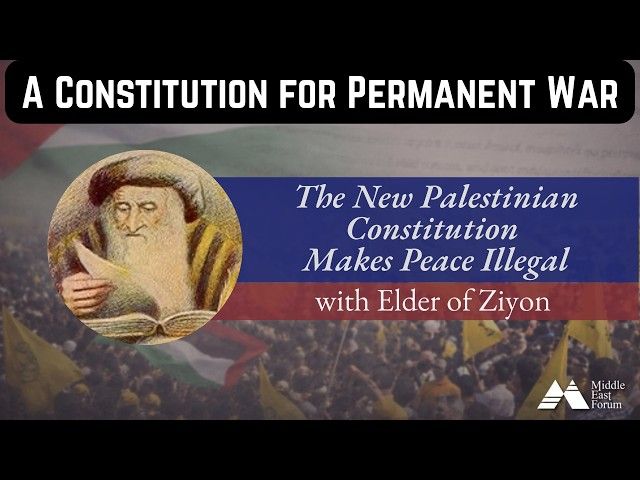 By: Marilyn Stern In a recent Middle East Forum Podcast, Elder of Ziyon critiqued the draft Palestinian constitution, warning it enshrines conflict and makes peace illegal. Constitutional issues: The draft constitution aligns with the Palestine Liberation Organization's (PLO) 1988 covenant, claiming land from "river to sea." Power dynamics: The document positions the PLO above the state, embedding permanent conflict in its governance structure. Western oversight: Western nations' eagerness to recognize a state overlooks foundational issues. To read the full summary and watch the podcast, click here. | | The Houthis Prepare to Enter the War 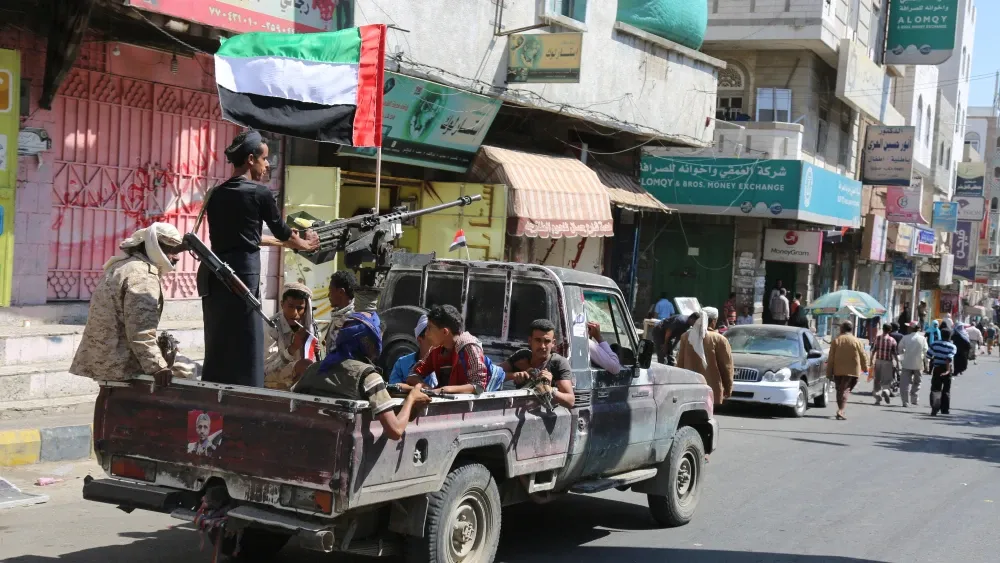 By: Abdulmajeed Zubah As the U.S. and Israel engage with Iran, the Houthis in Yemen are strategically positioning to influence the conflict's trajectory. Strategic readiness: The Houthis control key coastal areas, preparing for impactful engagements. Military maneuvers: Capabilities are redistributed across fortified positions for resilience against strikes. Maritime focus: The most likely scenario for Houthi engagement will be limited and intermittent escalation, focusing on targeting vessels passing through maritime corridors while seeking to avoid direct confrontation with major powers. To read the full article, click here. | | Yemen on the Edge of a Regional War 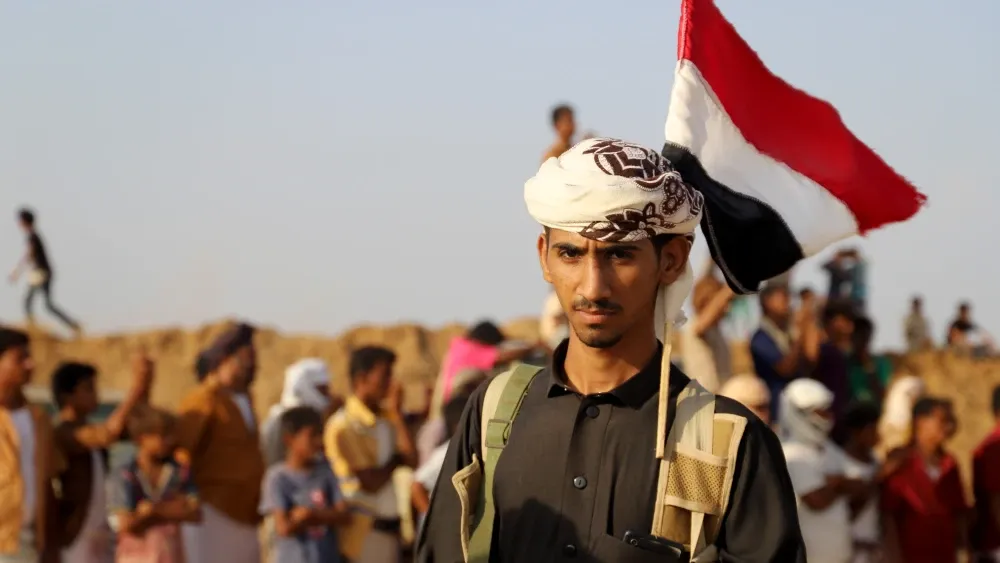 By: Abdulmajeed Zubah As Middle East tensions escalate, Yemenis fear the potential for their country to become a central battleground once more. Houthi calculations: The group's restraint may reflect tactical patience rather than permanent disengagement. Economic and humanitarian impact: Years of conflict have weakened Yemen's institutions and economy, exacerbating its humanitarian crisis. Strategic ambiguity: The Houthis' lack of clear commitment allows them flexibility in their response to regional developments. To read the full article, click here. | | | | | Thank you for reading the MEF Dispatch. The Middle East Forum provides ongoing updates of events in Iran, Israel, and beyond at https://www.meforum.org/. Please share your thoughts on this issue in the comments. Thank you, Winfield Myers
Managing Editor, Middle East Forum
Director, Campus Watch | | | | Was this edition useful?  

Your email will be recorded and shared with the sender |        MEF, an activist think tank, deals with the Middle East, Islamism, U.S. foreign policy, and related topics, urging bold measures to protect Americans and their allies. Pursuing its goals via intellectual and operational means, the Forum recurrently has policy ideas adopted by the U.S. government.
Copyright © 2025 Middle East Forum, All rights reserved.
Our mailing address is:
Middle East Forum
1650 Market Street, Suite 3600
Philadelphia, PA 19103 | | | | | Powered by 
| | This email was sent by Middle East Forum via Axios HQ | | | |

0 коммент.:
Отправить комментарий