| |  | | | Iran's Blockade of the Strait of Hormuz Is Destined to Fail By Winfield Myers ● Mar 13, 2026 Smart Brevity® count: 7.5 mins...1952 words Michael Rubin writes that, despite the widespread panic in the media and elsewhere over Iran's actions in the Strait, the Islamic Republic's efforts will fail. Iran cannot sustain the blockade because of its need for gasoline imports and its limited number of ports. Mardo Soghom provides updates on the persistent questions about Iran's leadership and the latest drone strikes against the regime's security forces. Saeid Golkar and Amatzia Baram each contribute detailed analyses of Iran's emerging leadership, with Golkar seeing signs of political exhaustion. Jonathan Spyer says that the current conflict is part of Iran's long war strategy dating from 1979 that seeks Israel's destruction and more. Israel isn't looking for an off-ramp, and if the regime survives, Israel will seek to weaken it as much as possible, realizing that this is likely not the war's final chapter. Also included are three more articles by Michael Rubin, plus the work of Umud Shokri and Jose Lev Alvarez Gomez. | | Iran's Blockade of the Strait of Hormuz Is Destined to Fail 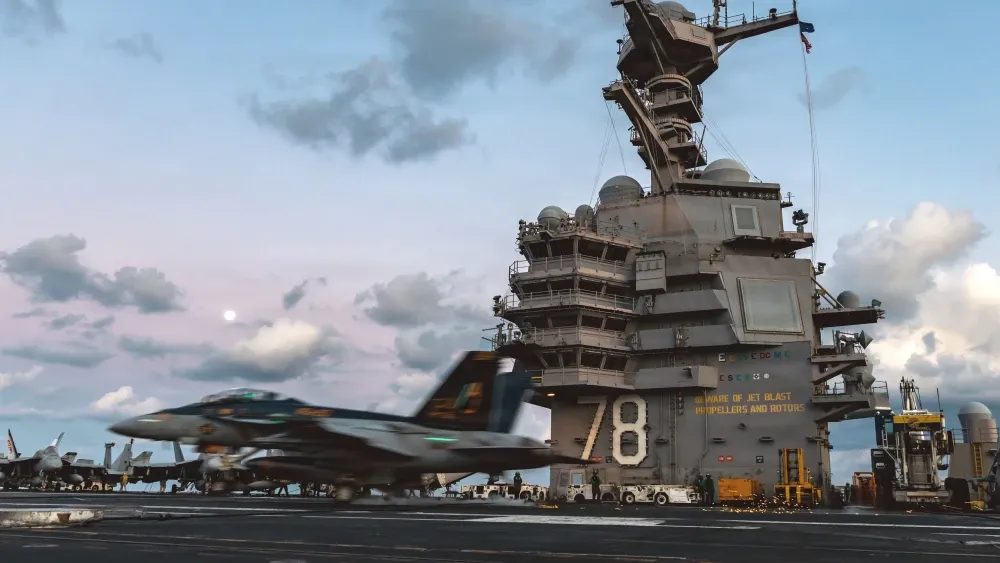 By: Michael Rubin Oil prices have surged over $90 per barrel, with gasoline prices jumping up to 40 cents a gallon. Iran's statement hinting at leveraging the Strait of Hormuz blockade has sparked concern. Why it matters: The Strait of Hormuz is a critical chokepoint for global oil, and disruptions can significantly impact prices. The big picture: Iran's playbook isn't new. The Revolutionary Guard's attempts to close the strait date back decades, with historical precedents of U.S. military responses. What's next: Iran's strategy is unsustainable due to its reliance on imported gasoline and limited port infrastructure. -
U.S. and Gulf states' strategic responses, including potential island clearances, could mitigate threats and ensure navigation freedom. -
The closure of the Strait of Hormuz is a problem, but not one that is either permanent or on the same level as the Islamic Republic's nuclear, missile, and drone program, or its support for proxies. To read the full article, click here. | | Tehran Relies on Hormuz Threat as Uncertainty over War and Iran's Leadership Deepens 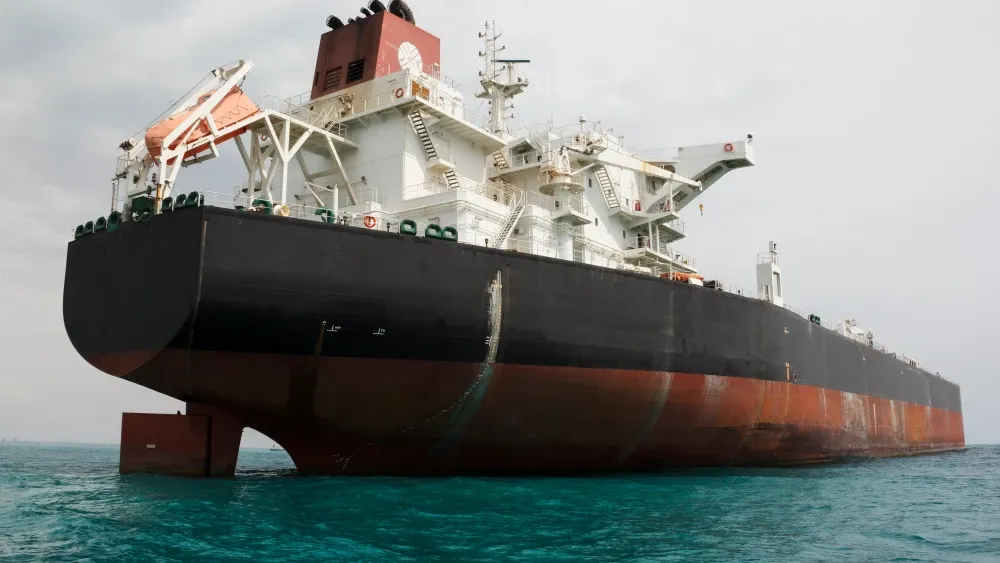 By: Mardo Soghom On March 12, 2026, Iran's new supreme leader, Mojtaba Khamenei, declared the continuation of the Strait of Hormuz blockade, impacting hundreds of stranded oil tankers. Why it matters: The closure of this critical waterway affects global oil markets, with financial sectors reacting to perceived risks. Strategic shifts: With Tehran's capabilities diminished, speculation arises about leadership relocation to Mashhad, suggesting new potential targets. Leadership uncertainties: Questions surround Mojtaba Khamenei's health and legitimacy—or even if he is alive—following inconsistencies in public statements. To read the full article, click here. | | Drones Target Regime Forces in Tehran as Questions Remain About Who Is Running Iran 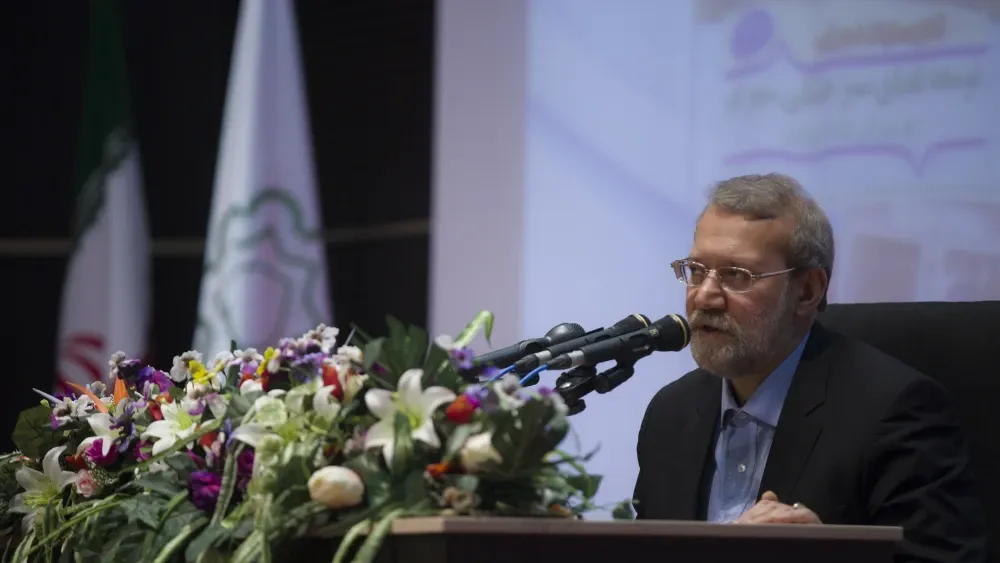 By: Mardo Soghom On March 11, 2026, drone attacks targeted Iranian security forces in Tehran, signaling a shift in the Israeli-American conflict against Iran's regime. Why it matters: The strikes directly challenge the Islamic Revolutionary Guard Corps and Basij units that violently suppressed protests in January. Regime vulnerability: The attacks expose the regime's weakened state and its reliance on intimidation tactics to maintain control. Leadership crisis: Uncertainty surrounds the regime's leadership, with speculation about Mojtaba Khamenei's health and the power struggle within Tehran. To read the full article, click here. | | Mojtaba's Selection Is a Sign of Political Exhaustion 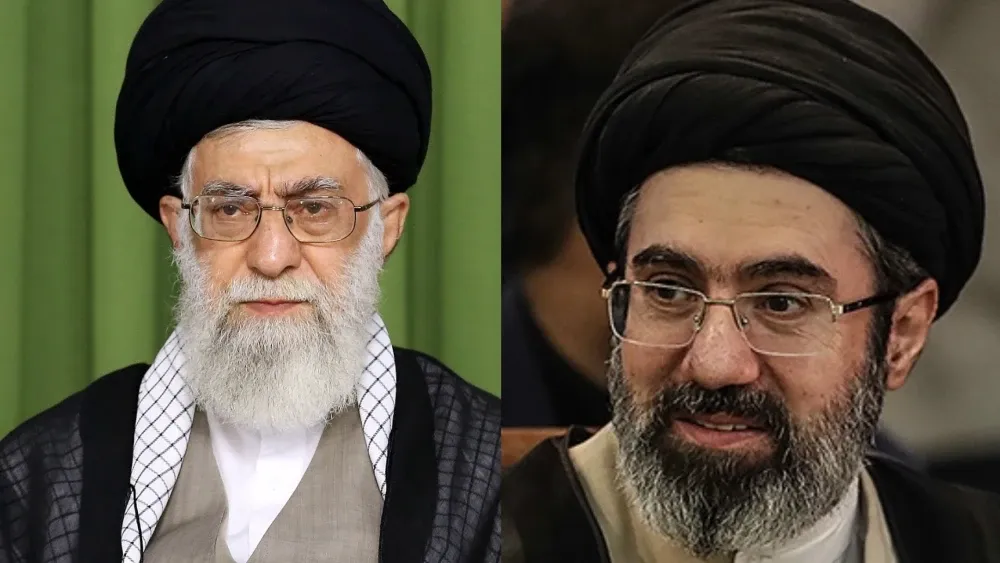 By: Saeid Golkar Nine days after Israeli and American airstrikes killed Ayatollah Ali Khamenei, his son Mojtaba was announced as Iran's new supreme leader. Why it matters: Mojtaba's appointment is a turning point, emphasizing regime continuity over renewal. Shadow influence: Mojtaba has wielded power from behind the scenes for decades, shaping Iran's political landscape without direct accountability. Regime's gamble: The leadership transition aims to consolidate power and reassure hard-liners amidst Iran's existential crisis. To read the full article, click here. | | Revolutionary Guards Take the Reins in Iran 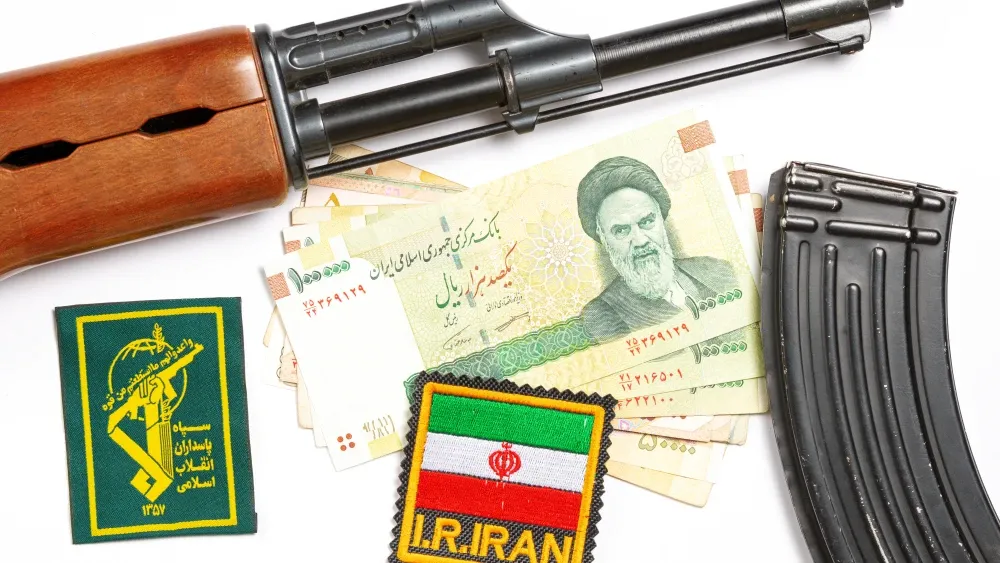 By: Amatzia Baram Following the death of Iran's supreme leader, control shifted to the IRGC and political figures Ali Larijani and Muhammad Baqir Qalibaf. Why it matters: This power transition cements the IRGC's grip on Iran, influencing both domestic and foreign policy. Clerical appeasement: Historically, Khamenei engaged in tactical flexibility, like the 2015 nuclear deal, to appease hardliners. Scenarios ahead: Iran's future hinges on its ability to navigate internal and external pressures, with potential outcomes ranging from ceasefire to prolonged conflict. To read the full article, click here. | | Has the United Arab Emirates Forfeited Its Claims to Abu Musa and the Tonbs? 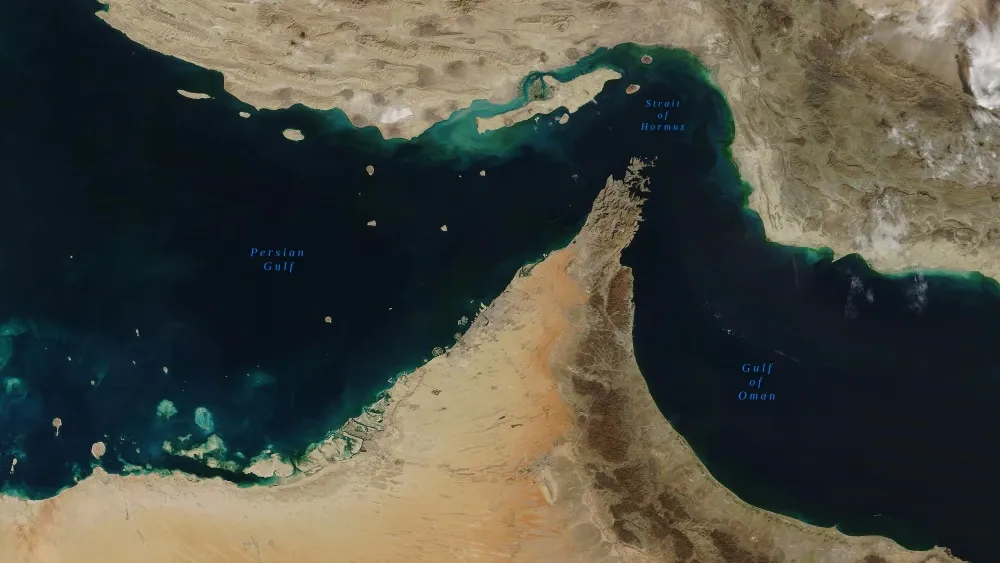 By: Michael Rubin On November 30, 1971, as British forces withdrew, Iran's military seized Abu Musa and the Greater and Lesser Tonb Islands, solidifying claims over these strategic locations. Why it matters: Control over these islands influences navigation and energy security in the Strait of Hormuz. Historical claims: Iran insists on sovereignty, citing linguistic and political arguments, while the United Arab Emirates (UAE) seeks resolution through international adjudication. Escalating tensions: Iran has launched attacks on the UAE, targeting Dubai and Abu Dhabi with rockets and drones. The UAE faces the decision to reclaim the islands militarily or seek international support. To read the full article, click here. | | Calculus for Israel Is Different: Jewish Nation's Survival Depends on Reducing Iran's Lethal Capacity 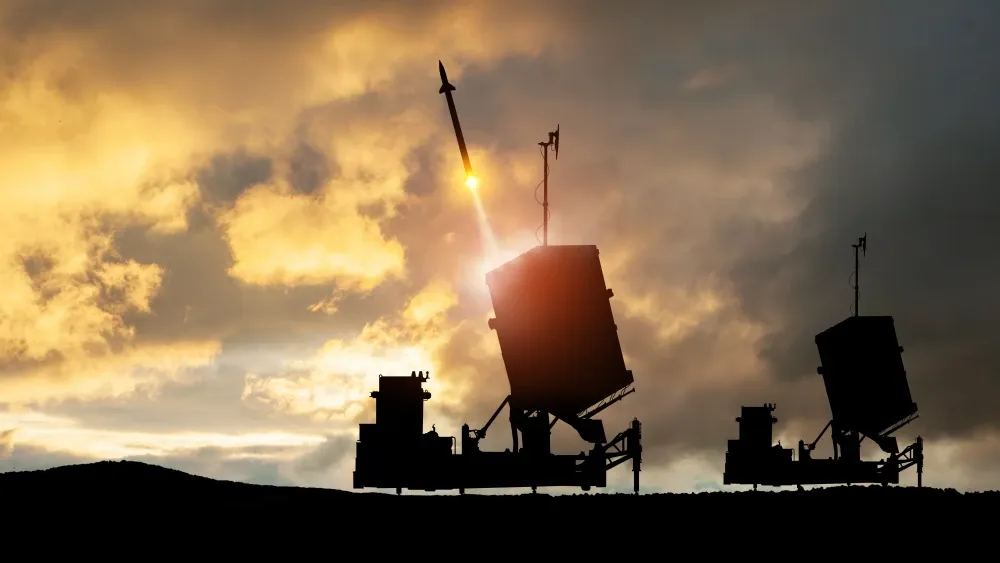 By: Jonathan Spyer Israel remains steadfast as Iranian and Hezbollah missiles continue to target its cities, highlighting the nation's resilience. Why it matters: Despite ongoing missile threats, Israeli domestic support for the conflict is unwavering, showcasing national unity. War context: This conflict is part of a prolonged regional power struggle, with Iran aiming for dominance through proxies and missile programs. Strategic implications: The U.S. and Israel are strategically targeting Iran's military infrastructure to weaken its influence without direct ground involvement. To read the full article, click here. | | With its Attack on Nakhchivan, Iran Sends Message to Azerbaijan and Israel 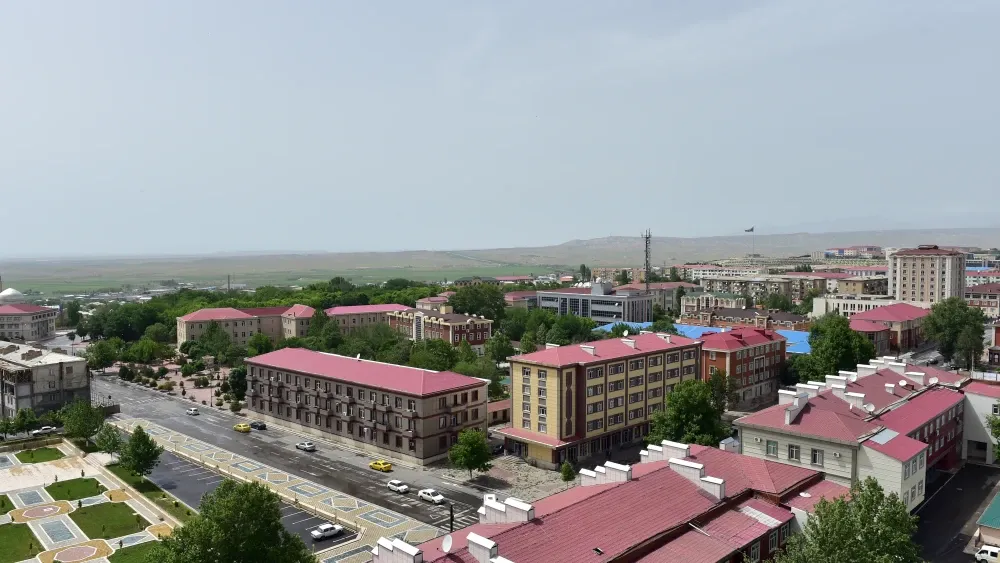 By: Umud Shokri On March 5, 2026, Iranian drones struck Azerbaijan's Nakhchivan exclave, signaling Tehran's intent to escalate tensions with Israel and the U.S. Why it matters: The attack underscores Iran's warning to Azerbaijan about its security ties with Israel, exposing vulnerabilities in Azerbaijan's infrastructure. Strategic positioning: Nakhchivan's location allows Iran to demonstrate military reach without direct confrontation with Azerbaijan's main territory. Regional implications: Azerbaijan's strengthened ties with Turkey and Israel, alongside Iranian fears of separatism, fuel regional instability. To read the full article, click here. | | How Will the Islamic Republic Retaliate Once the Guns Go Silent?  By: Michael Rubin The top layer of Iran's leadership has been decimated, yet the regime's ideology persists, threatening both regional and Western stability. Why it matters: Reports of Islamic Revolutionary Guard Corps (IRGC) sleeper cells in the U.S. and Europe suggest potential terror threats reminiscent of the 1980s. Strategic moves: President Trump's reliance on regime figures for a provisional authority overlooks the IRGC's deep-rooted ideology. Counterterrorism challenges: The IRGC's history of recruiting non-Iranians for terror complicates U.S. counterterrorism efforts. To read the full article, click here. | | The Three Crises in Shi'ism Today That the Iran War Exposes 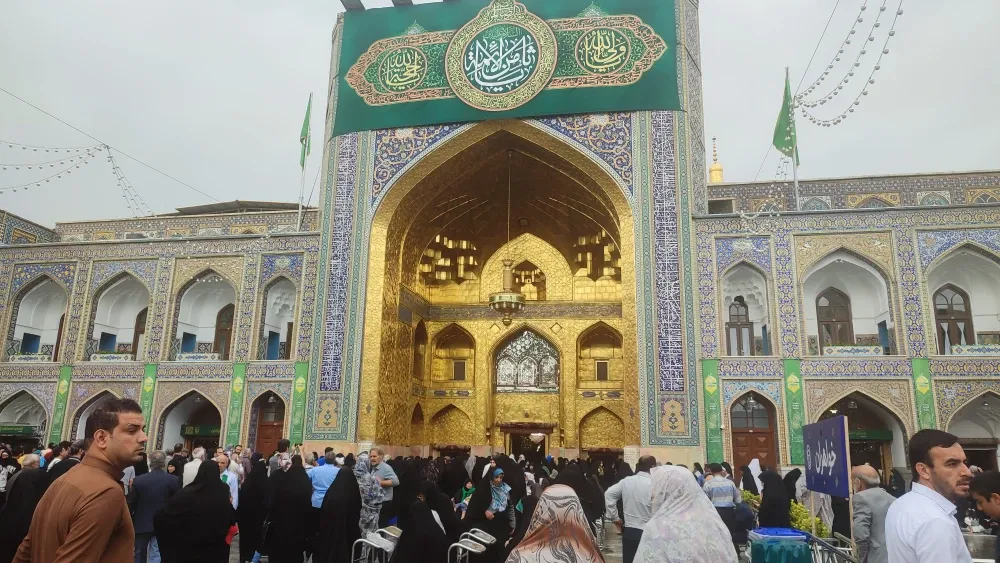 By: Michael Rubin Shi'ite religious leaders are navigating three crises, challenging traditional Shi'ism akin to Khomeini's 1979 revolution. Why it matters: The ideological rift between velayat-e faqih (Guardianship of the Jurist, advocating clerical political control) and traditional Shi'ism poses a legitimacy crisis for Iran's leadership. Mojtaba Khamenei's ascent: The lack of religious credentials in Mojtaba's rise questions the meritocracy within Shi'ite hierarchy. Sistani's influence: Grand Ayatollah Ali Sistani, a leading Shi'ite authority in Najaf, Iraq, is respected for advocating peace and traditional religious values. -
As his health wanes, questions arise about the authenticity of his stances. If his son manipulates Sistani's authority, it risks aligning traditional Shi'ism with political agendas, furthering internal divisions. To read the full article, click here. | | Iran's Terror Pipeline at America's Border 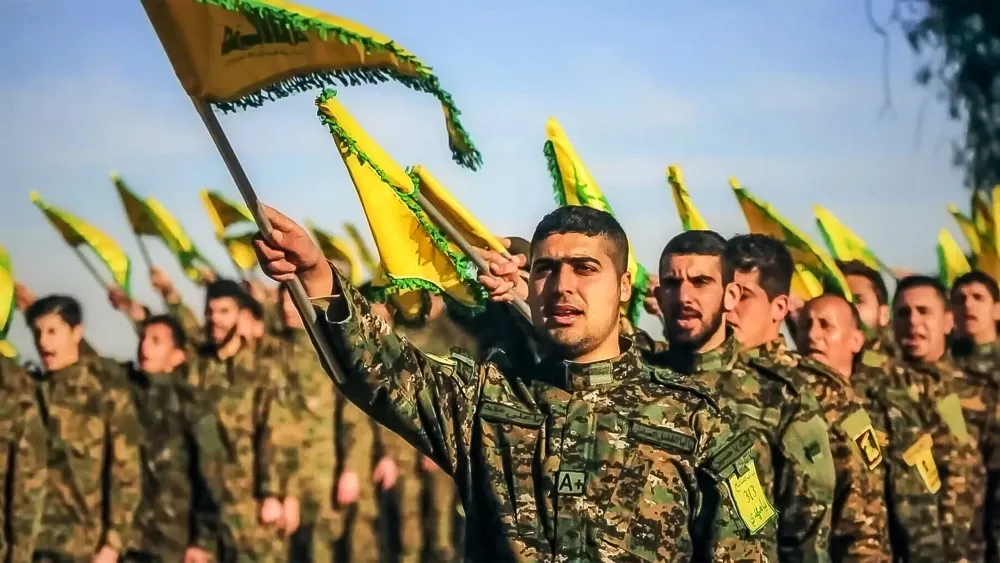 By: Jose Lev Alvarez Gomez Washington's distinction between cartels and terrorism is a convenient fiction, as Latin America shows the intersection of the two. Why it matters: Terrorism thrives on infrastructure, and parts of Latin America supply crucial components like financing and logistics. Venezuelan connections: Caracas provides state-enabled logistics, issuing passports through opaque channels and facilitating covert operations. Operational ecosystem: Terror groups leverage cartel-controlled corridors for logistics, placing hostile networks close to the U.S. To read the full article, click here. | | | | | Thank you for relying on the Middle East Forum for up-to-date analyses and reporting on the war with Iran. If you enjoyed this issue of the MEF Dispatch, please forward it to a friend. We invite you to use the comments feature to let us know your thoughts on this issue. Sincerely, Winfield Myers
Managing Editor, Middle East Forum
Director, Campus Watch | | | | Was this edition useful?  

Your email will be recorded and shared with the sender |        MEF, an activist think tank, deals with the Middle East, Islamism, U.S. foreign policy, and related topics, urging bold measures to protect Americans and their allies. Pursuing its goals via intellectual and operational means, the Forum recurrently has policy ideas adopted by the U.S. government.
Copyright © 2025 Middle East Forum, All rights reserved.
Our mailing address is:
Middle East Forum
1650 Market Street, Suite 3600
Philadelphia, PA 19103 | | | | | Powered by 
| | This email was sent by Middle East Forum via Axios HQ | | | |

0 коммент.:
Отправить комментарий