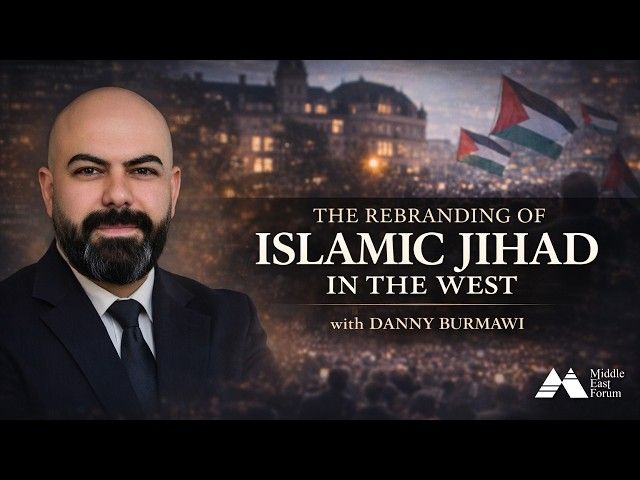
| |  | | | Iran Escalates Demands By Winfield Myers ● Mar 24, 2026 Smart Brevity® count: 6.5 mins...1738 words Mardo Soghom reports that, with successful strikes on Israel and launches of long-range missiles toward Diego Garcia, Iran's demands for peace have escalated to include extradition of Iranian journalists from the West, total control of the Strait of Hormuz, closure of U.S. bases in the region, and compensation for war damages. All this, says Soghom, strengthens the case put forth by President Trump and Prime Minister Netanyahu before the current air campaign that Iran's missile threat was becoming dangerous and had to be suppressed. Jonathan Spyer writes that recent missile launches by Iraqi Shia militias mean that a determined Iranian and allied campaign is underway in Iraq, making the country a third front in the current war, alongside the direct confrontation between the U.S., Israel, and Iran, and Israel's battle with Hezbollah in southern Lebanon. Iraq cannot develop normally as long as these pro-Iran militias exist, and only the destruction of the Iranian regime or the building of effective local forces against these groups can lead to their final eclipse. This issue also features the work of Dalga Khatinoglu, Umud Shokri, Aaron J. Shuster, and Jose Lev Alvarez Gomez. | | Iran Escalates Demands After Dimona Strike and 2,500-Mile Missile Launch 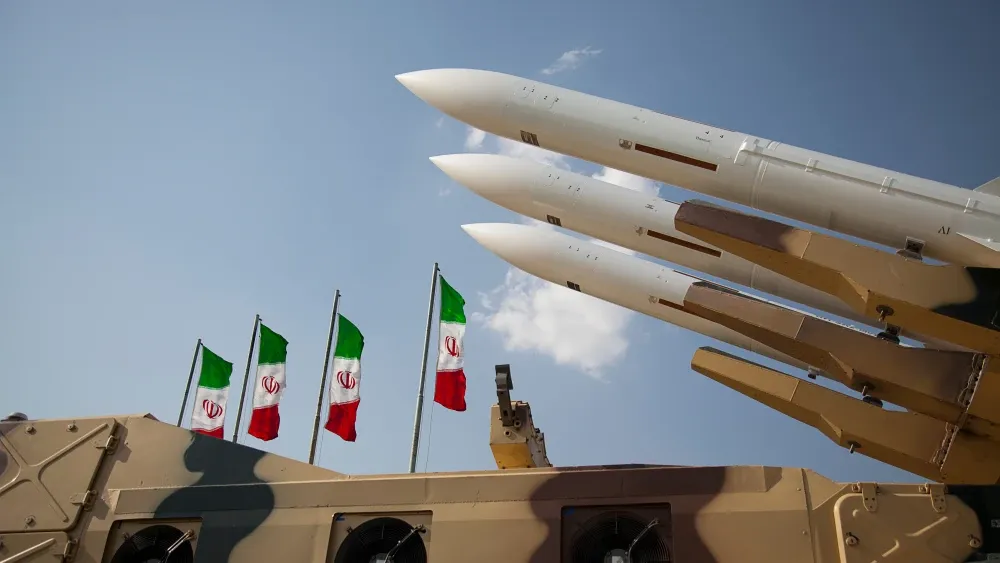 By: Mardo Soghom Two Iranian missiles struck southern Israel on March 21, 2026, showcasing vulnerabilities in the region's air defenses as claimed by Speaker Mohammad-Bagher Ghalibaf. Why it matters: This incident underscores the accuracy of warnings by President Trump and Prime Minister Netanyahu about Iran's growing missile threat. Technological advances prevented: It also strengthens the case of those who opposed the Obama-era Joint Comprehensive Plan of Action nuclear deal, which allowed Iran to continue its ballistic missile program. Next steps: Taken together, Tehran's rhetoric and actions point to a regime that sees escalation not as a risk to be managed, but as leverage to be exploited. To read the entire article, click here. | | Mixed U.S. Signals Meet Iran's Bid to Control Hormuz Access 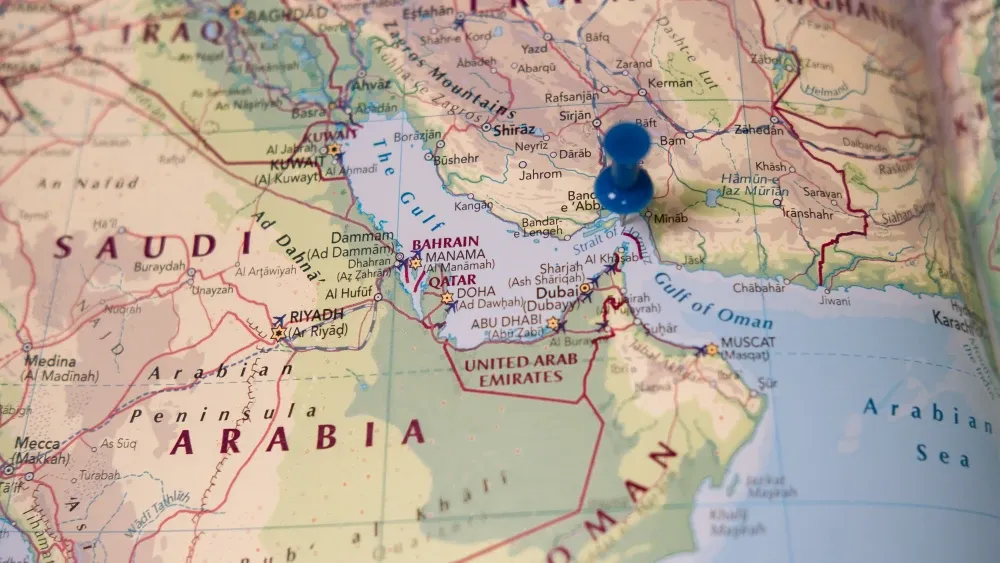 By: Mardo Soghom Iranian Foreign Minister Abbas Araghchi emphasized Tehran's control over the Strait of Hormuz in an interview, highlighting its strategic importance. Why it matters: President Trump and Prime Minister Netanyahu's focus on Iran's regional influence is validated as Tehran leverages the Strait to extract concessions. U.S. mixed signals: President Trump's remarks about nearing objectives contrast with additional troop deployments, indicating contingency plans. Leadership uncertainty: The absence of Iran's new supreme leader, Mojtaba Khamenei, adds uncertainty. To read the full article, click here. | | ICYMI: The Rebranding of Islamic Jihad in the West with Danny Burmawi Western institutions reframe Islamic jihad through concepts like social justice and anti-colonialism, presenting it as detached from its historical and theological roots in expansion and conflict. Geopolitical strategies, academic ideologies, and post-9/11 policies drive this shift and reshape public understanding by emphasizing alternative explanations. These forces influence political, demographic, and cultural trends in the West and shape policy decisions, social cohesion, and future societal developments. Danny Burmawi is the founder and CEO of the Ideological Defense Institute (IDI), a nonprofit organization dedicated to restoring confidence in and defending Judeo-Christian principles. From a Muslim Jordanian background, Burmawi converted to Christianity. He holds a master's degree in theological studies and author of Islam, Israel, and the West. To watch the entire podcast, click here. | | In Iraq, Iran's Proxy Militias Open a Third Front in War Against the US and Israel 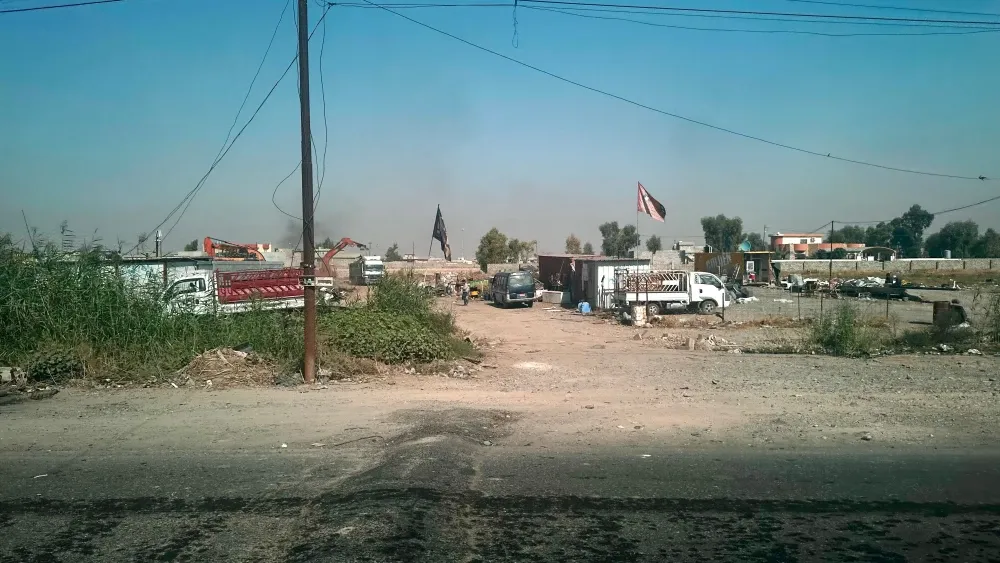 By: Jonathan Spyer The U.S. embassy in Baghdad was hit by a rocket and drone attack by Iraqi Shia Islamist militiamen from the Popular Mobilization Formations (PMF), highlighting a new front in the Middle East conflict. Why it matters: Iran-backed militias are intensifying pressure on U.S. and allied interests, marking Iraq as a critical battleground. Sabereen News propaganda: Channels like Sabereen News amplify Iran's narrative, portraying a seamless string of victories. Militia's embedded influence: The PMF operates within Iraqi state structures, complicating U.S. and Iraqi government efforts to counteract Iran's influence. -
Israel and the U.S.'s vast conventional superiority can damage, weaken, and diminish the militias and their patron, but only the destruction of the Iranian regime or the building of effective local forces against these groups can lead to their final eclipse. To read the full article, click here. | | Are Iran Oil Sanctions Waivers Relief for Tehran or Leverage for Washington?  By: Dalga Khatinoglu The U.S. has granted a one-month waiver for limited Iranian oil sales to stabilize global markets amidst rising geopolitical tensions. Why it matters: This move offers Tehran short-term relief but maintains U.S. control over Iran's oil revenues, underscoring strategic pressure. Oil dynamics: Iran has amassed about 200 million barrels in floating storage, with significant volumes stranded due to sanctions. Strategic implications: The waiver fits a broader U.S. strategy of calibrated pressure, aiming to prevent escalation while preserving incentives for restraint within Iran. To read the full article, click here. | | What Does Iraq's Force Majeure Declaration Mean for Energy Markets? 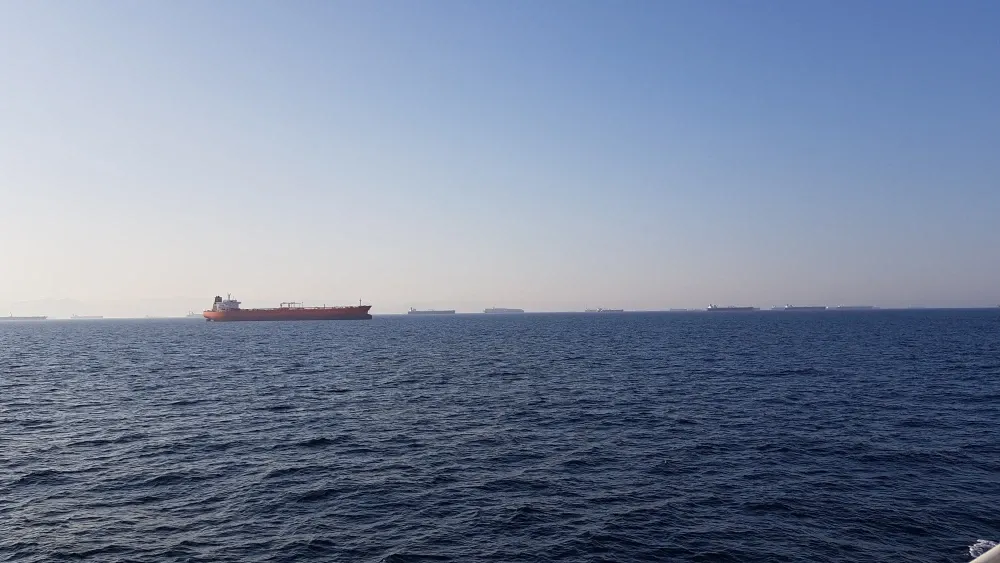 By: Umud Shokri On March 20, 2026, Iraq invoked force majeure on foreign-operated oilfields after disruptions in the Strait of Hormuz halted tanker traffic, blocking exports. Why it matters: Iraq's shutdown transforms geopolitical risk into a tangible supply shock, removing an estimated 2.5–3 million barrels per day from global markets. Economic fallout: Iraq's decision threatens fiscal stability as oil revenue constitutes over 90 percent of government income. Global implications: The crisis highlights the limits of current energy security strategies, emphasizing the need for diversified routes and alternative energy sources. To read the full article, click here. | | Iraq's Northern Exports Return, but Supply Risks Persist 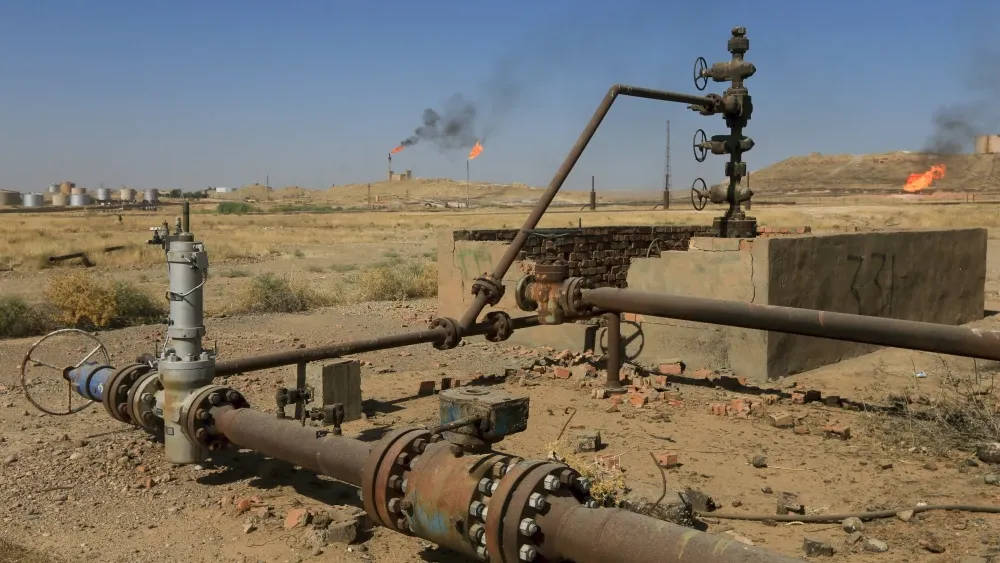 By: Umud Shokri Iraq and the Kurdistan Regional Government resumed crude exports through the Iraq-Turkey Pipeline on March 17, 2026, in response to disruptions in the Strait of Hormuz. Why it matters: The pipeline resumption offers a temporary workaround for Iraq amid severe export constraints, impacting global oil supply dynamics. Geopolitical leverage: Turkey holds significant influence over the pipeline's operations, with legal disputes adding uncertainty. Limits of relief: While markets reacted with a decline in oil prices, the pipeline's capacity is marginal and exposed to multiple risks. To read the full article, click here. | | As the West Embraces 'Technocracy,' Will Hamas Follow Hezbollah's Model? 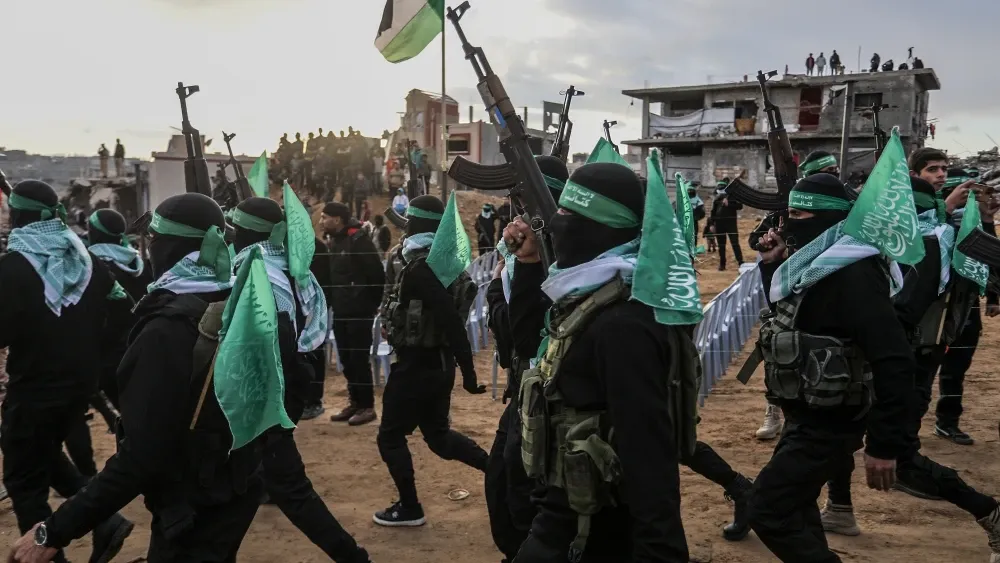 By: Aaron J. Shuster Calls for a technocratic government in Gaza aim to establish stability while avoiding Israeli reoccupation and Hamas rule. Why it matters: The proposal's appeal lies in its promise of stability without escalation, offering a channel for reconstruction funds and diplomatic moderation. Hezbollah's model: Similar to Hezbollah in Lebanon, Hamas may preserve leverage through bureaucratic continuity and control over key functions. Strategic implications: Sustainable governance in Gaza demands disarmament or an enforcement mechanism to constrain armed actors. -
Without these, a technocratic government could represent adaptation, not transition, echoing Lebanon's enduring challenges with Hezbollah. To read the full article, click here. | | Turkey's Push to Replace Iran in Latin America  By: Jose Lev Alvarez Gomez As Iran's foothold in Latin America potentially weakens, Turkey emerges as a likely power to fill the vacuum, leveraging formal partnerships over covert networks. Why it matters: Unlike Tehran, Ankara can advance its influence through contracts and diplomacy, posing a subtler but significant challenge to U.S. and Israeli interests. Strategic foothold: Turkey's defense and aviation exports surged to $10 billion in 2025, with regional offices and military attachés establishing long-term ties. Resource leverage: With significant investments in Latin America's mineral sectors, Turkey secures critical resources for global manufacturing and defense. To read the full article, click here. | | | | | Thank you for reading the MEF Dispatch. The Middle East Forum provides ongoing updates of events in Iran, Israel, and beyond at https://www.meforum.org/. Please share your thoughts on this issue in the comments. Thank you, Winfield Myers
Managing Editor, Middle East Forum
Director, Campus Watch | | | | Was this edition useful?  

Your email will be recorded and shared with the sender |        MEF, an activist think tank, deals with the Middle East, Islamism, U.S. foreign policy, and related topics, urging bold measures to protect Americans and their allies. Pursuing its goals via intellectual and operational means, the Forum recurrently has policy ideas adopted by the U.S. government.
Copyright © 2025 Middle East Forum, All rights reserved.
Our mailing address is:
Middle East Forum
1650 Market Street, Suite 3600
Philadelphia, PA 19103 | | | | | Powered by 
| | This email was sent by Middle East Forum via Axios HQ | | | |

0 коммент.:
Отправить комментарий