| |  | | | Iran After Khamenei: A Strategic Assessment By Winfield Myers ● Mar 17, 2026 Smart Brevity® count: 9 mins...2395 words In three in-depth reports, Gregg Roman addresses the three defining challenges now facing Washington and Jerusalem: how to translate air-campaign success into political transformation, how to operationalize Iran's popular resistance movement, and how to reopen the Strait of Hormuz without a ground invasion. In the third paper, "Breaking the Gate," he details how to reopen the Strait, which is closed, he writes, not by mines across the shipping channel or by a line of Iranian frigates steaming abreast, but by fear. Mardo Soghom analyzes the state of the war after the death of Ali Larijani as well as Iran's insistence on U.S. guarantees to cease hostilities and pay reparations to end the war. We feature four articles from Michael Rubin, plus contributions by Dalga Khatinoglu, Amine Ayoub, and Marilyn Stern. | | Iran After Khamenei: A Strategic Assessment 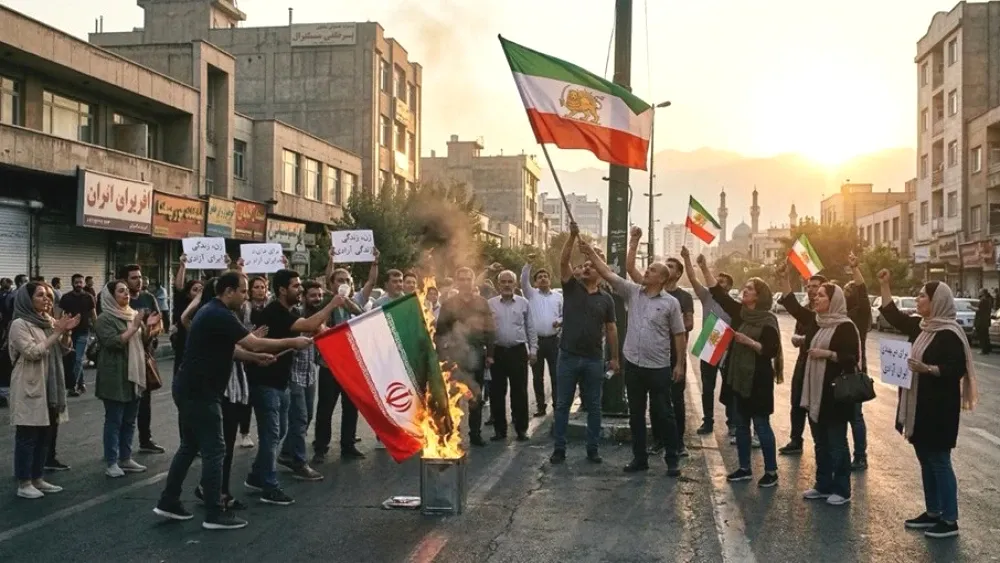 News from the Middle East Forum The Middle East Forum (MEF) has released three pivotal policy papers by executive director Gregg Roman on the U.S.-Israel coalition's next steps in their campaign against Iran. "The Longest Way Home": This paper argues that air power alone cannot produce regime change and highlights the need to dismantle the regime's claim to divine political authority. -
It emphasizes supporting Iranian people through a disciplined indirect approach, avoiding ground invasion and premature disengagement. -
Key detail: The paper identifies the regime's center of gravity as its claim to divine authority, rather than its military assets. "The Shortest Way Through": This strategy translates external strategy into internal operational doctrine to empower Iran's popular resistance. -
It details combining mass action with targeted economic sabotage to induce defection within the IRGC. -
Key detail: The paper outlines how existing infrastructure within Iran's resistance can be directed for effective action. "Breaking the Gate": Focuses on addressing the economic crisis by reopening the Strait of Hormuz. -
Proposes using Fifth Fleet assets and diplomatic pressure on insurers to restore commercial transit without military deployment on Iranian soil. -
Key detail: Identifies the closure as insurance-driven rather than a conventional blockade, proposing innovative solutions to navigate the crisis. The stakes: Gregg Roman adds: "The coalition now faces a narrow window in which the conditions for genuine political transformation in Iran are more favorable than at any point since 1979." -
"These three papers lay out exactly how to use that window—to support the resistance, accelerate the succession crisis, and reopen Hormuz—before it shuts." -
"A policy vacuum at this moment is not neutral. It is a decision to accept a worse outcome." To read the full press release, click here. | | Breaking the Gate: An Operational Concept for Reopening the Strait of Hormuz Without a Ground Campaign 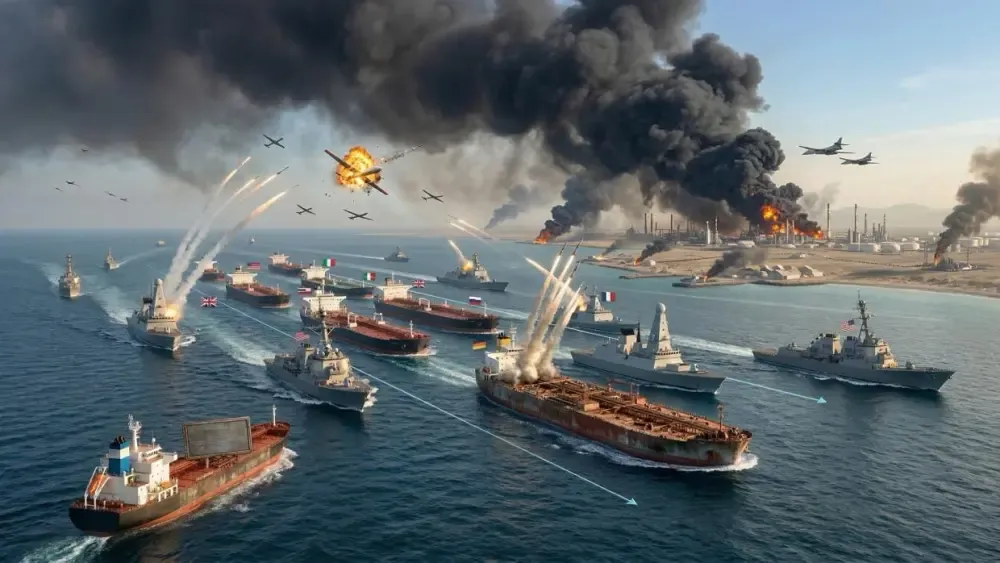 By: Gregg Roman The Strait of Hormuz closure is a strategic play by Iran, using fear rather than direct military engagement to halt global oil and liquid natural gas (LNG) supply. U.S. Fifth Fleet assets and pressure on insurers must be brought to bear to reopen the Strait. I. The Nature of the Problem: Iran has achieved an insurance-driven shutdown of commercial shipping, which poses a novel challenge, demanding a focus on restoring shipping confidence. II. Line of Effort One: Continued air and naval attrition aim to reduce Iran's threat capacity, managing risk rather than eliminating all threats. -
Drawing on lessons learned from WWII Atlantic convoys, the U.S. needs to degrade the threat below the level at which insurance markets price it as prohibitive. That threshold is not zero risk, but manageable risk. III. Line of Effort Two: Empowering the Ahvazi Arab insurgency aims to divert Islamic Revolutionary Guard Corps (IRGC) resources, weakening their enforcement capability over the Strait. -
Iran's southwestern littoral is home to approximately three to four million Ahvazi Arabs who have faced discrimination and cultural suppression by Tehran. -
Supporting insurgency forces stretches Iran's military resources. IV. Line of Effort Three: Convoy escort operations are essential for ensuring safe passage through a defended corridor, minimizing risk and delay. V. Line of Effort Four: Bypass pipelines and strategic reserves provide alternative routes, mitigating the economic impact of the Strait's closure. VI. Line of Effort Five: The most underappreciated dimension of the Hormuz crisis is that Iran's closure hurts Iran at least as much as it hurts the coalition, because Iran's own oil exports transit Hormuz. VII. Integration: A combined approach of air strikes, insurgency support, and economic tactics forms a cohesive reopening strategy. VIII. The Gauntlet and the Gate: Focusing on a single corridor leverages economic power to render Iran's closure unsustainable. To read the full report, click here. | | ICYMI: The New Palestinian Constitution Makes Peace Illegal with Elder of Ziyon  The PLO recently released a draft constitution for the State of Palestine that superficially meets European demands for democracy, human rights, demilitarization, and a two-state solution but actually weaponizes the document against Israel and peace. It enshrines pay-for-slay as an unamendable constitutional right, declares Israel a genocidal state with no borders short of the river to the sea, embeds the right of return in a form that eliminates Israel, places the unelected PLO permanently above the state, and invalidates any treaties or amendments that contradict these positions or Islamic Sharia. As a result, the constitution makes peace, recognition of Israel, or normal relations unconstitutional while enabling legal warfare such as mass arrest warrants against Israelis in recognizing countries and blocking any future compromise, effectively turning a pretended framework for statehood into a permanent charter for perpetual conflict. Elder of Ziyon is an award-winning writer, and one of the most influential pro-Israel voices on social media today. His articles are frequently republished in The Jewish Press and The Algemeiner and he has been quoted numerous times in mainstream media as well as academic articles. Elder is the author of the book Protocols: Exposing Modern Antisemitism. To watch the entire podcast, click here. | | Airstrikes Reportedly Kill Larijani as Iran Hardens Hormuz Stance  By: Mardo Soghom In a significant escalation, Israeli airstrikes have killed senior Iranian officials, disrupting the leadership structure at a critical time. Key figures eliminated: Ali Larijani, former parliament speaker and secretary of Iran's Supreme National Security Council, and General Gholamreza Soleimani, Basij commander, were killed, removing pivotal leaders in Iran's political-military framework. Strait of Hormuz tensions rise: Iran signals a confrontational stance, using the strait as leverage against adversaries, complicating navigation and geopolitical stability. Military resilience questioned: Despite setbacks, Iran's military retains potential to threaten shipping, challenging U.S. efforts to ensure maritime security. To read the full article, click here. | | Iran Ties End of War to Guarantees, While Hormuz Tensions Rise  By: Mardo Soghom Iranian Foreign Minister Abbas Araghchi reiterates Tehran's conditions for peace with the U.S. and Israel amid ongoing hostilities. Tehran's demands and assertions: Araghchi demands guarantees against further attacks and reparations while accusing the U.S. of using drone replicas for false-flag operations. Strait of Hormuz restrictions: Iran continues to restrict navigation, allowing access only to non-allied vessels, using the strait as leverage against adversaries. Internal security challenges: Iran's internal security apparatus faces significant damage, undermining its ability to suppress unrest as command infrastructure erodes. To read the full article, click here. | | Iranian Opposition Leaders Should Remember the Lesson of Sharif Ali 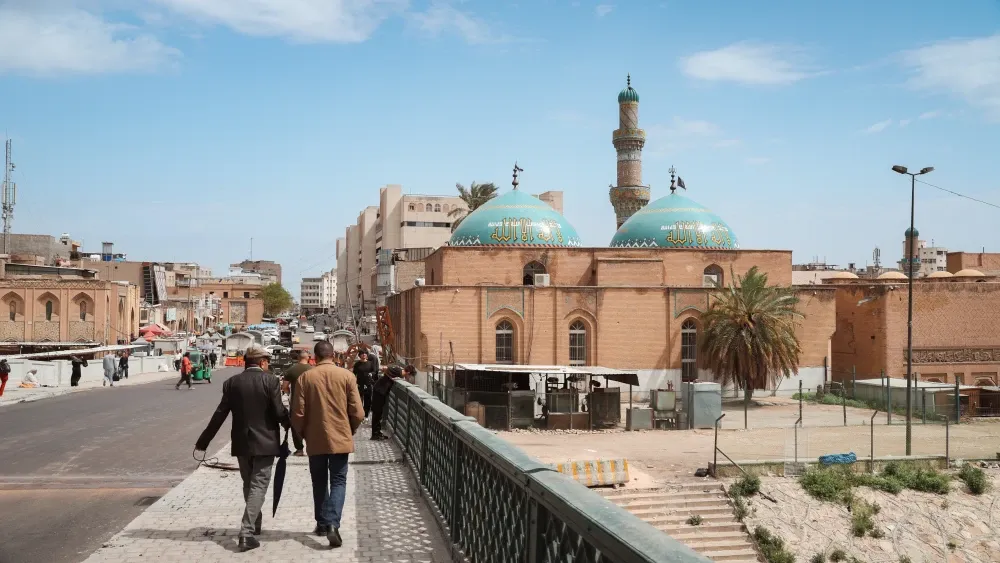 By: Michael Rubin Reza Pahlavi's advisors are increasingly criticized for their autocratic approach, contrasting his past as a coalition builder. Leadership tensions: Pahlavi's shift towards autocratic control risks alienating coalition partners and undermining his leadership potential. Political maneuvering in the Iran Freedom Congress: Members engage in political games, risking unity at a crucial time for regime change prospects. Historical parallels with Iraq's Sharif Ali: The missed opportunity by Sharif Ali serves as a cautionary tale for Iranian leaders amidst regime change discussions. To read the full article, click here. | | Repeating the 'Mashhad Strategy' Will Not Save the Islamic Republic 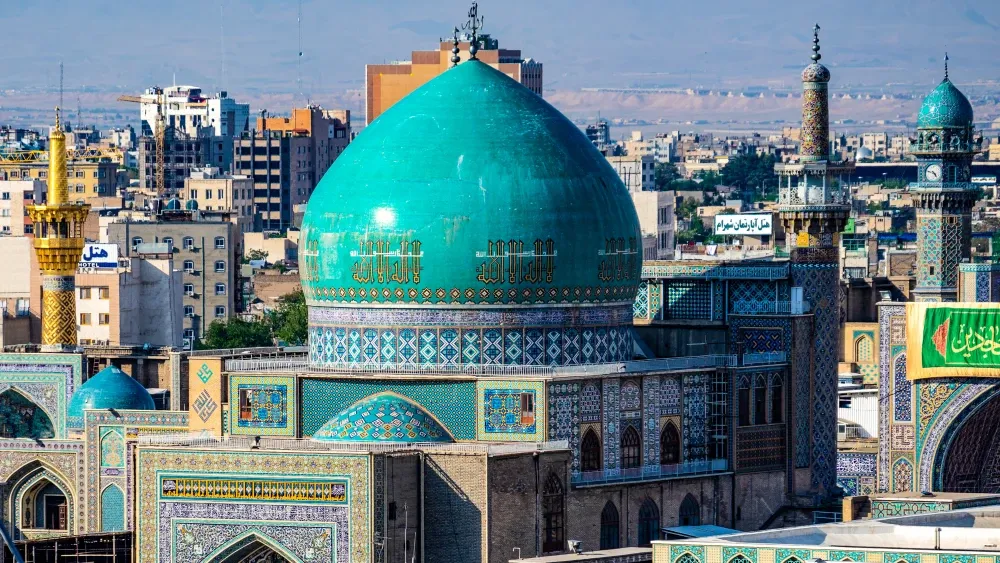 By: Michael Rubin For Iranians, the Iran-Iraq War was a harrowing experience, mirroring World War I trench warfare but with even greater devastation. Tehran's transformation: The war significantly altered Iran's urban landscape, driving population shifts and reshaping its cities. Strategic relocations: With current conflicts echoing the past, Iranian leaders reportedly move to Mashhad, reflecting historical survival strategies. Military miscalculations: Iran's leadership underestimates the U.S. military's precision and strategic capabilities compared to Iraq's past forces. To read the full article, click here. | | The Strike on Kharg Island Prevents Saddam-Like Sabotage 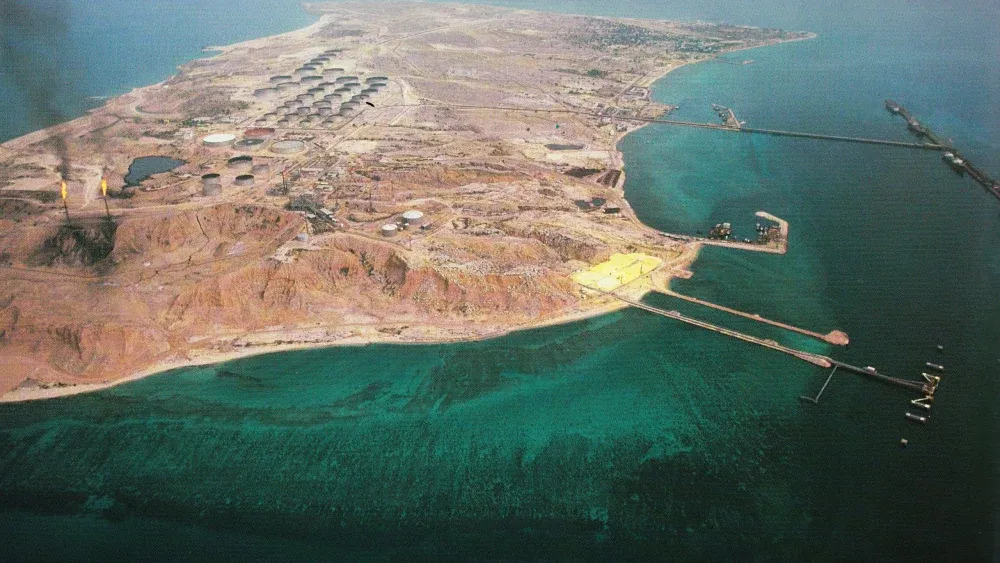 By: Michael Rubin On March 13, 2026, President Donald Trump announced a successful U.S. strike on Kharg Island, targeting Iranian military assets while preserving the vital oil terminal. Kharg's strategic significance: The island is crucial as 96 percent of Iran's oil exports pass through it, making it a focal point for U.S. military strategy. Potential for U.S. occupation: The destruction of guard posts sets the stage for a possible U.S. occupation, posing less risk than a full-scale landing. Historical lessons applied: Trump's approach reflects lessons from past conflicts, aiming to prevent energy market sabotage akin to Kuwait's 1991 ordeal. To read the full article, click here. | | How Should Trump Respond to the Missile Strike at the U.S. Embassy in Baghdad?  By: Michael Rubin A missile strike on the U.S. Embassy in Baghdad underscores ongoing threats from Iran and its proxies, prompting calls for decisive U.S. action. Historical pattern of aggression: Iranian-backed attacks on embassies have been a hallmark since the 1979 Islamic Revolution, targeting U.S. interests repeatedly. U.S. strategic response: President Trump considers a firm stance against pro-Iranian figures in Iraq, targeting those ideologically aligned with militias. Diplomatic implications: The attack challenges U.S.-Iraqi relations, urging Baghdad to assert sovereignty and protect diplomatic properties. To read the full article, click here. | | Iran Is Not Just Holding Oil Markets Hostage—It Is Mocking Them  By: Dalga Khatinoglu Iran's actions in the Persian Gulf are not just disrupting global oil markets; they're openly defying them, as recent developments illustrate. Strait of Hormuz shutdown: Iran has halted traffic and targeted vessels, while paradoxically increasing its own oil exports to record levels. Extended impact of missile strikes: Iran's attacks on energy infrastructure across the Gulf region risk long-term damage, entrenching market volatility. U.S. response and challenges: Washington's insurance program for commercial vessels sees limited interest, questioning its effectiveness in restoring shipping activity. To read the full article, click here. | | Crossing the Red Line: The U.S.-Iran Shadow War Reaches the Gates of North Africa 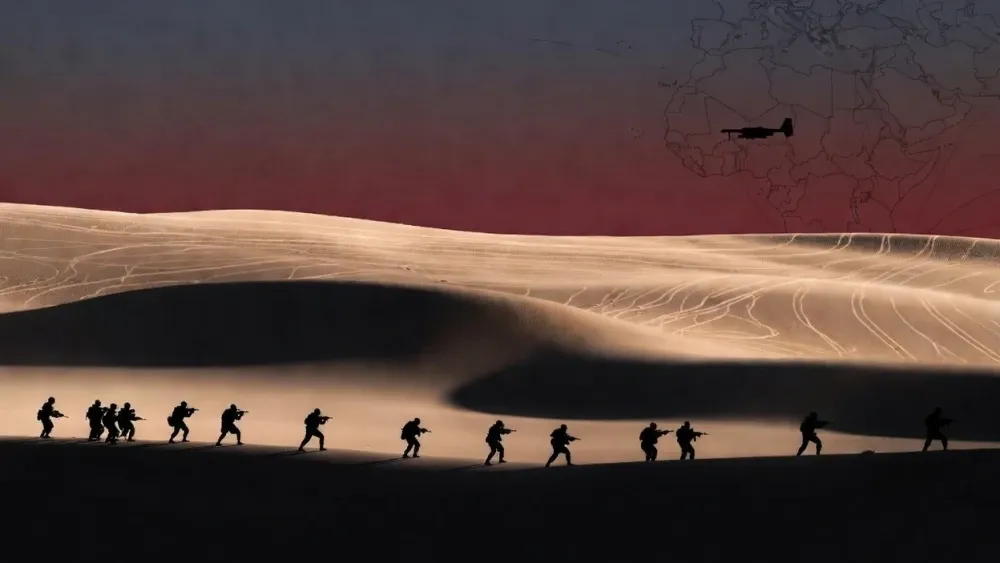 By: Amine Ayoub Iran's geopolitical influence extends beyond traditional borders, as it establishes a new foothold in North Africa through the Polisario Front. IRGC's African leap: The Iranian Revolutionary Guard Corps leverages Tindouf as a strategic proxy base, expanding its "ring of fire" beyond the Middle East. Polisario's transformation: Backed by Iran, the Polisario Front evolves into a destabilizing force, mirroring tactics seen with Hezbollah and the Houthis. U.S. legislative response: Senator Ted Cruz's push to classify the Polisario as a terrorist organization underscores the urgency of countering Iran's influence. To read the full article, click here. | | Amine Ayoub on The Great Divide: Escalating Rivalry and Regional Security in the Maghreb 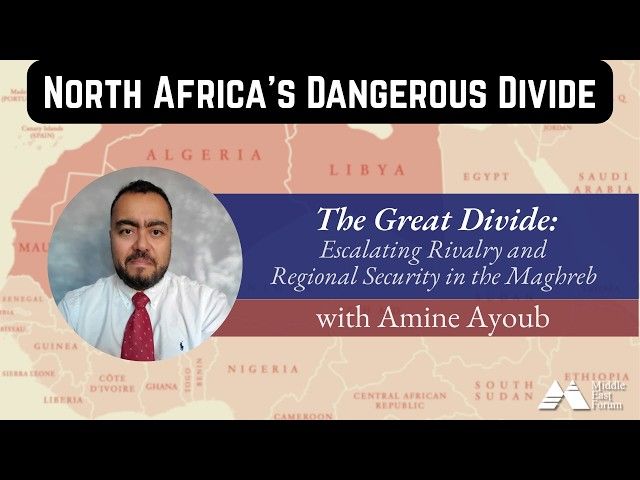 By: Marilyn Stern In a recent Middle East Forum Podcast, Amine Ayoub of the highlighted the complex geopolitical landscape of the Maghreb, emphasizing U.S. diplomatic efforts in the region. Algeria-Morocco rivalry: The longstanding territorial and energy disputes between Algeria and Morocco affect regional stability and U.S. diplomatic efforts. Energy security challenges: Competing pipeline projects reflect broader geopolitical divides, with Algeria and Morocco vying for influence in the energy-rich Sahel. Regional alliances: Morocco aligns with Western powers and Israel, while Algeria partners with Russia, China, and Iran, influencing the broader Maghreb dynamics. To read the summary and watch the full podcast, click here. | | | | | The Middle East Forum provides ongoing updates of events in Iran, Israel, and beyond at https://www.meforum.org/. Thank you for reading the MEF Dispatch, and please share your thoughts on this issue in the comments. Thank you, Winfield Myers
Managing Editor, Middle East Forum
Director, Campus Watch | | | | Was this edition useful?  

Your email will be recorded and shared with the sender |        MEF, an activist think tank, deals with the Middle East, Islamism, U.S. foreign policy, and related topics, urging bold measures to protect Americans and their allies. Pursuing its goals via intellectual and operational means, the Forum recurrently has policy ideas adopted by the U.S. government.
Copyright © 2025 Middle East Forum, All rights reserved.
Our mailing address is:
Middle East Forum
1650 Market Street, Suite 3600
Philadelphia, PA 19103 | | | | | Powered by 
| | This email was sent by Middle East Forum via Axios HQ | | | |

0 коммент.:
Отправить комментарий