| |  | | | The House of Khamenei Lives On By Winfield Myers ● Mar 11, 2026 Smart Brevity® count: 6.5 mins...1758 words Saeid Golkar and Jason M. Brodsky argue that the election of Mojtaba Khamenei as Iran's new supreme leader—contrary to the wishful thinking of some—does not pave the way for de-escalation with the United States. To the contrary, Mojtaba is a son of the system, an engineer of its hardline direction, and now the heir of a bloody logic of revenge. His rise means a more aggressive stance toward the U.S. and the West, not a diplomatic opening. Jonathan Spyer assesses that the regime in Tehran thus far appears to retain the loyalty of its security personnel and the 20 percent of the population that back it. Absent a U.S.-Israeli decision to pursue a long-war strategy—an unlikely turn of events—both Iran and Hezbollah may survive the war. Michael Rubin takes the National Intelligence Council to task for its groupthink and for its recent leak that the CIA doesn't think the U.S. can win. Mardo Soghom asks who is making key decisions in Tehran. We also feature the work of A.J. Caschetta, Mariwan R. Hama, Sirwan Kajjo, and Abdullah Bozkurt. | | The House of Khamenei Lives On 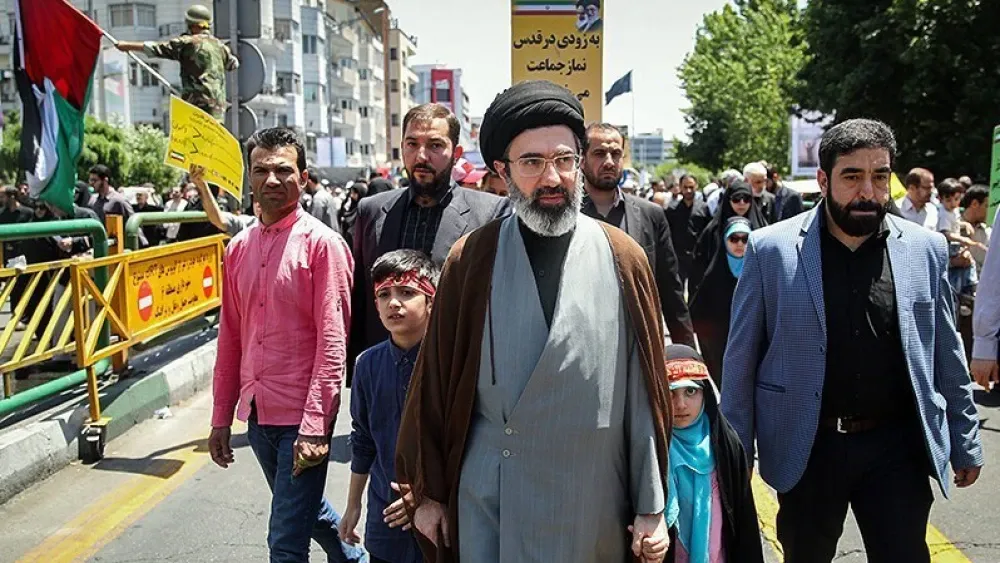 By: Saeid Golkar and Jason M. Brodsky Ali Khamenei's son Mojtaba Khamenei's rise as Iran's supreme leader indicates a shift towards even more aggressive policies. Islamic Revolutionary Guard Corps allegiance: Mojtaba's deep-rooted ties with the IRGC highlight his commitment to hardline policies. Loyalty over diplomacy: Mojtaba's ascent reflects his entrenched role within Iran's hardline networks. -
His lack of international experience underscores a preference for internal loyalty over diplomatic engagements. -
Some observers argue that Mojtaba's election may open the way for de-escalation with the United States. This view is wrong. Radical direction: The circumstances of Mojtaba's rise, marked by personal loss, portend a more extreme stance. To read the full article, click here. | | Why the Islamic Republic May Survive This Campaign 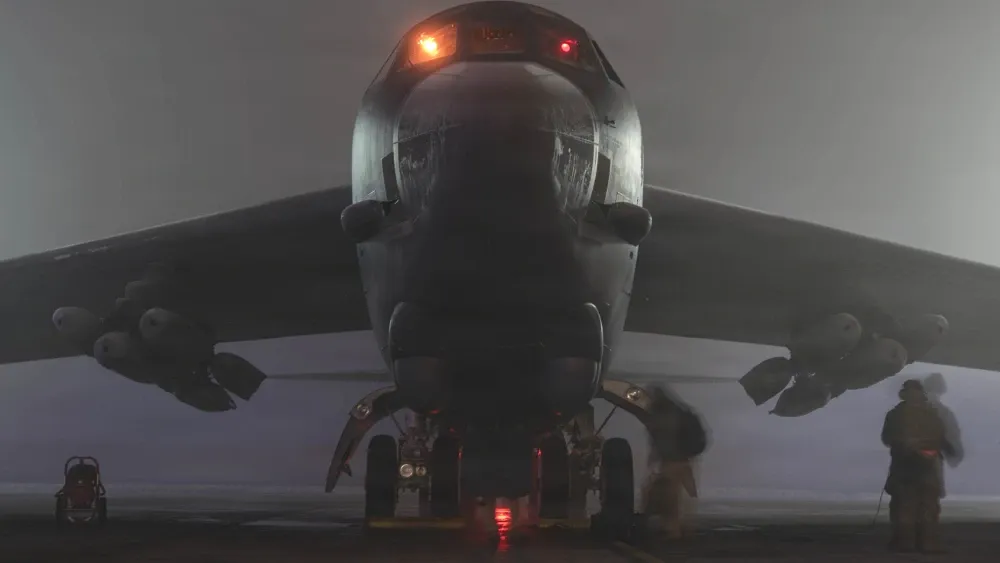 By: Jonathan Spyer Israel's strategic approach has evolved significantly since the events of October 7, 2023, aiming for comprehensive defeat of its regional adversaries rather than mere deterrence. Hamas impact: The massacres highlighted the implacable nature of Islamist enemies, pushing Israel towards a strategy of complete defeat. Iran's resilience: Despite severe damage to Iranian infrastructure, the regime's ability to govern remains intact. Lebanese dynamics: Israel's actions against Hezbollah in Lebanon have created unprecedented developments. What's next? What could change this picture would be a joint US and Israeli decision to pursue a long-war strategy to bring down the Iranian regime, involving the support for both armed and unarmed elements on the ground. As of now, the adoption of such a strategy appears unlikely. To read the full article, click here. | | ICYMI: Israel Insider with Ashley Perry 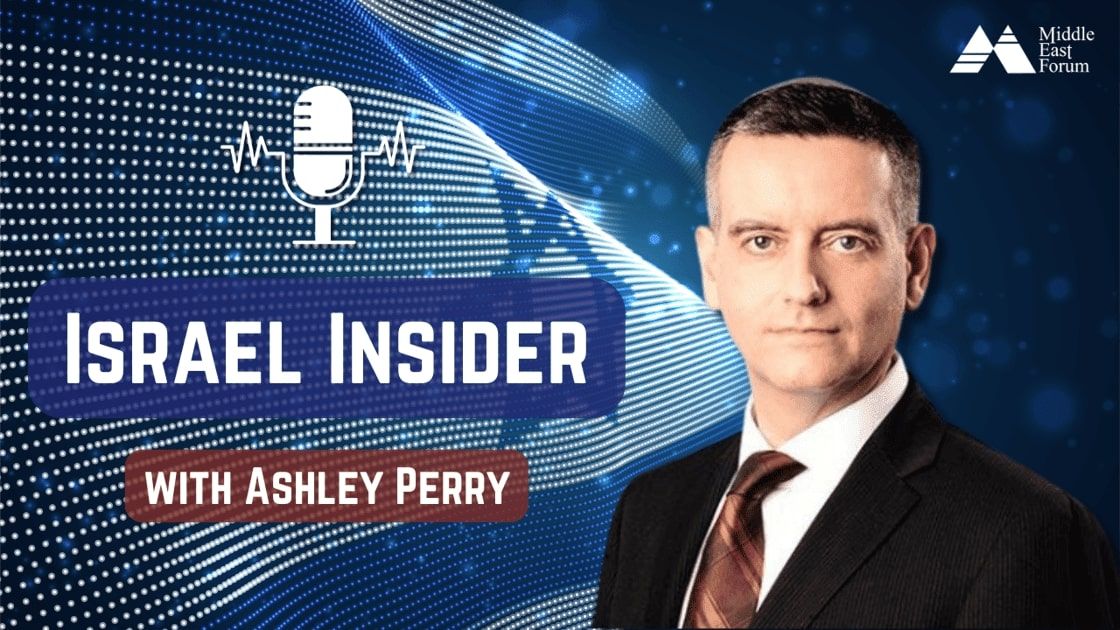 Israel faces intense missile and drone attacks from Iran, Lebanon, and other directions, with northern areas enduring particularly heavy barrages while air defenses intercept most incoming threats and the country remains largely intact despite propaganda claims otherwise. The ongoing conflict appears to near its end under strong influence from Donald Trump, who green-lit the operation and now pushes for a swift conclusion due to domestic political pressures, plummeting oil prices after his statements, and Gulf Arab nations' concerns over economic chaos from prolonged disruption in the Strait of Hormuz. Victory remains uncertain without regime change in Iran, which requires an internal uprising rather than airstrikes alone, though the operation has significantly weakened Iranian military capabilities, nuclear leverage, repression apparatus, and global alliances with Russia and China while reinforcing Israel's strategic reliability as a key ally. Ashley Perry is an advisor to the Middle East Forum's Israel office. He served as adviser to Israel's minister of foreign affairs and deputy prime minister in 2009-15, and has also been an advisor to the Negev Forum. Originally from the United Kingdom, he moved to Israel in 2001. He holds a B.A. from University College London and an M.A. from Reichman University (IDC Herzliya). To watch the entire podcast, click here. | | War Comes to Tehran as Regime Defiance and Mojtaba's Absence Continue 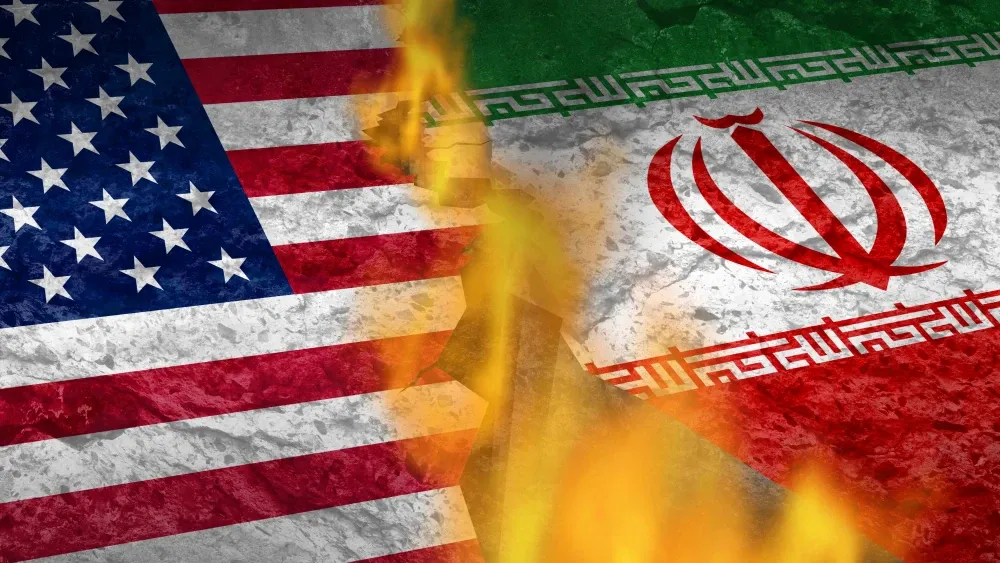 By: Mardo Soghom As American and Israeli airstrikes intensify, Tehran's once-bustling streets now echo with silence, reflecting the severe impact of ongoing conflicts. Intense airstrikes: Overnight assaults have left Tehran and Karaj in darkness, with powerful explosions marking some of the most severe attacks yet. Regime's rhetoric: Iranian officials remain defiant, vowing resistance against U.S. and Israeli pressures. Leadership uncertainty: Amidst the turmoil, questions about Iran's leadership arise as Mojtaba Khamenei remains unseen. To read the full article, click here. | | The Intelligence Community Fails on Iran  By: Michael Rubin The National Intelligence Council actively shapes its assessments, promoting groupthink and political bias. Political influence: Council officers assign personnel with specific policy biases, influencing intelligence outcomes. Intelligence failures: The council's recent Iran assessment leak encourages Iran's regime to stand firm. Call for accountability: Critics demand action to identify and prosecute the leaker, ensuring intelligence integrity. To read the full article, click here. | | Elite U.S. Papers Eulogize Ayatollah Khamenei as an 'Avuncular,' 'Austere Cleric' and 'Pragmatist' 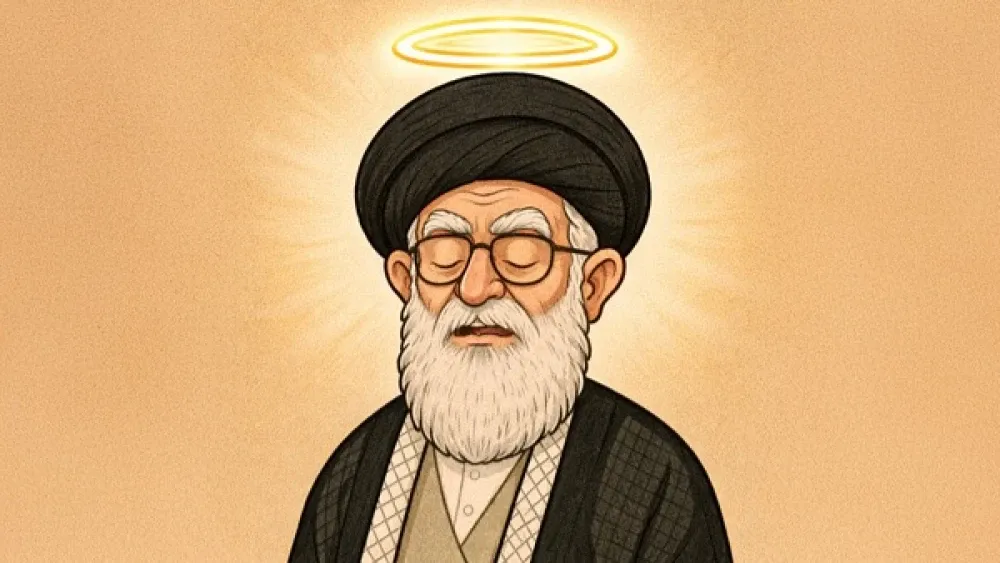 By: A.J. Caschetta The obituaries for Iran's Supreme Leader, Ali Khamenei, by major American newspapers exhibit a morally indefensible bias, portraying a despotic figure in a sympathetic light. Whitewashing tyranny: The Washington Post, New York Times, and Wall Street Journal laud Khamenei as a modest religious scholar, ignoring his brutal regime's atrocities. Misleading narratives: These outlets misrepresent the 2015 Iran nuclear deal, failing to acknowledge its shortcomings and Iran's deceit. Absence of accountability: Unlike the detailed coverage of bin Laden's death during a Democratic administration, these obituaries shy away from confronting the violent end of Khamenei's rule. To read the full article, click here. | | Will Iraqi Militias Help the Iranian Regime to Survive? 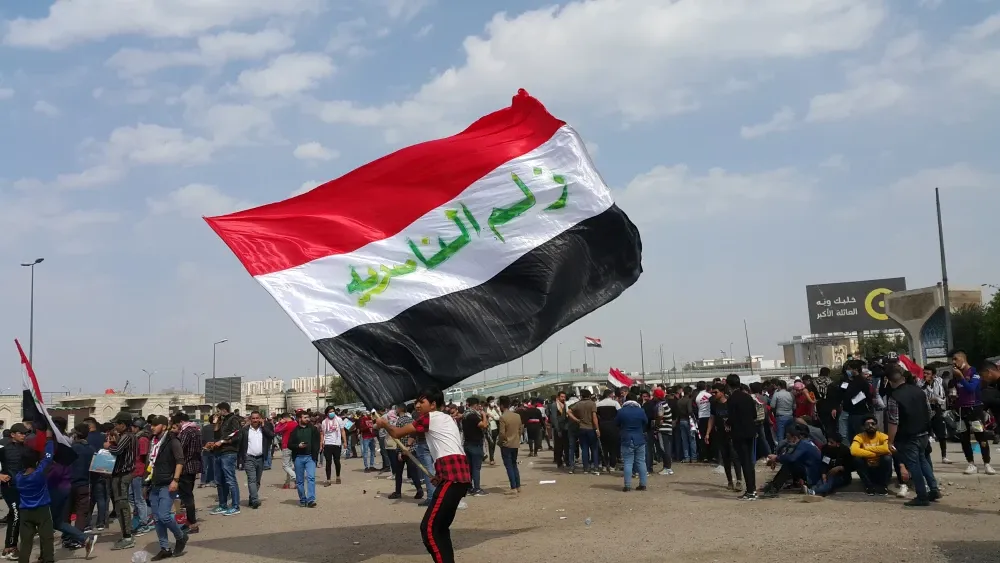 By: Mariwan R. Hama As pressure mounts on Iran's regime, the role of Iranian-backed militias in Iraq becomes crucial yet conflicted. Loyalty vs. survival: These militias, part of the Popular Mobilization Forces, are torn between aiding Iran and preserving their gains in Iraq. Political constraints: Pro-Iran militias operate under Iraqi government oversight, complicating any large-scale mobilization. Strategic limits: While capable, these militias cannot single-handedly alter Iran's regime fate. To read the full article, click here. | | Will Kurdish Insurgents Help America in Iran? 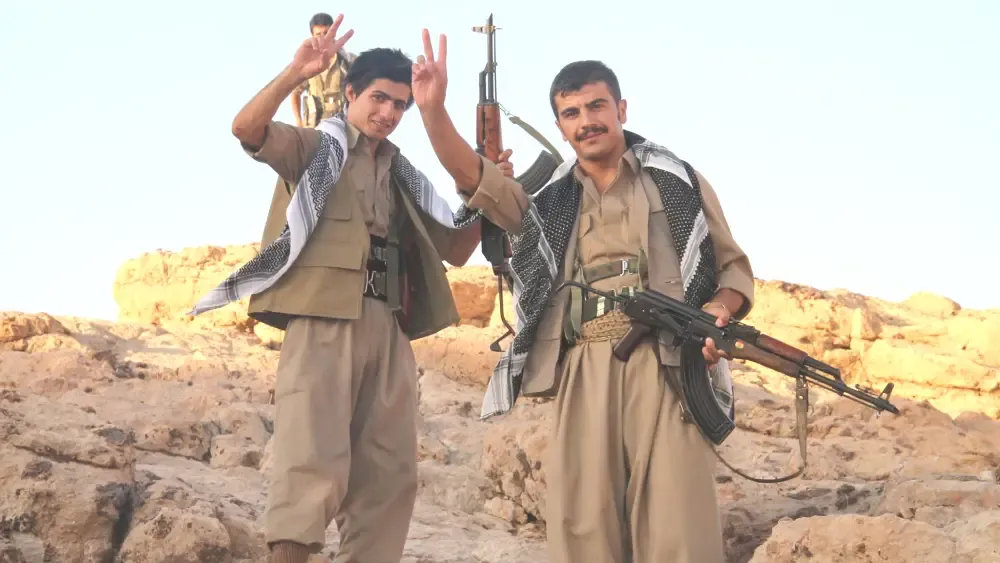 By: Jonathan Spyer As the U.S. and Israel seek to topple Iran's regime, Kurdish militias along the Iraq-Iran border emerge as critical allies. Strategic alliances: Armed Kurdish groups like PJAK and PDKI offer a vital ground presence. Potential impact: Kurdish militias, if supported adequately, could disrupt Iran's regime from within. Cautious optimism: Kurdish leaders welcome support but remain wary of long-term intentions. To read the entire article, click here. | | The Kurds' Washington Dilemma 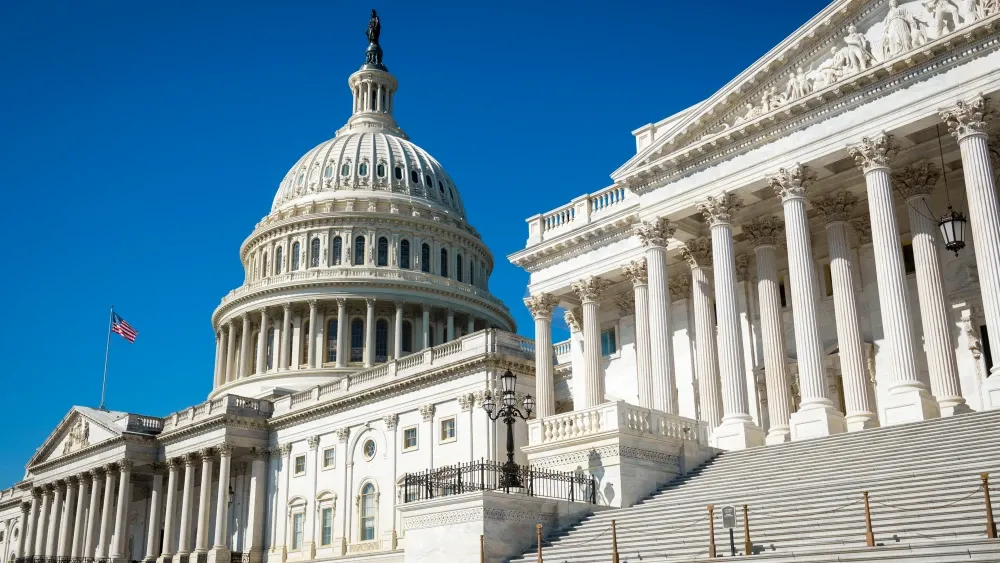 By: Sirwan Kajjo As U.S. and Israeli airstrikes continue in Iran, the Kurdish dilemma resurfaces: align with the U.S. for opportunities or risk abandonment. Strategic opportunity: Iranian Kurds, marginalized and pro-American, see potential in aligning with Washington as Tehran's regime weakens. Historical caution: Past U.S.-Kurdish partnerships reveal both gains and setbacks for the Kurds. Critical partnership: The U.S. can recalibrate its relationship with Kurds for strategic leverage in Iran. To read the full article, click here. | | Turkey's Iran Strategy: Preserve the Mullah Regime—Or Ensure Its Successor Remains Anti-Western 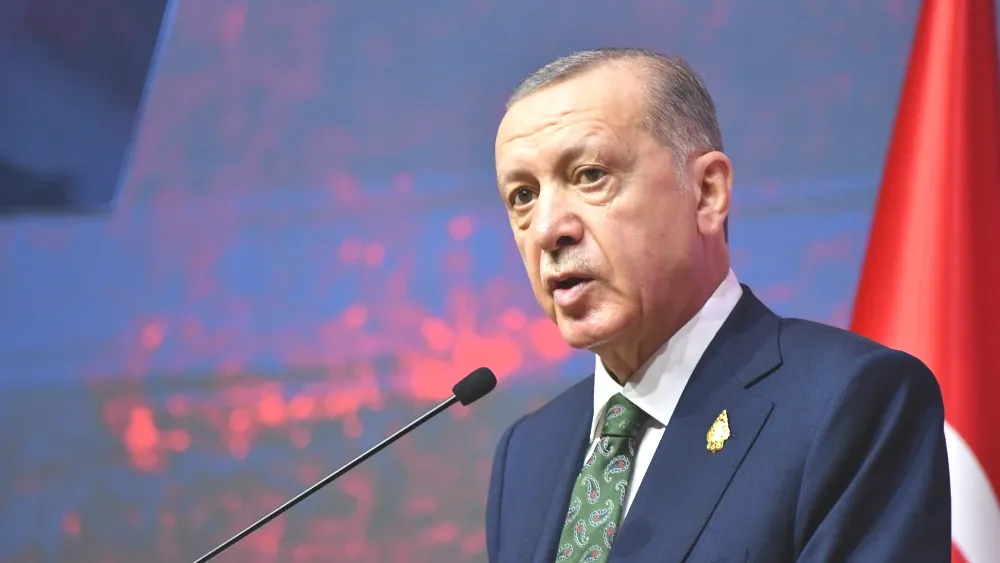 By: Abdullah Bozkurt Turkey under its Islamist President Recep Tayyip Erdoğan prioritizes Iran's regime survival to counter Western influence and safeguard Erdoğan's political future. Geopolitical maneuvering: Ankara's strategy involves supporting Tehran to prevent a pro-Western shift in Iran. Media manipulation: The Turkish government amplifies anti-Israel rhetoric while downplaying Iran's missile attacks on Turkey. Strategic outcomes: Erdoğan aims to maintain a regional balance that shields his government from Western scrutiny. To read the full article, click here. | | | | | The Middle East Forum provides ongoing updates of events in Iran, Israel, and beyond at https://www.meforum.org/. Thank you for reading the MEF Dispatch, and please share your thoughts on this issue in the comments. Thank you, Winfield Myers
Managing Editor, Middle East Forum
Director, Campus Watch | | | | Was this edition useful?  

Your email will be recorded and shared with the sender |        MEF, an activist think tank, deals with the Middle East, Islamism, U.S. foreign policy, and related topics, urging bold measures to protect Americans and their allies. Pursuing its goals via intellectual and operational means, the Forum recurrently has policy ideas adopted by the U.S. government.
Copyright © 2025 Middle East Forum, All rights reserved.
Our mailing address is:
Middle East Forum
1650 Market Street, Suite 3600
Philadelphia, PA 19103 | | | | | Powered by 
| | This email was sent by Middle East Forum via Axios HQ | | | |

0 коммент.:
Отправить комментарий