| |  | | | Trump Must Help Iranians Bring Down the Islamic Regime By Winfield Myers ● Feb 07, 2026 Smart Brevity® count: 7 mins...1863 words Jonathan Spyer urges the Trump administration to support the Iranian people's efforts to remove the Islamic regime in Tehran. Recognizing that a "single, spectacular act" by the U.S. won't be sufficient to topple the government, he outlines specific areas in which intervention—including military and technical actions—can help. Mardo Soghom notes that many observers question the usefulness of U.S.-Iran talks given Iran's intransigence, U.S. demands, and Iran's massacre of its citizens. We also include articles on Iran by Michael Rubin and Umud Shokri. Other authors featured include Noah Sandler, Mohammad Taha Ali, Amine Ayoub, and Marilyn Stern. | | Trump Must Help Iranians Bring Down the Islamic Regime 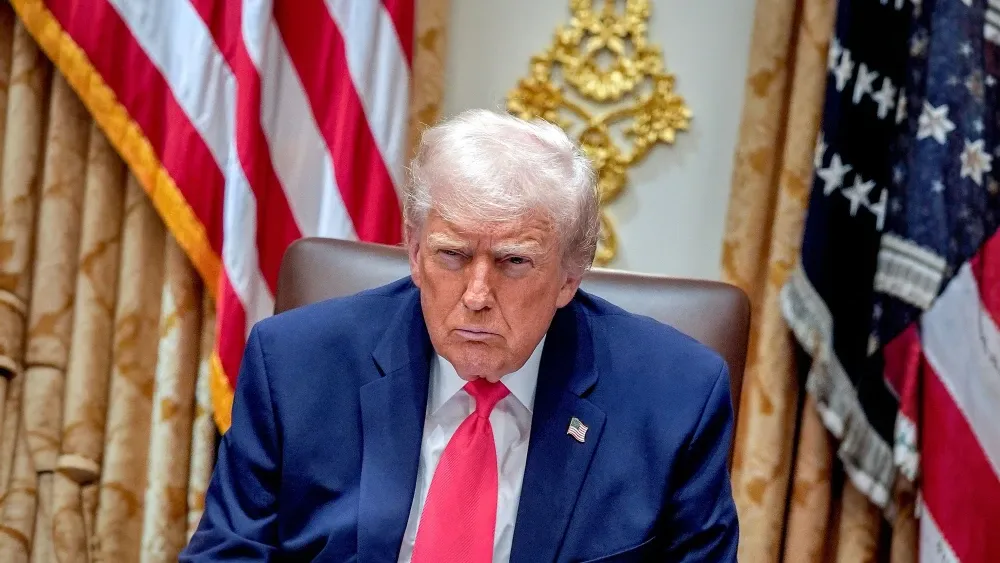 By: Jonathan Spyer Amidst U.S.-Iran talks in Oman, Tehran's strict focus on its nuclear program sidelines broader U.S. demands, creating a diplomatic impasse. Strategic military readiness: As diplomacy falters, the U.S. accelerates military preparations, signaling a strong stance against Iranian provocations. Leveraging internal divisions: The U.S. considers exploiting fissures within Iran's military to destabilize the regime from within. Enhanced support for resistance: The U.S. must prioritize empowering the Iranian public's resistance efforts through strategic, technological, and humanitarian aid. The time is now: It is now for the courageous people of Iran – who have long detested the regime's prioritization of terrorism – to remove it and usher in a new Middle East. To do so, the West needs to step up and support the efforts of the Iranian public. Time is of the essence. To read the full article, click here. | | Trump Moves Toward Iran Talks as January Bloodshed Overshadows Diplomacy 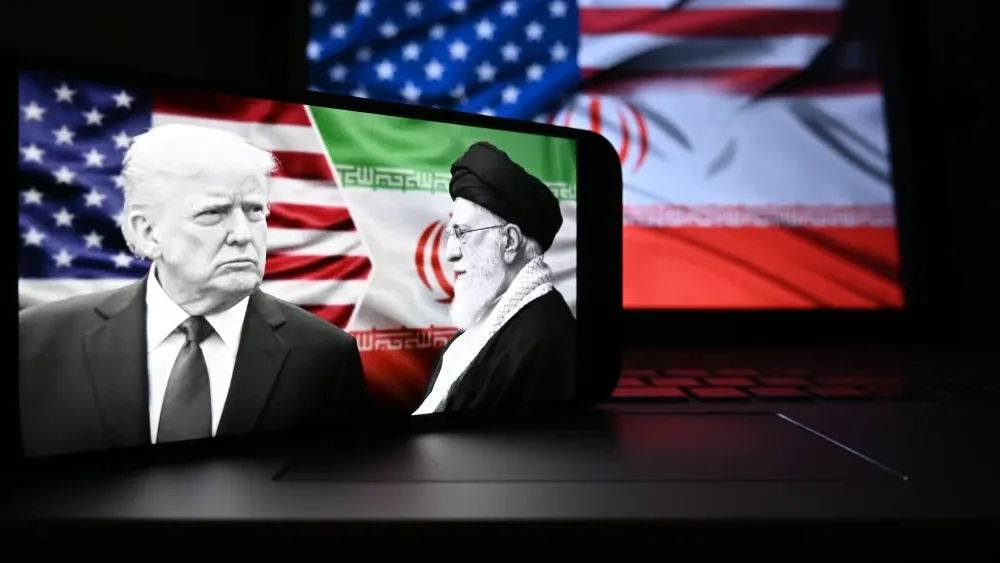 By: Mardo Soghom As the U.S. and Iran prepare to meet on February 6, the stark contrast in their positions casts doubt on the talks' purpose and potential success. Military posturing: The U.S. has deployed a formidable military presence in the region, warning Tehran of potential strikes if negotiations falter. Strategic ambiguity: President Trump appears to keep Iran off balance, possibly aiming for a broader regime change. Support for Iranian opposition: Calls grow for the U.S. to provide tangible support to Iranian protesters fighting for freedom. -
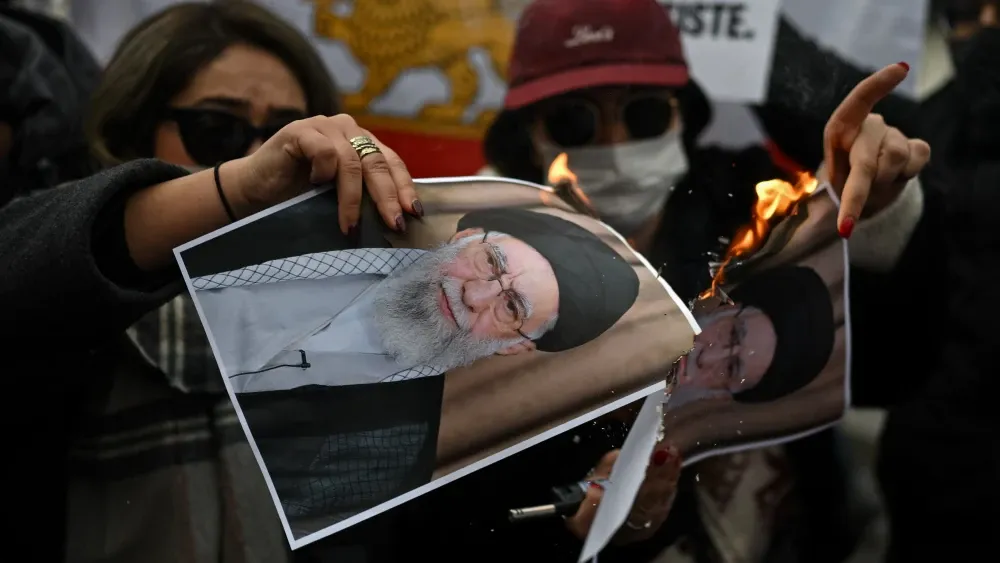
Proposals include boosting communication access, financial aid for opposition forces, and imposing tougher sanctions to pressure Tehran. -
The U.S. must decide whether to pursue a narrow nuclear deal or leverage its position for broader change. To read the full article, click here. | | Middle East Forum to Host Interparliamentary Briefing on Strengthening the Eastern Mediterranean Alliance  News from the Middle East Forum Event focus: The Middle East Forum (MEF) is convening a closed-door interparliamentary briefing that will bring together U.S. and Israeli lawmakers, diplomats, and security officials to advance the 3+1 Eastern Mediterranean partnership. Key discussions: U.S. and Israeli lawmakers, alongside diplomats, will strategize on defense cooperation and energy initiatives. Legislative spotlight: Participants will explore advancing key legislation like the Eastern Mediterranean Gateway Act. Strategic goals: Discussions will cover energy diversification, trade expansion, and emerging technologies. To read the full press release, click here. | | 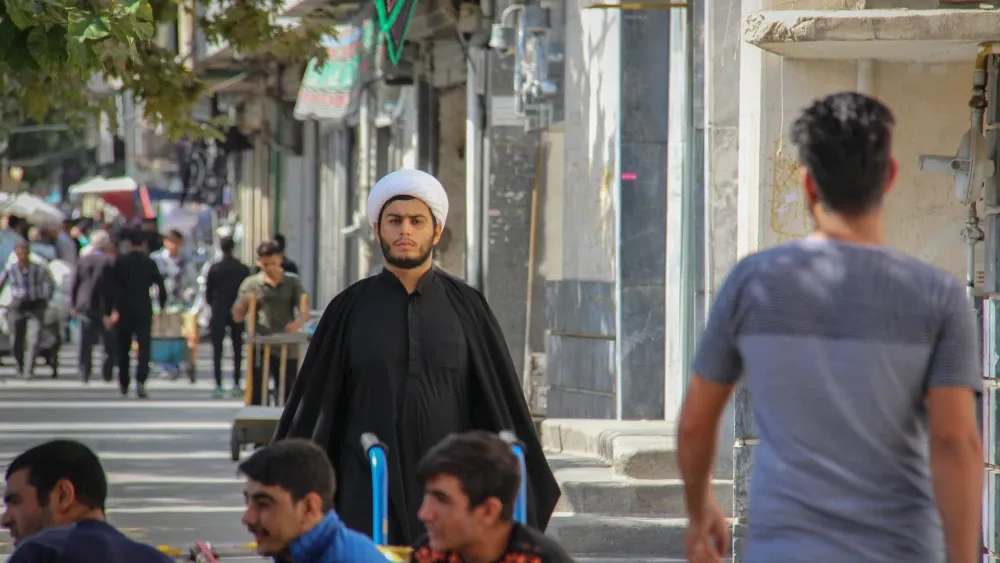 By: Michael Rubin Iran's internal crisis: Khamenei's regime is using extreme measures against protesters, jeopardizing Shi'ism's reputation among Iran's youth. Iraq's political setback: In Iraq, the return of Nouri al-Maliki as interim prime minister disillusions Iraq's youth, who see Shi'ite politicians as corrupt. Leadership void in clerical circles: Grand Ayatollah Ali Sistani's declining health leaves a leadership gap when a strong voice is needed. -
Sistani's absence from the political scene allows unchecked misconduct, weakening Shi'ism's influence and credibility. -
Every bullet Khamenei orders fired, and every dollar Maliki diverts, will be a shot at the reputation of Shi'ism that will both undermine it from within and give fodder to those inside Islam and outside who seek to slander it. To read the full article, click here. | | Iran's Gas Wealth and the Limits of Export Capacity  By: Umud Shokri Iran holds one of the world's largest natural gas reserves but struggles to convert this potential into reliable exports due to structural failures beyond sanctions. Geological constraints: Iran's gas sector heavily relies on the South Pars field, which faces declining output without advanced management systems. Underinvestment issues: Chronic underinvestment and outdated infrastructure hinder Iran's ability to boost production and export capacity. Consumption vs. export: Rising domestic consumption, driven by low subsidized prices, further restricts Iran's export potential. Infrastructure setbacks: Sanctions and political challenges stall pipeline and LNG projects, confining Iran to regional markets. To read the full article, click here. | | U.S.-Based Islamist Organizations Ignore Killings in Iran, Condemn America  By: Noah Sandler Council on American-Islamic Relations (CAIR) and selective advocacy: CAIR's tepid acknowledgment of Iran's brutality reveals a pattern of deflecting attention from authoritarian regimes while demonizing the U.S. and its allies. Muslim Public Affairs Council (MPAC) and muted responses: MPAC's silence on Iran, while loudly opposing U.S. moves in Venezuela, underscores a troubling reluctance to criticize Islamist regimes. Democracy for the Arab World Now (DAWN) and National Iranian American Council (NIAC) narratives: These groups consistently highlight Western culpability, conveniently overlooking the oppressive actions of regimes like Iran's. To read the full article, click here. | | Did State Absorption of Religious Endowment Catalyze Political Islam? 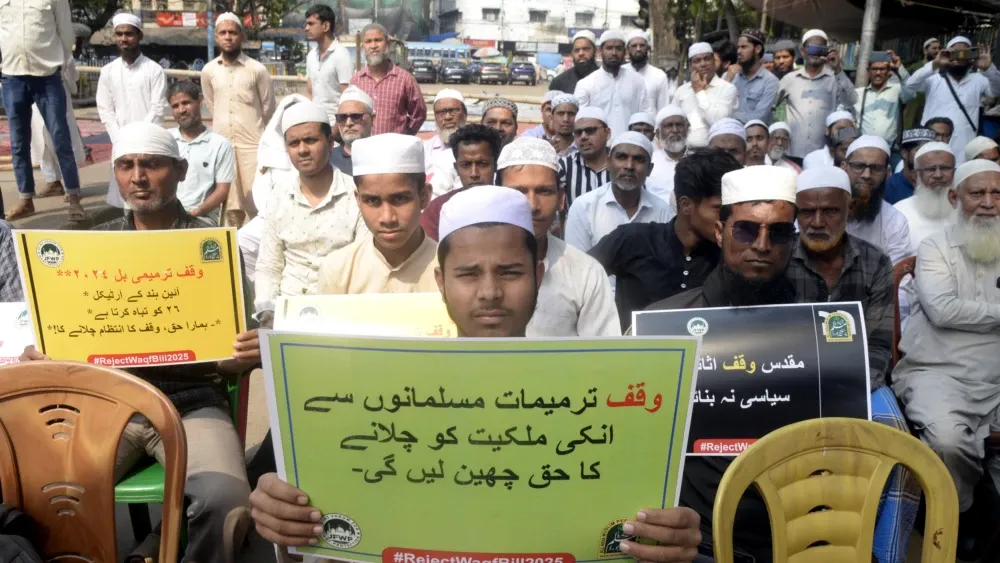 By: Mohammad Taha Ali Dismantling autonomy: Modern states eliminated the independence of awqaf (religious foundations, singular: waqf), integrating them into state bureaucracies to consolidate control. -
Awqaf once governed land, law, and welfare independently, rooted in property rights rather than state power. Transformation of religious foundations: By subsuming awqaf into state structures, governments centralized authority, replacing independent trustees with state officials. Impact on Islamist movements: The absorption of awqaf weakened autonomous religious economies, prompting Islamist parties to seek political influence. To read the full article, click here. | | Israel Risks Losing the Strategic Endgame in Gaza 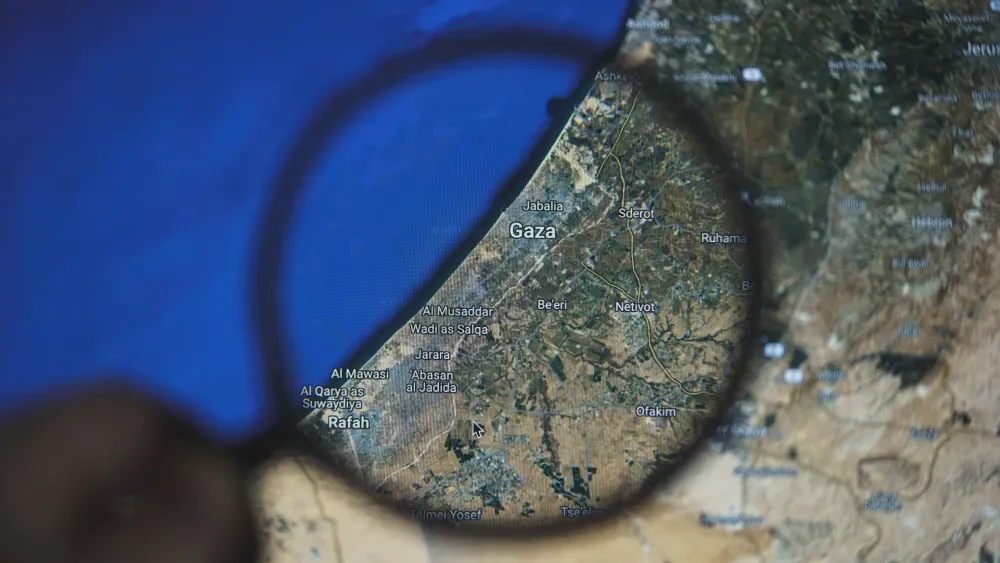 By: Amine Ayoub Closure and new challenges: The return of Master Sgt. Ran Gvili's body closes a national trauma but ushers in strategic risks for Israel. Defining true victory: Israel must aim for absolute victory, not mere deterrence against Hamas. Guarding against existential threats: Delegitimization of Israel poses a greater danger than military threats. Strategic recommendations: Israel should intensify its campaign for "organizational finality," rejecting reconstruction plans that leave Hamas armed. To read the full article, click here. | | The Hidden Risks of Reopening the Rafah Crossing 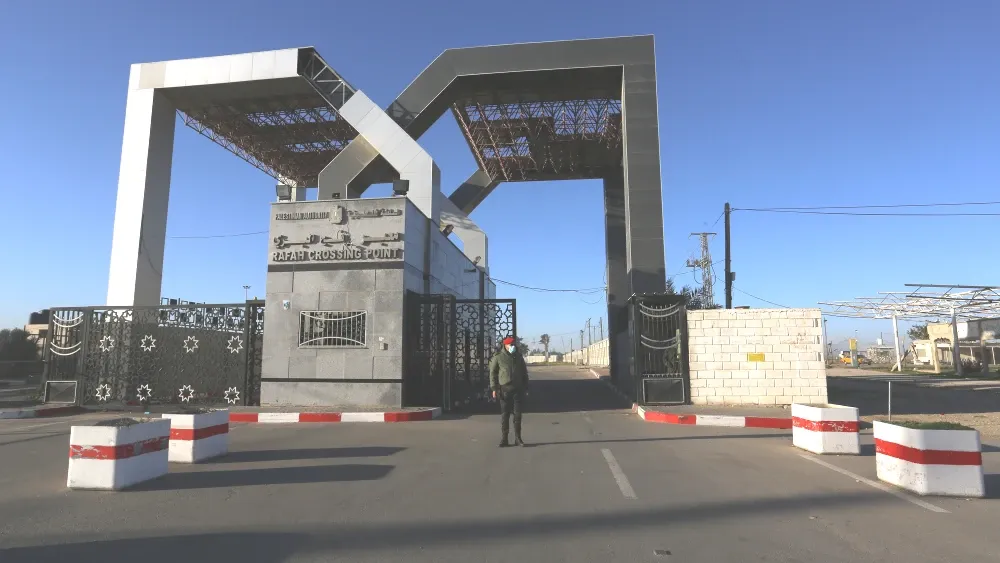 By: Amine Ayoub The gates of the Rafah crossing have partially reopened—a move heralded by international diplomats as a crucial "field test" for the second phase of the U.S.-brokered Comprehensive Plan to End the Gaza Conflict. Why it matters: The reopening is a significant gamble, described as Hamas' "oxygen and rearmament pipeline." Details: "Rafah 2" employs a sophisticated, multi-layered security system with advanced technology. The subterranean threat: Despite advancements, 60 percent of Hamas' tunnel network remains intact according to Defense Minister Israel Katz. -
The reopening of Rafah is a test of will. If the "Rafah 2" mechanism is breached, or if the "Remote Control" cameras fail to detect the next shipment of Iranian-made components, the burden of preventing the next October 7 will fall solely on the IDF. To read the full article, click here. | | Asaf Romirowsky on October 7: The Wars Over Words and Deeds 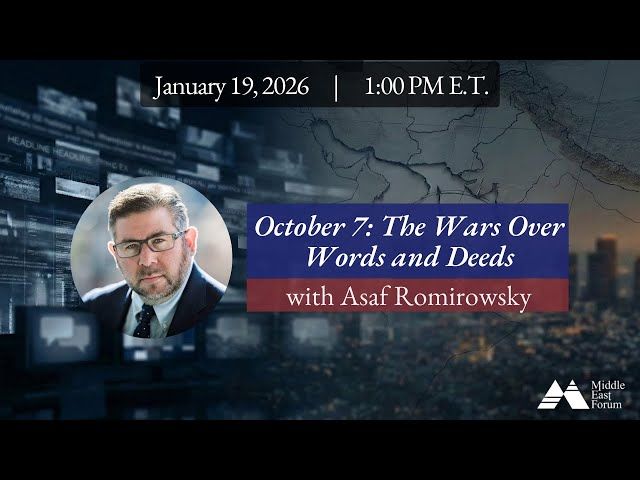 By: Marilyn Stern On a recent Middle East Forum Podcast, Asaf Romirowsky discussed the ideological hijacking of U.S. democratic institutions and higher education in the context of the Palestinian Arab-Israeli conflict. The political economics of antisemitism: Academic institutions have been influenced by funding that exploits the gap between perceived and actual realities on campuses and in the Middle East. Strategic infiltration through academe: The strategy of "soft power" influence emerged as a means to undermine Western institutions. The red, green, and brown alliance: The convergence of different ideological groups has fueled anti-Israel demonstrations on American campuses. To read the full summary and watch the podcast, click here. | | | | | We appreciate your continued support for the Middle East Forum. If you found this edition of the Dispatch useful, please share it with others and be sure to let us know your thoughts on our coverage via the comments feature. Sincerely, Winfield Myers
Managing Editor, Middle East Forum
Director, Campus Watch | | | | Was this edition useful?  

Your email will be recorded and shared with the sender |        MEF, an activist think tank, deals with the Middle East, Islamism, U.S. foreign policy, and related topics, urging bold measures to protect Americans and their allies. Pursuing its goals via intellectual and operational means, the Forum recurrently has policy ideas adopted by the U.S. government.
Copyright © 2025 Middle East Forum, All rights reserved.
Our mailing address is:
Middle East Forum
1650 Market Street, Suite 3600
Philadelphia, PA 19103 | | | | | Powered by 
| | This email was sent by Middle East Forum via Axios HQ | | | |

0 коммент.:
Отправить комментарий