| |  | | | Relax, Mohammed Bin Salman Isn't Aligning with Islamists By Winfield Myers ● Feb 09, 2026 Smart Brevity® count: 7 mins...1836 words Lazar Berman argues that, contrary to warnings from some in the West, Saudi Crown Prince Mohammed Bin Salman (MBS) is not aligning with Islamists but is instead taking a pragmatic approach to politics both at home and in the wider Middle East. Mohammed Taha Ali examines MBS's conservative and reactionary domestic critics, who seek to slow or reverse his reforms by framing MBS's reforms in apocalyptic terms. Two articles by Mardo Soghom report that, with the Islamic regime in Tehran holding firm, President Trump's options have narrowed even as Iranian media increase their attacks on him. Jonathan Spyer analyzes the end of Kurdish autonomy in Syria and warns that, if past is prologue, the regime's violence against elements of the population not belonging to the particular ethno-sectarian grouping in power is usually turned against external enemies. Zvi Hauser and Andrew M. Saidel advise Japan to join the Abraham Accords. We also feature the work of Abhinav Pandya and Amine Ayoub. | | Relax, Mohammed Bin Salman Isn't Aligning with Islamists. He Also Isn't Normalizing with Israel Soon 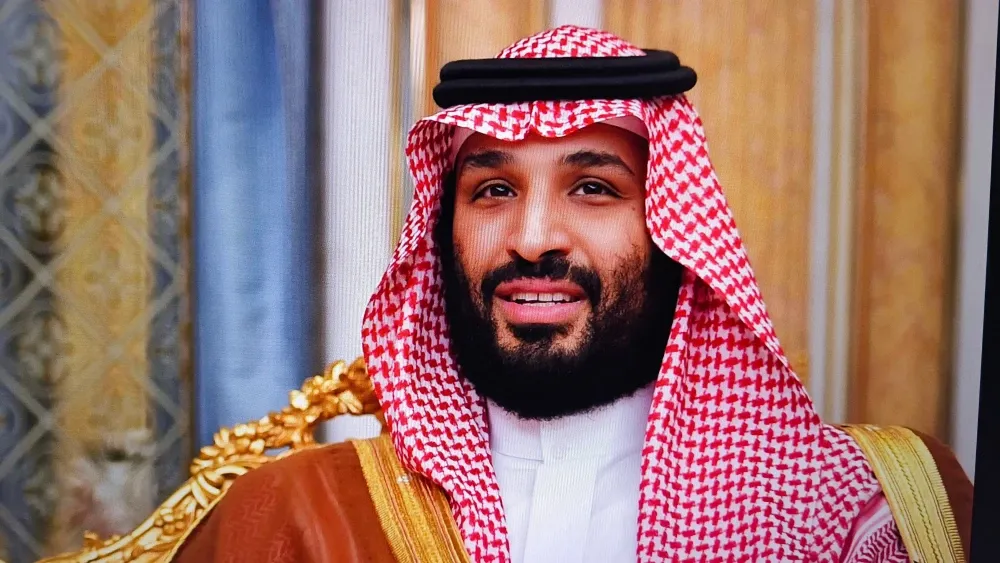 By: Lazar Berman Concerns about Saudi Arabia aligning with an Islamist axis are exaggerated and overlook the complexities of Middle Eastern geopolitics. Why it matters: Understanding Saudi Arabia's realignment requires a nuanced view of its strategic interests and regional politics. Strategic posture: Crown Prince Mohammed Bin Salman is focusing on exploiting opportunities rather than committing to new alliances. Geopolitical dynamics: The Middle East's political landscape is intricate, with Saudi Arabia maintaining flexibility in its foreign relations. -
Experts argue that Saudi Arabia's actions reflect pragmatic signaling to the U.S., Israel, and the UAE, not an ideological shift. To read the full article in the Times of Israel, click here. | | Apocalyptic Narratives Target Saudi Arabia's Reform Agenda 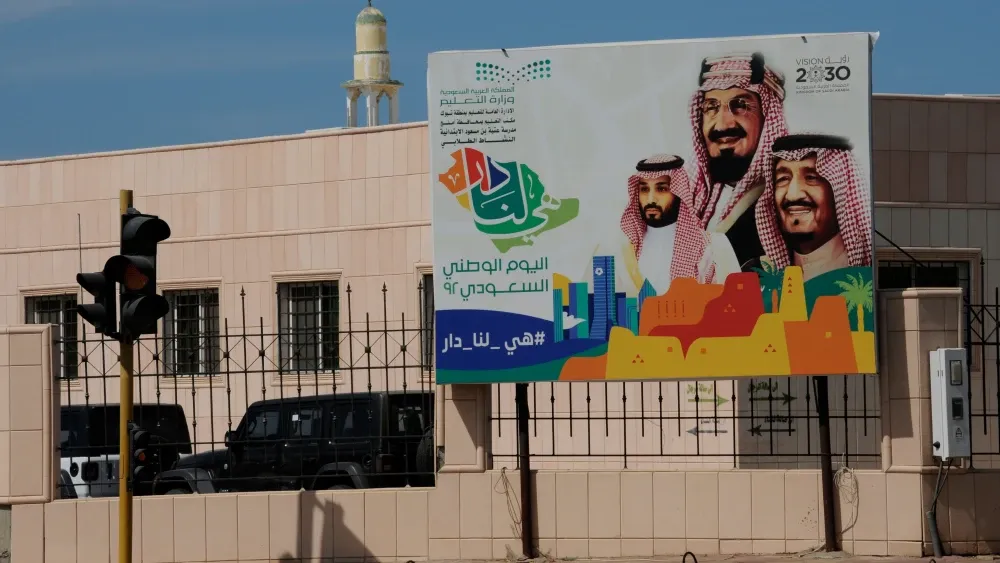 By: Mohammad Taha Ali Crown Prince Mohammed Bin Salman (MBS) is methodically implementing Vision 2030 amidst strong resistance from religious conservatives. Why it matters: MBS's gradual pace is strategic, aiming to navigate opposition from reactionary religious figures while pursuing modernization. Conspiracy narratives: The "Dajjal's palace" myth fuels resistance by casting reforms as blasphemous. Regional dynamics: Iran and Turkey leverage religious rhetoric to challenge Saudi initiatives. To read the full article, click here. | | ICYMI: Iran: Diplomacy or War? with Beni Sabti 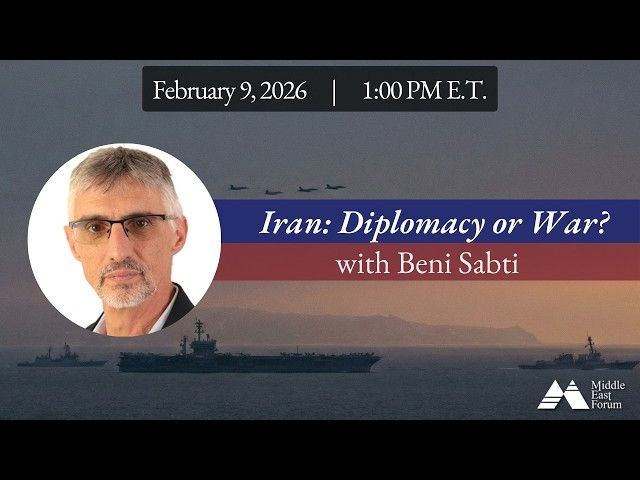 The Iranian regime has waged war on its people and the world for 47 years since the 1979 revolution. It rejects regional borders, and opposes democracy, women's rights, Jews, and minorities. Through proxies like Hezbollah and Hamas, it exports terror, instability, and missiles while brutally crushing domestic dissent. Last June's war with Israel devastated the regime's nuclear program and leadership, killing key scientists and commanders. It rebuilt missiles, kept funding terror, and ignored warnings. The conflict exposed regime fragility, sparking massive protests where Iranians rejected its priorities, suffering tens of thousands killed. Trump openly supported the people, boosting morale, though protests later subsided with resistance lingering. Oman talks focus on a nonexistent nuclear program, raising doubts amid U.S. military buildup that energizes Iranians. Regime change odds are high: 92 percent hate the system and favor unity, possibly under a liberalized monarchy. Attacks must target the supreme leader to fracture the regime internally. U.S.-Israel coordination remains vital, with strong Israeli public backing. Beni Sabti is an Iran expert at the Institute for National Security Studies (INSS) in Tel Aviv. Sabti was born in Iran in 1972, he escaped to Israel in 1987 and served in the IDF. He holds an M.A in political science and public communications from Bar Ilan University and was a research fellow at the Jerusalem Institute for Strategy and Security. To watch the full podcast, click here. | | Trump Faces Narrow Options as Iran Holds Firm 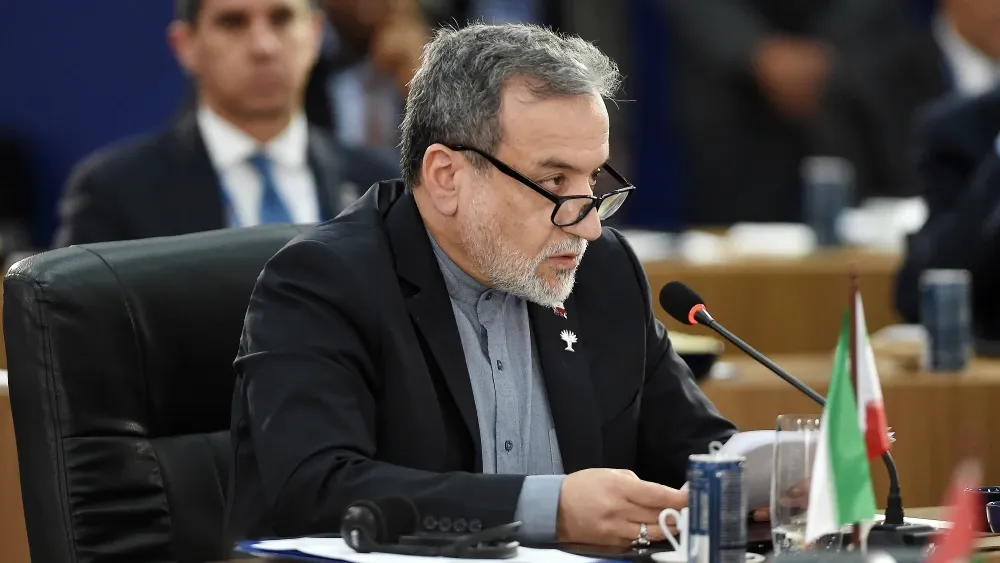 By: Mardo Soghom Iran's Foreign Minister Abbas Araghchi affirmed Tehran's firm position on key issues, mirroring Supreme Leader Khamenei's long-standing posture. Why it matters: Iran's refusal to retreat on uranium enrichment and missile development poses a significant challenge to U.S. diplomatic efforts. Strategic negotiations: Prolonging talks serves as a tactic to reduce military threat while avoiding concessions. Internal dynamics: The Iranian regime tightens control amid protests and political arrests. U.S. moves: U.S. policymakers may need to pay closer attention to these internal dynamics. -
Iran's ruling system has lost legitimacy with a significant portion of the population, a vulnerability that could doom the regime if the U.S. attacks. -
The prospect of a new U.S. deal signals the temporary survival of the regime—and the likelihood of further destabilizing behavior in the future. To read the full article, click here. | | Iranian Media Weigh Talks, Lash Out at New U.S. Measures 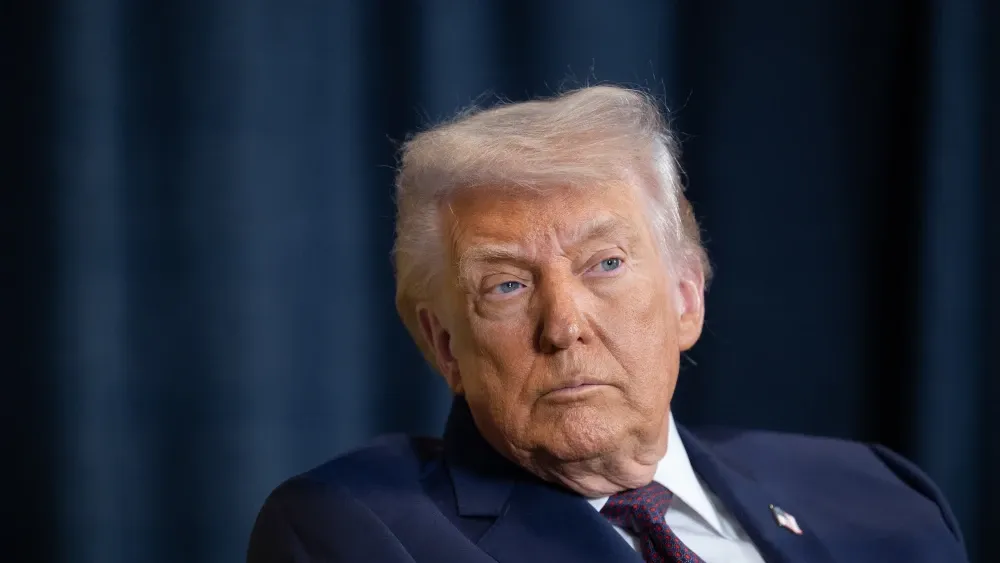 By: Mardo Soghom Iran's hardline rhetoric intensifies following U.S.-Iran negotiations in Oman, with Tehran's press making bold claims about U.S. leadership. Why it matters: Iran's stance complicates U.S. diplomatic efforts, as Tehran remains firm on core issues like nuclear enrichment and missile development. Sanctions debate: New U.S. tariffs and sanctions aim to pressure Iran's economy and influence third-party nations. Strategic landscape: Observers critique Trump's decision to engage in talks despite Iran's recent actions. To read the full article, click here. | | Syria's Sunni Islamist Regime Consolidates Power, Ending Kurdish Autonomy 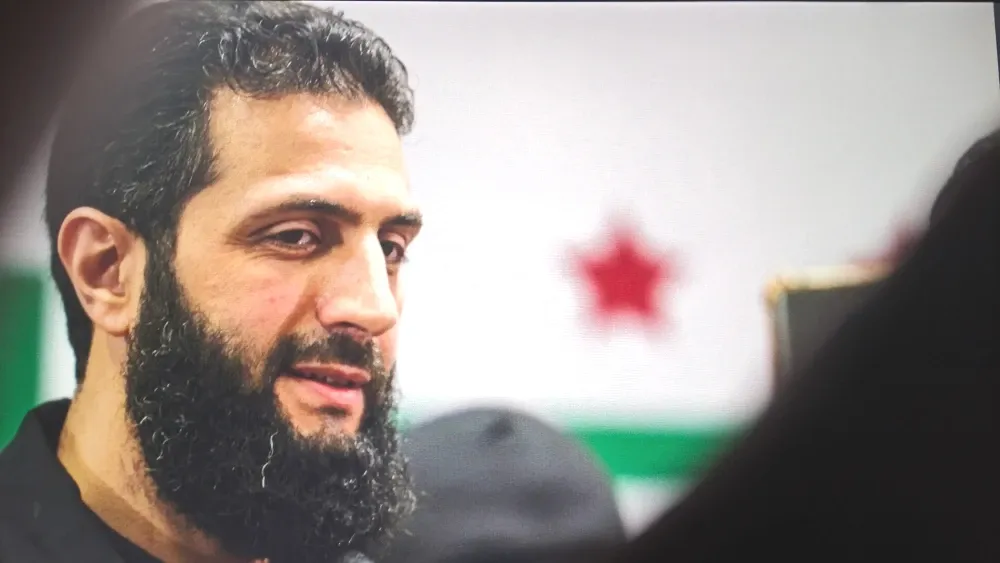 By: Jonathan Spyer Syrian Interior Ministry forces entered Qamishli, marking the end of Kurdish-led autonomy in northeast Syria. Why it matters: This shift strengthens Damascus's Islamist regime, aiming for a centralized Sunni Arab Syria, while dismantling Kurdish self-governance. Power dynamics: The Sunni Islamist regime mirrors past Alawite dominance, focusing on consolidating power. Regional implications: For Israel and neighbors, the regime's tactics could extend beyond borders once internal dissent is managed. To read the full article, click here. | | Japan Should Join the Abraham Accords 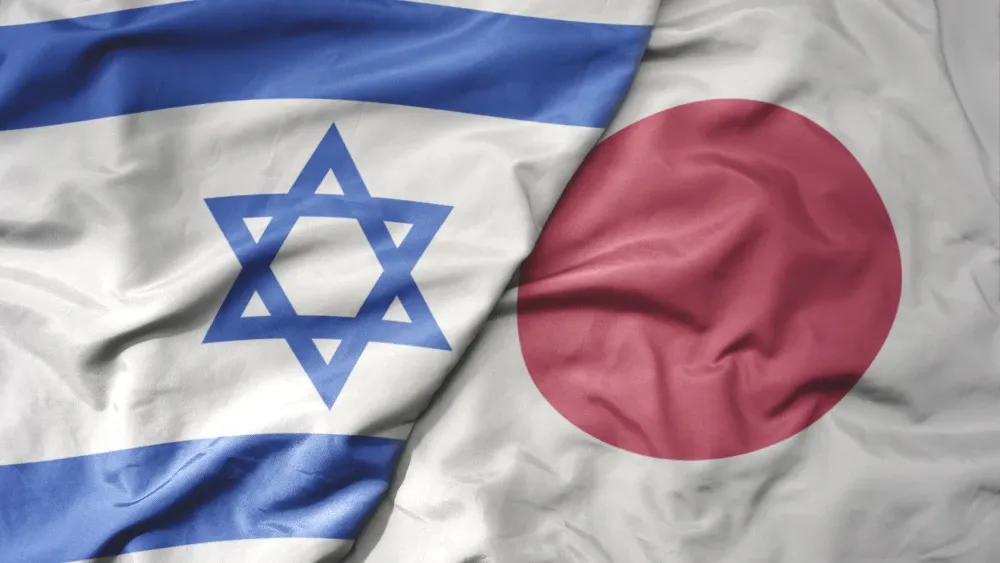 By: Zvi Hause and Andrew M. Saidel Amid global geopolitical challenges, Japan should enhance its role by joining the Abraham Accords. Why it matters: Such a move would signal Japan's commitment to Middle Eastern peace efforts and strengthen its alliance with the U.S., emphasizing its global influence beyond the Indo-Pacific. Strategic positioning: Japan's existing ties with Middle Eastern nations make it a key player in fostering Indo-Pacific-Middle East relations. Leadership opportunity: Prime Minister Sanae Takaichi has an opportunity to redefine Japan's global role. To read the full article, click here. | | Can Pakistan Be Trusted in Gaza? 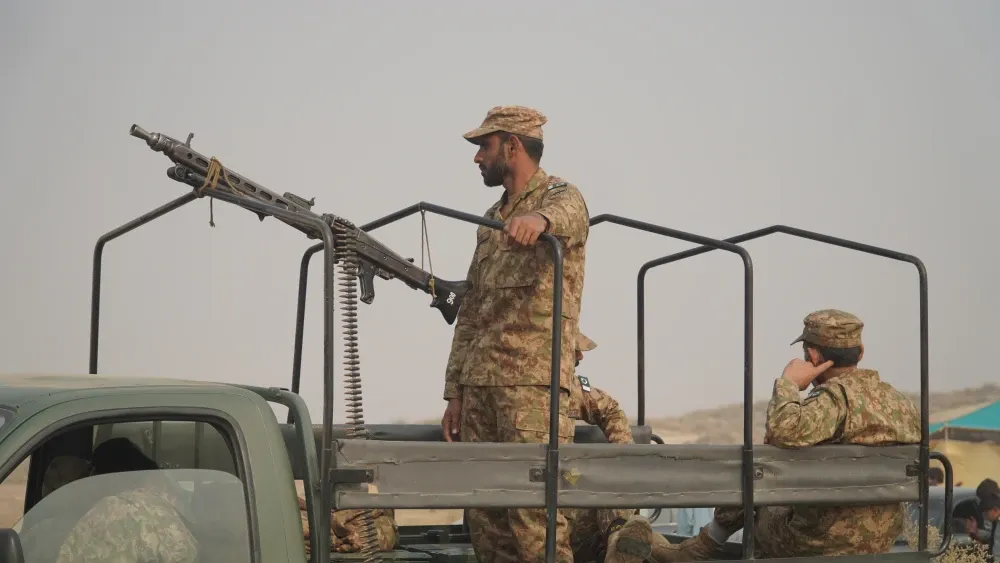 By: Abhinav Pandya Secretary of State Marco Rubio praises Pakistan's potential troop commitment to Gaza, but Islamabad's history of duplicity looms large. Why it matters: Pakistan's willingness to ingratiate itself with the U.S. by deploying troops masks deeper security challenges and alliances with Hamas-supporting states like Turkey and Qatar. Internal chaos: Field Marshal Asim Munir juggles insurgency threats, legitimacy crises, and backlash from Islamist lobbies. Historical deceit: Rubio must heed Pakistan's past of feigning cooperation while fortifying adversaries like the Taliban and Al Qaeda. To read the full article, click here. | | The Misrata Hub: How International Capital Anchors the Militia Cartel 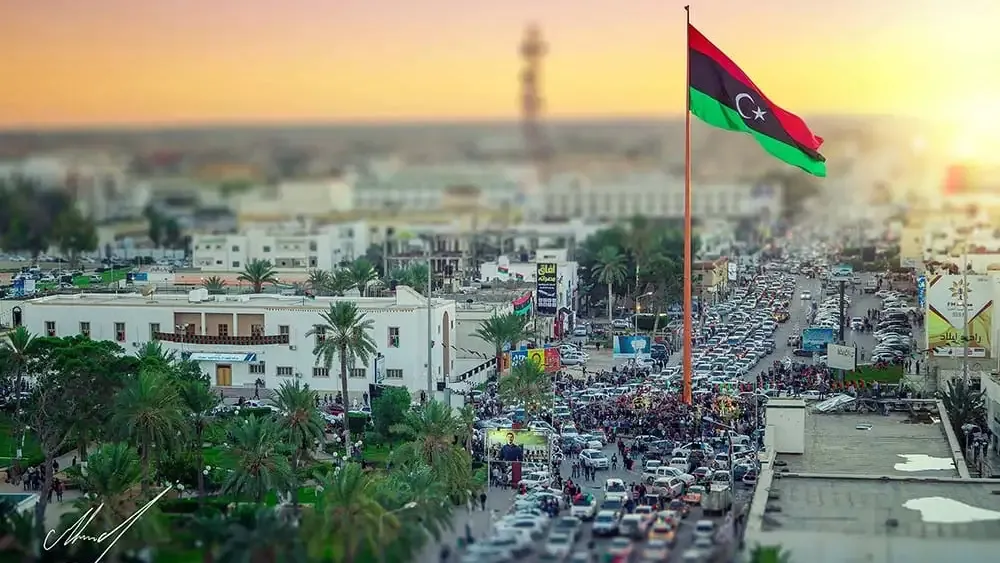 By: Amine Ayoub The $2.7 billion Misrata Free Zone expansion in Libya strengthens militia control, undermining national unity. Why it matters: This project, framed as economic progress, entrenches non-state actors, threatening Libya's stability and benefitting foreign powers like Qatar. Security concerns: The Misrata port's control by armed groups poses risks for regional stability and Western interests. Foreign influence: Qatar's involvement underscores its strategic use of capital to gain geopolitical influence. To read the full article, click here. | | Why Libya's Water Crisis and Military Exercises Won't Cure Its Fragmentation  By: Amine Ayoub Libya's "National Integrated Plan for Water Security 2050" is touted as a unifying force, but the reality is far from optimistic. Why it matters: The plan is overshadowed by geopolitical tensions and internal power struggles that weaponize water resources rather than unite the nation. Foreign influence: Russia and Turkey's strategic interests in Libya complicate prospects for unity. Institutional decay: Libya's "zombie" institutions, like the Central Bank, hinder effective governance. To read the full article, click here. | | | | | Thank you for relying on the Middle East Forum for up-to-date analyses of the region. If you enjoyed this issue of the MEF Dispatch, please forward it to a friend. We invite you to use the comments feature to let us know your thoughts on the Dispatch and the issues we cover. Sincerely, Winfield Myers
Managing Editor, Middle East Forum
Director, Campus Watch | | | | Was this edition useful?  

Your email will be recorded and shared with the sender |        MEF, an activist think tank, deals with the Middle East, Islamism, U.S. foreign policy, and related topics, urging bold measures to protect Americans and their allies. Pursuing its goals via intellectual and operational means, the Forum recurrently has policy ideas adopted by the U.S. government.
Copyright © 2025 Middle East Forum, All rights reserved.
Our mailing address is:
Middle East Forum
1650 Market Street, Suite 3600
Philadelphia, PA 19103 | | | | | Powered by 
| | This email was sent by Middle East Forum via Axios HQ | | | |

0 коммент.:
Отправить комментарий