| |  | | | Fears Grow Among Iranians as U.S. Weighs Talks with Tehran; Eastern Med Update By Winfield Myers ● Feb 04, 2026 Smart Brevity® count: 6.5 mins...1730 words Mardo Soghom reports that many Iranians fear that renewed United States negotiations with Tehran will leave the weakened regime in a position to recover its strength and continue its brutal crackdown on protesters. Soghom also argues that, Islamic regime bluster notwithstanding, Iran has little chance of successfully targeting a U.S. carrier strike group. In three articles, Nicoletta Kouroushi analyzes Greek-Turkish dialogue as well as Cyprus's growing importance to the U.S. and EU. Turning to Turkey, Michael Rubin writes that, should the Iranian regime survive despite its slaughter of its own citizens, Turkish President Erdoğan is likely to emulate that brutality if and when his own corrupt and failing regime is threatened by oppressed Turks. We end with four articles by Abdullah Bozkurt detailing Turkey's ongoing machinations, including against the U.S. on American soil. | | Fears Grow Among Iranians as U.S. Weighs Talks with Tehran 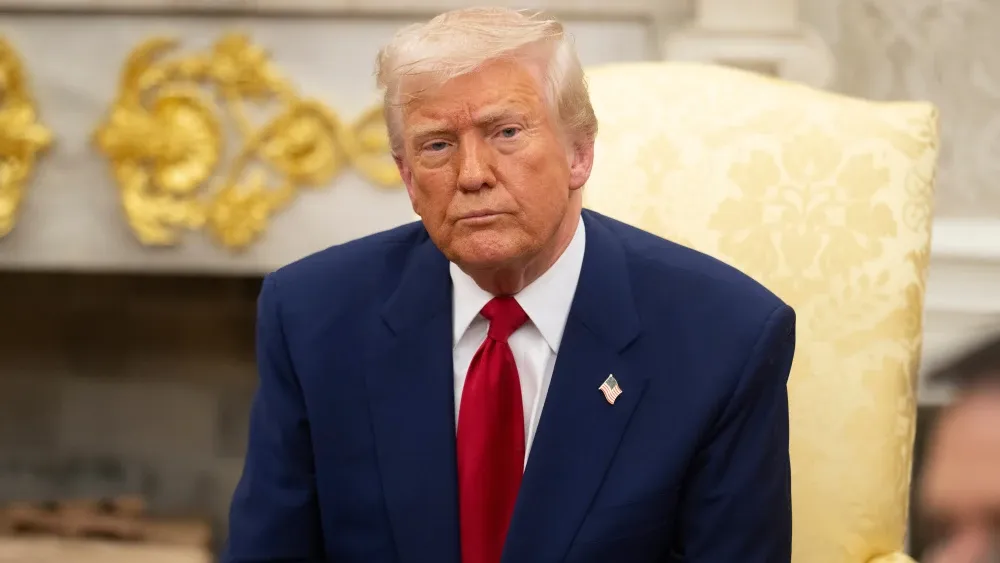 By: Mardo Soghom Amid Washington's signals for new talks, Iranians fear a U.S. deal could bolster the regime's grip. Why it matters: Iranians hope for regime change, not another deal that leaves the current leadership in power. U.S. deliberations: While Trump's administration considers negotiations, skepticism remains. Opposition's plea: Iranian dissidents urge the U.S. to seize the moment for potential regime collapse. To read the full article, click here. | | Could Iran Really Target a U.S. Carrier Group? 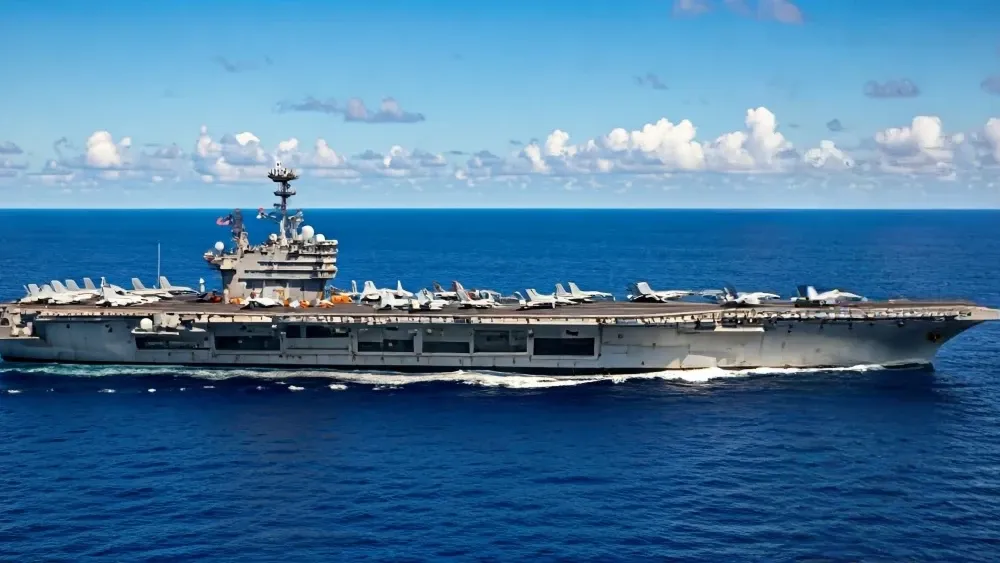 By: Mardo Soghom Iran's military faces critical challenges as it grapples with U.S. naval defenses in the region. Why it matters: Despite possessing drones and missiles, Iran struggles to effectively target U.S. carrier groups. Technological hurdles: Iran's systems fall short in continuous tracking and engagement of moving targets. Defensive edge: U.S. advancements in directed-energy weapons bolster naval defenses. To read the full article, click here. | | ICYMI: Israel Insider with Alex Selsky 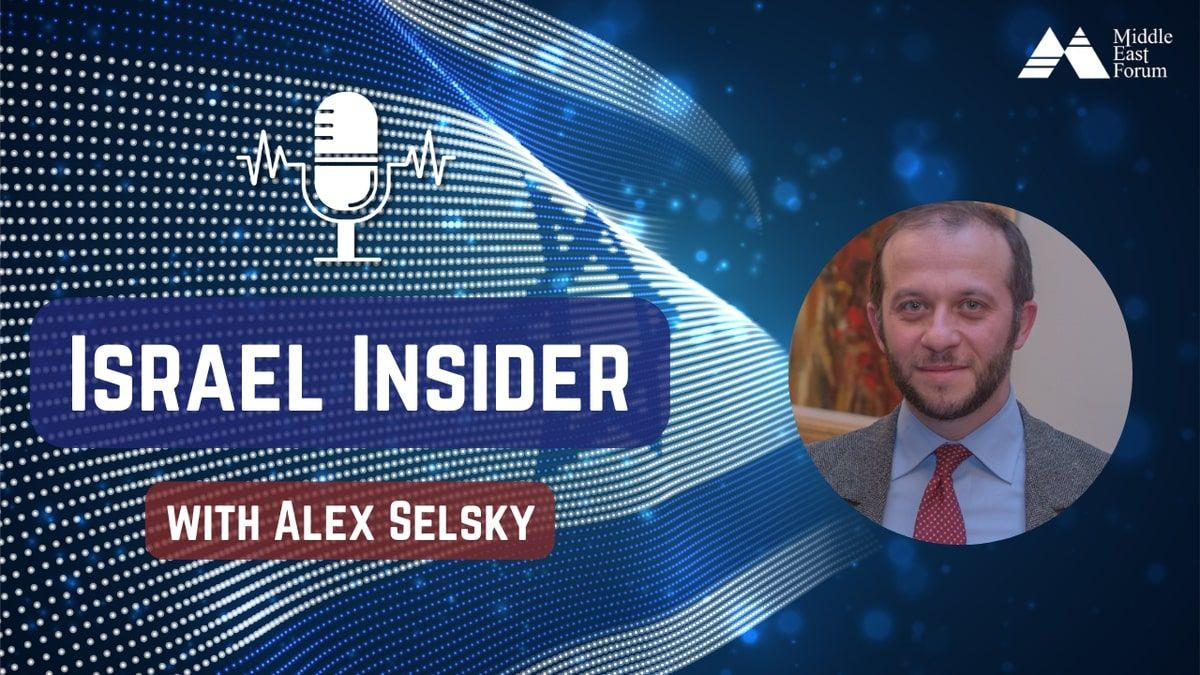 Negotiations between the United States and Iran collapsed after the planned meeting in Oman was cancelled, sharply increasing the likelihood of an American military strike on Iran, while Israel actively prepares for potential Iranian retaliation and maintains high readiness in its defense forces. Israel firmly rejects Palestinian Authority's involvement in post-war Gaza governance after the proposed administration's logo mirrored the PA's emblem, exposing underlying intentions, and stresses that Hamas must fully disarm before any large-scale reconstruction or massive investments proceed, as otherwise Hamas benefits from such developments. The opening of the Rafah crossing allows controlled entry of goods and people into Gaza under Israeli oversight, but smuggling networks—including a high-profile case involving cigarettes that generated enormous profits for Hamas—highlight ongoing security risks, while internal Israeli political tensions and economic debates over market reforms reveal deep divisions on future directions. Alex Selsky is a senior adviser to MEF's Israel Victory Project and lecturer at Hadassah Academic College. He is currently serving as Homefront Command reserve major in the Israel Defense Forces; formerly, he served as advisor to Prime Minister Netanyahu and as CEO of the International Israel Beytenu Movement. He holds a B.A. in Business and an executive M.A. in Public Policy from Hebrew University. To watch the full podcast, click here. | | No Strategic Convergence in the Greece-Turkey Dialogue 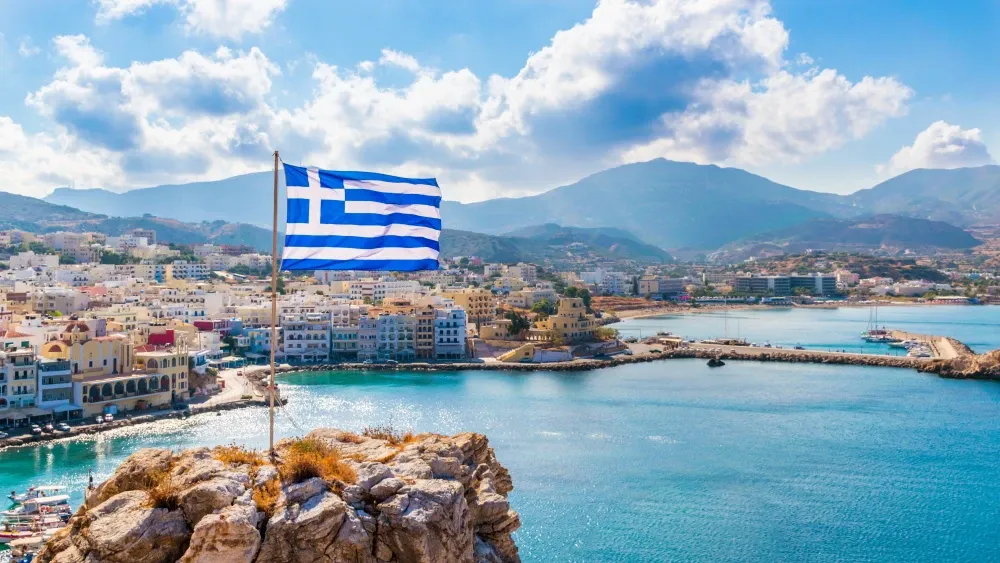 By: Nicoletta Kouroushi As Greece and Turkey approach a critical summit, tensions rise over maritime disputes and regional power dynamics. Why it matters: Greece insists on negotiations grounded in international law, while Turkey seeks broader concessions. U.S. role: Washington must tread carefully to uphold international law and support its allies. Strategic implications: Greece's cooperation with Israel and regional energy projects strengthens its geopolitical influence. To read the full article, click here. | | Cyprus and U.S. Technology Cooperation in the Eastern Mediterranean  By: Nicoletta Kouroushi Cyprus is positioning itself as a pivotal digital hub, enhancing U.S. strategic reach through technology infrastructure. Why it matters: U.S.-Cyprus collaborations strengthen trusted supply chains and digital resilience near regional hotspots. Strategic partnerships: Cyprus's expanding cooperation with U.S. tech firms advances transatlantic objectives. Geopolitical significance: Cyprus's stable EU-aligned position offers a strategic base against rising digital threats from China and Russia. To read the full article, click here. | | Will Cyprus's European Union Presidency Change Policy Toward the Middle East?  By: Nicoletta Kouroushi Cyprus assumes the EU presidency, facing regional challenges and opportunities to influence Middle Eastern engagement. Why it matters: As a frontline state, Cyprus aims to reshape EU-Middle East relations, prioritizing security and strategic competitiveness. Strategic priorities: Cyprus focuses on European security, energy competition, and regional stability. Challenges ahead: Cyprus must navigate internal EU skepticism and external pressures, including disinformation threats. To read the full article, click here. | | What Lessons Has Turkey Learned from Iran's Massacre of Protestors?  By: Michael Rubin Supreme Leader Ali Khamenei's brutal crackdown in Iran sets a troubling precedent for President Recep Tayyip Erdoğan of Turkey as economic and social unrest loom. Why it matters: Both regimes face economic collapse and dissent, relying on repression to maintain power. Parallel paths: Erdoğan's Turkey shows similar signs of economic decline and political unrest. Implications for the region: The West's response to Iran may influence Turkey's actions. To read the full article, click here. | | Turkey's Intelligence Agency Expands as Erdoğan Centralizes Power 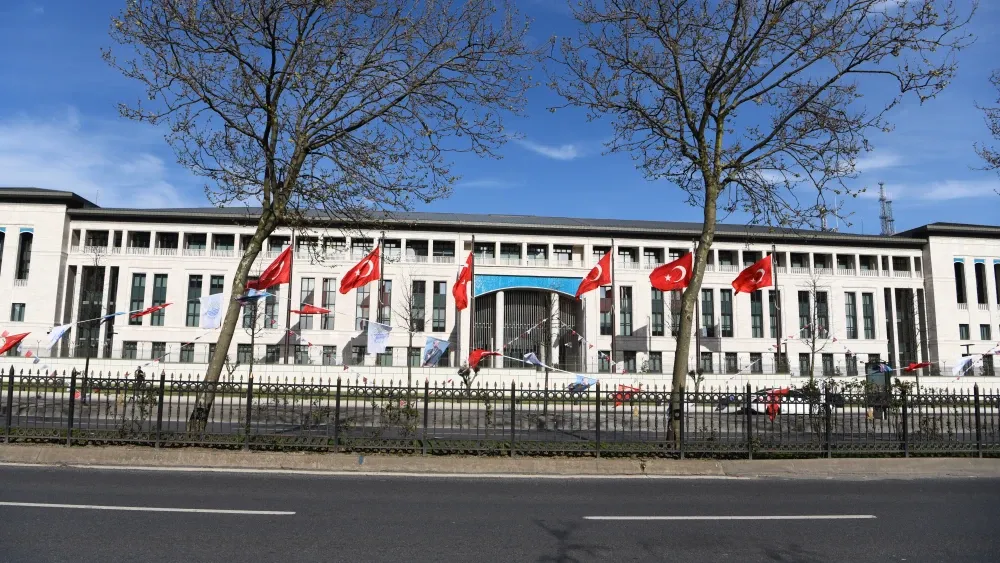 By: Abdullah Bozkurt Turkish President Recep Tayyip Erdoğan's increased reliance on Turkey's National Intelligence Organization (MIT) highlights growing governance through surveillance and control. Why it matters: MIT's budget has soared, reinforcing its centrality in Erdoğan's security-driven governance model. Secrecy and power: MIT's operations lack transparency, utilizing off-budget funds and organized crime to support clandestine activities. Strategic implications: MIT's expanded role serves Erdoğan's political objectives, extending beyond traditional intelligence functions. To read the full article, click here. | | Erdoğan Insider Reveals How Turkey Developed Special Ways to Beat U.S. Sanctions on Iran 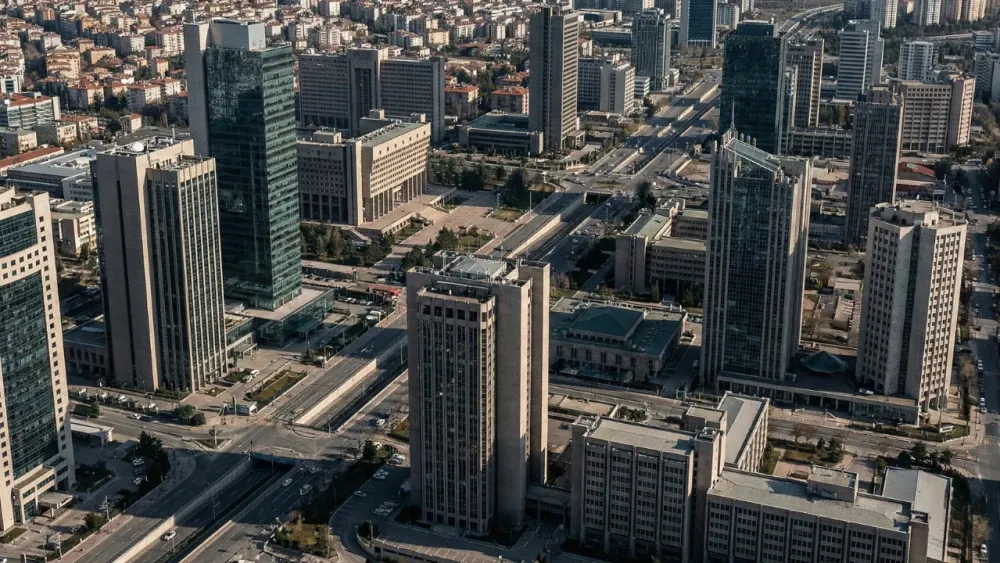 By: Abdullah Bozkurt Former Turkish Prime Minister Ahmet Davutoğlu confirms Turkey's deliberate bypass of U.S. sanctions on Iran, revealing insider details on the extensive evasion strategy. Why it matters: Turkey's actions provided financial lifelines to Iran's regime while undermining U.S. sanctions. Financial maneuvers: Turkey developed unconventional mechanisms to sustain trade with Iran. Implications: Davutoğlu's account highlights Turkey's political choice and the resulting corruption. To read the full article, click here. | | Smuggling Conviction in U.S. Sheds Light on Expanding Migrant Pipeline Run by Turkish Networks  By: Abdullah Bozkurt The arrest of Serkan Gökce, a Turkish national with prior U.S. immigration violations, unveils the reach of Turkish-run syndicates smuggling migrants into the U.S. via Canada and Mexico. Why it matters: These networks exploit border vulnerabilities, using technology for coordinated crossings. Systemic failures: Turkish government efforts to curb human smuggling remain ineffective. Implications for the U.S.: Turkish nationals continue to be a visible part of non-traditional migration flows. To read the full article, click here. | | Turkey Held Liable for Exporting Political Violence to U.S. Soil, Court Rules  By: Abdullah Bozkurt A U.S. federal judge has ruled Turkey liable for a violent 2017 attack by President Recep Tayyip Erdoğan's security on protesters in Washington, D.C. Why it matters: This rare ruling against a NATO ally condemns Ankara's export of political violence to American soil. Judicial findings: Turkey abandoned the case, leading to a default judgment. Pattern of violence: Erdoğan's security team has a history of aggressive conduct abroad. To read the full article, click here. | | | | | We hope you enjoyed this issue of the Dispatch. If you found it helpful in understanding the Middle East, please share it with a friend, encourage them to subscribe to the Middle East Forum's mailing list, and feel free to share your thoughts with us. Thank you, Winfield Myers
Managing Editor, Middle East Forum
Director, Campus Watch | | | | Was this edition useful?  

Your email will be recorded and shared with the sender |        MEF, an activist think tank, deals with the Middle East, Islamism, U.S. foreign policy, and related topics, urging bold measures to protect Americans and their allies. Pursuing its goals via intellectual and operational means, the Forum recurrently has policy ideas adopted by the U.S. government.
Copyright © 2025 Middle East Forum, All rights reserved.
Our mailing address is:
Middle East Forum
1650 Market Street, Suite 3600
Philadelphia, PA 19103 | | | | | Powered by 
| | This email was sent by Middle East Forum via Axios HQ | | | |


0 коммент.:
Отправить комментарий