| |  | | | What's New About the Protests in Iran By Winfield Myers ● Jan 07, 2026 Smart Brevity® count: 8.5 mins...2267 words Saeid Golkar and Jason M. Brodsky, writing in Foreign Policy, argue that the current protests in Iran are occurring against a geopolitical landscape that has shifted since the 2022 uprising following the murder of Mahsa Amini. If unity among social classes can be maintained, regime change is possible. Mardo Soghom says that, whether or not the U.S. or Israel intervenes to influence events in Iran, the speed and direction of the protests may determine the outcome before any external move is made. In the first of two articles in this issue, Gregg Roman writes that, with Christians and other minorities in the Middle East under threat, Israel should become their guardian. But no one is watching over Northwestern University's Qatar campus, Roman reports in his second piece—which is how the campus became more a training ground for Qatar's elite than an outpost of American culture in the region. Other writers include A.J. Caschetta, Lazar Berman, Amine Ayoub, Benjamin Weinthal, and Aymenn Jawad Al-Tamimi. | | What's New About This Wave of Protests in Iran 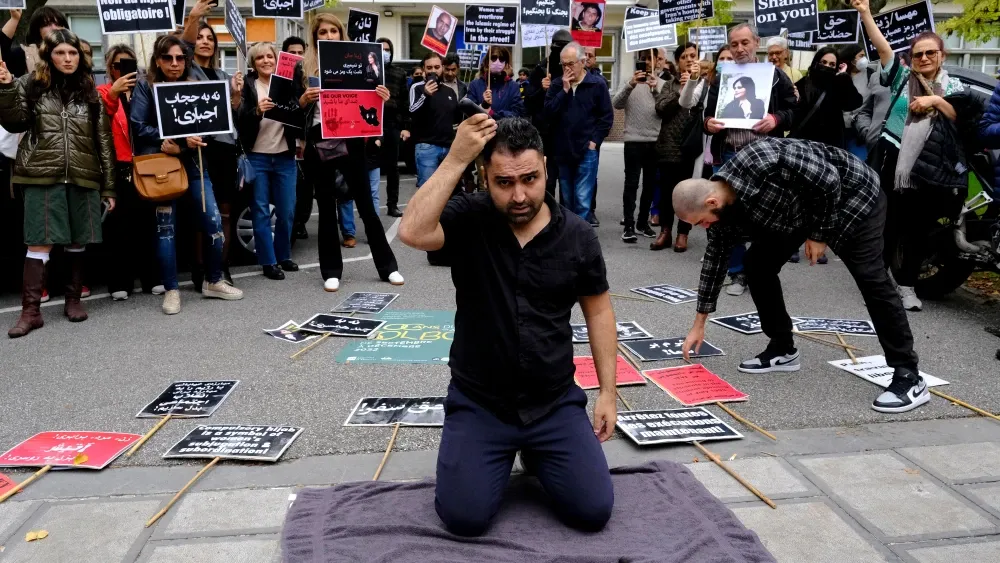 By: Saeid Golkar and Jason M. Brodsky Beginning in late December 2025, Iran has witnessed widespread protests reminiscent of the 2022 uprising following Mahsa Amini's murder. Why it matters: These protests underscore a persistent disconnect between the Iranian state and its citizens. -
The 2022 movement emerged from a social crisis, symbolized by the "Woman, Life, Freedom" slogan, highlighting women's rights and systemic repression. -
The 2025 unrest, however, is fueled by economic collapse, with the rial plummeting to 1.4 million per dollar and inflation exceeding 52 percent. Comparative dynamics: Both movements were catalyzed by social media, spreading rapidly through platforms like Instagram. International context: The geopolitical landscape has shifted, affecting Iran's internal dynamics. Protest slogans: An ideological shift is evident with new monarchist chants like "Javid Shah" (Long Live the King). The bottom line: While the spirit of "Woman, Life, Freedom" persists, the current protests are broader, suggesting a potential for regime change if unity across social classes can be achieved. To read the full article, click here. | | Protests Surge Across Iran as Authorities Struggle to Contain Unrest 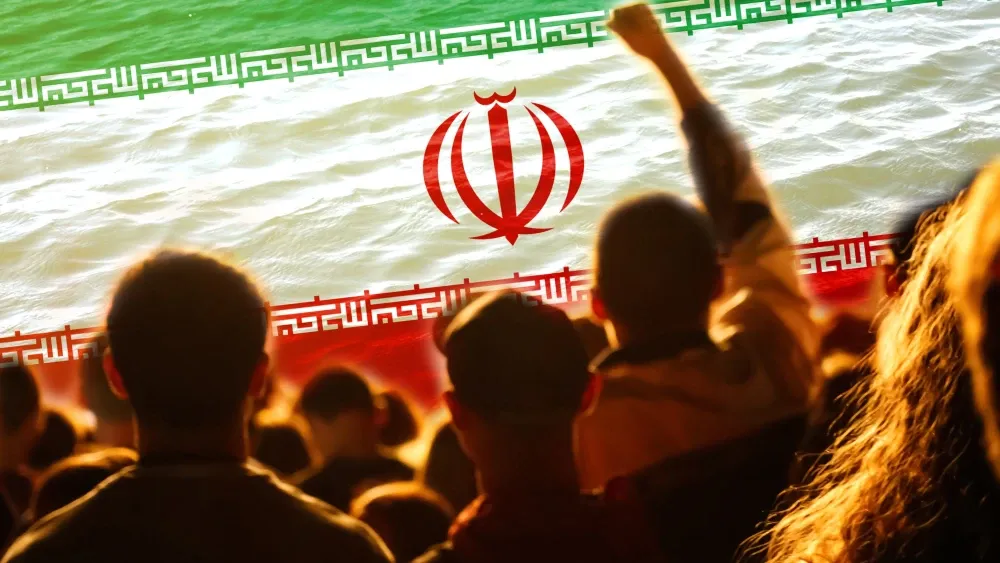 By: Mardo Soghom Iran faces its largest protests yet, with demonstrators demanding the end of the Islamic Republic. Security forces' response: At least 35 protesters have been killed, and hundreds arrested, as officials appear subdued and uneasy. Exiled leadership stance: Exiled Crown Prince Reza Pahlavi, son of Iran's last shah, urges citizens to join protests and warns the military against harming civilians. Public discontent: Protesters in one town attacked an Islamic Revolutionary Guard Corps warehouse, destroying food supplies meant for security forces without looting. To read the full article, click here. | | ICYMI: Israel Insider with Ashley Perry  A late-2025 meeting between Israel's prime minister and the U.S. president proved notably warm, dispelled rumors of tension, produced no major public breakthroughs, and reinforced coordination on Gaza while delaying any timetable for the next phase of a ceasefire pending Hamas disarmament and unresolved hostage issues. Israel and the United States aligned closely on Iran, with growing emphasis on Iran's ballistic missile program alongside its nuclear ambitions, amid regional instability, demonstrations inside Iran, and acute concern that miscalculation could trigger a wider conflict despite quiet efforts to lower tensions. Domestically, Israel faced mounting political strain over the ultra-Orthodox draft issue after deadly unrest, as coalition disputes over the draft law and the state budget raised the prospect of early elections well before the formal deadline. Ashley Perry is an advisor to the Middle East Forum's Israel office. He served as adviser to Israel's minister of foreign affairs and deputy prime minister in 2009-15, and has also worked with Israel's Ministers of Intelligence, Agriculture and Rural Development, Energy, Water and Infrastructure, Defense, Tourism, Internal Security, and Immigrant Absorption and as an advisor to The Negev Forum. Originally from the U.K., he moved to Israel in 2001. He holds a B.A. from University College London and an M.A. from Reichman University (IDC Herzliya). To watch the full podcast, click here. | | With Venezuela Raid, Trump Fires a Message to Iran and Hamas. Will They Listen? 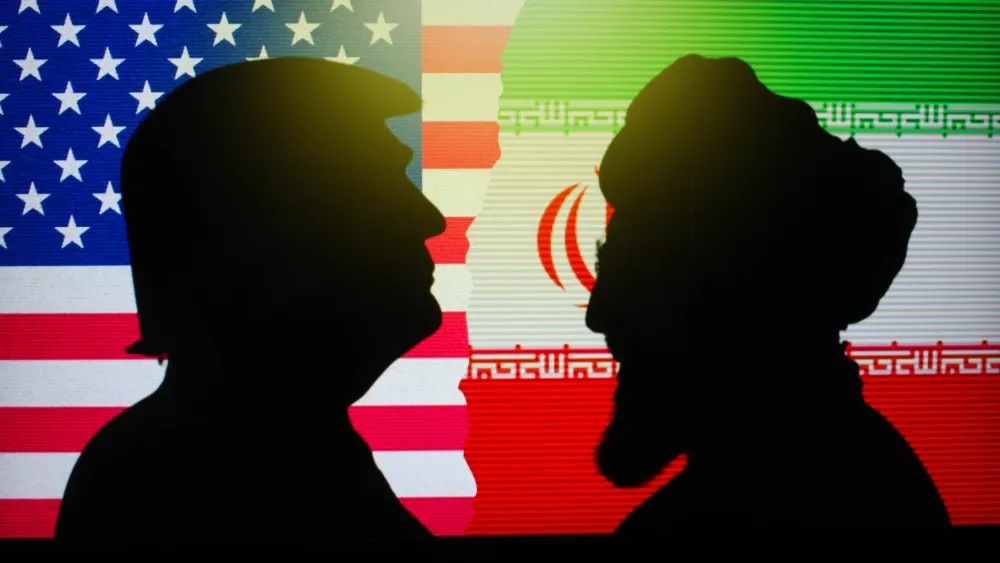 By: Lazar Berman U.S. President Donald Trump hosted Israeli PM Benjamin Netanyahu at Mar-a-Lago, discussing Middle Eastern issues. The attention of the White House, though, was far from the Middle East. Instead, it was busy planning for an impending daring special forces raid to snatch Venezuela's President Nicolas Maduro from one of his homes and take him into custody to face narcotics and terrorism charges in the U.S. Caracas raid's implications: The U.S. special forces' operation to capture Venezuela's President Maduro showcases Trump's willingness to use military power. Middle East dynamics: Trump's readiness to back Israel against Iran signals a robust U.S.-Israel partnership. Leadership contrasts: Trump's interventions highlight the administration's internal divide between Rubio's interventionist stance and Vance's isolationist views. Read the full article at the Times of Israel. | | Israel Should Become the Guardian of Middle Eastern Christians 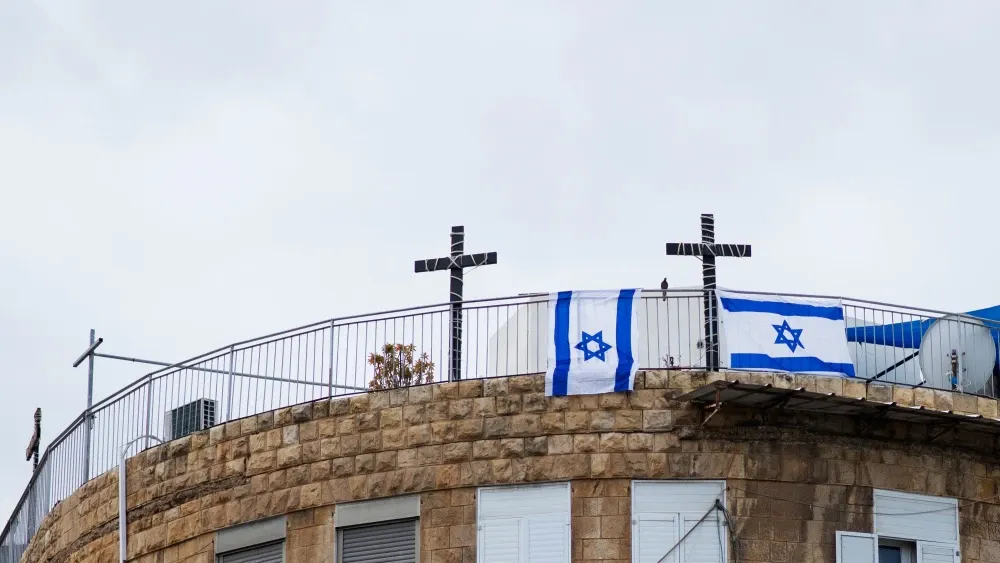 By: Gregg Roman Christian communities in the Middle East are under threat, with Israel poised to protect them amid regional unrest. Israel's capabilities: With extensive intelligence and military reach, Israel can play a key role in safeguarding minorities and preserving Judeo-Christian heritage. -
Establishing a dedicated governmental body could institutionalize these efforts, similar to the support from Nativ, the organization that maintained ties with Soviet Jewry for decades. -
Israeli intervention protected Druze villages from ISIS attacks, showcasing its potential beyond ad hoc efforts. Strategic alliances: Protecting minorities is more than moral duty; it's a strategic necessity that aligns with Israel's regional interests. -
Christians, Druze, Kurds, and Yazidis face common threats from jihadist movements, making them natural allies of Israel. Global implications: Israel's initiative to protect minorities complements U.S. interests, reducing the need for American military involvement. -
Vice President JD Vance emphasizes regional self-policing, reflecting a shift towards collective responsibility among allies. -
Trump's Christmas Day strike against ISIS in Nigeria highlighted a commitment to defending persecuted Christians, aligning with Israel's potential role. To read the full article, click here. | | Qatar's Elite Pipeline at Northwestern 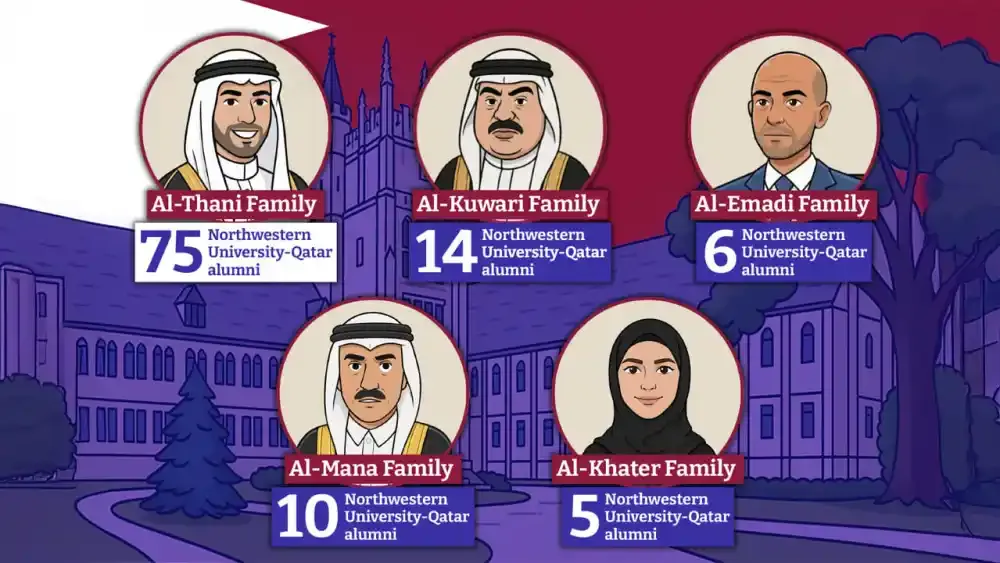 By: Gregg Roman A Middle East Forum investigation reveals Northwestern University in Qatar (NU-Q) serves more as a training ground for Qatar's elite than a U.S. academic outpost. Royal influence: The Qatar Foundation, controlled by the ruling Al-Thani family, has funneled over $700 million into NU-Q, embedding it in Qatar's media apparatus. -
Of 729 NU-Q graduates from 2014 to 2025, approximately 21 percent bear surnames from the Al-Thani royal family or 11 other elite Qatari dynasties, echoing the U.S. "Varsity Blues" scandal, in which privileged insiders exploited access. Strategic implications: NU-Q graduates often join state media and government roles, advancing narratives aligned with Qatar's monarchy. Call to action: There's an urgent need for federal oversight and transparency in foreign funding to protect U.S. educational integrity. To read the full article, click here. | | Hatem Bazian Is the Jewish Voice For Peace  By: A.J. Caschetta Hatem Bazian, founder of Students for Justice in Palestine (SJP), inadvertently revealed his influence over Jewish Voice for Peace (JVP) through a 2023 Twitter mishap when he accidentally tweeted as JVP, but on his own account. The Muslim Bazian's tweet ended, "As Jews who believe in human rights and justice, we demand you do better." Bazian's impact: Bazian's network includes the Islamophobia Research and Documentation Project at UC Berkeley and co-founding the Islamic Zaytuna College. JVP transformation: Originally non-anti-Zionist, JVP now openly embraces Islamists and calls for Israel's destruction. Alliance dynamics: Since October 7, JVP has become the most important front for SJP. To read the full article, click here. | | 'Pro-Iran Regime' University of Arkansas Prof. Now Under Investigation over Academic Fraud: Publisher  By: Benjamin Weinthal and Isabel Vincent Shirin Saeidi, a University of Arkansas professor, is under investigation for potential academic fraud. Fraud allegations: Saeidi's 2022 Ph.D. dissertation is being probed for alleged fabrication and unauthorized use of survivor testimonies. Pro-Iranian actions: Saeidi was removed from her position as director of the King Fahd Center for Middle East Studies after using university letterhead to support an Iranian war criminal. Response and reactions: Saeidi claims her removal was influenced by a "Zionist lobby," and her case is supported by Iranian media. To read the full article, click here. | | The Victims No One Mourns 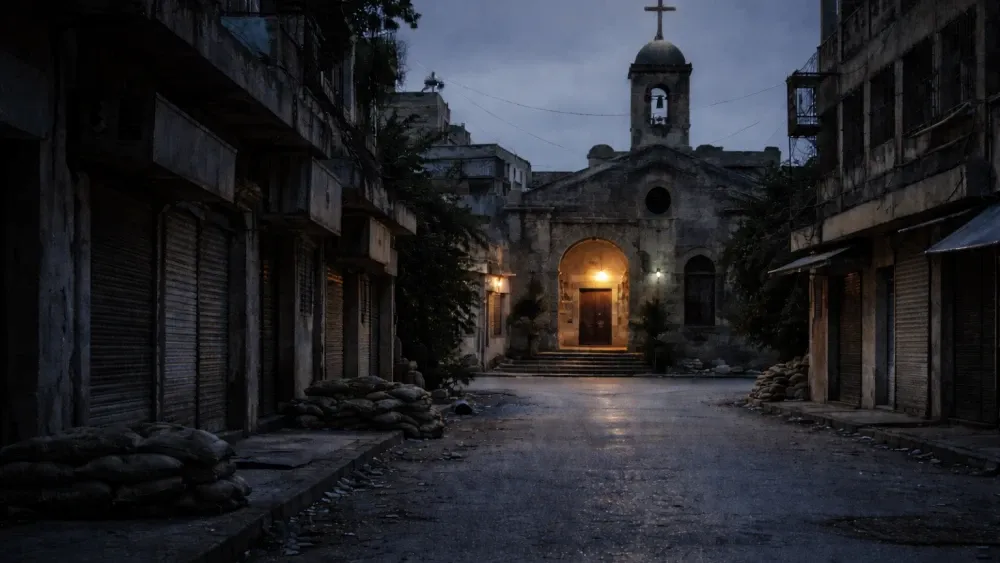 By: Amine Ayoub The West celebrates Syria's new leadership, but the reality for minorities like the Alawites and Christians is grim. Crackdown on Alawites: The administration of President Ahmed al-Sharaa brands Alawite protests as counter-insurgency against "regime remnants." Security facade: Despite preventing an ISIS attack in Aleppo, Syria's security forces remain ineffective against sectarian threats. Western oversight: The U.S. and E.U. prioritize stability over human rights, ignoring the plight of minorities. To read the full article, click here. | | Erdoğan's 'Blue Homeland' and the Illegal Occupation of Libya 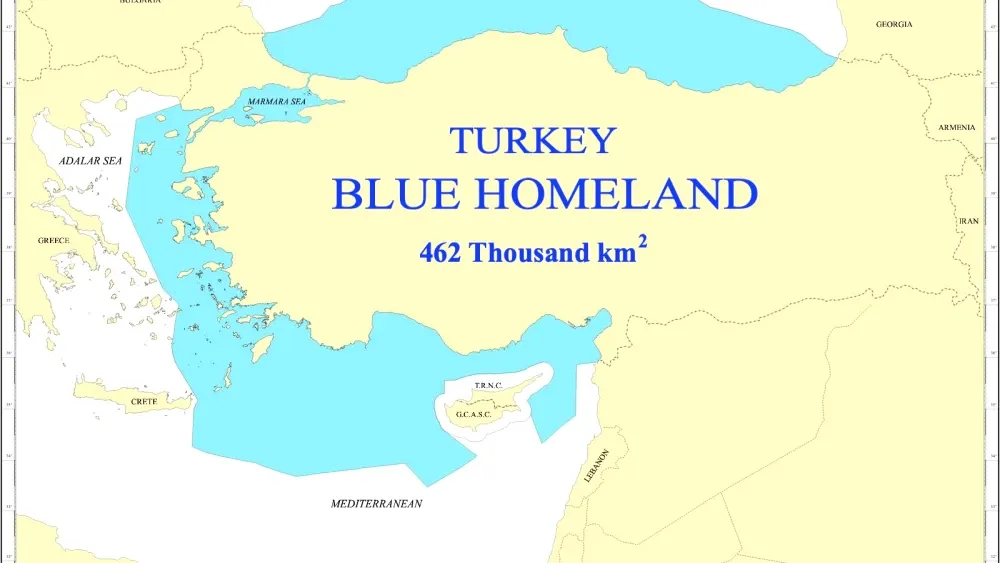 By: Amine Ayoub Turkey seeks to extend its military presence in Libya, cementing influence in North Africa and challenging the Mediterranean's stability. The "Zombie" treaty: The 2019 Maritime Boundary Treaty with Libya is void, yet Turkey uses it to justify aggressive territorial claims. Radicalism incubator: Turkey's military acts as a shield for Islamist factions, blocking Libya's unification and fostering dependency. Threat to NATO: Turkey's actions challenge NATO by threatening Greece and flanking the alliance from the south. Restoring rule of law: Stability lies in supporting legitimate Libyan institutions and rejecting foreign occupations. To read the full article, click here. | | Mohamed Farid on Egypt's Security Challenges in the Red Sea and the Horn of Africa 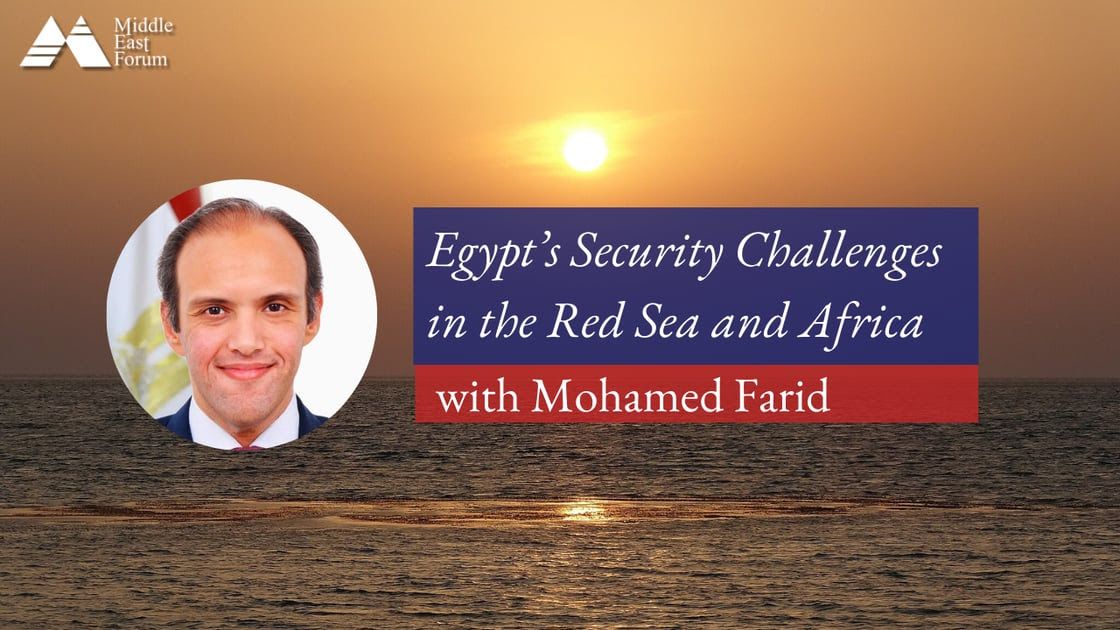 By: Marilyn Stern In a recent Middle East Forum Podcast, Mohamed Farid, an Egyptian MP, highlighted strategic failures in handling the Houthis and Iran's influence in Yemen. Yemen's challenges: The Houthis' missile and drone capabilities threaten global shipping, despite U.S. air strikes. Regional instability: Terrorism in the Horn of Africa mirrors Yemen's issues, with groups like Al Shabab exploiting governance gaps. Sudan's conflict: The instability in Sudan poses a significant threat to Egypt's national security with cross-border crimes. To read the full summary and watch the podcast, click here. | | Armed Groups in Sudan's War: Interview with the Leader of 'al-Barq al-Khatif' 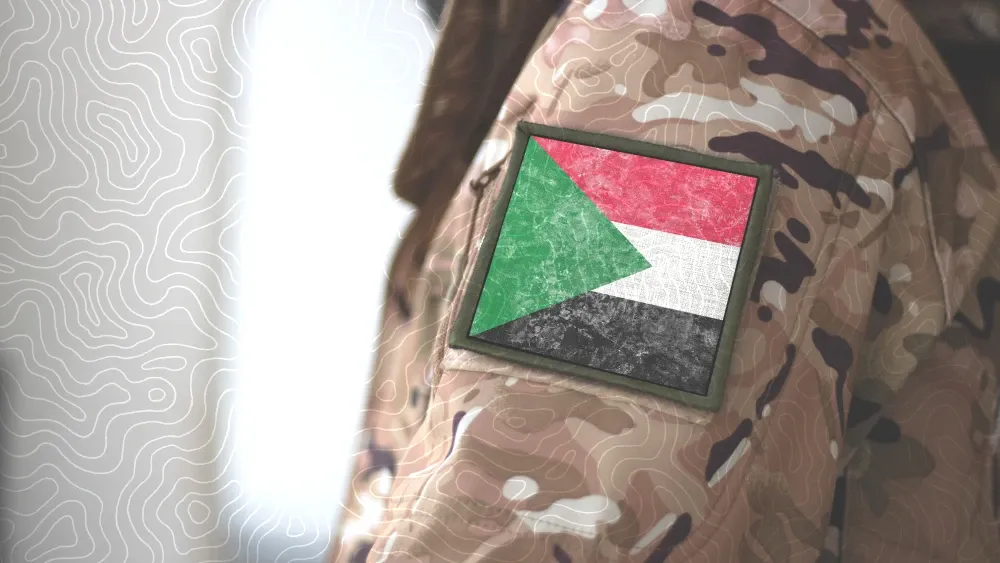 By: Aymenn Jawad Al-Tamimi Recently, MEF writing fellow Aymenn Jawad Al-Tamimi interviewed Ibn Omar, who commands the "al-Barq al-Khatif" ("Flash of Lightning") forces. The long-standing group supports the Sudanese armed forces against the Rapid Support Forces (RSF) in the ongoing Sudanese civil war. Origins and operations: Formed in 1998, al-Barq al-Khatif mobilizes university students for battle when towns are threatened. Vision for Sudan: The group envisions an Islamic, sovereign state based on justice and law. Message to the world: Al-Barq al-Khatif calls for international support against RSF militias, seen as a threat to regional stability. To read the full interview, click here. | | We appreciate your continued support of the Middle East Forum and your reliance on MEF to bring you a steady stream of analyses and reports about the region and its influences on our world. If you enjoyed this issue of the Dispatch, please forward it to a friend and let us know your thoughts in the comments section. Thank you, Winfield Myers
Managing Editor, Middle East Forum
Director, Campus Watch | | | | Was this edition useful?  

Your email will be recorded and shared with the sender |        MEF, an activist think tank, deals with the Middle East, Islamism, U.S. foreign policy, and related topics, urging bold measures to protect Americans and their allies. Pursuing its goals via intellectual and operational means, the Forum recurrently has policy ideas adopted by the U.S. government.
Copyright © 2025 Middle East Forum, All rights reserved.
Our mailing address is:
Middle East Forum
1650 Market Street, Suite 3600
Philadelphia, PA 19103 | | | | | Powered by 
| | This email was sent by Middle East Forum via Axios HQ | | | |

0 коммент.:
Отправить комментарий