| |  | | | Syria Puts a Boot on the Neck of the Kurds; Iranians Await U.S. Action By Winfield Myers ● Jan 19, 2026 Smart Brevity® count: 7 mins...1902 words Jim Hanson says that Ahmed al-Sharaa, Syria's interim president, may have trimmed his bead and exchanged army fatigues for business suits, but he's allowed "former" jihadists to carry out ethnic cleansing of the minority populations—and they now seem to be conducting a full-on seizure of much of the Kurdish regions. Sirwan Kajjo adds that in the span of just two weeks, Kurdish-led forces have lost more than two-thirds of the territory they controlled in northeast Syria. Alex Selsky writes that, while Kurds under attack from the Syrian regime may feel abandoned by Israel, in fact Israel is constrained by the need to balance multiple interests to avoid actions that could worsen Kurdish outcomes and complicate regional dynamics. Loqman Radpey argues that the Kurdistan Workers' Party's ideology of a "peoples' brotherhood" has failed to create a durable and peaceful political order in the Kurds' host states. Michael Rubin speculates that Kurdish-Syrian fighting could spill over into Turkey to foment a level of violence not seen in 50 years. Mardo Soghom reports that most Iranians now await the U.S. military intervention signaled by President Donald Trump. Other authors covering Iran in this issue include Shay Khatiri, Umud Shokri, and Mehrdad Marty Youssefiani. | | Syria Puts a Boot on the Neck of the Kurds 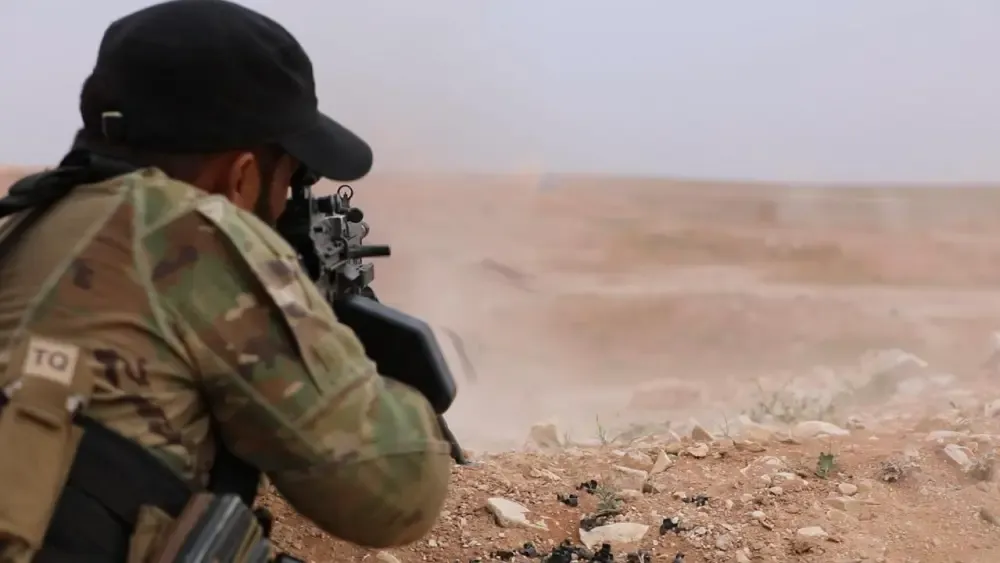 By: Jim Hanson Titular head of Syria Ahmed al-Sharaa, once known by his jihadist moniker Abu Mohammad al-Jolani, has allowed ethnic cleansing against minorities, and they now seem to be conducting a full-on seizure of much of the Kurdish regions. Why it matters: The ongoing violence destabilizes the region and challenges U.S. diplomatic strategies. Driving the news: Al-Sharaa's proclamations of Kurdish rights clash with aggressive military actions. What's next: Now, U.S. officials need to rein in al-Sharaa and weigh his pleasant platitudes against the violent slaughters his forces are committing against the people he rules. To read the full article, click here. | | Syria's Next Phase Offers Little Hope for Kurds 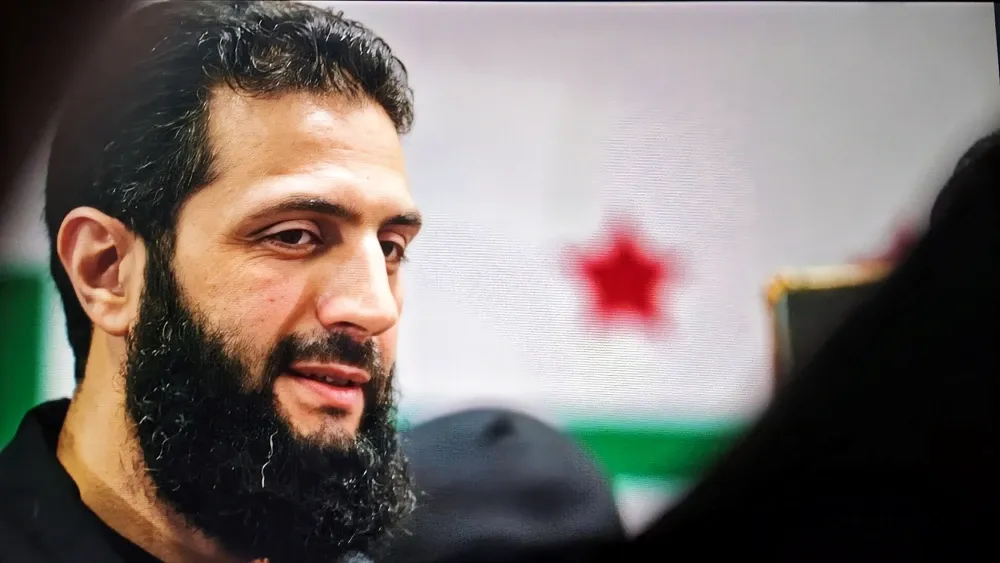 By: Sirwan Kajjo The moment of truth for the Kurds in Syria arrived dramatically: After a decade of self-rule, their dream of autonomy crumbles. Why it matters: Kurdish-led forces lost over two-thirds of their territory in just two weeks, marking a severe setback. Driving the news: Syrian government forces launched a large-scale offensive, toppling Kurdish control in key regions. What's next: Syrian Democratic Forces' collapse spells trouble for regional stability and democratic hopes. To read the full article, click here. | | Why Isn't Israel Intervening to Help Syria's Kurds? 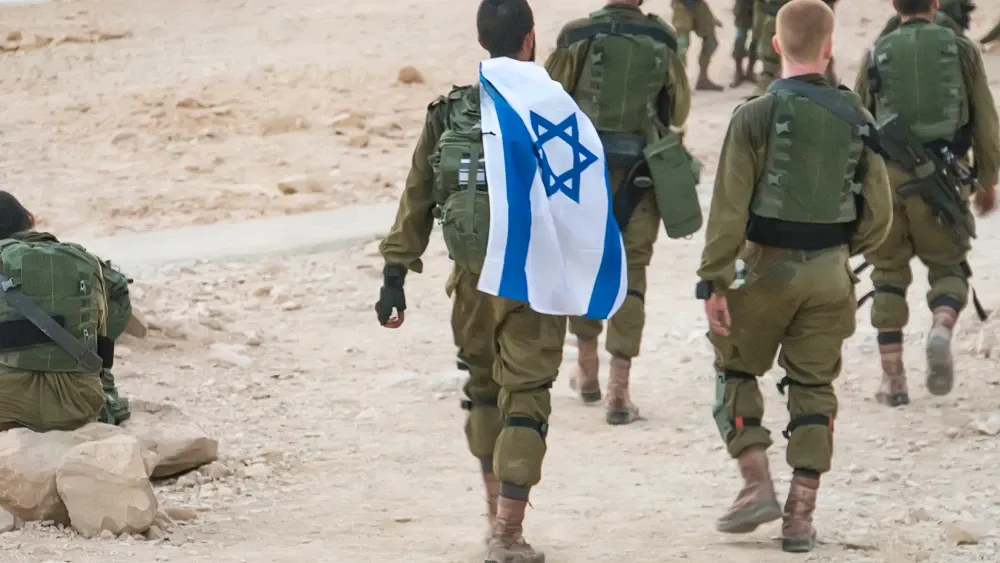 By: Alex Selsky Many Kurds feel bitter over Israel's perceived inaction as Syrian forces attack them. Despite hopes, Israel remains strategically restrained. Why it matters: Israel prioritizes dismantling Hezbollah and countering Iran over Kurdish support, fearing that public intervention would trigger broader conflicts. Driving the news: Turkey's role adds complexity, as Ankara views Israeli support for Kurds as hostile, risking confrontation and affecting broader regional ties. What's next: Israel navigates delicate diplomacy, preferring covert channels to preserve Kurdish space without escalation. To read the full article, click here. | | PKK's 'Peoples' Brotherhood' Has No Place in the Middle East 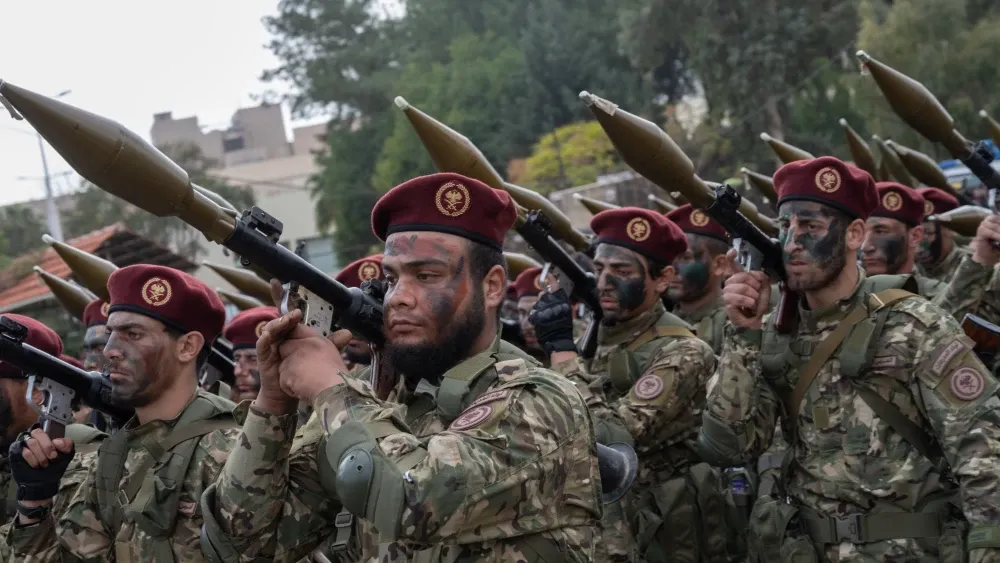 By: Loqman Radpey Following the early January massacre and forced deportation of Kurds in Aleppo, Kurdish-led Syrian Democratic Forces now confront Syrian and Turkey-backed forces west of the Euphrates. Why it matters: The defection of Arab tribal forces reveals the failure of the Kurdistan Workers' Party's ideology of "peoples' brotherhood." Driving the news: Turkey refuses to recognize Kurdish rights, continuing its efforts to dismantle the Kurdish-led administration in Syria. What's next: Kurds confront a critical moment, needing to reassess strategies and possibly align with the Kurdistan Regional Government's peshmerga for support. To read the full article, click here. | | Will Syria-Kurdish Fighting Spark Civil War in Turkey? 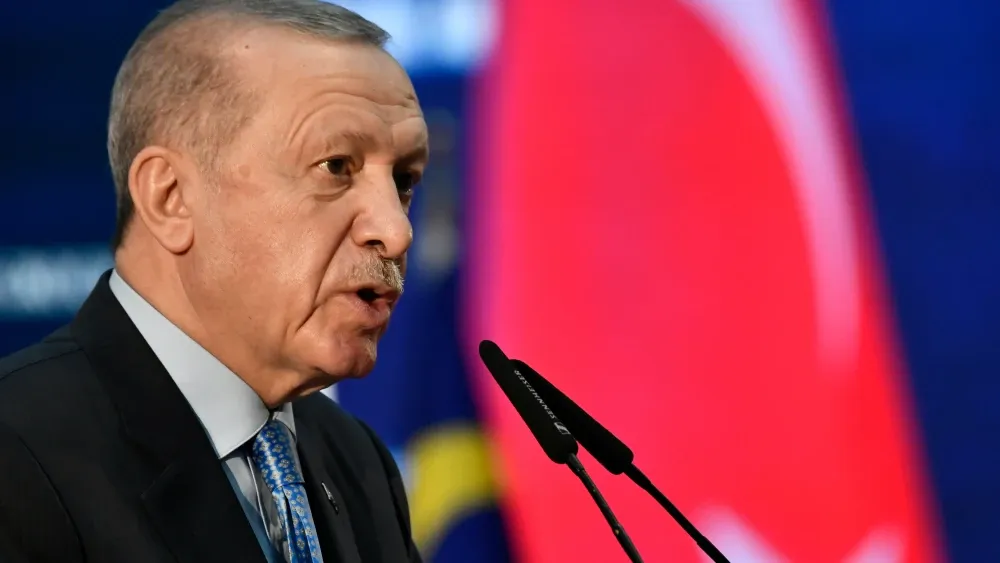 By: Michael Rubin On May 12, 2025, the Kurdistan Workers' Party (PKK), led by Abdullah Öcalan, ended its insurgency against Turkey, aiming for peace. Yet, Turkey's recent actions under President Recep Tayyip Erdoğan betray this hope. Why it matters: Erdoğan's insincere negotiations and attacks on Kurds are reigniting tensions and pushing Kurds back toward armed resistance. Driving the news: Öcalan's bid for peace contrasts with Erdoğan's use of force, showing a lack of commitment to genuine reconciliation. What's next: Kurds face a critical choice between renewed conflict and political stagnation, as Erdoğan's actions dismantle hopes for peaceful coexistence. To read the full article, click here. | | Iranians Await U.S. Action as Regime Violence Escalates  By: Mardo Soghom On January 18, 2026, a major incident exposed the Islamic Republic's vulnerability. Hackers interrupted regime-controlled broadcasts with a video of exiled Crown Prince Reza Pahlavi and protest footage. Why it matters: The regime's brutality and information blackout highlight its reliance on force to maintain power. Driving the news: Activists abroad detail systematic killings, with many deaths occurring at close range. What's next: Most Iranians now await U.S. intervention, as President Trump signals increased military presence. Without outside help, they argue, it is impossible to topple a theocracy that not only permits its forces to kill civilians but treats it as their duty. To read the full article, click here. | | Iran Denies Trump's Claim That It Halted Hangings 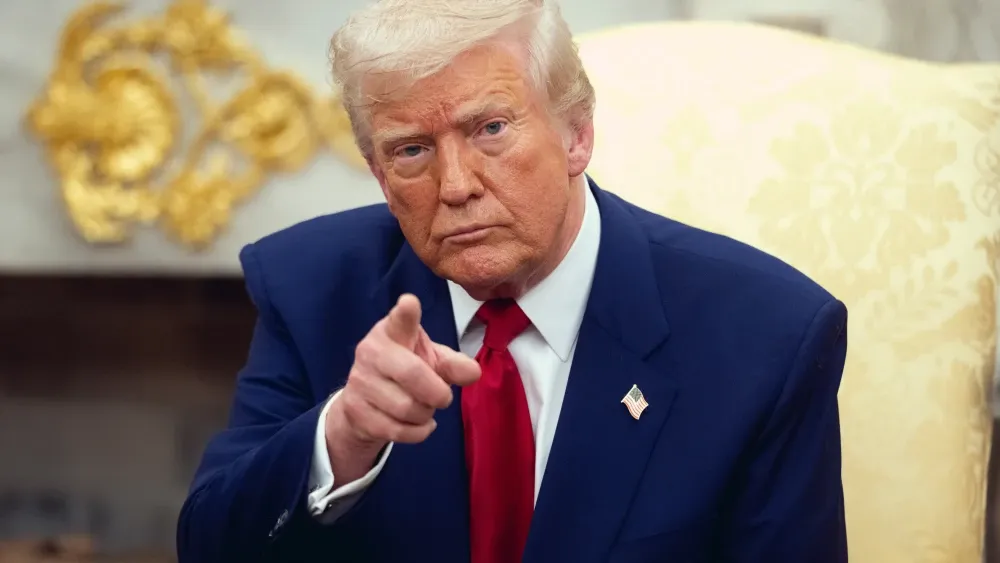 By: Mardo Soghom President Donald Trump canceled anticipated military action against Iran on January 16, 2026, after thanking the regime for allegedly canceling 800 executions, a claim unverified by Iranian sources. Why it matters: Trump's decision appears to have been justified internally by the claim that Iran had canceled the execution of 800 detainees. -
Shortly afterward, the United States Department of State posted a message in Persian on X, warning that Tehran was preparing options to target U.S. bases. It concluded: "We have said this before and we say it again: Do not play games with President Trump." Driving the news: Iranian Supreme Leader Ali Khamenei dismissed Trump's remarks and pledged to continue targeting "troublemakers." What's next: Some observers argue that Trump has not entirely abandoned the option of striking regime targets. To read the full article, click here. | | Khamenei Is Testing Trump's Credibility 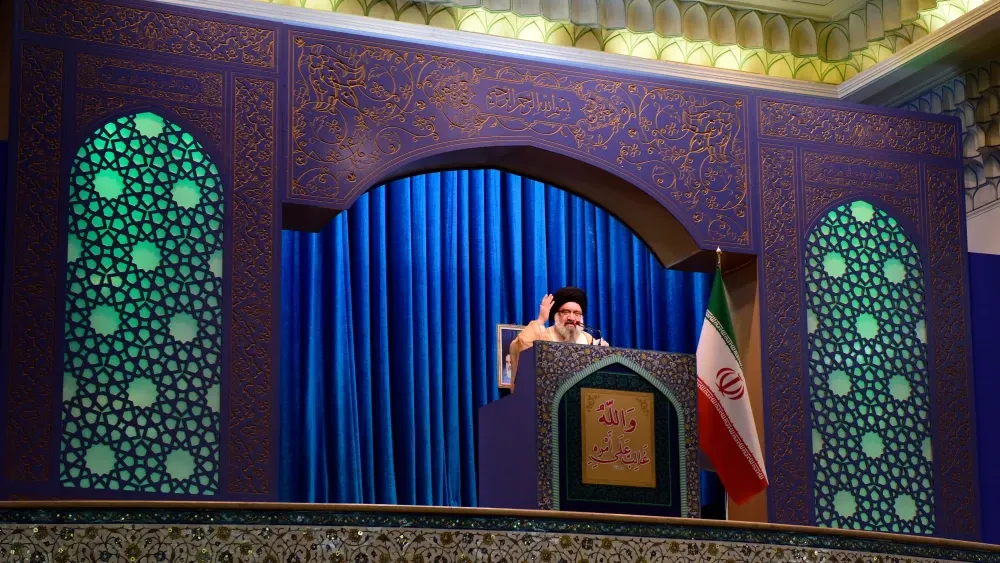 By: Shay Khatiri On January 16, 2026, President Donald Trump said Iran canceled 800 executions. Ayatollah Ahmad Khatami later called for detainee executions. Why it matters: Khatami's role signals Supreme Leader Ali Khamenei's tacit support for harsh measures, while Trump risks credibility if he doesn't act on his threats. Driving the news: Khatami's calls for executions during Friday prayers reflect regime hardliners' influence. What's next: Trump must decide between maintaining deterrence or risking international perception of weakness. To read the full article, click here. | | How Iran Augmented Its Internet Shutdown Strategy in 2026 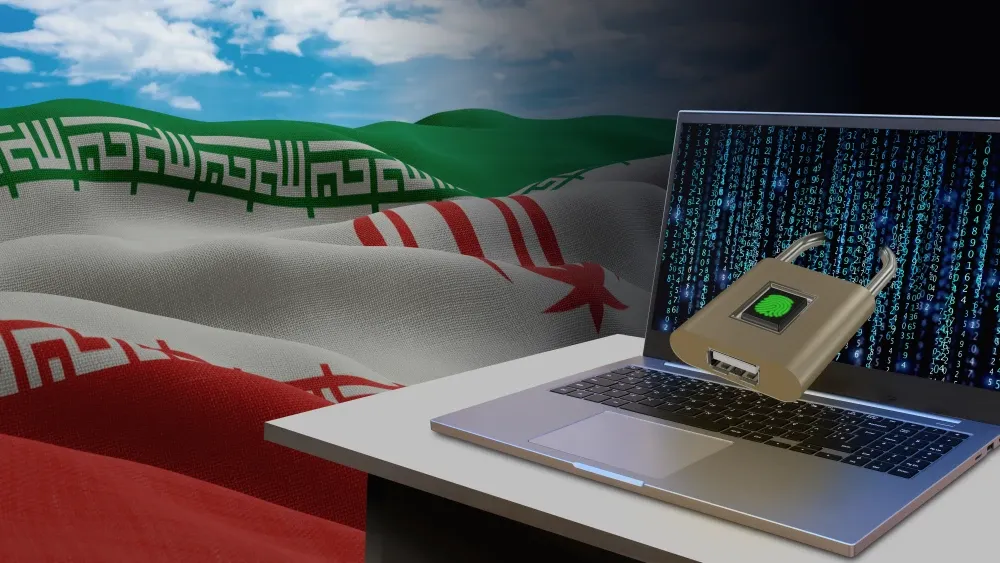 By: Umud Shokri The Islamic Republic of Iran's internet blackout during the January 2026 protests showcases a shift from total shutdowns to strategic degradation of connectivity. Why it matters: By sabotaging internet protocols, Tehran extends its control over unrest and conceals violence more effectively. Driving the news: Protocol-level interference prevents reliable communication, disrupting protest coordination and concealing repression. What's next: The blackout transforms synchronized uprisings into isolated confrontations, allowing the regime to manage protests sequentially. -
Internationally, the strategy delays pressure, as information emerges slowly, blunting diplomatic responses and weakening accountability. To read the full article, click here. | | Western Progressives' Selective Silence on Iranians' Quest for Rights 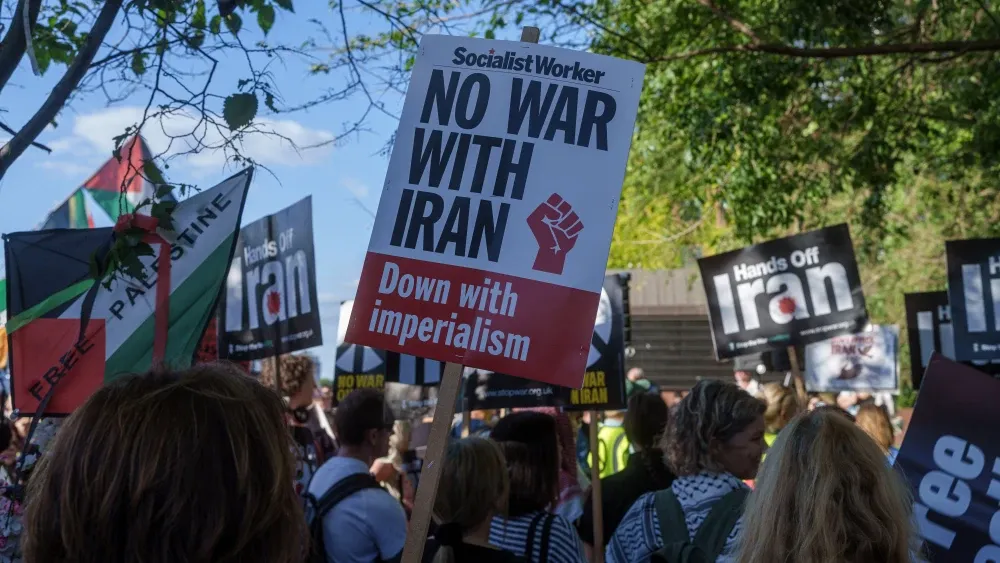 By: Mehrdad Marty Youssefiani Iran faces its gravest crisis since the 1979 revolution, with protests against corruption turning into an uprising. Yet, progressives remain notably silent. Why it matters: The regime's brutal crackdown, resulting in over 12,000 deaths, is met with a deafening silence from global progressives who fear accusations of Islamophobia. Driving the news: Prominent progressives like Mark Ruffalo and Susan Sarandon, vocal on other causes, have not addressed Iran's crackdown. What's next: Progressives must confront their inconsistencies and support Iranian protesters, rejecting selective advocacy that ignores human rights abuses. To read the full article, click here. | | | | | We appreciate your continued support of the Middle East Forum and your reliance on MEF to bring you a steady stream of analyses and reports about the region and its influences on our world. If you enjoyed this issue of the Dispatch, please forward it to a friend and let us know your thoughts in the comments section. Thank you, Winfield Myers
Managing Editor, Middle East Forum
Director, Campus Watch | | | | Was this edition useful?  

Your email will be recorded and shared with the sender |        MEF, an activist think tank, deals with the Middle East, Islamism, U.S. foreign policy, and related topics, urging bold measures to protect Americans and their allies. Pursuing its goals via intellectual and operational means, the Forum recurrently has policy ideas adopted by the U.S. government.
Copyright © 2025 Middle East Forum, All rights reserved.
Our mailing address is:
Middle East Forum
1650 Market Street, Suite 3600
Philadelphia, PA 19103 | | | | | Powered by 
| | This email was sent by Middle East Forum via Axios HQ | | | |

0 коммент.:
Отправить комментарий