| |  | | | MEF Releases Blueprint for American Action on Iran By Winfield Myers ● Jan 29, 2026 Smart Brevity® count: 8.5 mins...2284 words Gregg Roman has written three major policy papers on Iran that, collectively, offer a comprehensive assessment of the unfolding situation. The first details America's military buildup, including ship and aircraft movements, arguing that the United States is assembling a multi-domain strike package capable of conducting sustained operations against Iran. The second examines possible leaders of a post-Islamic regime Iran, offers frank assessments of their strengths and weaknesses, and calls for the establishment of a 28-member National Reconciliation Council framework for interim governance. The third paper evokes Ronald Reagan's approach to Poland's Solidarity movement in the 1980s to call for a response on myriad fronts, from economics to military deterrence, and asks whether 30,000 people died in vain or as martyrs for a freedom that was finally achieved? This issue features additional articles on Iran by Gregg Roman, Potkin Azarmehr, Umud Shokri, and Mardo Soghom. It also includes the work of Amine Ayoub, Aaron J. Shuster, Alex Selsky, and Marilyn Stern. | | After 30,000 Dead, MEF Releases Blueprint for American Action on Iran 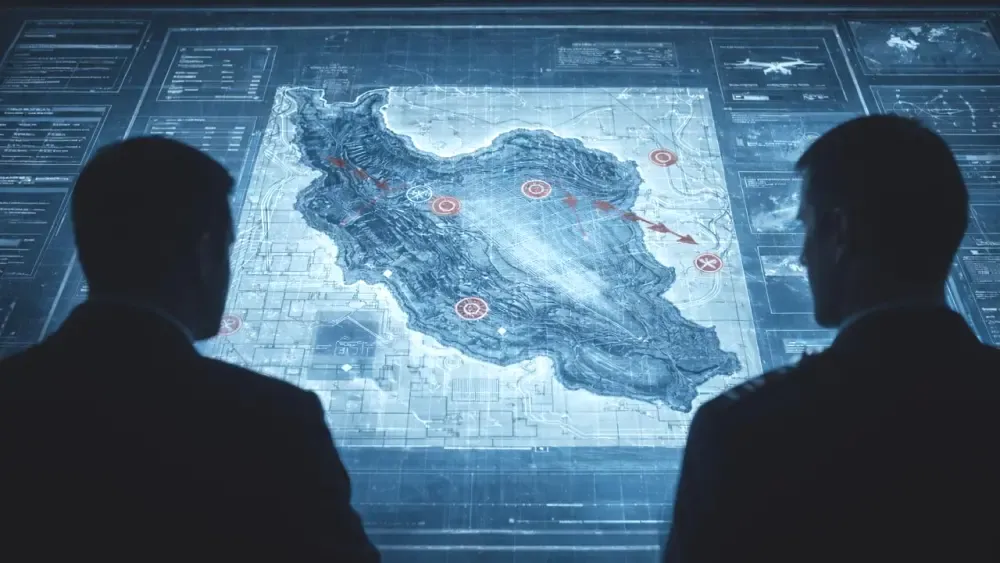 News from the Middle East Forum The Middle East Forum has released three new policy papers by executive director Gregg Roman, shedding light on the Iran crisis. "America's Military Buildup Around Iran: What We Know and What It Means" (click here): Provides a detailed open-source intelligence analysis of U.S. force deployments converging on the Persian Gulf, as the U.S. has initiated its largest military buildup in the Middle East since June 2025. -
Details: The deployment includes the USS Abraham Lincoln carrier group, 35 F-15E Strike Eagles in Jordan, and enhanced missile defenses in the Gulf. -
This indicates a readiness for sustained operations against Iran. "After the Protests: Who Can Lead Iran?" (click here): A detailed assessment of the Iranian opposition's potential leaders and governance models. -
Key figures: Crown Prince Reza Pahlavi, Green Movement leaders, and ethnic minority representatives are profiled. -
Roman proposes a National Reconciliation Council for interim governance. "The Debt We Owe the Dead: A Manifesto for American Action on Iran" (click here): Makes the case for a coordinated campaign combining information warfare, economic pressure, diplomatic isolation, military deterrence, and support for democratic opposition forces. -
Strategy: Combines information warfare, economic sanctions, and military deterrence, inspired by Reagan's support for Poland's Solidarity. The bottom line: Roman emphasizes this as a historic opportunity for the U.S. to support Iranian freedom, paralleling past American efforts in Poland. To read the full press release with links to the reports, click here. | | Iran's Protest Crackdown Is an American National Security Problem  By: Gregg Roman The Iranian regime's violent suppression of protests is not just a humanitarian crisis; it's a significant national security threat to the U.S. Internal crisis fuels external aggression: When a regime is threatened, it often turns aggressive externally to rally support. Economic instability affects global security: Political violence in Iran, a major energy producer, increases market volatility. Tehran's crackdown sends global signals: Authoritarian regimes may learn brutality is manageable if Iran faces minimal consequences. What's next: The U.S. should implement an integrated strategy, focusing on targeted sanctions and restoring deterrence, to address these challenges effectively. To read the full article, click here. | | ICYMI: Israel Insider with Alex Selsky  Israel has retrieved the body of the last remaining hostage from Gaza, marking the first time since 2014 that no Israeli hostages remain there, and this development advances the agreed plan toward disarming Hamas while reviving calls to adopt strict limits on prisoner exchanges for future negotiations. Preparations intensify for a potential U.S. strike on Iran, with Israel fully ready to respond forcefully if attacked, and the Israeli economy demonstrates remarkable strength as the shekel strengthens significantly against the dollar, reflecting perceptions of military success and growing international investor confidence. President Trump advances his Board of Peace initiative by inviting 60 heads of state, signaling a new regional order that excludes the U.N. and offers Israel pragmatic opportunities to cooperate with various players, while domestic debates rage over closing the army radio station and legislating ultra-Orthodox military draft exemptions amid deep societal divisions. Alex Selsky is a senior adviser to MEF's Israel Victory Project and lecturer at Hadassah Academic College. He is currently serving as Homefront Command reserve major in the Israel Defense Forces; formerly, he served as advisor to Prime Minister Netanyahu and as CEO of the International Israel Beytenu Movement. He holds a B.A. in Business and Executive M.A. in Public Policy from Hebrew University. To watch the full podcast, click here. | | How Iran's Latest Uprising Unfolded—and Why It Ended in Tragedy  By: Potkin Azarmehr Iran's latest wave of protests highlights systemic corruption, economic mismanagement, and the dangerous gap between citizens and political elites under a kakistocratic regime—government by the unqualified and unscrupulous, compounded by a theocracy incompatible with modern times.. Currency racket and protests: The crisis began with a currency manipulation scheme involving regime insiders. Geographic spread and repression: Early demonstrations were concentrated in provincial towns, where social cohesion facilitated mobilization. International implications: The regime's crackdown sends a global signal that brutal repression can be managed without significant consequences. To read the full article, click here. | | Why 'Maximum Pressure' Hasn't Crippled Iran's Oil Sector  By: Umud Shokri In February 2025, President Trump's National Security Presidential Memorandum 2 (NSPM-2) reinstated the maximum pressure campaign, targeting Iran's key revenue source: its oil sector. Expanded sanctions and outcomes: NSPM-2 broadened sanctions across Iran's petroleum trade, aiming to collapse oil exports to zero. China's pivotal role: Iran's crude exports find a haven in China, which absorbed over 80 percent of seaborne exports in 2025. Sanctions evasion and adaptation: Iran's systematic evasion infrastructure has matured, including a shadow fleet and alternative payment systems. The bottom line: While NSPM-2 has intensified pressure on Iran, Tehran's capacity to operate under constraint remains intact, with global conditions limiting the impact of unilateral enforcement. To read the full article, click here. | | As Scale of Iranian Regime Atrocities Emerges, U.S. Intervention Remains Uncertain  By: Mardo Soghom While many Iranians remain hopeful that a U.S. intervention could save thousands of lives, others are beginning to question President Donald Trump's judgment on the issue. Escalating violence: The death toll from the recent crackdown is estimated at 36,500, with horrifying reports of brutality, including denial of medical care to the wounded. Medical community under siege: Doctors aiding protestors face arrests, and exiled Prince Reza Pahlavi urges documentation of those obstructing medical treatment. Nuclear fears and military movements: The regime's capacity for violence raises fears of its potential threat if it acquires nuclear weapons. To read the full article, click here. | | The 60,000 Rifle Mirage: Gaza's Board of Peace Risks a Strategic Catastrophe 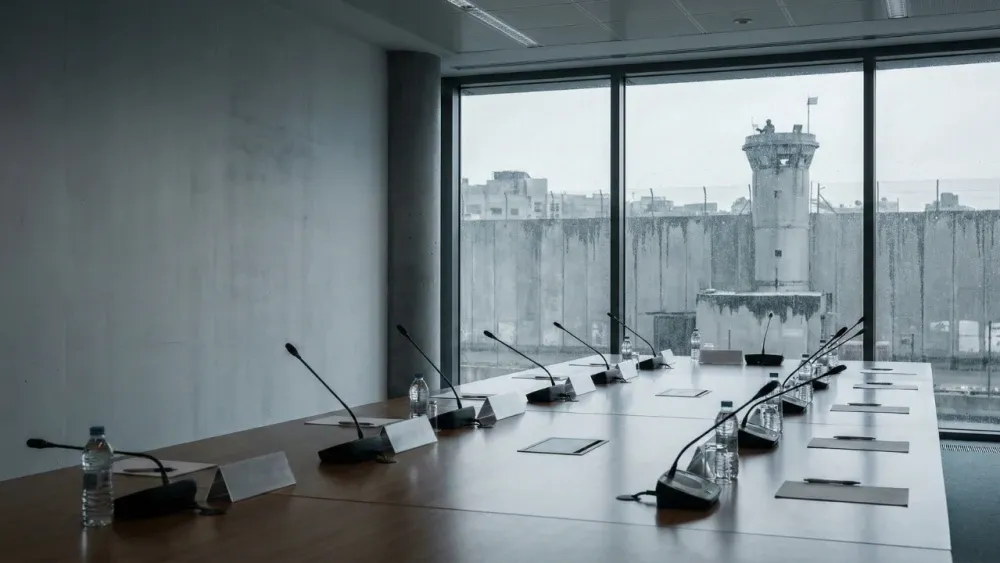 By: Amine Ayoub Phase two of the Gaza ceasefire is being presented as a shift toward governance, with the National Committee for the Administration of Gaza taking charge. Misreading ceasefire outcomes: The plan assumes administrative order can replace military resolution, ignoring the need for actual disarmament. Hamas remains a threat: Despite damage, Hamas retains significant military capabilities, with 20,000 fighters and 60,000 rifles. Western policy missteps: The approach of prioritizing process over outcome often leads to unresolved conflicts in the Middle East. The bottom line: Without enforcing genuine disarmament and addressing structural issues, the Board of Peace's efforts risk being a temporary solution rather than a path to enduring stability. To read the full article, click here. | | Iron Beam and the End of Cost-Imposition Warfare 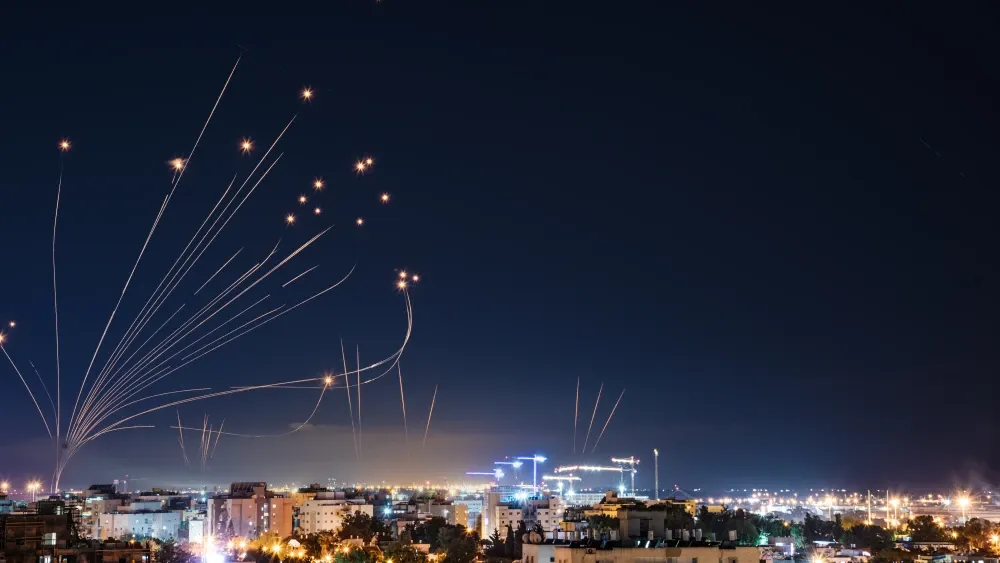 By: Aaron J. Shuster For years, Israel's enemies have relied on cost-imposition warfare, using cheap weapons to economically strain Israel's defenses. The rise of Iron Beam: Israel's new laser defense system, Iron Beam, shifts this balance by intercepting threats at near-zero marginal cost. Strategic implications: Iron Beam neutralizes low-cost threats like rockets and drones, preserving missile interceptors for high-end dangers. Global impact: The U.S. recognizes the cost-imposition issue and supports directed-energy defense development. The bottom line: Iron Beam targets the economic foundation of asymmetric warfare, potentially ending conflicts that prioritize quantity over effectiveness. To read the full article, click here. | | Why Israel Must Not Trust the New Islamist Order in Syria 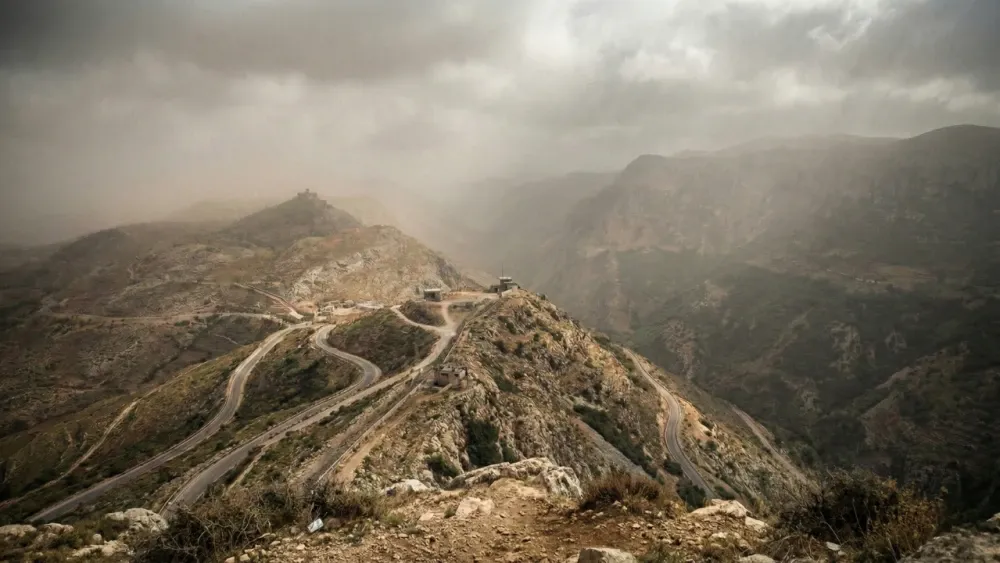 By: Amine Ayoub The fall of Assad's regime in Syria has led to a strategic nightmare for Israel, with a "jihadi time bomb" forming on its northern border. U.N.'s risky intervention: The U.N.'s management of Al-Hol and Roj camps lacks the capacity to handle radicalized populations, turning them into intelligence black holes. Turkey's growing influence: Backed by Turkey, Syria's new Islamist-led government threatens regional stability by supporting a Sunni Islamist axis. Israel's proactive stance: In response, Israel has abandoned its "campaign between the wars" strategy, establishing new military posts to secure its borders. The bottom line: Israel's survival hinges on uncompromising strength against radical Islam, as international efforts fall short in addressing the core threats. To read the full article, click here. | | Trump's Invitation to Putin for Board of Peace Signals a New World Order 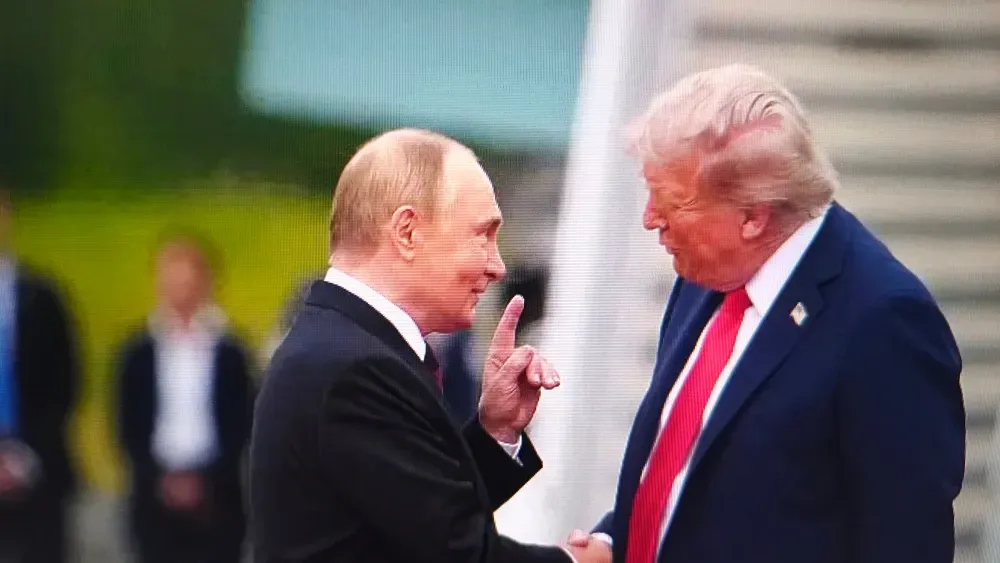 By: Alex Selsky Understanding the strategic shift: Trump's invitation to Putin for the Board of Peace for Gaza indicates a broader attempt to reshape global power dynamics. Russia's strategic inclusion: By inviting Russia and its sphere of influence, Trump is attempting to draw Moscow away from China and integrate it into a Western framework. Opportunities and risks for Israel: The potential U.S.-Russia realignment offers Israel opportunities in security and economic spheres, but also presents risks related to natural gas competition and trade routes. The bottom line: Trump's initiative creates a window for Israel to leverage its regional and global bargaining power, emphasizing the need for strategic agility in a changing world order. To read the full article, click here. | | Peter Kurti on Antisemitism and the Stress Test of Democracy 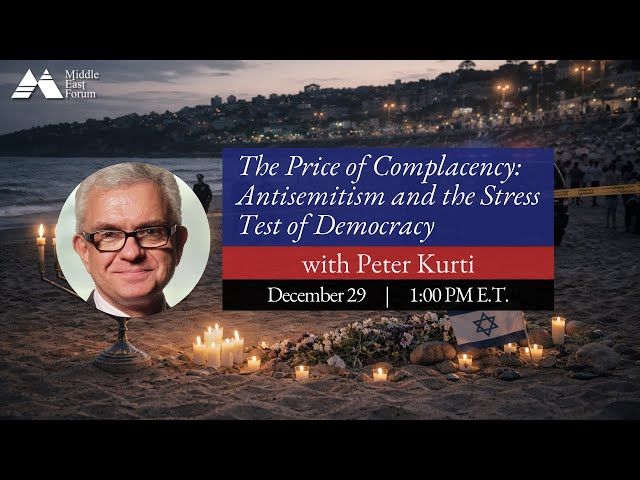 By: Marilyn Stern Peter Kurti, the director of the Culture, Prosperity and Civil Society Program at the Centre for Independent Studies and an adjunct associate professor in the School of Law and Business at the University of Notre Dame, Australia, spoke to a recent Middle East Forum Podcast. The December 2025 jihadi attack on Bondi Beach underscores the normalization of antisemitism and questions the resilience of liberal democracy. Moral clarity in leadership: Western leaders must unequivocally condemn calls to "globalize the intifada" and assertively denounce antisemitism. Political backing for security: Security services need unwavering political support to act on intelligence and restore institutional integrity. Defending democratic principles: True diversity thrives under free speech and the rule of law, not by limiting freedoms to protect diversity. The bottom line: The West must heed Australia's "Bondi moment" by choosing courage over complacency, defending its values, and ensuring free speech strengthens diversity. To read the full summary and watch the podcast, click here. | | | | | Thank you for your support and for subscribing to the Dispatch. If you enjoyed it, please forward it to a friend, and please let us know what you thought of this issue. Sincerely, Winfield Myers
Managing Editor, Middle East Forum
Director, Campus Watch | | | | Was this edition useful?  

Your email will be recorded and shared with the sender |        MEF, an activist think tank, deals with the Middle East, Islamism, U.S. foreign policy, and related topics, urging bold measures to protect Americans and their allies. Pursuing its goals via intellectual and operational means, the Forum recurrently has policy ideas adopted by the U.S. government.
Copyright © 2025 Middle East Forum, All rights reserved.
Our mailing address is:
Middle East Forum
1650 Market Street, Suite 3600
Philadelphia, PA 19103 | | | | | Powered by 
| | This email was sent by Middle East Forum via Axios HQ | | | |

0 коммент.:
Отправить комментарий