| |  | | | ISIS May Prosper From Syria's Dangerous Turn By Winfield Myers ● Jan 23, 2026 Smart Brevity® count: 8 mins...2169 words In three articles, Jonathan Spyer warns of the consequences of allowing Syria's new "reformed" Islamist government to defeat and displace the U.S.'s steadfast Kurdish allies, the Syrian Democratic Forces. Massacres of captured Kurdish soldiers are underway, and with the collapse of the formerly Kurdish-led Autonomous Administration of North and East Syria, ISIS jihadists imprisoned under Kurdish watch may be freed to terrorize again. Michael Rubin argues that the fall of the city of Kobane to the advancing Syrian army will result in a massacre of the Kurds and an empowering of a reborn Islamic State. Turning to Iran, Saeid Golkar in two articles explains why the Islamic regime has not fallen and speculates on what might replace it if it does. Also included are articles by Kamal Chomani, Aymenn Jawad Al-Tamimi, and Umud Shokri. | | ISIS May Prosper From Syria's Dangerous Turn 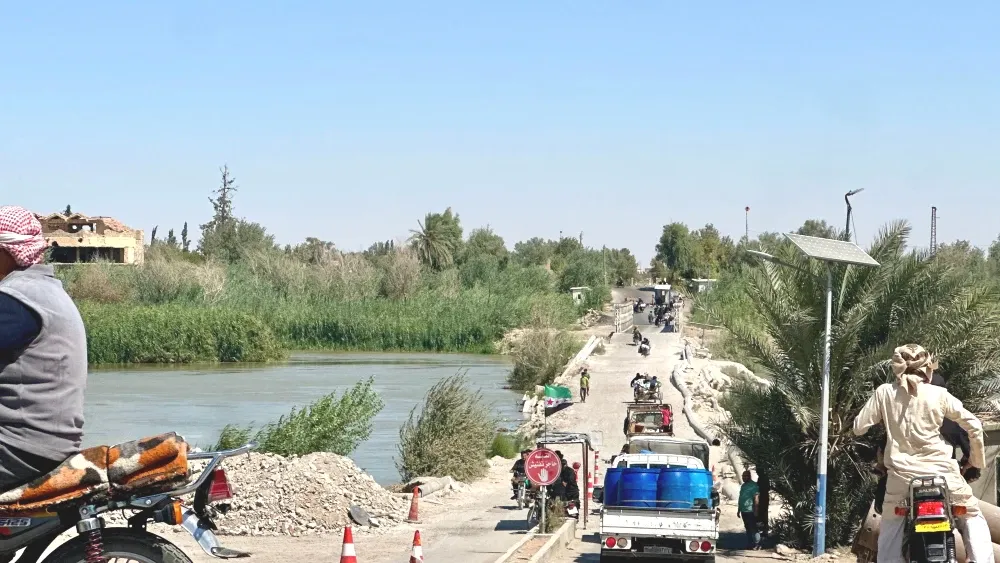 By: Jonathan Spyer The Kurdish-led Syrian Democratic Forces (SDF) face existential threats as the Syrian government's military forces launch aggressive campaigns into SDF-controlled territories. The stakes: The SDF, once a bulwark against ISIS, now faces the risk of annihilation by the new Islamist government in Damascus. Current developments: Syrian government forces have swiftly moved through key regions like Deir al-Zur and Raqqa, breaking cease-fires and escalating tensions. What's next: The international community, led by the U.S. and its allies, must decide whether to intervene or allow the Syrian regime to consolidate power. The situation remains dire, and the world must act to prevent a humanitarian disaster and potential ISIS resurgence in Syria. Read the full article at the Wall Street Journal. | | Syria's Islamic State Campus Could Fall 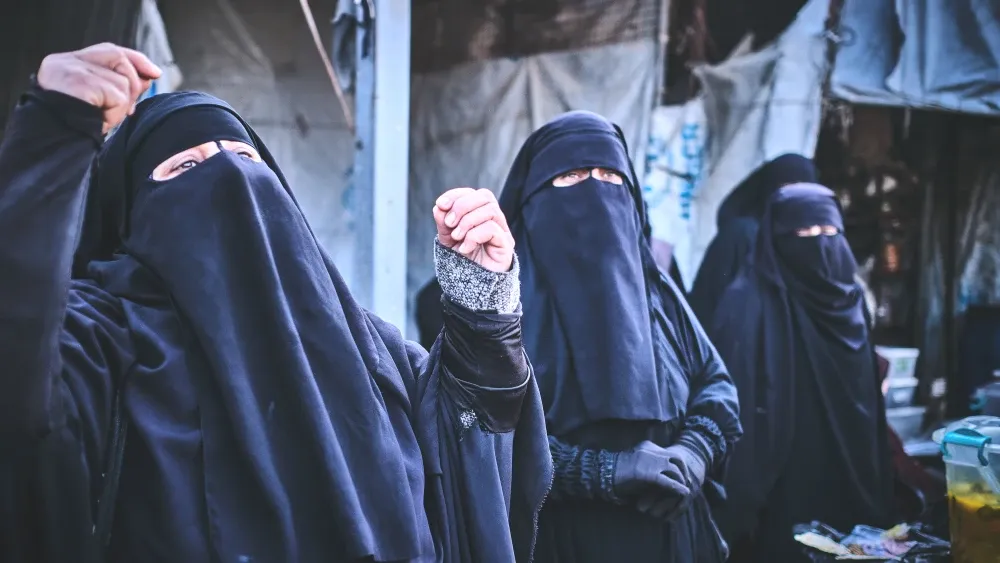 By: Jonathan Spyer As Syrian government forces advance into the formerly Kurdish-controlled northeast, the future of ISIS camps housing fighters and families becomes urgent. Immediate challenges: The Kurdish-led Syrian Democratic Forces (SDF), under-resourced and politically isolated, barely maintained order in camps like al-Hol, where ISIS still exerts influence. Structural concerns: The ideological alignment between Syria's new Islamist rulers and ISIS poses long-term risks. International implications: The West must decide whether to intervene or allow the new Syrian regime to consolidate power. To read the full article, click here. | | ICYMI: 'Syria on the Brink?' with Kamal Chomani and Sirwan Kajjo 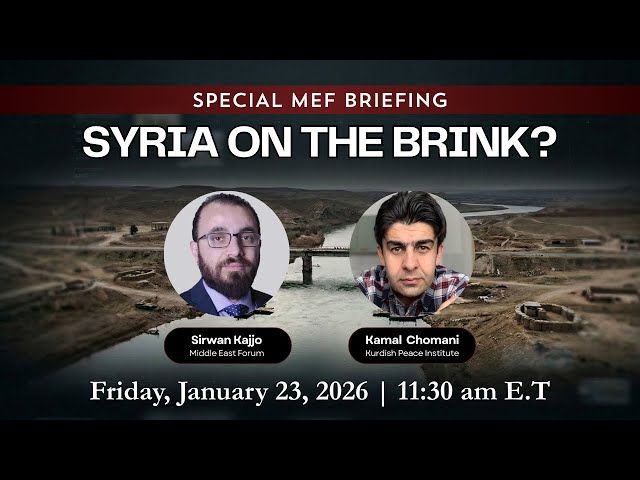 Kurdish forces defended Kobani against ISIS in 2014, prompting the U.S. to partner with them and expand the alliance into the multi-ethnic Syrian Democratic Forces (SDF), which defeated ISIS across northeast Syria by 2019. After Ahmed al-Sharaa, a former al-Qaeda affiliate, took power following Assad's fall, his government launched offensives to dismantle the SDF and Kurdish-led administration, causing withdrawals, Arab defections, and sieges in places like Kobani. Turkey heavily influences the new Syrian regime, backs anti-Kurdish proxies, installs military infrastructure, and shapes anti-Kurdish policies, while the U.S. has withdrawn support from the SDF, prioritizing a recentralized Syrian state despite risks of jihadist resurgence. Sirwan Kajjo, a Middle East Forum Milstein Writing Fellow, is a journalist and researcher specializing in Kurdish politics, Islamic militancy, and Syrian affairs. Kamal Chomani is a non-resident fellow at the Kurdish Peace Institute and editor-in-chief of The Amargi (www.theamargi.com). To watch the full podcast, click here. | | The West Stays Silent as Its Kurdish Allies Face Attacks by Syria's 'Reformed' Islamist Government 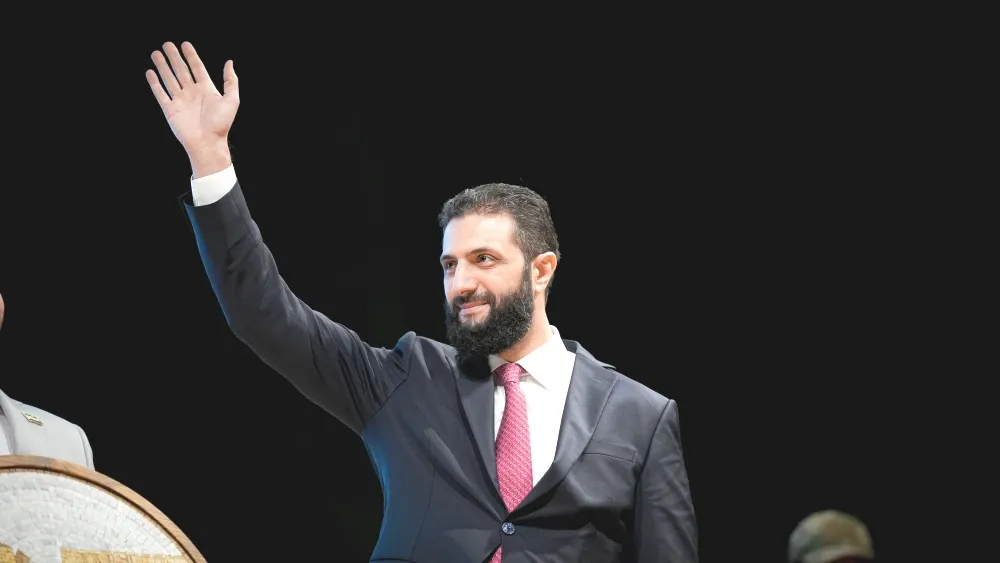 By: Jonathan Spyer The conflict between the Kurdish-led Syrian Democratic Forces (SDF) and the Islamist government of President Ahmed al-Sharaa has escalated rapidly, with alarming consequences. Why it matters: The SDF, a key ally in the fight against ISIS, now faces potential annihilation, risking regional stability and the resurgence of jihadist forces. -
Syrian government forces have committed atrocities, including beheadings, and are approaching ISIS detention facilities, raising fears of mass escape. Current developments: Damascus's forces have quickly taken control of Arab-majority provinces and are now entering Kurdish-majority areas, leading to widespread mobilization and fear of massacres. What's next: The international community, particularly the West, must act swiftly to prevent a disaster for Syria's Kurds and to maintain regional security. To read the full article, click here. | | The Fall of Kobane Will Mark the Rebirth of a New Islamic State 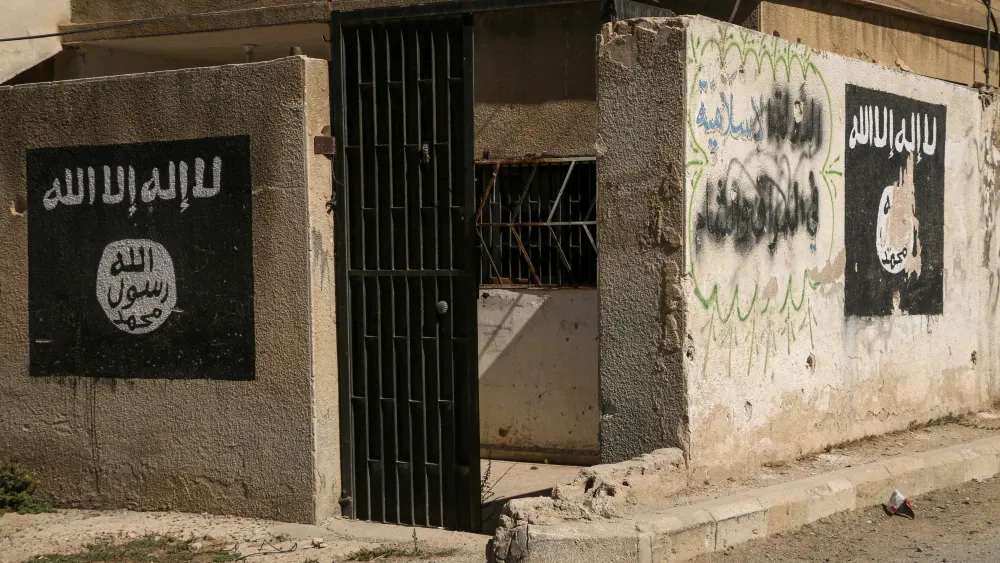 By: Michael Rubin The potential fall of Kobane to the new Syrian army and its jihadist allies threatens to reverse the hard-fought gains against the Islamic State. Why it matters: Kobane is a symbolic stronghold of Kurdish resistance, and its capture would represent a significant victory for Islamist forces, marking a potential resurgence of ISIS. -
The Syrian Democratic Forces (SDF), who played a crucial role in defeating ISIS, face annihilation, risking regional stability. The historical context: Kobane's resistance against ISIS was a turning point in the battle against the caliphate, highlighting the Kurdish fighters' resilience and determination. What's next: The international community, especially the U.S., must reassess its strategy to prevent further escalation and preserve the gains made against terrorism. To read the full article, click here. | | The Kurds of Syria Learn American Betrayal 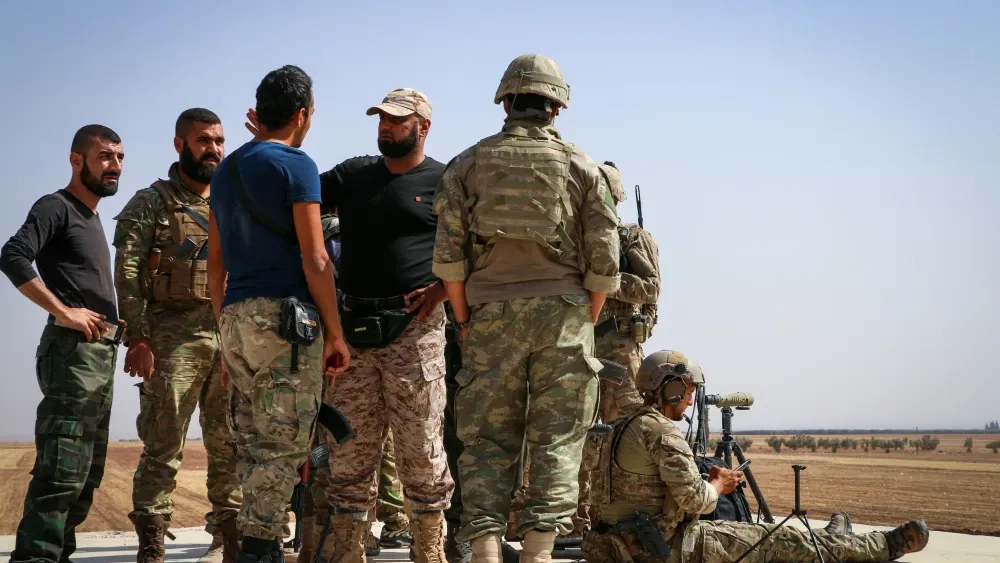 By: Kamal Chomani Israeli Prime Minister Benjamin Netanyahu's statement on ending U.S. military aid within a decade underscores a broader reality: American reliability as a security partner is waning. Why it matters: The U.S.'s erratic policies have left allies like the Kurds vulnerable, with Tom Barrack, the U.S. envoy to Syria, pushing for a flawed peace plan. The Kurdish plight: The Kurds, key in defeating ISIS, now face betrayal as the U.S. shifts its focus. What's next: Without recognizing Kurdish rights, the U.S. risks losing credibility, pushing Middle Eastern allies toward powers like China. To read the full article, click here. | | The Renewed Fighting Between the SDF and Syrian Government: Interview 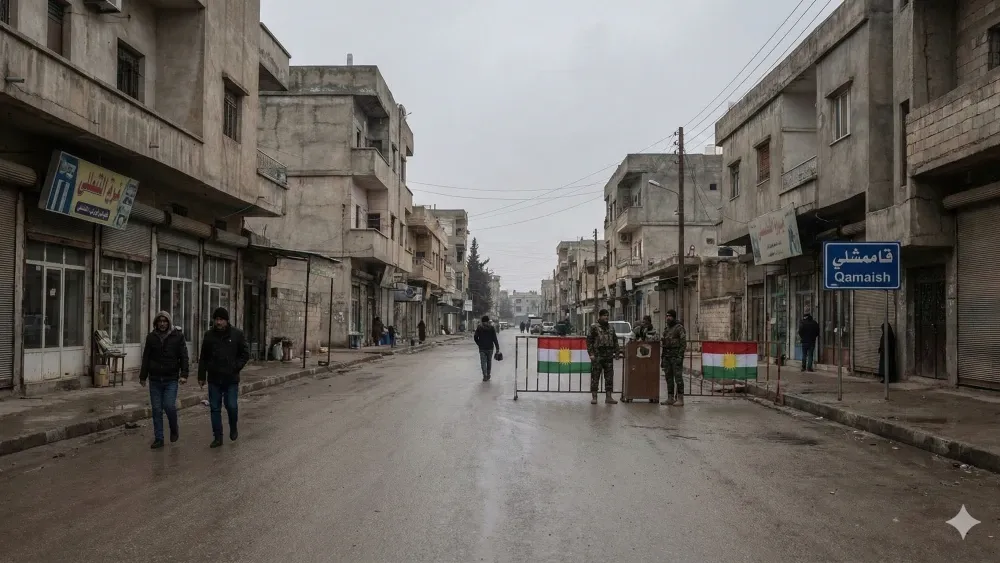 By: Aymenn Jawad Al-Tamimi Despite a recent ceasefire agreement, fighting has resumed between Syrian President Ahmad al-Sharaa and the Kurdish-led Syrian Democratic Forces (SDF) as government forces push into Hasakah and towards Kobani. The following summarizes an interview by Aymenn Jawad Al-Tamimi with Kajin Aloush, a Kurd and executive director of a media company. She is currently in the predominantly Syrian Kurdish city of Qamishli on the border with Turkey. Why it matters: This renewed conflict threatens the SDF's Autonomous Administration project, which aims to preserve Kurdish self-governance amid central government advances. Ground perspective: Kajin Aloush, a Kurd in Qamishli, reports widespread mobilization and preparation for defense, despite hopes for a political resolution. What's next: The international community must support a political solution to prevent further escalation and ensure minority rights in Syria. -
The Kurds should attain their rights in the new Syria and there should be no sectarian or ethnic discrimination as is currently the case. -
Without such efforts, the risk of ethnic conflict and further destabilization remains high. To read the full interview, click here. | | Syrian Presidential Decree on Kurdish Rights 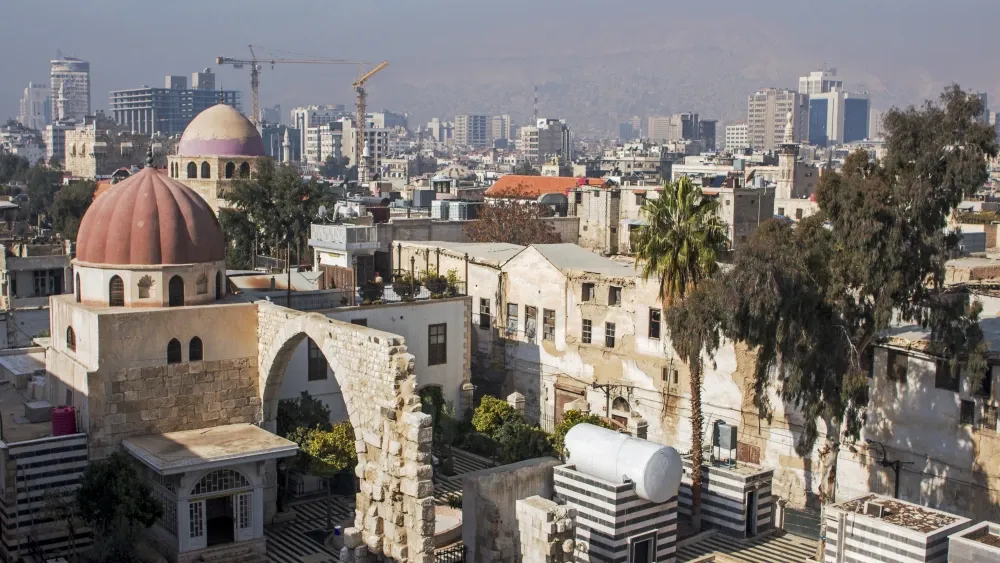 By: Aymenn Jawad Al-Tamimi The Syrian government's recent takeover of Kurdish neighborhoods and the impending withdrawal of the SDF from key areas highlights tensions in implementing the 2025 agreement for SDF integration into the Syrian state. Aymenn Jawad Al-Tamimi translated President Ahmad al-Sharaa's decree on Kurdish rights. The following text summarizes his translation. Why it matters: President Ahmad al-Sharaa's decree offers gestures towards Kurdish cultural rights but may serve as pressure on the SDF to accept a centralized governance model. Current state of negotiations: Talks remain stalled as the central government's vision clashes with the SDF's autonomy goals. What's next: The decree's publication reflects a strategic move by Damascus to consolidate power and influence SDF decisions. To read the full translation, click here. | | Syria's Energy Sector Faces Structural, Not Symbolic, Barriers 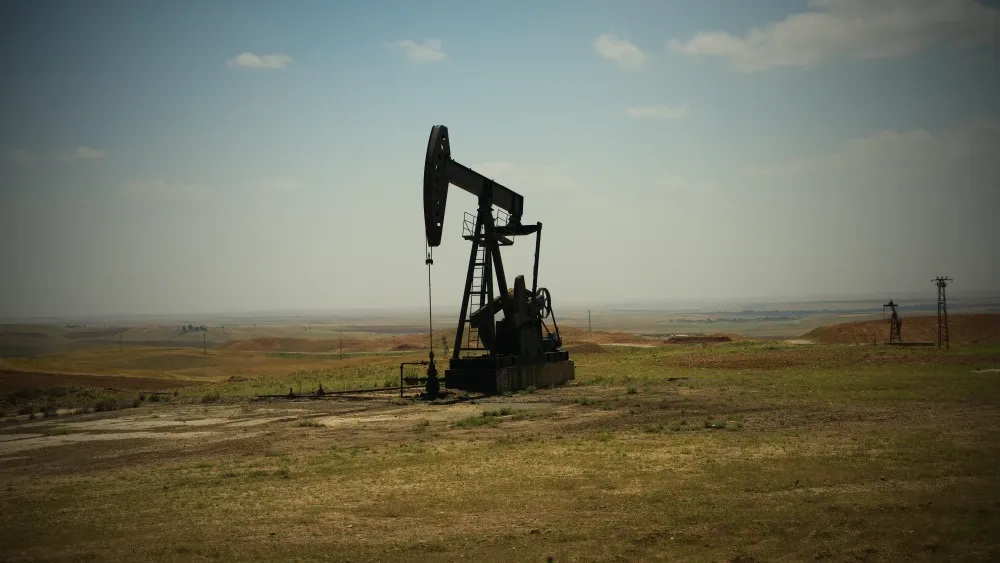 By: Umud Shokri Syria's oil and gas sector, once a cornerstone of the economy, faces a challenging path to recovery amid war damage and political uncertainty. Why it matters: With infrastructure devastated and skilled labor scarce, Syria's energy revival requires over $30 billion, including $10 billion for oil and gas alone. Complex challenges: Years of illicit extraction have degraded reservoirs and complicated recovery, while ownership changes and decrees offer little practical progress. What's next: Interest from foreign companies is emerging cautiously, yet major firms remain hesitant due to risks and regulatory uncertainty. To read the full article, click here. | | Why Iran's Regime Didn't Collapse 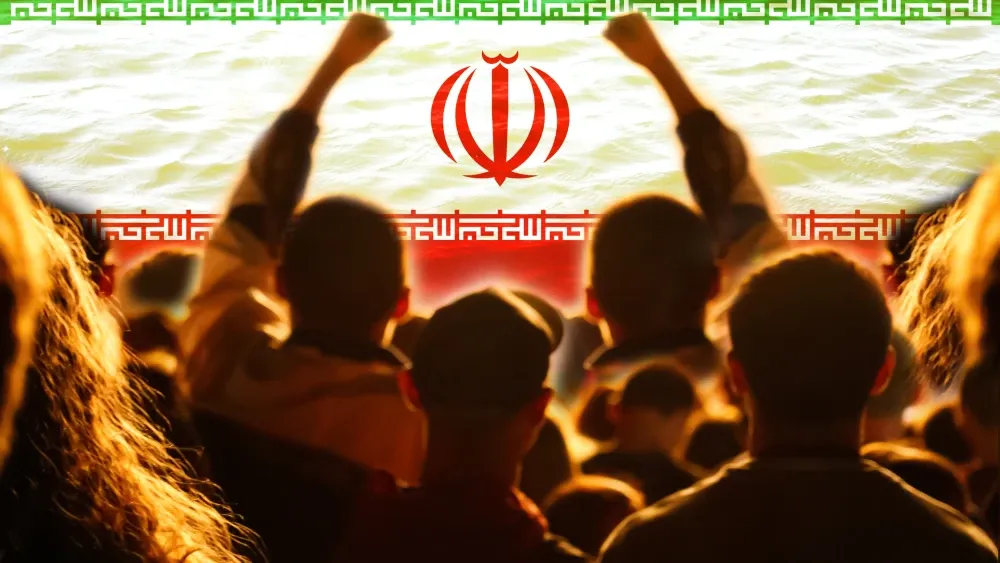 By: Saeid Golkar Despite ongoing protests, Iran's Islamic Republic, led by Ayatollah Ali Khamenei, remains resilient due to its intricate power structure. Why it matters: The regime's survival hinges on a well-organized theocratic security system that prioritizes coercion over consent, making political change difficult. Layers of control: The Beit-e Rahbari, or Office of the Supreme Leader, acts as the regime's true executive authority, operating above formal institutions. What's next: Understanding Iran's power architecture is crucial for assessing its political future and the prospects for change. -
The Islamic Republic is not resilient because it enjoys legitimacy or popular consent. -
The regime's engineered resilience deflects pressure, centralizes power, and shields its core from societal and institutional influences. To read the full article, click here. | | Four Scenarios If the Regime Falls 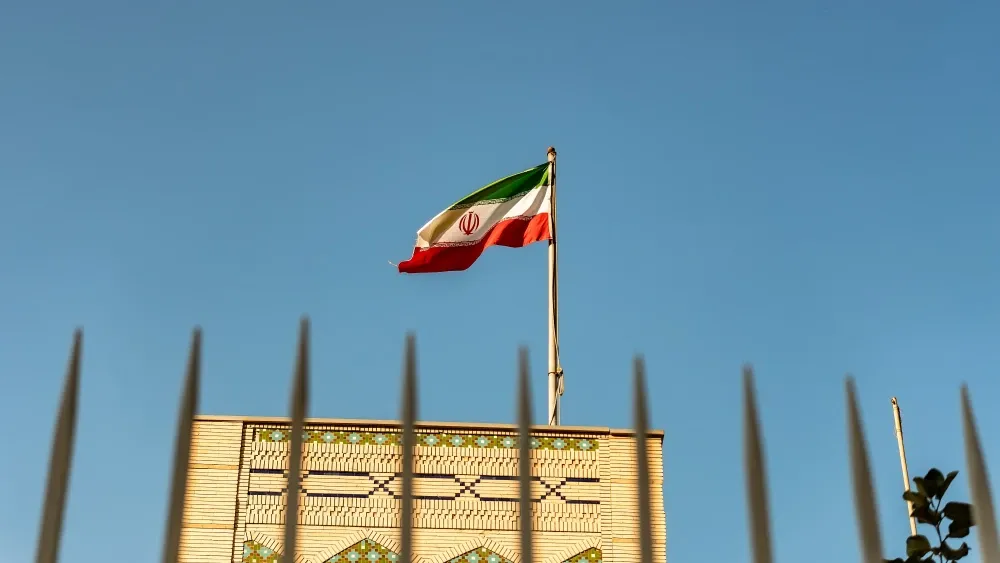 By: Saeid Golkar As protests and economic pressures intensify in Iran, the question of the regime's potential collapse looms large, with several possible outcomes. Why it matters: Understanding the potential scenarios helps gauge the impact of regime change on regional stability and global politics. -
The Islamic Republic's fall could lead to a managed transition, clerical collapse, further fragmentation, or even the return of the Pahlavi dynasty. Scenario analysis: A managed transition could maintain state functions, while clerical collapse might see the security apparatus preserving power. What's next: Decisions made post-collapse will shape Iran's political future more than protest slogans. To read the full article, click here. | | | | | We hope you enjoyed this issue of the Dispatch. If you found it helpful in understanding the Middle East, please share it with a friend, encourage them to subscribe to the Middle East Forum's mailing list, and feel free to share your thoughts with us. Thank you, Winfield Myers
Managing Editor, Middle East Forum
Director, Campus Watch | | | | Was this edition useful?  

Your email will be recorded and shared with the sender |        MEF, an activist think tank, deals with the Middle East, Islamism, U.S. foreign policy, and related topics, urging bold measures to protect Americans and their allies. Pursuing its goals via intellectual and operational means, the Forum recurrently has policy ideas adopted by the U.S. government.
Copyright © 2025 Middle East Forum, All rights reserved.
Our mailing address is:
Middle East Forum
1650 Market Street, Suite 3600
Philadelphia, PA 19103 | | | | | Powered by 
| | This email was sent by Middle East Forum via Axios HQ | | | |

0 коммент.:
Отправить комментарий