| |  | | | Is Washington Undermining Its Own Syria Strategy? By Winfield Myers ● Jan 26, 2026 Smart Brevity® count: 6.5 mins...1714 words With U.S. protection withdrawn, the Kurds in north and east Syria are under siege from the Islamist government in Damascus. We begin this issue with three articles by Frzand Sherko, Jonathan Spyer, and Michael Rubin that address this dire situation. As Spyer writes, "So the Syrian Kurds, who fought and defeated the Islamic State a decade ago, are now mobilized in their heartlands and prepared for a new jihadi assault. The assault this time is carrying the banners of the internationally recognized authorities in Damascus." Aymenn Jawad Al-Tamimi translates an ISIS editorial on the fall of the Syrian prison camp of al-Hol, home to ISIS family members and others, to these same government forces. Three pieces deal with Iran, including a letter from a Tehran journalist—whose identity must be kept secret for her own protection—detailing what she saw during the mass killings by government forces on January 8 and 9, 2026. Dalga Khatinoglu and Elliot Nazar analyze additional developments in Iran. Articles by Sam Westrop and Dexter Van Zile examine Mormon charities' support for Islamist organizations, the Islamist-dominated Islamic school industry in Texas, and the Trump administration's designation of Muslim Brotherhood chapters in Lebanon, Jordan, and Egypt. | | Is Washington Undermining Its Own Syria Strategy by Betraying the Kurds? 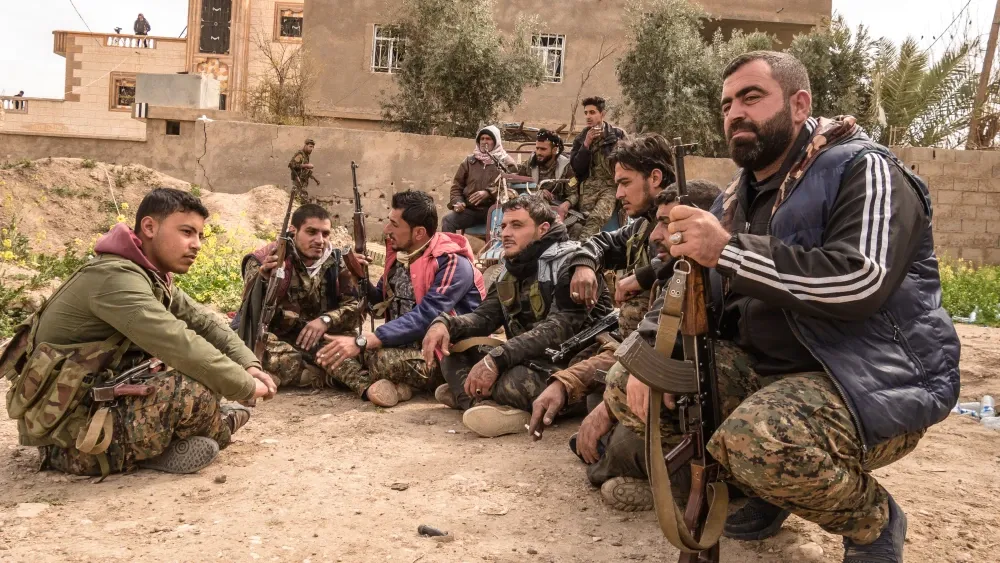 By: Frzand Sherko The House Armed Services Committee's directive for a sustainable defense partnership framework with Syrian actors is under pressure as U.S. diplomacy leans toward centralization. Why it matters: The Pentagon's February deadline to submit a Syrian partnership framework constrains Kurdish leaders' ability to negotiate for organizational integration. Barrack's centralization push: U.S. Syria Envoy Tom Barrack advocates for integrating fighters individually into a centralized Syrian military. Historical lessons ignored: Centralization has previously led to instability in the Middle East. To read the full article, click here. | | As Syrian Forces Push Northeast, Kurds Mobilize Against New Jihadi Assault 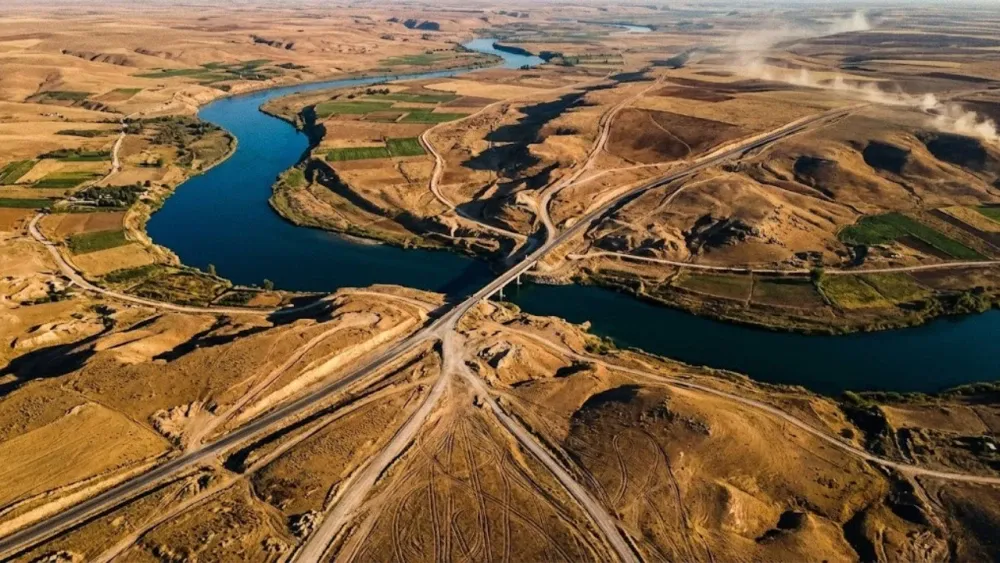 By: Jonathan Spyer Kurdish leaders brace for a fight as Damascus's forces approach, threatening the stability of the autonomous region in Syria. Why it matters: A collapse of Kurdish-led governance could lead to regional instability and set a precedent affecting Kurdish regions in Iraq. Two incompatible authorities: The Kurdish autonomous administration and the Damascus government have co-existed uneasily. International dynamics: Kurdish leaders seek international support amid the threat from Damascus. To read the full article, click here. | | Establish a Humanitarian Corridor to Kobane 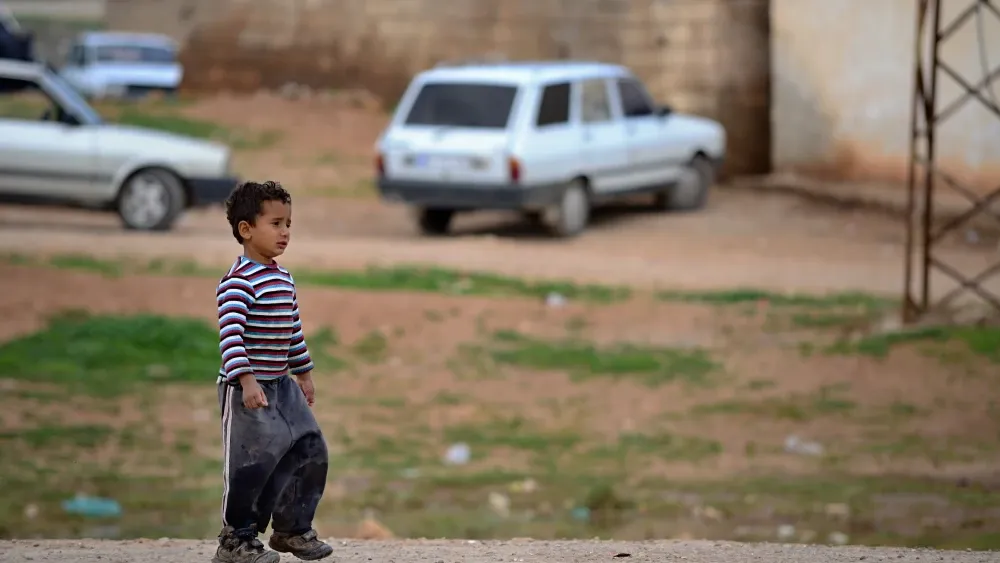 By: Michael Rubin The Syrian Kurds face a renewed siege in Kobane by Islamist forces under the Syrian Army, guided by Turkish intelligence. Why it matters: This siege threatens the stability and survival of the Kurdish region, echoing past conflicts and humanitarian crises. Historical context: In 2014, the Kurdish victory in Kobane marked a successful partnership between the U.S. and Kurdish forces. Humanitarian crisis: Kobane's civilians face dire conditions with a lack of aid, clean water, and medical resources. To read the full article, click here. | | Islamic State Editorial on Syrian Government Takeover of al-Hol Camp 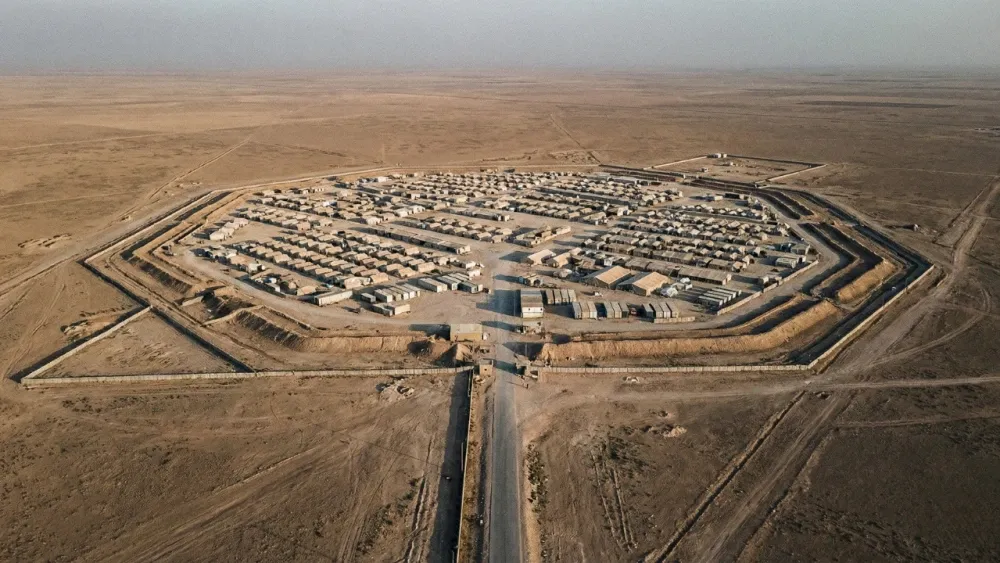 By: Aymenn Jawad Al-Tamimi About the translation: This editorial from the Islamic State's al-Naba' newsletter was translated by Aymenn Jawad Al-Tamimi, offering a glimpse into ISIS's perspective on recent developments in Syria. Why it matters: The collapse of the Kurdish-led Syrian Democratic Forces raises concerns over the control of SDF-run prisons and camps, now under Syrian government administration. -
These camps, like al-Hol, house Islamic State members and displaced civilians, creating potential security challenges. Editorial's stance: The Islamic State interprets the SDF's loss as U.S. preference for a more subservient Syrian government. Broader implications: The situation reflects a broader crisis within the Muslim Ummah, with ISIS framing itself as a vanguard against perceived tyranny. To read the full translation and commentary, click here. | | Letter from Tehran: A Local Journalist Tells the Story of a Massacre 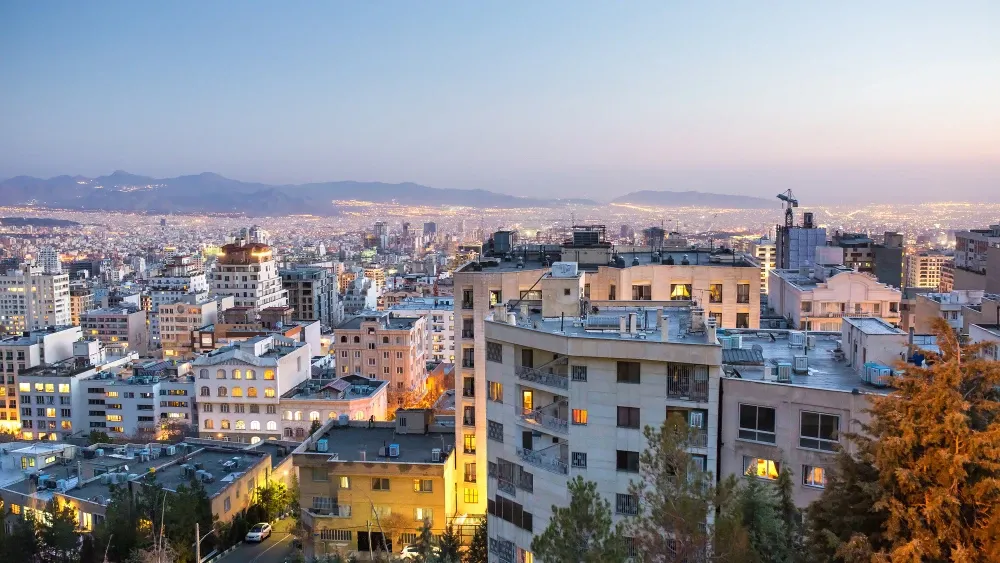 By: A reporter in Tehran A reporter working in one of Tehran's media outlets describes what she saw during the mass killings by government forces on January 8 and 9, 2026. The Middle East Forum has withheld her name as she has already been interrogated several times by intelligence agents. Why it matters: The brutal repression highlights the Iranian government's determination to maintain control through violence and propaganda. Government tactics: Repression forces used heavy weaponry and marked homes to instill fear among protesters. Propaganda machine: The government manipulates media to justify its actions. To read the full letter, click here. | | Why Iran's Economy Is Irreparable Under the Islamic Republic 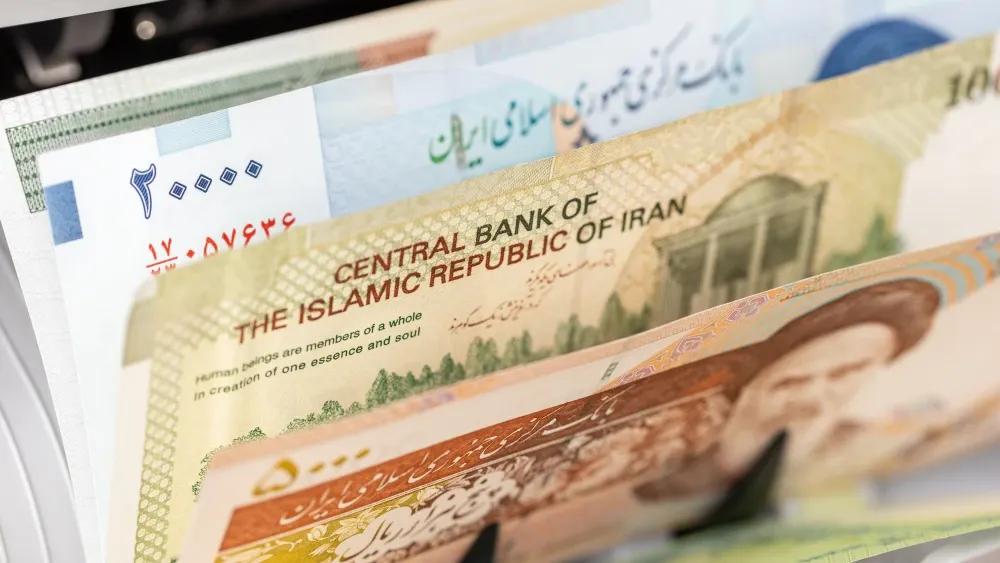 By: Dalga Khatinoglu Iran faces severe financial strain, fueling protests met with deadly government repression. Why it matters: The economic collapse underlines the systemic issues within the Islamic Republic, pushing citizens to demand change. Economic realities: The U.S. dollar has doubled in value against the rial since January 2025. Call for change: Iranians see no resolution within the current regime's framework. To read the full article, click here. | | Target Iran's Assembly of Experts 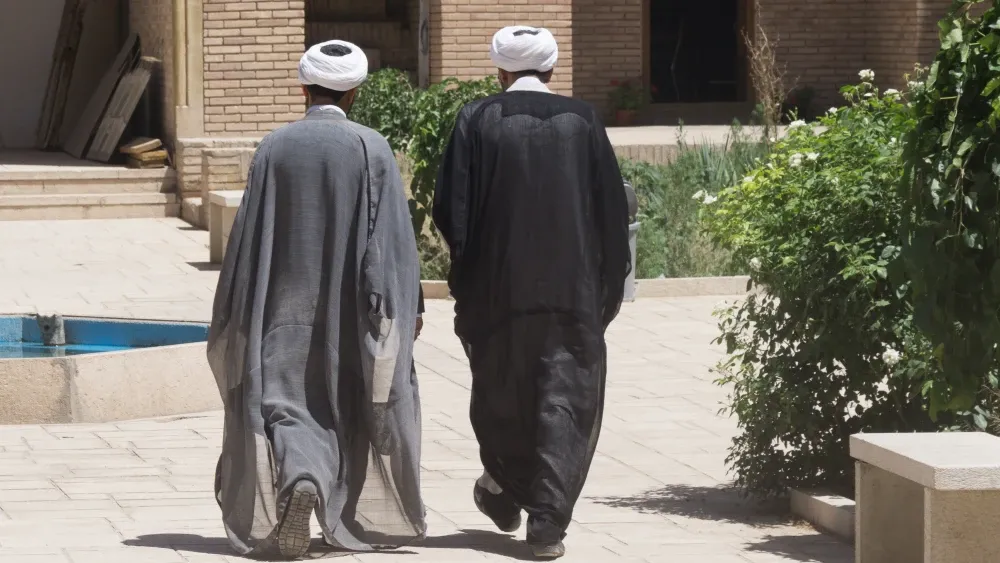 By: Elliot Nazar As the U.S. considers military action against Iran, the Assembly of Experts remains poised to ensure continuity of the Islamic governing system. Why it matters: Removing Supreme Leader Ali Khamenei alone won't dismantle the regime's clerical foundation. Power dynamics: The Assembly acts as a rubber stamp, reinforcing the regime's repressive behavior. Strategic options: Economic and military measures could disrupt the Assembly's influence. To read the full article, click here. | | Mormon Charities Among Top Contributors to Terror-Aligned Islamist Charities 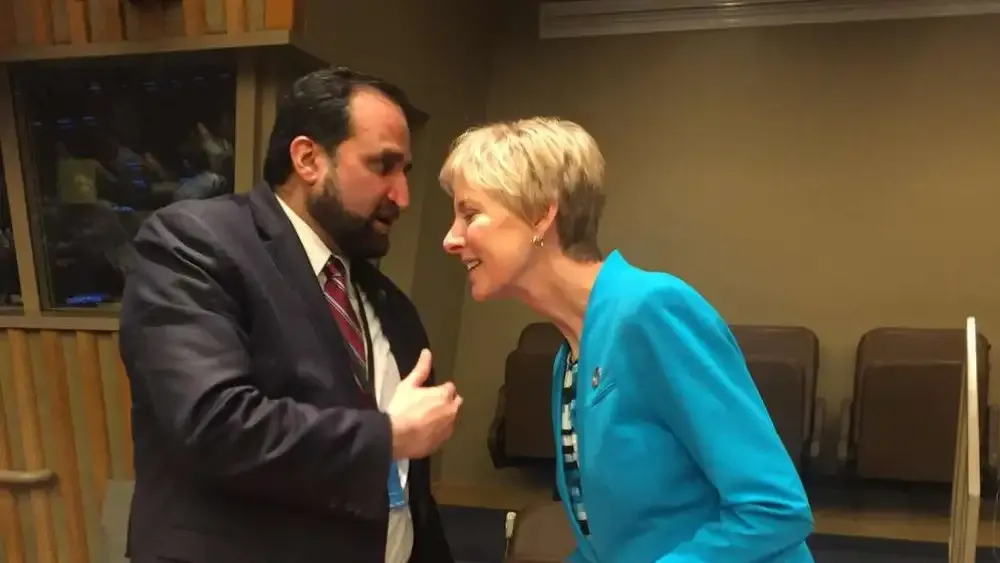 By: Sam Westrop A study reveals that Mormon charities, including the Church of Latter-day Saints, are significant benefactors to Islamist extremist groups. Why it matters: The findings highlight a concerning link between American non-profits and foreign extremist movements. Key players: Globus Relief, a Mormon charity, has provided substantial support to Islamic Relief and other radical Islamist charities. Implications: The involvement of Mormon charities in funding extremism poses challenges for U.S. foreign policy and domestic security. To read the full article, click here. | | The Islamist Schools Industry in Texas 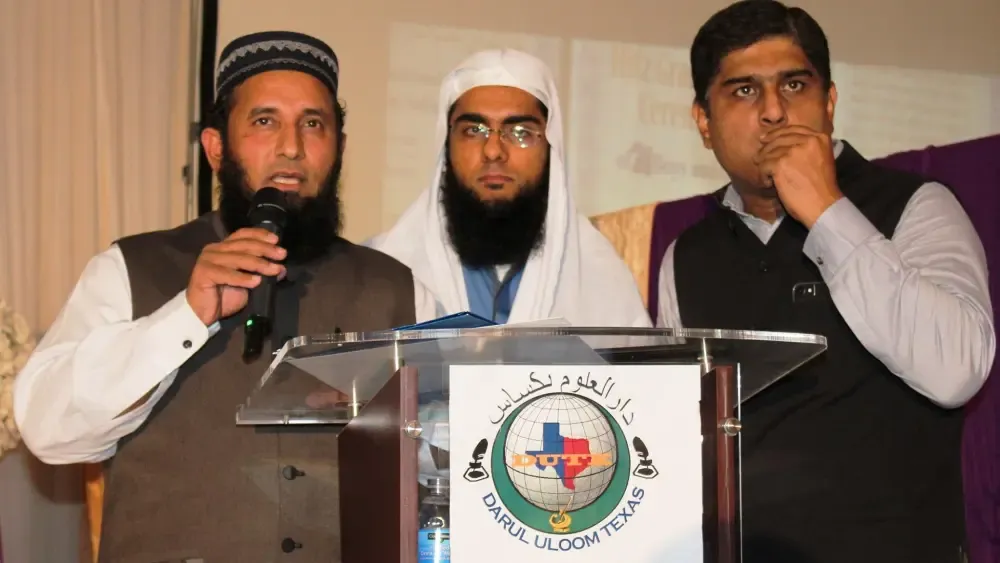 By: Sam Westrop Following the designation of the Muslim Brotherhood and the Council on American-Islamic Relations (CAIR) as foreign terrorist organizations, Texas officials question the eligibility of certain private Islamic schools for state subsidies. Why it matters: Islamist influence in education raises concerns about public funds supporting extremist ideologies. Key concerns: Islamic schools in Texas, including Iman Academy and Houston Quran Academy, are scrutinized for extremist affiliations. Strategic implications: Expanding state designations could prevent public funding from supporting radicalized educational networks. To read the full article, click here. | | Counter-Islamists Applaud Trump Designation of Muslim Brotherhood Chapters in Lebanon, Jordan, Egypt 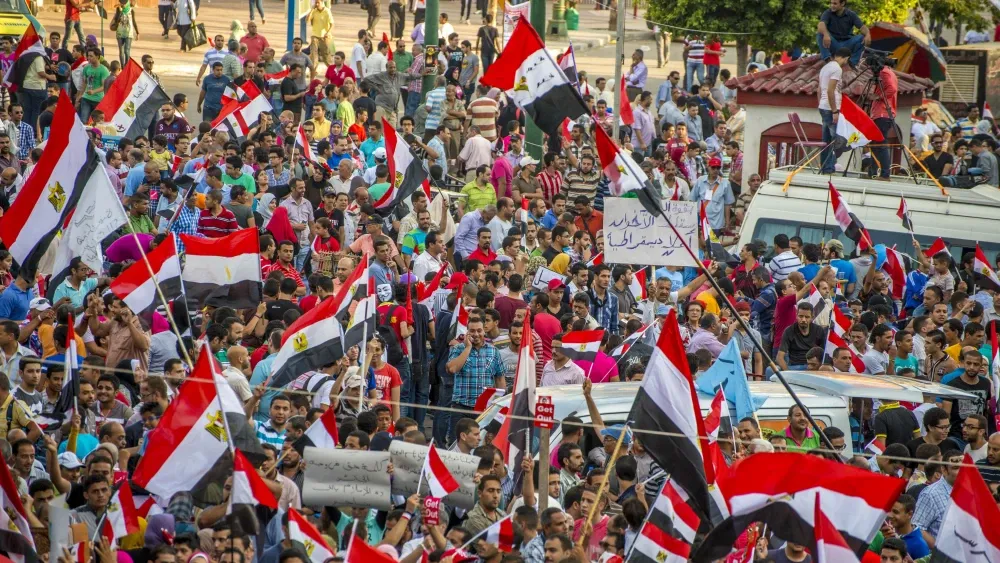 By: Dexter Van Zile Last week, the U.S. Department of State and the U.S. Department of the Treasury designated branches of the Muslim Brotherhood in Lebanon, Jordan, and Egypt as terrorist entities. Why it matters: This shift in U.S. policy marks a significant step in counter-terrorism efforts, targeting transnational Islamist movements. Policy change: This move contrasts with the previous administration's approach that engaged with Islamist groups. Reactions: While praised by counter-Islamists, the designations have sparked outrage among Islamist groups and their allies. To read the full article, click here. | | | | | We appreciate your continued support for the Middle East Forum. If you found this edition of the Dispatch useful, please share it with others and be sure to let us know your thoughts on our coverage via the comments feature. Sincerely, Winfield Myers
Managing Editor, Middle East Forum
Director, Campus Watch | | | | Was this edition useful?  

Your email will be recorded and shared with the sender |        MEF, an activist think tank, deals with the Middle East, Islamism, U.S. foreign policy, and related topics, urging bold measures to protect Americans and their allies. Pursuing its goals via intellectual and operational means, the Forum recurrently has policy ideas adopted by the U.S. government.
Copyright © 2025 Middle East Forum, All rights reserved.
Our mailing address is:
Middle East Forum
1650 Market Street, Suite 3600
Philadelphia, PA 19103 | | | | | Powered by 
| | This email was sent by Middle East Forum via Axios HQ | | | |

0 коммент.:
Отправить комментарий