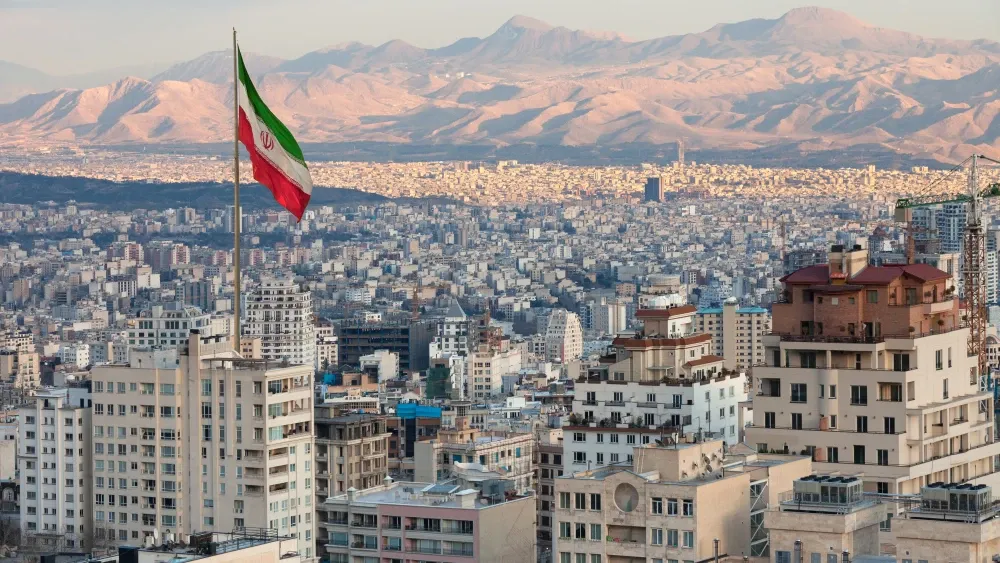
| |  | | | Iran's Uprising Persists as Death Toll Mounts; Turmoil in Syria By Winfield Myers ● Jan 12, 2026 Smart Brevity® count: 8 mins...2060 words In our continuing coverage of Iran, we begin with two articles by Mardo Soghom, who writes that anti-regime demonstrations continue in the face of a brutal and bloody crackdown that may have killed thousands. But time may not be on the demonstrators' side, he says, as Iranians call for action from the U.S. and Israel. Ali Hamedani reports that video evidence emerging from Iran shows the protests are growing in size in spite of violence and a near-total communications blackout. Umud Shokri explains that strikes by Iranian oil workers, which could further cripple the Islamic regime, are unlikely given that sector's fragmented labor force and strict regime oversight that both removes incentives and constricts workers' ability to react. Shay Khatiri argues that toppling Supreme Leader Ali Khamenei requires cornering the tyrant so that he has no choice but to step down—a goal that could be advanced by killing his son and heir apparent Mojtaba. Two articles by Sirwan Kajjo assess efforts by the Islamist government in Damascus to install an authoritarian regime based on Sunni Islam that leaves little room for minorities. Jonathan Spyer writes that the violence in the Syrian city of Aleppo reveals the deepening crisis between the regime and the Kurdish-majority Syrian Democratic Forces. We end with two interviews conducted by Aymenn Jawad Al-Tamimi that shed further light on the ongoing violence in Syria and the groups involved in the fighting. | | Iran's Uprising Persists as Death Toll Mounts Under Blackout  By: Mardo Soghom Videos and reports emerge of ongoing protests in Iran despite an internet and telephone blackout. Why it matters: The protests highlight the Iranian regime's struggle to maintain control amid growing dissent. -
With estimates of deaths ranging from 500 to 3,000, the exact toll remains obscured by government restrictions, fueling international concern. By the numbers: The Associated Press reports 544 deaths while Iran Human Rights estimates 2,000. What's next: Exiled Prince Reza Pahlavi urges strategic actions from protesters and international support. To read the full article, click here. | | Time Runs Out as Iran's Security Forces Kill Hundreds of Protesters  By: Mardo Soghom The threshold for U.S. intervention in Iran's mass civilian deaths has been crossed multiple times. Why it matters: The protests represent a critical juncture for Iran, with millions risking their lives against a regime that remains unyielding. By the numbers: Media outlets abroad confirmed hundreds of deaths in specific locations. What's next: Iranians call for decisive action from the U.S. and Israel to shift the balance. To read the full article, click here. | | ICYMI: The Irrelevance of the Muslim Brotherhood with Sam Westrop 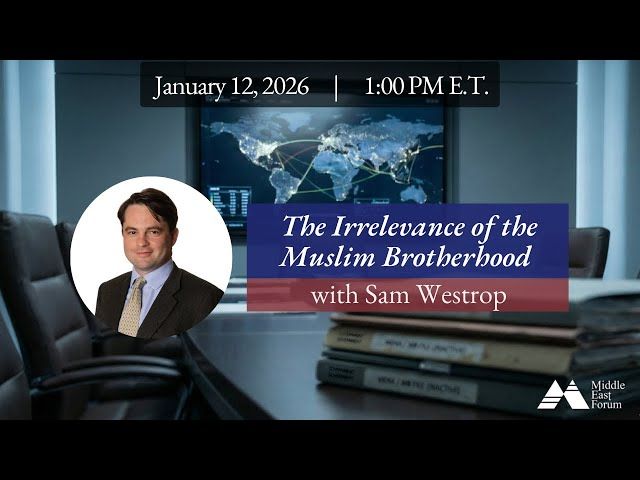 Hamas relied on far-left networks rather than American Islamist organizations to mobilize support in the United States, reflecting the fragmentation, competition, and limited organizational capacity of American Islamism and the near-collapse of any coherent Muslim Brotherhood structure. Global Islamism operates through diverse and rival movements—particularly South Asian Islamist groups such as Deobandis, Barelvis, and Jamaat-e-Islami—that now wield greater influence than the Muslim Brotherhood, including within Western countries. A U.S. designation of the Muslim Brotherhood would likely prove ineffective without enforcing existing laws against active Islamist and Hamas-linked networks already operating domestically, while misdirecting attention away from the most consequential and growing threats. Sam Westrop is director of the Middle East Forum's Islamist Watch project. Previously, he was research director at Americans for Peace and Tolerance (APT) and ran Stand for Peace, a London-based counter-extremism organization monitoring Islamist activity in the U.K. His writings have appeared in National Review, National Post, and The Hill, and he has appeared on many television and radio stations, including the BBC, Al Jazeera, and Newsmax. To watch the full podcast, click here. | | Video Shows Anti-Regime Momentum Building in Iran 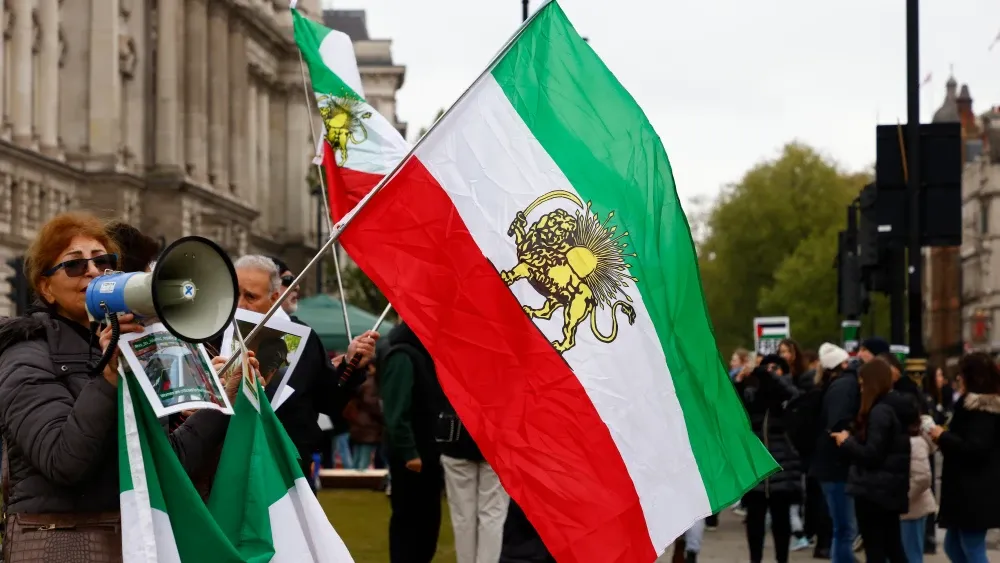 By: Ali Hamedani Protests continue for a third night in Tehran despite a communications blackout, fueled by calls from Reza Pahlavi. Why it matters: The demonstrations signal a significant challenge to Iran's regime, with international eyes on potential U.S. and Israeli responses. By the numbers: Between 40,000 and 50,000 Starlink terminals are active in Iran. What's next: The U.S. administration, led by Trump, hints at severe consequences for further reprisals by Iran's regime. To read the full article, click here. | | Why Iran's Oil Workers Have Not Struck  By: Umud Shokri Iran's oil sector remains insulated from unrest due to structural and security constraints. Why it matters: The anticipated escalation in protests hasn't reached oil workers, preserving the regime's primary revenue stream. By the numbers: Economic insulation protects oil workers with wages that track hard-currency benchmarks. What's next: Calls for sector-wide strikes remain symbolic without structural changes. To read the full article, click here. | | Kill Khamenei's Family Members and Top Regime Oppressors Until Khamenei Surrenders 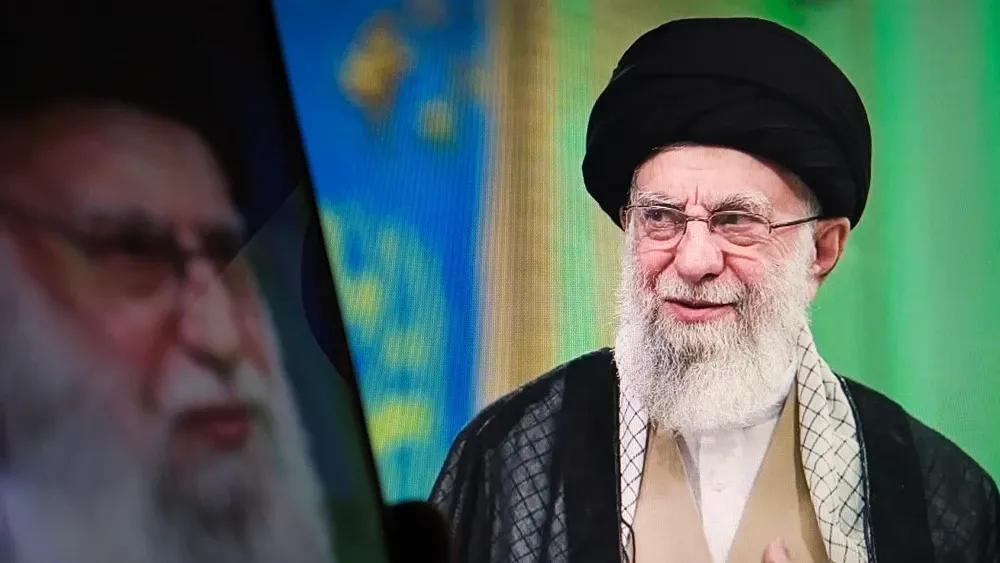 By: Shay Khatiri For the first time since 1979, Iranian protests pose an existential threat to the regime, demanding a strategic response. Why it matters: A leadership vacuum looms as Crown Prince Reza Pahlavi emerges as a key figure, and the regime's mechanisms are targeted. By the numbers: The Twelve-Day War has weakened the regime by killing top officials, suggesting a need for further eliminations. -
Targeting figures like Mojtaba Khamenei, Supreme Leader Ali Khamenei's son and the architect of the regime's crackdowns, could shift the balance, impacting the regime's repressive capacity. What's next: Sustained pressure may force Khamenei to surrender, prioritizing his and his family's safety over power. To read the full article, click here. | | The Year in Review: Renewed Syrian Authoritarianism Masquerades as Transition 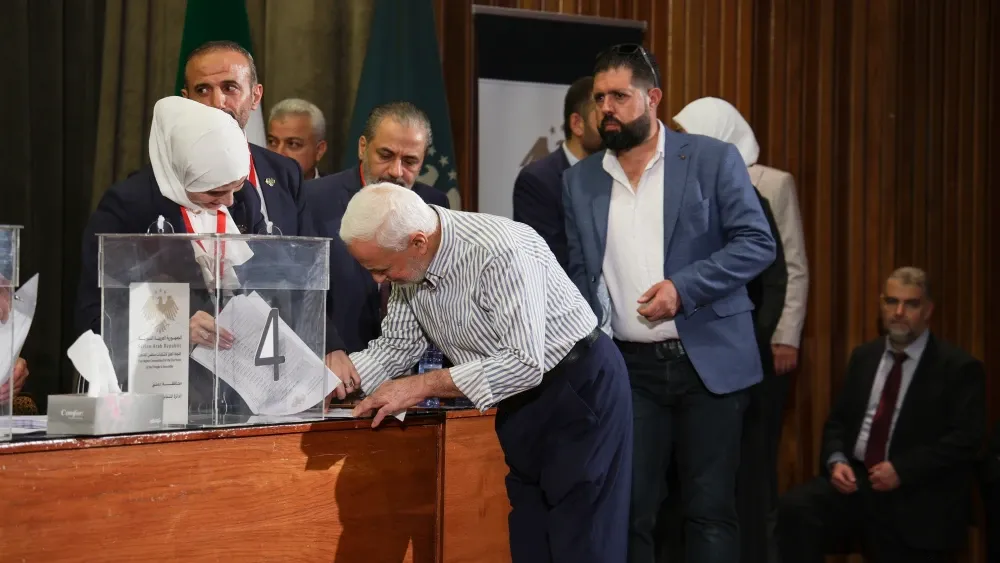 By: Sirwan Kajjo 2025 saw Syria under new leadership, but entrenched patterns of authoritarianism persist. Why it matters: Ahmed al-Sharaa, an ex-Al Qaeda figure, leads with a regime loyal to Hay'at Tahrir al-Sham, excluding diverse communities. By the numbers: Syrian Kurds demand decentralized governance; however, integration with the Syrian state remains contentious. -
Syria's economy, despite sanctions lifted by President Donald Trump, faces hurdles without political reforms, impacting long-term stability. What's next: While lifting sanctions aids economic recovery, Syria must address political and ethnic divisions. -
Without addressing fundamental political, societal, and intra-ethnic challenges, Syria will struggle to achieve durable stability. To read the full article, click here. | | The Fate of Two Kurdish Neighborhoods in Aleppo Could Determine Syria's Stability  By: Sirwan Kajjo Syrian government forces launched a new assault on Kurdish neighborhoods in Aleppo, killing at least seven and injuring over fifty. Why it matters: The violence threatens the fragile peace agreements aimed at integrating Kurdish forces into Syria's state structure. -
Despite a March 2025 agreement, clashes have persisted, with Damascus blaming the Syrian Democratic Forces for recent hostilities, though they have no presence in the city. By the numbers: Sheikh Maqsud and Ashrafiyeh host about 400,000 residents, now under threat from government forces. -
Turkey-backed groups, integrated into Syria's defense, exacerbate tensions, possibly instigated by Ankara to prevent Kurdish concessions. What's next: The U.S. remains the only actor with leverage to mediate and stabilize the situation. To read the full article, click here. | | Aleppo Clashes Reflect Deepening Deadlock Between Damascus and the SDF 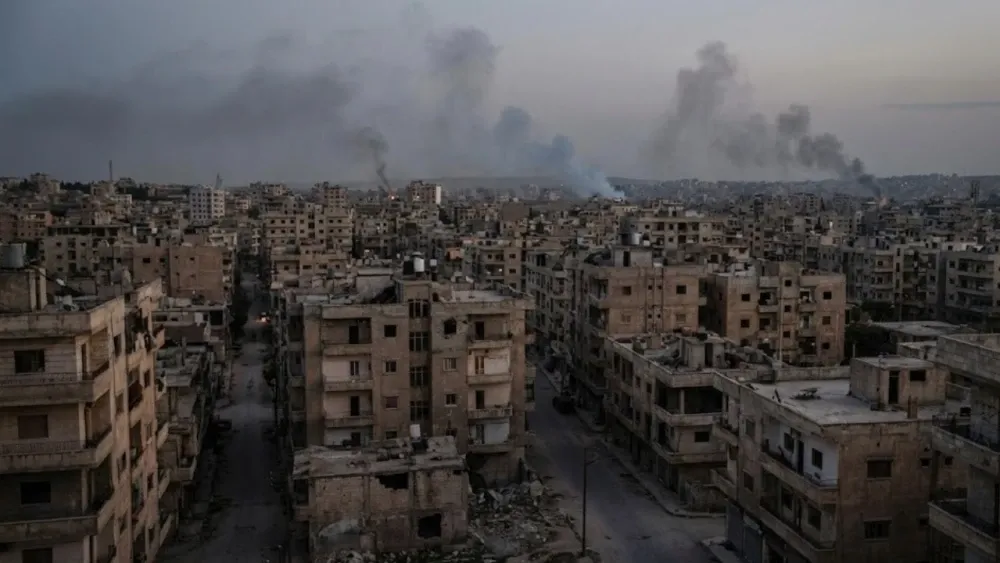 By: Jonathan Spyer Clashes in the Syrian city of Aleppo's Kurdish neighborhoods resulted in two civilian deaths, as Turkish-backed forces clashed with the Syrian Democratic Forces (SDF). Why it matters: The violence underscores the stalled integration talks between the Syrian National Government and the SDF, complicating efforts for stability. By the numbers: The year-end deadline for SDF integration looms, yet talks remain deadlocked. What's next: The stance of the U.S. remains crucial, with its support for the SDF against the Islamic State of Iraq and Syria (ISIS) posing a barrier to Turkish military operations. To read the full article, click here. | | Anti-Government Groups in Syria: Interview with 'Quwat Saraya al-Areen' 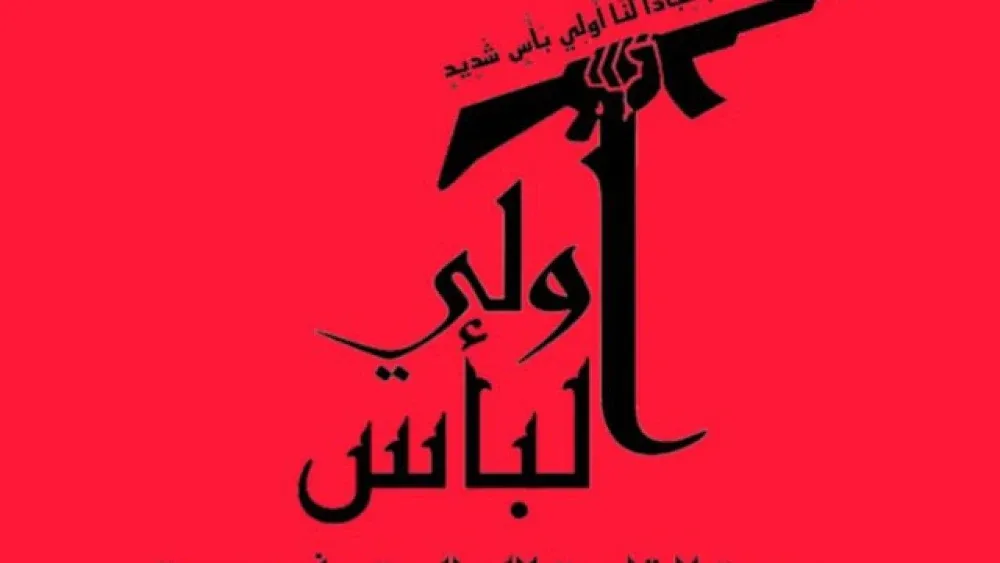 By: Aymenn Jawad Al-Tamimi Aymenn Jawad Al-Tamimi conducted an interview with "Colonel Hashim Abu Shu'ayb," the leader of Quwat Saraya al-Areen ("Forces of the Brigades of the Den"), revealing their stance in post-Assad Syria. Why it matters: This group ties itself to the Islamic Resistance Front in Syria, emphasizing resistance against perceived Zionist threats. By the numbers: The group aligns with an Islamic identity, opposing partition to maintain Syria's unity amid external threats. What's next: Tensions persist as they oppose the current regime, labeling it as a collection of terrorist factions. To read the full interview, click here. | | The Alawite Insurgency in Syria: Interview with 'Fawj al-Zhall' 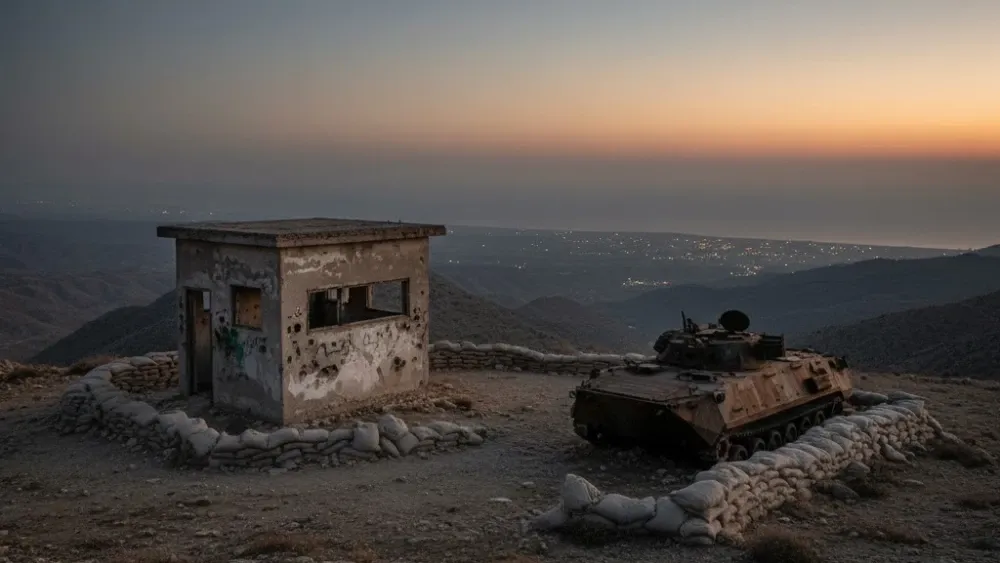 By: Aymenn Jawad Al-Tamimi Aymenn Jawad Al-Tamimi recently conducted an interview with Fawj al-Zhall ("Regiment of the Shadow"), an Alawite insurgent group, to discuss their aims and affiliations. Why it matters: The group claims ties to the "Tiger Forces" and opposes the current Syrian government, advocating for a federal system unique to their cause. -
They reject connections with Assad's regime and emphasize revenge for Alawite massacres, targeting the authority of Syrian interim President Ahmed al-Sharaa, whose nom de guerre is Mohammad al-Jowlani. By the numbers: Fawj al-Zhall aligns with former Assad regime army general Suhayl al-Hasan's legacy, denying financial ties with Rami Makhlouf. What's next: The group calls for international protection and an Alawite army to secure minorities. To read the full interview, click here. | | | | | Thank you for relying on the Middle East Forum for up-to-date analyses and reporting. If you enjoyed this issue of the MEF Dispatch, please forward it to a friend. We invite you to use the comments feature to let us know your thoughts on the Dispatch and the issues we cover. Sincerely, Winfield Myers
Managing Editor, Middle East Forum
Director, Campus Watch | | | | Was this edition useful?  

Your email will be recorded and shared with the sender |        MEF, an activist think tank, deals with the Middle East, Islamism, U.S. foreign policy, and related topics, urging bold measures to protect Americans and their allies. Pursuing its goals via intellectual and operational means, the Forum recurrently has policy ideas adopted by the U.S. government.
Copyright © 2025 Middle East Forum, All rights reserved.
Our mailing address is:
Middle East Forum
1650 Market Street, Suite 3600
Philadelphia, PA 19103 | | | | | Powered by 
| | This email was sent by Middle East Forum via Axios HQ | | | |

0 коммент.:
Отправить комментарий