| |  | | | Iran's New Age of Revolutions By Winfield Myers ● Jan 09, 2026 Smart Brevity® count: 6.5 mins...1715 words With demonstrations in Iran now into their third week, Saeid Golkar and Kasra Aarabi assess them against the backdrop of previous protests and deem these different in kind. They write that more active Western engagement—including military strikes—could tilt the balance of power against the regime. Mardo Soghom calls the current wave of protests unprecedented, especially following exiled Crown Prince Reza Pahlavi's call for action. Michael Rubin details how Pahlavi might return to Iran and lays out survival strategies after his arrival. Shay Khatiri warns Iranians not to wax nostalgic about Iran's pre-1979 economy, as any new order must avoid both the corruption and incompetence of the current regime and the many errors of the pre-revolutionary Pahlavi era. Also included are two articles by Jonathan Spyer, who has a few thoughts on the alleged new world order and on Israel's impending renewed warfare with Hezbollah. Other authors featured include Lazar Berman, Marilyn Stern, and Nik Kowsar. | | Iran's New Age of Revolutions 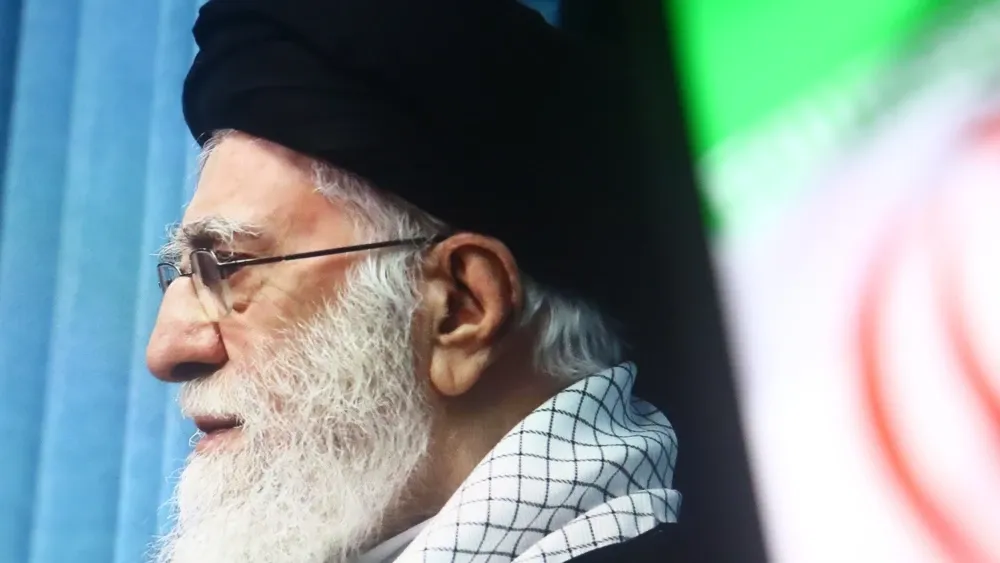 By: Saeid Golkar and Kasra Aarabi Amidst a backdrop of economic collapse and repression, protests in Iran have spread to over 108 cities, fueled by demands for regime change. Why it matters: The ongoing unrest marks a shift from previous reform-focused movements to a direct challenge to the regime's authority. The big picture: These protests, unlike those from 1999 to 2009, are led by the lower social classes, highlighting systemic economic and political failures. Under the surface: Social media's role is pivotal, enabling real-time communication and international advocacy, contrasting with past reliance on traditional media. What's next: Effective international pressure, including sanctions and diplomatic efforts, could weaken the regime's suppressive capabilities and support the protestors' cause. To read the full article, click here. | | Iran Sees Unprecedented Protests as Millions Answer Pahlavi's Call  By: Mardo Soghom Iran witnessed its most significant anti-government protests in 47 years, with millions joining exiled Crown Prince Reza Pahlavi's call. Massive demonstrations: In Mashhad, a conservative stronghold, nearly a million gathered, overwhelming security forces. Escalating violence: Security forces fired on crowds, resulting in dozens of casualties, but protests persisted past midnight. Global attention: President Trump voiced support, warning Tehran against harming protestors, while U.S. military posture remains unchanged. To read the full article, click here. | | How Will Reza Pahlavi Return to Iran? And Can He Stay Alive When He Gets There? 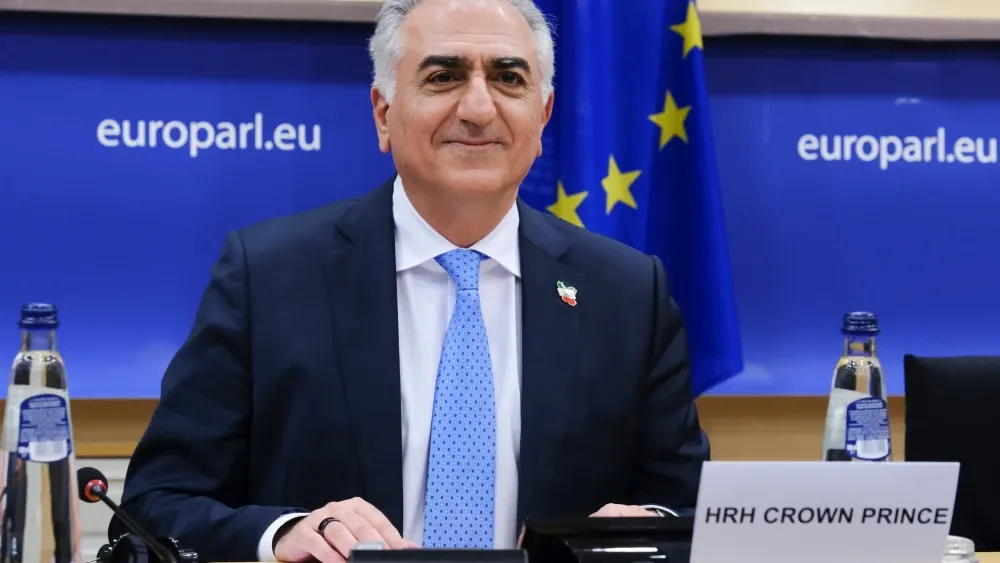 By: Michael Rubin As Iranian protests enter their third week, the regime faces unprecedented challenges with calls for Supreme Leader Khamenei's demise. Chants for change: Iranians, driven by nostalgia and desire for reform, rally behind Reza Pahlavi, the prominent opposition figure. Pahlavi's precarious position: Despite his office's shortcomings, Pahlavi is seen as pivotal for Iran's peaceful transition. Risk of chaos: The potential for violence akin to Iraq's insurgency looms if Pahlavi's return isn't managed carefully. To read the full article, click here. | | How Trump Reset the Opposition's Conversation About Iran's Future 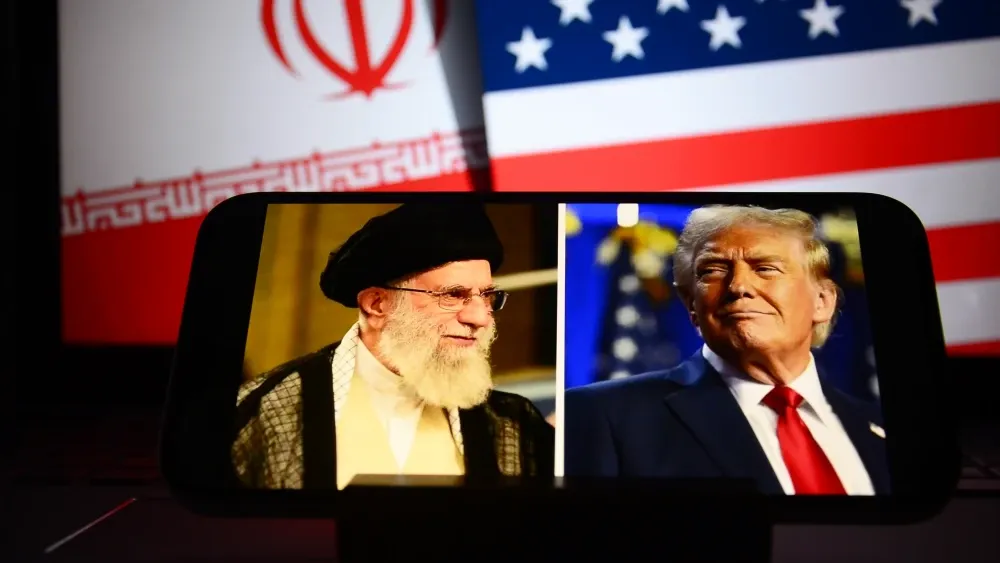 By: Nik Kowsar As the Iranian protests continue, the regime faces mounting pressure amid widespread unrest and calls for change. Kurdish strike signals readiness: Thousands in western Iran prepared for January 8 gatherings, showing solidarity and readiness for action. Pahlavi's cautious call: Instead of escalating, Reza Pahlavi urged supporters to shout from rooftops, reflecting a tactical approach. U.S. stance: President Trump warned against violence but hesitated to back a specific opposition leader. To read the full article, click here. | | Have Iranians Learned the Lessons of Economic Failure Under Both the Ayatollahs and Shah? 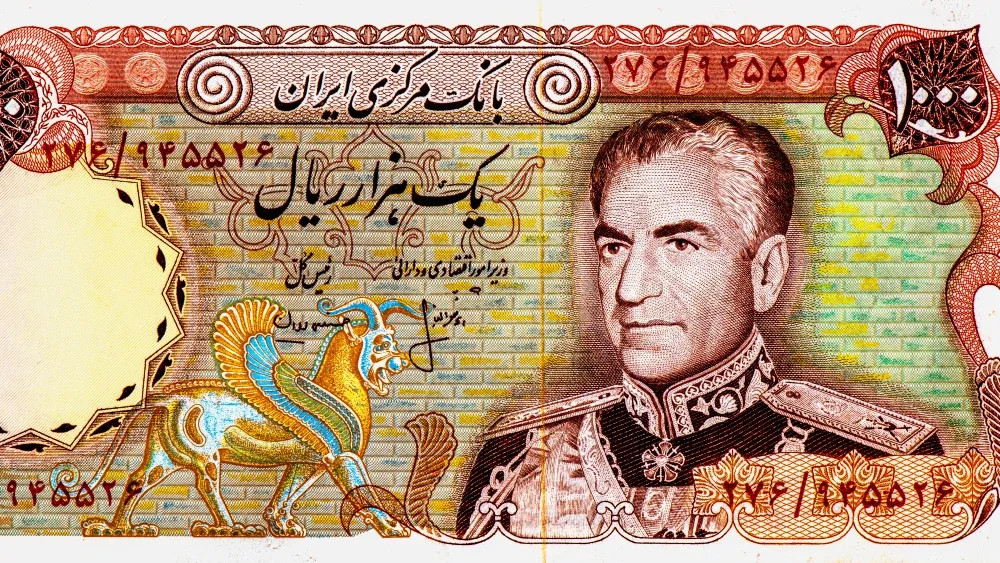 By: Shay Khatiri As Iran faces economic turmoil, the debate centers on whether new leadership can embrace a more effective model post-Islamic Republic. Pahlavi era reflections: Iranians idealize the Pahlavi era's modernization, often overlooking central planning failures that fueled the 1979 revolution. Current economic pitfalls: The Islamic Republic's cronyism and Revolutionary Guard's economic dominance stifle growth and innovation. Future economic prospects: A post-regime Iran must tackle rent-seeking and corruption, shifting away from centralized economic models. To read the full article, click here. | | Is Maduro's Past Erdoğan's Future? 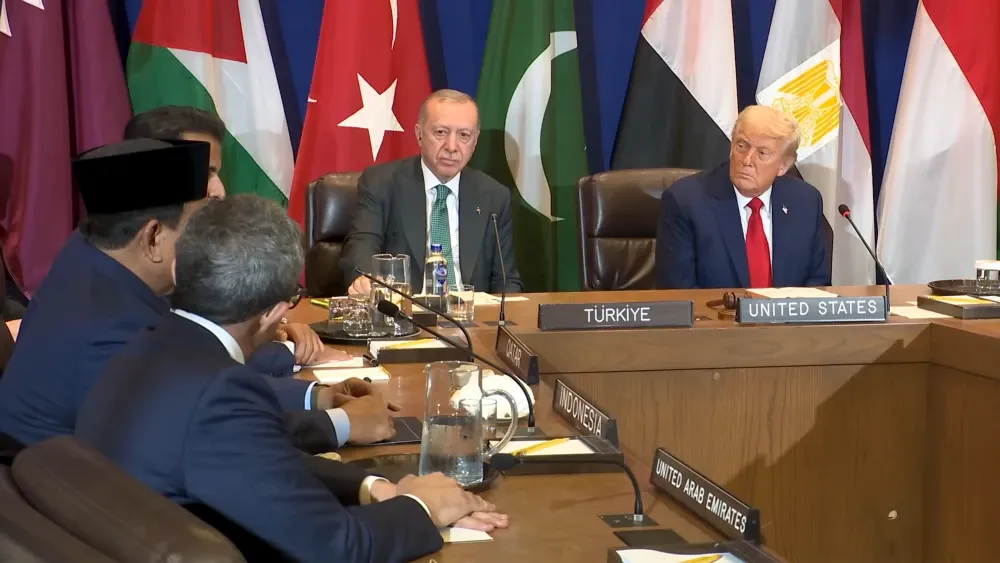 By: Michael Rubin In a bold operation, U.S. Special Forces captured Venezuelan President Nicolás Maduro, signaling a new era of accountability for authoritarian leaders. U.S. action precedent: The capture mirrors past operations, such as the seizure of Panamanian dictator Noriega, highlighting the U.S. willingness to act against corrupt regimes. Erdoğan's precarious position: Turkish President Erdoğan should heed the lessons from Maduro's downfall, as his ties with Trump may not shield him from future U.S. actions. Global implications: The operation against Maduro may inspire similar actions, reshaping international norms surrounding accountability for leaders. To read the full article, click here. | | A Few Thoughts on the Alleged New World Order 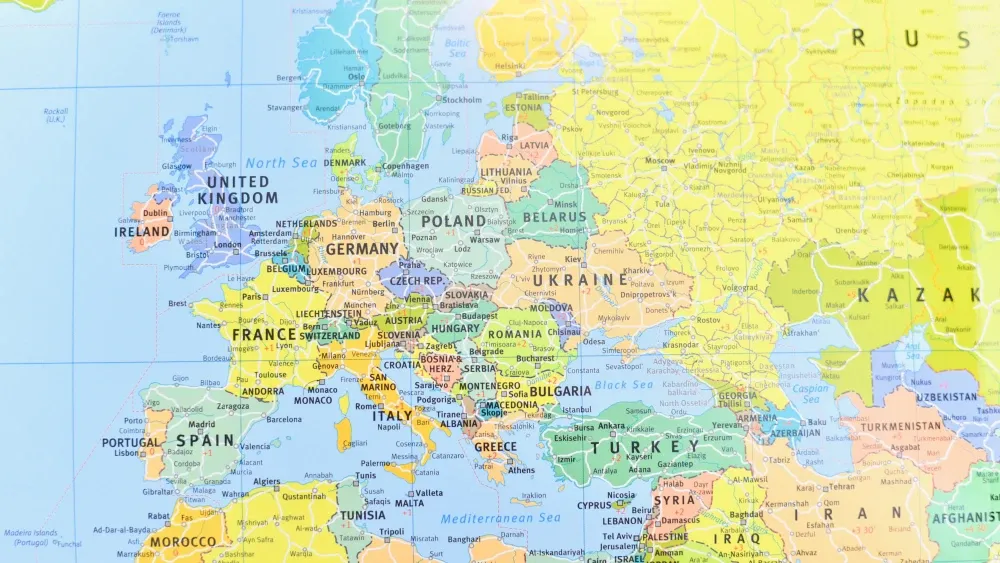 By: Jonathan Spyer As the U.S. asserts its power, a new world order is taking shape, driven by great-power state interests and shifting alliances. Post-1990 shift: With U.S. dominance waning, European allies face rearmament or submission to eastern powers. Israel's advantage: In this new era, Israel stands militarily and economically superior to its regional rivals. Legacy of illusions: The decline of a hegemonic world challenges the transnational elites' anti-Israel biases. To read the full article, click here. | | It's a Matter of When, Not If, Israel Steps up Its War on Hezbollah 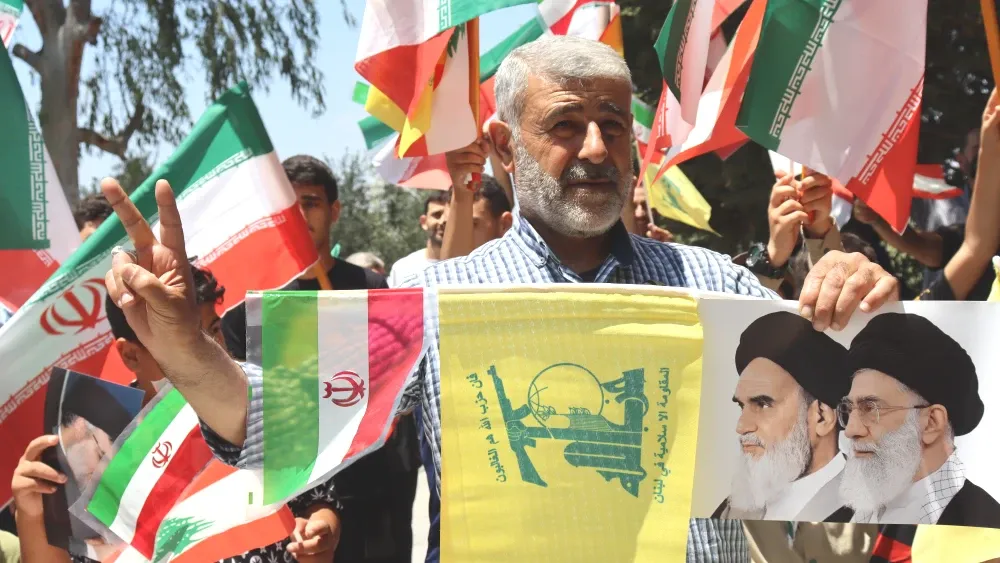 By: Jonathan Spyer Israeli aircraft targeted Hezbollah and Hamas infrastructure in Lebanon, as the LAF failed to disarm Hezbollah south of the Litani River by the December 31 deadline. Hezbollah defiance: Despite the ceasefire, Hezbollah refuses to disarm, warning of civil war if forced. Strategic challenges: Hezbollah's recovery from the 2024 war is hindered by severed arms routes through Syria, limiting rearmament efforts. Israeli strategy: Following the October 7 massacres, Israel prioritizes proactive defense, aiming to weaken Hezbollah permanently. To read the full article, click here. | | Trump and Netanyahu Present United Stance on Gaza, but Will Hamas Agree to Go Along? 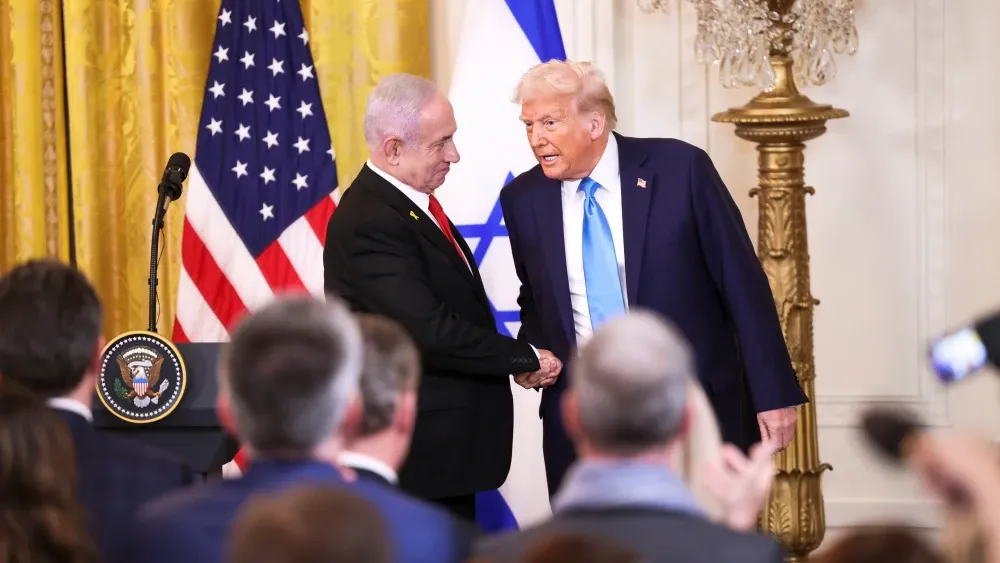 By: Lazar Berman Amid the ongoing Gaza ceasefire, reports of tensions between U.S. President Trump and Israeli Prime Minister Netanyahu have surfaced, highlighting differing visions for Middle East peace. Ceasefire strains: Axios reports suggest Trump's team accuses Netanyahu of stalling the Gaza plan, fearing a return to conflict with Hamas. Syria sanctions dispute: Netanyahu's request to maintain U.S. sanctions on Syria as leverage in future talks was rejected by Trump, reflecting policy divergences. Meeting dynamics: At Mar-a-Lago, Trump and Netanyahu sought to downplay tensions, emphasizing alignment on broader Middle East strategies. Read the full article at the Times of Israel. | | Robert Silverman: The Middle East in 2026 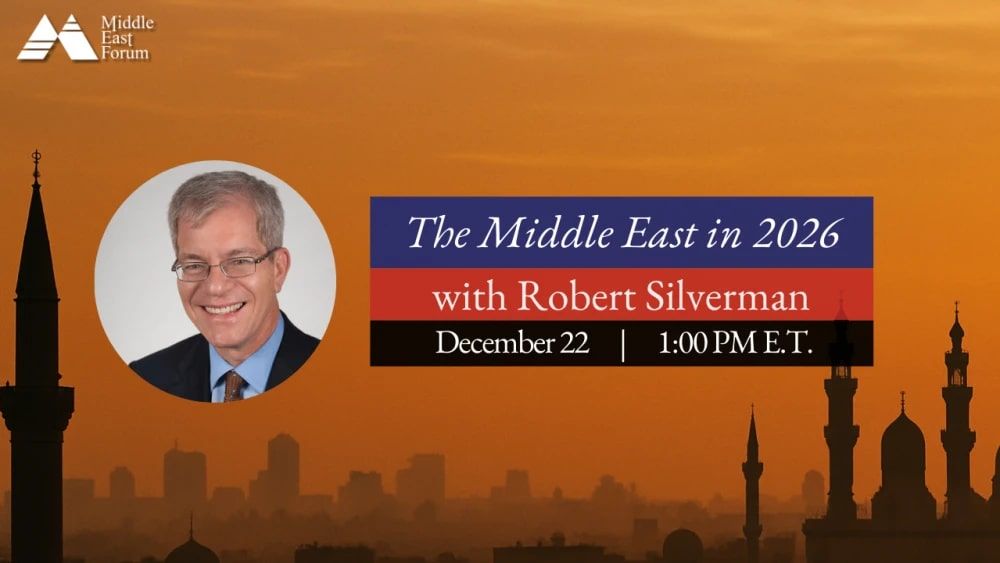 By: Marilyn Stern In a recent MEF Podcast, Robert Silverman, a Middle East expert, highlighted the potential for a regional alliance among Egypt, Israel, Turkey, and Saudi Arabia against Iran, contingent on U.S. leadership. Historical context: For decades, these five powers have dominated the Middle East, each with complex relationships. U.S. role: Silverman emphasizes that U.S. involvement is crucial to bind these powers, as seen with Israel's integration into U.S. Central Command (CENTCOM). Optimism for the future: Despite challenges, there's hope for a U.S-led alliance, balancing military strength with economic collaboration. To read the full summary and watch the podcast, click here. | | | | | We appreciate your continued support for the Middle East Forum as we deliver critical analyses on Middle Eastern affairs. If you found this edition of the Dispatch useful, please share it with others and be sure to let us know your thoughts on our coverage via the comments feature. Sincerely, Winfield Myers
Managing Editor, Middle East Forum
Director, Campus Watch | | | | Was this edition useful?  

Your email will be recorded and shared with the sender |        MEF, an activist think tank, deals with the Middle East, Islamism, U.S. foreign policy, and related topics, urging bold measures to protect Americans and their allies. Pursuing its goals via intellectual and operational means, the Forum recurrently has policy ideas adopted by the U.S. government.
Copyright © 2025 Middle East Forum, All rights reserved.
Our mailing address is:
Middle East Forum
1650 Market Street, Suite 3600
Philadelphia, PA 19103 | | | | | Powered by 
| | This email was sent by Middle East Forum via Axios HQ | | | |

0 коммент.:
Отправить комментарий