| |  | | | Iran's Deadly Crackdown Fuels Expanding Resistance By Winfield Myers ● Jan 30, 2026 Smart Brevity® count: 7.5 mins...2012 words Mardo Soghom reports that Iranians, after what is likely the largest mass killing of civilians by a country's military in modern history, are stepping up their activism against the Islamic government. Many social media posts openly encourage an American military response, and public figures—including professionals and previously non-aligned citizens—increasingly support political change and accountability for officials implicated in the mass killings. Despite the massive and growing U.S. military presence in the area, many believe this is a fight Supreme Leader Ali Khamenei will accept. Michael Rubin argues that the Syrian Kurds need a no-fly, no-drive zone in the face of attacks by the regime of Syria's Islamist president Ahmed al-Sharaa, who is taking advantage of his acceptance in Western capitals to allow the slaughter of Syria's minorities. We follow with articles on recent developments in Israel, Gaza, and the West Bank by Aaron J. Shuster, Jules Gomes, Aymenn Jawad Al-Tamimi, and Amine Ayoub. Offerings from Abdullah Bozkurt and more from Amine Ayoub close out this issue. | | Iran's Deadly Crackdown Fuels Expanding Resistance at Home and Abroad 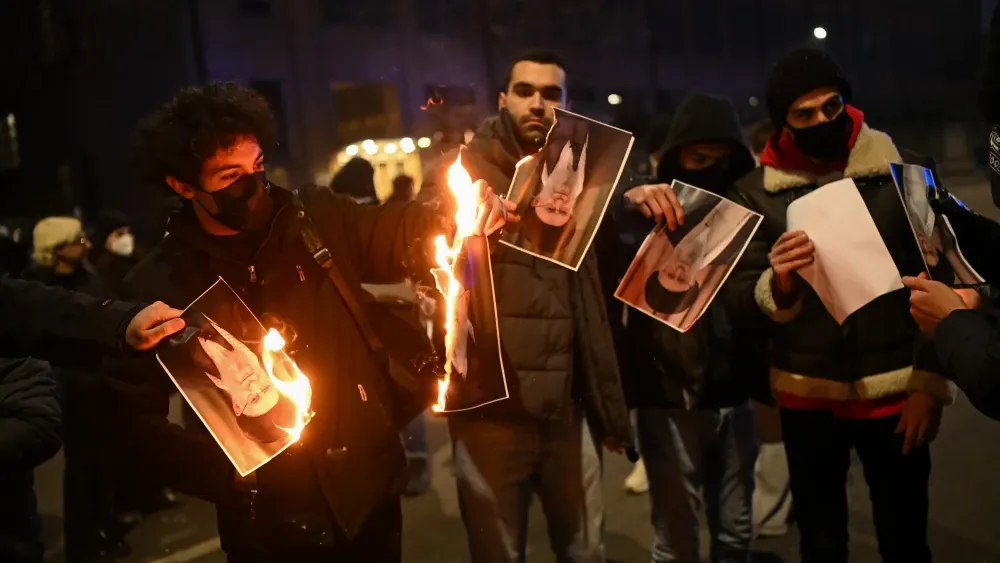 By: Mardo Soghom The European Union has officially designated Iran's Islamic Revolutionary Guard Corps (IRGC) as a terrorist organization on January 29, 2026. EU's stance on Iran's IRGC: The EU's designation of the IRGC as terrorists aims to send a clear message to Tehran. Human rights concerns: Iran is under global scrutiny for its severe crackdown on protestors, raising alarm over human rights violations. -
Details: Reports indicate mass detentions and executions, with death toll estimates between 20,000 and 50,000, while the government reports far fewer casualties. -
Public figures—including professionals and previously non-aligned citizens—increasingly support political change and accountability for officials implicated in the mass killings. International response: The U.S. has increased its military presence in the Middle East, reflecting readiness for potential escalations. To read the full article, click here. | | U.S. Plans for Venezuela's Transition Offers a Cautionary Tale for Iran 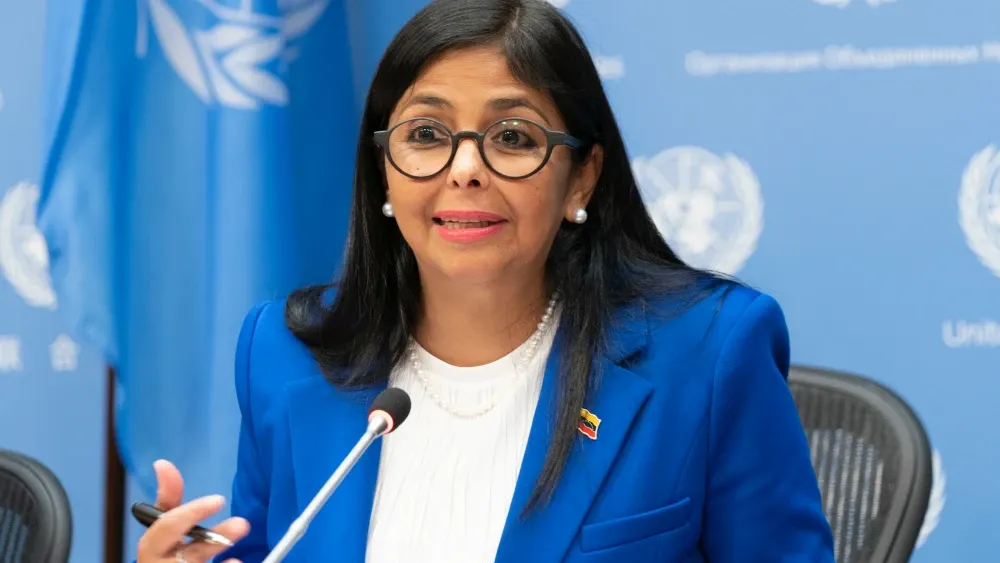 By: Mardo Soghom The dramatic shift in Venezuela's leadership earlier this month, with Vice President Delcy Rodriguez replacing the captured Nicolás Maduro, reflects broader geopolitical dynamics involving Iran. The United States, which carried out the change, aims to maintain order without deploying thousands of troops, aligning with its broader foreign policy objectives. Iran's influence in Venezuela's transition: Iran's strategic interests in Venezuela persist, with Qatar potentially mediating leadership changes. U.S. strategy in the region: The Trump administration's support for Rodriguez reflects a calculated approach to counter Iran's influence. Implications for Iran's future: The situation in Venezuela could set a precedent for U.S. strategies involving Iran and its allies. To read the full article, click here. | | Syrian Kurds Need a No-Fly, No-Drive Zone 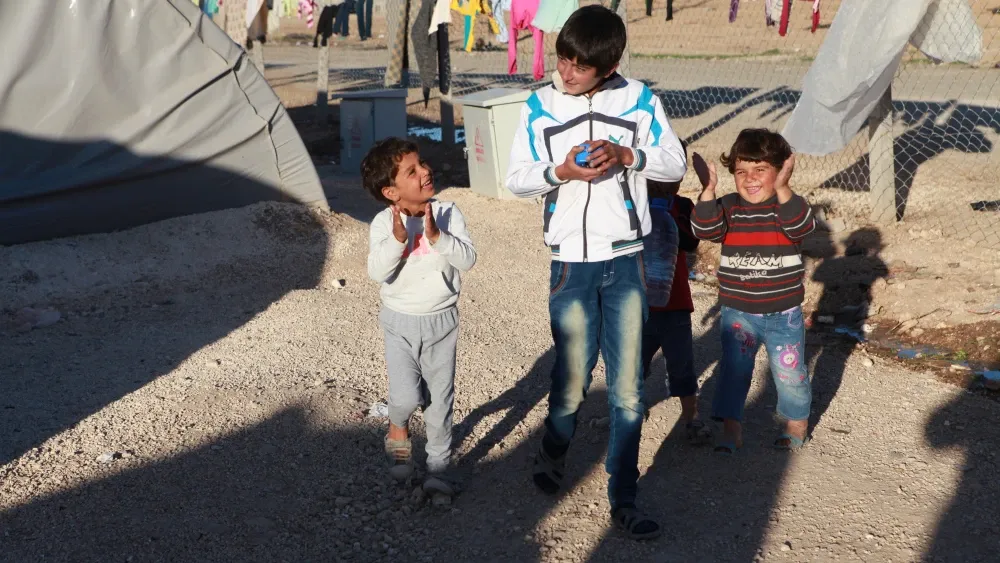 By: Michael Rubin Syrian President Ahmed al-Sharaa's rise to power has drawn sharp criticism from the U.S., particularly given his controversial past and ongoing actions. The Trump administration, while wary of foreign interventions, faces pressure to address the escalating violence and its broader implications. Al-Sharaa's questionable reforms: Al-Sharaa's rhetoric of reform contrasts starkly with reports of violence against civilians. U.S. policy challenges: President Trump and Secretary of State Rubio grapple with a strategic dilemma in Syria, balancing ideology and geopolitical interests. Regional dynamics: The Kurdish situation in Syria could reignite broader regional conflicts if not addressed. To read the full article, click here. | | Is the Palestinian Authority Still a Legal Entity? 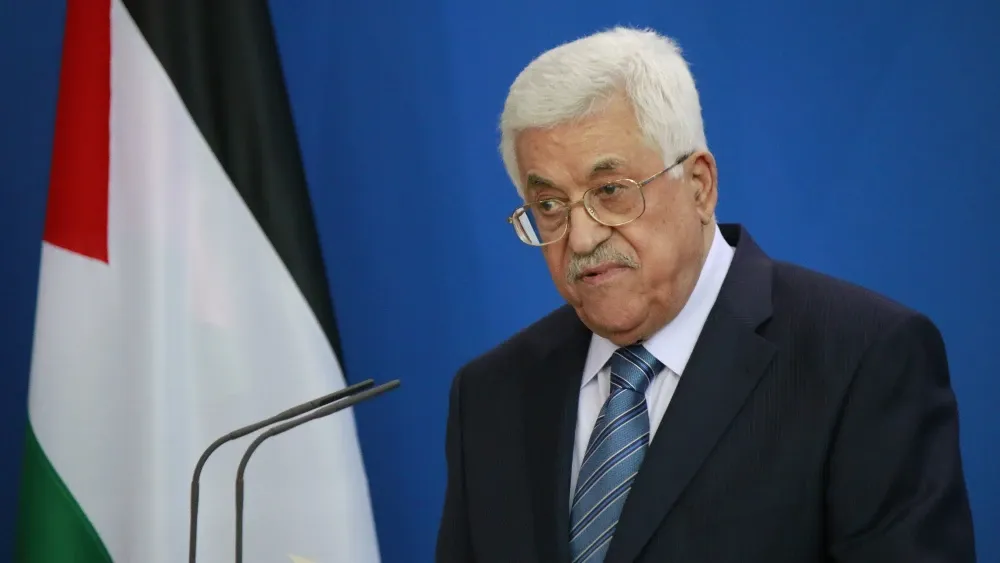 By: Aaron J. Shuster The emergence of the Board of Peace marks a significant shift in the assumptions surrounding Palestinian governance, challenging the longstanding view of the Palestinian Authority as a stable political entity. Erosion of Palestinian Authority's legitimacy: The Palestinian Authority's failure to prevent or condemn the October 7, 2023, assault highlights its declining governance credibility. International response and implications: The Board of Peace's creation signals a global recognition of the Palestinian Authority's diminishing role. Future of Palestinian governance: The transition to a post-authority landscape raises questions about the region's stability and governance. To read the full article, click here. | | Arab State Fatigue with the Palestinian Cause 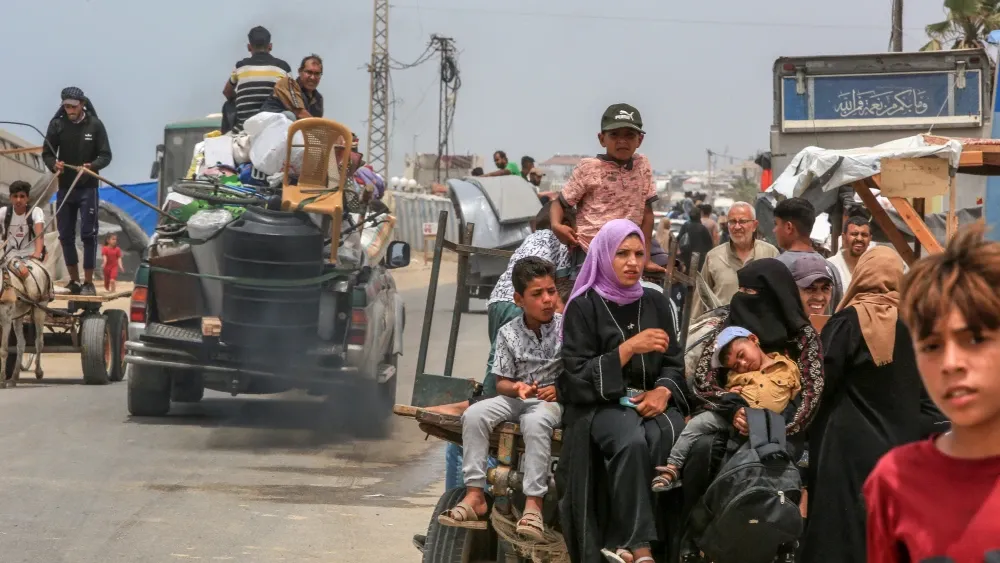 By: Aaron J. Shuster In the aftermath of October 7, 2023, the Arab world's response to the Palestinian issue reveals a strategic shift, as rhetoric diverges from action, highlighting "Arab state fatigue." Shift in priorities: Despite public anger, major Arab states have shown reluctance to absorb Gazan refugees, signaling a shift in priorities. Continued cooperation with Israel: Behind closed doors, military coordination between Israel and Arab states persists, driven by shared threats like Iran. Complex public opinion: Arab Barometer data reveals that while support for normalization with Israel is low, governance issues often take precedence. To read the full article, click here. | | Israel Bars Hamas-Controlled NGOs, Clears Top Christian Charities For Gaza  By: Jules Gomes Israel has barred 37 international nongovernmental organizations (NGOs) from operating in Gaza, citing concerns over transparency and links to terrorism, while approving 23 charities, including prominent Christian and Jewish aid agencies. NGO restrictions and accusations: Israel's Foreign Ministry claims the banned organizations refused to disclose personnel and funding details, raising suspicions of collusion with Hamas. International backlash: The UN criticized Israel's actions, labeling them as unlawful restrictions on humanitarian access. Approved aid agencies: Israel has cleared several high-profile Christian and Jewish organizations to operate in Gaza, emphasizing support for those aligned with its policies. To read the full article, click here. | | Anti-Hamas Armed Groups in Gaza: Interview with Hussam al-Astl 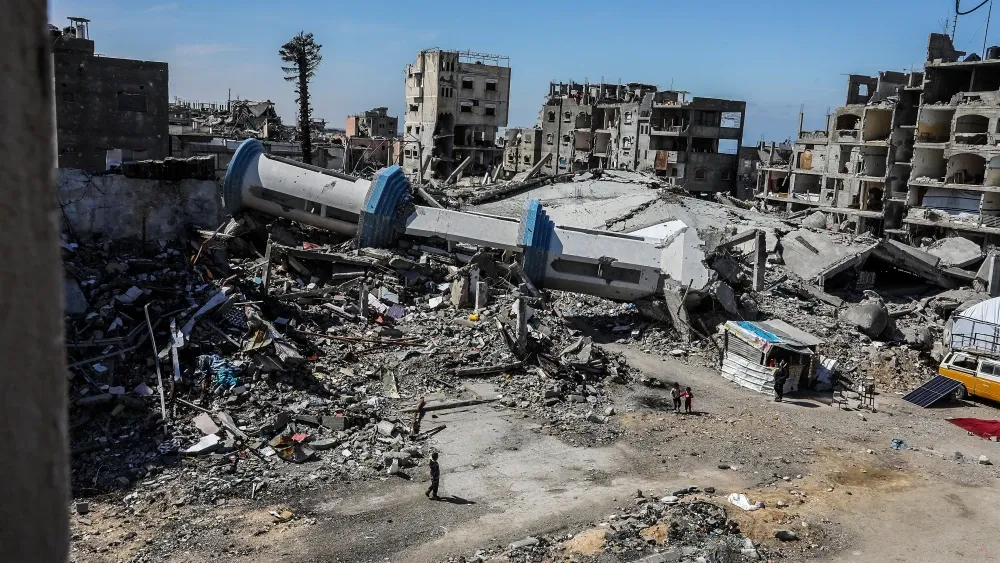 By: Aymenn Jawad Al-Tamimi The author conducted an interview with Hussam al-Astl, who commands one such anti-Hamas group that calls itself the "Counter-Terrorism Strike Force." The following is drawn from that interview. Amid the ceasefire, Gaza remains divided between Hamas-controlled territories and areas where Israeli-backed anti-Hamas factions operate, challenging the region's stability and future. Anti-Hamas factions' motivations: These groups, often labeled as opportunistic or linked to the Islamic State of Iraq and Syria (ISIS), genuinely oppose Hamas' rule, viewing it as disastrous for Palestinians. Challenges facing Gaza: The humanitarian crisis in Gaza worsens as anti-Hamas groups provide refuge and aid to those persecuted by Hamas. Path forward for peace: The region's future hinges on dismantling Hamas' influence and establishing a peaceful, stable governance framework. To read the full interview, click here. | | Israel Cannot Afford a Hamas 'Victory Picture' During Ramadan 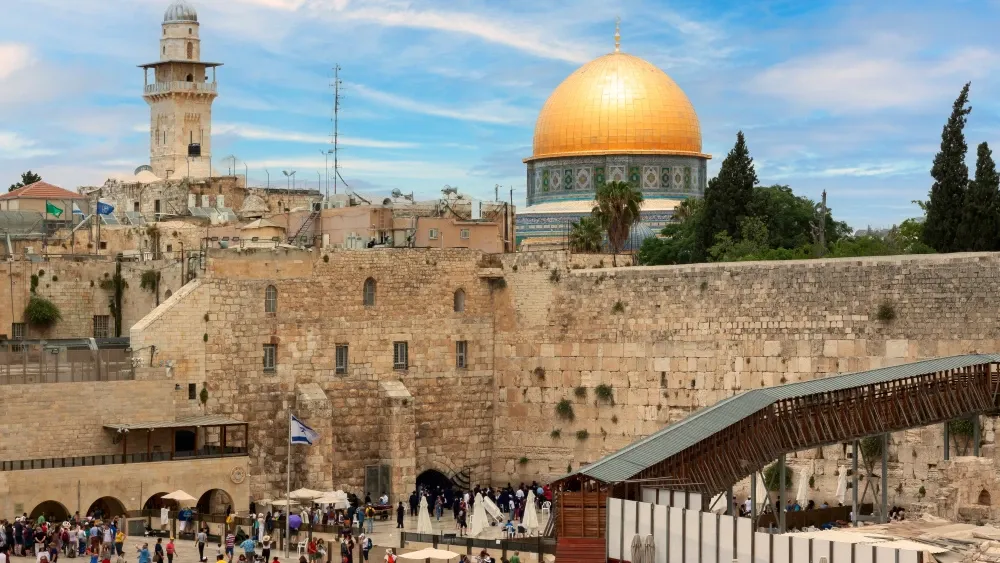 By: Amine Ayoub As Ramadan approaches, Israel stands firm against any potential "victory display" by Hamas on Jerusalem's Temple Mount, emphasizing security and sovereignty. Security measures: Israel's plan to limit access to the Temple Mount during Ramadan aims to prevent provocations and maintain order. Regional implications: The IDF reinforces security along the Seam Line to prevent terrorist infiltrations during the holiday. Strategic perspective: Israel's stance sends a message that peace requires recognizing the impossibility of Hamas' violent ambitions. To read the full article, click here. | | Egypt's Supreme Court Just Gave the State Unlimited Power to Define 'Terrorism' 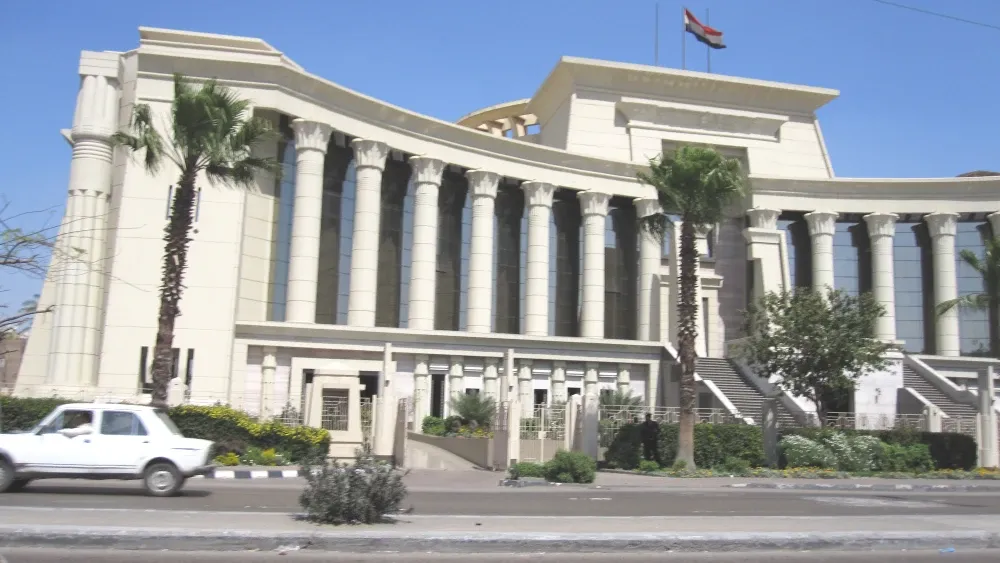 By: Amine Ayoub In a landmark decision on January 3, Egypt's Supreme Constitutional Court has cemented its role as a tool for repression, upholding the 2015 Anti-Terrorism Law and effectively ending judicial independence. Judicial transformation: The ruling empowers President Sisi's regime to label dissent as terrorism, using broad definitions that criminalize political expression. U.S. and international implications: The ruling complicates U.S.-Egypt relations, challenging the notion of rule of law and human rights improvements. Economic and social consequences: The law's vague definitions enable asset seizures, impacting businesses and individuals accused of minor support for banned entities. To read the full article, click here. | | U.N. Clash on Libya Maritime Lines Reveals Persistent Tensions Between Egypt and Turkey 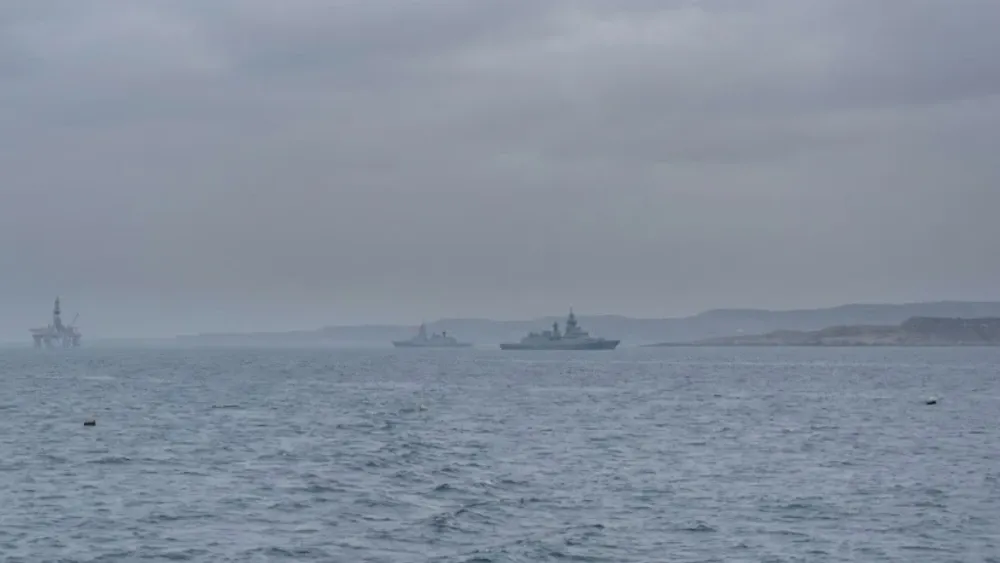 By: Abdullah Bozkurt Despite a facade of reconciliation, Turkey and Egypt remain at loggerheads over Libya, revealing deeper strategic tensions in the eastern Mediterranean. Egypt's counteroffensive at the U.N.: Cairo has forcefully rejected Libya's maritime claims, viewing them as encroachments on Egyptian waters and a challenge to its sovereignty. Strategic triangulation: The alignment of Egypt and Greece against Libya and Turkey highlights the interconnected nature of Mediterranean geopolitics. Geopolitical implications: The maritime dispute serves as a proxy for larger strategic rivalries, where normalization efforts between Ankara and Cairo remain insufficient. To read the full article, click here. | | | | | Thank you for relying on the Middle East Forum for up-to-date analyses of the region. If you enjoyed this issue of the MEF Dispatch, please forward it to a friend. We invite you to use the comments feature to let us know your thoughts on the Dispatch and the issues we cover. Sincerely, Winfield Myers
Managing Editor, Middle East Forum
Director, Campus Watch | | | | Was this edition useful?  

Your email will be recorded and shared with the sender |        MEF, an activist think tank, deals with the Middle East, Islamism, U.S. foreign policy, and related topics, urging bold measures to protect Americans and their allies. Pursuing its goals via intellectual and operational means, the Forum recurrently has policy ideas adopted by the U.S. government.
Copyright © 2025 Middle East Forum, All rights reserved.
Our mailing address is:
Middle East Forum
1650 Market Street, Suite 3600
Philadelphia, PA 19103 | | | | | Powered by 
| | This email was sent by Middle East Forum via Axios HQ | | | |

0 коммент.:
Отправить комментарий