| |  | | | All the Mullahs Have Left Is War on Their Own People By Winfield Myers ● Jan 14, 2026 Smart Brevity® count: 7.5 mins...2041 words Today's issue covers developments in Iran from myriad angles. Jonathan Spyer writes that the Islamic regime is now launched on a path of drowning the growing uprising against it in a sea of its own blood. The variable that could tip things in favor of the protestors is external intervention. Mardo Soghom warns that the revolt has become a war of attrition that could be turned against the regime by U.S. intervention. Shay Khatiri says that, to convince demonstrators to return to the streets, President Trump must provide them with tangible proof of support. In three articles, Michael Rubin lays out strategies for overthrowing the Islamic regime, beginning with a warning that the U.S. cannot repeat the mistakes of President George H. W. Bush, who failed to support the demonstrators during China's Tiananmen Square crisis in 1989, and then refused to crush Saddam Hussein when he attacked protesting Iraqis in 1991 after the conclusion of Operation Desert Storm. We also feature articles by Ali Hamedani and Giulio Meotti. | | All the Mullahs Have Left Is War on Their Own People 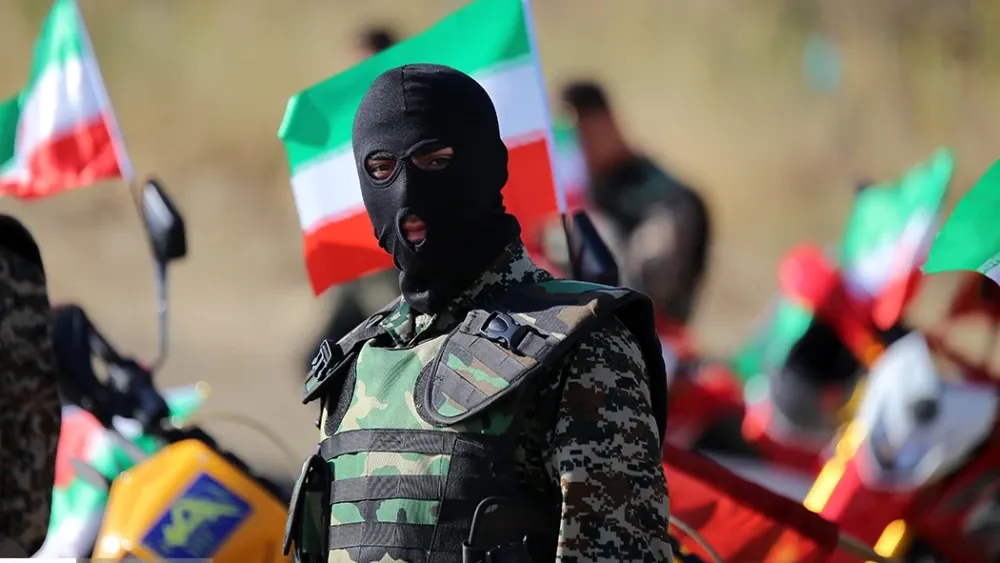 By: Jonathan Spyer The Iranian regime is intensifying its crackdown on the growing uprising, employing severe measures to maintain control. The big picture: The regime has reportedly killed thousands of people in recent days, according to opposition-linked sources. Why it matters: The regime's past regional influence is crumbling, as seen through setbacks in Lebanon, Syria, and Iraq. What's next: Armed resistance is emerging, notably among Iran's ethnic minorities, posing a growing challenge to the regime. To read the full article, click here. | | Uprising Becomes a War of Attrition as Iranians Await U.S. Action 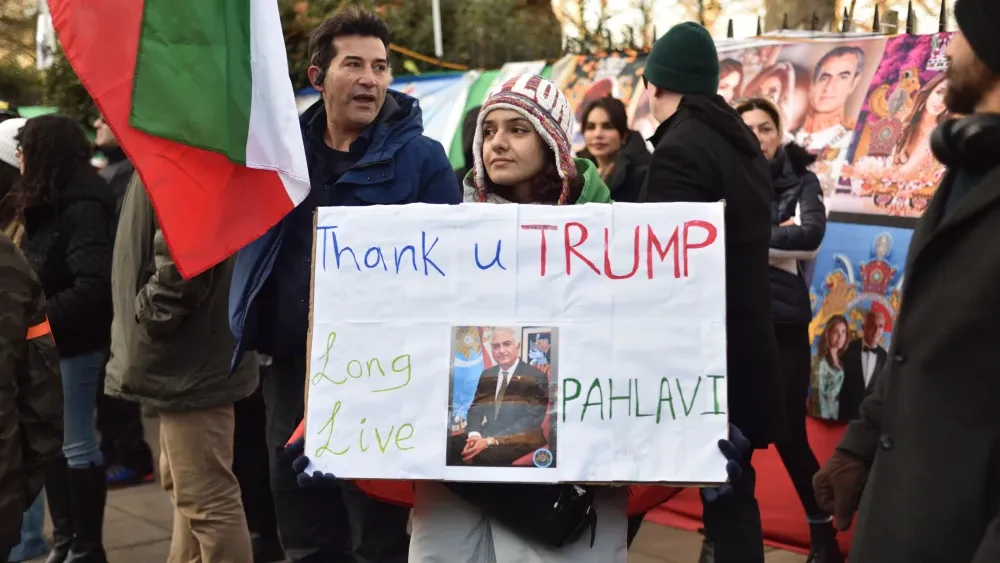 By: Mardo Soghom The Iranian regime's brutal crackdown on protests reportedly results in up to 20,000 deaths, with opposition figure Reza Pahlavi in contact with the Trump administration. The big picture: Iranian security forces are using heavy machine guns in urban areas, with 262 rounds fired in six minutes at one location. Why it matters: As the regime's manpower struggles grow, the IRGC is allegedly training children, revealing desperation within the regime. -
Qatar, Saudi Arabia, and Oman urge the U.S. against military intervention, fearing regional repercussions and oil price spikes. What's next: Despite falling oil prices, markets anticipate a potential regime change could lead to lifted sanctions and increased exports. -
The uprising resembles a war of attrition, with reports of IRGC casualties and desertions suggesting internal cracks. -
Under these conditions, analysts argue that a decisive air campaign by the United States and Israel could tip the balance in favor of the protesters. To read the full article, click here. | | ICYMI: Israel Insider with Ashley Perry  Israel faces heightened alert as indicators point to an imminent U.S. strike on Iran, with regional troop movements, airline suspensions, embassy drawdowns, and Iranian rhetoric increasing the risk of retaliation while daily life in Israel largely continues amid limited preparatory measures. Israeli assessments hold that the scale of any U.S. action will determine whether Iran targets Israel directly, even as Gulf states and Europe seek to distance themselves publicly while fearing regional escalation if the Iranian regime destabilizes. Separately, Israel advances to phase two of the Gaza plan centered on demilitarization, technocratic governance, and reconstruction, while unresolved hostage issues and shifting electoral dynamics introduce additional political uncertainty during an election year. Ashley Perry is an advisor to the Middle East Forum's Israel office. He served as adviser to Israel's minister of foreign affairs and deputy prime minister in 2009-15, and has also worked with Israel's Ministers of Intelligence, Agriculture and Rural Development, Energy, Water and Infrastructure, Defense, Tourism, Internal Security, and Immigrant Absorption and as an advisor to The Negev Forum. Originally from the U.K., he moved to Israel in 2001. He holds a B.A. from University College London and an M.A. from Reichman University (IDC Herzliya). To watch the full podcast, click here. | | U.S. Strikes on Iran Must Be Covert and Overt—and Must Happen Soon 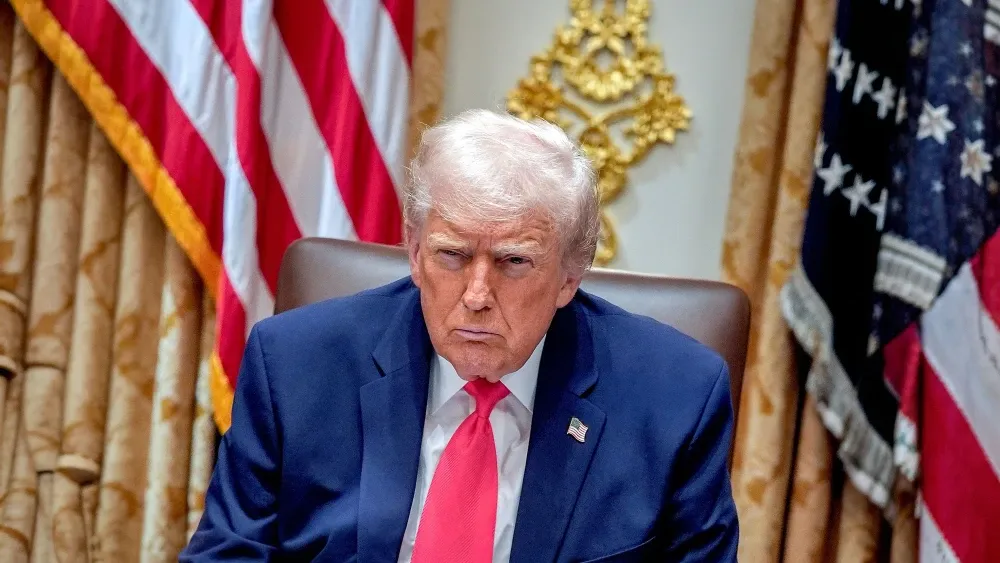 By: Shay Khatiri President Trump is considering military options against Iran, including cyber and kinetic strikes, amid reports of 12,000 protester deaths. The big picture: Trump canceled meetings with Iranian officials, signaling support for protesters and urging them to "save the names of the killers." Why it matters: The protests erupted despite the regime's efforts to unify the country post-Twelve-Day War with Israel. What's next: Cyberattacks, though necessary, are insufficient alone; kinetic strikes could boost morale and disrupt suppression efforts. To read the full article, click here. | | Will Washington Learn the Lessons of Tiananmen in Tehran?  By: Michael Rubin On January 2, President Trump warned Iran's leaders against violent crackdowns on protesters, stating the U.S. is "locked and loaded." The big picture: Despite Trump's threats, reports indicate the Islamic Revolutionary Guard Corps (IRGC), possibly with Iraqi militias, have killed thousands of protesters. Why it matters: Bush's cautious approach during Tiananmen and Iraq's uprisings resulted in the slaughter of thousands of protesters and allowed adversaries to consolidate power. What's next: Trump must decide whether to provide tangible support to Iranian protesters or risk repeating past mistakes. To read the full article, click here. | | 'Take the Oil': Seizing the Kharg Island Terminal Is the Ultimate Checkmate to Iran 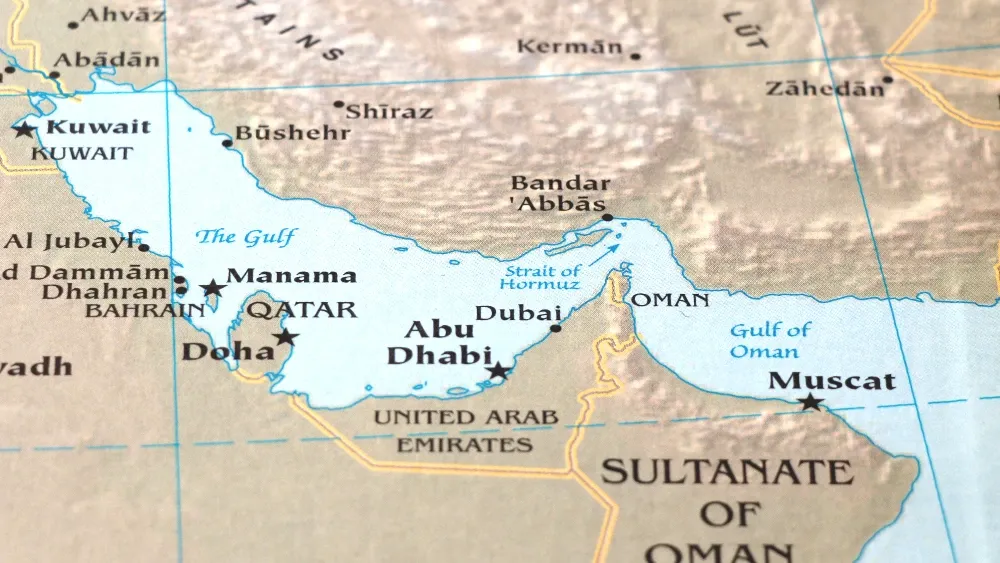 By: Michael Rubin In response to Iran's crackdown on protests, President Trump warned of potential U.S. intervention, emphasizing protection for peaceful demonstrators. The big picture: Trump's strategic option includes seizing Kharg Island, which is pivotal as Iran's primary oil terminal, handling 90 percent of its exports. Why it matters: Capturing Kharg could prevent Iran from financing its military and bureaucracy, exerting economic pressure on the regime. What's next: Losing Kharg would limit Khamenei's response, potentially weakening his military control and intensifying internal dissent. To read the full article, click here. | | Iran Turns to Iraqi Militias to Save Its Revolution 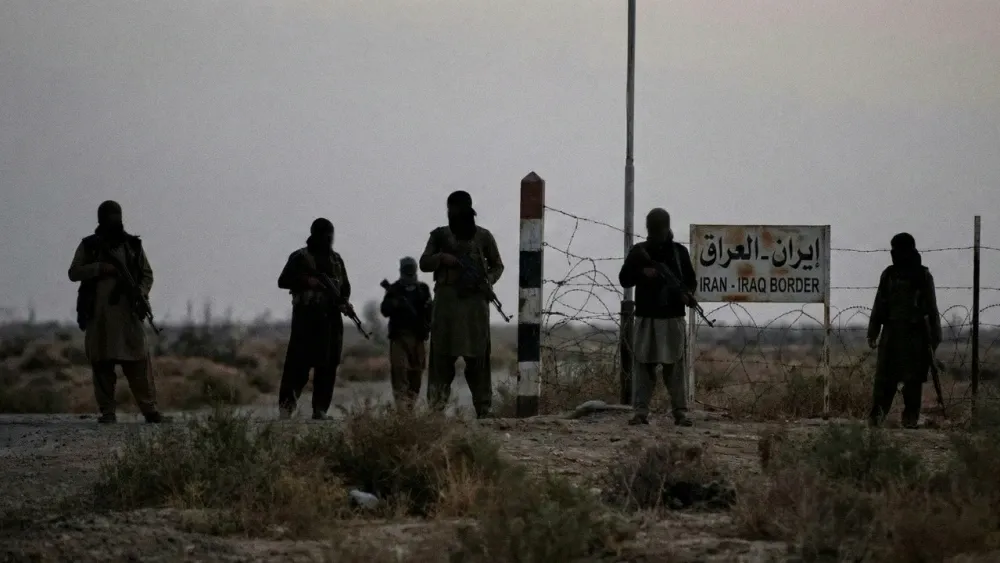 By: Michael Rubin Amid massacres in Iran, Supreme Leader Khamenei turns to Iraq's Hashd al Shaabi (Popular Mobilization Forces), mirroring the Mojahedin-e Khalq's past as mercenaries for Saddam Hussein, former President of Iraq. The big picture: Khamenei's move to subcontract violence reveals his insecurity, as even the Islamic Revolutionary Guard Corps is no longer reliable for suppressing protests. Why it matters: The use of external forces highlights the illegitimacy of both Khamenei's rule and the false perception of Hashd al Shaabi as legitimate militias. What's next: As Iran's crisis deepens, the regime's fragility becomes apparent, necessitating a reevaluation of U.S. policy. To read the full article, click here. | | Iran's 'Crowd Control' Was Security Operation with Drones, Weapons, Witnesses Say  By: Ali Hamedani Thousands of Iranian protesters have reportedly been killed by security forces, prompting President Trump to warn Tehran of severe consequences. The big picture: Trump assured Iranian demonstrators of forthcoming support, emphasizing accountability for the regime's violent crackdown. Why it matters: Demonstrators, including teenagers, show remarkable courage amid brutal state responses, chanting "Javid shah!" ("Long live the shah!") and documenting abuses. What's next: Discussions around potential U.S. strikes on Iranian military bases remain speculative, with no confirmation of immediate action. To read the full article, click here. | | Responsible Iranian Opposition Should Offer Pahlavi Conditional Support, Whatever His Flaws 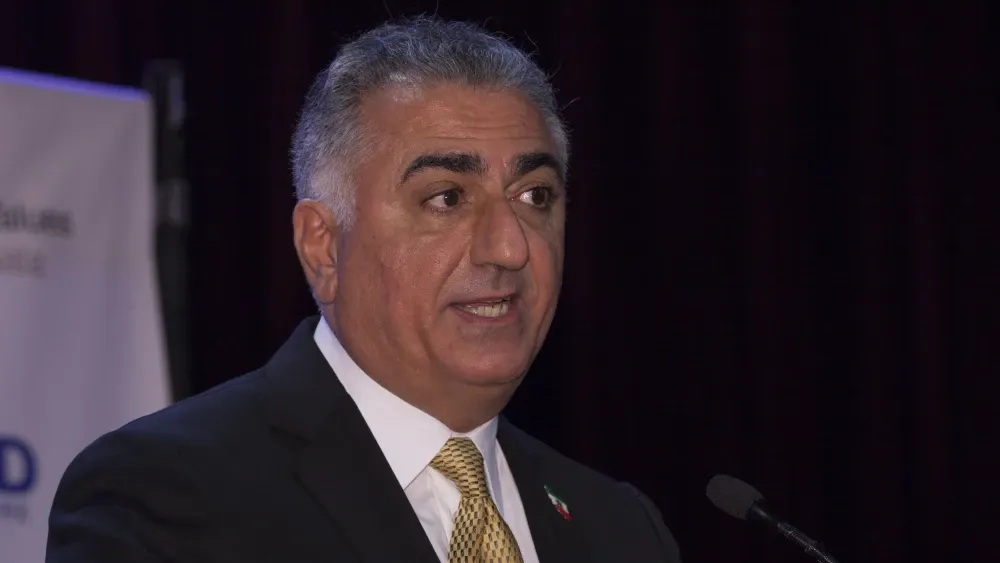 By: Shay Khatiri The Iranian opposition overwhelmingly supports exiled Crown Prince Reza Pahlavi as the interim leader of the counterrevolution, emphasizing the need for unified leadership. The big picture: Pahlavi's leadership is seen as crucial to uniting Iran's diverse factions and preventing separatism while establishing a stable governance structure. -
His strategy includes forming alliances within the domestic opposition, regime insiders, and the diaspora, showcasing his broad influence. Why it matters: Pahlavi's legitimacy stems from being the sole opposition figure who hasn't compromised with the regime. What's next: Critics fear repeating past mistakes, but Pahlavi's leadership offers a chance for a provisional government and new constitution. To read the full article, click here. | | Getting Rid of Iranian Ayatollahs Is Not Like Toppling a Communist Regime  By: Giulio Meotti The late Hussein Ali Montazeri, once the designated successor of Ayatollah Ruhollah Khomeini, noted that Iran is known for its executions, a sentiment that seems prescient as Khamenei struggles to prevent his regime's collapse. The big picture: Iran's execution rates are the highest globally, with 1,500 executed in 2025, reflecting the regime's brutal repression. Why it matters: The fall of Khamenei's regime could mirror former Romanian dictator Nicolae Ceaușescu's downfall, fomenting a seismic shift in Iran's political landscape. -
As secularism rises, the regime's minority support may not withstand demands for change, posing a threat to Islamic expansionism. -
But historian Simon Sebag Montefiore speaks of 20 percent of Iranians supporting the regime—that is, about 25 million people, meaning freeing Iran from the mullahs may be more difficult than getting rid of most of the Communist regimes behind the Iron Curtain. What's next: With Europe showing little support for Iranian protesters, questions arise about its role in the global balance of power. To read the full article, click here. | | | | | Thank you for relying on the Middle East Forum for up-to-date analyses of developments in Iran. If you enjoyed this issue of the MEF Dispatch, please forward it to a friend. We invite you to use the comments feature to let us know your thoughts on the Dispatch and the issues we cover. Sincerely, Winfield Myers
Managing Editor, Middle East Forum
Director, Campus Watch | | | | Was this edition useful?  

Your email will be recorded and shared with the sender |        MEF, an activist think tank, deals with the Middle East, Islamism, U.S. foreign policy, and related topics, urging bold measures to protect Americans and their allies. Pursuing its goals via intellectual and operational means, the Forum recurrently has policy ideas adopted by the U.S. government.
Copyright © 2025 Middle East Forum, All rights reserved.
Our mailing address is:
Middle East Forum
1650 Market Street, Suite 3600
Philadelphia, PA 19103 | | | | | Powered by 
| | This email was sent by Middle East Forum via Axios HQ | | | |

0 коммент.:
Отправить комментарий