| |  | | | When Information Warfare Works; Hunger Strikers Wear Thin; Latest on Syria By Winfield Myers ● Dec 08, 2025 Smart Brevity® count: 9 mins...2366 words Gregg Roman writes that the abject failure of Israeli Minister of Science and Technology Gila Gamliel's Persian-language influence operation reveals a misunderstanding of how information warfare dismantles authoritarian regimes. In using synchronized bot networks and AI-generated deepfakes, she strengthened Iran's narrative of foreign interference. Successful operations, Roman says, must avoid pushing narratives and instead seed ideas that resonate authentically within the target population. A.J. Caschetta observes that Students for Justice in Palestine, once known for occupying campus buildings and setting up tent encampments, now resorts to failed hunger strikes. Not long ago they threatened to take over campuses; now they threaten to harm themselves if they don't get their way. Aymenn Jawad Al-Tamimi, in an interview and an article, assesses the situation in Syria. His article argues that the Syrian National Army has vanished on paper as it fragments into a network of proxies—an obstacle to forming a unified Syrian military force. Amine Ayoub contends that the New Syrian Army of President Ahmed al-Sharaa is in fact a façade. Dalga Khatinoglu reports that investor confidence in the Syrian economy is—for myriad reasons—"anything but a sure thing." We also include articles by Abdullah Bozkurt and Khaled Alyemany. | | When Information Warfare Actually Works  By: Gregg Roman The big picture: Gila Gamliel's Persian-language influence operation against Iran failed spectacularly, highlighting a grave misunderstanding of information warfare's role in dismantling authoritarian regimes. -
The operation, exposed by Citizen Lab and Haaretz, used synchronized bot networks and AI-generated deepfakes, ultimately strengthening Iran's narrative of foreign interference. Why it matters: Strategic influence operations demand a deep understanding of the target regime's vulnerabilities and the patience to exploit them effectively. -
Iran's economic vulnerabilities include rampant inflation, high unemployment rates, and a collapsing currency, which exacerbate public discontent. -
Ideologically, the regime struggles with generational divides and disillusionment, as the promises of the revolution remain unfulfilled for many citizens. What they found: Researchers quickly identified the operation's Israeli origins and its amateur execution. The stakes: Successful operations must avoid pushing narratives and instead seed ideas that resonate authentically within the target population. -
The Islamic Republic will fall when Iranians believe it has already fallen. -
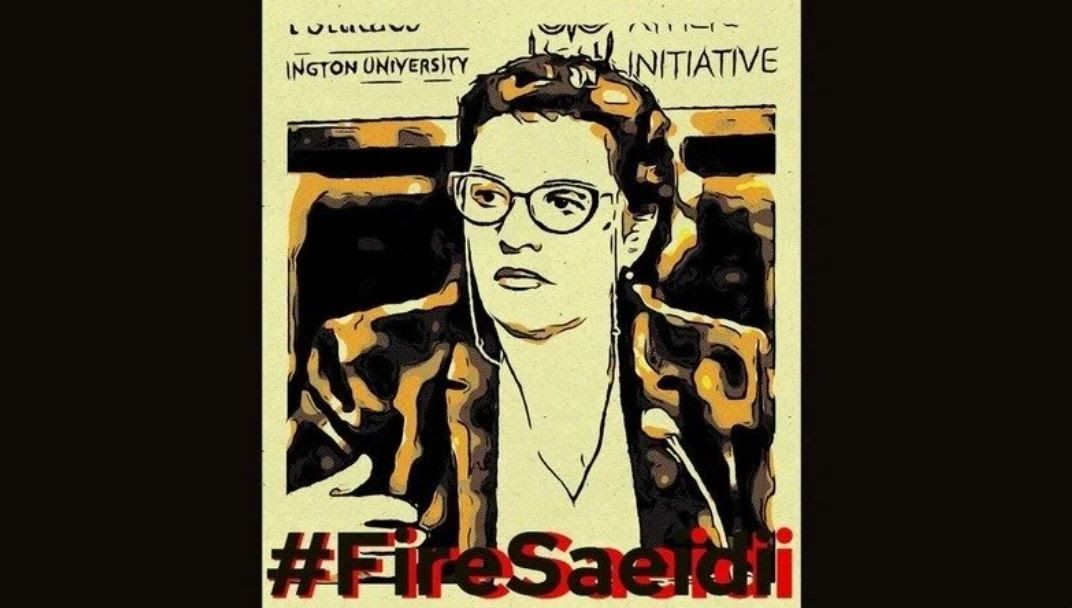
This requires creating information cascades where citizens realize their private opposition is the majority position. Professional information warfare remains invisible until victory, when historians trace its subtle influences. To read the full article, click here. | | Students for Justice in Palestine's Hunger Strikes Wear Thin 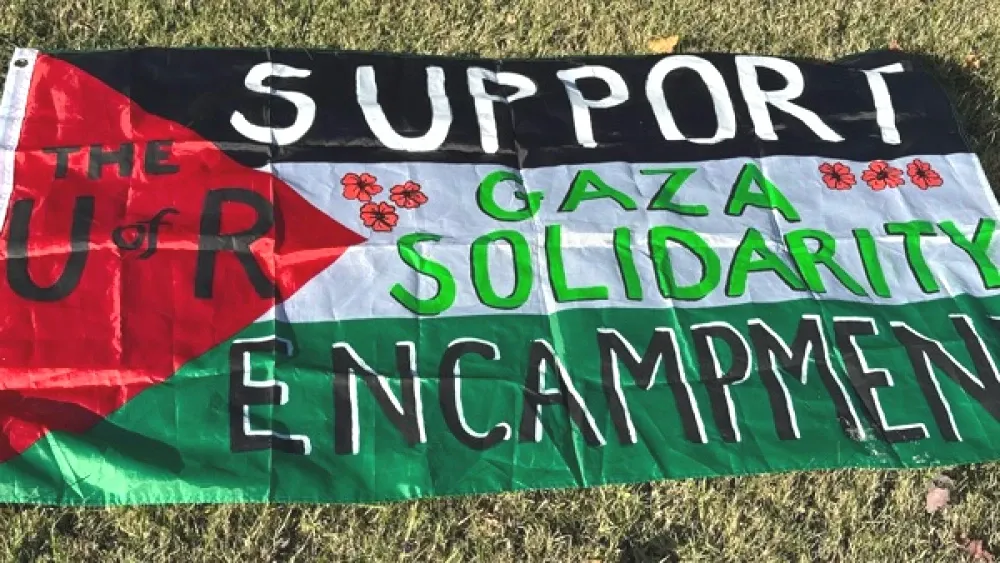 By: A.J. Caschetta Driving the news: Students for Justice in Palestine (SJP) has seen a significant decline in campus influence, shifting from bold protests to ineffective hunger strikes. Why it matters: The decline of SJP illustrates the challenges of maintaining momentum in campus activism, where tactics must evolve to remain influential. The big picture: Recent hunger strikes lack the strategic planning needed for success, often failing to resonate with the broader student body or media. What's next: As they rest over the holiday break, SJP students at the University of Rochester and elsewhere are likely planning their next escapades for the Spring 2026 semester. To read the full article, click here. | | ICYMI: Will War Return to Gaza? with Ahmed Fouad Alkhatib 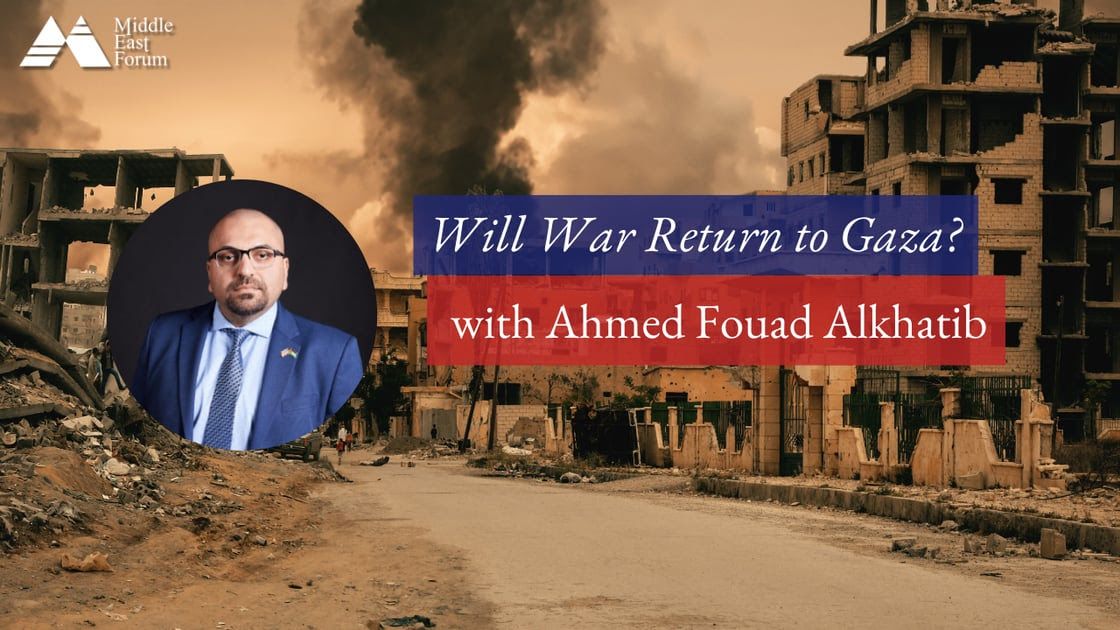 Hamas is reported to have reasserted control over much of the Gaza Strip during the ceasefire, rebuilding its security and economic networks inside major hospitals and resuming taxation, coercion, and oversight of local groups and aid flows, amid accounts of renewed arrests and intimidation of critics. Attempts to form an International Stabilization Force have stalled as Arab and Muslim states refuse to confront Hamas, prompting discussion of a smaller strike force of private military contractors to weaken the group before any peacekeeping or local security alternative can function. Regional factors—including the roles of Qatar and Turkey, diminishing support for transition plans, and a widening governance vacuum—are reinforcing Hamas's position, raising warnings that the ceasefire is unlikely to hold and that renewed conflict may follow. Ahmed Fouad Alkhatib serves as a resident senior fellow with the Atlantic Council's Middle East programs, where he writes extensively on Gaza's political and humanitarian affairs, is an outspoken critic of Hamas, and promotes a radically pragmatic approach to peace and Palestinian statehood as the only path forward between Palestinians and Israelis. He also leads the organization Realign for Palestine. His writing and opinions have been published and featured across the U.S., Israeli, and international press, and his views are prominently featured across social media platforms. He grew up in Gaza City and left Gaza in 2005. Alkhatib holds a bachelor's degree in business administration and a master's in intelligence and national security studies. To watch the entire podcast, click here. | | The Israeli Raid on Bayt Jann: Interview with a Local 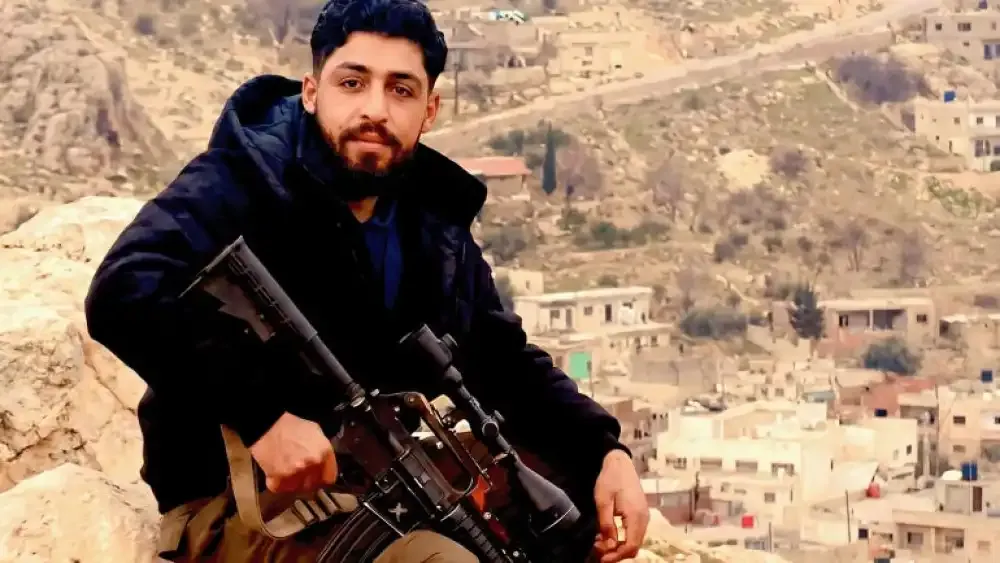 By: Aymenn Jawad Al-Tamimi Driving the news: Recently, Aymenn Jawad Al-Tamimi conducted an interview with Abu Ubayda al-Janani from Bayt Jann to discuss the Israeli raid in the Jabal al-Shaykh region, which has brought international media attention. Why it matters: The raid highlights the tensions between Israel and local resistance groups, and the complexities of alleged affiliations with insurgents. What they're saying: Abu Ubayda al-Janani insists that no displaced individuals have returned to Bayt Jann following the attack, and responds defiantly to Israeli claims of Hamas presence. The stakes: The interview reveals the deep-seated hostility and determination within Bayt Jann to resist Israeli actions. To read the full interview, click here. | | MEF Action Alert: Tell the University of Arkansas to Investigate Professor Accused of Advancing Iran Regime's Agenda Help Iranian American activists expose Shirin Saeidi, the head of the King Fahd Center for Middle East Studies at the University of Arkansas, who is accused of advocating on behalf of Iran's Supreme Leader, defending terrorist groups, and antagonizing Iranian dissidents. According to AAIRIA, Saeidi is accused of the following: -
Defending the Islamic Revolutionary Guards Corp and calling its designation by U.S. authorities as a terrorist group "unlawful." -
Posting in support of Iran's Supreme Leader, Ayatollah Ali Khamenei. On November 27, 2025, Saeidi wrote: "The leader who kept Iran intact during the Israeli attack, May god protect you and the Iranian people from the Israeli regime." Sign the Change.org petition and urge university officials to launch a thorough investigation into allegations that Saeidi engaged in academic violations and ethical misconduct. | | What's Left of the Syrian National Army? 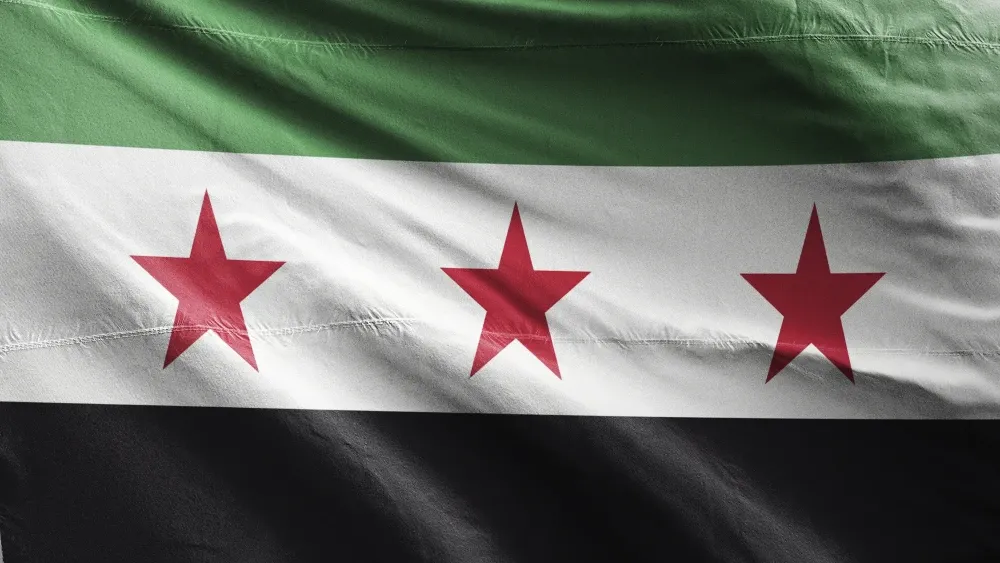 By: Aymenn Jawad Al-Tamimi Driving the news: The Syrian National Army (SNA) has vanished on paper, but its factions—rebranded, relocated, or quietly absorbed—still shape the country's security landscape. Why it matters: The SNA's transformation from a fragmented force into a network of proxies highlights the challenges of achieving a unified military force in Syria. Details: The SNA was more a federation of factions than a coherent army, with many groups shifting allegiances and roles. The stakes: Achieving genuine integration of these factions into Syria's military is hindered by entrenched networks and foreign influences. To read the full article, click here. | | Built with Gulf Money, Staffed by Jihadis: The Lie of Syria's New Army 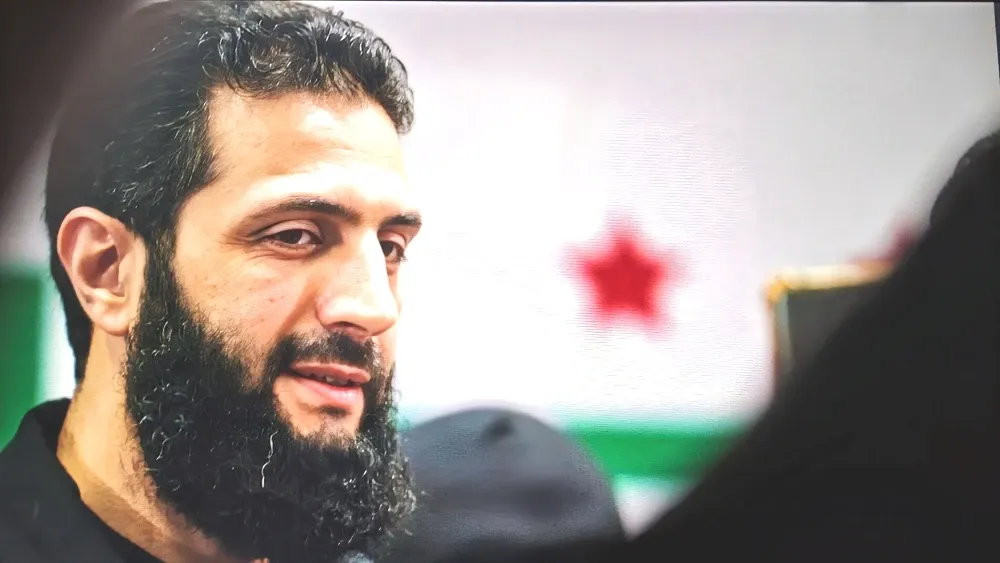 By: Amine Ayoub Driving the news: President Ahmed al-Sharaa's "New Syria" is being marketed as a post-conflict haven for investment, but it conceals a darker reality. Why it matters: Foreign capital, particularly from the Gulf and Asia, risks fortifying an infrastructure for ideological conflict rather than reconstruction. -
The NSA's absorption of 3,500 Uyghur militants, linked to the Turkestan Islamic Party, raises alarms about institutionalizing extremism. The stakes: Syria's reliance on external funding turns it into a geopolitical chessboard, where ideological militants are strategic assets. The bottom line: The greatest threat is not Syria's collapse, but its successful institutionalization of extremism under the guise of stability. -
Unless international partners demand immediate, verifiable disarmament and a transparent, inclusive political process, the world will be paying the ultimate price: funding the ideological foundation of the next war. To read the full article, click here. | | Hope and Anxiety Over Syria's Economic Revival 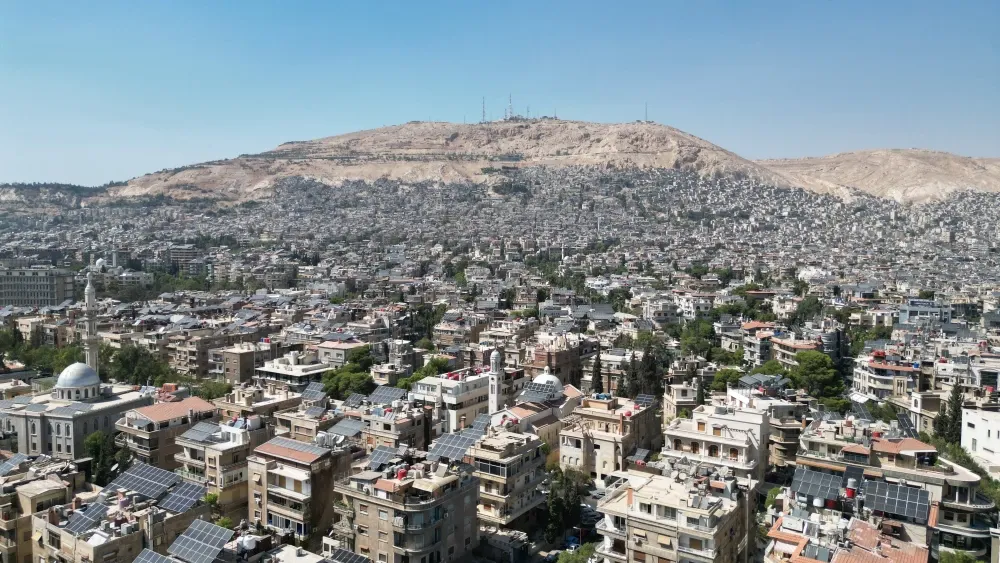 By: Dalga Khatinoglu Driving the news: Amid hopes for economic recovery, Syria hosted delegations from the World Bank and IMF to discuss reconstruction support. Why it matters: Syria risks becoming a "charity economy," heavily reliant on foreign aid, much like Lebanon, where a third of GDP comes from remittances. The big picture: Despite positive economic indicators, Syria's GDP in current U.S. dollars has shrunk to less than one-third of its 2011 value. The stakes: Iran's ambitions and influence in Syria complicate the nation's path to recovery. To read the full article, click here. | | Turkish Husband of American 'ISIS Empress' Worked for Turkey's Intelligence Agency MIT 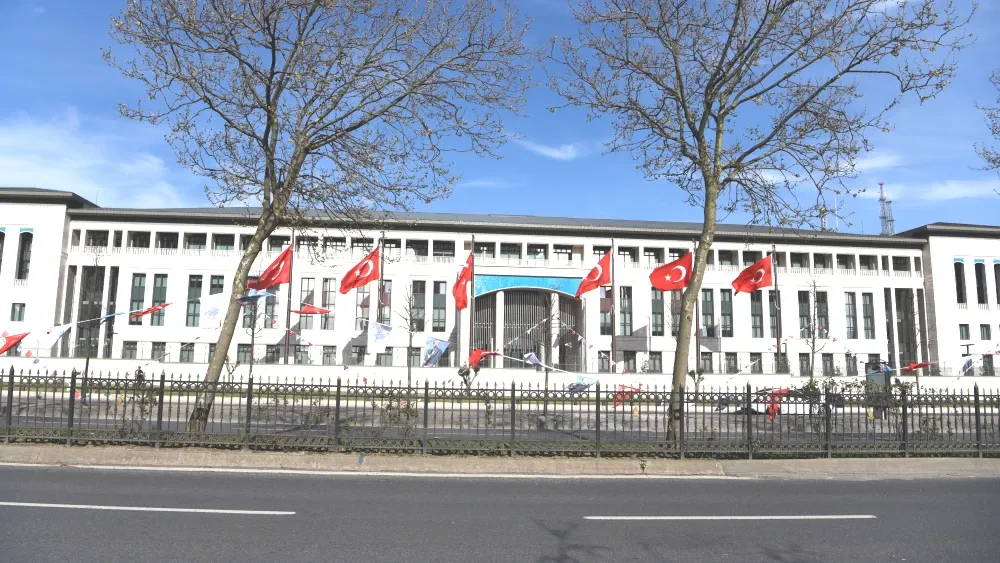 By: Abdullah Bozkurt Driving the news: Volkan Ekren, a Turkish jihadist, facilitated his wife's militant journey and was reportedly recruited by Turkey's National Intelligence Organization (MIT). Why it matters: Ekren's role underscores how Turkish intelligence intersected with jihadist networks, posing long-term security risks. Details: Ekren's career as a jihadist asset ended in 2016 when he was killed in an airstrike, but his legacy illustrates the far-reaching consequences of Turkey's shadow war. -
His American wife, Allison Fluke-Ekren, continued jihadist activities, leading an all-female ISIS battalion, for which she was later sentenced to 20 years in prison. The stakes: Ankara's reliance on extremist factions has allowed radicalized figures to potentially direct attacks against the U.S. and beyond. To read the full article, click here. | | The Case for Southern Yemen's Independence 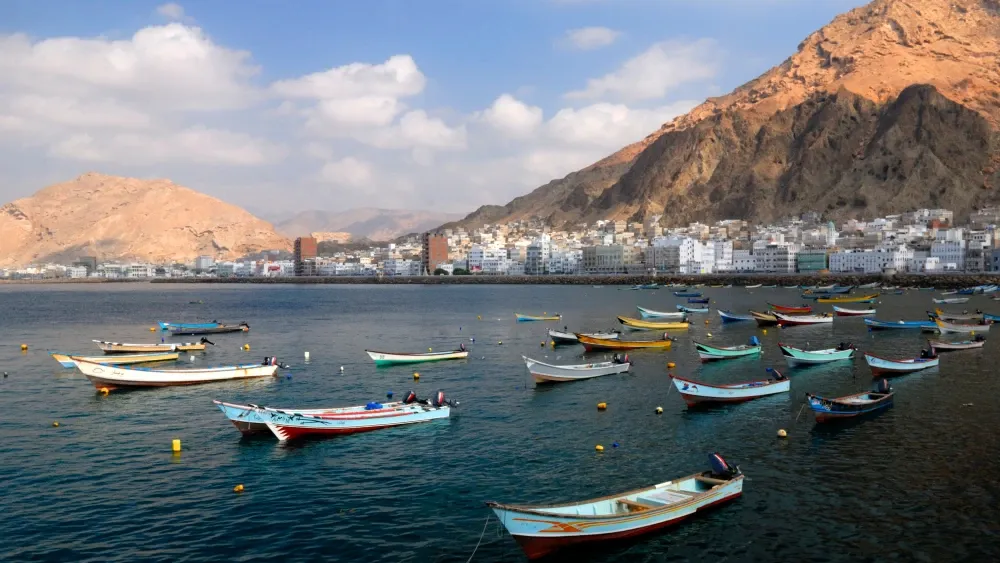 By: Khaled Alyemany Driving the news: The Southern Transitional Council seeks to consolidate self-administration and expand partnerships for full independence from northern Yemen. Why it matters: Southern Yemen's independence push is not just political rhetoric; it's a structured project supported by popular will and strategic planning. The big picture: The southern struggle has evolved from peaceful movements to political platforms like the Southern Transitional Council, advocating for state sovereignty. What's next: The Southern Transitional Council aims to build robust state institutions and secure international recognition for southern Yemen as an independent entity. To read the full article, click here. | | Why U.S. Policy Must Reject Both Islamism and Autocratic Chaos in North Africa 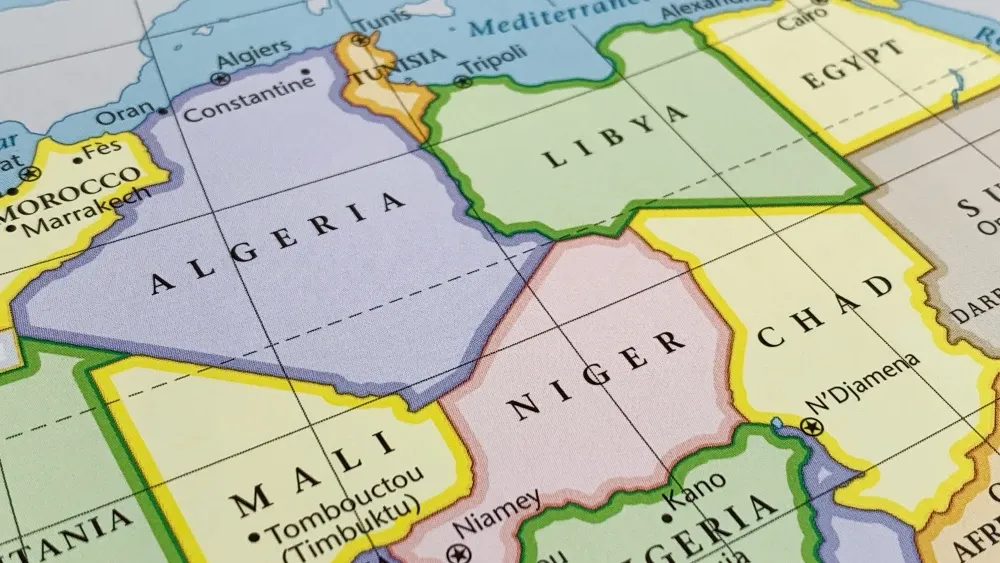 By: Amine Ayoub Driving the news: The Trump administration's designation of Muslim Brotherhood chapters as Foreign Terrorist Organizations is a necessary and long-overdue act of strategic clarity. Why it matters: The designation aims to quarantine Islamism but warns against the rise of autocratic chaos, as seen in Tunisia and Algeria. The big picture: Algeria's military expenditure and co-optation of Islamist factions pose a geopolitical obstacle to regional security. The stakes: Libya's fragmentation exemplifies the dangers of unchecked Islamism and political instability. To read the full article, click here. | | We appreciate your continued support for the Middle East Forum as we deliver critical analyses on Middle Eastern affairs. If you found this edition of the Dispatch useful, please share it with others and be sure to let us know your thoughts on our coverage via the comments feature. Sincerely, Winfield Myers
Managing Editor, Middle East Forum
Director, Campus Watch | | | | Was this edition useful?  

Your email will be recorded and shared with the sender |        MEF, an activist think tank, deals with the Middle East, Islamism, U.S. foreign policy, and related topics, urging bold measures to protect Americans and their allies. Pursuing its goals via intellectual and operational means, the Forum recurrently has policy ideas adopted by the U.S. government.
Copyright © 2024 Middle East Forum, All rights reserved.
Our mailing address is:
Middle East Forum
1650 Market Street, Suite 3600
Philadelphia, PA 19103 | | | | | Powered by 
| | This email was sent by Middle East Forum via Axios HQ | | | |

0 коммент.:
Отправить комментарий