| |  | | | MEF Delivered Security Wins in 2025; Dangers from 'Insider Attacks'; Latest on Iran By Winfield Myers ● Dec 10, 2025 Smart Brevity® count: 8 mins...2180 words In 2025, MEF delivered significant security wins by turning research into action that resulted in cutting off $3 billion in extremist-linked grants and designating four new terrorist organizations. Please consider a year-end gift (click here) to help us continue our work. Benjamin Baird, who served in Afghanistan, writes that the recent deadly attack on National Guardsmen in Washington, D.C., is a reminder that, among Afghans, honor trumps loyalty, and even the closest ally can turn killer. Eitan Fischberger says that Qatar is a strategic threat, not just to the U.S., "but to the fabric that binds all of the West and all Americans together." Lazar Berman wonders how Israel will weather warming Saudi-U.S. ties. We offer five wide-ranging articles on Iranian matters. Shay Khatiri details how the Iranian diaspora can turn Iran's FIFA World Cup games in Los Angeles into an anti-regime party. Alireza Nader asks if Reza Pahlavi is being manipulated by Tehran. Elliot Nazar argues it's time to end Iran's interference in Venezuela. We also hear from Dalga Khatinoglu and Mardo Soghom. | | This Year, MEF Delivered Some of the Most Significant National Security Wins; Your Support Stops Extremist Groups from Accessing U.S. Taxpayer Dollars  In 1994, Daniel Pipes built the foundation. By 2025, MEF has built an arsenal of truth. Now, we need your help to keep it fully stocked for 2026. For three decades, MEF warned Americans about the threats emerging from the Middle East and beyond. This year proved monumental, as MEF exposed groundbreaking reports on these dangers and translated that knowledge into action: ▶$3 billion in extremist-linked grants cut off ▶Four new terrorist organization designations ▶Academic staff removed after investigations revealed Qatari funding MEF reports were instrumental in shaping U.S policy domestically and abroad. This influence is made possible through the generosity of supporters like you. If you have already made your year-end gift, thank you. If not, I ask you to consider making a contribution to support our efforts in safeguarding American values from threats emanating from the region. To make your donation, click here. | | National Guardsmen Shooting Spotlights the Danger of 'Insider Attacks' 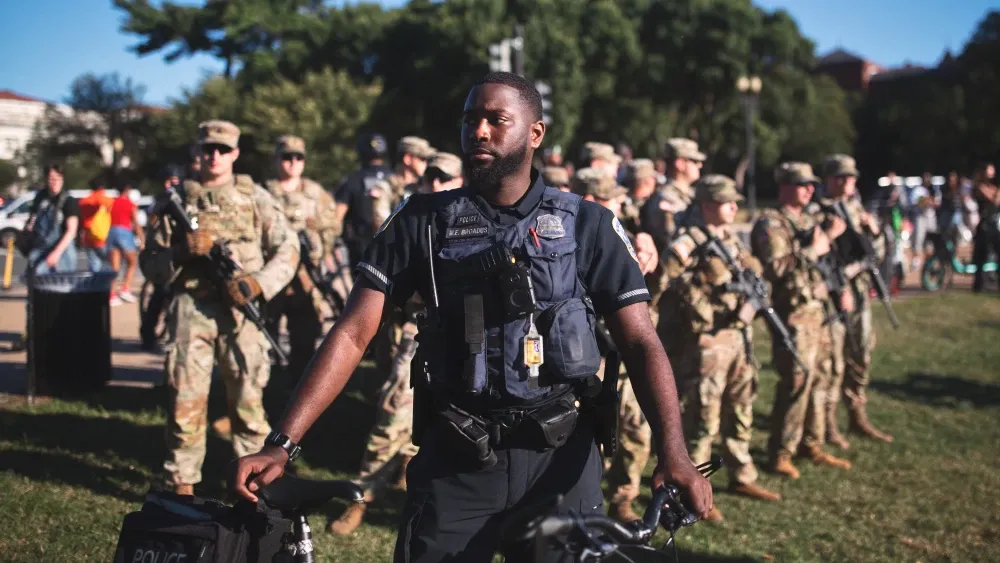 By: Benjamin Baird The recent deadly attack on U.S. service members patrolling D.C. by an Afghan national underscores the grave risks posed by supposed allies turned adversaries. Why it matters: This incident reiterates a harsh reality: trust among Afghan partners can quickly turn deadly, as seen in past Afghan "Green on Blue" insider attacks. The backdrop: Historical insider attacks have claimed nearly 150 coalition lives, primarily American, during the later stages of the Afghan war. -
In a shame and honor-based society, the barracks-square discipline that Western militaries impose on rank-and-file soldiers could provoke violent reactions from Afghan recruits, who might view shouting or corrective physical training as grave insults. The stakes: The truth is that Americans were never safe once they opened the door to nearly 200,000 Afghan refugees raised on an unwritten code of tribal honor and frontier justice. To read the full article, click here. | | ICYMI: Israel Insider with Alex Selsky 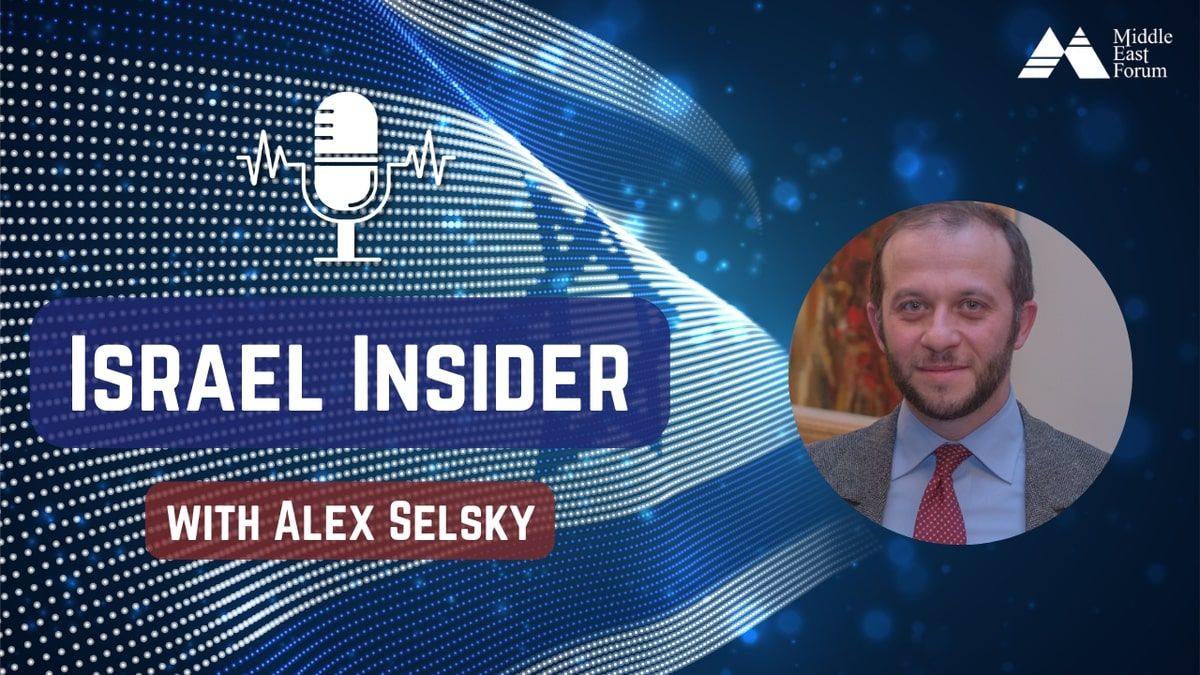 Israeli politics experienced a volatile week marked by a contentious intelligence appointment, a major coalition rift, and intensifying legal turmoil surrounding Prime Minister Benjamin Netanyahu. Netanyahu's selection of Maj. Gen. Roman Goffman—an IDF officer close to him and an outsider to the Mossad—to serve as the agency's next chief drew criticism within the security establishment. The government was further strained when Religious Zionism leader Bezalel Smotrich unexpectedly backed the ultra-Orthodox draft bill, fracturing the right and reshaping electoral dynamics ahead of expected elections. Germany signaled a renewed strategic alignment with Israel through Chancellor Friedrich Merz's visit and a large weapons-export agreement. Meanwhile, allegations of a past understanding involving a potential presidential pardon for Netanyahu fueled an escalating political standoff, with the issue stalled amid disputes over conditions and admissions of guilt. The week also saw continued deadlock over a hostage-recovery deal, firm Israeli military positions on operations in Gaza, and rising Knesset attention to countering Turkish influence in the Eastern Mediterranean. Alex Selsky is a senior adviser to MEF's Israel Victory Project and lecturer at Hadassah Academic College. He is currently serving as Homefront Command reserve major in the Israel Defense Forces. Formerly, he served as advisor to Prime Minister Netanyahu and as CEO of the International Israel Beytenu Movement. He holds a B.A. in business and executive M.A. in public policy from Hebrew University. To watch the full podcast, click here. | | As Trump and Saudi Prince Heat up Ties, Israel Normalization Left Out in the Cold 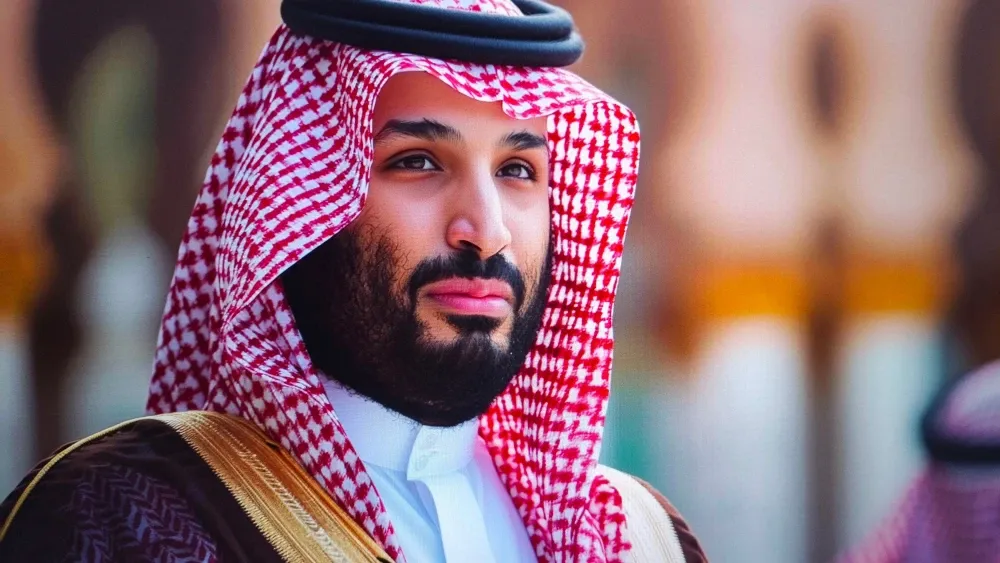 By: Lazar Berman Saudi Crown Prince Mohammed bin Salman's (MBS) recent visit to the U.S. was marked by strategic economic and defense negotiations. Why it matters: MBS aims to reassert Saudi Arabia's position as a key player in the Middle East amidst shifting regional power dynamics. Challenges ahead: Saudi Arabia's ambitious projects, like NEOM, are struggling amidst economic and technological hurdles. Impact on Israeli-U.S. relations: The U.S.'s closer ties with Saudi Arabia could affect its diplomatic balance with Israel. -
As Saudi Arabia strengthens its defense position, Israel must navigate its own security interests and regional influence. -
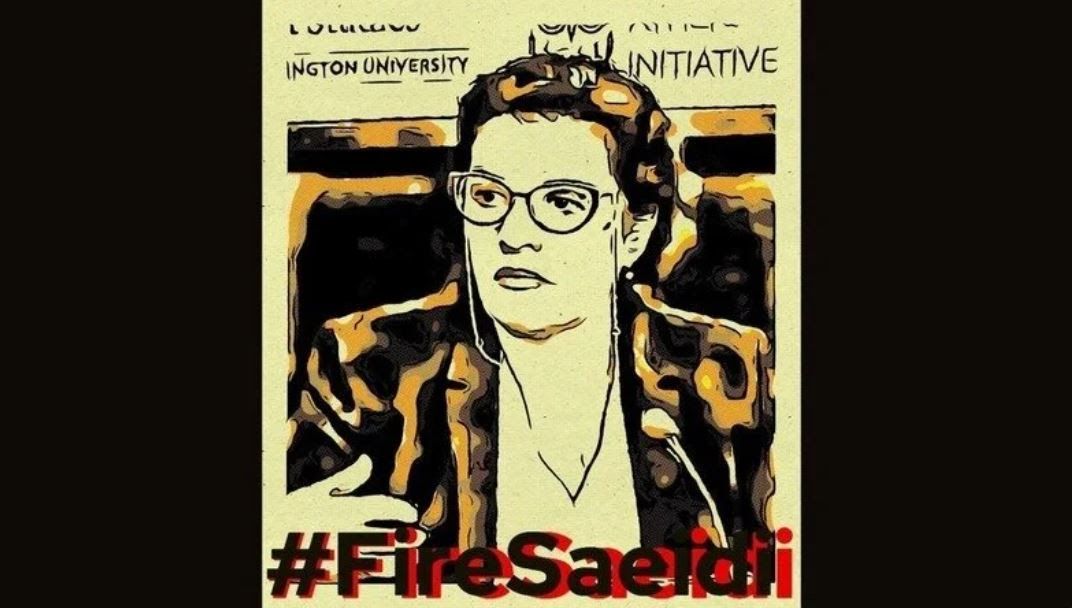
In the long run, Israel likely has advantages for the U.S. as a partner over Saudi Arabia, and the pendulum may well swing back. To read the full article in the Times of Israel, click here. | | MEF Action Alert: Tell the University of Arkansas to Investigate Professor Accused of Advancing Iran Regime's Agenda Help Iranian American activists expose Shirin Saeidi, the head of the King Fahd Center for Middle East Studies at the University of Arkansas, who is accused of advocating on behalf of Iran's Supreme Leader, defending terrorist groups, and antagonizing Iranian dissidents. According to AAIRIA, Saeidi is accused of the following: -
Defending the Islamic Revolutionary Guards Corp and calling its designation by U.S. authorities as a terrorist group "unlawful." -
Posting in support of Iran's Supreme Leader, Ayatollah Ali Khamenei. On November 27, 2025, Saeidi wrote: "The leader who kept Iran intact during the Israeli attack, May god protect you and the Iranian people from the Israeli regime." Sign the Change.org petition and urge university officials to launch a thorough investigation into allegations that Saeidi engaged in academic violations and ethical misconduct. | | Eitan Fischberger: What Qatar Says When It Thinks You Aren't Listening 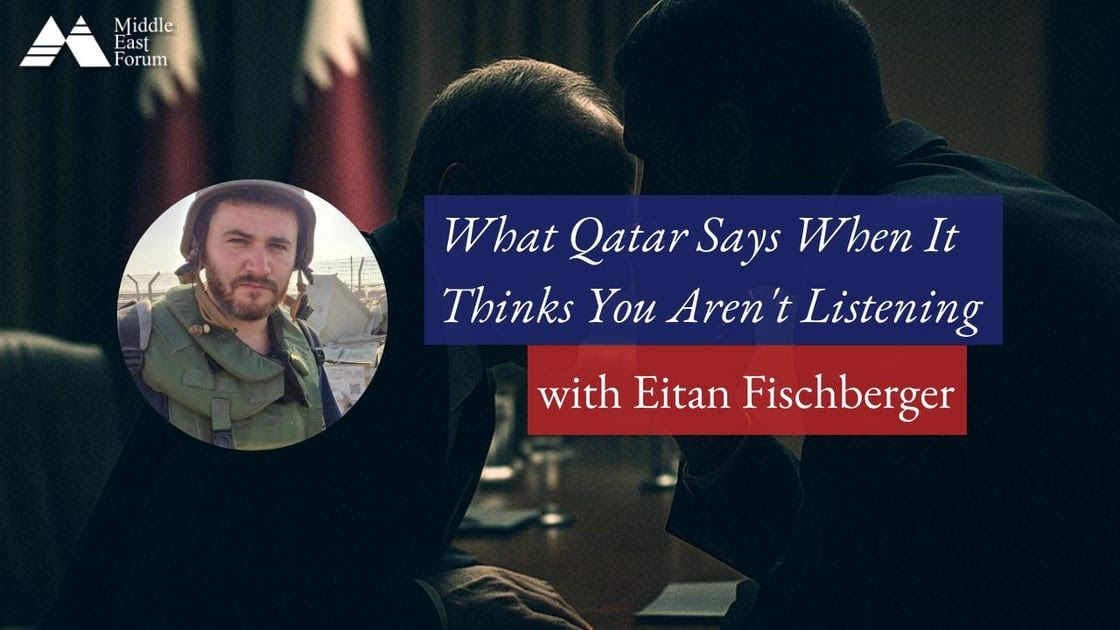 By: Marilyn Stern In a recent MEF Podcast, Eitan Fischberger, an open-source intelligence analyst, highlighted Qatar's dual nature: a U.S. ally and a strategic threat due to its support for terror networks. Why it matters: Qatar funds groups like Hamas and leverages media outlets such as Al Jazeera to spread anti-Western propaganda, undermining U.S. security. The big picture: Despite its small size, Qatar's significant investments in U.S. businesses and real estate aim to gain strategic leverage while promoting the Muslim Brotherhood's ideology. What's next: The U.S. must balance economic benefits with the strategic imperative of addressing Qatar's malign influence. To read the full summary and watch the podcast, click here. | | Is the Iranian Diaspora Ready for Team Iran's World Cup Soccer Games in Los Angeles? 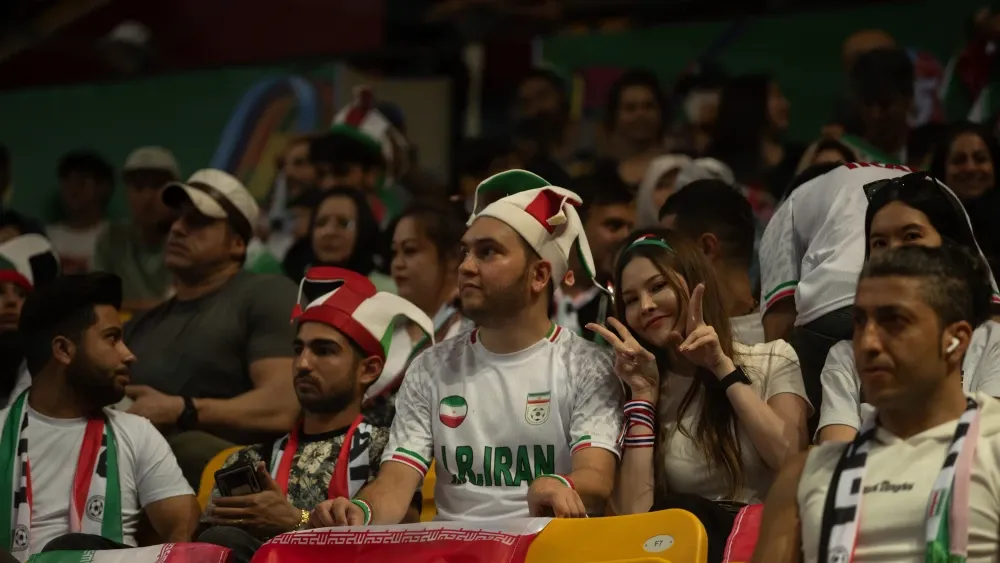 By: Shay Khatiri The FIFA World Cup in North America presents a unique opportunity for the Iranian diaspora and the U.S. government to challenge the Iranian regime's influence. Why it matters: Iran's national soccer team, playing in California, offers a rare public gathering uncoerced by the regime, signifying a chance to amplify anti-regime voices. The challenge: Despite U.S. strikes against Iran, the regime cannot afford to boycott the games due to public backlash. What's next: Coordinated protests with chants and banners can reach global audiences, leveraging the World Cup's massive viewership. -
Iranian American groups should rally outside stadiums, carrying the Lion and the Sun flag. -
Secretary of State Marco Rubio and the diaspora should independently transform Iran's two Los Angeles games into an anti-regime party, and invite all Iranians—both in the diaspora and those still in Iran—to join in. To read the full article, click here. | | Has Reza Pahlavi Become the Opposition to Iran's Opposition? 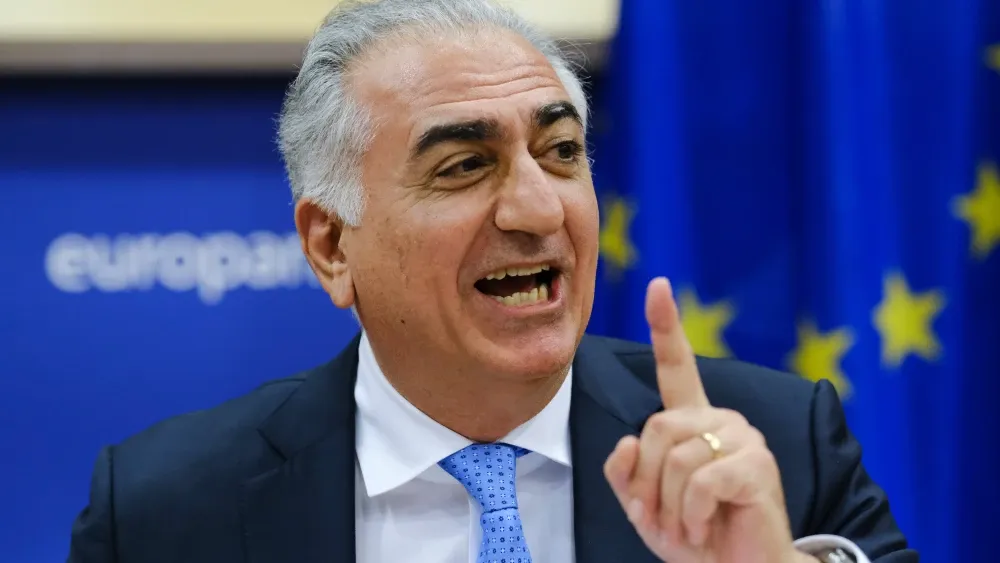 By: Alireza Nader Former Iranian Crown Prince Reza Pahlavi's political activities have led many Iranian pro-democracy activists to question whether the Islamic Republic is manipulating Pahlavi and his followers to sow discord among the opposition. Why it matters: The regime's cyber tactics, revealed by X's user origin display, amplify Pahlavi's image while fostering discord among pro-democracy activists. The challenge: Pahlavi's supporters, both unwittingly and wittingly, contribute to attacks on prominent dissidents, complicating efforts to unify against the regime. What's next: The opposition must introspect on its strategies and allegiances, addressing how blind loyalty to figures like Pahlavi may hinder regime change. To read the full article, click here. | | Iran's Escalating Air Pollution Crisis 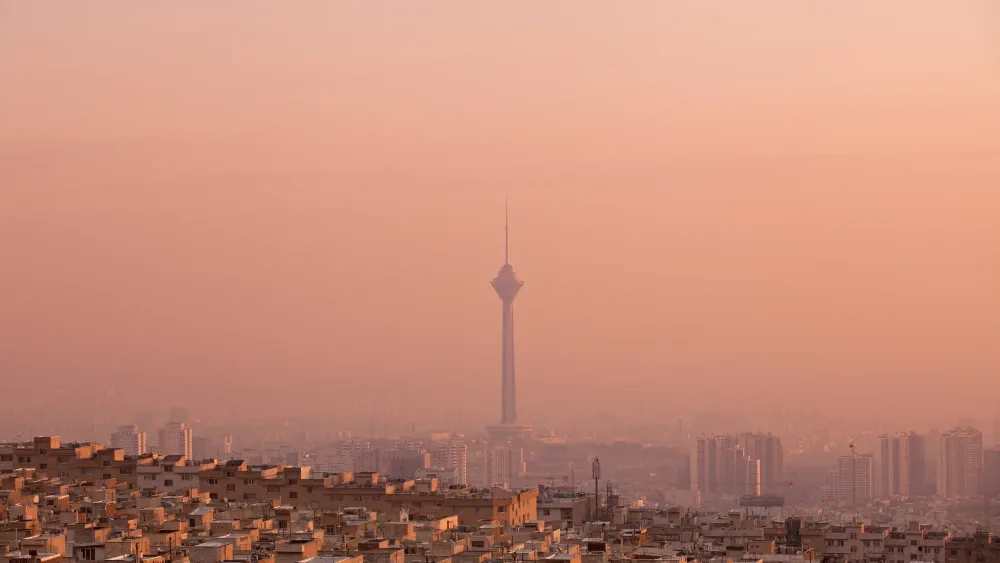 By: Dalga Khatinoglu Tehran was ranked the world's most polluted city by IQAir, spotlighting the Iranian regime's mismanagement of environmental and energy policies. Why it matters: The regime's reliance on burning high-sulfur mazut due to gas shortages has led to catastrophic pollution levels, endangering public health. The big picture: Despite vast gas reserves, the regime's chronic mismanagement leaves Iran burning 40-50 million liters of mazut daily, exacerbating pollution. What's next: The pollution crisis could unify Iranians against the regime, as it does not discriminate by class or ethnicity, highlighting governmental failures. To read the full article, click here. | | End the Iran-Hezbollah Footprint in Venezuela 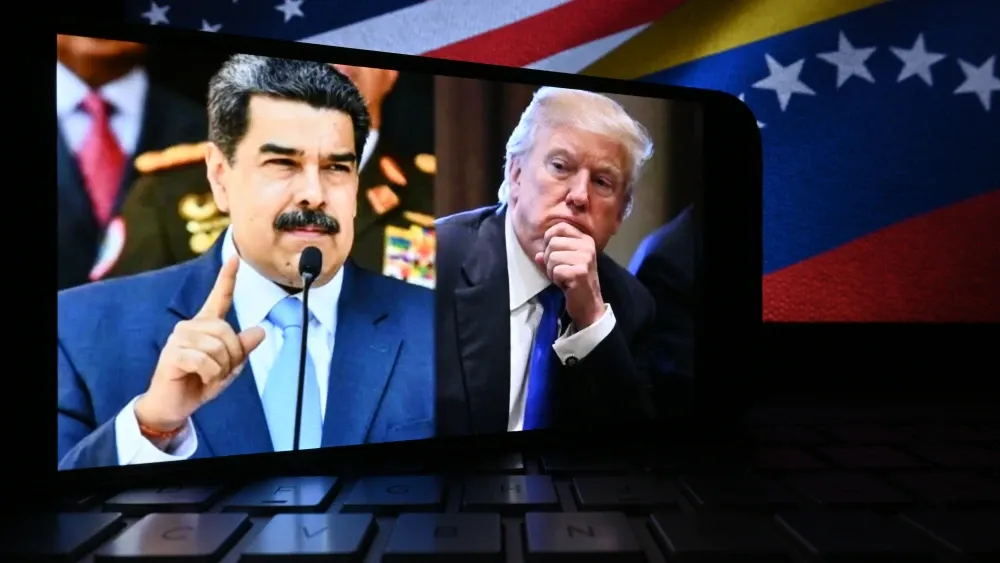 By: Elliot Nazar As the Trump administration deploys forces into the Caribbean and weighs military action to remove Venezuelan President Nicolás Maduro, the administration also should confront the Islamic Republic of Iran and Hezbollah's presence in the South American country. Why it matters: Iran and Hezbollah leverage Venezuela to expand their influence in Latin America, posing threats to U.S. and Israeli interests. -
Their activities include drug trafficking, financial schemes, and military alliances, undermining regional stability. The challenge: Designating the Maduro regime as a State Sponsor of Terrorism could strengthen U.S. efforts to isolate it and disrupt its ties with Iran. What's next: A coordinated strategy involving sanctions, military strikes, and diplomatic pressure can curb Iran's influence and pressure Maduro. To read the full article, click here. | | Russia's Upgraded Shahed Drones Reshape the Threat Facing Israel and Ukraine  Mardo Soghom Recent reports indicate that Russia has significantly enhanced Iran's Shahed drones, potentially increasing threats to Ukraine and Israel. Why it matters: The new turbojet engine triples the drone's speed, complicating interception efforts and enabling faster strikes on key targets. The challenge: If Russia shares technical specs or engines with Iran, production could quickly ramp up, stressing Israeli and Western defenses. What's next: Intelligence vigilance is crucial to monitor any shipments or technology transfers from Russia, China, or North Korea to Iran. To read the full article, click here. | | We appreciate your continued support for the Middle East Forum. If you found this edition of the Dispatch useful, please share it with others and be sure to let us know your thoughts on our coverage via the comments feature. Sincerely, Winfield Myers
Managing Editor, Middle East Forum
Director, Campus Watch | | | | Was this edition useful?  

Your email will be recorded and shared with the sender |        MEF, an activist think tank, deals with the Middle East, Islamism, U.S. foreign policy, and related topics, urging bold measures to protect Americans and their allies. Pursuing its goals via intellectual and operational means, the Forum recurrently has policy ideas adopted by the U.S. government.
Copyright © 2024 Middle East Forum, All rights reserved.
Our mailing address is:
Middle East Forum
1650 Market Street, Suite 3600
Philadelphia, PA 19103 | | | | | Powered by 
| | This email was sent by Middle East Forum via Axios HQ | | | |

0 коммент.:
Отправить комментарий