| |  | | | Iran in Revolt By Winfield Myers ● Dec 31, 2025 Smart Brevity® count: 10 mins...2603 words Dear Reader, As 2025 closes, I am sending you this urgent, special edition of the MEF Dispatch because history is being written right now in the streets of Iran. For the past four days, following a historic collapse of the rial, the regime has faced unprecedented nationwide unrest. We are seeing broad swaths of society openly demanding the end of the Islamic Republic. The Middle East Forum is operational on the ground right now. We prepared for this moment by deploying over 470 Starlink terminals inside the country to keep activists connected when the internet goes dark. Tonight—New Year's Eve—activists are using our newly developed secure AI platform to coordinate actions and receive strategic tactical guidance in real-time. While others analyze from the sidelines, MEF provides the infrastructure for action. Your year-end contribution ensures we can sustain these critical operations into 2026 and help the Iranian people seize this opportunity for freedom. Thank you for your partnership. Here's to finishing what we've started. Happy New Year, Gregg Roman
Executive Director
Middle East Forum Tax-Deductible Giving Information: To ensure your contribution is tax-deductible for the 2025 tax year: -
Online: Make your gift via credit card before midnight tonight by clicking here. -
By Mail: Mail checks made out to "Middle East Forum" dated "December 31, 2025" to our address below (they will count for 2025 even if received in January): Middle East Forum
1650 Market Street, Suite 3600
Philadelphia, PA 19103 | | Iran's Economic Flashpoint and the Regime's Fragile Grip 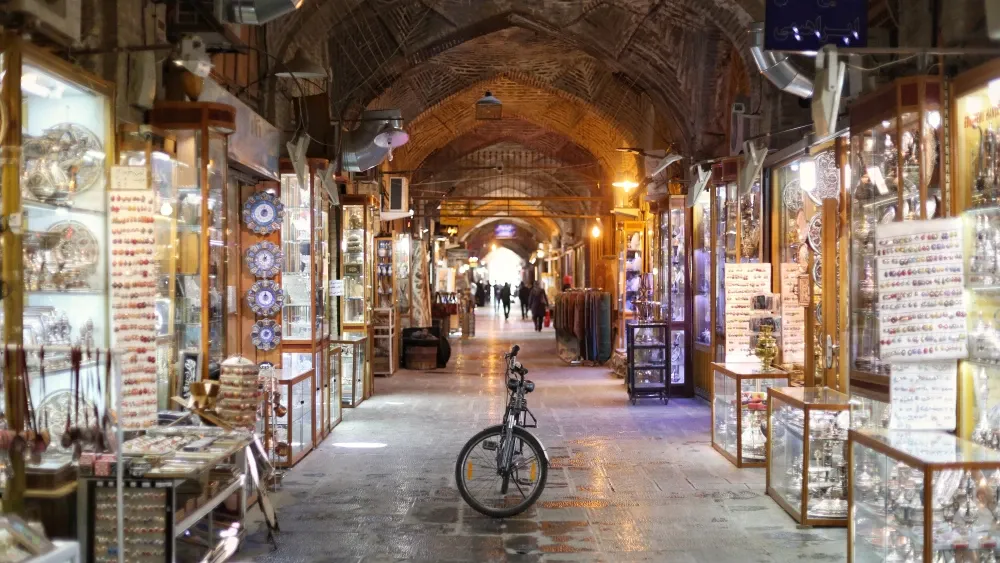 By: Mehrded Marty Youssefiani The latest demonstrations in Iran, now in their fourth day, signify a critical escalation amid economic turmoil and political unrest. Why it matters: The protests are driven by a combination of economic collapse, post-war fatigue, and eroding legitimacy, which could potentially cascade toward regime instability. The big picture: Strikes and protests have spread to at least a dozen cities, affecting commercial hubs and sparking broad participation across societal strata. -
The unrest is marked by cross-class collaboration, uniting previously regime-supportive groups with secular students and ethnic minorities. -
The cities of Mashhad and Yasuj witnessed significant protests following the death of human rights lawyer Khosrow Alikordi and water-shortage strikes, respectively, highlighting localized grievances fueling the national narrative. Regime response: Tehran has employed a mix of violence and tactical maneuvers to quell the unrest. -
Security forces have resorted to tear gas, live rounds, and detentions, while President Masoud Pezeshkian has suggested dialogue—a typical regime strategy to divide opposition. -
Reports of fatalities and arrests are emerging from hotspots like Hamadan and Izeh, where the use of birdshot and live ammunition has intensified. What's next: The protests lack centralized leadership but continue gaining momentum through decentralized networks. -
If strikes spread to critical infrastructure such as refineries and ports, and mid-level Islamic Revolutionary Guard Corps defections materialize, the movement could spread nationwide. -
The decentralized nature of these protests, leveraging VPNs and encrypted messaging apps, mirrors the resilience seen in past movements like the 2022-2023 Woman, Life, Freedom movement. Our thought bubble: Foreign policymakers should prioritize covert support for civil society networks while avoiding public actions that alienate nationalists. Iran's future will be determined internally; external actors must amplify—not hijack—indigenous momentum. To read the full article, click here. | | Iran Enters Third Day of Unrest as Protestors Demand End to Islamic Republic  By: Mardo Soghom Protests and strikes continued across several Iranian cities on December 30, 2025, entering a third day as a flood of user-generated videos showed demonstrators openly demanding an end to the Islamic Republic. Economic collapse fuels unrest: The unrest began on December 28 in Tehran's retail markets, collectively known as the Bazaar, after the national currency fell to a historic low of 1.44 million rials to the U.S. dollar. Escalating tensions: Initially, authorities used regular police with restraint, but by midday on December 29, deployed more hardline forces as violence erupted. International implications: Activists and analysts suggest Israel's June air campaign weakened the regime's leadership, affecting its current response. Outlook: The absence of an organized revolutionary structure may prove decisive; street protests alone are unlikely to topple the regime. To read the full article, click here. | | How to Encourage More Iranians to March in the Streets 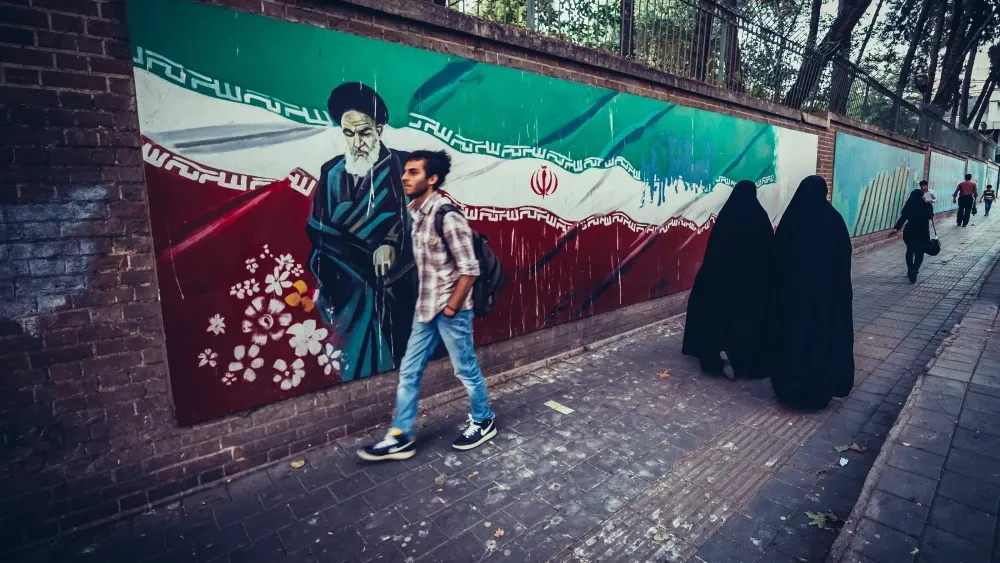 By: Shay Khatiri A new round of protests in Iran is gaining steam, just a day after Supreme Leader Ali Khamenei's official website published an interview with Iranian President Masoud Pezeshkian, who claimed that Israel's hopes for people to take to the streets went unfulfilled. Regime claims vs. reality: While Iranians did not protest en masse during the June 2025 war, the regime's interpretation of this is misleading. Organizational challenges: A key issue stifling protests is the lack of organization and direction. Diaspora's potential role: With protests resurging, the diaspora could play a crucial role by providing clear instructions and leveraging alternative communication channels. -
This includes a plan to use alternatives such as text messages, satellite television channels, including Voice of America's Persian service, and radio channels, including Radio Farda. -
Iranians need instructions to prepare in advance by downloading offline messaging apps to share announcements with their neighbors. Strategic considerations for Israel: If the regime survives this crisis, then Israel might resume its conflict to neutralize the growing threat of Iranian ballistic missiles. -
Israel should state that it will use its air superiority to protect people from the regime's helicopters. A viral video of an Israeli missile hitting a regime helicopter attacking demonstrators would ensure that protesters will multiply the next day. -
The Islamic Republic has repeatedly revealed its greatest fear: An uprising during wartime. The regime may shout that it enjoys popular legitimacy and national unity is strong, but increasingly, the ayatollah wears no clothes. To read the full article, click here. | | Tehran Bazaar Protests Erupt as Rial Plunges to Record Low 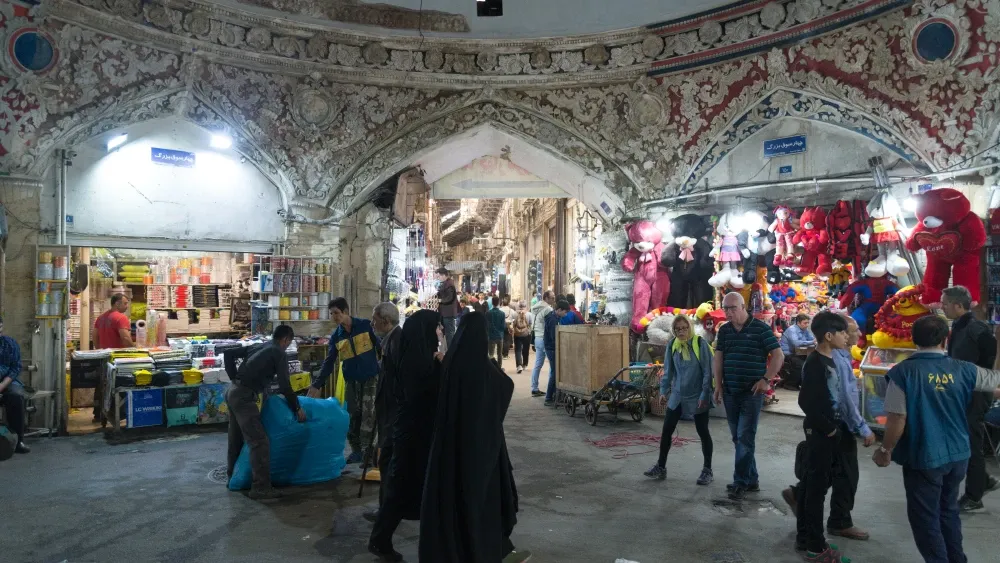 By: Mardo Soghom Protests erupted in Tehran's bazaars on Sunday, December 28, 2025, as Iran's currency plunged by more than 7 percent in a single day. The U.S. dollar surged to 1.44 million rials, effectively halting retail and wholesale activity in the capital's main markets and disrupting trade between Tehran's warehouses and other cities. Economic crisis deepens: Foreign currencies have roughly doubled in value against the rial over the course of 2025, driving prices sharply higher. -
Iran relies heavily on imports for essential goods, including grain and medicine, leaving domestic prices highly sensitive to currency swings. Many food items have recorded triple-digit inflation in recent months. Impact on citizens: The situation is devastating for ordinary workers, with monthly wages averaging $100, far below the poverty line. Parliamentary tensions: The growing strain has reverberated through parliament, with lawmakers warning of a "dangerous front" and debating severe foreign-currency constraints. International pressure: Despite U.S. "maximum pressure" and Israeli air campaigns, Iran remains under severe economic and military strain. To read the full article, click here. | | Iran Weighs New Crisis Ministry as Economy Falters and Security Threats Loom  By: Mardo Soghom Iran's deteriorating economic and environmental conditions have reached a point where it is increasingly difficult to define what constitutes a "crisis." Against this backdrop, some politicians have revived an old proposal to establish a "Ministry of Crisis Management." Iran's disaster vulnerability: Iran remains among the world's most disaster-prone countries, facing frequent earthquakes, drought, and desertification. -
Since 1981, major earthquakes alone have killed more than 80,000, while chronic air pollution claims tens of thousands of lives annually. Proposal's political context: Parliament will likely discuss the proposed law in late December 2025. Hardline lawmaker Abolfazl Abutorabi introduced the initiative, but its passage is uncertain. Timing and implications: The proposal arises amid looming emergencies, including potential Israeli airstrikes and internal crises like water shortages and inflation. Challenges lie ahead: Iran's challenges could grow even more severe if the Trump administration moves to crack down on the shadow fleet transporting sanctioned Iranian oil to China, following the model of recent tanker seizures linked to Venezuela. To read the full article, click here. | | The Year in Review: Iran Faces Paralysis at Home and Pressure Abroad 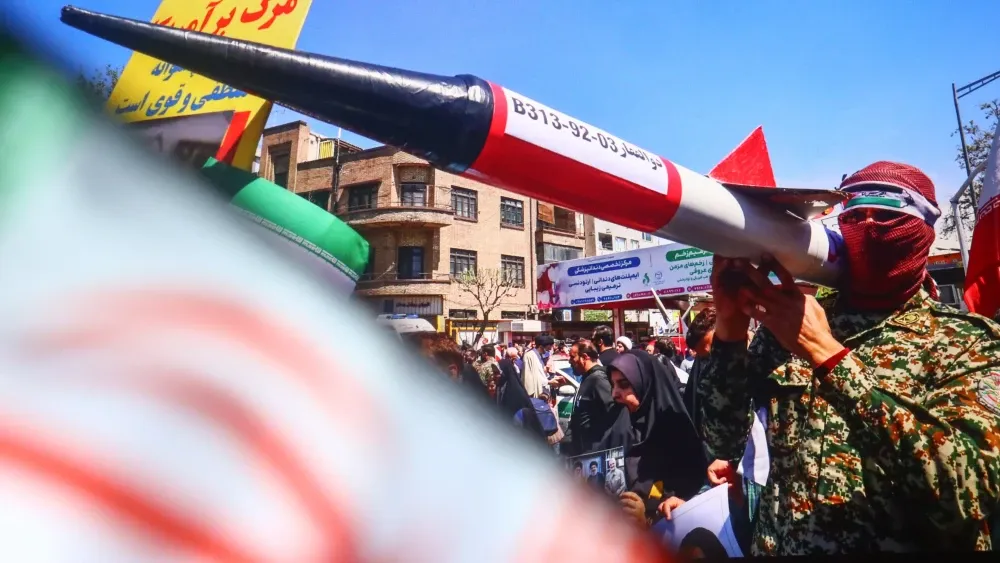 By: Mardo Soghom If 2015 was Iran's high point with the nuclear deal, 2025 marks its tumble into chaos, both economically and politically. Why it matters: The Islamic Republic is grappling with regional losses and a domestic crisis that resembles governance chaos. -
Iran lost its grip on Syria as Sunni jihadists toppled Bashar al-Assad, while Israel's strikes decimated Hezbollah, a linchpin in Iran's regional strategy. -
President Trump's second term reinstated "maximum pressure," demanding Iran halt its nuclear ambitions and regional "mischief." Regional setbacks: Tehran's inability to manage its strategic assets is evident as Hamas hides and Hezbollah falters. -
The twelve-day June war saw Israel dominate the skies over Iran, exposing Tehran's military vulnerabilities. -
Iran's extensive proxy network, built at a colossal cost, proved ineffective against Israel's might. Economic collapse: Amidst this chaos, Iran's currency plummeted by 71 percent, further crippling its economy. -
Oil exports to China, Iran's major buyer, have dwindled, while unsold crude builds up in storage. -
Inflation and shortages of essentials, from food to heating gas, have plunged millions into hardship. Our thought bubble: Iran may be approaching the end of an inefficient political system shaped by Islamism, patronage networks, entrenched corruption, and an aggressive foreign policy. External pressure, combined with mounting internal strain, could prove decisive in forcing change in the coming year. To read the full article, click here. | | Prepare Iran's Truth and Reconciliation Commission 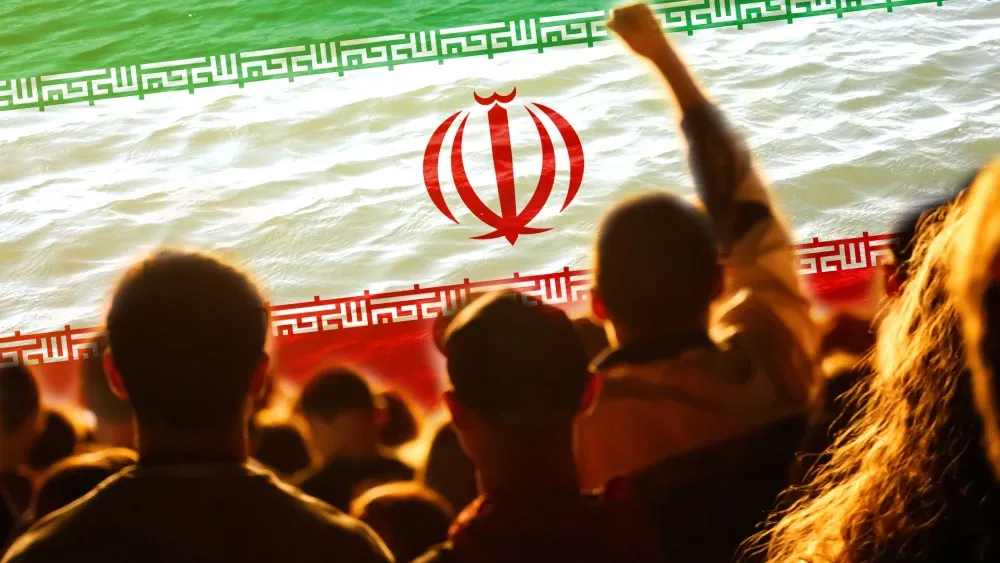 By: Michael Rubin The Iranian people have had enough. For more than a century, strikes in the Tehran bazaar have heralded revolution, reflecting eroding support among the regime's core supporters. Historical parallels: Strikes in the Tehran bazaar have previously sparked major political changes, including the 1905 Constitutional Revolution and the 1979 Islamic Revolution. Current unrest: The June 2025 war with Israel has further eroded regime legitimacy among core supporters. Future challenges: As protests become more frequent, the regime's trajectory seems clear—towards eventual collapse. -
There is no magic formula, but the international community and Iranians themselves must begin debating whom, if anyone, they should execute, whom they should imprison, whom they should disqualify, and whom they should forgive. Transitional justice: Many Iranians who suffered at the heels of regime officials may want blood, to avenge fathers, mothers, sons, and cousins. This, however, can unleash a cycle that will consume Iran in blood. -
Failure to bring justice and expose the networks of repression, however, can condemn Iran to more dictatorship as the Revolutionary Guard reconstitutes its forces to stymie the aspirations of the Iranian people. -
They must decide whether surrender now merits forgiveness for past abuses if it means a quicker regime collapse. Consistency will matter. Failure to engage in transitional justice now will make insurgency, if not civil war, more likely later. To read the full article, click here. | | The Year in Review: Iran's Deepening Economic Crisis 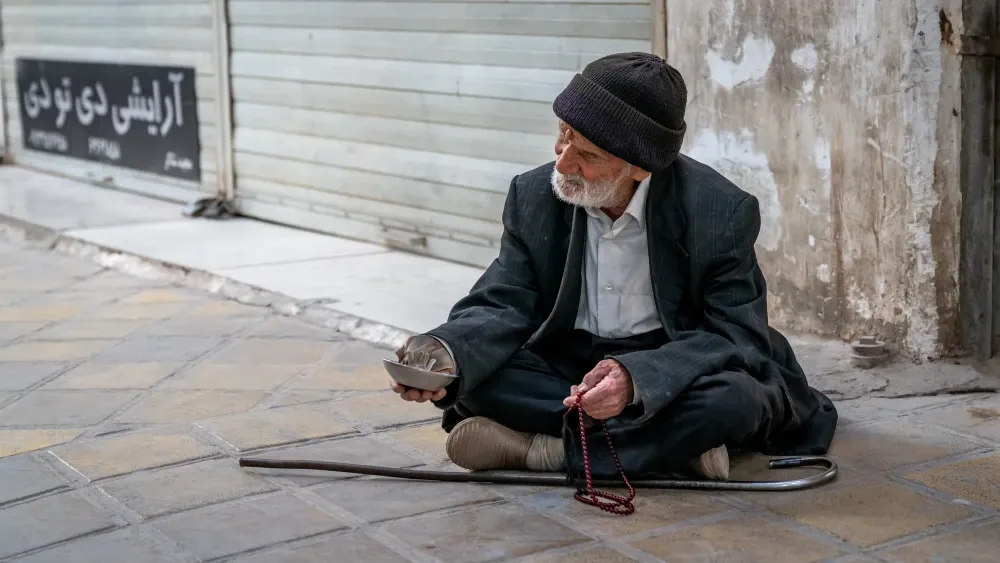 By: Dalga Khatinoglu Iran experienced one of its worst economic and energy crises in 2025. Negative economic growth coincided with 49 percent inflation, severe shortages, and rationing of energy and water. Economic meltdown: The national currency collapsed, and the government faced an unprecedented budget deficit. Energy and inflation woes: Oil discharges fell significantly, with Iran forced to offer deep discounts to China amid global price drops. Labor market struggles: The labor force participation rate plummeted to 41 percent, with wages falling to the bottom of the regional scale. Outlook: Given the reinstatement of U.N. sanctions and global oil surplus, the economic conditions in Iran are set to worsen. -
A potential surge in inflation to as high as 3,000 percent raises alarms for the Iranian populace. -
Iranians should expect their living conditions to deteriorate even further next year. To read the full article, click here. | | Iranian YouTubers and the Struggle for Financial Independence from the State  By: Potkin Azarmehr Over the past decade, thousands of Iranians have managed to earn a living by producing high-quality content on YouTube, offering a rare financial independence from the state. However, this ecosystem is now under threat. Economic invisibility: Iran's political isolation makes its population economically invisible to global advertising markets, leading to a dramatic drop in advertising revenue for creators. Algorithmic impact: YouTube's algorithms, adjusted under pressure from advertisers, now identify and devalue channels with predominantly Iranian audiences. Broader social consequences: The monetization collapse may radicalize Iran's "grey sector"—those who do not support the regime but remain politically inactive. Creators' dilemma: Iranian YouTubers face tough choices: stop creating, seek unreliable revenue streams, or rely on currency devaluation. -
None of these options preserves YouTube's promise of independent, merit-based income. -
Iranian YouTubers did everything global platforms claim to reward, yet their success collides with the policies of an outdated regime. To read the full article, click here. | | As events in Iran unfold, the scholars and analysts at the Middle East Forum will continue our coverage with timely information and analyses that cut to the heart of each issue. Look for additional updates on Iran in the days ahead, plus our coverage of the Middle East and Islamism in the West. Thank you for your support this year, and if you've enjoyed this issue of the Dispatch, please forward it to a friend and let us know your thoughts via the comments section. Happy New Year! Sincerely, Winfield Myers
Managing Editor, Middle East Forum
Director, Campus Watch | | | | Was this edition useful?  

Your email will be recorded and shared with the sender |        MEF, an activist think tank, deals with the Middle East, Islamism, U.S. foreign policy, and related topics, urging bold measures to protect Americans and their allies. Pursuing its goals via intellectual and operational means, the Forum recurrently has policy ideas adopted by the U.S. government.
Copyright © 2025 Middle East Forum, All rights reserved.
Our mailing address is:
Middle East Forum
1650 Market Street, Suite 3600
Philadelphia, PA 19103 | | | | | Powered by 
| | This email was sent by Middle East Forum via Axios HQ | | | |

0 коммент.:
Отправить комментарий