| |  | | | Islamic Republic of Iran Outraged at Pro-Regime Prof's Demotion in Arkansas; Islamism in the West By Winfield Myers ● Dec 22, 2025 Smart Brevity® count: 10.5 mins...2734 words A grassroots campaign led by Iranian-American activists and supported by MEF compelled the University of Arkansas to remove Shirin Saeidi as director of the school's King Fahd Center for Middle East Studies and consider firing her for cause. Saeidi is the third regime-linked professor over the past year who was suspended, retired under pressure, or demoted as a result of MEF's work with Iranian American dissidents. This issue features two reports on the growing threat of Islamism in the United Kingdom. Potkin Azarmehr writes about a Lancashire town that has emerged as a recurring source of jihadist violence, while Jules Gomes reports on a government redefinition of "Islamophobia" as "anti-Muslim hostility" that has sparked concerns over potential threats to free speech. Joe Adam George says that an Ontario school district is circulating a guide to combating "Islamophobia" produced with a group with alleged Muslim Brotherhood affiliations. We also include the work of David E. Firester, Aaron Shuster, Amine Ayoub, and Nicoletta Kouroushi. Unlike other think tanks, the Middle East Forum's fellows and writers conduct on-the-ground research across the region, including Iraq, Lebanon, Syria, Yemen, Armenia, Oman, and other sensitive areas. We don't rely on secondhand briefings; we go straight to the sources. Please consider a year-end gift (click here) to help us continue our work. | | Islamic Republic of Iran Outraged at Pro-Regime Prof's Demotion in Arkansas 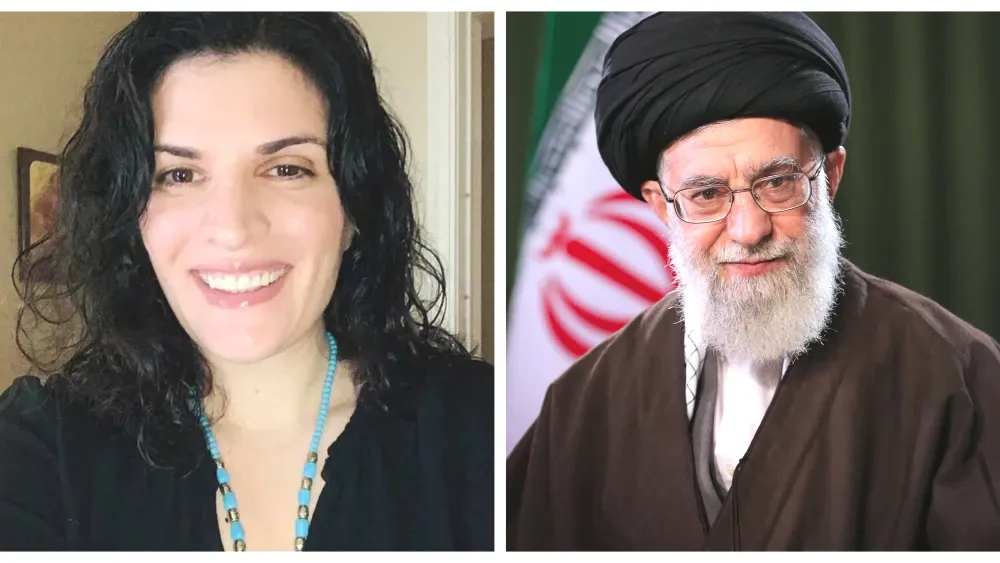 News from the Middle East Forum The University of Arkansas demotes Shirin Saeidi: A grassroots effort by Iranian-American activists, backed by the Middle East Forum, has forced the University of Arkansas to remove Shirin Saeidi as director of its King Fahd Center for Middle East Studies and to consider firing her for cause. The university's reaction: Saeidi was demoted over her alignment with Iran's regime and misuse of university resources to defend a war criminal. -
Saeidi's dean cited her unabashed support for Ayatollah Khamenei and Iran's regime, her misuse of university letterhead to defend a convicted war criminal, and for posting "inflammatory" social media messages calling for Israel to "be dismantled." Why it matters: This underscores MEF's influence in curbing Iranian regime propaganda in U.S. academia and the power of advocacy in expelling regime-linked academics, sending a clear message against Tehran's toxic influence on U.S. campuses. -
The university is evaluating Saeidi's employment status, while Cambridge University Press investigates allegations of unauthorized use of interview material in her book. -
Saeidi is the third regime-linked professor over the past year who was suspended, retired under pressure, or demoted as a result of MEF's work with Iranian American dissidents. The bottom line: MEF's Gregg Roman: "To the regime's proxies who remain as faculty at America's universities: your days of operating with impunity are numbered. We will continue exposing and dismantling this network until we rid America's campuses of Tehran's toxic influence." To read the full press release, click here. | | Middle East Forum: We Don't Watch from Washington. We Go.  MEF Delivers Ground-Level Intelligence That Shapes American Policy When the Assad regime fell last December, Washington's foreign policy establishment scrambled to understand what was happening. The Middle East Forum didn't need to scramble—our team was already there. Unlike other think tanks, the Middle East Forum's fellows and writers conduct on-the-ground research across the region, including Iraq, Lebanon, Syria, Yemen, Armenia, Oman, and other sensitive areas. We don't rely on secondhand briefings; we go straight to the sources:
-
Syria: MEF researchers documented the regime's collapse in real time from our Aleppo office. We continue monitoring abuses against vulnerable minorities—Alawis, Kurds, and Druze communities—by the new HTS-led government, just as we documented Assad's atrocities for years -
Iraq: Our team mapped Iran-backed militia networks, documented their infiltration of Iraqi security forces, and provided intelligence that informed U.S. terrorist designations against groups targeting American personnel -
Lebanon: MEF investigators traced Hezbollah's financial infrastructure, monitored the group's reconstruction efforts after the 2024 war, and documented Iranian resupply operations threatening regional stability -
Yemen: Our researchers cultivated sources across the conflict's fault lines, tracking Houthi weapons flows and identifying opportunities for American engagement with anti-Iran factions -
Israel: From our Jerusalem office, MEF maintains constant engagement with Israeli defense officials, intelligence services, and policymakers—providing real-time analysis and advancing our Israel Victory doctrine through parallel Knesset and Congressional caucuses We maintain permanent offices in Aleppo, Amman, Jerusalem, and Casablanca. Over the years, MEF staff have engaged with more than 100 senior foreign officials—heads of state, prime ministers, defense ministers, intelligence chiefs, and military commanders. These relationships produce insights that no armchair analyst can match. This is the difference between a think tank and a think-and-do tank. We go to the source, cultivate relationships with the people who matter, and convert that knowledge into consequence. Our access and influence are unequaled because supporters like you make it possible. If you have already made your year-end gift, thank you. If not, please consider making a contribution to support our efforts in safeguarding American values from threats emanating from the Middle East. To make your donation, click here. | | ICYMI: The Middle East in 2026 with Robert Silverman 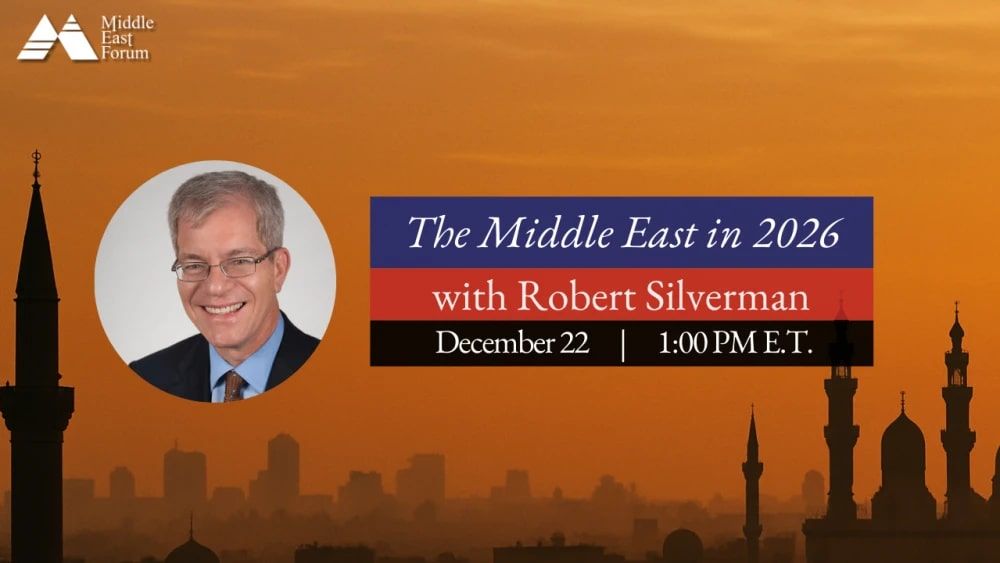 Despite enduring rivalries among Egypt, Israel, Turkey, Saudi Arabia, and Iran, a U.S.-anchored regional alignment is emerging because American leadership remains essential to binding these competing powers together. U.S. Central Command's integration of Israel into regional military coordination is a key structural shift. Postwar Gaza identified is an early test case for a broader civil-military stabilization framework supported by Trump-era diplomacy and an internationally endorsed Gaza plan. Weakening Iranian proxies, expanding regional military cooperation, and growing economic ties—such as Israeli gas exports to Egypt—create grounds for cautious optimism heading into 2026. Robert Silverman is a former U.S. diplomat with 27 years of experience primarily working in and on the Middle East. He served as political counselor in Israel, economic counselor in Saudi Arabia, deputy chief of mission in Sweden and governance coordinator of Salah al-Din Province of Iraq, among nine overseas assignments. In Washington, he was elected to serve as president of the American Foreign Service Association by its 17,000 members. Silverman currently teaches at Shalem College in Jerusalem in the Middle Eastern Studies and Public Policy departments. He edits the Jerusalem Strategic Tribune (www.jstribune.com), a foreign affairs journal. He is also president and co-founder of IJMA, the Inter- Jewish Muslim Alliance (www.ijma-alliance.org). Silverman holds a B.A. and an MPA from Princeton University and a J.D. from the University of Michigan Law School. To watch the full podcast, click here. | | Nelson, A Hotbed of Jihadism in Northwest England  By: Potkin Azarmehr Nelson, once a mill town in Lancashire, has become a breeding ground for Islamist jihadist violence due to self-imposed segregation and ideological radicalization. Self-segregation fuels extremism: With a population of just 35,000, Nelson illustrates how even a small English town can become a persistent source of jihadist violence when segregation, ideological radicalization, and official reluctance to confront extremism converge. Weak oversight empowers radicals: Lax charity oversight has emboldened extremist Islamist figures to spread their narratives without consequence. Urgent need for action: Reclaiming towns like Nelson will require the state to abandon its reluctance to act—enforcing the law evenly, confronting ideological radicalization directly, and ending the pretense that social cohesion can be achieved without challenging those who actively undermine it. To read the full article click here. | | Islamophobiacs at It Again in U.K. 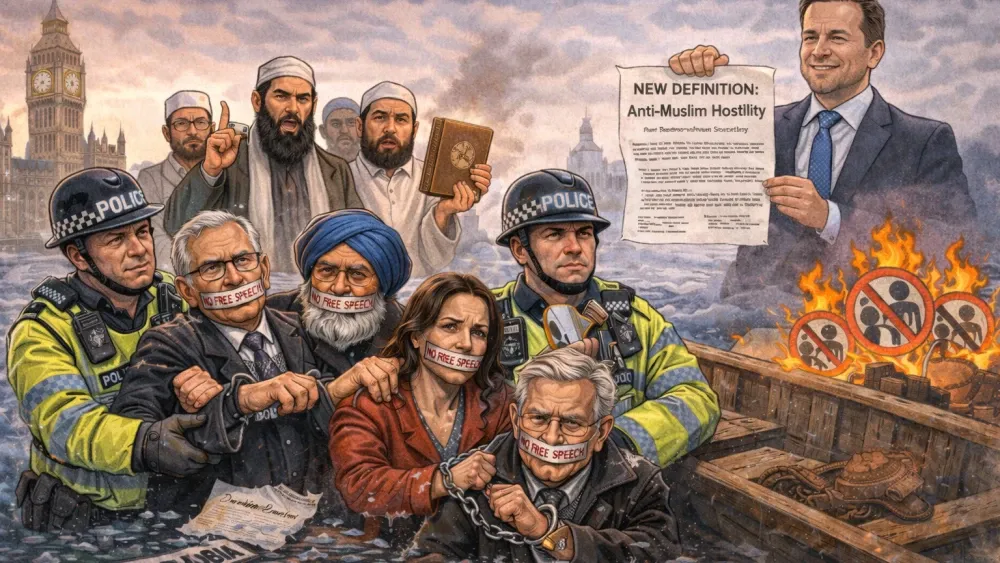 By: Jules Gomes The U.K.'s redefinition of "Islamophobia" as "anti-Muslim hostility" has sparked concerns over potential threats to free speech. Threat to free speech: The new definition risks acting as a de facto blasphemy law, stifling criticism of Islam. Backlash from various groups: Secular, religious, and parliamentary figures warn against adopting expansive terminology that may criminalize factual statements. Calls for balanced policy: Critics demand a fair approach that protects free speech for all religious groups without privileging one over others. To read the full article, click here. | | Ontario Schools Promote Islamist Agenda in Name of 'Equity' 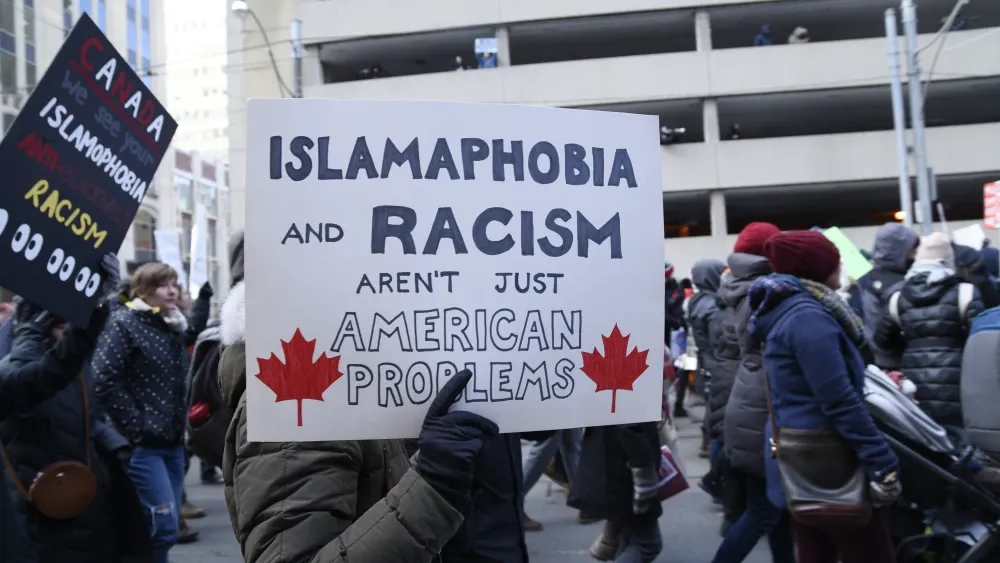 By: Joe Adam George The Durham District School Board, Ontario's third largest, is facing criticism for distributing a guide co-developed with the National Council of Canadian Muslims (NCCM), reflecting growing Islamist influence in Canada's education system. Indoctrination over education: The guide, framed around intersectionality and anti-oppression, directs staff to view experiences through "Islamophobia," stifling open discourse on radical Islam. Widespread infiltration in Ontario: Similar initiatives by the NCCM have influenced multiple school boards, embedding ideological narratives under the guise of combating discrimination. Call for transparency and action: Parents and educators are demanding that the Durham District School Board and other boards ensure educational content remains neutral and transparent, resisting external ideological pressures. To read the full article, click here. | | Ahmed Fouad Alkhatib: Will War Return to Gaza? 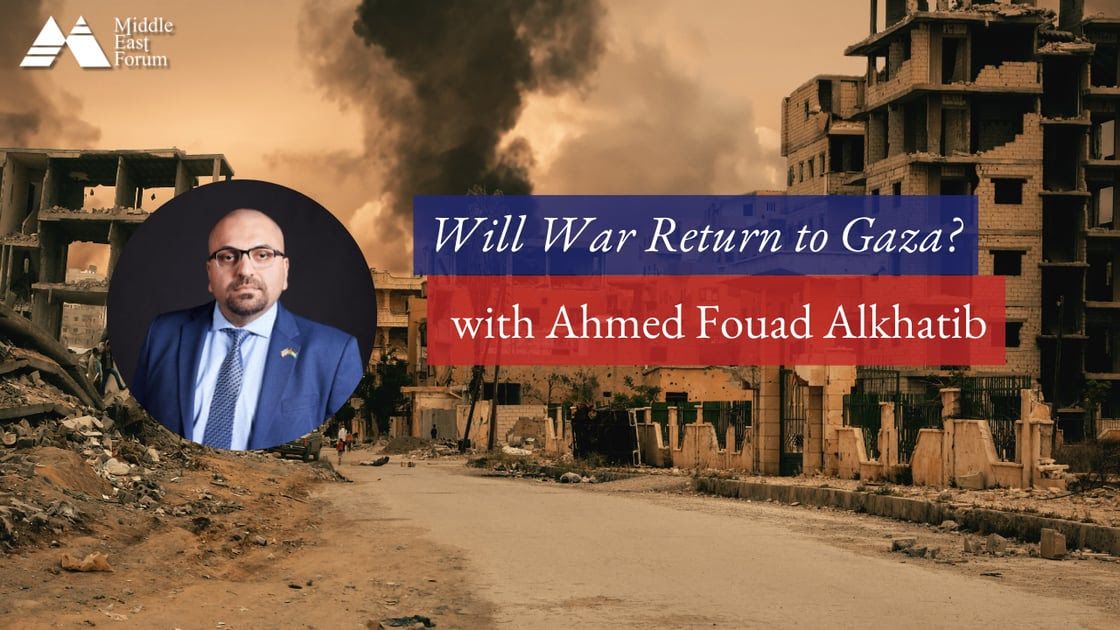 By: Marilyn Stern On a recent MEF Podcast, Ahmed Fouad Alkhatib, an expert from the Atlantic Council, revealed how Hamas maintains control over Gaza by exploiting critical infrastructure, complicating efforts for peace and stability. Hamas's strategic exploitation: The terror group uses hospitals and schools as shields, with ministries operating from Shifa, Al-Aqsa, and Nasser hospitals. -
These facilities serve as hubs for operations, including torture, economic exploitation, and financial racketeering, making any humanitarian interventions fraught with danger. Challenges for international peace efforts: The proposed International Stabilization Force struggles with disarmament, as regional politics and reluctance to confront Hamas stall progress. Path to transformation: Alkhatib emphasizes leveraging local opposition to Hamas, fostering change from within Gaza. -
Building on Gazans' resentment towards Hamas's oppressive rule, there is potential to transform public opinion and set the stage for a more stable and independent Gaza. -
However, external influences from Turkey and Qatar, and internal divisions, complicate efforts to foster a sustainable Palestinian governance system. To read the full summary and watch the podcast, click here. | | X's Transparency Rules Expose a Synthetic Gaza Disinformation Network  By: David E. Firester X's new location-transparency policy has uncovered misleading accounts falsely claiming to report from Gaza, altering the information landscape around the Gaza conflict. Exposed misinformation tactics: Accounts that once posed as Gaza-based revealed locations in Europe, North America, and Turkey after the transparency update. -
These accounts generated compelling narratives and imagery, influencing journalists, NGOs, and policymakers by masquerading as frontline observers. Impact on public discourse: Misleading accounts shaped public perception and policy debates, with unverified posts cited in media and government discussions. Mitigating synthetic influence: To counteract misinformation, platforms need to enforce regional presence verification, and governments should address disinformation as influence operations. To read the full article, click here. | | Egypt and the Erosion of Camp David 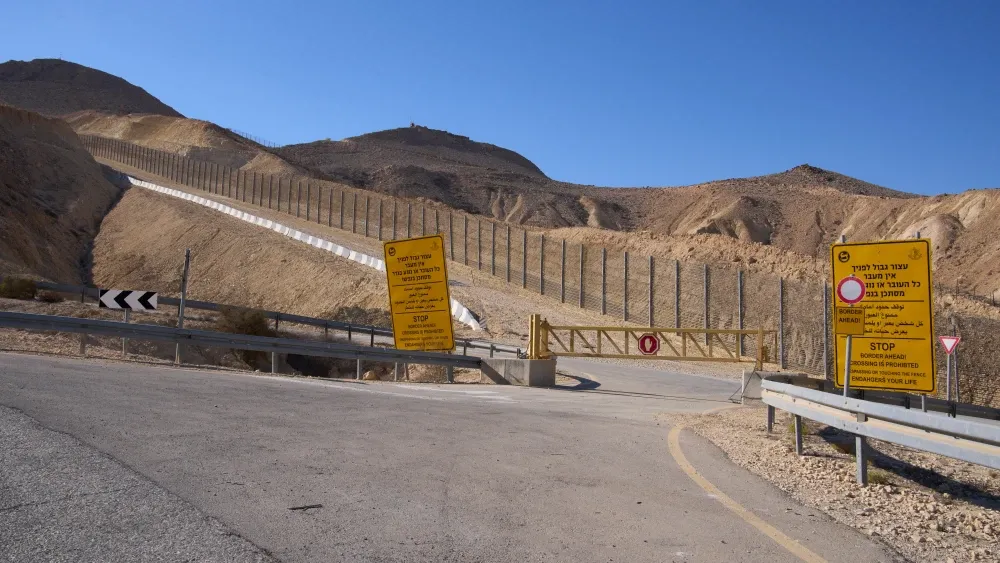 By: Aaron Shuster The Camp David Accords, once a pillar of Middle East peace, face subtle erosion as Egypt's selective enforcement undermines their strategic intent. Incremental breakdown in enforcement: Egypt hasn't formally violated the treaty, but its permissive stance on Rafah tunnels enables Hamas's activities. Assumptions vs. reality: The treaty's foundational assumptions no longer align with current dynamics, as incremental exceptions dilute its security logic. -
October 7, 2023, highlighted the consequences of these overlooked enforcement gaps, revealing a normalization of conditions that undermine the treaty. Need for reassessment: To restore the treaty's credibility, policymakers must evaluate its effectiveness based on current realities, not legacy assumptions. To read the full article, click here. | | How Ankara and Riyadh Are Engineering Sudan's Collapse  By: Amine Ayoub Sudan's conflict, once seen as an internal power struggle, is now driven by competing regional interests, with Turkey and Saudi Arabia playing pivotal roles. Turkey's drone diplomacy: Ankara supplies unmanned combat aerial vehicles to the Sudanese Armed Forces, shifting the military balance and encouraging prolonged conflict. Saudi's paradoxical role: While hosting peace talks, Riyadh's inaction on Sudan's illicit gold trade finances the conflict, as gold fuels war economies and sustains the Rapid Support Forces. Regional proxy warfare: The Sudanese war, driven by foreign ambitions, ensures continuous conflict as external powers balance each other's influence. To read the full article, click here. | | The Maghreb's American Moment: Peace Through Strength Beats European Stagnation 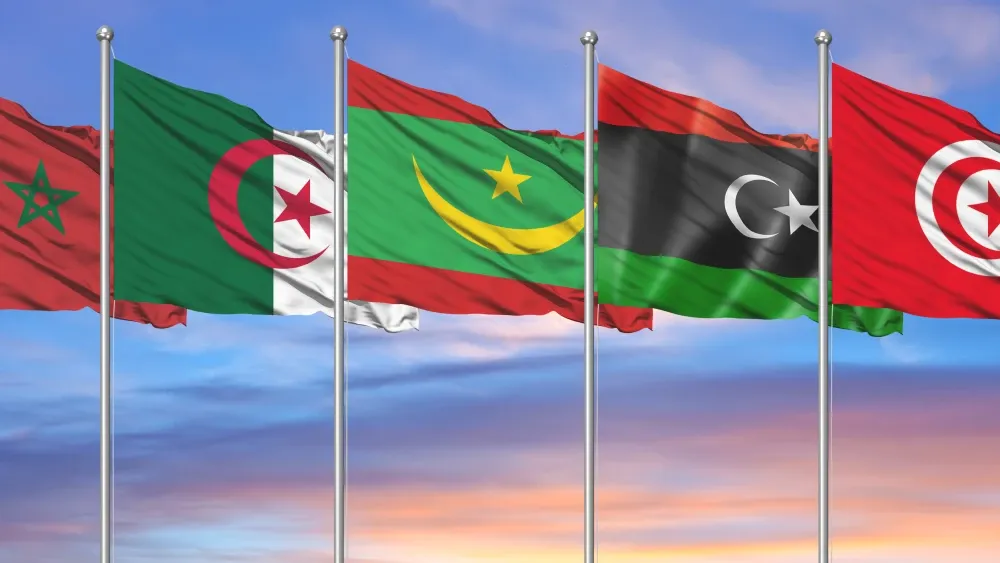 By: Amine Ayoub The 2025 National Security Strategy (NSS) dramatically shifts U.S. focus from Europe to North Africa, offering the Maghreb strategic partnerships based on mutual interests rather than dependency. Strategic realignment: The U.S. bypasses Europe, offering direct partnerships to North Africa under "Principled Realism" and "Hard Sovereignty." Risks of blind realism: While the U.S. rejects past nation-building, it risks supporting regimes that prioritize regime security over national stability. Path to genuine independence: North African leaders face a choice: clinging to European stagnation or embracing American-backed sovereignty demanding competent governance. -
For the United States, the strategy is sound, provided it remembers a lesson from its own history: Realism does not mean amoralism. -
America should back sovereign nations, yes. But it must ensure partners are building states resilient enough to survive the 21st century. To read the full article, click here. | | What Ethiopia's Addis Ababa School Case Shows About Greek Diplomacy 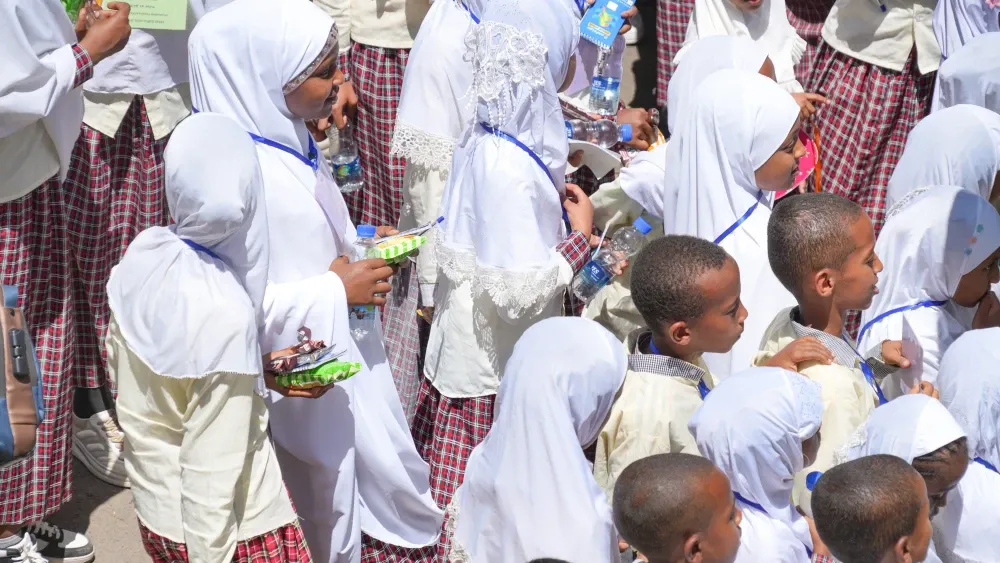 By: Nicoletta Kouroushi Christian communities in the Middle East and East Africa face pressures from political instability and state regulations, with Greece playing a pivotal role in safeguarding these minority presences. Ethiopia's regulatory squeeze: The Greek Community School in Addis Ababa faced closure due to new regulations and ownership disputes, threatening its historic role. Broader implications: The experience of the Greek Community School underscores how the security of historic Christian presences depends on clear legal frameworks, predictable administrative processes, and sustained diplomatic involvement when disputes arise. -
For Greece, the episode reflects a broader pattern in which diplomatic action contributes to the protection of Christian communities in regions where their future remains uncertain, and it illustrates how Greece must act far beyond its borders to protect its legacy and even centuries-old diasporas. Geopolitical context: Ethiopia's shifting alliances with Turkey and China reflect broader regional dynamics, influencing regulatory pressures on foreign-affiliated institutions. To read the full article, click here. | | | | | Thank you for your support and for subscribing to the Dispatch. If you enjoyed it, please forward it to a friend, and please let us know what you thought of this issue. You'll hear from us again soon. Sincerely, Winfield Myers
Managing Editor, Middle East Forum
Director, Campus Watch | | | | Was this edition useful?  

Your email will be recorded and shared with the sender |        MEF, an activist think tank, deals with the Middle East, Islamism, U.S. foreign policy, and related topics, urging bold measures to protect Americans and their allies. Pursuing its goals via intellectual and operational means, the Forum recurrently has policy ideas adopted by the U.S. government.
Copyright © 2025 Middle East Forum, All rights reserved.
Our mailing address is:
Middle East Forum
1650 Market Street, Suite 3600
Philadelphia, PA 19103 | | | | | Powered by 
| | This email was sent by Middle East Forum via Axios HQ | | | |


0 коммент.:
Отправить комментарий