| |  | | | F-35 Sale to Saudis; Nation-Building in Gaza? By Winfield Myers ● Nov 26, 2025 Smart Brevity® count: 7.5 mins...1956 words With President Trump having agreed in principle to sell Saudi Arabia the stealth F-35 fighter, Eric Navarro explains why the Saudis are so eager to get it, and what it means if they do. One reason for their desire: it offers "interoperability with the United States and Israel," which moves the Saudis "from being a buyer of American technology to a participant in a collective security ecosystem." Lazar Berman assesses the U.S. plan for remaking Gaza and finds that, whatever the "American first" approach to other policy issues, plans for Gaza have "shades of nation-building." Sirwan Kajjo and Umud Shokri analyze the future role of the Kurdish Democratic Party and the travails of Iraq's inadequate oil-processing infrastructure, respectively. Jules Gomes writes on the desire of many that Pope Leo XIV will speak up for Turkey's embattled Christians during his visit to the country. Aymenn Jawad Al-Tamimi offers two articles/interviews, one on Syria and another on Sudan. Khaled Alyemany warns that failure to dismantle the Houthis will "signal a capitulation to Iranian expansionism across the Middle East." | | Why the F-35 Matters So Deeply to Saudi Arabia 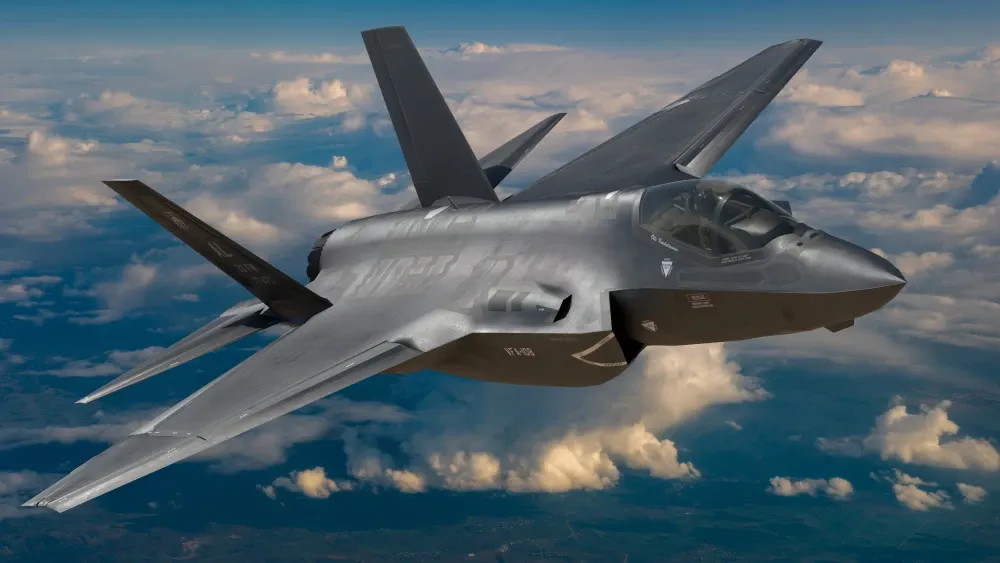 By: Eric Navarro The announcement that President Donald Trump has agreed in principle to sell the F-35 to Saudi Arabia marks a transformative moment for the Kingdom. Why it matters: The F-35 sale is not just a military acquisition but a strategic alignment with the United States and the broader West, including Israel. -
The aircraft's integration into shared networks enhances Saudi Arabia's defense capabilities and positions it as a leader in the Arab world. -
If executed with proper safeguards against technology leakage, this sale is a strategic investment, not a concession. The big picture: Saudi Arabia gains a significant advantage with the F-35's advanced stealth and survivability, crucial for operations in a region with growing threats like Iran. Vision 2030 implications: The F-35 aligns with Saudi Arabia's Vision 2030, which aims to modernize the Kingdom and diversify its economy beyond oil. What's next: A Saudi Arabia equipped with the F-35 becomes more capable of defending shared waterways, resisting Iranian coercion, integrating with U.S. operations, and participating in the emerging coalition of moderate states reshaping the Middle East. To read the full article, click here. | | As U.S. Dives Into Remaking Gaza, Shades of Nation-Building Come Into Focus 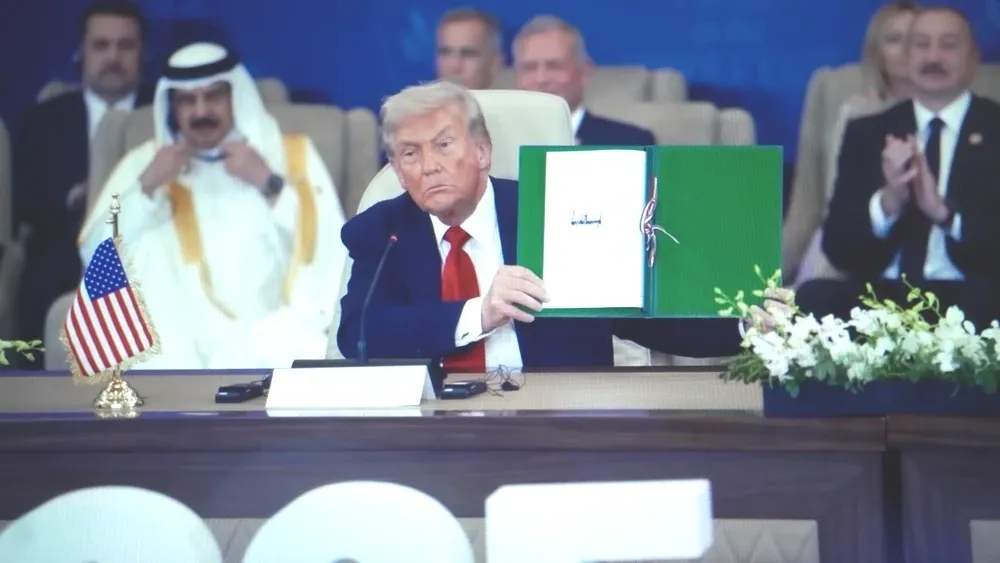 By: Lazar Berman The current administration prioritizes pragmatic relationships, focusing on trade and conflict resolution rather than nation-building. Nation-building stance: There is a discernible shift away from using American resources to improve governance or humanitarian records abroad. Middle East policy: Recent statements emphasize the "great transformation" of Gulf countries as independent of Western intervention. Gaza involvement: Despite the previous stance, significant resources are being invested in rebuilding Gaza, echoing past nation-building projects. Historical parallels: Involvement in Gaza mirrors past missions in Iraq and Afghanistan, with a focus on fostering modern statehood. To read the full article at the Times of Israel, click here. | | Is the Kurdistan Democratic Party Aspiring to Become a National Force in Iraq? 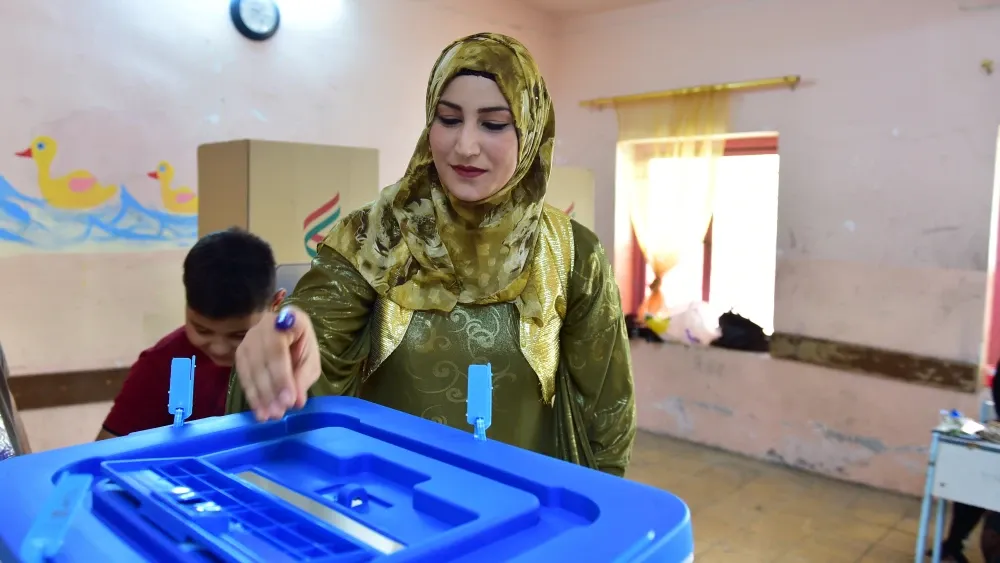 By: Sirwan Kajjo Iraq's parliamentary elections on November 11, 2025, saw predictable outcomes, with the Kurdistan Democratic Party (KDP) emerging as a significant force. -
The KDP, led by the Barzani family, secured over 1.1 million votes, becoming the second-largest vote-getter despite securing only twenty-seven seats due to the proportional voting system. Expanding influence: The KDP has been reaching beyond its Kurdish strongholds to build support among Sunni Arabs. Strategic outreach: The KDP's strategy includes endorsing Arab candidates, enhancing its appeal as an inclusive national party. Intra-Kurdish leverage: With electoral gains, the KDP is challenging the Patriotic Union of Kurdistan's power-sharing arrangement. Long-term strategy: While it remains unclear how these dynamics will shape the negotiations to form the new Iraqi government, it is clear that Barzani sees himself and his party in a stronger position. To read the full article, click here. | | The Lukoil-West Qurna-2 Case Exposes Iraq's Strategic Vulnerabilities 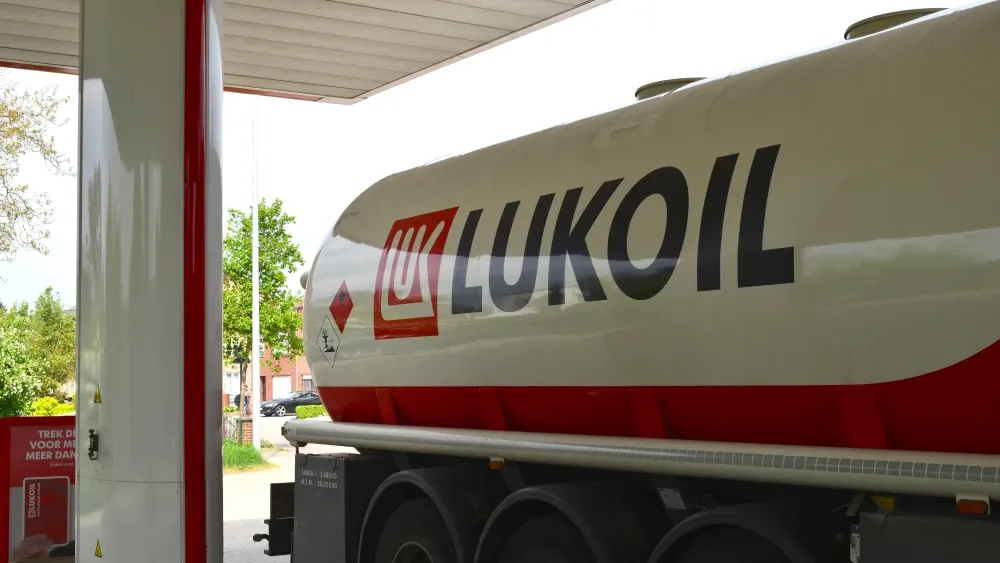 By: Umud Shokri In October 2025, Western sanctions targeted Lukoil and Rosneft, affecting Iraq's oil sector significantly. Impact on West Qurna-2: The sanctions led to Lukoil withdrawing from Iraq, stranding millions of barrels of oil. Geopolitical ramifications: The crisis highlights the broader geopolitical risks for Iraq, which relies heavily on foreign expertise. Future prospects: Lukoil's exit could open doors for Chevron and BP, potentially unlocking substantial capacity. Market response: Brent crude prices rose, signaling fears of supply tightness. To read the full article, click here. | | The Syrian National Socialist Parties 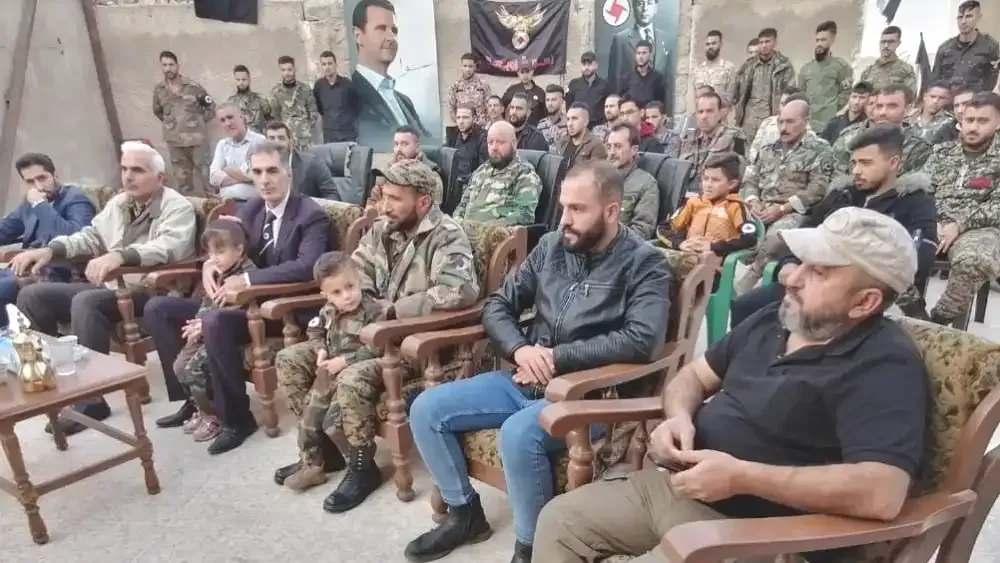 By: Aymenn Jawad Al-Tamimi Below is a summary of the author's article about the Syrian Socialist Nationalist Party and an interview he conducted with a person from Latakia (and still residing in Syria) who was part of the "SSNP in the Syrian Arab Republic" faction. In the common parlance, the Syrian Socialist Nationalist Party (SSNP) is often seen as a singular entity, but it comprises multiple factions in Syria and Lebanon. Key factions: One SSNP faction, led by Ali Haydar, was known for its 'loyalist opposition' role under Assad, advocating for change while supporting the Syrian army. Internal splits: Leadership disputes within the Hardan-led SSNP led to a split, with factions vying for influence in both Lebanon and Syria. Ideological implications: The SSNP's secular, non-sectarian ideology attracted minority communities as an alternative to Baathist pan-Arabism. Current challenges: With the dissolution of the National Progressive Front, SSNP factions are banned from the new political order in Syria. To read the full article and interview, click here. | | Analysts Advise Pope Leo to Avoid Appeasing Turkey's Persecution of Christians 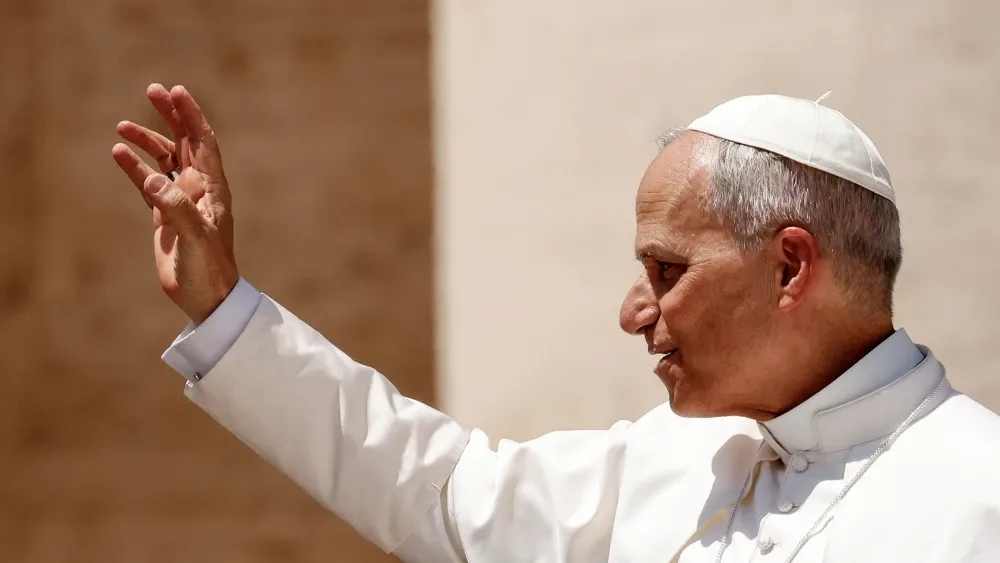 By: Jules Gomes Religious freedom analysts caution Pope Leo XIV against appeasing state-sponsored Islamist persecution in Turkey during his upcoming visit. Historical context: Turkey's Christian population has declined from 20 percent in 1915 to less than 0.3 percent today. Current tensions: Turkey expels foreign Christian workers and portrays Christians and Jews as "alien" influences. Visit implications: Advocacy groups warn Pope Leo XIV to avoid being instrumentalized to promote a facade of tolerance. Long-term reflections: Analysts emphasize learning from past papal approaches to avoid appeasement without addressing fundamental issues. To read the full article, click here. | | Will the Houthis Prevail? 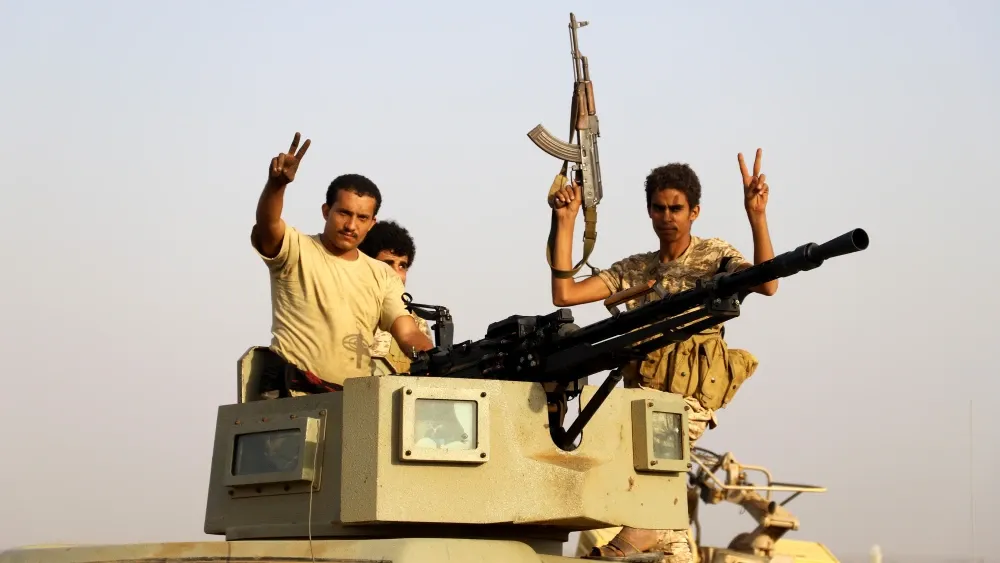 By: Khaled Alyemany On November 7, 2025, Houthi leader Abdul-Malik al-Houthi addressed the Arab National Conference, claiming military successes and an expanded role beyond Yemen's borders. Strategic shift: The Houthis' actions underline their claim as a spearhead of Iran's "Axis of Resistance," impacting global shipping lanes. International response: The fragmented response from the global community has emboldened Houthi propaganda and strengthened their regional stature. Security concerns: Cyprus labels the Houthis as an emerging threat to maritime security, urging for a strategic EU response. Long-term implications: The Houthis' growing influence reflects a deeper geopolitical shift reminiscent of Cold War dynamics. To read the full article, click here. | | Armed Groups in Sudan's War: Liwa Al-Furqan 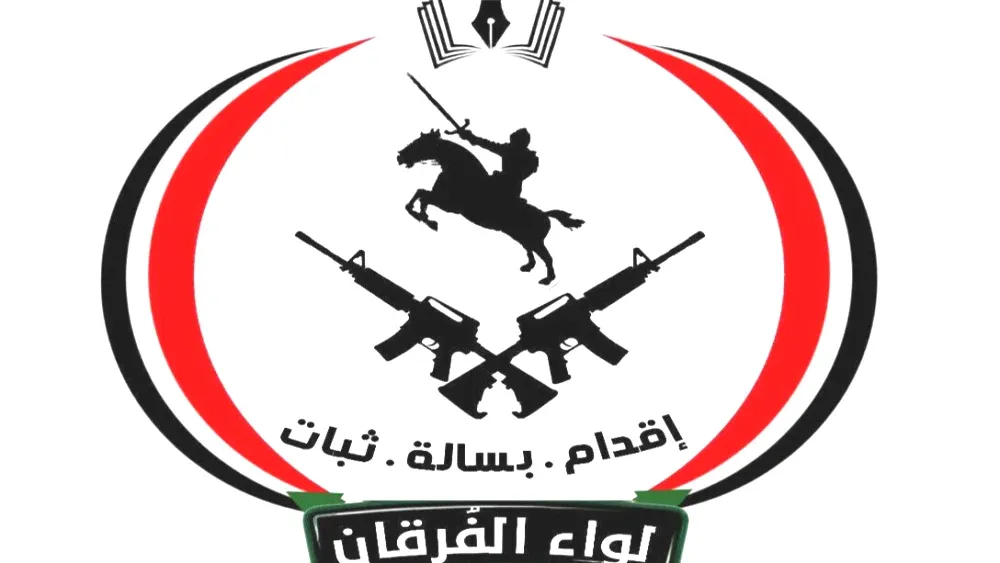 By: Aymenn Jawad Al-Tamimi The following is a summary of an interview conducted by the author with someone in Sudan's intelligence apparatus linked to the brigade in order to learn more about the group and its motivations for fighting. The interview was conducted on November 16, 2025. The war in Sudan, initiated in 2023, has gained media attention with the capture of El Fasher by the UAE-backed Rapid Support Forces (RSF). Motivations and aims: The RSF frames its fight as against 'Islamism' and the Muslim Brotherhood, adding layers to the conflict narrative. -
The Sudanese Armed Forces (SAF) auxiliary group, Liwa al-Furqan, claims to defend Sudan's land and honor, opposing secularism and foreign agendas. Conflict background: The RSF's UAE support is seen as a move to exploit Sudan's resources and influence regional power dynamics. International perspective: The conflict underscores the complex interplay of regional influences and local allegiances. Broader implications: The Sudanese conflict highlights the broader geopolitical struggles involving Islamist narratives and regional power plays. To read the full interview, click here. | | We appreciate your continued support for the Middle East Forum. If you found this edition of the Dispatch useful, please share it with others and be sure to let us know your thoughts on our coverage via the comments feature. Sincerely, Winfield Myers
Managing Editor, Middle East Forum
Director, Campus Watch | | | | Was this edition useful?  

Your email will be recorded and shared with the sender |        MEF, an activist think tank, deals with the Middle East, Islamism, U.S. foreign policy, and related topics, urging bold measures to protect Americans and their allies. Pursuing its goals via intellectual and operational means, the Forum recurrently has policy ideas adopted by the U.S. government.
Copyright © 2024 Middle East Forum, All rights reserved.
Our mailing address is:
Middle East Forum
1650 Market Street, Suite 3600
Philadelphia, PA 19103 | | | | | Powered by 
| | This email was sent by Middle East Forum via Axios HQ | | | |

0 коммент.:
Отправить комментарий