| |  | | | U.S. Govt. Gives Millions to Malaysia's Muslim Brotherhood/Islamists; Syria Watch By Winfield Myers ● Nov 14, 2025 Smart Brevity® count: 7.5 mins...1976 words Sam Westrop reports that the U.S. government gave Muslim Brotherhood-related and Islamist institutions in Malaysia $1,290,000 taxpayer dollars from 2022 to 2024. Hussein Aboubakr Mansour traces the intellectual roots of the false charge that Zionism is "the paradigmatic case of settler colonialism" to a "forgotten genealogy linking contemporary academic discourse to explicitly interwar Nazi-inspired Arab fascism." Aymenn Jawad Al-Tamimi offers an in-depth look at contemporary Syria through three primary sources. He translates an Islamic State editorial that condemns Syria's new president Ahmed Al-Sharaa—fresh off his White House visit—as a "traitor" to Islam controlled by Americans and Jews. In additional material, he interviews two members of the Alawite insurgency. We also feature two articles by Nicoletta Kouroushi and the work of Babak Taghvaee and Abdullah Bozkurt. | | U.S. Government Provides Millions to Malaysia's Muslim Brotherhood 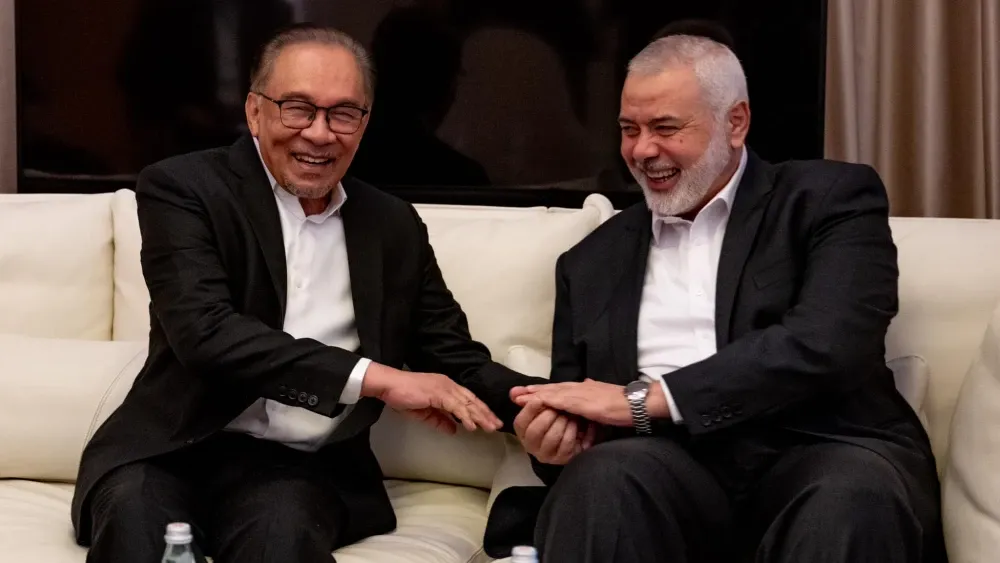 By: Sam Westrop The U.S. State Department allocated over $290,000 to Angkatan Belia Islam Malaysia (ABIM) and $1 million to the International Islamic University Malaysia, despite their overt connections to Hamas and the Muslim Brotherhood, raising sharp concerns about American foreign aid priorities. Why it matters: This financial support, claimed to combat misinformation, instead funds entities openly backing extremism. The big picture: Malaysia is a strategic ally for Hamas, offering training and ideological support, yet the U.S. continues funding despite clear evidence of these affiliations. What's next: Immediate reassessment of U.S. financial aid to Malaysia is crucial to prevent further support of terror-linked entities. To read the full article, click here. | | The Man Who Made Zionism Into Settler Colonialism 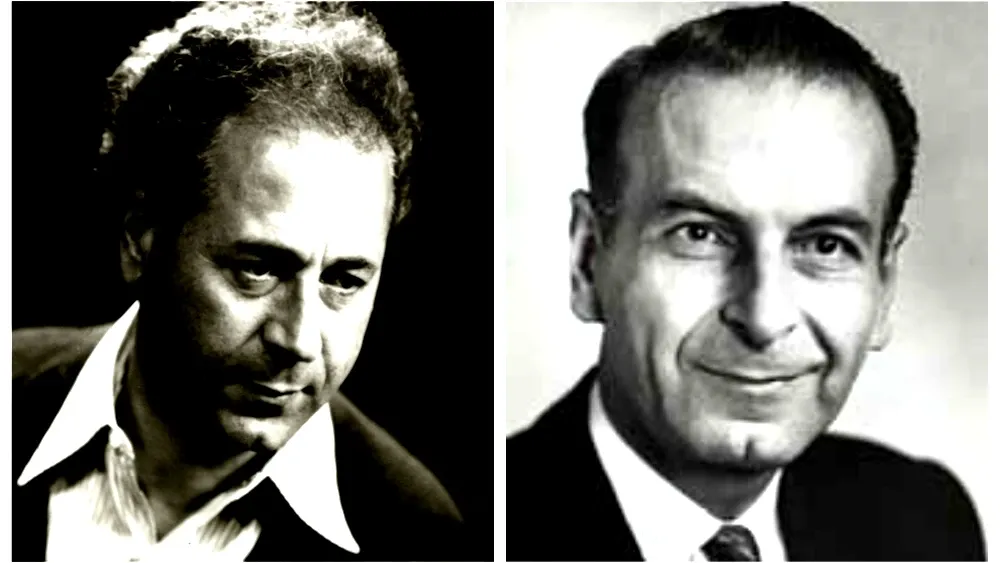 By: Hussein Aboubakr Mansour The narrative of Zionism as the epitome of settler colonialism and racism is deeply rooted in ideologies forged by interwar Nazi-inspired Arab fascism, a history often overlooked. Why it matters: This complex intellectual genealogy reveals how sinister currents of 20th-century totalitarianism infiltrated modern academic thought. -
Antoun Sa'adeh, the Syrian ideologue, crafted a nationalist vision heavily inspired by German National Socialism, cementing an ideology that painted Zionism as an existential threat. The big picture: Sa'adeh's protégé, Fayez Sayegh, carried forward this narrative, embedding it into scholarly frameworks that shaped U.N. resolutions and academic discourse. What's next: The challenge lies in unraveling these deep-seated narratives to foster a more nuanced understanding of Zionism. To read the full article, click here. | | Islamic State Editorial on Ahmad Al-Sharaa's Visit to Washington 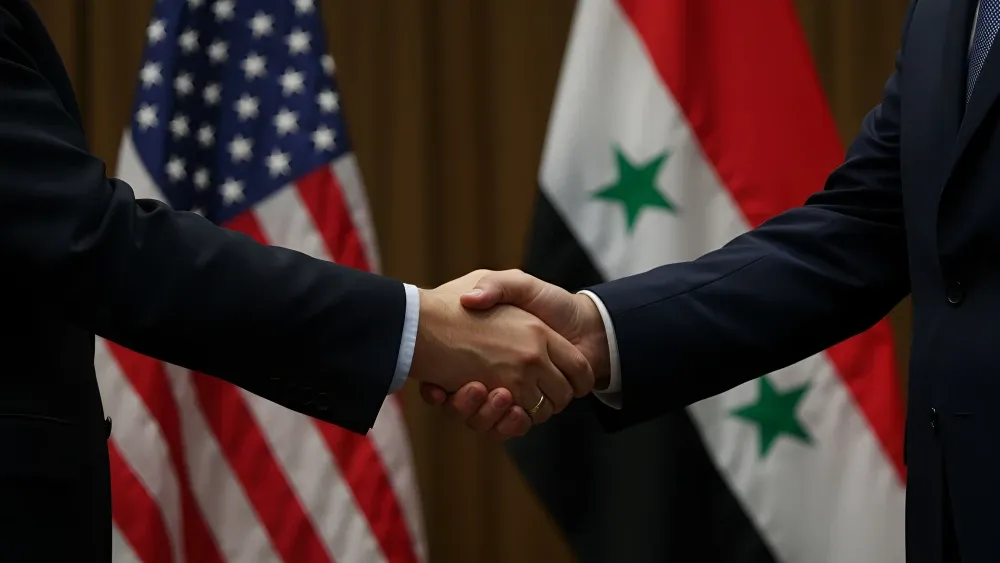 By: Aymenn Jawad Al-Tamimi Syrian interim president Ahmad al-Sharaa's visit to the White House to meet with President Trump was the subject of editorial in the Islamic State newspaper al-Naba'. Translated by MEF writing fellow Aymenn Jawad Al-Tamimi, the editorial portrays al-Sharaa as a betrayer of Islam, echoing historical traitors. Why it matters: The editorial likens al-Sharaa to figures like Mustafa Kemal Ataturk, the founder of the modern Turkish state, and Ibn al-Alqami, a Shia advisor to the last Abbasid caliph who reputedly helped the Mongols capture Baghdad. It accuses him of making concessions to the U.S. and Israel. Historical parallels: Al-Sharaa's actions are compared to those who betrayed their faith for power, like Samari, who reputedly made the golden calf that the Israelites worshipped, and others considered as traitors in Islamic history. Editorial's stance: The Islamic State argues that al-Sharaa's collaboration with the U.S. marks his transformation from wanted terrorist to a member of the 'Crusader alliance.' Conclusion: The editorial warns al-Sharaa's supporters to repent and recognize what it views as the truth of his allegiance shift. To read the full translation, click here. | | The Alawite Insurgency in Syria: Interview with Fawj Azra'Il Al-Jabal  By: Aymenn Jawad Al-Tamimi Aymenn Jawad Al-Tamimi interviewed Abu Ali Sumer, leader of "Fawj Azra'il al-Jabal," ("Azra'il of the Mountain Regiment"). Abu Ali Sumer, who was part of Suhayl al-Hasan's Russian-backed "Tiger Forces" prior to the fall of the Assad regime in December 2024, expressed concerns about the Alawite insurgency's future and its goals amidst Syria's evolving landscape. Why it matters: The group, emerging post-Assad regime, seeks to establish an Alawite region for protection against sectarian threats. Outlook on alliances: The regiment distances itself from regime remnants and regional powers like Iran, focusing on Alawite security. Coexistence challenges: The possibility of living alongside Sunnis is contentious, given past massacres, though peaceful coexistence remains an option for those who choose it. To read the full interview, click here. | | The Alawite Insurgency in Syria: Interview with 'The Men of Light' 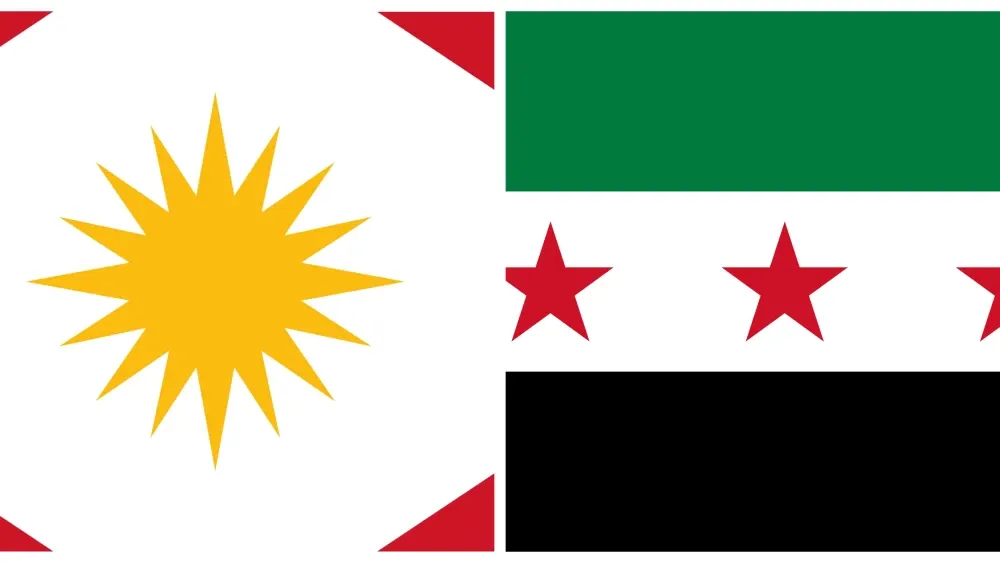 By: Aymenn Jawad Al-Tamimi In an interview by Aymenn Jawad Al-Tamimi with the "Men of Light" insurgent group, members outline their goals amidst Syria's turbulent landscape. Why it matters: The "Men of Light," also known as "Saraya al-Jawad," formed in response to coastal massacres, aim to protect the Alawite community and establish an independent region. Current alliances: Despite allegations, the group claims no support from Iran or Russia, stressing their primary focus on Alawite security without external influence. Coexistence and challenges: The group remains opposed to coexistence with those who committed past atrocities but is open to peaceful relations with Sunni and Christian allies within their resistance. -
Their message to the international community calls for protection of human rights and accountability for those responsible for violence. -
Asked if it can coexist with the government of Syrian President Al-Sharaa, called here by his nom de guerre al-Jowlani, they answer that "the 'first aim' of the 'Men of Light' is to 'confront these terrorist groups represented in Jowlani [Syrian interim president Ahmed al-Sharaa] and his authority.'" Message to the world: The "Men of Light" urge the international community to recognize their struggle and support their quest for an independent Alawite region free from al-Jowlani's (al-Sharaa) influence. To read the full interview, click here. | | France's Jet Fighter Sales Are Endangering Allies  By: Babak Taghvaee France's approach to defense exports prioritizes industrial reach over strict end-use controls, arming U.S. adversaries and undermining allies like Greece, Cyprus, and Taiwan. Why it matters: French permissiveness allows exposure of aircraft tactics and technology to hostile states, weakening the security of American partners. Historical context: France's past sales to regimes like Saddam Hussein's Iraq show a pattern of permissive export policies hindering Western interests. What's next: Washington should condition U.S.-French defense cooperation on strict end-use reciprocity to protect allied airpower advantages. To read the full article, click here. | | Keep Turkey Out of European Defense Procurement and Military Supply Chains 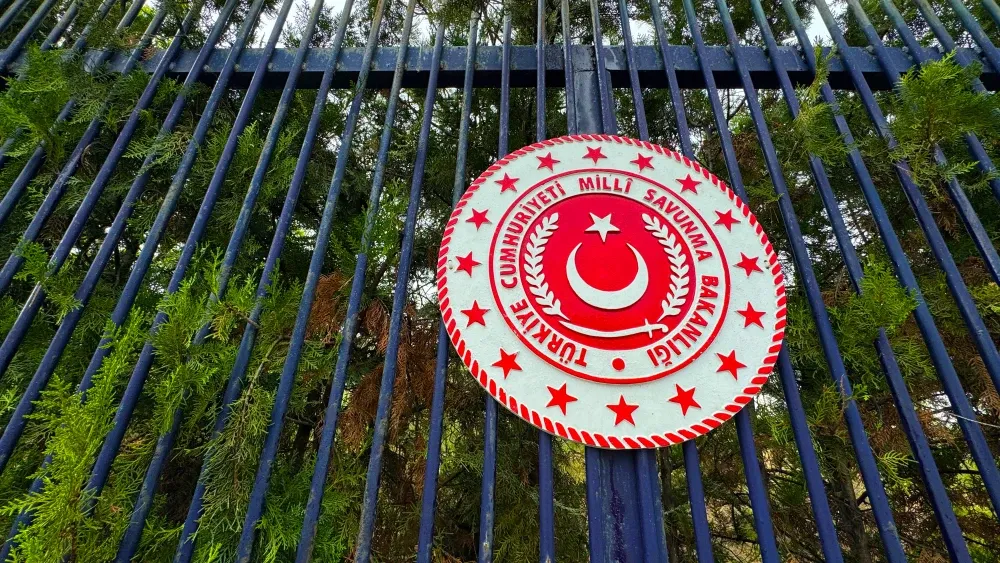 By: Nicoletta Kouroushi As Europe advances its $175 billion Security Action for Europe (SAFE) program, Turkey's request for participation tests European defense integration's strategic integrity. Why it matters: Turkey's inclusion could strain NATO cohesion, given its history of regional destabilization and divergent alliances. Strategic dilemmas: Approving Turkey's participation without conditions or behavioral change would set a dangerous precedent. -
It would suggest that states can leverage regional destabilization, bilateral coercion, and external flirtations for their own benefit while still reaping rewards with inclusion in Europe's defense integration. -
SAFE aims to build a coherent European defense identity; admitting disruptive partners conflicts with this goal. What's next: Turkey's participation in SAFE should require adherence to principles like respecting EU sovereignty and improving political relations. To read the full article, click here. | | Washington Should Support Turkish Cypriots in Their Struggle Against Turkey 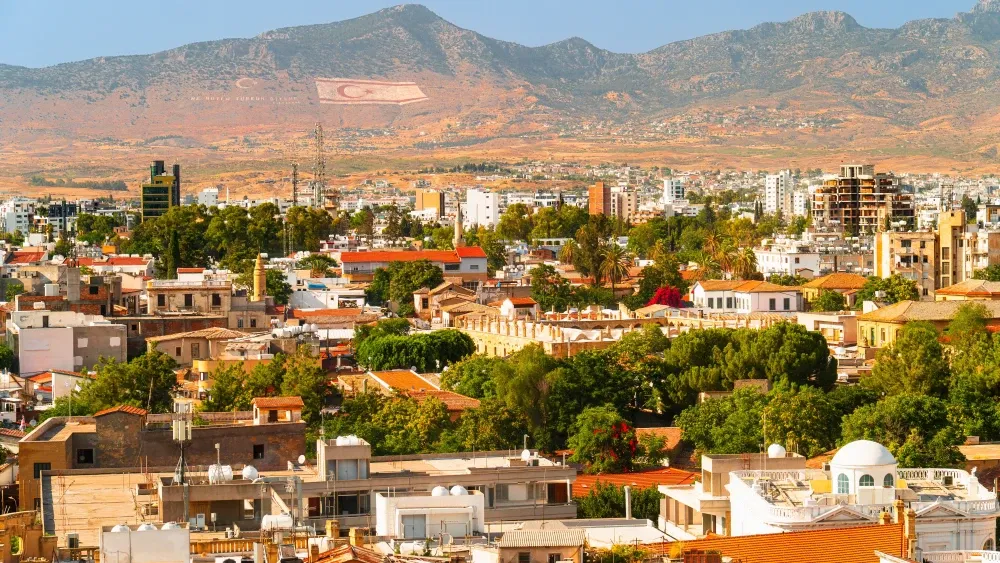 By: Nicoletta Kouroushi Tufan Erhürman's victory in northern Cyprus marks a significant pushback against Ankara's influence, reflecting a long-standing desire for political and cultural autonomy among Turkish Cypriots. Why it matters: Erhürman's win signals resistance to Turkey's political models and policies, challenging Erdoğan's two-state solution and advocating for a bizonal, bicommunal federation. Republic of Cyprus: At the same time, U.S. policy must remain firm in its support for the sovereignty and territorial integrity of the Republic of Cyprus. Historical resistance: Turkish Cypriots have consistently opposed Ankara's influence, from protests in 2011 to recent criticisms of the Külliye presidential complex. What's next: The U.S. should engage with Turkish Cypriots as a distinct political constituency, supporting autonomy through civil society and cultural exchange without legitimizing partition. To read the full article, click here. | | U.S. Flags Erdoğan Ally Turkish Hizbullah as Terrorist Group for Immigration Control 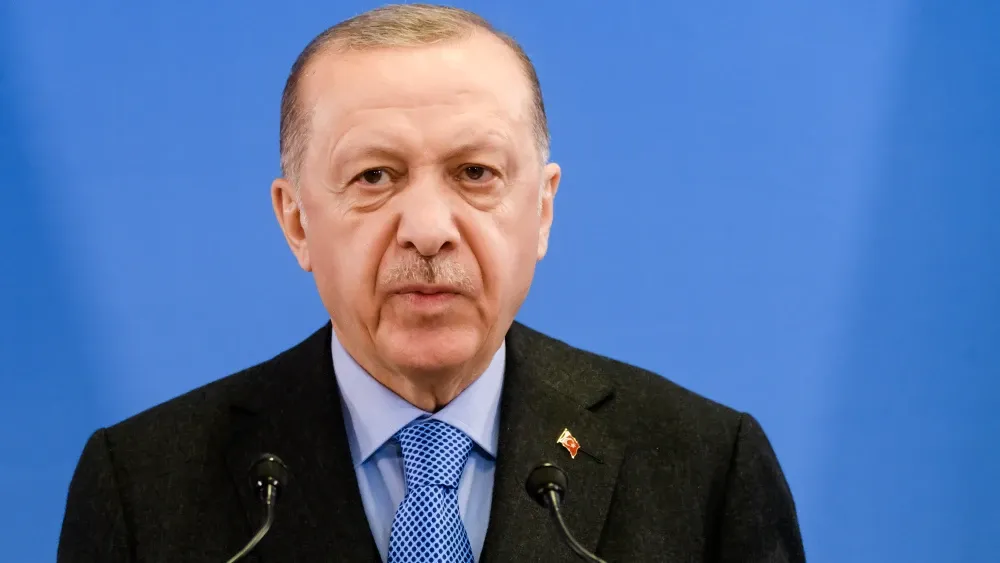 By: Abdullah Bozkurt In a strategic move, the U.S. Department of State has listed Turkish Hizbullah on its Terrorist Exclusion List (TEL), a targeted immigration tool, signaling concern without provoking a full diplomatic confrontation. Why it matters: This designation empowers U.S. authorities to bar or deport foreign nationals linked to Turkish Hizbullah, highlighting the group's ongoing security risk. Erdogan's dilemma: The U.S. action exposes contradictions within Erdoğan's alliances, particularly with HÜDA-PAR, Turkish Hizbullah's political wing, which supports his government. What's next: The TEL designation complicates travel and visa applications for Hizbullah-linked individuals and underscores concerns about Turkey's environment for radical Islamist actors. To read the full article, click here. | | We appreciate your continued support of the Middle East Forum and your reliance on MEF to bring you a steady stream of analyses and reports about the region and its influences on our world. If you enjoyed this issue of the Dispatch, please forward it to a friend and let us know your thoughts in the comments section. Thank you, Winfield Myers
Managing Editor, Middle East Forum
Director, Campus Watch | | | | Was this edition useful?  

Your email will be recorded and shared with the sender |        MEF, an activist think tank, deals with the Middle East, Islamism, U.S. foreign policy, and related topics, urging bold measures to protect Americans and their allies. Pursuing its goals via intellectual and operational means, the Forum recurrently has policy ideas adopted by the U.S. government.
Copyright © 2024 Middle East Forum, All rights reserved.
Our mailing address is:
Middle East Forum
1650 Market Street, Suite 3600
Philadelphia, PA 19103 | | | | | Powered by 
| | This email was sent by Middle East Forum via Axios HQ | | | |

0 коммент.:
Отправить комментарий