| |  | | | Texas Declares CAIR a Terror Group, Vindicating MEF's Warnings; F-35s to Saudi Arabia? By Winfield Myers ● Nov 19, 2025 Smart Brevity® count: 9 mins...2397 words In what Middle East Forum executive director Gregg Roman hailed as "vindication," Texas Gov. Greg Abbott designated the Council on American-Islamic Relations (CAIR) and the Muslim Brotherhood as Foreign Terrorist and Transnational Criminal Organizations. His action validates over a decade of MEF's research exposing CAIR's terror ties and infiltration networks across Texas. Dexter Van Zile provides additional perspective, noting that the governor's proclamation "undermines [CAIR's] claim to be a mainstream civil rights organization." Michael Rubin argues that the U.S. should use Saudi Arabia's desire to purchase F-35 stealth fighters to rewrite the rules for such sales: "Tie top-tier arms access to formal ties with Israel and embassies in Jerusalem, demand action against Hamas networks, and screen buyers for long-term regime stability and China ties, including Huawei." We feature three pieces on Syria by Sirwan Kajjo, Michael Rubin, and Aymenn Jawad Al-Tamimi. Today's issue closes with two articles on security issues in North Africa by Amine Ayoub. | | Texas Declares CAIR a Terror Group: MEF's Decade-Long Warnings Vindicated  News from the Middle East Forum Texas Governor Greg Abbott has designated the Council on American-Islamic Relations (CAIR) and the Muslim Brotherhood as Foreign Terrorist and Transnational Criminal Organizations, a decisive action that validates over a decade of the Middle East Forum's (MEF) meticulous research exposing CAIR's terror ties and infiltration networks across Texas. Why it matters: This decisive action validates over a decade of MEF's research exposing CAIR's terror ties and infiltration networks across Texas. -
The governor's proclamation cites research from George Washington University's Program on Extremism, highlighting CAIR's origins as a Hamas front group. -
CAIR was named an "unindicted co-conspirator" in the largest terror financing prosecution in U.S. history. Terror convictions: MEF has consistently highlighted that CAIR's founding board member Ghassan Elashi is serving 65 years for funneling millions to Hamas. -
"This is vindication," said Gregg Roman, executive director of the Middle East Forum, speaking from Dallas. "For years, MEF has documented how CAIR—founded by convicted Hamas financier Ghassan Elashi, who is serving 65 years in federal prison—masquerades as a civil rights organization while maintaining its terror support infrastructure. Governor Abbott just shattered that facade with the force of law." -
Multiple other CAIR officials have been convicted on terrorism charges, underscoring the organization's deep-rooted connections to extremist activities. State infiltration: This year, MEF revealed Texas inadvertently funneled over $13 million to organizations with Muslim Brotherhood and Iranian regime ties. -
"CAIR has operated with impunity for far too long, hiding behind a veneer of civil rights activism," said Benjamin Baird, director of MEF Action. "Governor Abbott's designation strips away that disguise." The bottom line: Governor Abbott's designation exposes CAIR's true agenda. The Middle East Forum calls on all governors to follow Texas's lead and ensure taxpayer dollars are not supporting extremist networks. To read the full press release, click here. | | Texas Draws a Line Against the Council on American-Islamic Relations 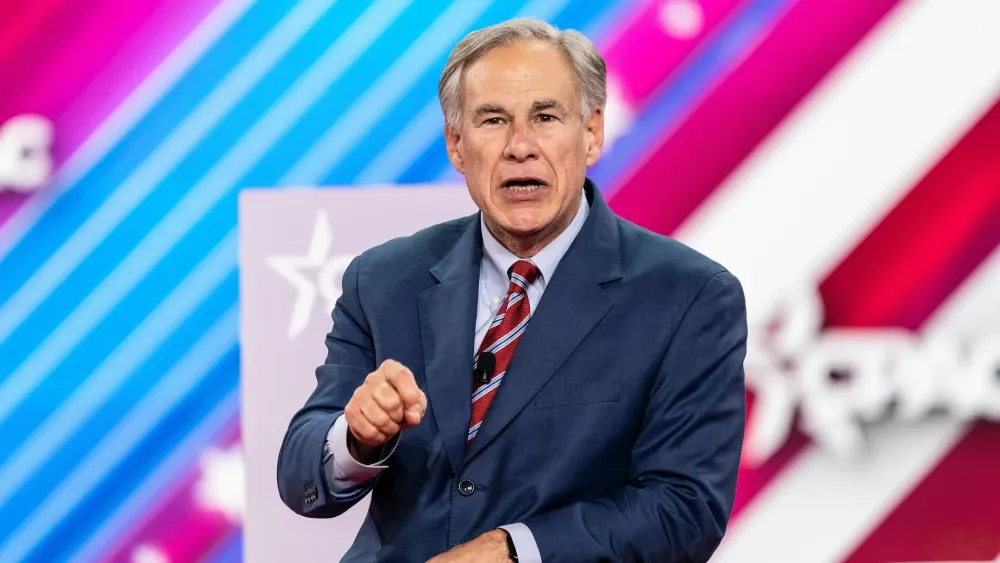 By: Dexter Van Zile Years of Islamist ties catch up: Governor Greg Abbott of Texas has formally designated the Council on American-Islamic Relations (CAIR) and the Muslim Brotherhood as Foreign Terrorist and Transnational Criminal Organizations. Why it matters: Abbott's proclamation cites CAIR's connections to the Muslim Brotherhood and highlights its support for jihadist terror, as documented in MEF's research. Governor Abbott's stance: "The actions taken by the Muslim Brotherhood and CAIR to support terrorism across the globe and subvert our laws through violence, intimidation, and harassment are unacceptable," he stated. CAIR's response: CAIR dismissed the allegations as "debunked conspiracy theories," accusing Abbott of advancing anti-Muslim bigotry. MEF's call to action: The Middle East Forum sees this as "vindication" of its efforts to expose CAIR's façade. They urge other states to follow Texas's lead and audit state funding to block support for extremist networks. To read the full article, click here. | | November 21, 2025 | The Forum Roundtable: Anti-Israel Bias in the Media 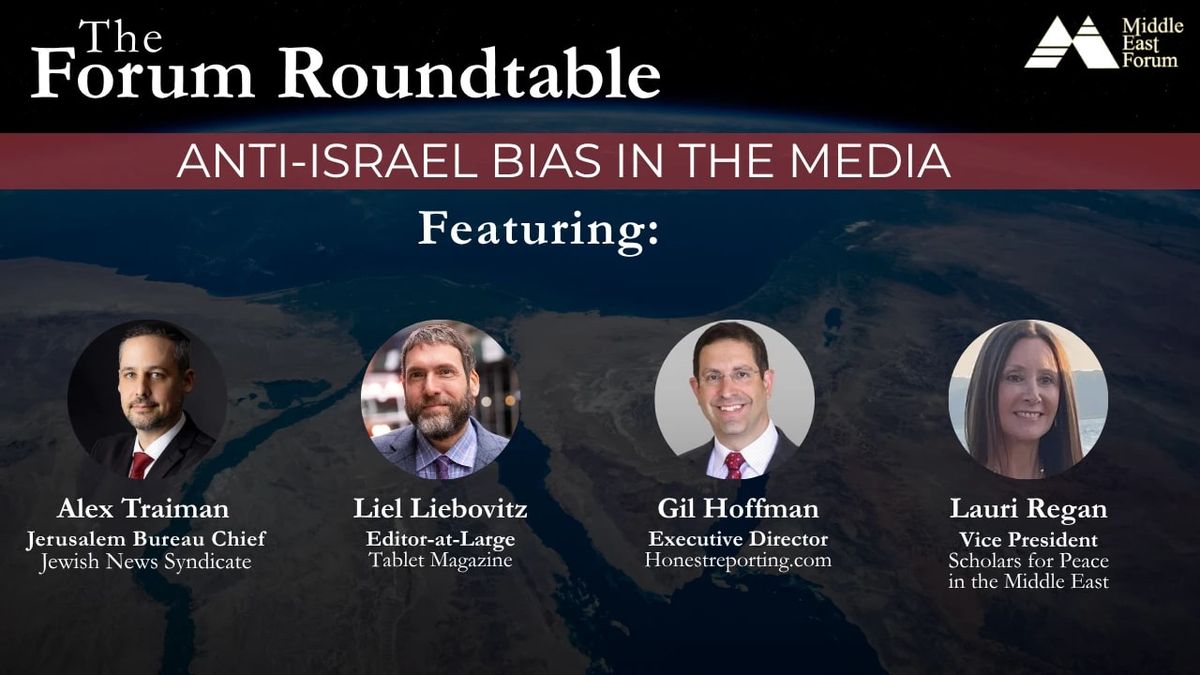 When:
Friday, November 21, 2025
11:30 a.m. Eastern Time (4:30 p.m. UTC) While the mainstream media's coverage of all matters related to Israel has been consistently biased against the Jewish homeland for many years, the coverage since Hamas' 10/7 invasion hasn't even attempted to pretend to be neutral and honest in its reports on the war. The publication of photoshopped images and images from the Syrian civil war having nothing to do with Gaza, the presentation of statistics on civilian casualties provided by the Gazan Health Ministry as if fact rather than Hamas propaganda, and the lack of any investigative reporting on claims of Israel committed war crimes and genocide through famine has been so pervasive in news outlets across the world leading to severe damage to public opinion of Israel. Joining us to discuss this very disturbing situation will be: Alex Traiman, CEO and Jerusalem bureau chief of the Jewish News Syndicate; Liel Leibovitz, editor-at large of Tablet Magazine and senior fellow at Hudson Institute; and Gil Hoffman, executive director of HonestReporting.com. To register for the Roundtable, click here. | | There Is a Path to Sell F-35 Stealth Fighters to Saudi Arabia 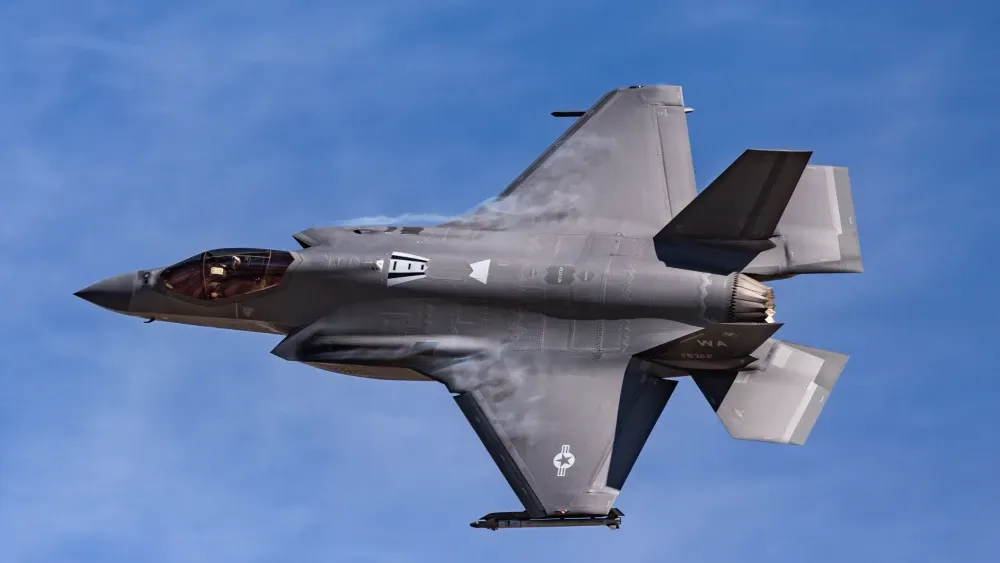 By: Michael Rubin Donald Trump's bid to sell F-35s to Saudi Arabia collides with decades of U.S. law meant to preserve Israel's Qualitative Military Edge—but it also exposes how much the regional map has changed. Why it matters: Rather than outright rejection, this deal could redefine arms sales in the Middle East by tying top-tier weapon access to diplomatic ties with Israel. Historical context: Israel's Qualitative Military Edge was born out of existential threats, ensuring it maintains a technological advantage over its neighbors. Current dynamics: The American Israel Public Affairs Committee (AIPAC)'s influence is not as strong as it once was, and regional threats have evolved with Iran's nuclear ambitions and Turkey's increasing military assertiveness. The bottom line: Trump's critics should not dismiss the F-35 purchase out of hand; instead, they should consider how it can be the deal that shapes all future deals and truly Make America Great Again. To read the full article, click here. | | ICYMI: Israel Insider with Ashley Perry 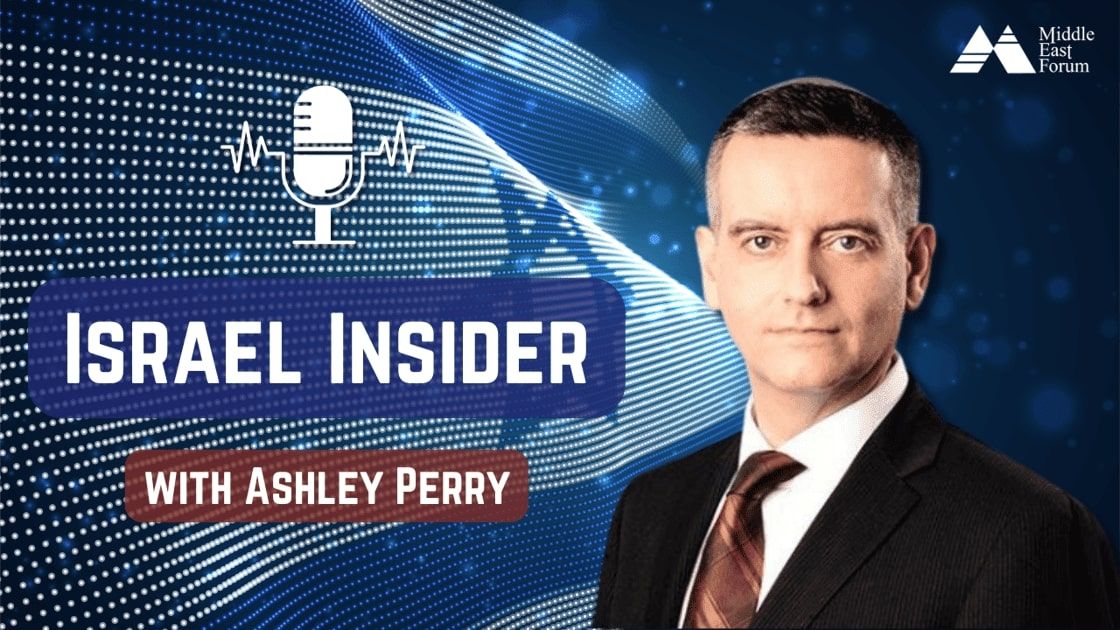 Saudi Arabia's crown prince used his visit to Washington to signal a stronger strategic alignment with the United States, underscored by discussions on defense cooperation and regional stabilization. Israeli officials, meanwhile, expressed growing frustration over stalled diplomatic initiatives and mounting security challenges, particularly amid shifting regional alliances involving Gulf states and the United States. These developments highlight a rapidly evolving strategic landscape in which Riyadh's diplomatic outreach and Israel's security concerns are converging with broader geopolitical recalibrations across the Middle East. Ashley Perry is an advisor to the Middle East Forum's Israel office. He served as adviser to Israel's minister of foreign affairs and deputy prime minister in 2009-15, and has also worked with Israel's Ministers of Intelligence, Agriculture and Rural Development, Energy, Water and Infrastructure, Defense, Tourism, Internal Security, and Immigrant Absorption and as an advisor to The Negev Forum. Originally from the U.K., he moved to Israel in 2001. He holds a B.A. from University College London and an M.A. from Reichman University (IDC Herzliya). To watch the entire podcast, click here. | | Tokenism Is a Feature of Al-Sharaa's Rule in Syria 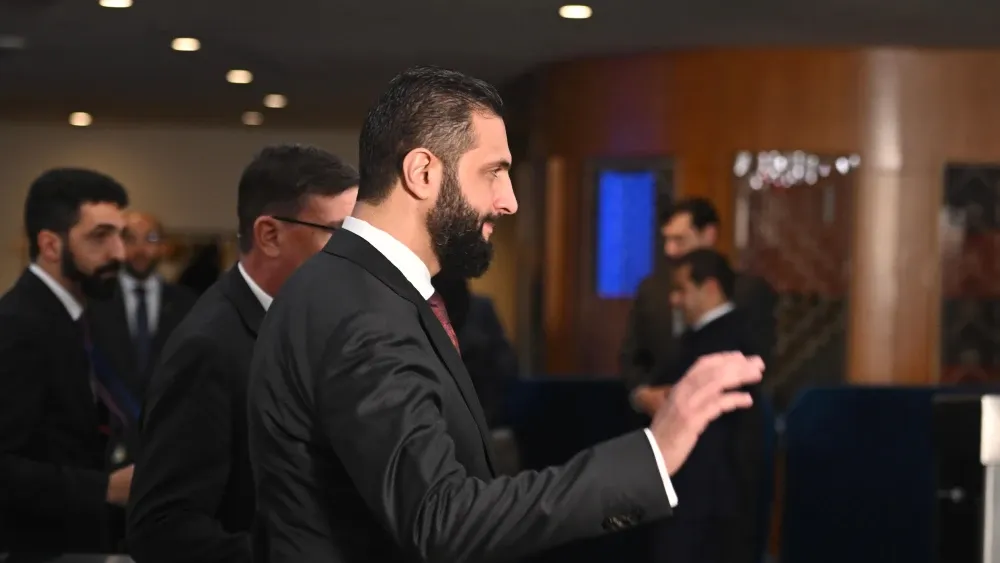 By: Sirwan Kajjo Since taking power in December 2024, Syria's interim government has maintained a façade of inclusivity to project an image of broad national consensus and political legitimacy. Interim President Ahmed al-Sharaa's largely Islamist government has made sure to include a few individuals from minority communities at the ministerial level. In practice, however, this appearance masks a governing structure that is exclusionary. Why it matters: The 23-member cabinet includes four ministers from minority communities, but their roles are largely symbolic, failing to represent the interests of their communities. -
The ministry of education, led by Kurd Mohammed Turko, banned Kurdish language lessons in Afrin, while Druze minister Amjad Badr remained silent on massacres against his community, leading to his clan disowning him. Regional parallels: Similar tactics are seen in Iran and Iraqi Kurdistan, where token minority representation is used to project pluralism while real power remains concentrated. The bottom line: Genuine political pluralism requires constitutional guarantees and meaningful engagement with diverse communities. Syria's transitional phase offers a chance to correct recent missteps, provided there is political will for real inclusivity. To read the full article, click here. | | Transferring Islamic State's Camp to U.N. Is a Terrorist Time Bomb 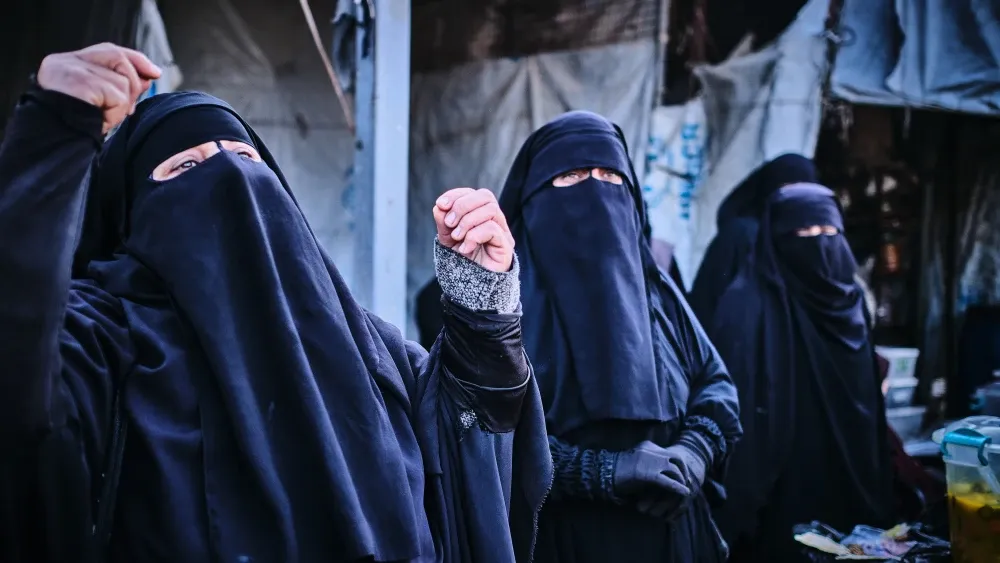 By: Michael Rubin A decade ago, the Islamic State (ISIS) was rampant, but the U.S. military and Syrian Kurdish allies contained it to Al-Hol refugee camp in northeastern Syria. The reason why the Kurds did not fully extinguish the Islamic State but allowed it to continue to burn at Al-Hol was humanitarian. Syrian Kurds do not massacre prisoners. The Kurds aimed for an international repatriation that never occurred. Why it matters: With the Syrian Democratic Forces ceding control of Al-Hol to the UNHCR in January 2026, the potential for increased ISIS influence looms large. The UNHCR's expertise in camp administration does not extend to security, posing a significant risk. Security concerns: The UNHCR's focus on feeding and housing over counterintelligence undermines regional stability. Ignoring Kurdish expertise in favor of diplomatic optics sacrifices effective security measures. The bottom line: UNHCR control over Al-Hol could reverse years of counterterrorism progress. A new U.N. High Commissioner for Refugees will begin work on January 1, 2026. His or her first move should be to reject any U.N. role for the Al-Hol camp. To read the full article, click here. | | The Last Banner of Zaynab 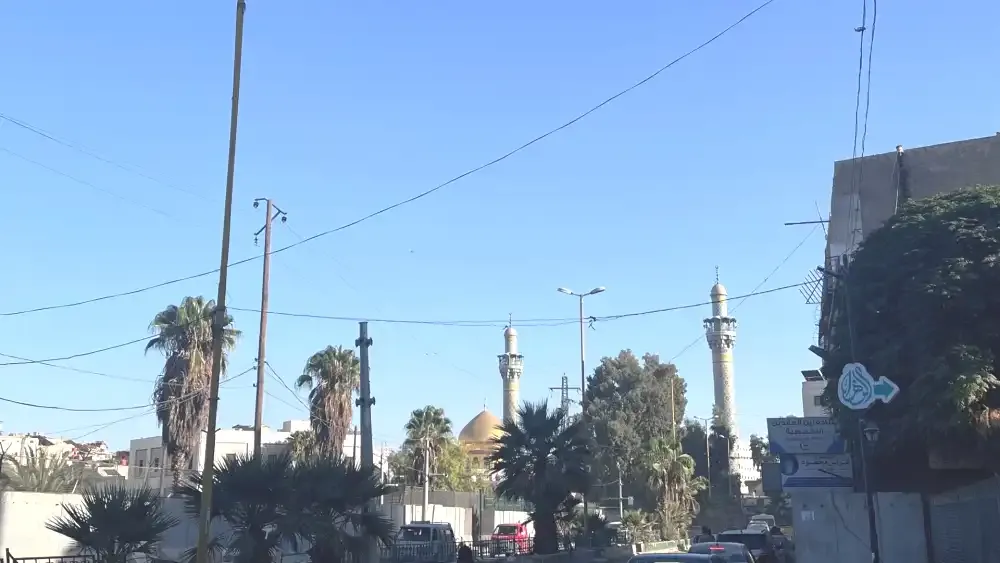 By: Aymenn Jawad Al-Tamimi The fall of Assad has left Syria's Shia community adrift. The Sayyida Zaynab shrine, once a symbol of Shia mobilization, mirrors the community's constrained position under the new Sunni-led order. Why it matters: The removal of the 'Oh Zaynab' banner signifies Shia deference to the new Sunni rulers, reflecting broader socio-political dynamics. Community challenges: Deprived of foreign backing, Syria's Shia are scattered and forced to adapt. The bottom line: With Iran ostracized in post-Assad Syria, the Shia have lost their external protector, heightening fears of retribution. Laying low and surviving is the order of the day. To read the full article, click here. | | Libya Is Becoming the World's Crime Capital—America Can't Afford to Look Away 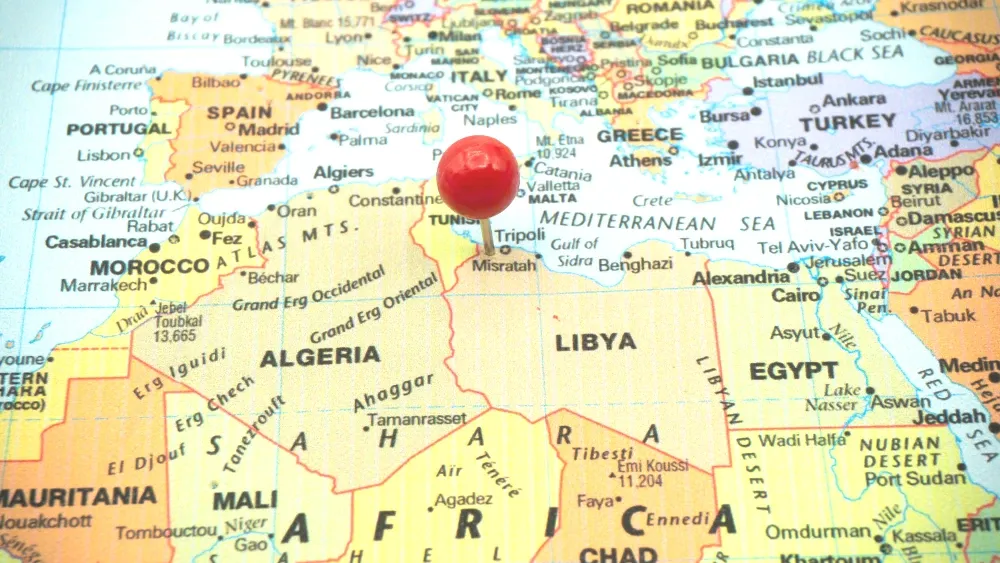 By: Amine Ayoub Libya has become a hub for a transnational criminal network, operating like a shadow state. This system moves people, weapons, drugs, and cash across the Sahara and into the Mediterranean with ruthless precision. Why it matters: Libya's instability and criminal networks pose threats to regional stability and international interests. They complicate counterterrorism efforts, threaten key sea lanes, and pressure European allies with migration issues. Current responses: Conventional strategies, like interdiction at sea and staged anti-crime campaigns, fail to dismantle the entrenched systems. They often exacerbate the problem by leaving the underlying business models intact. The bottom line: To prevent Libya's criminal networks from becoming a chronic threat, a mix of targeted pressure and engagement is essential. This includes accountability for partner militaries, development programs, and diplomatic efforts to discourage tolerance of criminal networks. To read the full article, click here. | | The Sudan-Libya-Egypt Triangle: An Immediate Israeli Security Crisis 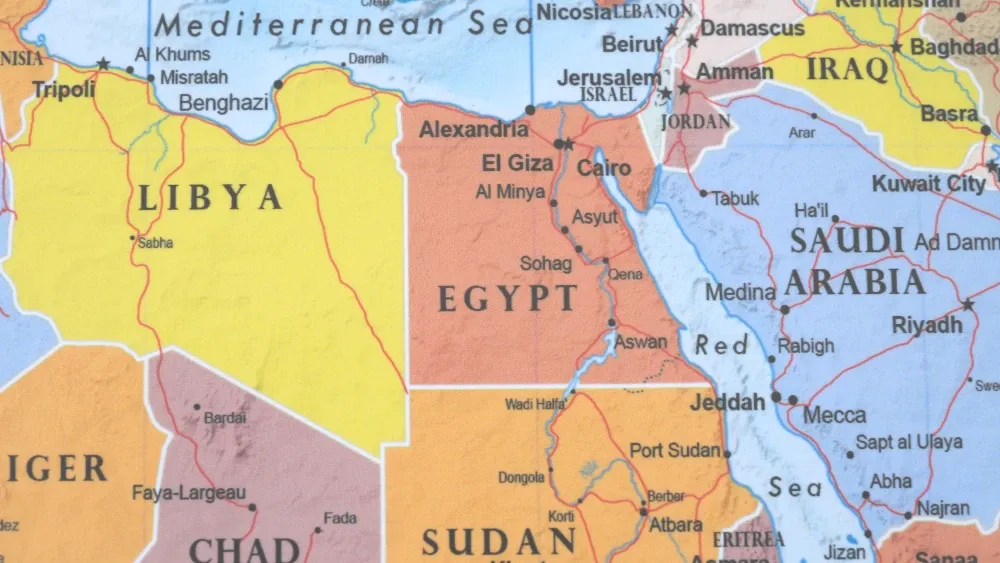 By Amine Ayoub Across Israel's southern and western peripheries, crises in Sudan and Libya have merged into a direct threat. The consolidation of the Rapid Support Forces (RSF) in Sudan and Libya's political fragmentation have created a land corridor for arms, fuel, and fighters that bypasses maritime routes. Why it matters: These smuggling routes enable the transfer of sophisticated weapons to Gaza, threatening Israeli national security. The corridors bypass traditional interdiction efforts, making it easier for hostile actors to arm groups like Hamas and Islamic Jihad. Strategic response: Israel must strengthen intelligence collaboration with Egypt to map and disrupt these corridors. This includes targeting logistical nodes and financial networks empowering militias. The bottom line: Israel's approach must be rapid and multifaceted, integrating intelligence, diplomacy, and strategic partnerships to prevent the entrenchment of these networks, which threaten to escalate crises in Gaza and Sinai. To read the full article, click here. | | | | | Thank you for your support and for subscribing to the Dispatch. If you enjoyed it, please forward it to a friend, and please let us know what you thought of this issue. You'll hear from us again soon. Sincerely, Winfield Myers
Managing Editor, Middle East Forum
Director, Campus Watch | | | | Was this edition useful?  

Your email will be recorded and shared with the sender |        MEF, an activist think tank, deals with the Middle East, Islamism, U.S. foreign policy, and related topics, urging bold measures to protect Americans and their allies. Pursuing its goals via intellectual and operational means, the Forum recurrently has policy ideas adopted by the U.S. government.
Copyright © 2024 Middle East Forum, All rights reserved.
Our mailing address is:
Middle East Forum
1650 Market Street, Suite 3600
Philadelphia, PA 19103 | | | | | Powered by 
| | This email was sent by Middle East Forum via Axios HQ | | | |

0 коммент.:
Отправить комментарий