| |  | | | Israel's Imperative for Renewal; Continuing Crises in Iran By Winfield Myers ● Nov 03, 2025 Smart Brevity® count: 9.5 mins...2496 words Living in Israel (not simply visiting) for the first time in 13 years, Gregg Roman writes that, upon his arrival in August, "the country felt suspended in a state of systemic malfunction, a society staggering under an impossible burden." By October, a "disturbing 'pre-October 7th' mindset" had returned, "as if the last two years of staggering loss were a bad dream." Beyond observations, Roman offers ideas on how "Israelis can do the slow, civilian work that makes victory last." Saeid Golkar observes that, in the aftermath of its 12-day war with Israel, Iran's decades-long ideological rigidity and reliance on propaganda over meritocracy have yielded an ossified, incompetent, and corrupt ruling class. With a post-Khamenei era looming, Mardo Soghom says "a war of wolves" has erupted in Tehran in which elites are turning on each other in a "scramble to secure their positions and protect their stakes in the crony economy." We also feature articles by Dalga Khatinoglu, Khaled Hassan & Mohamed Saad Khiralla, Raymond Ibrahim, Abdullah Bozkurt, and others. | | The Victory After Victory: Israel's Imperative for Renewal 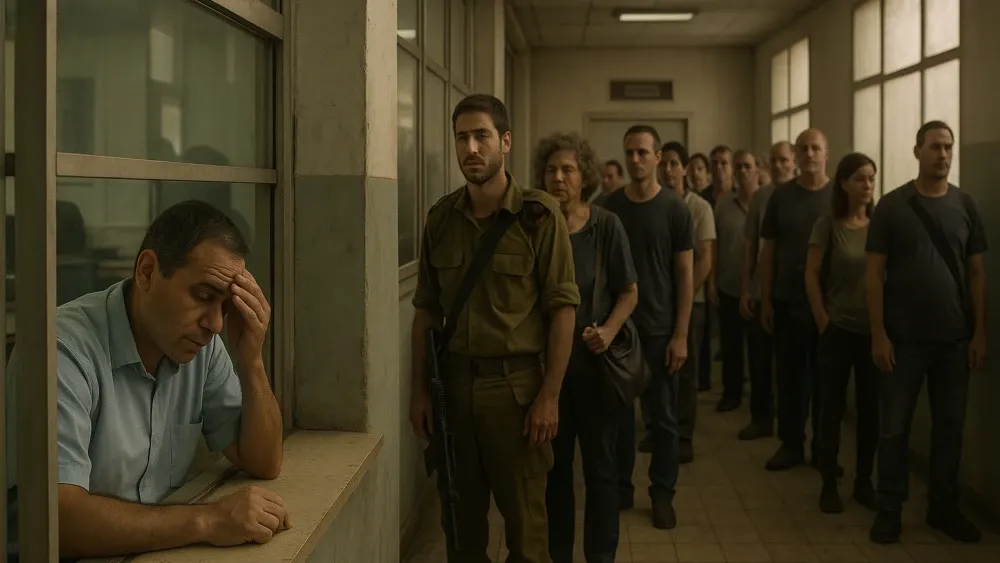 By: Gregg Roman Upon arriving in Israel this past August, the atmosphere was rife with the echoes of systemic strain, as the country struggled under the weight of bureaucratic inefficiencies and societal fatigue. Nearly two years since the October 7th war, the nation feels suspended in a cycle of unresolved conflict and economic burden. The country felt suspended in a state of systemic malfunction, a society staggering under an impossible burden. Why it matters: Israel faces a pivotal moment to redefine its future, balancing between recovery and a return to past errors. The rhythm of war and its aftermath: September brought renewed military activities, highlighting the persistent tension with Hamas and its backers. -
Despite a U.S.-brokered ceasefire, the situation remains precarious, with a new "yellow line" marking contested territories, signaling a fragile truce. The stakes: The nation must navigate the complexities of post-war governance and societal healing. -
Addressing the "three-layer crisis" of institutional trust, social cohesion, and demographic talent is crucial for sustainable recovery. -
Empowering Gaza's clans offers a path to localized governance, ensuring resources reach the people and reducing extremist influence. What's next: The war's end is not synonymous with peace. Israel's future stability hinges on strategic policy shifts and national resilience. -
The cameras will swivel elsewhere. But the task before us is quieter and more consequential. Make the state work. Share the burden. Grow the economy. Secure the borders. Keep faith with the hostages and the fallen. -
Raise up leaders—artists and engineers, medics and teachers, jurists and mayors—equal to the hour. -
If we will it—not the dream of a frictionless peace, but the hard labor of a just order—it is no dream. To read the full article, click here. | | ICYMI: After Gaza, Will the India-Middle East Economic Corridor Get Back on Track?; with Michael Rubin  The India–Middle East–Europe Economic Corridor (IMEC) aims to create a strategic trade route linking India to Europe via the Arabian Peninsula and Israel, bypassing Iran, Turkey, and Russia to reduce global reliance on those states' energy and transit networks. The project—announced at the 2023 G20 summit—would connect Indian ports to the UAE by sea, then through Saudi Arabia and Jordan to Israel's Haifa port, and onward to Europe via Cyprus and Greece. Its success depends on resolving logistical and political challenges, including security risks in the Strait of Hormuz, Iranian and Turkish interference, and Jordan's infrastructure limitations. Advocates argue IMEC could transform regional trade, strengthen ties among India, Israel, and the Gulf states, and serve as a counterweight to China's Belt and Road Initiative, advancing both U.S. and allied interests if Washington commits diplomatic support. Michael Rubin is MEF's director of policy analysis. He is also a senior fellow at the American Enterprise Institute, where he specializes in Middle Eastern countries, particularly Iran and Turkey. His career includes time as a Pentagon official, with field experiences in Iran, Yemen, and Iraq, as well as engagements with the Taliban prior to 9/11. Mr. Rubin has also contributed to military education, teaching U.S. Navy and Marine units about regional conflicts and terrorism. His scholarly work includes several key publications, such as Dancing with the Devil and Eternal Iran. Rubin earned his Ph.D. and M.A. in history and a B.S. in biology from Yale University. To watch the full podcast, click here. | | Humiliation and Transformation: The Islamic Republic After the 12-Day War 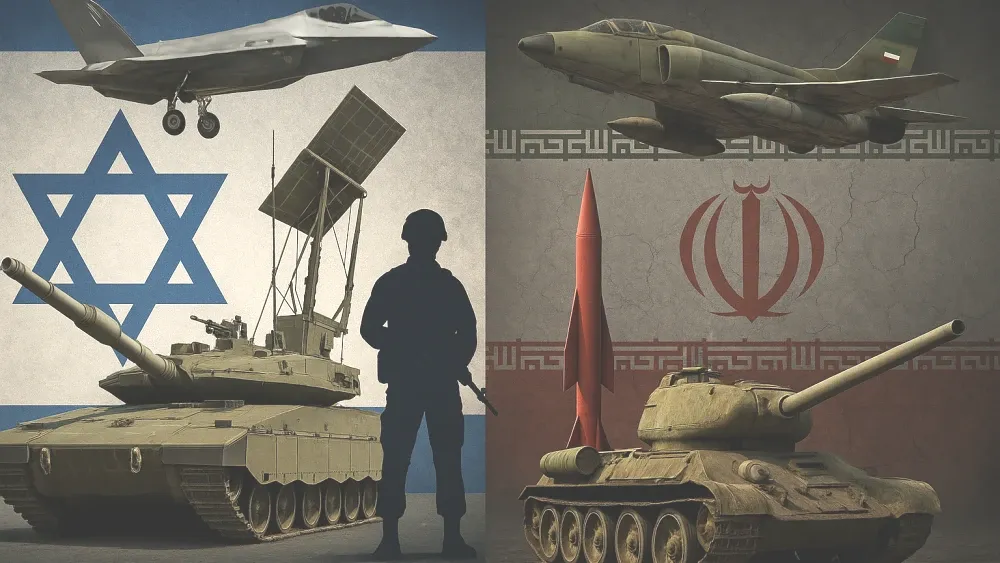 By: Saeid Golkar The 12-Day War between Iran and Israel in June 2025 exposed critical weaknesses in the Islamic Republic's military, strategic, and ideological frameworks, marking a turning point for the regime. Why it matters: Iran's failure to achieve its military and political objectives undermined its regional standing and intensified internal debates about the regime's future. -
The conflict accelerated the regime's loss of strategic coherence, prompting increased repression, a nationalist pivot, and institutional restructuring, while leaving Iran vulnerable to future crises. Historical trajectory: The war marked a shift from four decades of proxy conflict to direct confrontation, aggravated by Iran's continued support for groups like Hamas and Hezbollah. The stakes: Iran's ideological rigidity and reliance on propaganda over meritocracy have paralyzed its ability to adapt and govern effectively. What's next: Iran's future hangs in the balance as it faces pressure to reform amid hardliner resistance and systemic inertia. To read the full article, click here. | | Iran's Ruling Elite Turn on Each Other 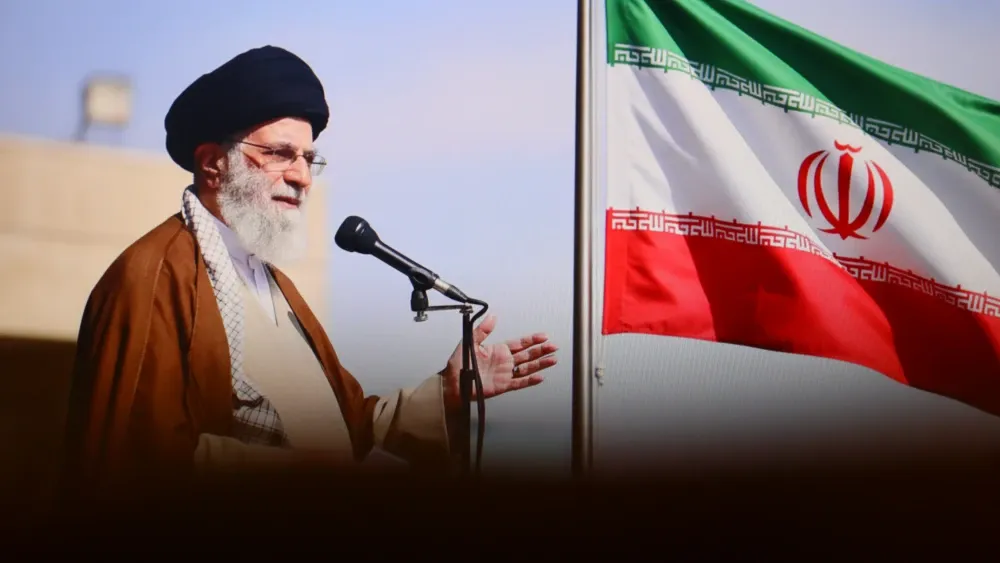 By: Mardo Soghom There is a war of wolves in Tehran, Iranian analysts say, as regime insiders turn on each other in unprecedented public attacks and even level veiled criticism at Supreme Leader Ali Khamenei—an aging and weakened autocrat who has ruled the country for more than thirty-six years. Why it matters: The intense political infighting underscores a power struggle over who will lead Iran post-Khamenei and who controls the nation's wealth. Driving the news: Ali Larijani, one of Khamenei's most trusted figures and a former parliament speaker, called for restraint amidst escalating disputes among Iran's political leaders. The stakes: Most members of the political elite depend on the country's corrupt, nepotistic economy. For 46 years, they have known neither genuine political competition nor a functioning market system. What's next: Many Iranians argue that corruption—more than foreign sanctions—has impoverished the nation. They are right, even as some Western diplomats continue to accept Iranian complaints about sanctions at face value. -
The behavior of regime insiders matters more than their rhetoric. As uncertainty deepens about the post-Khamenei era, regime insiders now scramble to secure their positions and protect their stakes in the crony economy, the real basis for the fortunes and misfortunes of individual Iranians. To read the full article, click here. | | Passport Power Gap Widens Between Middle Eastern Countries and Iran 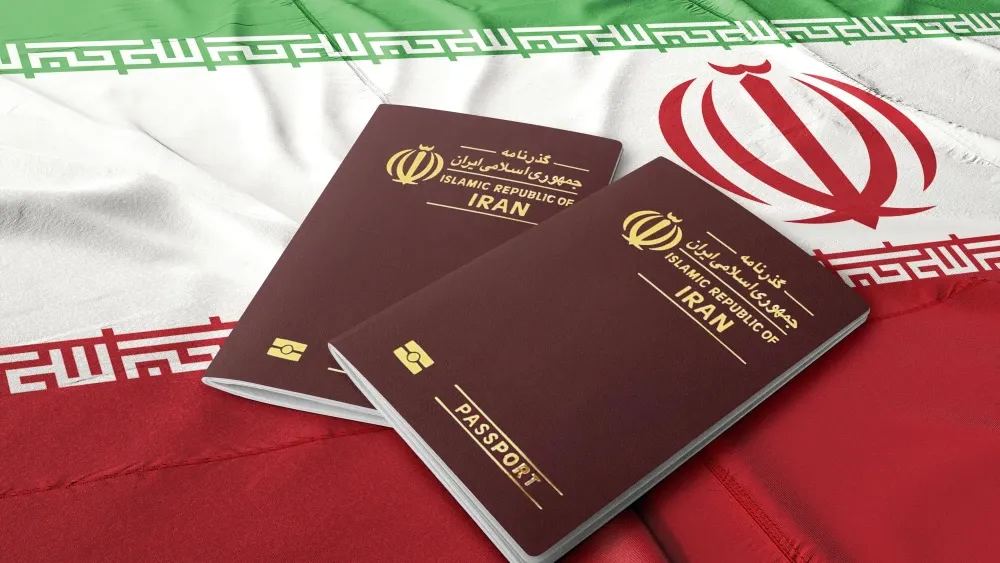 By: Dalga Khatinoglu The latest Henley Passport Index data reveals a growing disparity in passport strength among Middle Eastern countries, highlighting significant differences in international mobility. Why it matters: Passport strength is a reflection of a nation's global standing, political stability, and economic relations. Driving the news: In stark contrast, Iranian citizens have visa-free or e-visa access to only 41 countries. The stakes: Iran's position is even more precarious compared to its neighbors, with its ranking dropping sixteen positions over two decades. What's next: The disparity in passport strength underscores the need for Iran to address its foreign policy challenges to improve its global standing and citizen mobility. -
Upon receiving refuge and citizenship abroad, the Iranian emigres—and by extension, their relatives back home—almost immediately see the visa gap. -
The emigres can largely travel the world while Iranian citizens today increasingly remain prisoners in their country. To read the full article, click here. | | Cairo's 'Homeland of Peace' Pageant Embraces Jihad and the Muslim Brotherhood 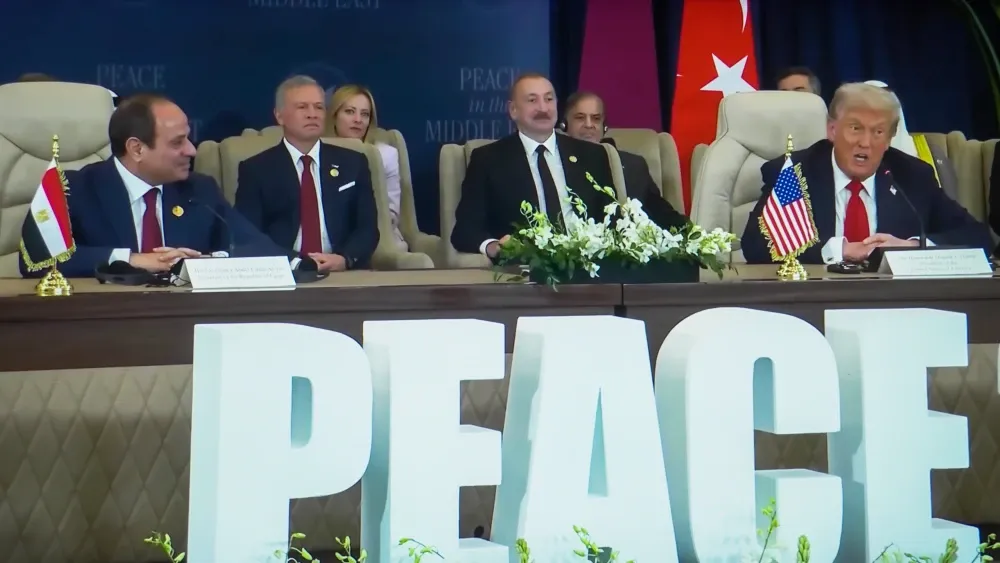 By: Khaled Hassan and Mohamed Saad Khiralla Egypt's recent "Homeland of Peace" event, ostensibly endorsing peace, was a state-sponsored spectacle of incitement against Israel, revealing Cairo's duplicity. Why it matters: This event underscores Egypt's strategic maneuvering to maintain geopolitical relevance by simultaneously endorsing and undermining peace efforts. Driving the news: President Sisi's patronage of the event, which included Quranic recitations and Holocaust-tainted humor, signals alignment with anti-Israel sentiments. The stakes: Egypt's strategic posturing aims to maintain control over Gaza's future and leverage its mediator role for continued U.S. aid. What's next: As Egypt continues its double game, the challenge for peace efforts is navigating these complex diplomatic landscapes. To read the full article, click here. | | From Rumor to Rampage: The Collective Punishment of Egypt's Coptic Christians 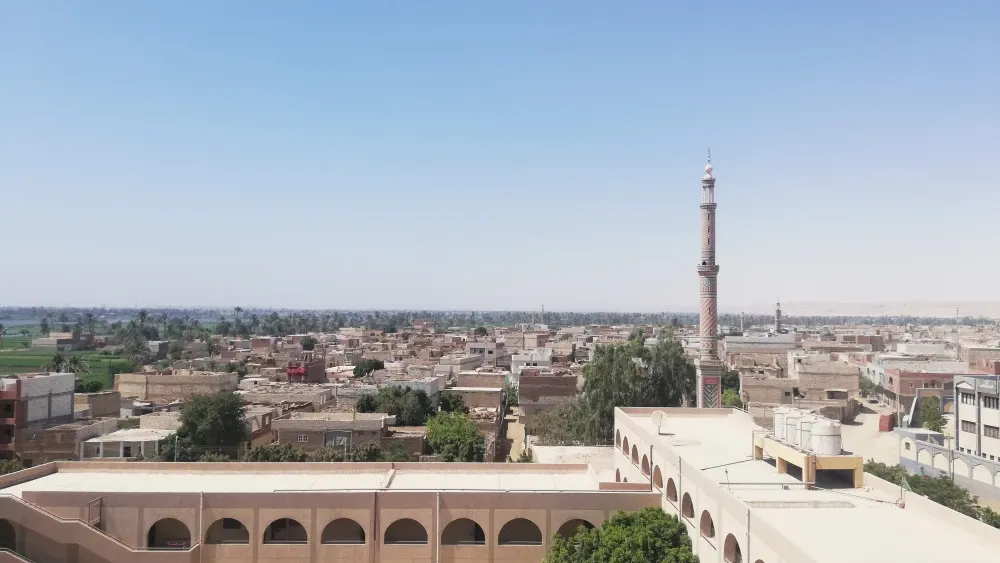 By: Raymond Ibrahim On October 23, 2025, Nazlet Jelf in Egypt's Minya province became the latest scene of anti-Christian violence, triggered by rumors of a Coptic man romantically linked to a Muslim woman. Why it matters: This incident highlights the persistent pattern of religious violence and societal discrimination against Copts in Egypt. Driving the news: The mob's attack transformed a once-coexistent community into one gripped by fear, as homes were attacked and farmland was set ablaze. The stakes: Incidents like these underscore the broader issue of religious intolerance and the failure of authorities to hold perpetrators accountable. What's next: Without systemic change, these cycles of violence are likely to continue, perpetuating fear and division. To read the full article, click here. | | How Islamists Use Religious Rituals and Rhetoric to Influence Post-Conflict Areas 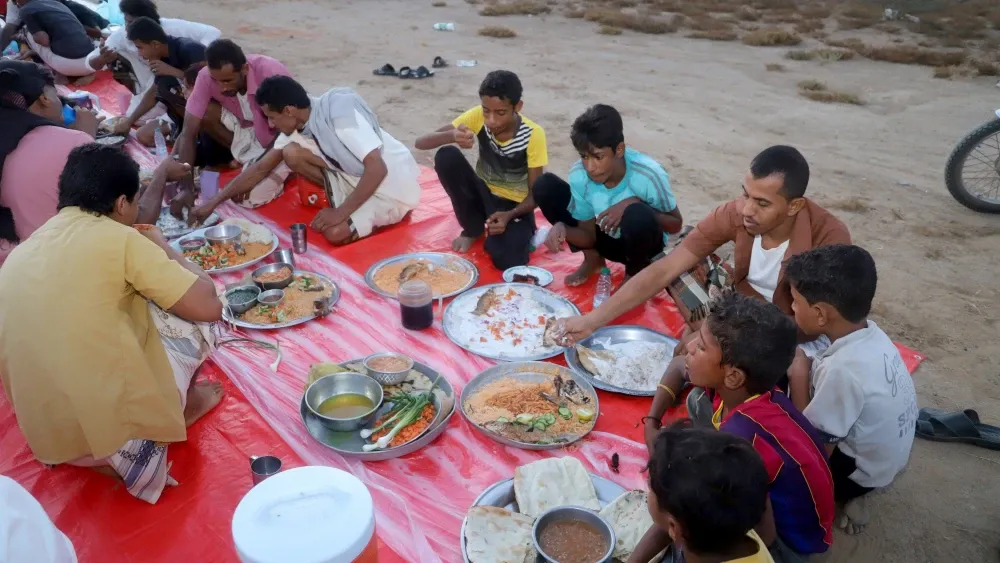 By: Mohammad Taha Ali In Middle Eastern societies recovering from civil wars, Islamist movements leverage religious observances to reinforce political order and claim social authority. Why it matters: These events, ranging from military parades to sacred processions, are not purely spiritual but serve as tools of political control and social signaling. -
By intertwining religion with politics, these groups promote unity, instill obedience, and foster sectarian identity. Driving the news: Iraq's Shi'i politicians use Ashura and Arba'in commemorations to fuse religious observance with political culture, while in Yemen, Houthi rebels celebrate "liberation day" with anti-Western rhetoric. -
These rituals are mirrored by Hezbollah, the Taliban, and Hamas, each using religious events to legitimize their rule and incite militancy. The stakes: Policymakers often overlook the role of religious legitimization in these conflicts, which Islamist groups use to make diplomatic compromise impossible. What's next: Understanding the dual role of religious rituals in these societies is crucial for effective policy responses. To read the full article, click here. | | Cyber-Jihad from Turkey: Erdoğan-Protected Al-Qaeda Faction Hacked U.S., Canadian Airports  By: Abdullah Bozkurt A Turkish hacker group aligned with the pro-al-Qaeda Turkish radical organization, the Islamic Great East Raiders Front (IBDA-C), has breached airport systems across North America, signaling a troubling expansion of ideologically driven cyber-activism. Why it matters: These cyberattacks highlight the increasing capability of Turkish radicals to infiltrate Western civilian infrastructure, raising significant security concerns. Driving the news: The hacker collective, known as Siberislam, disrupted operations at several airports, broadcasting pro-Hamas and anti-Western propaganda. The stakes: The Erdoğan government's tolerance of these groups allows their ideology to spread beyond Turkey's borders, posing a global threat. What's next: Western security agencies must treat these entities as ideological actors with state-tolerated support, posing risks of escalating cyber threats. To read the full article, click here. | | Can Turkey Become a Rare Earth Element Power? 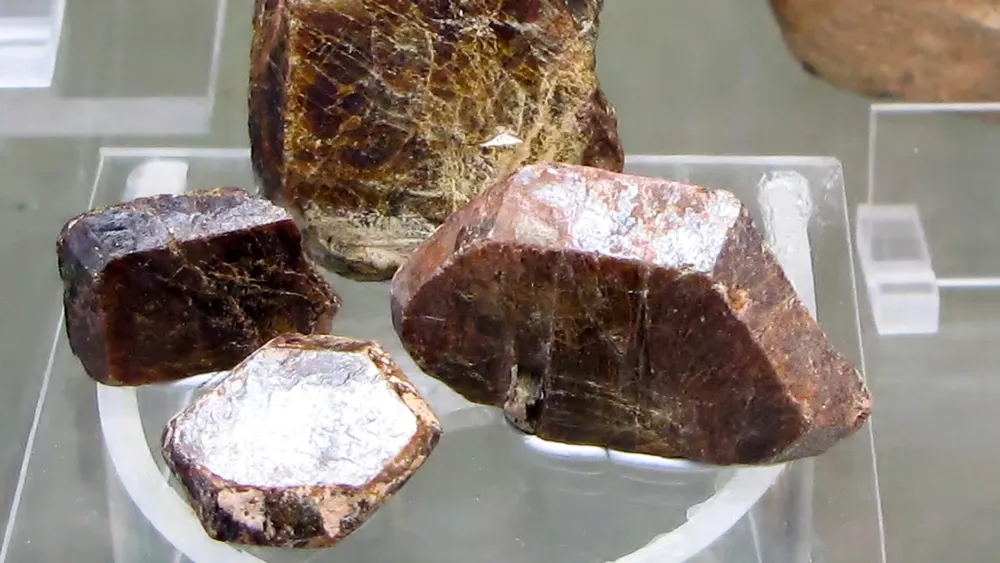 By: Umud Shokri Turkey's discovery of 694 million tons of rare earth elements in Beylikova, Eskişehir, presents a strategic opportunity to position itself as a top global producer. -
Why it matters: The deposit's near-surface position and high rare earth oxide grade reduce extraction costs, but substantial infrastructure and sophisticated processing technology are required. -
Turkey's ability to leverage this discovery could enhance its role in global supply chains, reducing dependency on China. -
Driving the news: Ankara seeks international partnerships to address its technological gap, with the potential to supply 10-20 percent of non-Chinese rare earth oxides. -
This aligns with Western initiatives to diversify supply chains and counter Beijing's influence. The stakes: Environmental risks and the need for significant investment pose challenges to realizing the deposit's full potential. What's next: Turkey's strategic timing coincides with global resource competition and ongoing U.S. discussions on technology sharing. To read the full article, click here. | | We appreciate your continued support for the Middle East Forum as we deliver critical analyses on Middle Eastern affairs. If you found this edition of the Dispatch useful, please share it with others and be sure to let us know your thoughts on our coverage via the comments feature. Sincerely, Winfield Myers
Managing Editor, Middle East Forum
Director, Campus Watch | | | | Was this edition useful?  

Your email will be recorded and shared with the sender |        MEF, an activist think tank, deals with the Middle East, Islamism, U.S. foreign policy, and related topics, urging bold measures to protect Americans and their allies. Pursuing its goals via intellectual and operational means, the Forum recurrently has policy ideas adopted by the U.S. government.
Copyright © 2024 Middle East Forum, All rights reserved.
Our mailing address is:
Middle East Forum
1650 Market Street, Suite 3600
Philadelphia, PA 19103 | | | | | Powered by 
| | This email was sent by Middle East Forum via Axios HQ | | | |

0 коммент.:
Отправить комментарий