| |  | | | Beware the New Syrian Regime; Hamas's False Statistics; Hezbollah Digs In By Winfield Myers ● Nov 07, 2025 Smart Brevity® count: 7.5 mins...1969 words In an article and a recent podcast appearance, Sirwan Kajjo warns that when Syria's interim President Ahmed al-Sharaa visits the White House next week, his country should not be allowed to join the anti-ISIS coalition. Syria's disjointed military, rife with jihadist factions, has massacred minorities. Instead, the U.S. should ensure that the Kurdish-led Syrian Democratic Forces remain intact in any integration with the Syrian military. Michael Rubin argues that no one should be shocked that the international press corps, United Nations officials, and human rights groups champion the false statistics on civilian casualties and privation in Gaza promulgated by the "Hamas Health Ministry." The same game was played years ago by Iraqi President Saddam Hussein—and the same actors spread the lies uncritically. Amatzia Baram, in a detailed analysis of efforts to disarm Hezbollah, writes that Israel's military and political leaders say that the prewar policy of "quiet will be answered with quiet" is now replaced with prevention. Given what happened in October 2023, no Israeli government will be able to abandon this new policy. We also include articles by Elizabeth Samson, Lazar Berman, Raymond Ibrahim, and Fernando Carvajal. | | It Is a Mistake to Bring Syria Into the Anti-Islamic State Global Coalition Now 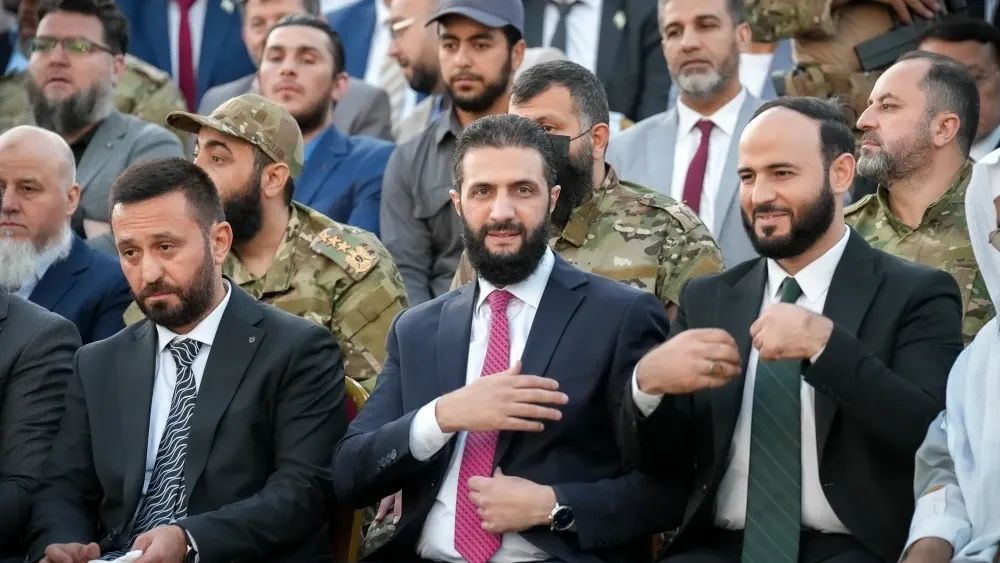 By: Sirwan Kajjo Syria's interim President Ahmed al-Sharaa is scheduled to meet with President Donald Trump in Washington in November, the first visit by a Syrian leader to the White House. During the trip, al-Sharaa is set to sign an agreement to join the global coalition against the Islamic State. Why it matters: With Syria at the heart of the fight against ISIS, this move is fraught with risk. -
Al-Sharaa's military, rife with jihadist factions, poses severe counterterrorism concerns. -
Al-Sharaa's government seeks legitimacy, but fragmented forces and Russian ties hinder genuine cooperation. The big picture: The alliance with the U.S. could stabilize Syria, yet al-Sharaa's ties to extremist groups undermine this potential. -
Syrian forces' militia-like behavior and foreign allegiances complicate efforts. -
The potential integration into the global coalition seems more a power consolidation tactic than a genuine commitment to counterterrorism. What's next: The U.S. must ensure the Kurdish-led Syrian Democratic Forces, which controls nearly one-third of Syria's territory, are central in any military integration. -
These forces are pivotal in counterterrorism, and their exclusion would jeopardize stability. -
Washington should demand key military roles for SDF commanders to ensure Syria's commitment aligns with U.S. interests. The stakes: Without solid integration, Syria's participation in the coalition could backfire, destabilizing the region further. To read the full article, click here. | | Sirwan Kajjo on Syria: The Syrian Democratic Forces and What Comes Next 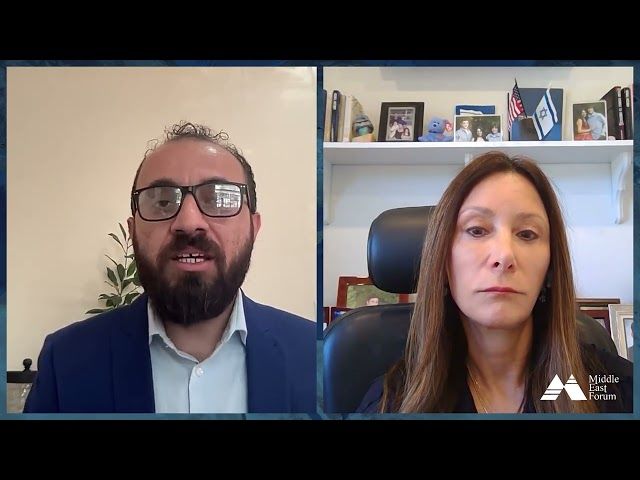 By: Marilyn Stern Sirwan Kajjo, a journalist and author specializing in Kurdish politics, shared insights on the challenges facing Syria's new government during a recent Middle East Forum podcast. Why it matters: The integration of the Kurdish-led Syrian Democratic Forces (SDF) into Syria's defense system is fraught with tension. -
Clashes between SDF and Damascus-backed forces highlight ongoing instability. -
The Kurdish forces seek genuine authority within the new Syrian state, but negotiations with Damascus remain strained. The big picture: Despite a formal agreement, the Syrian state struggles to exert control over its diverse factions. -
The Kurdish community's involvement is crucial for Syria's stability, but Damascus's fractured alliances pose a significant challenge. -
Turkey's influence and military actions against Kurdish enclaves further complicate the situation. What's next: The U.S. plays a crucial mediating role, aiming to merge the SDF into a unified Syrian military. -
By facilitating dialogue, the U.S. hopes to strengthen Syria's ability to combat ISIS and maintain regional stability. -
Washington's involvement underscores its commitment to countering extremist threats while balancing its strategic interests with Turkey. The stakes: Aligning with strongmen without integrating diverse communities risks further conflict. To read the summary and watch the entire podcast, click here. | | Why Fall for Hamas's False Statistics? 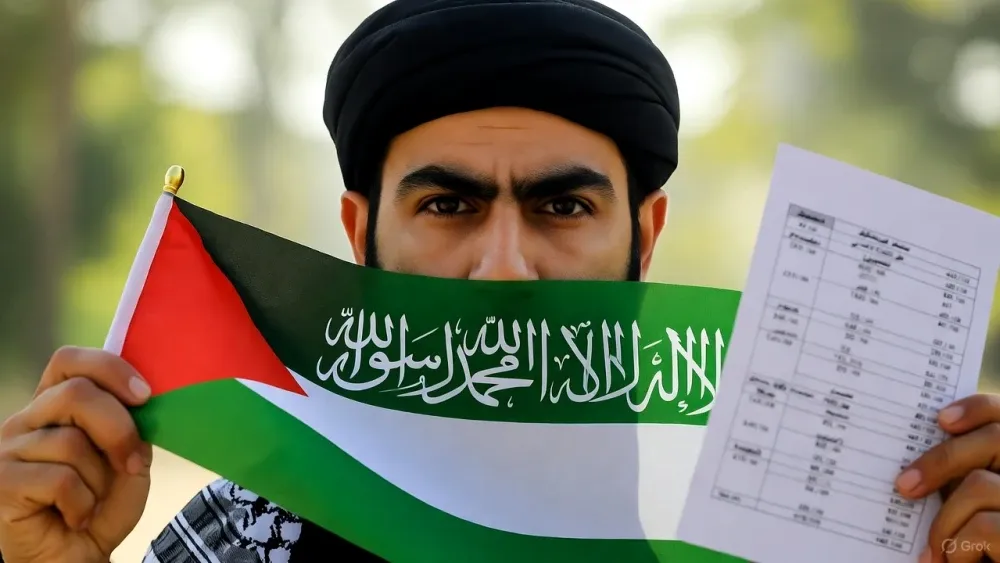 By: Michael Rubin On October 7, 2023, in a shocking breach of ceasefire, Hamas launched a brutal attack killing nearly 1,200 Israelis—marking the deadliest day for Jews since the Holocaust. Israel's military response was swift and forceful, aimed at dismantling Hamas's terrorist infrastructure. Why it matters: Israel's campaign in Gaza has become a benchmark for combating enemies entrenched within civilian populations. The big picture: Despite Israel's strategic precision, accusations persist, fueled by Hamas's manipulation of narratives. -
The so-called Gaza Health Ministry, a Hamas puppet, perpetuates false statistics, echoing Saddam Hussein's deceitful tactics. What's next: Media and global watchdogs must confront their complicity in propagating these falsehoods. The stakes: Without accountability, the credibility of international entities continues to erode. To read the full article, click here. | | Palestinian Terrorists Don't Deserve Prison Visits  By: Elizabeth Samson The International Court of Justice's October 22, 2025, Advisory Opinion on "Obligations of Israel" reveals a glaring moral and legal double standard. Why it matters: The court labels Israel as an occupier, ignoring terrorist infiltration of the United Nations Relief and Works Agency (UNRWA) and legitimizing the October 7, 2023, massacre of 1,200 Israelis. The big picture: The Red Cross and International Court of Justice's selective advocacy undermines their humanitarian credibility. What's next: Legal distinctions between "lawful" and "unlawful" combatants justify restricted Red Cross access to terrorists. The stakes: The hypocrisy of international demands erodes trust in humanitarian institutions. To read the full article, click here. | | Hamas Is Afraid Gaza Will Become Lebanon. So Is Israel 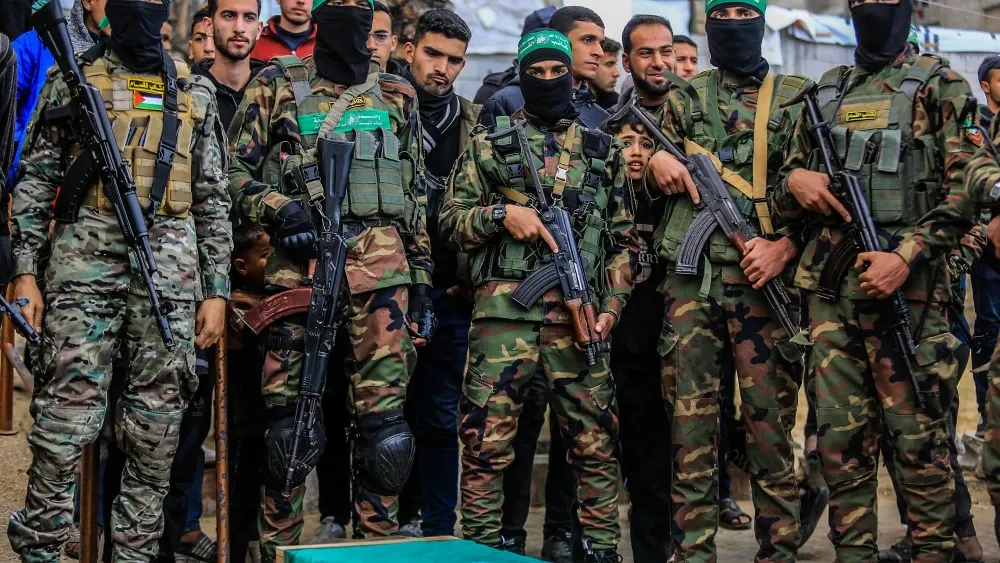 By: Lazar Berman After initial excitement, President Donald Trump's 20-point peace plan for Gaza faces significant hurdles. Why it matters: Despite ongoing visits by senior U.S. officials to Kiryat Gat, Trump's plan is stalling due to resistance at multiple levels. The big picture: The Trump administration is pushing a UN Security Council resolution to support peacekeeping forces. What's next: Both Israel and Hamas are maneuvering to avoid a Lebanon-like scenario where the IDF maintains strike freedom. The stakes: Israel aims to ensure Hamas disarms and steps back from governance, but Hamas is keen on retaining its arms and control. Read the full article at the Times of Israel. | | Hezbollah's Refusal to Disarm Risks Lebanon's Stability 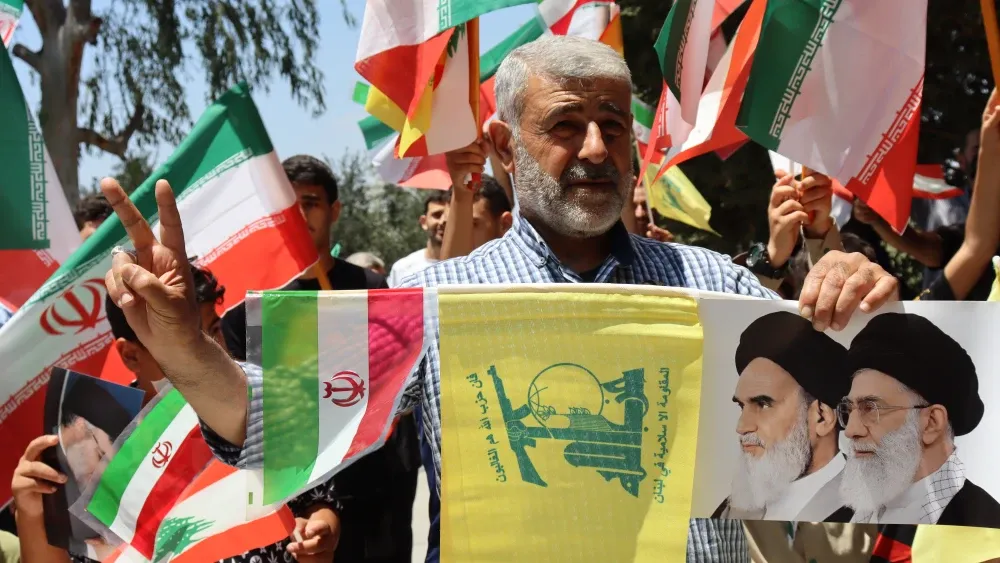 By: Amatzia Baram In August, Lebanon, pressured by the U.S. and Saudi Arabia, voted to disarm Hezbollah by year-end, without support from Hezbollah and Amal ministers who protested. Why it matters: This decision comes with promises of U.S. and Gulf financial aid contingent on Hezbollah laying down arms. The big picture: Hezbollah's military decline is evident, but the group retains significant influence and threatens civil unrest. What's next: U.S. and French pressure could push Lebanon towards a clear disarmament timetable. -
Israel's cooperation is crucial, as its withdrawal might aid Lebanon's efforts to neutralize Hezbollah in other regions. -
Israeli flyovers and bombing of Hezbollah's positions can only stop once the entire organization is disarmed across the country. The stakes: Without swift action, Hezbollah could recover militarily and politically, threatening Lebanon's stability. -
Tehran's distractions and Lebanon's economic crisis provide a window for reform, but time is limited. -
The Israeli military and political leaders say that the previous 2006-2023 policy of "quiet will be answered with quiet" is now replaced with prevention. -
Given what happened in October 2023, no Israeli government will be able to abandon this new policy. To read the full article, click here. | | Egypt's 'Reconciliation Sessions': The Terrorized Submit to the Terrorist 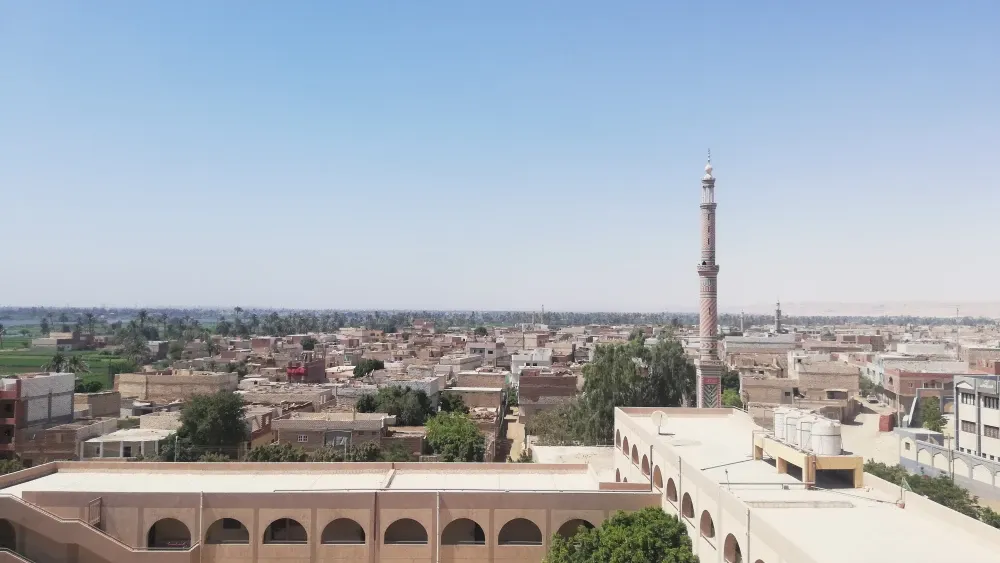 By: Raymond Ibrahim Following Friday prayers on October 24, 2025, a large Muslim mob attacked Coptic Christians in Nazlet Gelf, Minya, Egypt, over rumored interfaith relations. Why it matters: The attack, fueled by sharia's prohibition on non-Muslim men with Muslim women, highlights systemic issues in Egypt's treatment of Copts. The big picture: These sessions, masquerading as communal resolution, reinforce a hierarchy where Copts are marginalized. -
Egyptian law, justice, and constitutional protections are bypassed, encouraging further attacks on the Christian minority. What's next: Such state-approved sessions embolden attackers, ensuring victims remain vulnerable. -
Without legal accountability, these incidents perpetuate a cycle of violence, discrimination, and forced displacement for Copts. The stakes: The state quietly approves, the law is bypassed, and the discrimination and violence continues with official acquiescence. To read the full article, click here. | | The Houthi-Sudan Nexus Grows 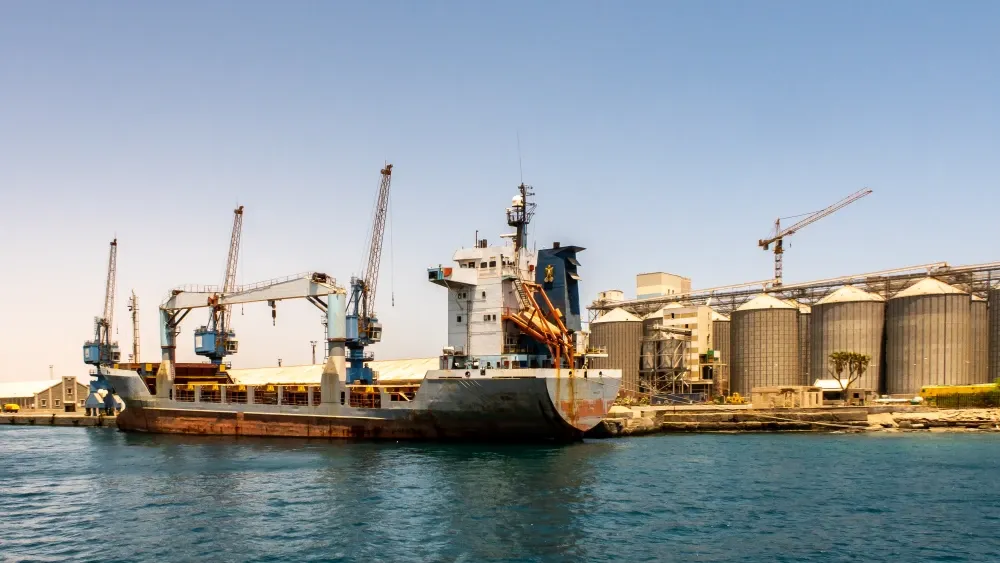 By: Fernando Carvajal Yemen's Houthis and Sudan's Transitional Sovereignty Council, led by General Abdel Fattah al-Burhan, are strengthening ties, expanding beyond arms trade to use Port Sudan as a funnel for oil and fuel to Houthi-controlled Hudaydah. Why it matters: This collaboration involves Sudan offering a lifeline for Iranian oil and weapons, undermining U.S. and Israeli efforts to curb Houthi influence. The big picture: The Houthis, bolstered by Sudan, threaten regional stability, with implications for freedom of navigation and control over Yemen's Red Sea coastline. What's next: U.S. policymakers must address this growing alliance, as failure to act could see Houthi influence expand further across East Africa and the Arabian Peninsula. The stakes: Ignoring the Houthi resurgence risks exacerbating threats to regional security and global shipping routes. To read the full article, click here. | | | | | We appreciate your continued support of the Middle East Forum and your reliance on MEF to bring you a steady stream of analyses and reports about the region and its influences on our world. If you enjoyed this issue of the Dispatch, please forward it to a friend and let us know your thoughts in the comments section. Thank you, Winfield Myers
Managing Editor, Middle East Forum
Director, Campus Watch | | | | Was this edition useful?  

Your email will be recorded and shared with the sender |        MEF, an activist think tank, deals with the Middle East, Islamism, U.S. foreign policy, and related topics, urging bold measures to protect Americans and their allies. Pursuing its goals via intellectual and operational means, the Forum recurrently has policy ideas adopted by the U.S. government.
Copyright © 2024 Middle East Forum, All rights reserved.
Our mailing address is:
Middle East Forum
1650 Market Street, Suite 3600
Philadelphia, PA 19103 | | | | | Powered by 
| | This email was sent by Middle East Forum via Axios HQ | | | |

0 коммент.:
Отправить комментарий