| |  | | | Will the Gaza Ceasefire Hold?; Disarming Hezbollah By Winfield Myers ● Oct 29, 2025 Smart Brevity® count: 10 mins...2593 words In light of the recent fighting in Gaza, Jonathan Spyer reminds us that intermittent hostilities are likely to continue, as "in the Middle East, reality's victory over illusion, at least, tends to be swift and decisive." In a second piece, Spyer writes of the ceasefire that, while "the West and its allies remain the strongest gathering in conventional terms," they have yet to win a decisive victory. Lazar Berman says that President Trump's embrace of Benjamin Netanyahu, while welcome, leaves the latter little room to maneuver, while Eric Navarro warns the two nations not to micromanage Gaza at the expense of solidifying "a new regional order against common threats." Reporting from Lebanon, Michael Rubin looks to the past for a plan to defeat Hezbollah by following the example of the Lebanese Forces, a Christian militia that in 1992 sold their weapons. Today, Hezbollah could "sell" its weapons to the Lebanese Armed Forces as a way to disarm. We include analyses of Egypt by Khaled Hassan and Mohamed Saad Khiralla and by Raymond Ibrahim and close with an article by Michael Rubin on India's need to invest more heavily in Greece and Cyprus. | | Will the Gaza Ceasefire Hold? 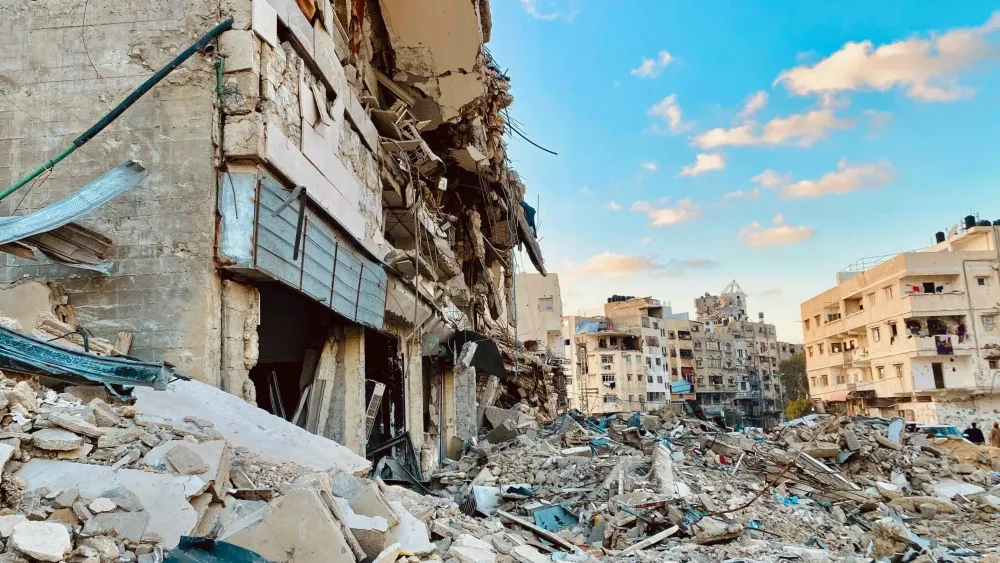 By: Jonathan Spyer In the latest blow to the Gaza ceasefire, Israeli aircraft struck Gaza City targets after Hamas attacks involving rocket-propelled grenades and sniper fire killed an Israeli reserve soldier. Why it matters: These incidents underscore the fragile nature of the ceasefire and the complex dynamics at play. -
Hamas's actions, including re-burying body parts of a murdered Israeli hostage, have sparked outrage in Israel. -
The ceasefire, brokered under pressure from Turkey and Qatar, aims to prevent deeper IDF incursions into Gaza City. The big picture: Despite current tensions, neither side is inclined to fully reignite hostilities. -
Israel seeks a respite for its forces, aligning with U.S. interests in maintaining the ceasefire. -
Hamas, though weakened militarily, remains a significant force, unwilling to disarm or fully comply with the 20-point plan. What's next: Israel remains determined to secure the complete dissolution of the Hamas entity in Gaza, if not by agreement, then by force. -
But given the current U.S. commitment to the 20-point plan, for the period ahead it looks likely that two de facto entities of governance will exist in Gaza and that intermittent hostilities between them will continue. -
This is a far cry from "grand concord and lasting harmony," of course. But then in the Middle East, reality's victory over illusion, at least, tends to be swift and decisive. To read the full article, click here. | | The Mideast Cease-Fire Is Both a Defeat and a Victory for Islamists 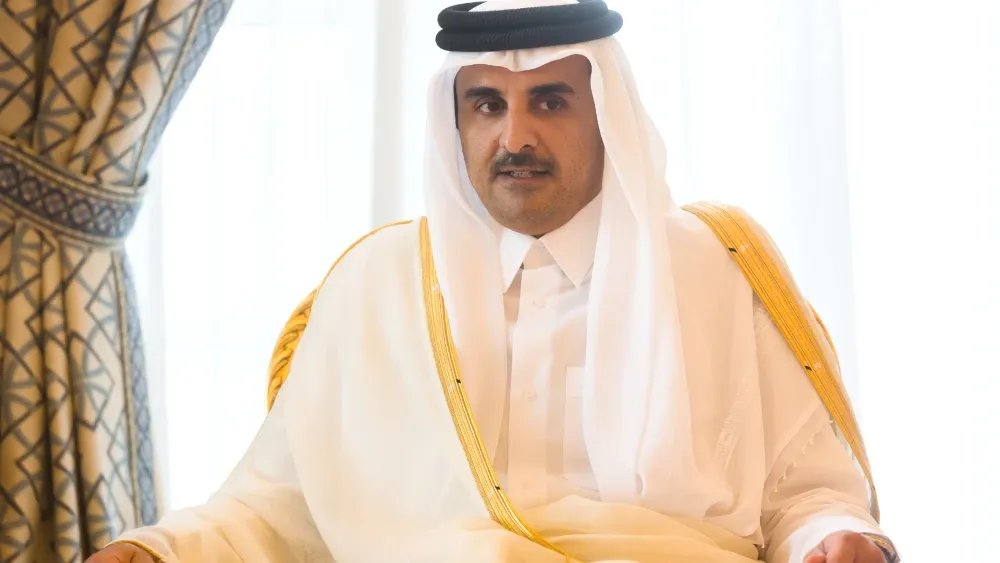 By: Jonathan Spyer Now that the guns have fallen (largely) silent in Gaza, it is possible to begin judging what two years of war have done to the Middle East. As the smoke clears, it becomes clear that the battles of the past two years haven't led to a fundamental strategic transformation of the region. Why it matters: The region's power blocs have experienced alterations, but remain largely intact, with the exception of Syria's Assad regime. -
Israel, allied with Western states, maintains its strategic alliances against radical factions. -
Iran's regional influence has been challenged, particularly its allies like Hezbollah and Hamas, but it retains its core strategy. The big picture: Three power blocs define the Middle East's geopolitical stage. -
The West-aligned bloc, including Israel, seeks stability through alliances like the Abraham Accords. -
Iran's bloc, weakened yet persistent, continues its regional ambitions despite setbacks. -
The Sunni Islamist bloc, led by Turkey and Qatar, has gained strength, influencing outcomes like the Gaza ceasefire. What's next: The contest between these blocs endures, with no clear victor in sight. Read the full article at the Wall Street Journal (paywall). | | ICYMI: Israel Insider with Guest Host Gregg Roman  Israel is maintaining a fragile ceasefire with Hamas while reserving the right to retaliate against ongoing provocations, keeping the region in a tense "ceasefire-plus" state. Internally, the country faces growing political and social instability as debates over judicial reform, Prime Minister Netanyahu's corruption trial, and rifts within the ruling coalition intensify ahead of the 2026 elections. Ultra-Orthodox protests and ideological divisions are further straining national unity and complicating policy decisions. Internationally, Israeli intelligence has exposed an Iranian terror network spanning 11,000 operatives worldwide, underscoring Tehran's expanding reach and influence. At the same time, clashes with Hezbollah on the northern border, U.S. troop movements, and Turkish maneuvering for control in Gaza reconstruction have reshaped Israel's strategic landscape. Emigration of skilled citizens adds to concerns over the country's long-term resilience. Despite persistent calls for political change, Israel's leadership remains entrenched as the nation navigates mounting internal challenges and an increasingly volatile regional environment. Gregg Roman is the executive director and chief operations officer of the Middle East Forum. He previously served as the political advisor to the Deputy Foreign Minister of Israel and worked for the Israeli Ministry of Defense. A frequent speaker on Middle East affairs, Mr. Roman appears on international news channels such as Fox News, i24NEWS, Al-Jazeera, BBC World News, and Israel's Channels 12 and 13. He studied national security and political communications at American University and the Interdisciplinary Center in Herzliya and has contributed to The Hill, Newsweek, the Los Angeles Times, the Miami Herald, and the Jerusalem Post. To watch the full podcast episode, click here. | | To Disarm Hezbollah, Look to the Past 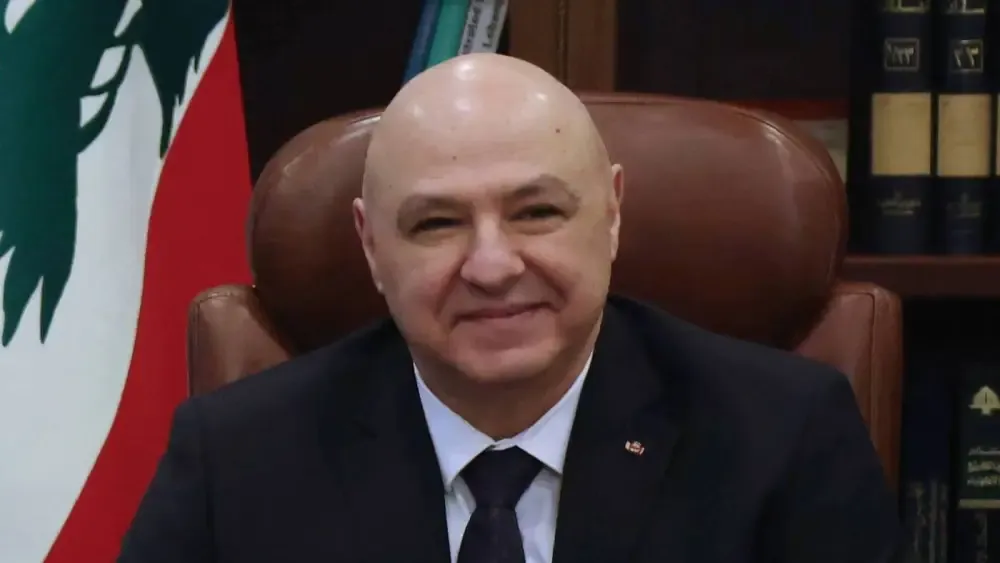 By: Michael Rubin In Beirut's southern suburb of Dahieh, the decline of Hezbollah's influence is evident, yet the group remains a presence. Why it matters: Hezbollah's transition back to a pre-2000 cell structure poses challenges for Lebanese President Joseph Aoun's disarmament efforts. -
The group, still influential within the Shi'ite community, uses propaganda to maintain its grip despite internal dissent. -
Aoun, committed to disarming Hezbollah, faces political hurdles as a technocrat without party support. The big picture: The Lebanese precedent of disarmament in the past offers a potential path forward. -
In 1992, the Lebanese Forces disarmed by selling their weapons, a model Aoun hopes to replicate with Hezbollah. -
The Trump administration has a unique opportunity to facilitate peace in Lebanon, leveraging historical precedents. What's next: The challenge lies in disarming Hezbollah without humiliation or backlash. -
Proposals suggest Hezbollah could sell its arms to the Lebanese Armed Forces, using proceeds for rebuilding Shi'ite areas. -
To impose a new process is to engender resistance, but to root disarmament in precedent undercuts the efficacy of Hezbollah's legal resistance, both inside Lebanon and on the world stage. To read the full article, click here. | | Middle East Forum Issues Call for Papers for Newly Established Dhimmitude Institute 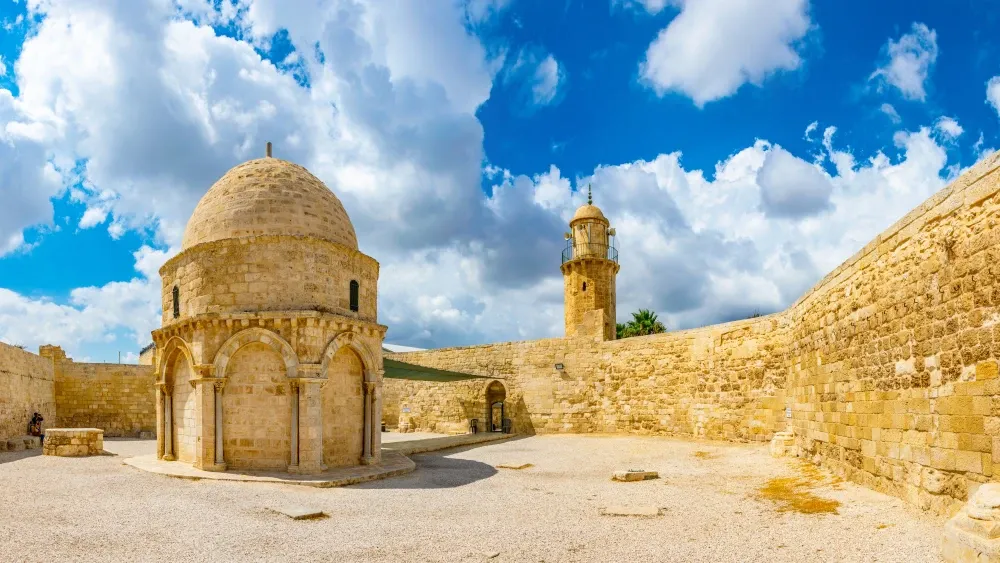 Philadelphia, PA — The Dhimmitude Institute, a new initiative hosted by the Middle East Forum (MEF), invites submissions for its inaugural research series on "Dhimmitude in the Contemporary World." About the Institute The Dhimmitude Institute honors and extends the pioneering work of Bat Ye'or, whose scholarship exposed the theological and political mechanisms that subordinated non-Muslim communities under Islamic rule. Building on her legacy, the Institute seeks to document how these hierarchies and attitudes continue to shape interreligious relations, governance, and civic culture in the twenty-first century. The term dhimma refers to the classical Islamic system that granted limited protection to non-Muslims in exchange for political and social submission. The Dhimmitude Institute applies this concept more broadly to analyze how similar patterns of hierarchy, restriction, and conditional tolerance continue to influence intercommunal relations and state policies in the modern world. The Institute integrates historical scholarship with field-based research to examine how enduring systems of religious hierarchy and coercion manifest in both Muslim-majority and Western societies. Research Focus and Thematic Areas The Institute welcomes empirically grounded, policy-relevant papers addressing topics such as: -
Contemporary Expressions of Dhimmitude: Legal, administrative, or social restrictions placed on non-Muslim citizens and residents in Muslim-majority societies. -
Case Studies of Discrimination and Coercion: Differential taxation, restrictions on religious practice or construction, employment barriers, and segregation in public life. -
Religious Minorities and the State: The treatment of Christians, Jews, Hindus, Buddhists, Yazidis, and others under regimes influenced by Islamic law or custom. -
Dhimmitude in the West: The spread of deferential or self-censoring attitudes toward Islamist pressure within democratic societies. -
Gender and Hierarchy: How patriarchal and communal structures reinforce unequal status and constrain religious and civil freedoms. -
Muslim Voices for Reform: Internal critiques advocating equality, pluralism, and universal human rights within Islamic contexts. -
Dhimmitude and Global Stability: How the persistence of dhimmitude practices promotes tension in the international arena—destabilizing Western democracies, deepening communal divisions, and hindering economic and social development in Muslim-majority countries across the Middle East, North Africa, and South Asia. Geographic Scope Following initial planning discussions among project leaders, the first phase of commissioned research will focus on: Iran, Egypt, Syria, Iraq, Pakistan, Lebanon, Turkey, Malaysia, Indonesia, and the Gulf states (including Saudi Arabia). These ten focal regions encompass both historic centers of Islamic governance and modern societies where non-Muslims—citizens, expatriates, and migrant workers—encounter varying forms of inequality, exclusion, and coercion. Submission Guidelines -
Abstracts: 300–500 words outlining the topic, sources, and methodology. -
Full Papers: 5,000–8,000 words. -
Style: Chicago Manual of Style; footnotes required. Submissions will undergo review and editorial oversight by MEF research staff and external experts. Selected works will appear on the Dhimmitude Institute's digital platform and may later be included in a printed volume. How to Submit Interested authors should first submit a one-paragraph proposal detailing their chosen country and an outline of what they propose to write. If the proposal is accepted, the author will be paid an honorarium upon acceptance by MEF. Please send all proposals, abstracts, CVs, and completed papers to Dexter Van Zile at vanzile@meforum.org. To read this notice online, click here. | | Trump's Bearhug Leaves Netanyahu with Little Room to Move, and an Election Is Coming 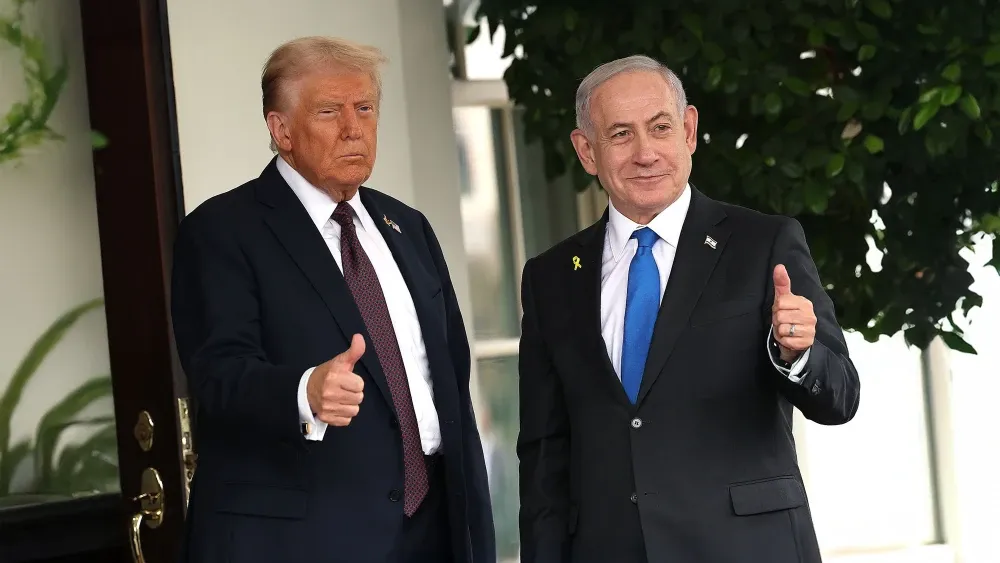 By: Lazar Berman In Jerusalem, Prime Minister Netanyahu and U.S. Vice President Vance refuted claims of Israel being a U.S. client state, emphasizing a partnership instead. Why it matters: Despite public affirmations of partnership, the U.S.'s influence on Israel's decisions, especially regarding the Gaza ceasefire, is undeniable. -
The presence of U.S. officials like Vance, Witkoff, and Kushner underscores the American role in overseeing the ceasefire. -
Netanyahu's alignment with Trump's policies has brought gains but also limitations, particularly in handling Hamas and Turkey's involvement. The big picture: Trump's diplomatic strategy involves balancing various players to maintain control over the region's dynamics. -
While Israel benefits from U.S. support against Iran, it faces constraints in its domestic and regional policy moves. -
Netanyahu's political maneuvers are now closely tied to U.S. interests, impacting his election strategies and coalition politics. What's next: As elections approach, Netanyahu must navigate the complexities of U.S.-Israel relations and internal political pressures. -
The Gaza ceasefire and regional alliances will remain pivotal in shaping Netanyahu's political landscape. -
His ability to adapt to Trump's unpredictable diplomacy will be crucial for maintaining his leadership and Israel's strategic interests. Read the full article at the Times of Israel. | | The United States and Israel Must Resist the Temptation to Micromanage Gaza 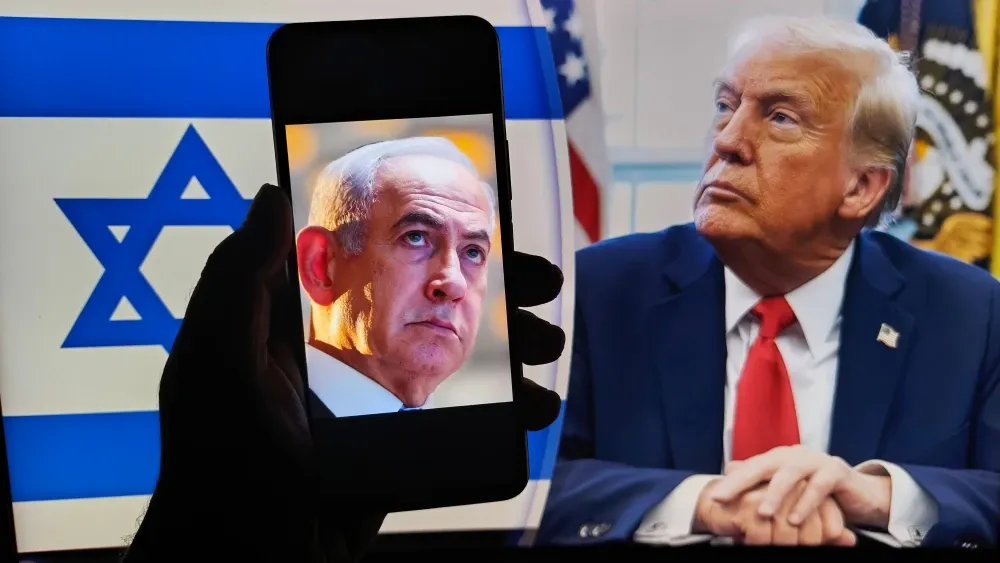 By: Eric Navarro Reports of Hamas violating the Gaza ceasefire cast doubt on its durability, but American and Israeli strategists should resist the temptation to micromanage Gaza's daily developments, even if they cannot ignore them. Their real priority should be to focus on the broader strategic framework President Donald Trump has set in motion to reshape the Middle East. Why it matters: This new alignment can reduce conflict risks, counter Iran's ambitions, and enhance ties between the West and Middle Eastern nations. The big picture: The strategy aims to blunt China and Russia's influence and bolster "Peace through Strength." What's next: The Middle East recognizes Trump as a credible broker. His administration now has an opportunity to solidify a new regional order against common threats. -
To seize it, Washington and Jerusalem must think strategically, act quietly, and resist every temptation to get lost in Gaza's daily battles. To read the full article, click here. | | Cairo Gambles on Undermining Trump's Gaza Plan 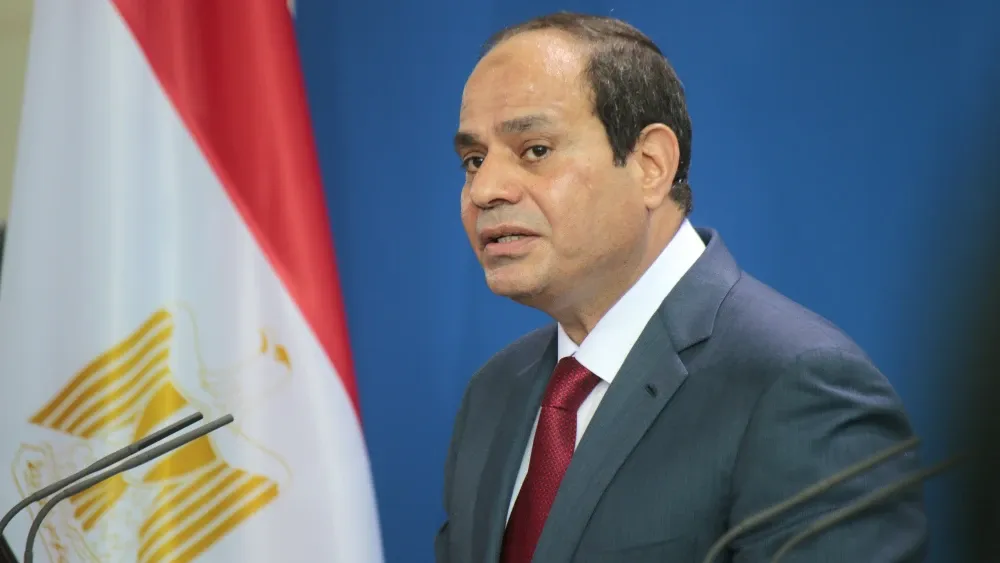 By: Khaled Hassan and Mohamed Saad Khiralla Egypt is playing a dangerous double game, undermining President Donald Trump's Gaza peace plan despite public alignment with American efforts. Why it matters: Ziyad al-Nakhalah of the U.S.-designated terrorist group Palestinian Islamic Jihad operates from Cairo, reflecting Egypt's tacit support for militant leaders. The big picture: Egypt's unspoken opposition centers on the Philadelphi Corridor, a strategic strip at the Gaza-Egypt border. What's next: The U.S. must demand Egypt's alignment with American efforts or expose it as an obstacle to regional peace. To read the full article, click here. | | What Egypt's Coordinated Islamization Program Means for Coptic Christians 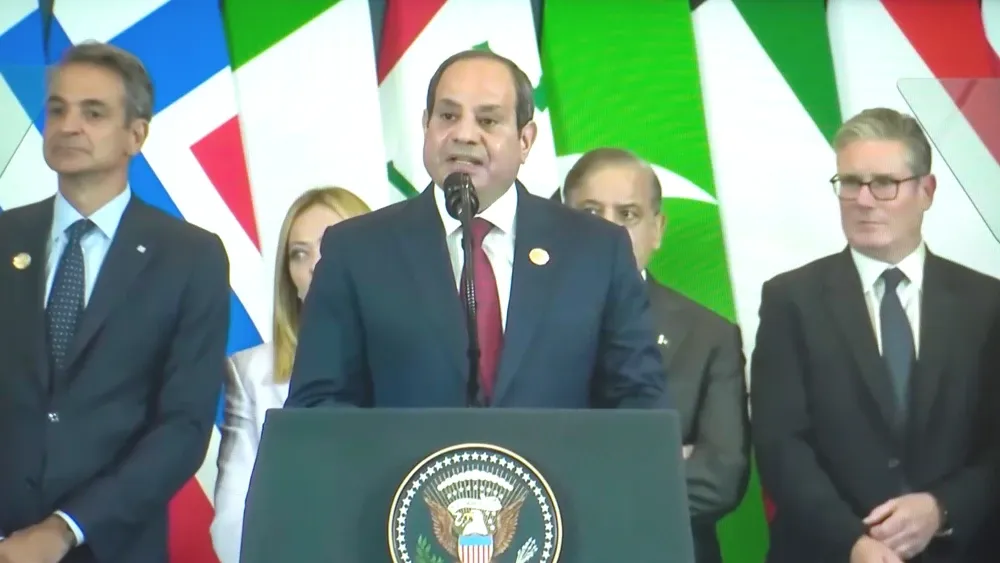 By: Raymond Ibrahim Recent announcements from Egypt's state and religious leaders reveal a strategic push to embed Sunni-Muslim influence across various sectors. Why it matters: This Islamization effort adversely affects Egypt's minorities, particularly the Coptic Christians, by narrowing civic space and embedding religious ideology into state infrastructure. The big picture: The coordinated strategy aligns religious legitimacy with state power, bolstering President Abdel Fattah el-Sisi's regime. -
Financial leverage: The resources of the Minister of Awqaf (Endowments), Sheikh Al-Azhar, are mobilized to fuel the religionization project, impacting educational and cultural narratives. What's next: The U.S. and international observers should monitor Egypt's religious policies and their affects on minorities. -
What these announcements reveal is more than a "reform" agenda—moderate or otherwise; they signal the emergence of a new civic-religious order in Egypt. Sunni-Muslim institutions are being harnessed to mold national identity, manage youth, and consolidate power. -
Within this architecture, the already marginalized Copts are set to see their long-standing vulnerability deepen. To read the full article, click here. | | For India-Middle East-Europe Economic Corridor to Succeed, Delhi Must Invest More in Greece and Cyprus 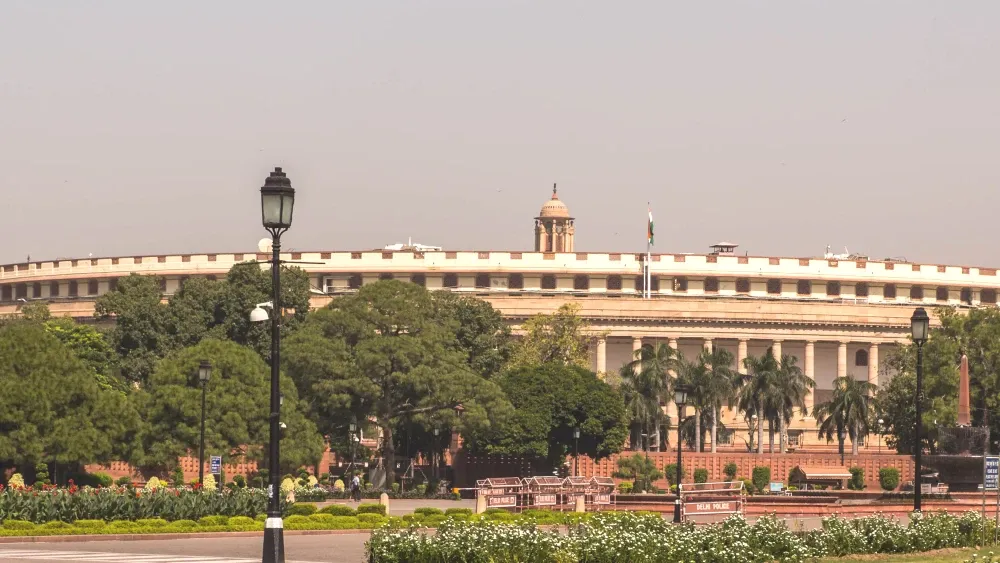 By: Michael Rubin The India-Middle East-Europe Economic Corridor (IMEEC), formalized at the 2023 G20 Summit, aims to transform trade by connecting India to Europe through the Middle East. Why it matters: This corridor bypasses malign actors like Russia, Iran, and Turkey, enhancing supply chain security and economic connectivity. The big picture: IMEEC counters China's Belt and Road Initiative by leveraging Europe's maritime strengths. What's next: India's proactive engagement is crucial to advancing IMEEC, beyond relying solely on U.S. support. -
Diplomatic momentum: Greece and Cyprus, with their EU presidencies, are positioned to drive focus on this initiative, while India should signal readiness for business. To read the full article, click here. | | Thank you for relying on the Middle East Forum for up-to-date analyses and reporting. If you enjoyed this issue of the MEF Dispatch, please forward it to a friend. We invite you to use the comments feature to let us know your thoughts on the Dispatch and the issues we cover. Sincerely, Winfield Myers
Managing Editor, Middle East Forum
Director, Campus Watch | | | | Was this edition useful?  

Your email will be recorded and shared with the sender |        MEF, an activist think tank, deals with the Middle East, Islamism, U.S. foreign policy, and related topics, urging bold measures to protect Americans and their allies. Pursuing its goals via intellectual and operational means, the Forum recurrently has policy ideas adopted by the U.S. government.
Copyright © 2024 Middle East Forum, All rights reserved.
Our mailing address is:
Middle East Forum
1650 Market Street, Suite 3600
Philadelphia, PA 19103 | | | | | Powered by 
| | This email was sent by Middle East Forum via Axios HQ | | | |

0 коммент.:
Отправить комментарий