| |  | | | A Trump 'Grand Strategy' for the Middle East?; Islamist Influences in the West By Winfield Myers ● Oct 24, 2025 Smart Brevity® count: 10.5 mins...2762 words On the Trump administration's Middle East strategy, Jim Hanson writes that, even if fulfilling it is a "long shot," "its greatest advantage is that it does not double down on the failures of the past, constrain itself with false conventional wisdom, nor ignore the importance of self-interest in tying the Middle East's disparate countries together." Regarding Hamas's continuing violence, Amine Ayoub argues that—contra Israel's Western critics—events affirm the Jewish state's long-term insistence that "peace cannot grow in the soil of fanaticism." We follow with seven articles analyzing the dangers of unchecked—and often unacknowledged—Islamism in Western societies. Joe Adam George reports from Canada on Iran's targeting of an anti-Islamist dissident and of a new push against free speech in the form of "anti-Palestinian racism." Potkin Azarmehr details Britain's efforts to shelter an imam who has shared platforms with Hamas and Hezbollah. We end with three articles—two on Spain—by Jules Gomes, and a warning from Giulio Meotti. | | Does Trump Have a Grand Strategy for the Middle East? 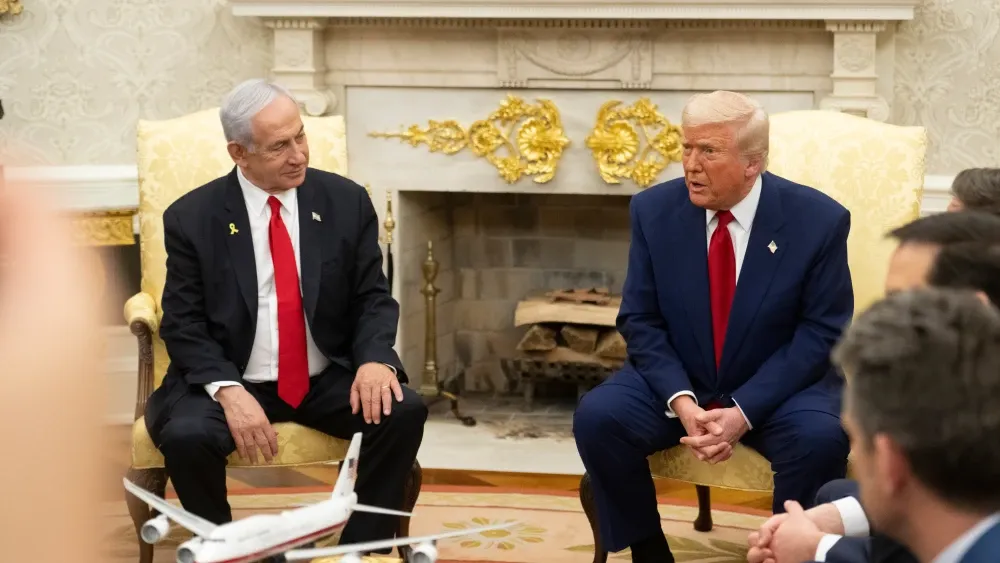 By: Jim Hanson President Donald Trump's ambitious strategy for the Middle East extends beyond a simple peace plan for Gaza, encompassing broader regional partnerships. Why it matters: This strategy aims to foster regional collaboration and economic prosperity, potentially reshaping geopolitical dynamics. -
By engaging countries like Saudi Arabia, UAE, Qatar, Egypt, and Turkey, Trump hopes to create a robust coalition for peace. -
The initiative seeks to leverage economic incentives to address longstanding conflicts and encourage cooperative security measures. Driving the news: Vice President JD Vance highlighted the strategic model's potential global impact during a recent meeting in Israel. The big picture: Previous peace efforts like the Camp David, Oslo, and Abraham Accords have laid groundwork for this expansive vision. What's next: Success hinges on sustained cooperation from Arab partners and addressing Hamas's influence in Gaza. To read the full article, click here. | | Gaza's Implosion: Israel Was Right All Along 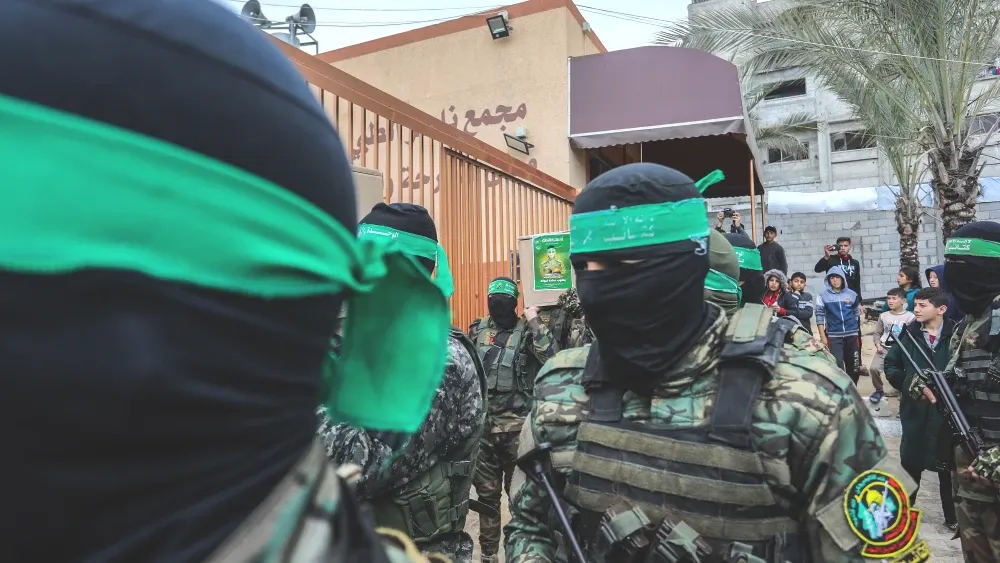 By: Amine Ayoub Gaza is unraveling due to its internal contradictions, as intense clashes erupt between Hamas forces and the powerful Dughmush clan. Why it matters: This turmoil highlights the failure of Hamas as a governing body, exposing its reliance on fear and violence rather than effective governance. The big picture: For years, the international community hoped Hamas would moderate with power, but instead, it entrenched its rule through terror and intimidation. Driving the news: The recent fighting has shattered the Western narrative of Hamas as a potential stabilizing force. What's next: Gaza's descent into civil strife should end the illusion that Hamas is indispensable. It isn't. It is replaceable, and it must be replaced if Gaza is ever to have a future. -
Israel's critics will struggle to explain this moment. They insisted that the problem lay in Israeli policy, in the blockade, in the lack of negotiations. Yet now, in the absence of Israeli troops, Gaza is tearing itself apart. To read the full article, click here. | | ICYMI: Israel Insider with Ashley Perry  In the latest Israel Insider discussion, Ashley Perry examined Gaza's fragile post-ceasefire reality, where Hamas is reasserting control in areas vacated by the IDF while Israel and its allies weigh how to rebuild without empowering the group. He described the humanitarian and political stakes of reconstruction, noting that successful rebuilding in IDF-controlled zones could undermine Hamas's legitimacy. Perry also explored diplomatic tensions over who might oversee Gaza's demilitarization, Israel's rejection of Turkish troops, and the uncertain roles of Qatar and Egypt. Turning to Israeli politics, he highlighted turmoil in the Knesset as elections loom, including infighting within Likud, right-wing parties' contradictory votes on sovereignty in the West Bank, and Prime Minister Netanyahu's renaming of the war as a bid to shift focus from his government's failures on October 7. Ashley Perry is an advisor to the Middle East Forum's Israel office. He served as adviser to Israel's minister of foreign affairs and deputy prime minister in 2009-15, and has also worked with Israel's Ministers of Intelligence, Agriculture and Rural Development, Energy, Water and Infrastructure, Defense, Tourism, Internal Security, and Immigrant Absorption and as an advisor to The Negev Forum. Originally from the U.K., he moved to Israel in 2001. He holds a B.A. from University College London and an M.A. from Reichman University (IDC Herzliya). To watch the full podcast episode, click here. | | Iran's Islamic Revolutionary Guard Corps Targets Canadian Counter-Islamist Raheel Raza 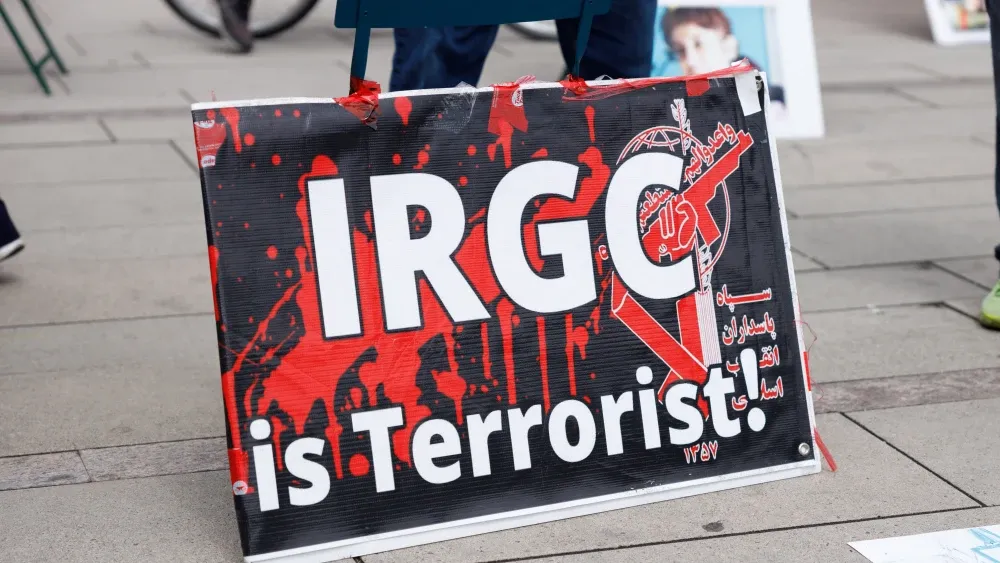 By: Joe Adam George The Islamic Revolutionary Guard Corps (IRGC) has allegedly targeted Raheel Raza, a Pakistani-Canadian journalist and human-rights activist known for her criticism of Islamist extremism and support for Israel. Why it matters: This underscores Iran's ongoing transnational repression, posing significant threats to Canadian sovereignty and security. -
The IRGC's actions highlight the vulnerability in Canada's response to foreign interference, despite condemning Iran's human rights abuses. -
The threat against Raza evokes chilling parallels to that faced by renowned author Salman Rushdie after publishing The Satanic Verses. In 2022, Rushdie was brutally stabbed on stage at an upstate New York event, an attack that left him partially blind. Driving the news: Raza received warnings from U.S.-based cybersecurity firms about being targeted by APT35, IRGC's cyber-espionage unit. Transnational Repression: Iran's cyber-enabled repression extends beyond Iranian dissidents, impacting anyone who challenges Islamist ideology. What's next: This situation demands a robust Canadian government response to protect its citizens and counter foreign malign influence. To read the full article, click here. | | Canadian Scholars Unveil New 'Islamophobia'—Anti-Palestinian 'Racism' 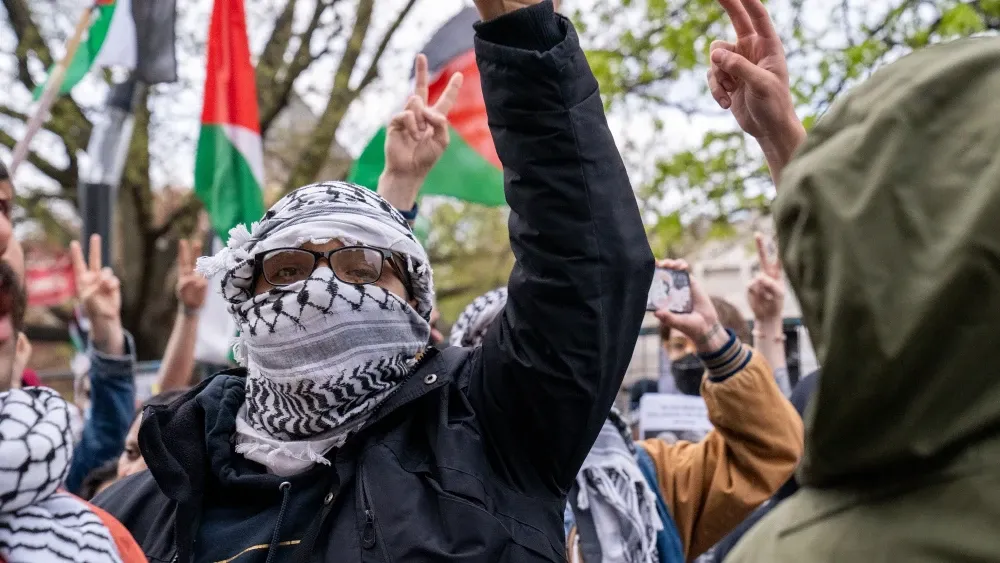 By: Joe Adam George Following the Israel–Hamas war in October 2023, the concept of anti-Palestinian racism (APR) has exploded in Canada, spearheaded by the Arab Canadian Lawyers Association (ACLA). Why it matters: APR is wielded by pro-Palestine activists as a bludgeon to silence critics and reshape Canada's policies on Israel and antisemitism. The big picture: The infiltration of APR into Canadian institutions, like the Toronto District School Board, sets a dangerous precedent. Driving the news: Ameena Sultan, a key architect of APR's institutionalization, is at the center of a storm of controversy. -
Sultan, known for her defense of Hamas and opposition to counterterrorism measures, challenges Canada's immigration policies, accusing them of anti-Palestinian bias. -
Her affiliations with organizations linked to extremist narratives add fuel to the fire, raising red flags about her motives. What's next: The fierce debate around APR underscores the peril of allowing ideological agendas to dictate Canadian policy. To read the full article, click here. | | Britain Sheltering Bahraini Cleric Who Supports Hamas and Hezbollah 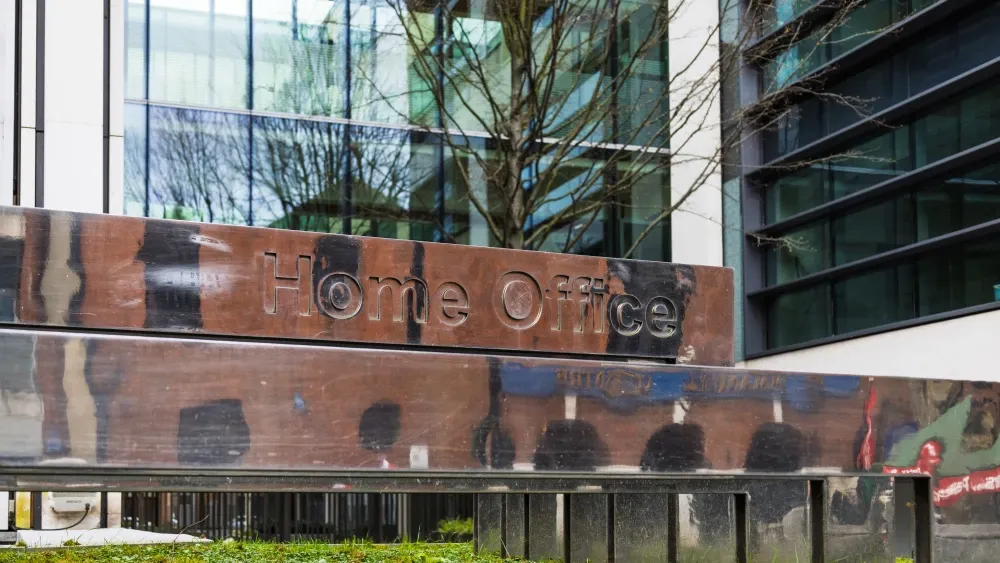 By: Potkin Azarmehr A Bahraini-born cleric, Sheikh Hasan Ali Al-Taraiki, is living freely in Britain despite sharing platforms with Hezbollah and Hamas leaders and redefining terrorism as a religious duty. Why it matters: Al-Taraiki's presence in the U.K. underscores a dangerous tolerance for extremist influence, risking British security and social cohesion. The big picture: Al-Taraiki's involvement with the International Union of Resistance Scholars and his speeches at controversial conferences highlight his alignment with Iran's "Axis of Resistance." -
Despite Britain's proscription of Hamas and Hezbollah, Al-Taraiki continues to operate with impunity, showing that the U.K.'s Foreign Influence Registration Scheme appears, so far, little more than words on paper. Driving the news: Activists like Gio Esfan urge the U.K. government to shut down organizations linked to Al-Taraiki, warning of the spread of radical ideas through religious and charitable platforms. What's next: The British government must reassess its approach to foreign influence and ensure that laws like the National Security Act are enforced to protect its citizens. To read the full article, click here. | | Spanish Court Acquits Priests Charged with 'Hate Speech' Against Islam  By: Jules Gomes A Spanish court has grudgingly affirmed the right to critique Islam, clearing a Catholic priest who faced a three-year prison sentence for alleged "Islamophobic" remarks made on television and in an article about Islamist persecution of Christians. On October 17, the Málaga Provincial Court acquitted Fr. Custodio Ballester Bielsa of incitement to hatred along with Fr. Fabio Jesús María Calvo Pérez and journalist José Armando Robles Valenzuela, who were also accused of anti-Islamic "hate speech." Why it matters: This decision challenges efforts to suppress controversial discourse under the guise of hate speech, spotlighting a legal win for free speech advocates. The big picture: Based on a complaint from the Spanish campaign group Muslims Against Islamophobia (MCI), the public prosecutor had charged the priests with attacking Islam and Muslims and demanded the maximum sentence of three years in prison and a 10-month fine with a daily rate of 10 euros. If found guilty, the priests also faced an eight-year ban from preaching. -
The Spanish media portal Periodista Digital reported that MCI and its coordinator, Ibrahim Miguel Ángel Pérez, a convert from Catholicism to Islam, served as the "judicial battering ram" who brought the case against the priests and the journalist. -
As per OK Diario, the MCI publicly stated that its goal is to "imprison those who profess hate speech" against Muslims. Driving the news: In court, Ballester explained that his remarks targeted "radical jihadism" rather than all Muslims in general. "They're (MCI) the same people who support the Taliban," he said. What's next: Ballester's ordeal continues as the verdict may still be appealed before the High Court of Andalusia. To read the full article, click here. | | Spanish City Honors Group Founded by Leader of Al-Aqsa Martyrs' Brigades 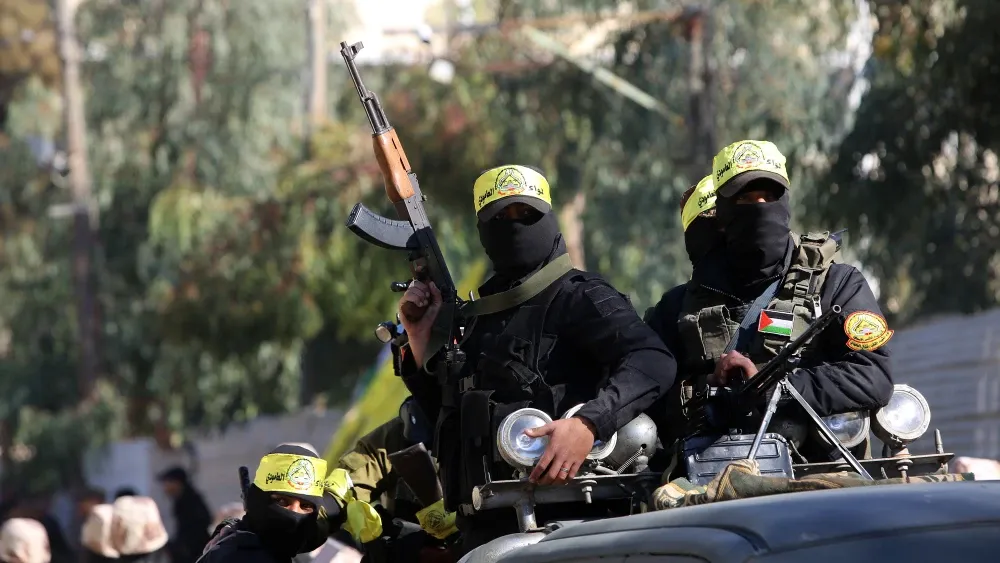 By: Jules Gomes The Zaragoza City Council in Spain has sparked outrage by awarding the "Favorite Daughter of the City" title to the House of Palestine, an organization founded by Ibrahim Abayat, a Palestinian terrorist leader. Why it matters: This decision, ahead of the anniversary of Hamas' massacre, highlights a troubling endorsement of extremist-linked entities by city authorities, undermining global anti-terrorism efforts. The big picture: Vox party leaders and Jewish community members condemned the honor, seeing it as a blatant "whitewashing of terrorism." -
Despite media reports detailing Abayat's terrorist activities, including attacks on Israelis, the Zaragoza City Council refused to retract the title, fearing backlash from the far-left. Driving the news: The decision has fueled national tensions, with the award ceremony boycotted by Vox and criticized by international analysts. -
Abayat's continued presence in Spain, despite his deportation from Israel, remains in legal limbo, complicating matters further. What's next: The controversy over this award underscores the need for Spain to reassess its stance on terrorism-related honors and affiliations. To read the full article, click here. | | European Commission Spends Big Money on Islamist Projects 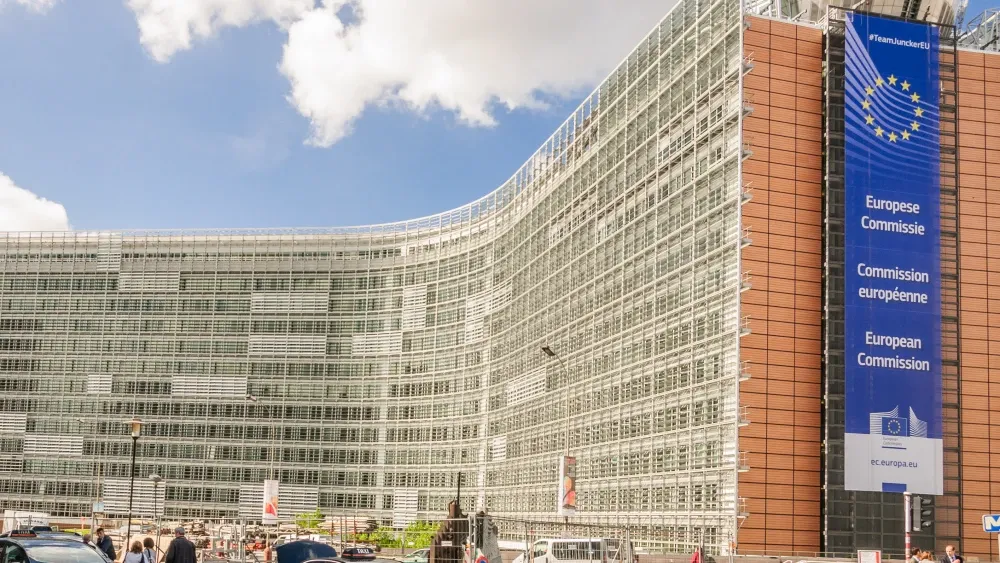 By: Jules Gomes The European Commission (EC) is under fire for allocating millions of euros to projects promoting Islam, including those tied to Islamist advocacy and historical revisionism. Why it matters: Critics argue that EC funding is being used to advance Islamist agendas, reshaping European history and cultural narratives. The big picture: The EC-funded initiatives are linked to figures with ties to the Muslim Brotherhood, such as Naima Afif and John Tolan, prompting accusations of bias and radical influence. -
French Members of the European Parliament (MEPs) and scholars warn that these projects contribute to "identity-based proselytism" and undermine European values. -
Scholars of Islam like Raymond Ibrahim, who have also raised concerns over the European Qur'an, have warned that the project "has one overarching goal: to convince Europeans that Islam and the Koran were somehow foundational pillars of European civilization." Driving the news: Italian Member of the European Parliament (MEP) Silvia Sardone and French MEP Céline Imart have questioned the EC's funding priorities, highlighting projects like "Nativism, Islamophobia, and Islamism in the Age of Populism." What's next: The controversy calls for a reassessment of European Union (EU) funding criteria to ensure that projects align with European values and do not inadvertently support extremist ideologies. To read the full article, click here. | | Today It Is Jews on Yom Kippur, Tomorrow Christians on Christmas  By: Giulio Meotti On Yom Kippur, a brutal attack in Manchester saw Jews run over and stabbed outside a synagogue, a grim echo of violence targeting Jews on significant holidays. Why it matters: This atrocity underscores the dangers of unchecked multiculturalism, revealing it as a subversive force threatening Western security and values. The big picture: The incident highlights the growing influence of radicalism in Western European cities, calling into question the future stability of these societies. -
Samuel Hayek, president of the Jewish National Fund U.K., said: "Jews have no future in the United Kingdom." -
Hayek is right: in a decade it will be worse, in two decades even worse, and then people will barely remember how it once was. Driving the news: Despite official reassurances, the Jewish community remains endangered, reflecting the broader failure to confront Islamic radicalism effectively. -
When the policeman at the Manchester Arena, where an Islamist terrorist killed 22 Britons including many children at the Ariana Grande concert, did not check the attacker for fear of being accused of "racism," be worried. What's next: The video of the Manchester synagogue attack does not come from a normal society, but from one that is dysfunctional, decadent, and destined to implode. To read the full article, click here. | | | | | Thank you for relying on the Middle East Forum for up-to-date analyses of the region. If you enjoyed this issue of the MEF Dispatch, please forward it to a friend. We invite you to use the comments feature to let us know your thoughts on the Dispatch and the issues we cover. Sincerely, Winfield Myers
Managing Editor, Middle East Forum
Director, Campus Watch | | | | Was this edition useful?  

Your email will be recorded and shared with the sender |        MEF, an activist think tank, deals with the Middle East, Islamism, U.S. foreign policy, and related topics, urging bold measures to protect Americans and their allies. Pursuing its goals via intellectual and operational means, the Forum recurrently has policy ideas adopted by the U.S. government.
Copyright © 2024 Middle East Forum, All rights reserved.
Our mailing address is:
Middle East Forum
1650 Market Street, Suite 3600
Philadelphia, PA 19103 | | | | | Powered by 
| | This email was sent by Middle East Forum via Axios HQ | | | |

0 коммент.:
Отправить комментарий