| |  | | | Journey's End: Two Years of War; Latest from the Eastern Med., Syria, & Iraq By Winfield Myers ● Oct 21, 2025 Smart Brevity® count: 9.5 mins...2458 words Jonathan Spyer visits the sites of some of the October 7 massacres and writes a moving retrospective on two years of war in the Middle East. "Hamas has not surrendered or disarmed, and will not do so of its own free will," he says. But "this is a chapter now concluded, with considerable success and achievement, from the Israeli point of view." In two articles, Lazar Berman reports that Hamas says it won't disarm and in no way acts like a "defeated force." What's needed is a clear message from President Trump that the IDF is free to respond to further provocations lest Hamas continue to push back until the peace deal collapses. Elizabeth Samson calls on Europe and the U.S. to thwart Turkey's dangerous provocations in the Aegean, where its claims violate both Greek sovereignty and international law. In a second piece, she applauds Chevron's gas explorations off the Peloponnese. Nicoletta Kouroushi joins in appreciating Egypt and Greece's work on a new energy grid. We feature articles on Syria by Sirwan Kajjo and Aymenn Jawad Al-Tamimi, whose travels also took him to the Badr organization's branch in Najaf, Iraq. | | Journey's End: Two Years of War in the Middle East 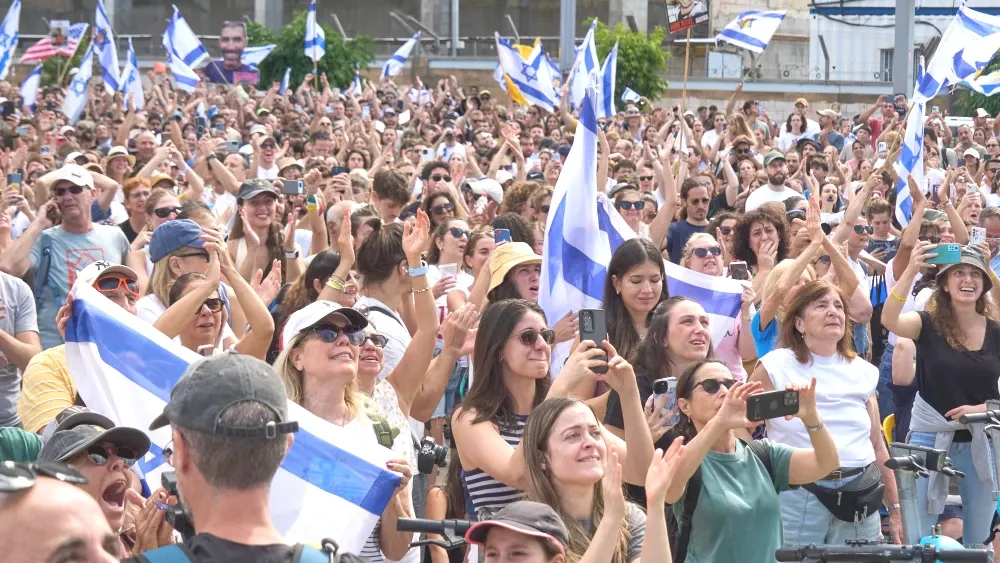 By: Jonathan Spyer Jonathan Spyer visited some of the sites of the massacres of October 7, 2023. At the Gama Junction, near the Gaza border, he met 80-year-old Gadi Mozes, who awaited the convoy of the last 13 Israeli hostages returning home. Why it matters: Gadi is a resident of Kibbutz Nir Oz, a tiny community that was perhaps the one hardest hit by the October 7 massacres, having lost 47 out of its 400 residents, with 76 taken hostage. -
Gadi's partner, Efrat Katz, was murdered, and he spent 482 days as a hostage, mostly in solitary confinement. Mostly, Gadi has that unreachable gravity about him that people who have suffered the unimaginable often have. Driving the news: The arrival of the convoy bearing the last 13 of the living Israeli hostages from Gaza marked the last act of the two-year war between Israel and Hamas, initiated by the brutal attacks on October 7, 2023. -
The region-wide conflict saw key engagements from Hezbollah and Iran-backed forces. -
Despite the ceasefire, Hamas remains a threat, re-establishing its presence in Gaza. Nova festival site: Further south, Spyer came to the site of the Nova festival. This has already become a kind of shrine. -
There are portraits and little messages about many of the people killed there, all arranged in what was the main dancing area of the festival, where much of the slaughter took place. -
Mainly one is struck by how impossibly young they all were. Some of the messages have a kind of sweetly exhortary tone which, for those who know the country well, is immediately identifiable as quintessentially Israeli. What's next: The crowds of thousands in western capitals calling for the destruction of Israel, and the strong support afforded those crowds by powerful political forces up to and including governments in the west, and up to and including rewarding Hamas with recognition of a Palestinian state, all form troubling elements of the picture of the last two years. -
The root cause that led to the October 7 massacres has not yet been vanquished, even if some of its manifestations have been severely weakened. So there are undoubtedly many chapters to come. -
But this is a chapter now concluded, with considerable success and achievement, from the Israeli point of view. To read the full article, click here. | | Hamas Isn't Acting like a Defeated Force, Which Puts the Entire Gaza Ceasefire at Risk 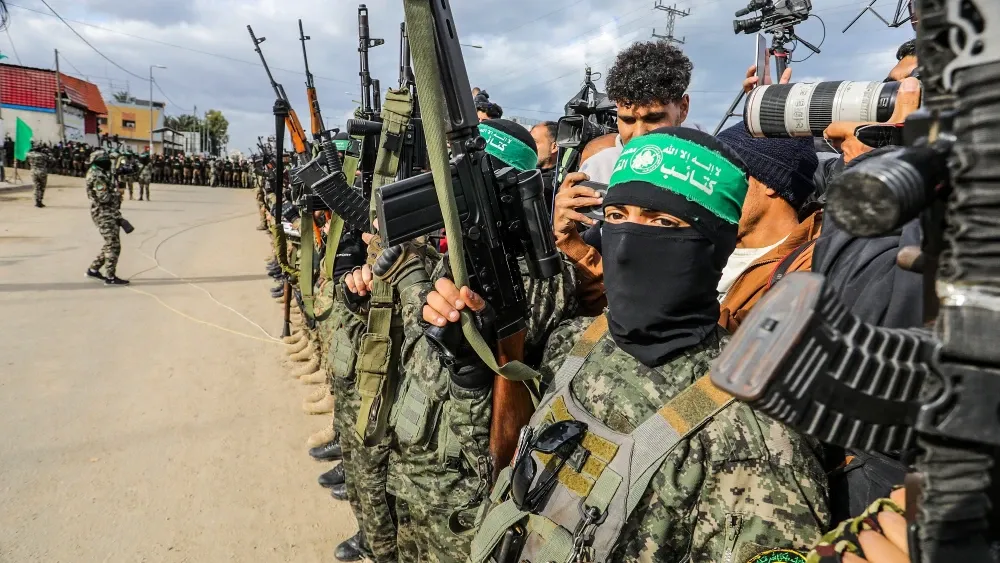 By: Lazar Berman Standing before the Knesset, President Trump declared that Israel had "won" in Gaza, celebrating a victory not yet fully realized on the ground. Why it matters: Trump's 20-point plan for peace in Gaza remains largely unimplemented, with only two clauses fulfilled—both concessions by Israel. -
"What a victory it's been," Trump remarked, though Hamas continues to resist. -
Prime Minister Netanyahu echoed this, claiming, "All of the prime minister's objectives have now been achieved." Driving the news: Hamas has delayed the release of hostages and refuses to disarm, openly displaying weapons and executing public opponents. -
"Hamas would not commit to disarming," said Hamas politburo member Mohammed Nazzal, rejecting a central component of Trump's plan. -
Senior officials, including Defense Minister Katz, have warned of a potential return to conflict if obligations are not met. What's next: There is a pathway to defeating Hamas through the U.S.-backed agreement, but it is a narrow one. It will only work if Hamas understands that it has no wiggle room, and that any violation will be met by military force. -
The White House is clearly determined to maintain the ceasefire, and has taken the position until now that keeping Israel from responding in force will make it more likely for Hamas to be disarmed and toppled by other means. But that fundamentally misreads what Hamas is and what it responds to. -
If there is not a vigorous Israeli response, and a clear message from Trump that the IDF is free to respond to further violations, Hamas will continue pushing the bounds of the deal until it falls apart. To read the full article at the Times of Israel, click here. | | Israel Believes Hamas Could Return Most Deceased Hostages, Argues It Is Breaching Deal 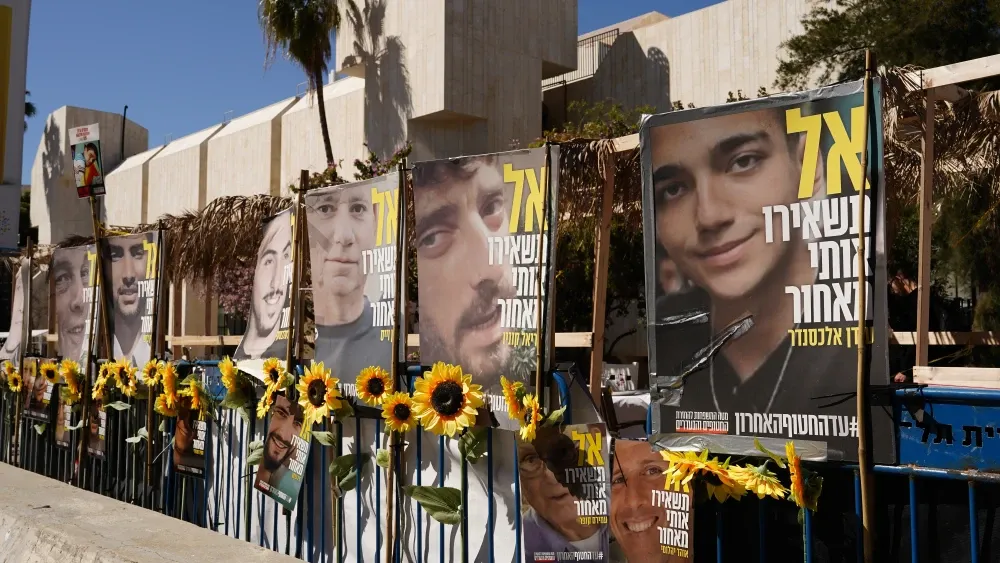 By: Lazar Berman Israel's assessment of Hamas's capability to return hostage bodies contradicts recent U.S. statements, highlighting ambiguity in the ceasefire agreement. Why it matters: As the deadline for returning hostages expired, Hamas had returned only 9 of the 28 deceased, defying Israeli expectations based on intelligence. -
Defense Minister Israel Katz accused Hamas of violating the deal, threatening renewed conflict if obligations aren't met. -
"We know they can do more," said Foreign Minister Gideon Sa'ar, asserting Hamas's ability to meet the agreement. The contrasting views: U.S. officials argue that Hamas hasn't violated the ceasefire, citing logistical challenges in retrieving bodies. -
"It's a gruesome process," President Trump commented, describing challenges like rubble removal and deep tunnel searches. -
The wording of the agreement allows for varying interpretations, complicating enforcement. What's next: Israeli officials remain skeptical of Hamas's intentions, with strategic threats looming if compliance isn't achieved. -
"If Hamas refuses to comply, Israel will resume fighting," Katz warned, emphasizing the urgency of action. -
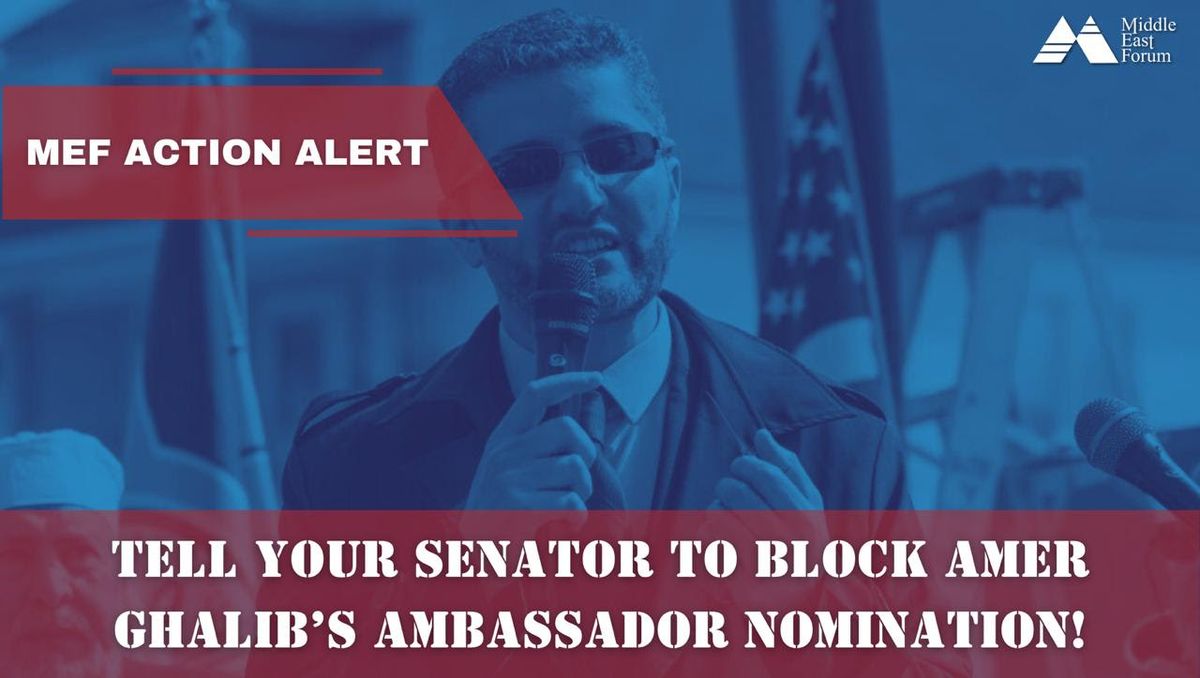
The situation underscores the complexity of ceasefire negotiations and the fragile peace process. To read the full article at the Times of Israel, click here. | | MEF Action Alert: Block Amer Ghalib's Nomination Urge your senators to oppose Hamtramck, MI, Mayor Amer Ghalib's nomination as U.S. ambassador to Kuwait. Ghalib's record includes bigotry, voter fraud, and praise for dictators—making him unfit to represent America abroad. Thanks to the Middle East Forum's investigation, the Senate delayed his confirmation hearing, now set for October 23. Lawmakers from both parties are demanding answers—but your voice can ensure accountability. We must ensure this unfit nominee is never given a chance to represent Americans on the world stage. Help us block this #UnfitNominee Amer Ghalib! Tell your senators: America deserves credible diplomats who uphold our values, not those who endanger them. Click Here to Take Action! | | Europe and United States Must Deny Turkey's Spurious Claims Over the Aegean 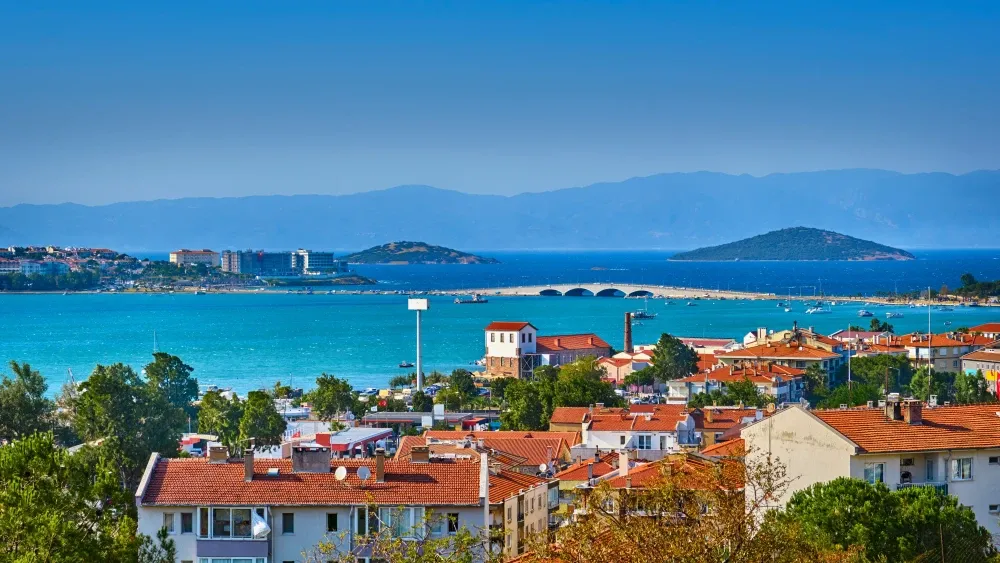 By: Elizabeth Samson On October 2, 2025, Turkey issued its third NAVTEX—a navigational warning for maritime safety—authorizing seismic exploration within Greek continental shelf zones, blatantly disregarding international law. Why it matters: Turkey's audacious move undermines Greece's sovereign rights, flaunting a reckless "facts on the water" strategy that threatens regional peace. -
Greece's counter-NAVTEX highlights Turkey's illegal encroachment, escalating tensions. -
This maneuver mirrors aggressive tactics by China in the South China Sea, creating dangerous precedents. The big picture: The Aegean, with its complex maritime landscape, is a long-standing arena for Greek-Turkish clashes. -
Greece adheres to international law via the 1982 United Nations Convention on the Law of the Sea (UNCLOS), which Turkey defies, citing its own expansive mainland needs. -
Turkey's threat of war (casus belli) over Greece's potential territorial expansion flagrantly violates the U.N. Charter. What's next: If Turkey hopes to be seen as a legitimate player, it must abandon unilateral aggression and respect maritime law. -
The Aegean requires peaceful, law-based solutions, not belligerence or intimidation. -
True stability depends on law triumphing over force, preserving peace in this volatile region. To read the full article, click here. | | Chevron's Eastern Med Gas Bids Reflect Confidence in Greece's Interpretation of Maritime Law 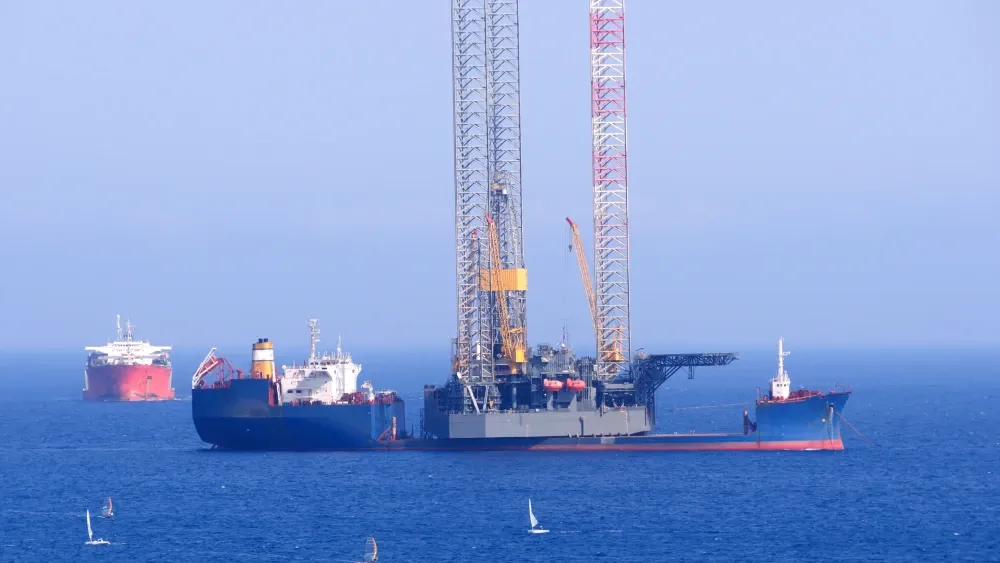 By: Elizabeth Samson On September 10, 2025, HELLENiQ Energy announced Chevron's bid for natural gas exploration rights off Greece's Peloponnese and Crete, highlighting the Eastern Mediterranean's role in Europe's energy diversification. Why it matters: This move strengthens Greece's stance on international maritime law amid Turkey's challenges. The big picture: Greece's legal framework, based on UNCLOS, supports its maritime claims and fosters regional cooperation. -
Greece has signed Exclusive Economic Zone agreements with Egypt and Italy, reinforcing its maritime entitlements. -
The strategic triangle of Greece, Cyprus, and Israel, with Egypt as a key player, depends on such legal certainty. What's next: If Crete's offshore proves viable, Chevron could catalyze cross-border infrastructure development, linking Israeli gas fields, Cypriot reserves, and Egypt's liquefied natural gas (LNG) capabilities. To read the full article, click here. | | Why Washington Should Support the Greece-Egypt Interconnector 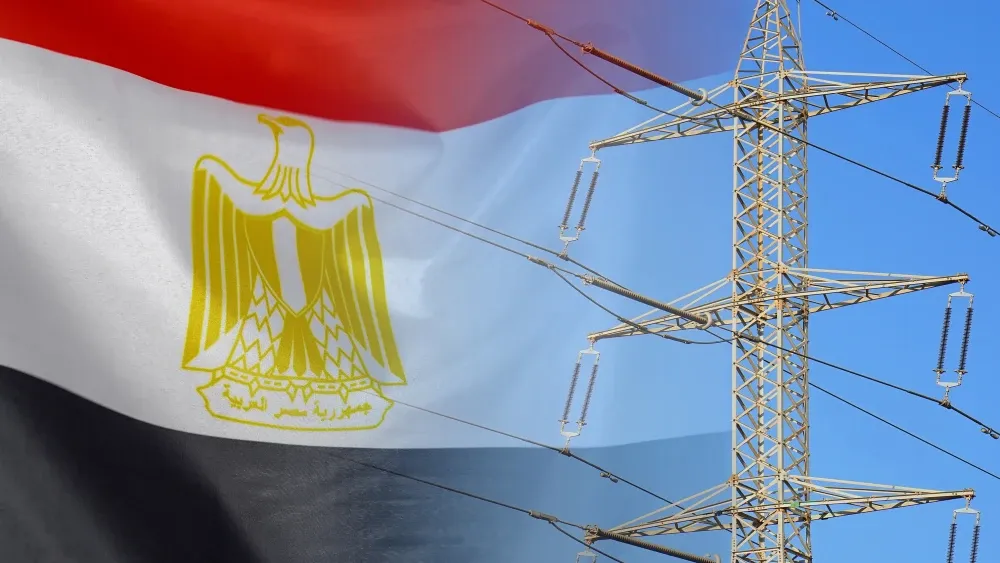 By: Nicoletta Kourourshi Support for the Greece-Egypt Interconnector, an undersea electrical cable, is gaining momentum, linking North Africa's renewable supply directly to Europe. Why it matters: The project strengthens regional cooperation and advances U.S. interests in energy security by replacing vulnerable routes. -
The interconnection will transfer up to 3,000 megawatts of renewable electricity from Egypt into the European grid via Greece. -
It offers an alternative to Iranian and Russian energy, and Turkish transit routes, promoting energy independence. The big picture: Recent agreements between Greece and Egypt, with support from the European Union, lay the groundwork for implementation. -
The project complements gas flows from the region, stabilizing supply and lowering emissions. -
Greece's role as a regional energy hub is reinforced, offering relief from high energy costs and securing long-term buyers for Egypt. What's next: U.S. strategic engagement in the project supports European energy stability and opens opportunities for American companies. To read the full article, click here. | | Elections as a Façade for Syria's Islamist Rulers 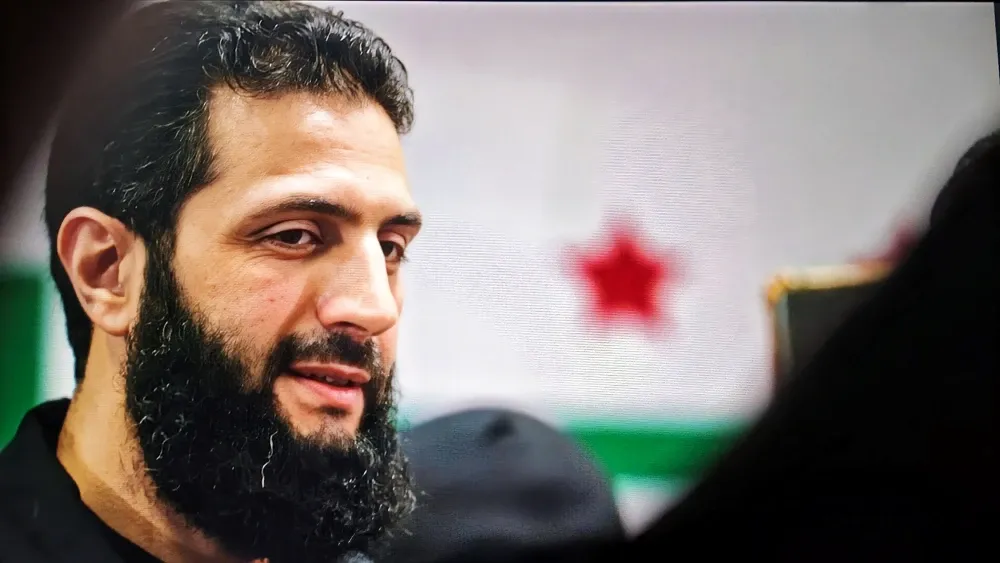 By: Sirwan Kajjo On October 5, 2025, Syria held its first parliamentary election since the fall of Bashar al-Assad, revealing the facade of its democratic transition under interim President Ahmed al-Sharaa. Why it matters: The election process, tightly controlled by al-Sharaa, mirrors Syria's history of staged political performances. -
Only 140 of 210 legislators were elected, with the rest appointed by al-Sharaa, limiting real representation. -
Voting excluded key regions like the Kurdish northeast and Druze southwest, leaving significant communities unrepresented. The big picture: Syrians view the election as a tool to suppress opposition and consolidate al-Sharaa's Islamist agenda. What's next: Many in the West, White House, and some Washington think tanks seek to put a positive spin on al-Sharaa's commitment to dialogue, democracy, and reform. This is naïve. -
There are no longer realistic prospects for a democratic transition in Syria. The Islamist rulers are systemically opposed to it. -
The evolving power dynamics, especially among Kurds and Druze, challenge al-Sharaa's authority. To read the full article, click here. | | Druze Factions in Al-Suwayda' After the National Guard Merger: Interview with a Constituent Group 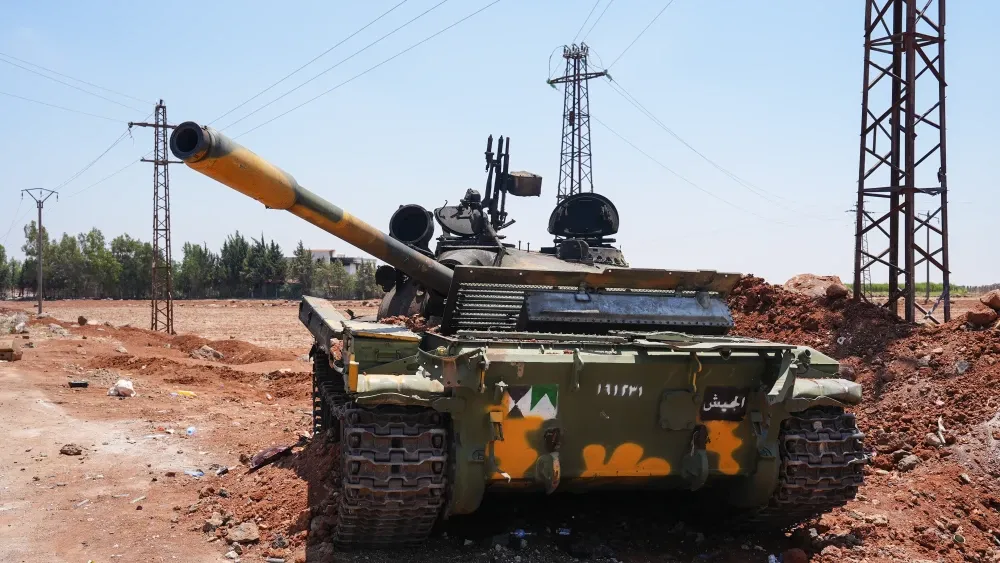 By: Aymenn Jawad Al-Tamimi In an interview conducted by Aymenn Jawad Al-Tamimi, Quwat Fursan Hamza ("Forces of Hamza's Knights"), now rebranded as "Battalion 501- Special Assignments" of the National Guard, shares insights into the recent unification of virtually all Druze armed factions in Syria's al-Suwayda' province. Why it matters: The "National Guard," endorsed by spiritual leader Hikmat al-Hijri (one of the three most senior spiritual Druze leaders in Syria, and the one with the most influence in al-Suwayda') serves as a placeholder amid a humanitarian crisis exacerbated by the Syrian central government's control over resources. -
Al-Hijri's influence is pivotal as the Druze seek autonomy amidst ongoing shortages and political tensions. -
The National Guard's formation highlights the community's resolve against central government pressures. The big picture: The Druze in al-Suwayda' demand self-determination, rejecting co-existence with extremist forces. What's next: The Druze appeal for international intervention to address their demands and end their plight. To read the full interview, click here. | | A Visit to the Badr Organization's Najaf Branch 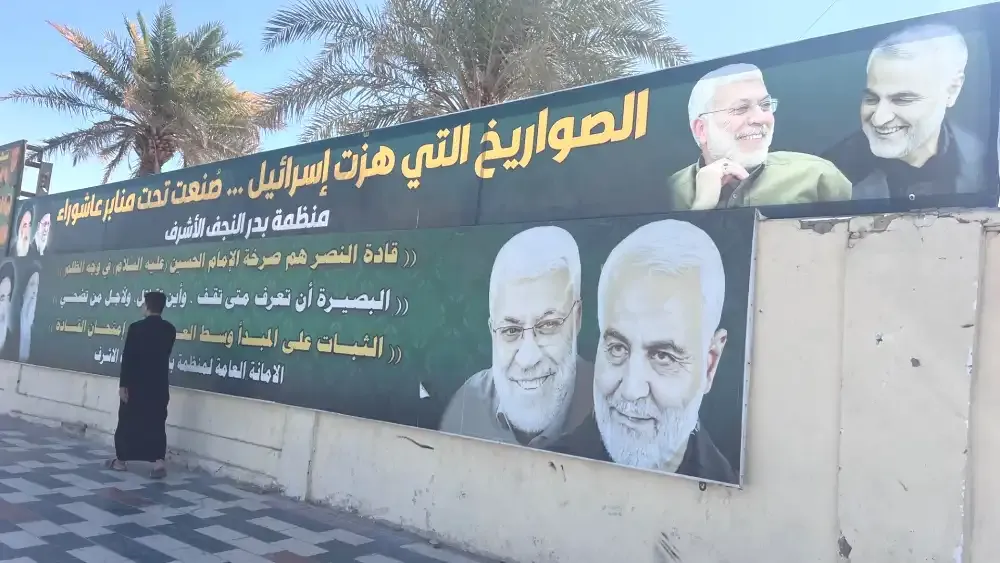 By: Aymenn Jawad Al-Tamimi Aymenn Jawad Al-Tamimi visited the Badr Organisation's headquarters in Najaf, Iraq, providing insights into the group's current stance as Iraq approaches parliamentary elections. Why it matters: Badr is a key Shia faction aligned with Iran, satisfied with Iraq's 'Coordination Framework' government and the Hashd Sha'abi's role. -
Unlike other pro-Iran factions, Badr sees the U.S. presence as beneficial, comparing it to U.S. bases in Gulf countries. -
The Hashd Sha'abi, supported by Ayatollah Sistani's fatwa, is viewed as crucial for Iraq's security and stability. The big picture: Badr's strategic interests focus on maintaining Iraq's stability and supporting the Hashd Sha'abi as a state-backed institution. -
The group's pragmatic U.S. stance contrasts with hardliners like Kata'ib Hezbollah. -
Badr's view of Syria's current government is defensive, labeling it as "terrorist." What's next: Badr's influence will be pivotal in shaping Iraq's political future and regional alliances during the elections. To read the full article, click here. | | | | | Thank you for relying on the Middle East Forum for up-to-date analyses of the region. If you enjoyed this issue of the MEF Dispatch, please forward it to a friend. We invite you to use the comments feature to let us know your thoughts on the Dispatch and the issues we cover. Sincerely, Winfield Myers
Managing Editor, Middle East Forum
Director, Campus Watch | | | | Was this edition useful?  

Your email will be recorded and shared with the sender |        MEF, an activist think tank, deals with the Middle East, Islamism, U.S. foreign policy, and related topics, urging bold measures to protect Americans and their allies. Pursuing its goals via intellectual and operational means, the Forum recurrently has policy ideas adopted by the U.S. government.
Copyright © 2024 Middle East Forum, All rights reserved.
Our mailing address is:
Middle East Forum
1650 Market Street, Suite 3600
Philadelphia, PA 19103 | | | | | Powered by 
| | This email was sent by Middle East Forum via Axios HQ | | | |

0 коммент.:
Отправить комментарий