| |  | | | Recognizing Palestine; Media Silence on the Hostages; Imperial Iran; Druze View from Syria By Winfield Myers ● Aug 08, 2025 Smart Brevity® count: 10 mins...2649 words In light of statements by France and the U.K. that they will recognize a Palestinian state at next month's United Nations General Assembly, Elizabeth Samson delineates the ways such a move violates the U.N. Charter. Michael Rubin argues that in their rash virtue signaling, Britain and France are rewarding—and therefore encouraging—terrorism. Giulio Meotti condemns the Western media's obsession with, and misrepresentation of, Gazans' health even as the plight of Israeli hostage Evyatar David is downplayed and ignored. Lazar Berman writes that Israel has played into the media's hands on Gaza in ways a more consistent strategy would have avoided. Mardo Soghom believes Iran's new "gagging bill" signals regime weakness in the aftermath of the war, while Ahmad Hashemi traces the Islamic Republic's hostility toward its ethnic and religious minorities to the pre-revolutionary monarchy. We end with Aymenn Jawad Al-Tamimi's translation of statements by a Druze faction leader on the Syrian government's recent attacks on the Druze of al-Suwayda'. The leader refutes many self-serving statements by the government and calls for justice. Al-Tamimi also reveals a secret deal behind the fall of the key Syrian city of Aleppo just ahead of of Bashar al-Assad's flight from Syria last year. | | The U.N. Betrays Its Own Charter with Premature Palestine Recognition 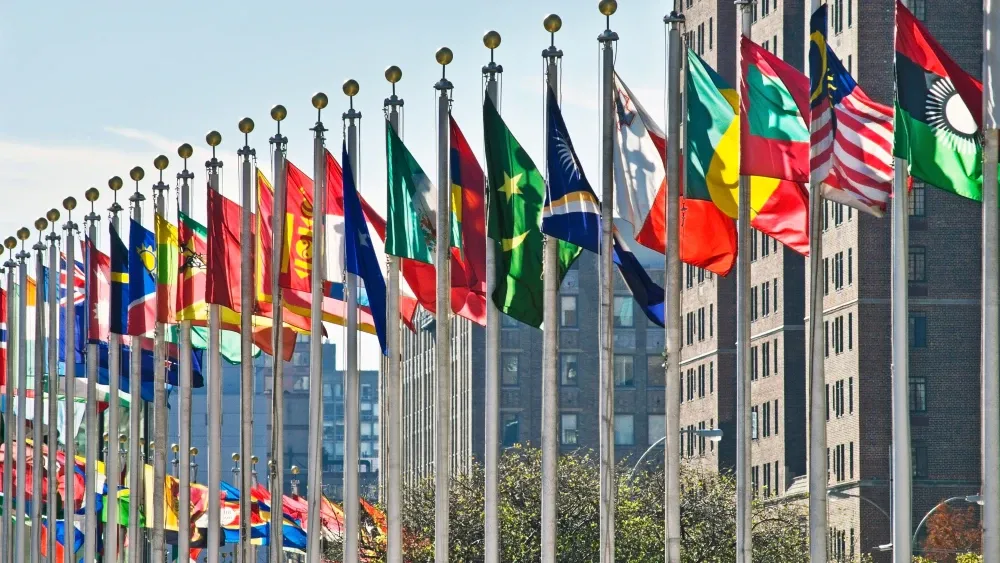 By: Elizabeth Samson Ahead of the 80th Session of the U.N. General Assembly, the U.K. and France's pledge to recognize a Palestinian state reveals diplomatic posturing rather than sincere diplomacy. Why it matters: Despite recognition from 147 of 193 U.N. member states, Palestinian statehood remains an impossibility. The U.S., upholding the U.N. Charter, remains a steadfast barrier against the admittance of entities like Hamas, which flout international norms. The French and British know this. British and French Perfidy: Their declarations are more about virtue signaling than substantive diplomacy. By ignoring the necessity for Hamas to demilitarize and recognize Israel, they undermine genuine peace efforts. U.N.'s shortcomings: The U.N.'s structural and political gridlock prevents meaningful action. The Security Council's veto power, though often criticized, serves as a necessary mechanism to uphold international law and security. -
That U.S. allies choose to ignore the basic tenets of participation in the community of nations, by recognizing a state that brutalized its nearest neighbor, Israel, on October 7, 2023, and continues to hold more than 50 hostages, is anathema. What's next: With conditions set by the U.K. and France, like the release of hostages and demilitarization, lacking enforceability, they risk being mere diplomatic gestures. -
The United States now takes the more moral, even if minority, position, as it upholds the responsibility the United Nations requires to deny membership to any aspiring state that violates the U.N. Charter. At a basic level, those obligations are prerequisites for statehood. To read the full article, click here. | | Europe Is Encouraging a New Age of Terrorism  By: Michael Rubin As the 80th U.N. General Assembly approaches, British Prime Minister Keir Starmer and French President Emmanuel Macron's intention to recognize a Palestinian state unilaterally by September 2025, unless a ceasefire is reached, encourages terrorism. Why it matters: Their actions, framed as benevolent, effectively reward Hamas's terrorism by entrenching maximalist positions, undermining any genuine peace process. Starmer's factual errors, overlooking Hamas's refusal for a ceasefire, highlight a troubling disconnect from reality. The U.N., U.K., and France are wrong: By ignoring peaceful aspirations worldwide, while prioritizing Palestine, they set a dangerous precedent. The U.N.'s inability to enforce meaningful resolutions exacerbates the problem, allowing terrorism to be seen as a viable path to statehood. The broader impact: What happens in Gaza does not stay in Gaza. By validating Hamas's choices, European leaders today promote Hamas as a model. What's next: Just as Palestinians rose to world attention storming schools, hijacking airplanes, and even attacking the Olympics, new aspirants can now study the Hamas case — and Paris and London's response to terror — to try to win international support by targeting European airlines and taking European hostages. Europe will react with revulsion (as it should), but Macron and Starmer demonstrate that, with time, moral equivalence, if not inversion, will win. To read the full article, click here. | | MEF Action Alert: Stop Turkey's F-35 Purchase  Turkey is pushing to rejoin the F-35 program despite owning Russia's S-400 missile system, which threatens U.S. aircraft and risks exposing sensitive F-35 technology to Russian intelligence. In response, member of Congress are circulating a Dear Colleague letter that calls on Secretary of State Marco Rubio to deny an F-35 arms deal with Turkey under the 2017 Countering America's Adversaries Through Sanctions Act (CAATSA), which formally removed Turkey from the F-35 program in 2019. This is a critical moment. Allowing Turkey back without removing its S-400s endangers U.S. national security, undermines our defense industry, and compromises Israel's Qualitative Military Edge. We must not reward Turkey, which continues to host Hamas leadership, attack U.S. allies in Syria, and threaten the territorial integrity of Greece and Armenia. The F-35 is vital for U.S. aerial superiority and global defense partnerships. Act Now! Urge your House Representative to sign the letter to Secretary Rubio demanding the White House reject Turkey's F-35 bid and uphold CAATSA sanctions. Time is short—Turkey's actions threaten U.S. interests and must not be rewarded. Sign up now to protect our military secrets and defense leadership! Click here to sign up for our letter-writing campaign to demand Congress reject Turkey's F-35 bid and uphold CAATSA sanctions. | | The Media's Shameful Modesty over Skeletal Israeli Hostages 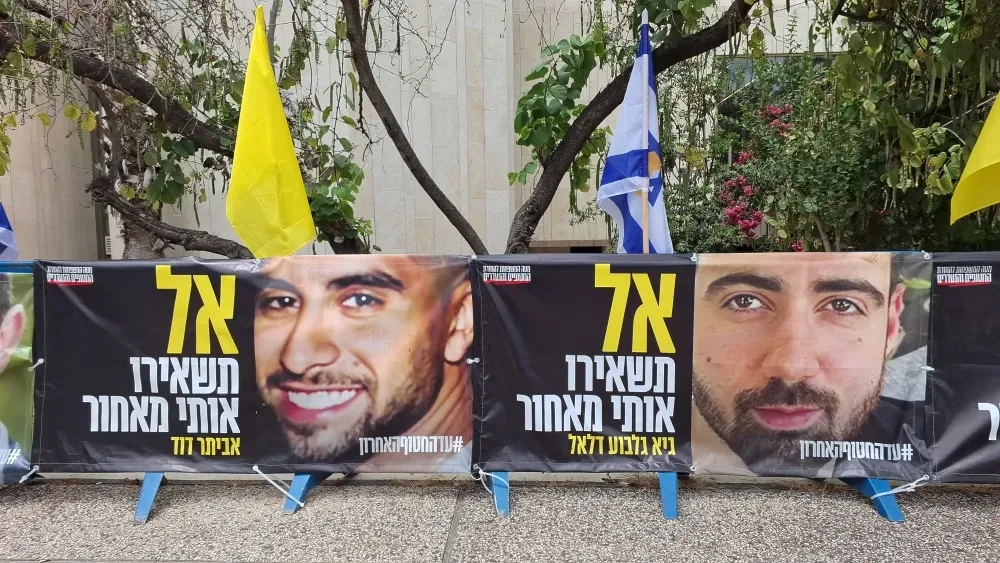 By: Giulio Meotti As skeletal images of Israeli hostages Evyatar David and Rom Braslavski emerge, mainstream media remains largely silent, focusing instead on alleged Gaza starvation. Why it matters: The selective media narrative underscores a troubling bias, where Palestinian suffering is highlighted while the plight of Israeli hostages is downplayed. This double standard feeds into a broader pattern of antisemitism masked as anti-Zionism. Critique of the media: The failure to prominently cover the hostages reflects a skewed agenda where Palestinian narratives overshadow Israeli suffering. As Naftali Fürst, an Auschwitz survivor, notes, the imagery evokes memories of Nazi atrocities, yet media coverage remains muted. -
Major outlets' emphasis on Palestinian grievances. The New York Times featured an extremely thin Palestinian Arab child on its front page, using it as a symbol of what the paper called "mass starvation" in Gaza. -
Days later, the Times published a correction, acknowledging that the child suffered from a "rare genetic disorder." The photo was clipped to omit his healthy, well-fed brother. NBC, the Guardian, and the BBC did not, however, issue a correction. Broader implications: This selective coverage emboldens antisemitism disguised as political critique, allowing hate to flourish under the guise of supporting Palestine. What's next: Antisemitism is considered despicable (at least until recently), so hatred found a more acceptable form: anti-Zionism. We no longer hate Jews; we hate the collective Jew. -
This rhetorical transmutation, which enables all sorts of excesses, is all the more effective because it gives a clean conscience to those who indulge in it. -
Suddenly, you can hate without shame—because it's "for Palestine." And so you can hate even a skeletal Jew. To read the full article, click here. | | Once Again, Israel Tried to Restrict Gaza Aid. Once Again, Its Policy Failed Miserably  By: Lazar Berman A year and a half after the Hamas attack, Israel's approach to humanitarian aid in Gaza remains inconsistent, marked by policy reversals and international pressure. Why it matters: Israel's fluctuating aid policies, driven by domestic politics and international scrutiny, erode support and undermine strategic goals. Despite initial blockades, Israel ultimately relents under pressure, appearing reactive rather than proactive. The big picture: Israel's aid strategy, intended to isolate Hamas and support civilians, inadvertently strengthens Hamas and fuels criticism. The Gaza Humanitarian Foundation's efforts highlight the challenges of delivering aid amidst violence and political complexities. What's next: Israel's latest policy shift includes 10-hour aid pauses and resumed airdrops, raising questions about the effectiveness of previous claims against aiding Hamas. -
To regain legitimacy and strategic clarity, Israel must develop a coherent postwar vision for Gaza's governance, engage in proactive humanitarian planning, and address the root causes of its policy failures. To read the full article at the Times of Israel, click here. | | Facing Unrest and Humiliation, Tehran Tightens Control over Speech 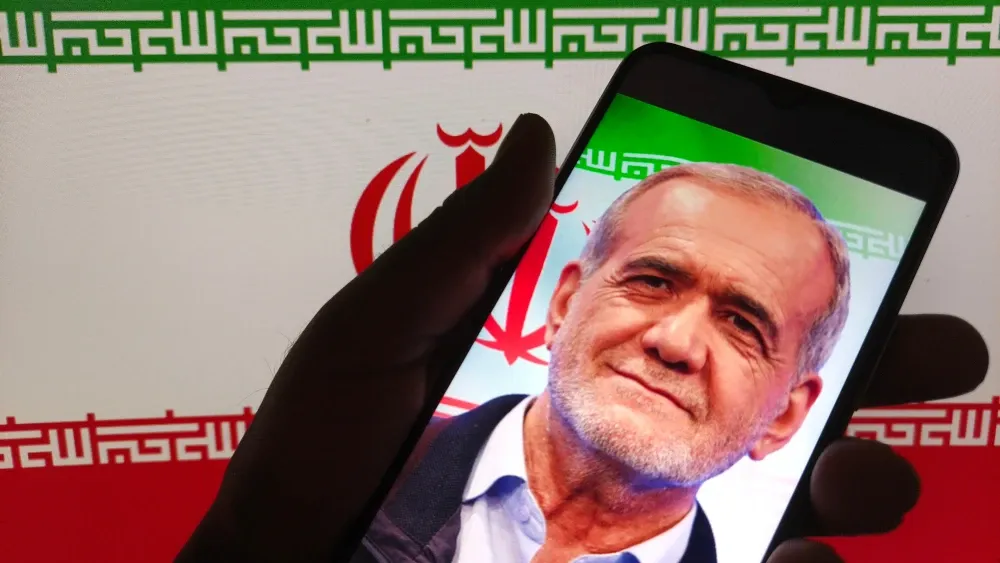 By: Mardo Soghom Iran's Majles advances a "gagging bill" targeting journalists for "fake news," escalating repression amid internal turmoil and regional defeats. Why it matters: This move seeks to stifle dissent following Iran's military humiliation by Israel and widespread public disillusionment. Backdrop: Iran's President Pezeshkian, initially elected on reformist promises, now aligns with a hardline agenda following Israel's devastating air campaign. -
The strikes, which decimated Iran's military infrastructure, left the regime's credibility in tatters and exposed vulnerabilities. -
Iranians mockingly dubbed Khamenei "Ali the Mouse" for retreating to a bunker during the assault, amplifying public derision. What's next: Despite attempts to suppress dissent, Iranians continue to voice their disdain anonymously online, while the exiled opposition gains momentum abroad. -
Exiled crown prince Reza Pahlavi's convention in Munich gathered significant support, reflecting growing international pressure on the regime. -
Around 500 diaspora activists and community leaders attended, and some political prisoners and victims' families sent messages or addressed the gathering. Hundreds more Iranians rallied outside in support. The bottom line: The Islamic Republic is clearly under pressure—not only from Israeli strikes but also from its collapsing infrastructure, public discontent, and the mounting sense that the regime cannot escape the crises it has created for itself. To read the full article, click here. | | Ahmad Hashemi on the Imperial Nature of the Islamic Regime of Iran 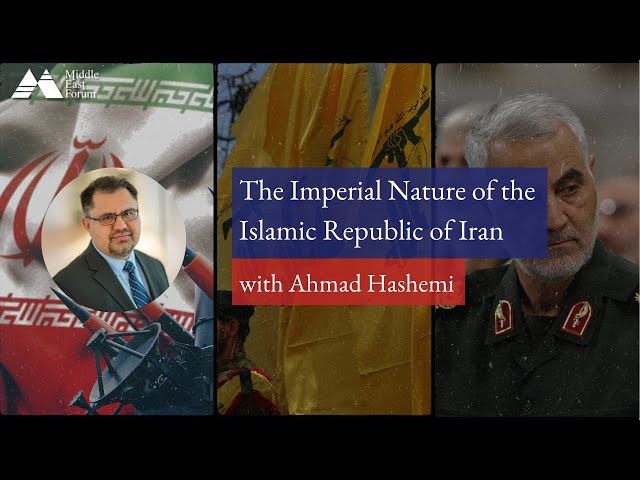 By: Marilyn Stern Ahmad Hashemi, freelance analyst and graduate student at the Institute of World Politics, participated in the reform movement in Iran. He spoke to a recent Middle East Forum Podcast about Iran's Iranshahr ideology, which envisions a "Greater Iran" focused on imperial expansion and minority suppression. Why it matters: Iran's survival as a "multi-ethnic empire" hinges on repressing ethnic minorities, perpetuating gender, religious, and ethnic apartheid. This dynamic fuels internal discord and complicates regional stability. Opposition challenges: Disunity among opposition forces stems from monarchists' tacit approval of the regime's suppression of ethnic minorities, fearing threats to national unity. -
Ethnic minorities, marginalized under the Iranshahr doctrine, remain crucial allies for reshaping Iran's future through pro-Western, pro-Israel stances. Israel's role: Israel should shift focus from Persian nationalists to ethnic minorities, leveraging their pro-Western inclinations to counter Iran's territorial ambitions and proxy expansions. What's next: The deterrence of Iran's continued nuclear proliferation involves employing the multiple tools of U.S. national power: "maximum economic pressure, airstrikes, kinetic and non-kinetic warfare." To read the full summary and watch the podcast, click here. | | Events in al-Suwayda': The Perspective of Liwa al-Jabal 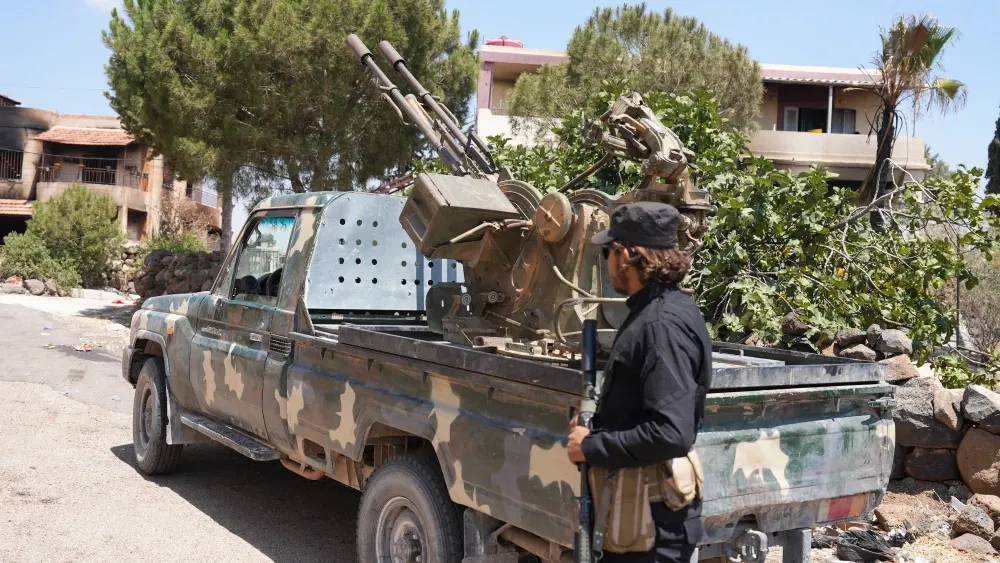 By: Aymenn Jawad Al-Tamimi MEF writing fellow Aymenn Jawad Al-Tamimi recently translated statements made by Ziyad Abu Tafesh, the spokesman for the Druze faction Liwa al-Jabal. Made to an outlet called "Hashtag Syria," they cover events in al-Suwayda', such as the widespread perception among Druze in the province that the government is imposing a siege by restricting entry of goods. Al-Tamimi offers a commentary on and translation of those statements. In al-Suwayda', the Syrian government's aggressive measures against the Druze population fuel mistrust and exacerbate tensions, all part of a pattern of systemic repression of Syria's minorities by the new Islamist government. Why it matters: The government's framing of Druze leaders as "outlaws" and "Israeli proxies" underpins its strategy to justify military intervention and suppress dissent, raising serious human rights concerns. -
For Ziyad, the current government is "Daeshi" (Islamic State-like) in its behaviour towards the Druze, and the only way for the government to make proper amends and regain trust is to bring Ahmad al-Sharaa (the president) and al-Dalati to al-Suwayda' and have them executed for crimes against the Druze. The big picture: By imposing sieges, restricting goods, and engaging in violent crackdowns, the Syrian regime demonstrates its disregard for minority rights, further alienating the Druze community. Current dynamics: Despite a supposed ceasefire, the region remains a "disaster zone," with accusations of mass graves and humanitarian crises pointing to the regime's failures. What's next: The Syrian government must lift sieges, ensure accountability for its actions, and genuinely engage in dialogue with minority communities to rebuild trust and stability. To read the full commentary and translation, click here. | | The Fall of Aleppo and the Iranian-backed 'Baqir Brigade' 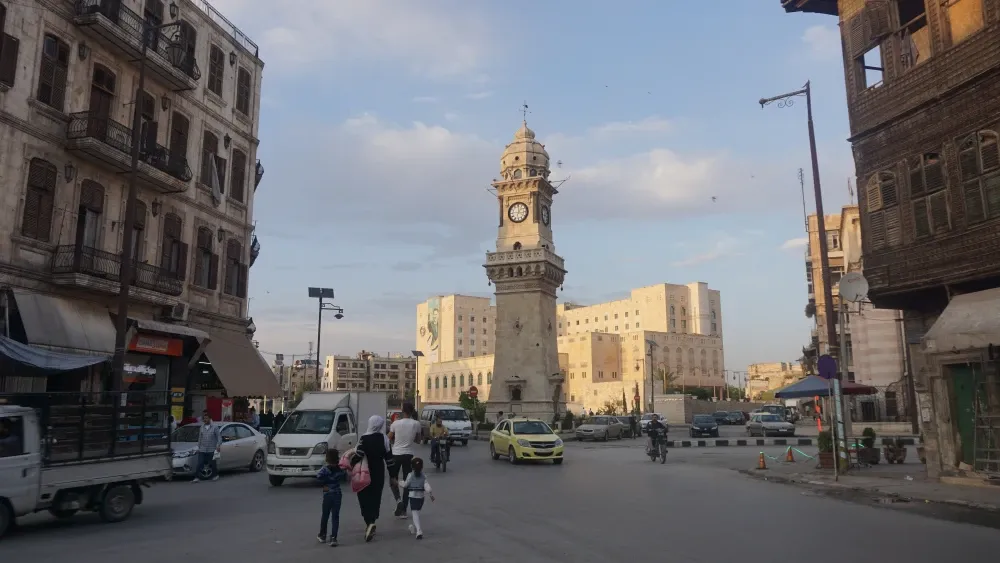 By: Aymenn Jawad Al-Tamimi When rebels launched their offensive on Aleppo in late November 2024, the Baqir Brigade, once a key ally within Iran's Axis of Resistance, had already secretly agreed to a defection deal with Hay'at Tahrir al-Sham and helped assassinate a senior Islamic Republican Guard Corps (IRGC) commander who headed the Local Defense Forces in Aleppo. Why it matters: The defection reveals the limits of Iran's ideological sway, highlighting that loyalty was rooted in tribal interests rather than genuine alignment with Iran's Shiite ideology. The big picture: The Baqir Brigade's defection, alongside the assassination of a senior commander from the Islamic Revolutionary Guard Corps, signals a significant blow to the regime's defenses and showcases the fragility of Iran's local alliances. Current dynamics: As the Baqir Brigade aligned with Hay'at Tahrir al-Sham, the regime's defenses in Aleppo crumbled, demonstrating the precariousness of relying on supposedly loyal militias. In context: In the end, Iran's project to build a 'Syrian Hezbollah' turned out to be a paper tiger. The Baqir Brigade, long thought to be ideologically aligned, battle-tested, and loyal, proved to be an entity primarily invested in tribal and familial interests. To read the full article, click here. | | Thank you for relying on the Middle East Forum for up-to-date analyses of the region. If you enjoyed this issue of the MEF Dispatch, please forward it to a friend. We invite you to use the comments feature to let us know your thoughts on the Dispatch and the issues we cover. Sincerely, Winfield Myers
Managing Editor, Middle East Forum
Director, Campus Watch | | | | Was this edition useful?  

Your email will be recorded and shared with the sender |        MEF, an activist think tank, deals with the Middle East, Islamism, U.S. foreign policy, and related topics, urging bold measures to protect Americans and their allies. Pursuing its goals via intellectual and operational means, the Forum recurrently has policy ideas adopted by the U.S. government.
Copyright © 2024 Middle East Forum, All rights reserved.
Our mailing address is:
Middle East Forum
1650 Market Street, Suite 3600
Philadelphia, PA 19103 | | | | | Powered by 
| | This email was sent by Middle East Forum via Axios HQ | | | |

0 коммент.:
Отправить комментарий