| |  | | | On the Ground in Yemen; Saudi Perfidy; First-Hand Accounts from Syria By Winfield Myers ● Aug 06, 2025 Smart Brevity® count: 8.5 mins...2201 words On a recent trip to Yemen, Michael Rubin assessed the military capabilities of the South Yemeni (anti-Houthi) forces and found them impressive. U.S. air cover and arms deliveries—but not boots on the ground—would allow the Southern Transitional Council to defeat the Houthis, but sticking with the same old U.S. policies will "enable the Houthis to thrive and their threat to grow." In a second article, Rubin calls out the Saudis for their failure to rebuff the Houthis and their adoption of Plan B: appease both the Houthis and Iran. Mohammad Taha Ali addresses a perennial issue in the Muslim world: whether the Saudis should continue to control the Hajj, the annual Muslim pilgrimage to Mecca. His answer: probably not, but at this time there is little anyone can do to change it. From a recent MEF Podcast, Aaron Magid looks back at the rule of Jordan's King Abdullah. We present two recent interviews conducted by Aymenn Jawad Al-Tamimi with members of Syrian minority factions. A local Druze leader provides unique insights into the current situation in al-Suwayda (Sweida). The second interview, with an Alawite leader, discusses that minority's insurgency against the current Syrian government. | | Can South Yemenis Fight Independently? 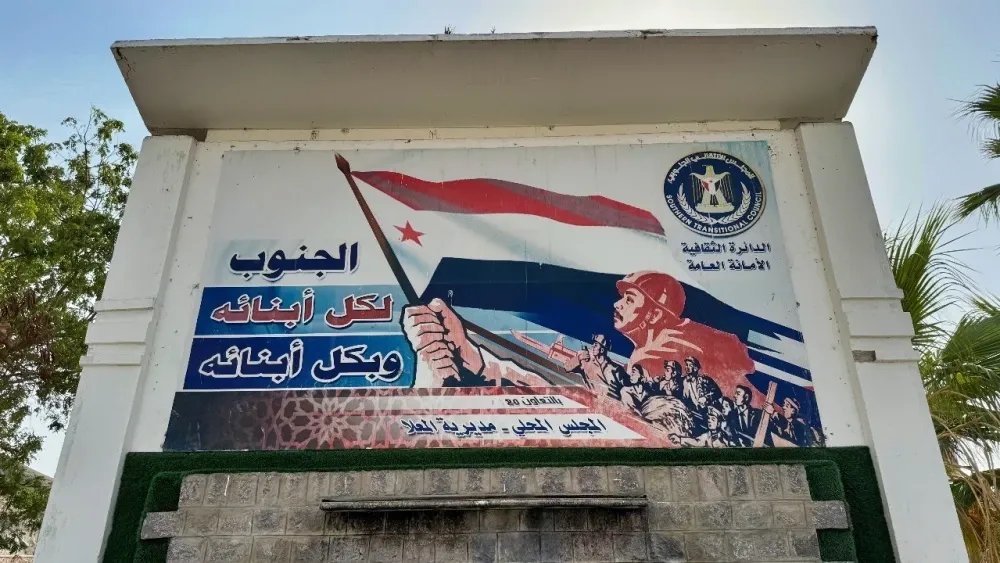 By: Michael Rubin Ateq, Yemen: The road through Southern Yemen tells a tale of resilience amidst adversity, with bullet-ridden checkpoints and burnt-out compounds marking memories of past conflicts. Why it matters: Despite challenges, Southern Yemen maintains a semblance of peace and stability, with local forces effectively managing security without foreign military presence. -
Summer in Aden is brutal. Many stores stay closed until around 4 pm, but then the city comes alive after the sun goes down and the sea breeze starts. -
The streets remain crowded until the early hours of morning, with kids playing football, foosball, or even billiards on the street, adults gossiping, and young teens challenging old men to dominoes while imams urge people—often unsuccessfully—to come to the mosque for prayer time. -
Such an atmosphere requires a sense of security. Aden has it, even though no foreign soldiers patrol the streets of the South Yemeni capital. The big picture: Since the United Arab Emirates scaled back its presence in 2019, the Southern Transitional Council has not only maintained but expanded security measures. Details: In regions like Lahij and Yafa'a, local forces have thwarted repeated incursions, underscoring the effectiveness of community-driven mobilization. -
Without air cover, however, the southern forces have repelled Houthi attacks along some of Yemen's most volatile and strategic frontlines for several years. -
Coordinated U.S. air cover would be a game changer. What's next: Bombing alone cannot defeat the Houthis; only a coordinated ground campaign can. Fortunately, this need not involve American or, indeed, any foreign forces. -
While American pundits say that southern Yemenis cannot effectively fight, this reflects more strategic laziness if not defeatism on Washington's part than a recognition that 2025 is not 2015. -
The choice for the Trump administration is stark: Defeat the Houthis or double down on failed strategies that enable the Houthis to thrive and their threat to grow. To read the full article, click here. | | Saudi Ambivalence to Houthis Encourages Terrorism 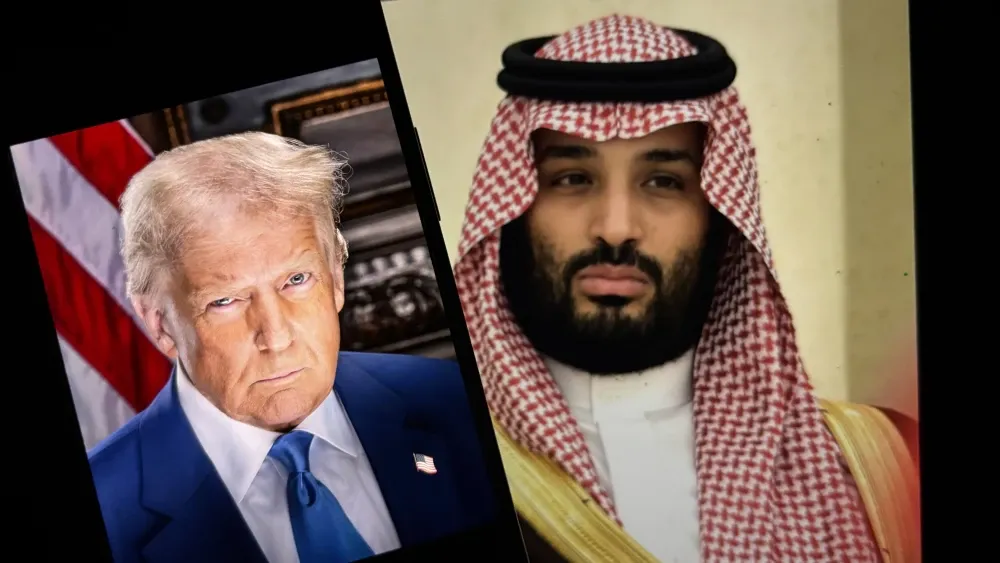 By: Michael Rubin Saudi Arabia's approach to the Houthis in Yemen exemplifies a pivot towards appeasement, raising serious questions about its regional reliability. Why it matters: As the Saudis failed to rebuff the Houthis, their Plan B has been to appease them and, by extension, Iran. -
The Saudi idea was simple: Saudi authorities would turn a blind eye to Houthi aggression, terrorism, sectarian violence, and resupply in Yemen, and in exchange the Houthis and their Iranian backers would concentrate their fire on non-Saudi targets. -
This approach undermines the trust of allies and emboldens adversaries, potentially destabilizing the broader Middle East. The big picture: Despite the United Arab Emirates' (UAE) success in combating Al Qaeda and enhancing infrastructure in southern Yemen, Saudi Arabia's repeated failures against the Houthis signify a strategic misstep. Details: The kingdom's actions, including dubious support for tribal groups and indirect funding of Yemen's Muslim Brotherhood, expose a pattern of prioritizing self-preservation over regional stability. What's next: Riyadh's future decisions will be crucial in determining whether it can regain trust and redefine its role as a stabilizing force in the region. -
Prior to September 11, 2001, Saudi Arabia flirted with being a state sponsor of terrorism. Almost a quarter century later, it repeats itself as America sleeps. To read the full article, click here. | | ICYMI: August 6, 2025 | Israel Insider with Ashley Perry Buoyed by diplomatic gains, Hamas has now walked away from negotiations. What are Israel's options in the next period? Ashley Perry is an advisor to the Middle East Forum's Israel office. He served as adviser to Israel's minister of foreign affairs and deputy prime minister in 2009-15, and has also worked with Israel's Ministers of Intelligence, Agriculture and Rural Development, Energy, Water and Infrastructure, Defense, Tourism, Internal Security, and Immigrant Absorption and as an advisor to The Negev Forum. Originally from the U.K., he moved to Israel in 2001. He holds a B.A. from University College London and an M.A. from Reichman University (IDC Herzliya).
To watch the full podcast episode, click here. | | Should the Saudis Continue to Manage the Hajj? 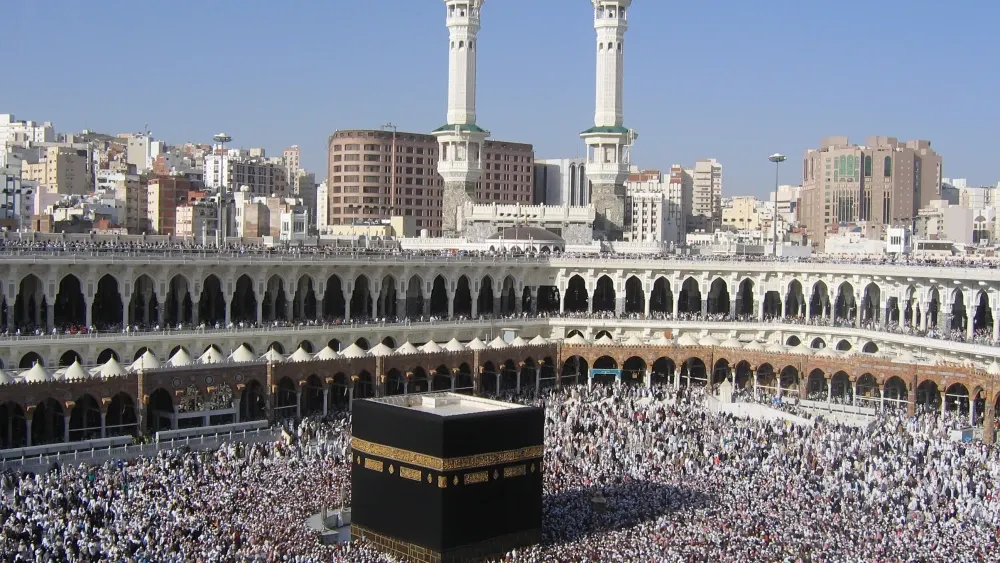 By: Mohammad Taha Ali Conflicts over Mecca and Medina's control predate Saudi Arabia, tracing back to Ottoman and Hashemite dominance. Why it matters: Saudi Arabia identifies custodianship of the holy sites as core to its legitimacy. The monarchy refers to itself as the "Custodian of the Two Holy Mosques," a designation that serves to enhance its religious legitimacy across borders. The big picture: Critics propose international oversight of the Hajj, which Saudi Arabia views as a threat to its sovereignty and Sunni hegemony. Details: An empowered international Hajj council could shift Islamic institutional dynamics, challenging Saudi dominance. What's next: Internationalizing the Hajj is called for, but it represents deeper tensions in the Muslim world—between sect, state, and conceptions of religious authority. -
There is no mechanism in place to make such a change yet, but the debate signals widespread unhappiness with one state controlling a ritual shared by all Muslims. -
Saudi Arabia meanwhile remains opposed to change, not just to maintaining logistics but to guarding a legitimacy framework that connects its monarchy to Islam's most sacred places. To read the full article, click here. | | MEF Action Alert: Stop Turkey's F-35 Purchase 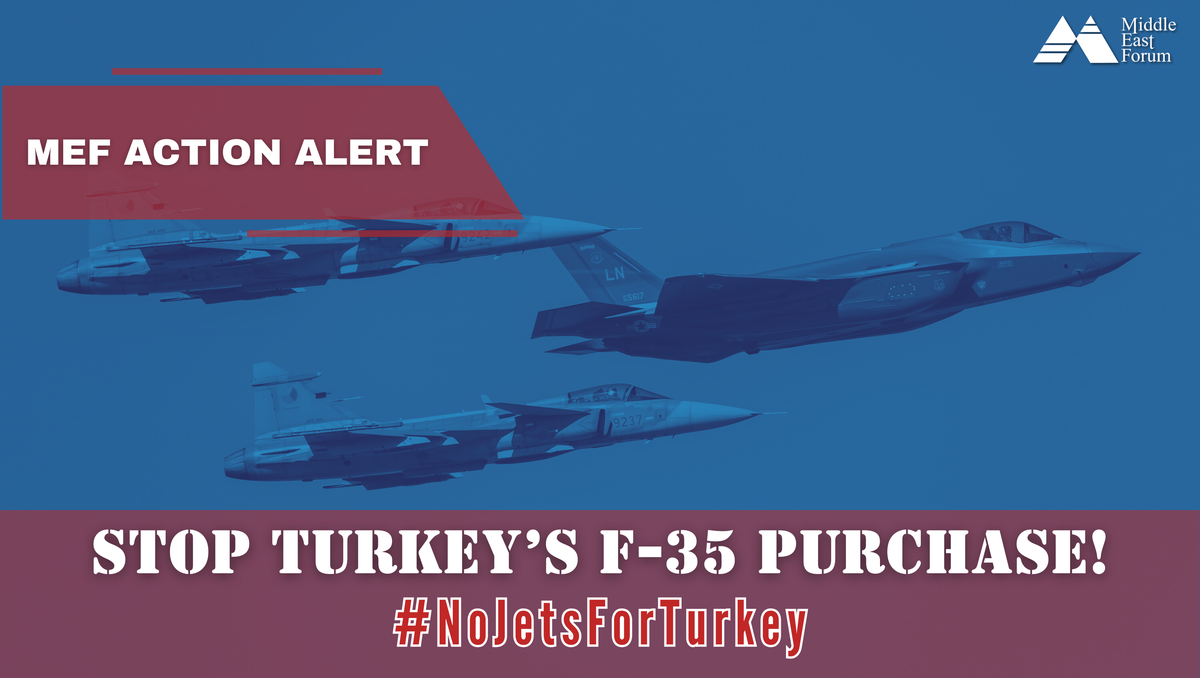 Turkey is pushing to rejoin the F-35 program despite owning Russia's S-400 missile system, which threatens U.S. aircraft and risks exposing sensitive F-35 technology to Russian intelligence. In response, member of Congress are circulating a Dear Colleague letter that calls on Secretary of State Marco Rubio to deny an F-35 arms deal with Turkey under the 2017 Countering America's Adversaries Through Sanctions Act (CAATSA), which formally removed Turkey from the F-35 program in 2019. This is a critical moment. Allowing Turkey back without removing its S-400s endangers U.S. national security, undermines our defense industry, and compromises Israel's Qualitative Military Edge. We must not reward Turkey, which continues to host Hamas leadership, attack U.S. allies in Syria, and threaten the territorial integrity of Greece and Armenia. The F-35 is vital for U.S. aerial superiority and global defense partnerships. Act Now! Urge your House Representative to sign the letter to Secretary Rubio demanding the White House reject Turkey's F-35 bid and uphold CAATSA sanctions. Time is short—Turkey's actions threaten U.S. interests and must not be rewarded. Sign up now to protect our military secrets and defense leadership! Click here to sign up for our letter-writing campaign to demand Congress reject Turkey's F-35 bid and uphold CAATSA sanctions. | | Aaron Magid on the Jordanian Monarchy: Past, Present and Future 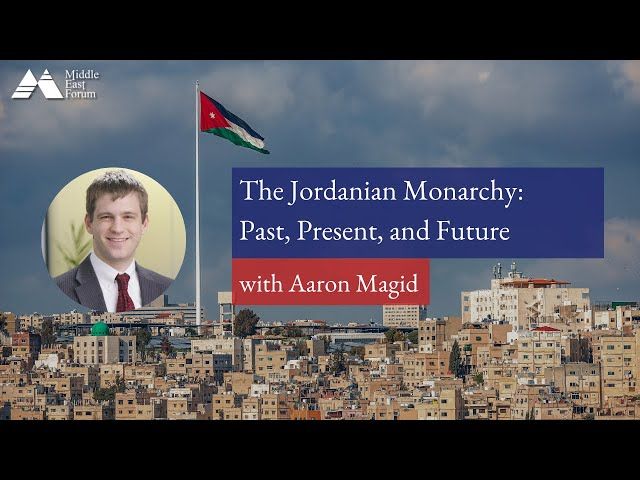 By: Marilyn Stern Aaron Magid, a former Amman-based journalist, spoke to a July 28 Middle East Forum Podcast. The following is drawn from his comments: Why it matters: Jordan is the largest recipient of U.S. aid among Arab countries, receiving nearly $1.5 billion annually, underpinning its security and economic frameworks. The big picture: Abdullah's strategic alliances, including with Israel, reflect his efforts to maintain stability and economic needs, even as they provoke public disapproval. Details: Security cooperation with the U.S. and Israel remains crucial for Jordan, especially in combating threats from the Islamic State of Iraq and Syria (ISIS) and Hezbollah. What's next: Abdullah's cautious approach to regional conflicts, particularly with Iran, aims to prevent Jordan from becoming embroiled in broader Middle Eastern tensions. To read the full summary and watch the podcast, click here. | | The Current Situation in al-Suwayda': Interview with a Local Druze Faction  By: Aymenn Jawad Al-Tamimi The predominantly Druze province of al-Suwayda' faces a tense situation as Syrian government forces withdraw, creating a de facto 'siege' by restricting essential supplies. MEF writing fellow Aymenn Jawad Al-Tamimi recently interviewed the "The Shaykh of Dignity Forces," a faction of the Druze. Why it matters: The breakdown of trust between the Druze community and the Syrian government underscores broader sectarian tensions and the complexities of regional politics. The big picture: With the Syrian government's perceived betrayal, the call for autonomous administration grows louder among the Druze, highlighting the failure of centralized governance. Details: The Shaykh al-Karama Forces report significant losses in recent clashes, emphasizing their commitment to defend their land against violent incursions. What's next: The future of al-Suwayda' hinges on the Syrian government's ability to rebuild trust and address the grievances of the Druze community. To read the full interview, click here. | | The Alawite Insurgency Against the New Syrian Government: Interview 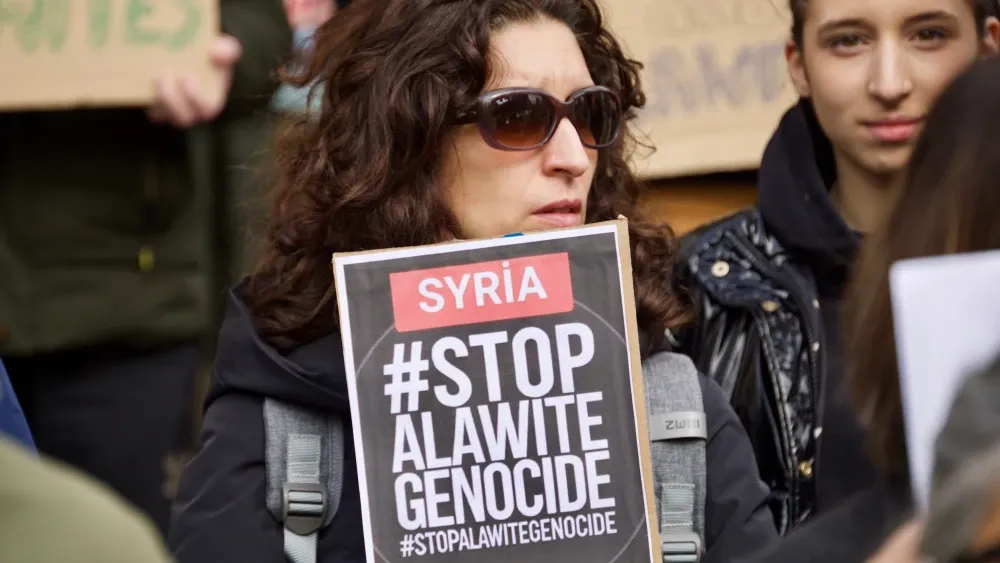 By: Aymenn Jawad Al-Tamimi The Alawite insurgency, led by factions like the "Coastal Shield Forces," continues to resist the current Syrian regime despite reduced activity. Aymenn Jawad Al-Tamimi interviewed a member of this insurgency who claims leadership of a group called 'Saraya al-Uqab' ('Squadrons of the Eagle') and adopts the Coastal Shield moniker. Why it matters: The insurgency seeks to protect the Alawite community against sectarian violence and envisions a federal or partitioned state for peace. The big picture: Following a coordinated attack in March that resulted in massacres of Alawite civilians, the insurgency's disillusionment with the new regime has intensified. Details: The Coastal Shield Forces, claiming no foreign support, aim to safeguard the Alawite sect and ensure stability for future generations. What's next: The Alawite insurgency calls for international intervention to prevent further violence and secure rights for minorities. To read the full interview, click here. | | | | | Thank you for relying on the Middle East Forum for up-to-date analyses of the region. If you enjoyed this issue of the MEF Dispatch, please forward it to a friend. We invite you to use the comments feature to let us know your thoughts on the Dispatch and the issues we cover. Sincerely, Winfield Myers
Managing Editor, Middle East Forum
Director, Campus Watch | | | | Was this edition useful?  

Your email will be recorded and shared with the sender |        MEF, an activist think tank, deals with the Middle East, Islamism, U.S. foreign policy, and related topics, urging bold measures to protect Americans and their allies. Pursuing its goals via intellectual and operational means, the Forum recurrently has policy ideas adopted by the U.S. government.
Copyright © 2024 Middle East Forum, All rights reserved.
Our mailing address is:
Middle East Forum
1650 Market Street, Suite 3600
Philadelphia, PA 19103 | | | | | Powered by 
| | This email was sent by Middle East Forum via Axios HQ | | | |


0 коммент.:
Отправить комментарий