| |  | | | Iran Is Down, Not Out; IDF's Goals in Gaza; DC Needs a Syrian Reset By Winfield Myers ● Aug 29, 2025 Smart Brevity® count: 9 mins...2363 words Gregg Roman details the findings of Australian intelligence that Iran orchestrated the firebombing of a Sydney business in October 2024 and the Adass Israel Synagogue in Melbourne last December. He argues that the U.S. must lead a coordinated Western response and warns that "the question isn't whether Tehran will strike American Jewish communities but when." Jonathan Spyer writes that, in spite of the setbacks Iran and its proxies have suffered over the summer, "reports of Iran's demise have been much exaggerated." Mardo Soghom says Tehran is defiant in the face of U.N. sanctions, looming Israeli strikes, and economic implosion. In a second piece, Jonathan Spyer critiques Israel's latest incursion into Gaza City, as Lazar Berman embeds with the IDF's 7th Armored Brigade in Gaza. Yuval David reminds us that Hamas is Gaza's jailer, not liberator. Finally, Sirwan Kajjo and Aymenn Jawad Al-Tamimi show that, U.S. policy notwithstanding, Syria's new rulers are sectarian and violent. | | U.S. Lessons from Iran's Jihad in Australia 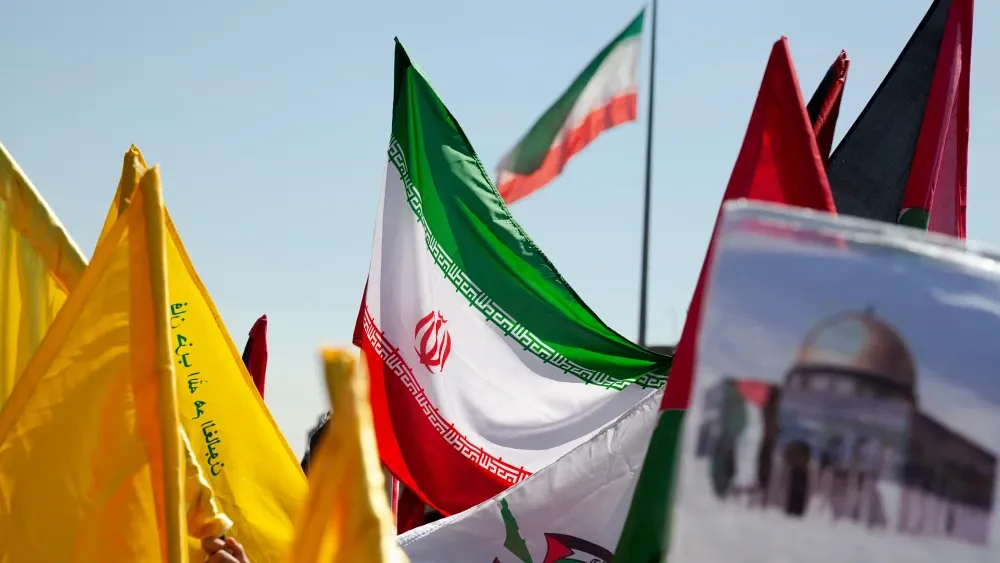 By: Gregg Roman On Aug. 26, Australian intelligence confirmed Iran orchestrated the firebombing of Lewis's Continental Kitchen and the Adass Israel Synagogue, marking the first Iranian state-directed attacks on Australian soil. Why it matters: This escalation poses a direct threat to every Western democracy hosting significant Jewish communities, indicating Iran's belief in conducting terror operations with minimal repercussions. The big picture: The IRGC's involvement follows a long-standing pattern of using local proxies for reconnaissance, recruitment, and execution, as seen in attacks from Buenos Aires to London. -
These operations are strategically timed to exploit geopolitical distractions, such as the Hamas-led attacks in Israel, shifting focus away from Iran's actions. -
Iran is calibrating Western tolerance for violence against Jews, calculating how many attacks fall below the threshold triggering military response. Australia's diplomatic expulsions are necessary but insufficient. What's next: Washington must lead a coordinated Western response. The U.S. Treasury Department should direct a comprehensive IRGC designation by Dec. 31, synchronized with the United Kingdom, European Union, and the remaining Five Eyes partners to prevent asset flight. To read the full text, click here. | | 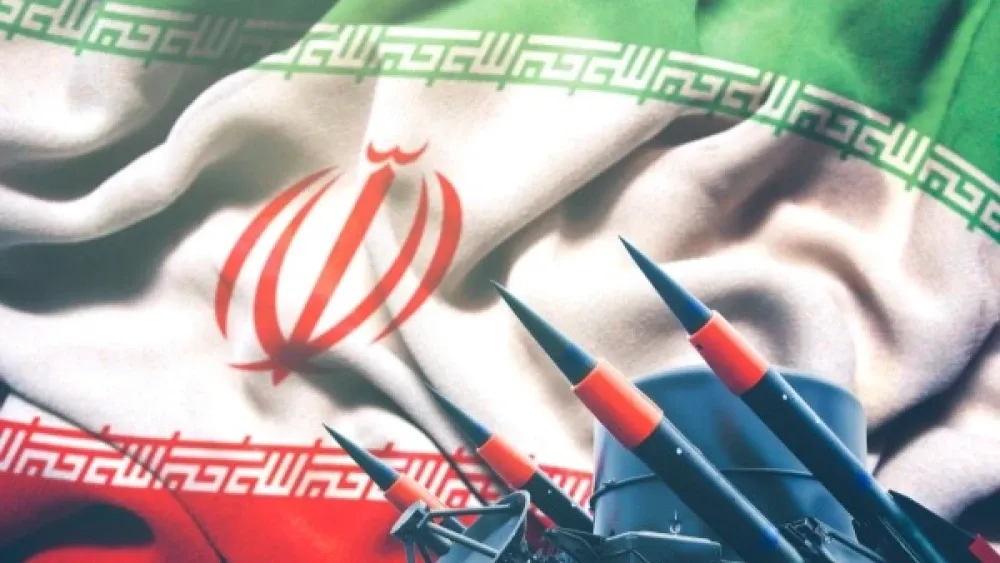 By: Jonathan Spyer The sirens began at about 5 a.m. A Houthi ballistic missile was on its way, over Jerusalem, in the direction of the coastal plain. After half a minute or so, I began to hear the familiar sound of doors scraping and muffled voices, as people made their way to the shelter. It has become a regular occurrence. Why it matters: Iran's ongoing support for the Houthis highlights its strategic investments in regional proxies, challenging both Israel and Western interests. -
The Houthis' sporadic missile success underscores Iran's enduring threat, with missiles occasionally breaching Israeli defenses, closing Ben Gurion airport in May, and causing civilian casualties in Tel Aviv in July. The big picture: Despite severe setbacks in Syria, Iran's allies in Yemen, Lebanon, and Iraq maintain significant influence. -
In Iraq, largely ignored by western media, the Iran-supported Shia militias remain the dominant political and military force in the country, commanding 238,000 fighters. -
In Lebanon, too, despite its severe weakening at the hands of Israel, the Hezbollah organization is flatly rejecting demands that it disarm. -
The Houthis have effectively disrupted major maritime routes, while Iranian-backed Shia militias in Iraq remain a dominant force, poised to become an entrenched parallel military structure. What's next: Taken together, what this picture amounts to is that Iran has suffered severe setbacks on a number of important fronts over the last 18 months. But in none of them, with the possible exception of Syria, is it out of the game. To read the full article, click here. | | Iran Confronts Snapback Sanctions, Israeli Threats, and Economic Freefall 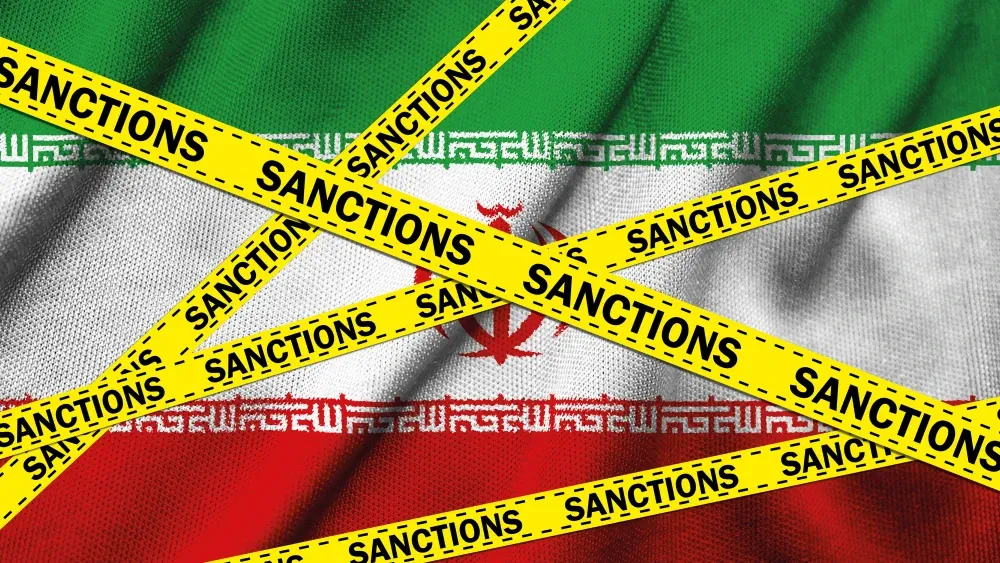 By: Mardo Soghom Following the United Kingdom, France, and Germany (E3)'s move to restore U.N. sanctions, the Iranian rial plummeted to one million per U.S. dollar, marking a critical economic crisis. Why it matters: As Iran's economy teeters on the brink of collapse, Tehran's desperation for negotiations with the West grows, though Supreme Leader Khamenei remains resistant to compromise. The big picture: The process of triggering the U.N.'s "snapback" mechanism will take about a month. Diplomatic sources say serious negotiations with Tehran will begin only once that process moves forward. The mechanism automatically restores Security Council sanctions suspended under the 2015 Joint Comprehensive Plan of Action nuclear agreement. -
Government-controlled media in Tehran downplayed the failed talks and the European snapback decision. Some leading websites ignored the issue altogether; others limited coverage to citing Western reports. -
The lack of breakthroughs in talks with European powers underscores the regime's dwindling options and increasing pressure. What's next: Earlier this month, Israeli officials threatened a second wave of strikes, a warning that may tie directly to the nuclear talks. -
Few expect Tehran to make concessions sufficient to prevent either the snapback sanctions or another Israeli assault—especially if Khamenei's latest words truly reveal the essence of his policy. -
As the Iranian economy teeters and isolation increases, Iranians must realize the worst is yet to come. To read the full article, click here. | | What Is the Aim of Israel's Gaza City Operation? 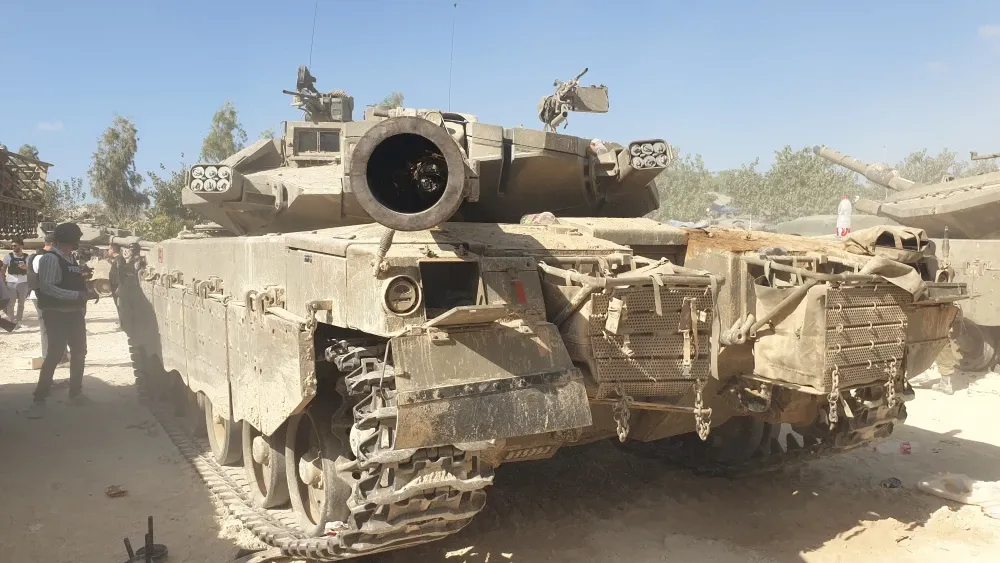 By: Jonathan Spyer Israel's security cabinet on Thursday approved the Israeli Defense Forces' plans for a major operation into Gaza City. The cabinet decision comes after the mobilization of 60,000 IDF reservists over the past week. Israeli forces are already operating on the outskirts of the city. Why it matters: Israel's stated twin aims in the war in Gaza are the bringing home of the Israeli hostages and the destruction of the Hamas authority which has ruled in the Strip since 2007. There is a fundamental contradiction at the heart of these two aims. -
The opposition want an end to the war, in return for the release of all hostages, even if this means that Hamas survives as an organized political and military force in Gaza when the guns cease. -
The internal strains currently apparent in Israel indicate that the contradictions that have been apparent from the outset in Israel's war aims are now becoming increasingly irreconcilable. The big picture: It is not possible to negotiate with an entity and at the same time determinedly seek its wholesale destruction. Ultimately, logic and reality dictate that you will have to favor one aim over the other. -
For nearly two years, the government of Prime Minister Benjamin Netanyahu has tried to juggle these two aims, applying military pressure on Hamas while at the same time negotiating for the release of hostages. What's next: Hamas's leveraging of Israel's concerns for its citizens (in stark contrast to Hamas's evident indifference to the fate of its own civilians) will have the appearance of strategic brilliance about it, albeit brilliance of the most evil and cruel variety. To read the full article, click here. | | Back in Zeitoun for the 7th Time, IDF Adjusts Its Methods to Dismantle Hamas Stronghol 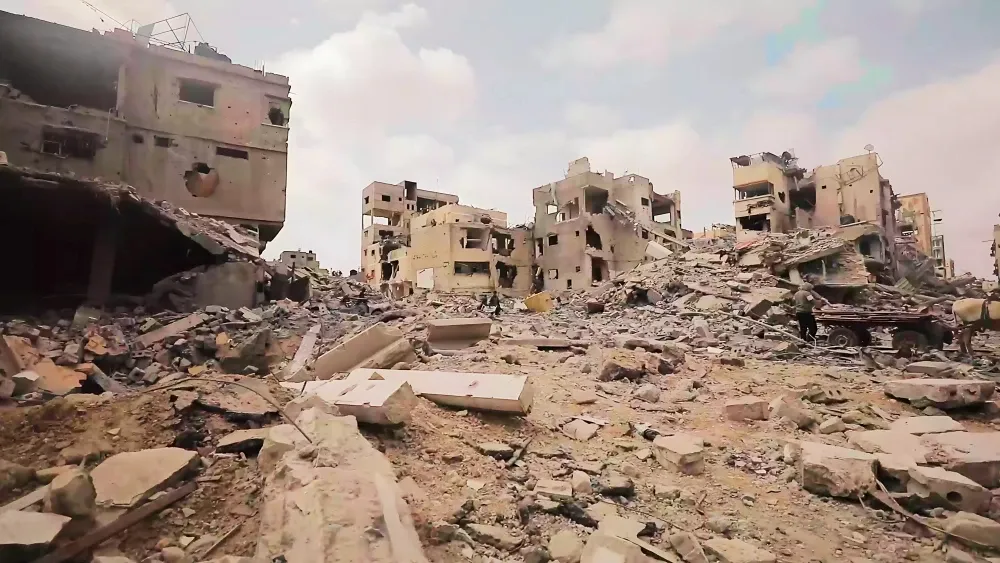 By: Lazar Berman For the past three weeks, the IDF's 7th Armored Brigade has been engaged in combat to dismantle Hamas's Zeitoun Battalion near Gaza City, with personal stakes as six of their own are hostages. Why it matters: The brigade's efforts are driven by the personal connection to hostages, including Matan Angrest and Nimrod Cohen, highlighting the emotional intensity of the operation. -
Despite previous attempts, the Zeitoun Battalion has rebuilt its forces, now standing at over 400 fighters, leveraging explosives to challenge IDF advancements. The big picture: Operation Gideon's Chariots employs a methodical approach, focusing on dismantling Hamas infrastructure, including tunnels and booby-trapped buildings. -
International criticisms spotlight the destruction of civilian areas, but Israeli commanders insist on the necessity of these tactics for long-term security. -
The 7th Armored Brigade's dismantling of Zeitoun, and of the Shejaiya neighborhood over the three months prior, are important in and of themselves, said several officers. Yet the announced impending takeover of Gaza City looms over discussions of the brigade's operations. What's next: As IDF forces prepare for an incursion into Gaza City, the safety of hostages remains a central concern. Read the full article at the Times of Israel. | | Hamas Is Gaza's Oppressor, Not Its Liberator 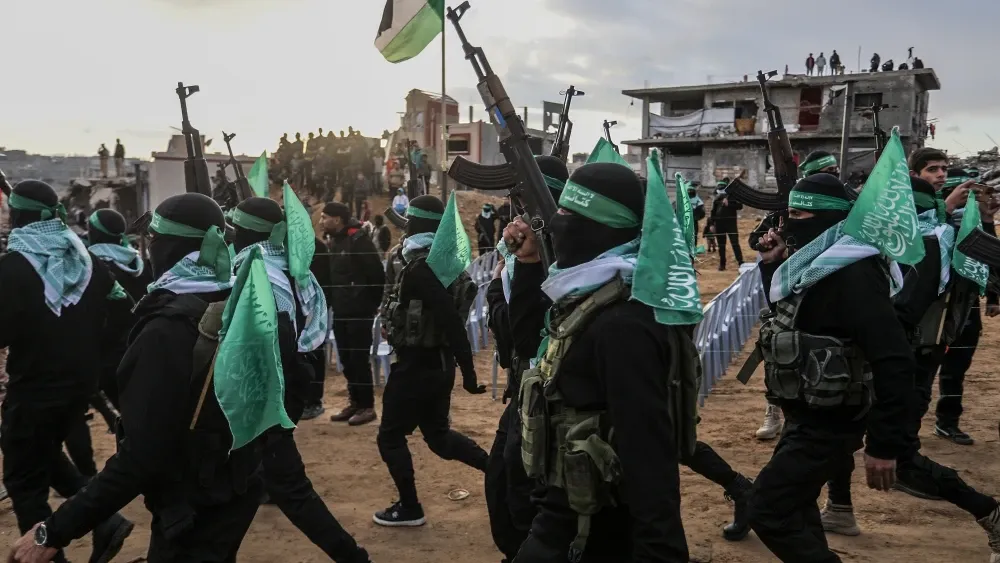 By: Yuval David While Gaza's plight is often seen through the lens of suffering under Israeli airstrikes, the reality is that Hamas's brutal regime victimizes its own people. Why it matters: Newly released videos from the Coordinator of Government Activities in the Territories (COGAT) show Hamas fighters abusing civilians, confirming what many Gazans already know—Hamas rules through fear, not resistance. -
In 2019, when thousands of Gazans took to the streets to protest poverty and mismanagement under the banner "We Want to Live," Hamas responded with force. Hamas's subsequent beating, detention, and torture of protesters barely made headlines in the West. The big picture: International media paint Hamas as a combatant against Israel and portray Gazans as victims of war, but that narrative erases half the truth. Gazans are also victims of their own governing rulers. -
Why do so many in the West ignore this reality? Why is the media quick to highlight Israeli airstrikes but slow to highlight Hamas repression of Palestinians? -
Part of it is ideological convenience. Admitting that Hamas itself is an oppressor complicates the narrative and undermines the propaganda that keeps global outrage focused on Israel. If the goal is truth, ignoring Hamas's crimes against Gazans is not solidarity. It is betrayal. What's next: To genuinely support Gazans, the world must hold Hamas accountable and ensure aid reaches those in need. To read the full article, click here. | | Washington's Syria Policy Needs Realism, Not Wishful Thinking  By: Sirwan Kajjo Many U.S. policymakers advocate for backing Syria's interim President Ahmed al-Sharaa, but his government's failures raise serious concerns. Why it matters: Al-Sharaa's leadership has been marked by incompetence and intolerance, failing to protect minorities like the Alawites and Druze from violence by Sunni militants. The big picture: Voices are increasingly emerging among some communities such as the Druze, Kurds, and Alawites, calling for autonomy from Damascus. Some Druze are even calling to be annexed by Israel. -
U.S. officials insist that Washington is no longer in the business of nation-building, yet they continue to prescribe how Syria should look, dismissing federalism as a viable framework for governance. -
This is what many in Washington fail to grasp: Self-rule, whether it is federalism or any form of decentralization, for the various regions of Syria is not a disingenuous demand but rather the only path that could preserve what some are fixated on: Syria's territorial integrity. What's next: Engaging with Syria doesn't mean dealing only with the Islamist government in Damacus; it also means addressing the needs and voices of its people.. To read the full article, click here. | | Syrian Druze Factions' Merger Statement 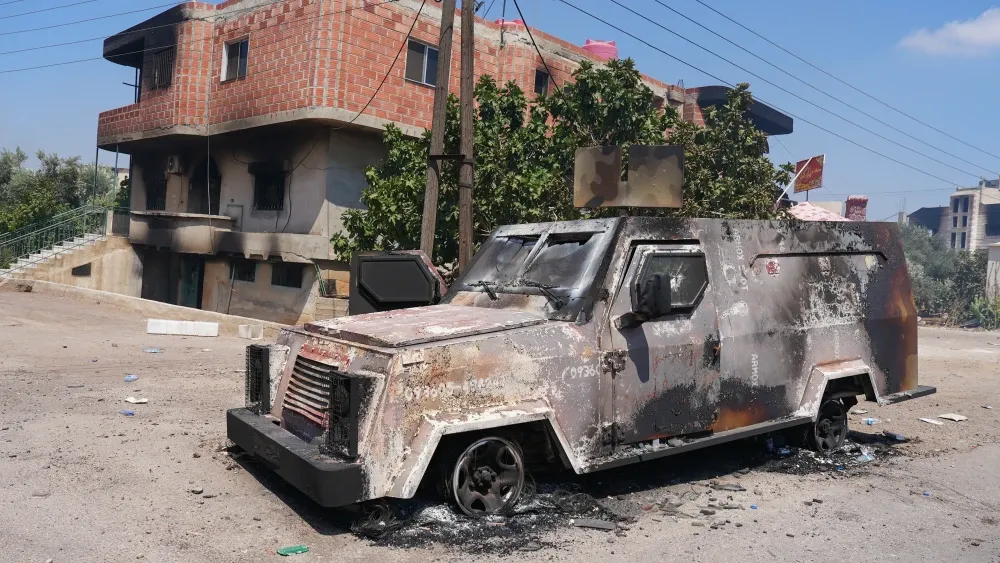 Aymenn Jawad Al-Tamimi Following a failed government assault, a coalition of Druze factions in al-Suwayda' province has united under the "National Guard" to resist central authority and protect their community. MEF writing fellow Aymenn Jawad Al-Tamimi offers commentary on and translation of the statement on the merger into the "National Guard." Why it matters: The merger signifies a significant shift in the balance of power in southern Syria, as local Druze groups consolidate their defense against both government forces and external threats. -
The coalition, loyal to spiritual leader Shaykh Hikmat al-Hijri, encompasses diverse factions, including those opposed to Assad's regime. The big picture: Hikmat al-Hijri's coalition has brought together Druze who are most skeptical of the central government. Some demand substantial changes on the government's part (including an effective rewriting of the constitution) as the basis for any discussion for a final resolution. What's next: The new initiative may alter power dynamics in the region, challenging Damascus's control and demanding international attention. To read the full commentary and translation, click here. | | | | | Thank you for relying on the Middle East Forum for up-to-date analyses of the region. If you enjoyed this issue of the MEF Dispatch, please forward it to a friend. We invite you to use the comments feature to let us know your thoughts on the Dispatch and the issues we cover. Sincerely, Winfield Myers
Managing Editor, Middle East Forum
Director, Campus Watch | | | | Was this edition useful?  

Your email will be recorded and shared with the sender |        MEF, an activist think tank, deals with the Middle East, Islamism, U.S. foreign policy, and related topics, urging bold measures to protect Americans and their allies. Pursuing its goals via intellectual and operational means, the Forum recurrently has policy ideas adopted by the U.S. government.
Copyright © 2024 Middle East Forum, All rights reserved.
Our mailing address is:
Middle East Forum
1650 Market Street, Suite 3600
Philadelphia, PA 19103 | | | | | Powered by 
| | This email was sent by Middle East Forum via Axios HQ | | | |


0 коммент.:
Отправить комментарий