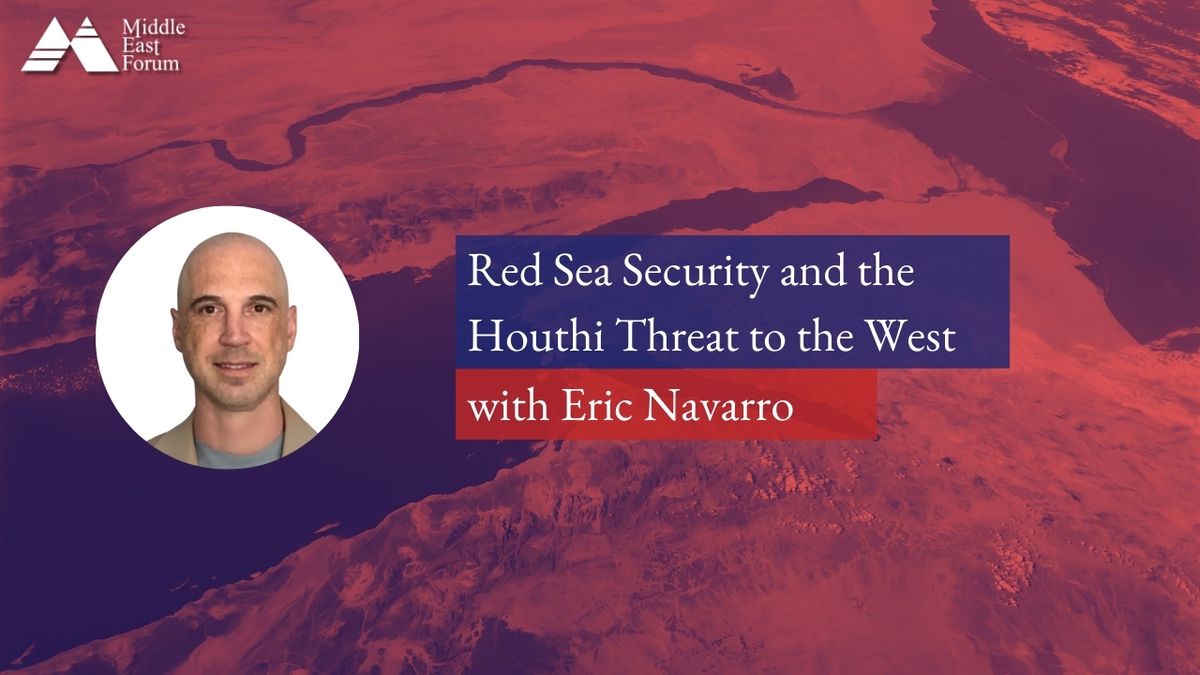
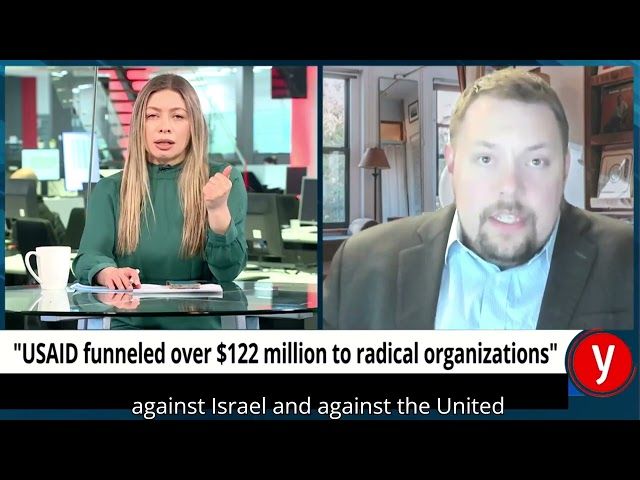
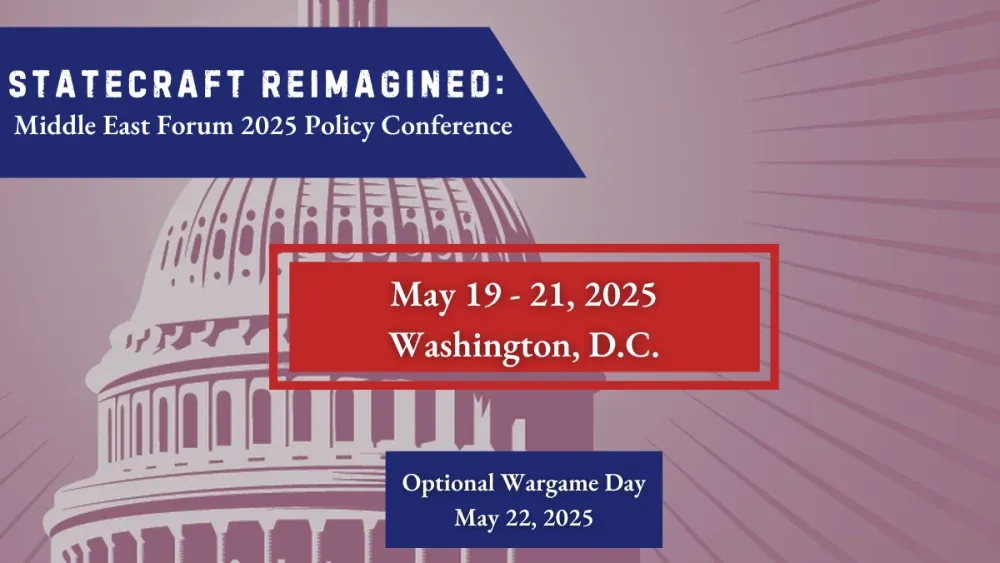
| |  | | | Telling the Truth About Gaza, USAID Redux, and Vanquishing the Houthi Threat By Winfield Myers ● Mar 18, 2025 Smart Brevity® count: 5.5 mins...1440 words Misinformation about Israel's war in Gaza has long since been the norm in many media reports. Two articles dissect the most common distortions: accusing Israelis of wanton genocide and presenting Gazans as innocent victims of Hamas. We continue our coverage of Gregg Roman's recent congressional testimony on USAID's grants to terrorist-friendly organizations—a story that continues to reverberate on Capitol Hill. Finally, we feature three analyses for dealing with Yemen's Houthi terrorists. In two articles, Eric Navarro argues that U.S. bombing of the Houthis is a necessary but insufficient strategy and suggests steps to end their threat once and for all. Michael Rubin argues that Oman's role in supplying the terrorists can't be overlooked. | | ICYMI: "Red Sea Security and the Houthi Threat to the West" with Eric Navarro The Iran-backed Ansar Allah (Houthis) recently renewed their attacks on American ships in the vicinity of Yemen. The organization's ongoing campaign of aggression in the Red Sea/Gulf of Aden area severely disrupts supply chains and fuels regional instability. The Middle East Forum last week launched the Red Sea Security Initiative (RSSI) to advocate for and support a determined western strategy to counter Houthi aggression and protect global trade routes. The RSSI aims to mobilize U.S. policymakers, global shipping leaders, and security experts to forge a coordinated response. Eric Navarro, director of RSSI, will explain why decisive action is needed, what steps are being taken, and what's at stake if the world fails to respond. What impact have Houthi attacks had on global trade? How can this threat be stopped? What must be done to restore stability in the Red Sea? To watch the podcast, click here. | | Misinformation Strategy and Media Bias in the Gaza War 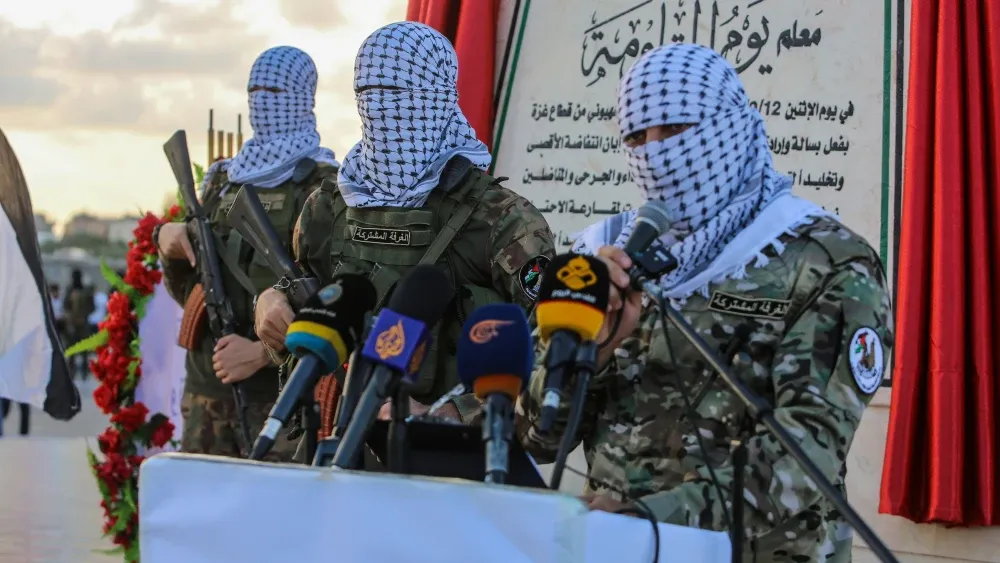 By: Andrew Fox and Tatiana Glezer The media often amplify unfounded accusations against Israel, shaping public perception of the Gaza conflict as being primarily against civilians rather than Hamas. Why it matters: The portrayal of the conflict affects global understanding and policy decisions. Strategic misinformation: Hamas manipulates casualty data, obscuring its combatant role to sway media narratives. Patterns of media bias: Major outlets frequently rely on data from Hamas uncritically. The stakes: Accurate reporting and critical analysis play a vital role in fostering an informed global discourse on the Gaza conflict. -
To address these issues, it is crucial to ensure rigorous evaluation of data, balanced media representation, and adherence to journalistic standards. To read the full article, click here. | | Unspoken Truths About Gaza 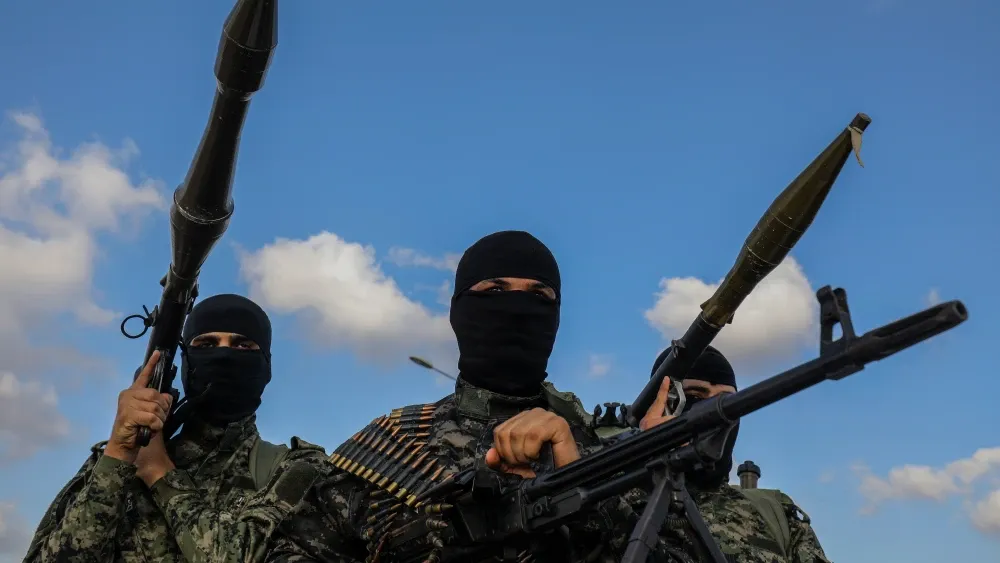 By: Philip Carl Salzman The idea that Hamas suppresses a peaceful Gazan populace is a dangerous myth. Why it matters: This misconception undermines efforts to address the real threats emanating from Gaza. Cultural indoctrination: From a young age, Gazans are taught to hate Jews, a belief system deeply ingrained in their culture. Religious extremism: The conflict is driven by deep-seated religious dogma and historical grievances. To read the full article, click here. | | Gregg Roman on Ynet News: U.S. Taxpayers Gave Hamas Millions In an interview with Ynet News, the Middle East Forum's Gregg Roman discusses how U.S. taxpayer money is funding organizations tied to Hamas and Al-Qaeda. Why it matters: This disclosure has sparked immediate congressional action to curb such funding and hold accountable those responsible. Driving the news: Roman's testimony, backed by data obtained through research, FOIA requests, and lawsuits, highlights systemic issues within U.S. aid distribution. What's next: Congress is working to codify restrictions into law, aiming for lasting change in U.S. foreign aid policies. To read or watch the full interview, click here. | | Bombing the Houthis Is a Good Start, but a Successful Strategy Must Be Broader  By: Eric Navarro The U.S. conducted strikes against the Houthi terrorists in Yemen, acknowledging the group's threat to regional security, but a sustained strategy is needed. Why it matters: The Houthis, backed by Iran, undermine U.S. interests and pose a threat to Israel. Military strategy: A persistent and coordinated undertaking beyond airstrikes is crucial. Economic and diplomatic efforts: Strengthening sanctions and redirecting trade will further weaken the Houthis. To read the full article, click here. | | Middle East Forum 2025 Policy Conference – additional speakers announced, discounted tickets! Join us at the Middle East Forum's 2025 Policy Conference, taking place May 19–21 in Washington, D.C. Statecraft Reimagined will gather leading experts, diplomats, and policymakers to discuss the most urgent and complex issues shaping the future of the Middle East. This extraordinary event is poised to be the premier Middle East policy gathering in D.C. this year, offering unparalleled insights, networking, and strategic guidance. We are also pleased to announce that, thanks to a generous contribution from an anonymous donor, we are able to offer a select number of general admission tickets at a discounted rate of $550. These tickets are available on a first-come, first-served basis. Be sure to get yours now. To register, click here. | | The United States Should Use Letters of Marque & Reprisal in the Red Sea  By: Eric Navarro Sen. Mike Lee (R-Utah) and Rep. Tim Burchett (R-Tenn.) have proposed reviving a 19th-century strategy to counter 21st-century threats: using Letters of Marque & Reprisal to disrupt cartel operations. Why it matters: This same strategy could be used against the Houthi terrorists in Yemen to enhance maritime security without direct military engagement. Strategic advantages: Private maritime security forces provide a scalable defense against Houthi attacks. Implementation: From a Joint Operations perspective, Letters of Marque could help the Pentagon employ a task-organized force structure to align specific capabilities with mission objectives. To read the rest of this article, click here. | | Oman Remains the Weak Link in the Counter-Houthi Fight 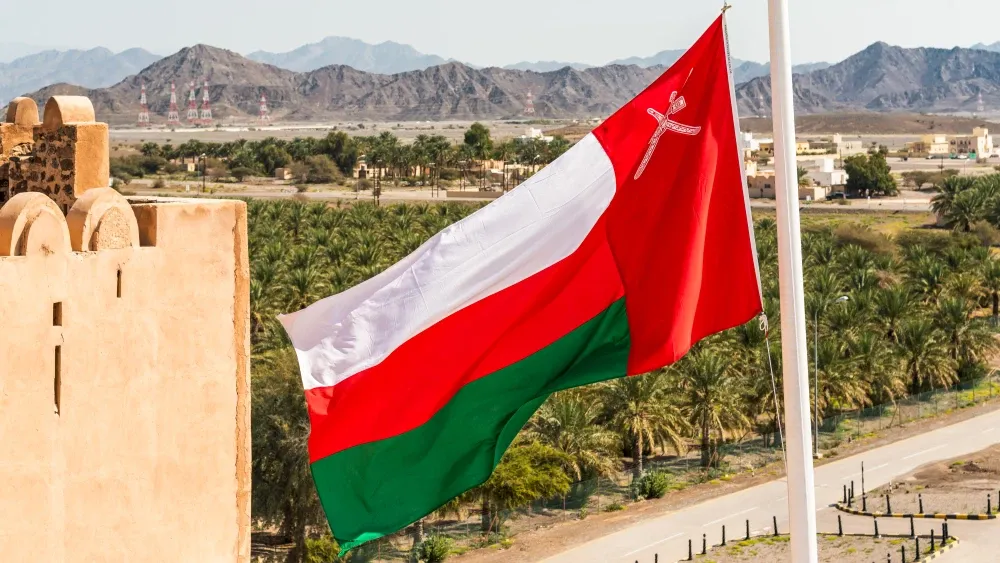 By: Michael Rubin Apart from Yemen's Houthis, Iran's "resistance front" is crumbling as regional allies falter. Yet Oman uses Al-Mazyunah, near the Yemen border, as a staging ground for weaponry to smuggle inland to Houthi forces. Why it matters: With Hezbollah and Hamas weakened and Assad exiled, Iran's grip on proxy forces is slipping. Supply routes under scrutiny: The Houthis receive Iranian arms through air, sea, and desert routes. Strategic implications: Holding Oman accountable for its actions is crucial to curtailing Houthi armament. To read the rest of this article, click here. | | | | | We hope you found this issue enlightening and enjoyable. If you enjoyed this issue of the MEF Dispatch, please forward it to a friend. We invite you to use the comments feature to let us know your thoughts on the Dispatch and the issues we cover. With news from the Middle East breaking constantly, we will be back in touch soon. Sincerely, Winfield Myers
Managing Editor, Middle East Forum
Director, Campus Watch | | | | Was this edition useful?  

Your email will be recorded and shared with the sender |        MEF, an activist think tank, deals with the Middle East, Islamism, U.S. foreign policy, and related topics, urging bold measures to protect Americans and their allies. Pursuing its goals via intellectual and operational means, the Forum recurrently has policy ideas adopted by the U.S. government.
Copyright © 2024 Middle East Forum, All rights reserved.
Our mailing address is:
Middle East Forum
1650 Market Street, Suite 3600
Philadelphia, PA 19103 | | | | | Powered by 
| | This email was sent by Middle East Forum via Axios HQ | | | |

0 коммент.:
Отправить комментарий