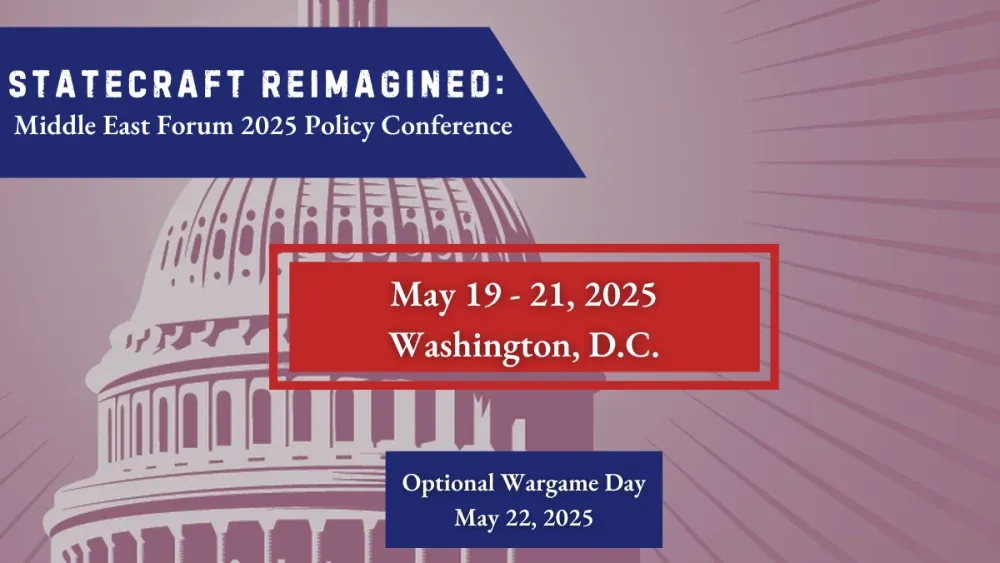
| |  | | | MEF Dispatch: Iran's Race for the Bomb, the Shift to 'Post Islamism,' and Eastern Med Matters By Winfield Myers ● Mar 05, 2025 Smart Brevity® count: 5.5 mins...1465 words Internal signs that Iran is racing to build a nuclear weapon and the steps the U.S. can take to fracture the Islamic Republican Guard Corps begin today's edition. We then analyze Azerbaijan's sham trials of Armenian leaders from the ethnically-cleansed region of Nagorno-Karabakh and recommend U.S. action. Drawing on a recent podcast, we examine the possibility of an emergent "post-Islamism" in Syria before ending with two articles on Turkey's threats to Greece's security and conclude that if the French sell Turkey missiles that imperil Greece, the U.S. can sell Greece missiles that threaten Turkey's planned aircraft carrier. Touché. | | Impeachments and Resignations Suggest Iran May Be Readying a Mad Dash to a Nuclear Bomb 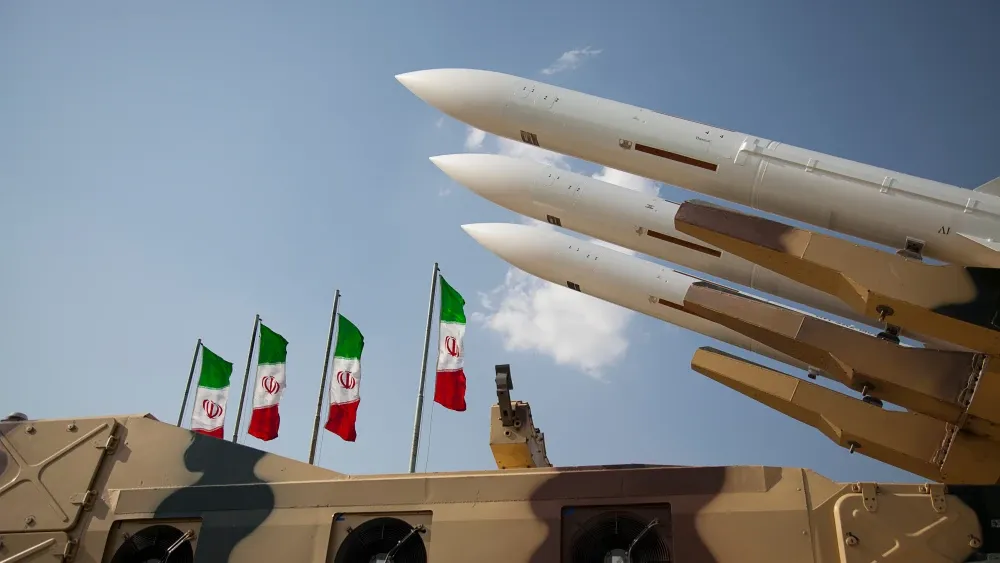 By: Shay Khatiri Iran's parliament sacked Minister of Economy and Financial Affairs Abdolnasser Hemmati, seen as an economic pragmatist, on March 2, 2025, signaling a shift towards probably strengthening of its nuclear program. Why it matters: Hemmati's dismissal underscores the hardliners' dominance and the prioritization of nuclear development over economic reform in the face of a return to President Trump's return to "maximum pressure" on the regime. Driving the news: Hemmati's calls for reducing foreign tensions conflicted with the regime's prioritization of its nuclear ambitions over its economic strength. What's next: Iran is likely to accelerate its nuclear weaponization efforts. To read the full article, click here. | | MEF Employer Matching Program Your tax-deductible gift powers our mission to uncover extremist networks, transform public debate, and advance strategic policies through key partnerships. As global threats intensify, your support ensures we continue delivering measurable impact.
To find out if your employer can match your tax-deductible gift to MEF through our employer matching program, click here. | | Why Sanctions Alone Won't Stop Iran—The IRGC Must Be Fractured 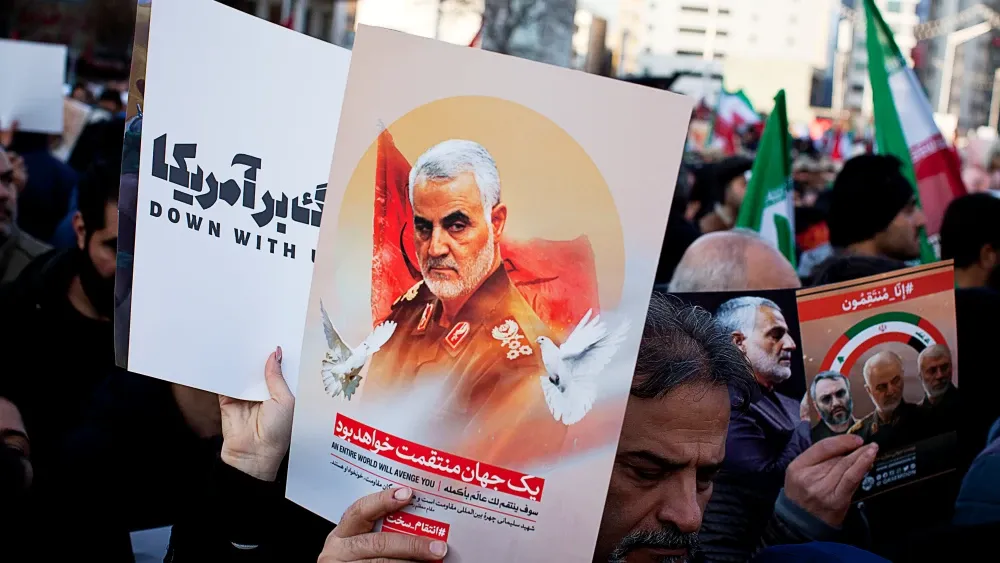 By: Michael Rubin The United States has a persistent challenge in its approach to Iran, with a history of undermining its own victories by failing to address the core issues within the Iranian regime. Why it matters: Iran's Islamic Revolutionary Guard Corps act as a Praetorian Guard, protecting the regime from internal dissent and maintaining its power. Current strategy: Maximum Pressure has historically proven effective, but its limitations are evident. What's next: To effectively address the Iranian threat, the U.S. must combine sanctions with targeted efforts to maximize Revolutionary Guard fragmentation. To read the full article, click here. | | The State Department Should Send Observers to Azerbaijan's Armenia Show Trials 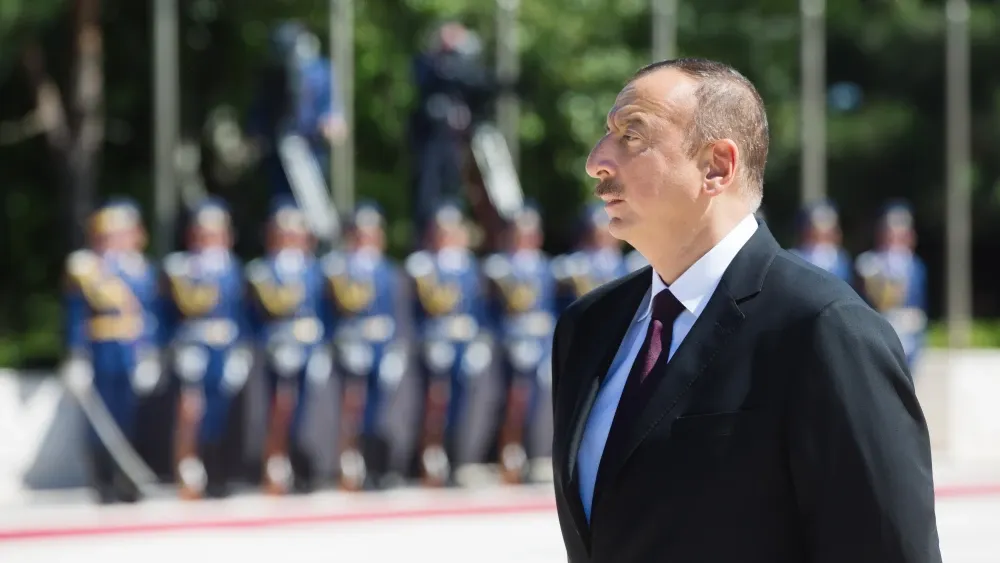 By: Elizabeth Samson Azerbaijan's seizure and ethnic cleansing of Artsakh/Nagorno-Karabakh included capturing Artsakh leaders, now enduring show trials that began on January 17, 2025. Why it matters: These trials, including that of billionaire Ruben Vardanyan, are a blatant attack on democracy and an attempt to formally erase the presence of the displaced 1,700-year-old Armenian Christian community. Current situation: Vardanyan, facing life imprisonment and on a hunger strike, symbolizes the fight against Azerbaijan's sham trials. What's next: The U.S. administration should act immediately. To read the full article, click here. | | Middle East Forum 2025 Policy Conference – additional speakers announced, discounted tickets! Join us at the Middle East Forum's 2025 Policy Conference, taking place May 19–21 in Washington, D.C. Statecraft Reimagined will gather leading experts, diplomats, and policymakers to discuss the most urgent and complex issues shaping the future of the Middle East. This extraordinary event is poised to be the premier Middle East policy gathering in D.C. this year, offering unparalleled insights, networking, and strategic guidance. We are also pleased to announce that, thanks to a generous contribution from an anonymous donor, we are able to offer a select number of general admission tickets at a discounted rate of $550. These tickets are available on a first-come, first-served basis. Be sure to get yours now. To register, click here. | | Hussein Aboubakr Mansour: The Shift Towards Post-Islamism 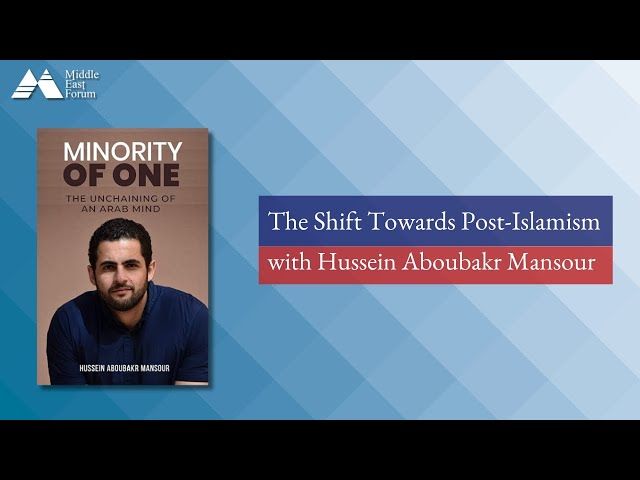 By Marilyn Stern Hay'at Tahrir al-Sham (HTS) overthrew the Assad regime in Syria and has taken control of parts of the country under interim leader Ahmed al-Sharaa, stirring significant regional uncertainty. Why it matters: HTS's shift from its Islamist roots to "post-Islamism" could well be a tactical move to consolidate power, raising red flags about their true intentions. -
Their claim of prioritizing governance over jihadism should be viewed skeptically, given their past. -
However, there is the possibility of a genuine evolution towards "post-Islamist Islamism." Current situation: While HTS promises reform, their jihadist origins and some of their recent actions suggest potential backsliding into extremism. What's next: It is impossible to draw firm conclusions at the present time regarding HTS's intentions, but caution is the order of the day. To read the full article, click here. | | Why Is France Undermining Security in the Eastern Mediterranean? 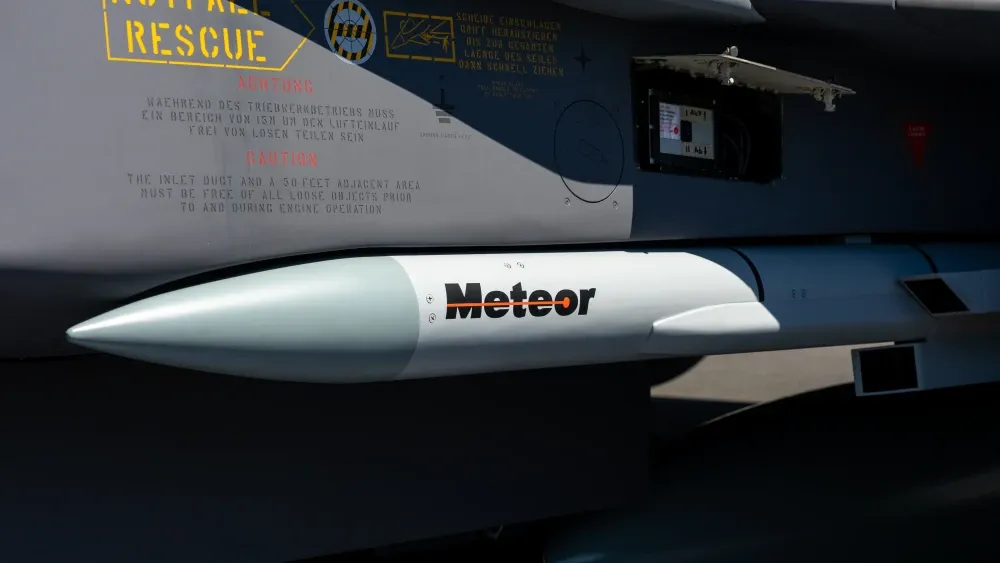 By Babak Taghvaee On February 10-11, 2025, Greek Prime Minister Kyriakos Mitsotakis visited Paris, urging France to halt its missile sale to Turkey, a plea that was declined. Why it matters: France's sale of Meteor missiles to Turkey could shift the regional balance of power, threatening Greece and Israel. Current situation: Turkey's military ambitions, bolstered by French missiles, challenge Greek sovereignty and Israel's air superiority. What's next: The U.S. should leverage its position with missile-producer MBDA to block the sale, preserving regional stability. To read the full article, click here. | | Give Greece Carrier-Killer Missiles: The West Should Take Turkey's Ambitions Seriously 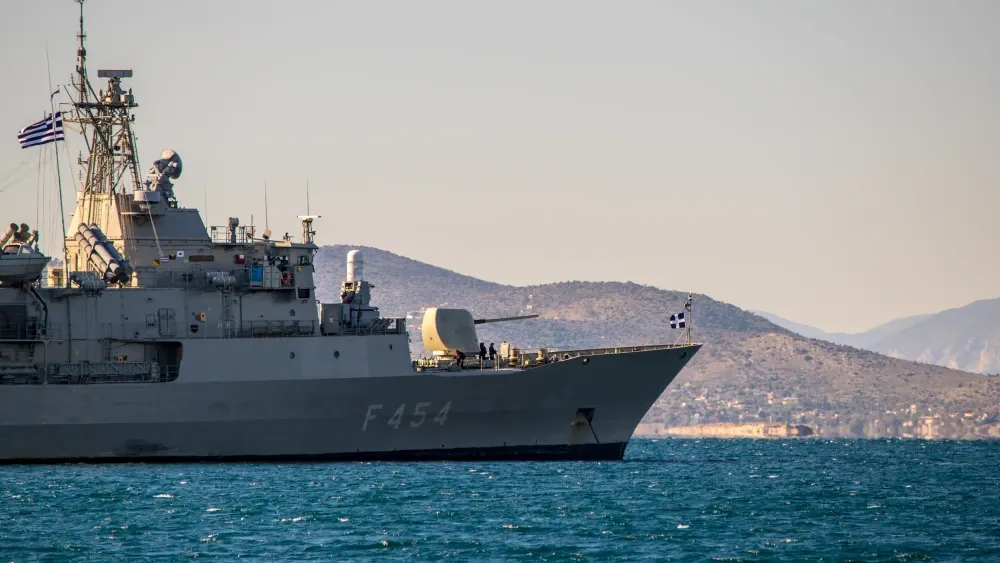 By: Michael Rubin Greece, a pivotal NATO member, faces escalating threats from Turkey, which seeks to increase its power through military buildup and territorial expansion. Why it matters: Turkey's ambitions, including plans for a national aircraft carrier, pose a direct threat to Greece and the region. -
Turkish President Erdoğan's aggressive military expansion could destabilize the eastern Mediterranean. -
A Turkish aircraft carrier fitted to fly the latest drones and fighter jets could change the operational environment across the Mediterranean Current situation: Turkey's military aspirations extend far beyond its borders, as it already has bases and training camps in the Middle East and Africa. What's next: Greece must strengthen its defense capabilities, including carrier-killer missiles as a strategic countermeasure. To read the full article, click here. | | | | | At the Middle East Forum, we strive to bring you accurate, concise analyses of developments that do not always make the evening news—and to add substance to those that do. If you enjoyed this issue of the MEF Dispatch, please forward it to a friend. We will return soon with another issue to keep you informed. Stay tuned. Sincerely, Winfield Myers
Managing Editor, Middle East Forum
Director, Campus Watch | | | | Was this edition useful?  

Your email will be recorded and shared with the sender |        MEF, an activist think tank, deals with the Middle East, Islamism, U.S. foreign policy, and related topics, urging bold measures to protect Americans and their allies. Pursuing its goals via intellectual and operational means, the Forum recurrently has policy ideas adopted by the U.S. government.
Copyright © 2024 Middle East Forum, All rights reserved.
Our mailing address is:
Middle East Forum
1650 Market Street, Suite 3600
Philadelphia, PA 19103 | | | | | Powered by 
| | This email was sent by Middle East Forum via Axios HQ | | | |

0 коммент.:
Отправить комментарий