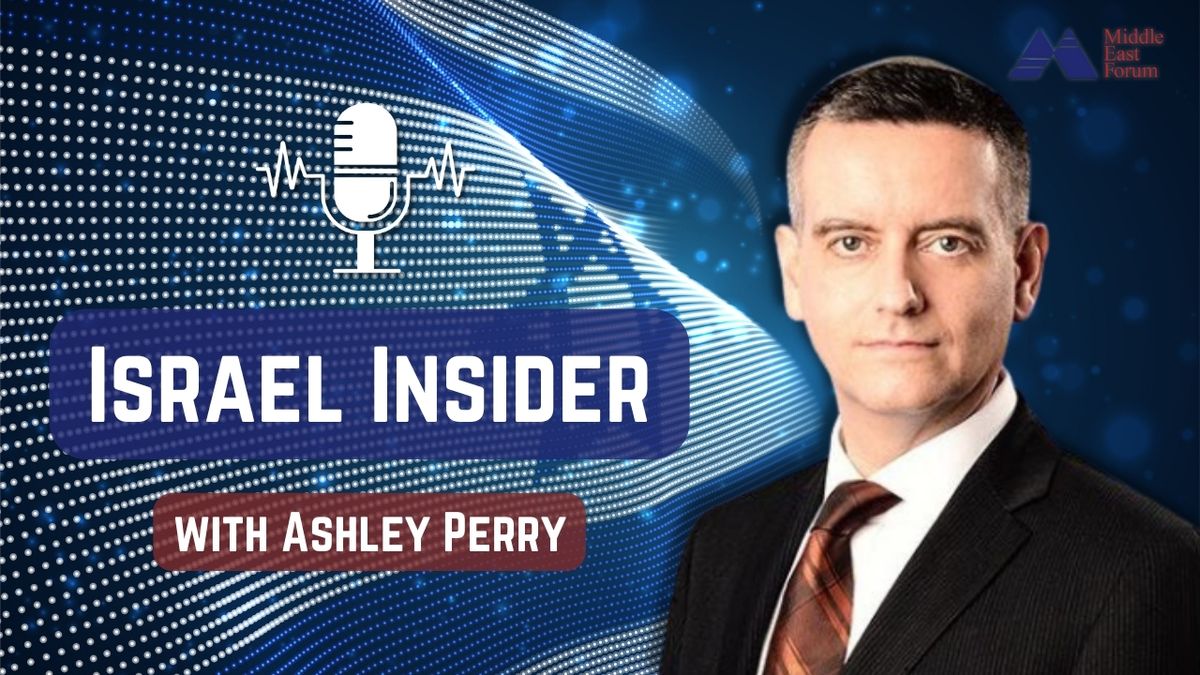
| |  | | | More on USAID $$$ to Terrorist-Supporting Organizations, Time to Deal with Iran, and Decoding Developments in Syria By Winfield Myers ● Mar 16, 2025 Smart Brevity® count: 6.5 mins...1747 words Gregg Roman's new Commentary article on how USAID supported terrorist-abetting organizations—and what should be done to ensure it never happens again—leads this issue. We next delve into the declaration of a ceasefire by the PKK's leader, imprisoned in Turkey since 1999. In an article from the new Middle East Quarterly, we argue that it's time for a joint U.S.-Israeli strike against Iran's nuclear assets. Analyses of recent developments in Syria occupy most of the rest of the issue, as the new rulers in Damascus try to solidify their control—a tall order given their shortcomings—and show themselves to be Islamists to the core. | | ICYMI: March 12, 2025 - Israel Insider with Ashley Perry Will the Trump Administration's attempts at negotiation with Iran and Hamas hamper Israel's potential military actions against these enemies? Ashley Perry is an advisor to the Middle East Forum's Israel office. He served as adviser to Israel's minister of foreign affairs and deputy prime minister in 2009-15, and has also worked with Israel's Ministers of Intelligence, Agriculture and Rural Development, Energy, Water and Infrastructure, Defense, Tourism, Internal Security, and Immigrant Absorption and as an advisor to The Negev Forum. Originally from the U.K., he moved to Israel in 2001. He holds a B.A. from University College London and an M.A. from Reichman University (IDC Herzliya). To watch the full podcast, click here. | | How American Aid Has Subsidized Terror 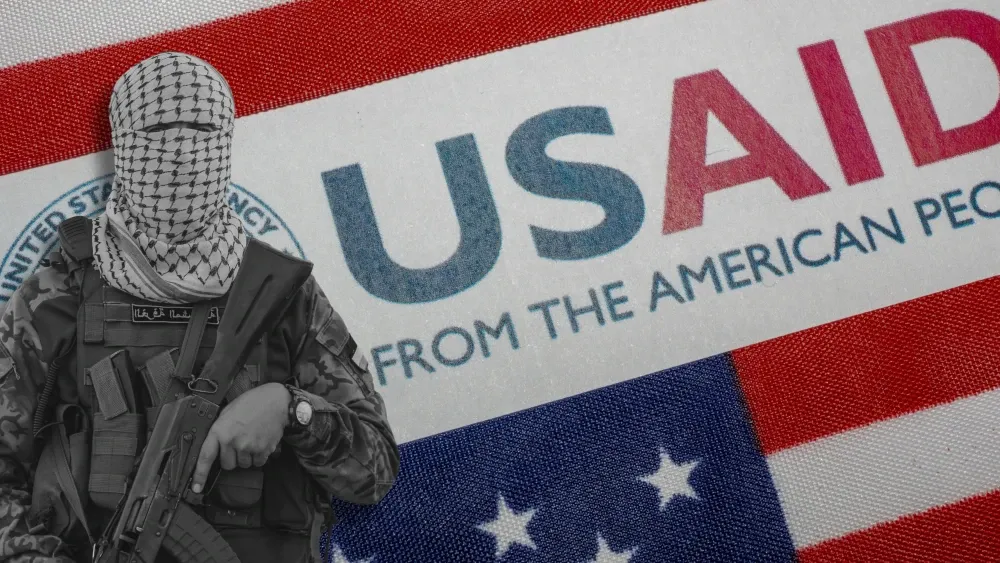 By: Gregg Roman America's foreign aid—meant to uplift those in need overseas—has instead empowered extremists who despise the U.S. Why it matters: Over the years, taxpayer dollars have reportedly funded groups that praise, coordinate with, or even serve as adjuncts to Hamas, Hezbollah, and al-Qaeda offshoots. That is not rumor. Driving the news: Evidence brought by MEF before the House Oversight Subcommittee reveals how USAID has been misused to finance anti-American militancy. The stakes: If private citizens or organizations knowingly funded terror groups, they would face prosecution. However, bureaucrats or NGO executives evade accountability by invoking humanitarian intentions. Next steps: Implementing stringent audits and creating a "Do Not Fund" list of extremist-linked organizations can re-route aid to its rightful purpose: fostering global peace and stability. To read the full article, click here. | | NEWS: South Africa's Terror-Linked Ambassador Booted from Washington Following MEF Report 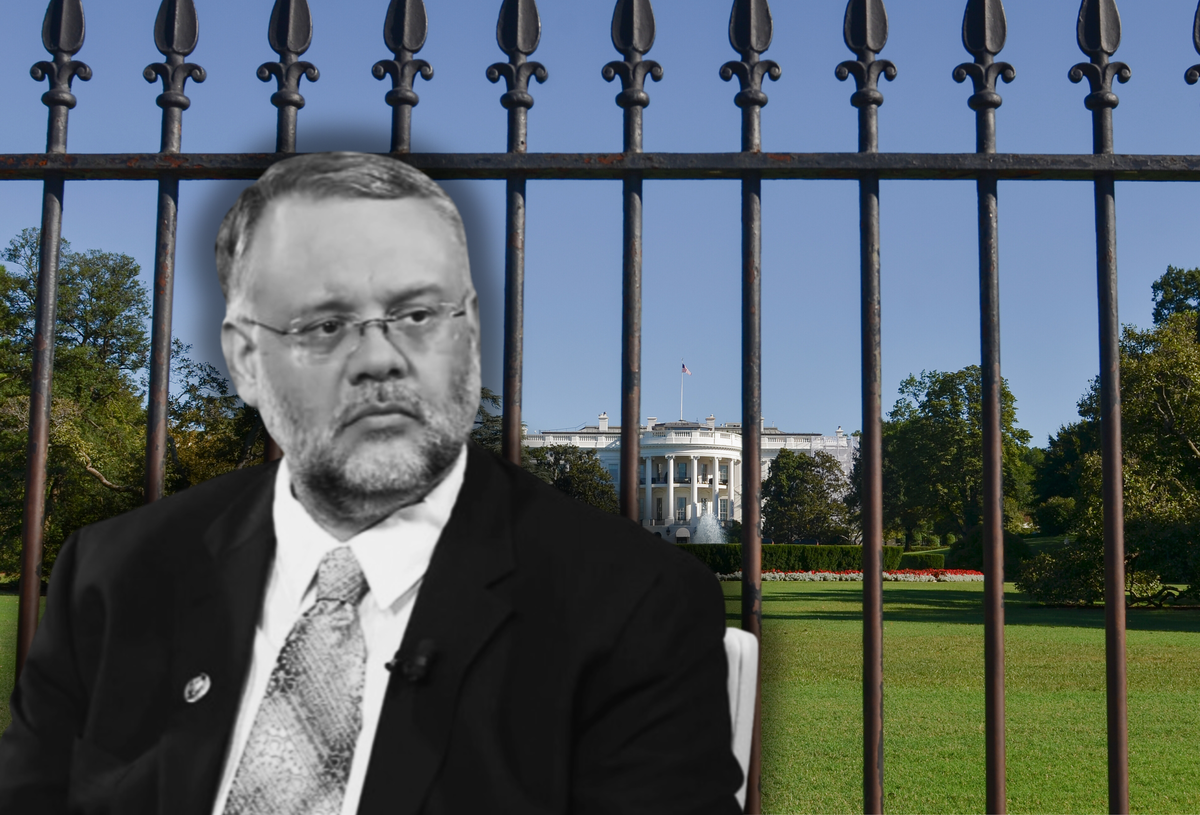 Ebrahim Rasool, South Africa's ambassador to the United States, has been declared persona non grata and expelled by Secretary of State Marco Rubio following warnings from the Middle East Forum (MEF) about his ties to extremist groups. Rubio called Rasool a "race-baiting politician" who "hates America and [President Donald Trump]," emphasizing that the U.S. has nothing to discuss with him. Rasool had already faced isolation in Washington, struggling to secure meetings with State Department officials and key Republicans after Trump took office. MEF first exposed Rasool's extremist ties in December 2024, detailing his connections with Hamas, Palestinian Islamic Jihad, Hezbollah, and American Islamist groups under federal investigation. Rasool was accepted as ambassador by President Joe Biden in the final days of his administration and previously played a role in persuading the International Court of Justice to accuse Israel of genocide in Gaza. MEF briefed policymakers on his record, prompting Capitol Hill staffers to blacklist him. MEF leaders praised the Trump administration's decision to expel Rasool, stating that the U.S. should not be a "playground for diplomats who cozy up to foreign adversaries." To read the full press release, click here. | | Somaliland's Abaarso Network Should Be the New Model for USAID 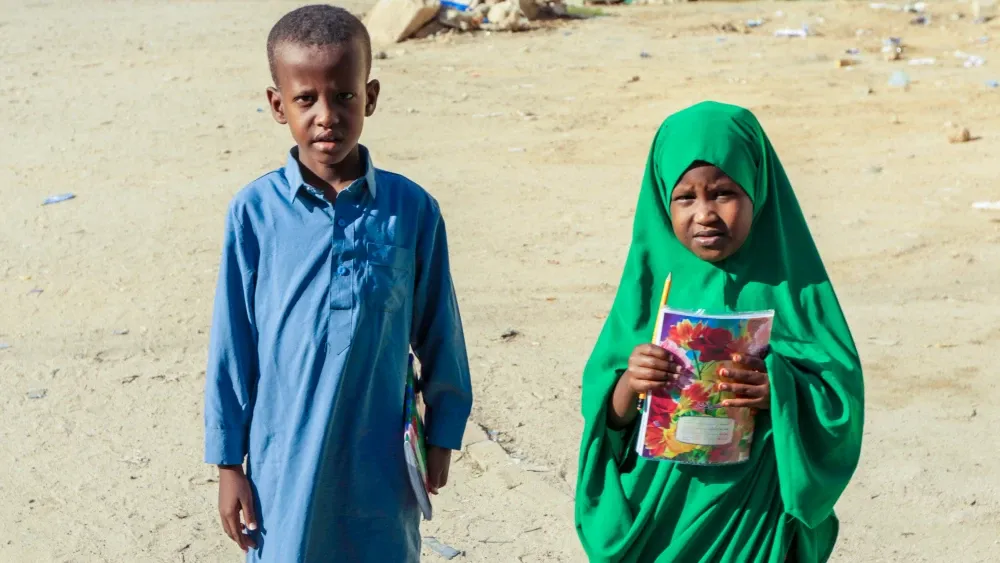 By: Michael Rubin There is no doubt that waste, fraud, and abuse permeate the U.S. Agency for International Development (USAID). Why it matters: USAID's disbursement of over $100 million to terrorists raises issues of criminal negligence, jeopardizing U.S. national security. Driving the news: Former USAID Administrator Samantha Power began her career writing about the unwillingness of U.S. officials to tackle genocide. The bottom line: As to whether it is possible for USAID to give grants where benefits to peace, security, and U.S. national interest are clear and quantifiable, Somaliland's Abaarso Network may be a marquee example. -
Every dollar USAID spent in Somaliland obviated the need for security assistance, let alone intervention. -
What works in Somaliland does not need to stay in Somaliland. To read the full article, click here. | | What Does the PKK Ceasefire Declaration Mean for Turkey, Syria, and the Kurds? 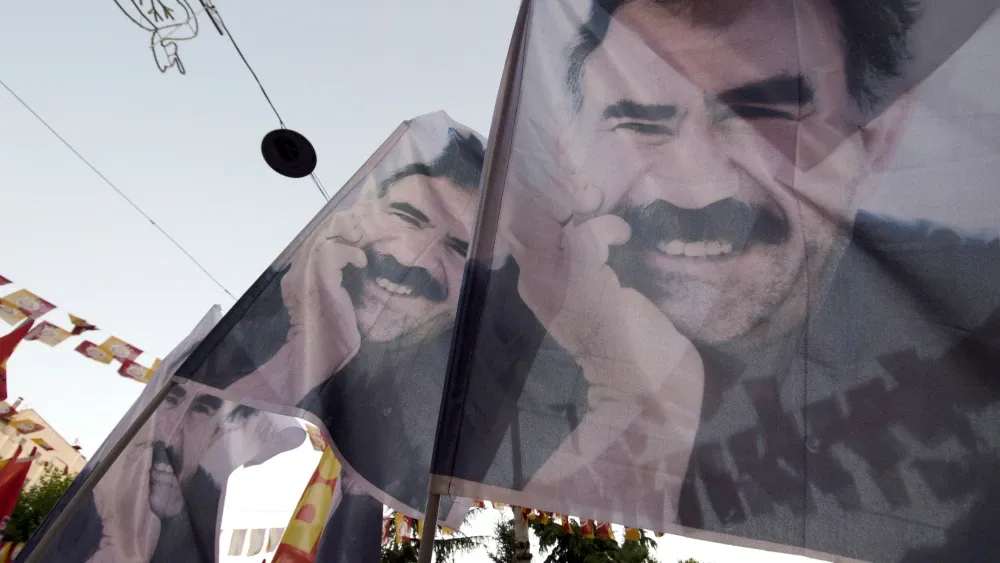 By: Jonathan Spyer The declaration by PKK leader Abdullah Ocalan of a ceasefire against Turkey marks a significant moment in the region's strategic landscape. Why it matters: Nevertheless, this move doesn't signal the end of the PKK-Turkey conflict but opens the door to renewed diplomacy. The regional angle: The ceasefire is seen as a strategic maneuver by Turkey to link the PKK's fate with the SDF in Syria. What's next: Turkey may use this ceasefire to isolate the SDF and push for disarmament, potentially destabilizing the region further. -
A Kurdish analyst says that "Syrian Kurds are not going to lay down their arms and surrender to Turkey. The goal of Turkey is the destruction of the Syrian Kurdish region." -
The diplomatic process could be a part of a larger strategy to weaken Kurdish resistance, posing risks to regional stability. To read the full article, click here. | | Time to Take the Iranian Nuclear Bull by the Horns 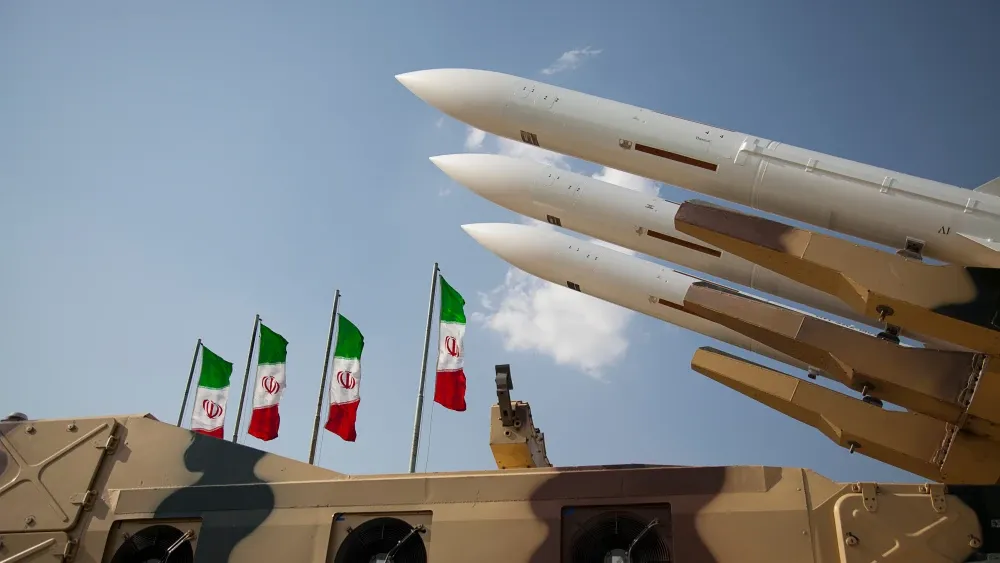 By: Colin M. Winston Iran's nuclear program is on the brink, with Tehran nearing the capability to produce enough weapons-grade uranium for multiple nuclear bombs. Why it matters: This development poses a significant threat to regional stability and international security, pressing Jerusalem and Washington to consider decisive military action. The big picture: Iran's "axis of resistance" has crumbled, leaving Tehran desperate to bolster its deterrence capabilities through nuclear advancement. -
Proxies like Hezbollah and Hamas are weakened, its missile capabilities have been largely diminished, and the collapse of the Assad regime in Syria further isolates Iran, pushing it towards nuclear armament as a means of deterrence. What's next: The U.S. and Israel face a critical decision to neutralize Iran's nuclear threat through coordinated military action. -
The potential for a joint strike is bolstered by the recent dismantling of Iran's air defenses, enhancing the prospects of successful intervention. -
A collaborative military effort could effectively target underground facilities, crippling Iran's nuclear aspirations. Final thoughts: The window to prevent Iran from acquiring nuclear weapons is closing fast. The strategic environment is ripe for action, but delays could empower Tehran's nuclear ambitions, altering the balance of power in the region. To read the full essay in the Spring 2025 issue of Middle East Quarterly, click here. | | Syria's Temporary Constitution Ensures an Islamist Sunni State 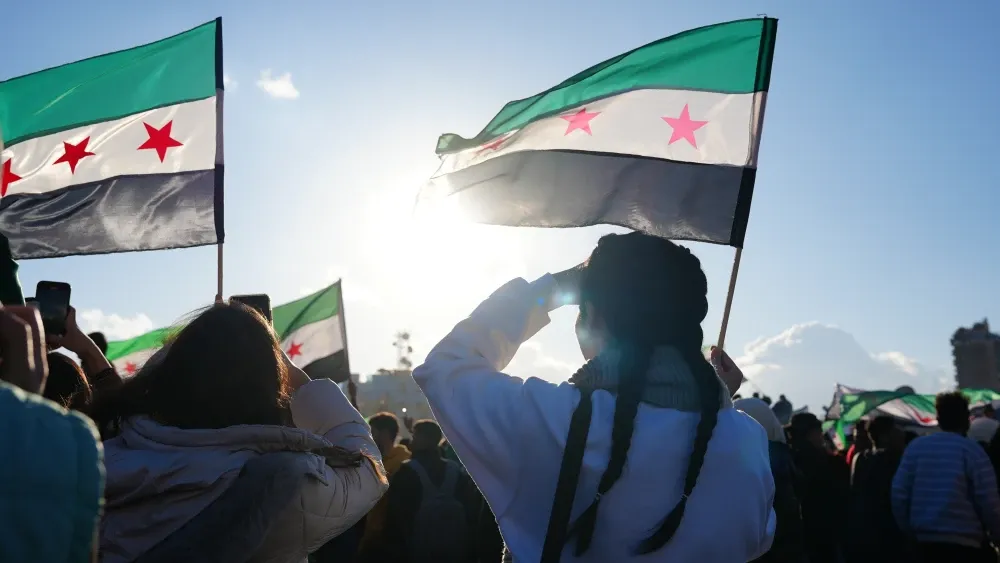 By: Loqman Radpey Three months after toppling Assad, Syria's Islamist interim president Ahmed al-Sharaa signed a temporary constitution that marginalizes minorities. Why it matters: The new constitution mirrors the old regime's policies, risking further chaos and undermining Syria's territorial integrity. What they're saying: The Kurdish-led Syrian Democratic Council calls it a "direct threat" to Syria's future and a return to authoritarianism. The bottom line: Al-Sharaa's regime, while rebranded for international optics, remains unchanged at its core, drawing skepticism from Europe and Israel. -
Syria risks becoming a Sunni version of Iran's Islamic Republic or Turkey's ethnocentric and increasingly theocratic model, albeit with a Western-friendly facade. -
Israel will likely not tolerate the emergence of a Sunni Islamist regime —particularly one with ideological roots in Al-Qaeda and the Islamic State— on its doorstep. To read the full article, click here. | | Islamic State Editorial on Syria's Minorities and the Coastal Events  By Aymenn Jawad Al-Tamimi In response to recent media coverage of Syria focusing on attacks by Alawite insurgents on the new Syrian government and the mobilization of forces towards the Syrian coast, Islamic State (IS) has issued an editorial, translated by MEF fellow Aymenn Jawad Al-Tamimi. Why it matters: In summary, the IS editorial emphasizes that Islam does not divide people into majorities and minorities, but rather according to whether they are disbelievers or believers. The Islamic State's perspective: Islamic State condemns the new regime's approach to Alawites, viewing them as an "apostate" sect and criticizes the conciliatory approach. The bottom line: The editorial also attacks the supposed inconsistency of the new government and its supporters in concluding an agreement with the Kurdish-led Syrian Democratic Forces (SDF) when the SDF was previously attacked as being a proxy for America. To read the full article, click here. | | | | | We hope you found this issue enlightening and enjoyable. If you enjoyed this issue of the MEF Dispatch, please forward it to a friend. We invite you to use the comments feature to let us know your thoughts on the Dispatch and the issues we cover. The next issue will land in your inbox soon. Sincerely, Winfield Myers
Managing Editor, Middle East Forum
Director, Campus Watch | | | | Was this edition useful?  

Your email will be recorded and shared with the sender |        MEF, an activist think tank, deals with the Middle East, Islamism, U.S. foreign policy, and related topics, urging bold measures to protect Americans and their allies. Pursuing its goals via intellectual and operational means, the Forum recurrently has policy ideas adopted by the U.S. government.
Copyright © 2024 Middle East Forum, All rights reserved.
Our mailing address is:
Middle East Forum
1650 Market Street, Suite 3600
Philadelphia, PA 19103 | | | | | Powered by 
| | This email was sent by Middle East Forum via Axios HQ | | | |

0 коммент.:
Отправить комментарий