| |  | | | President Trump's Middle East Challenges and the West's War on Islamist Antisemitism By Ahnaf Kalam ● Nov 15, 2024 Smart Brevity® count: 6.5 mins...1679 words This edition of the MEF Dispatch assesses the implications of President-elect Trump's victory on a variety of foreign and domestic policy matters. We urge his administration not to abandon the Kurds to Turkey's malign intentions, nor to leave Iraq—a move that would create a vacuum into which Iran and China could step and forfeit America's ability to achieve strategic goals in the region. Domestically, we lay out the case for staying the course in his plans to bring back his "travel ban" from terrorist-ridden countries—and to add as many nations to the list as is necessary to safeguard America from infiltration by terrorists. We also present overwhelming evidence that the upcoming annual convention of American Muslims for Palestine will feature a lineup of speakers laden with terror links. We also discuss the dangers from Islamist terrorism at home and in Europe. In both, secular Westerners, steeped in a faith in rationality and materialism, cannot grasp that violence can stem from religious convictions and therefore are baffled by jihadis' crimes. Syrian, meanwhile, remains a "hunting ground" as Israeli air power works its way down the list of Hezbollah and Iranian targets in the country. | | ICYMI: "An Arab Woman's Journey from Antisemitism to Zionism" with Rawan Osman 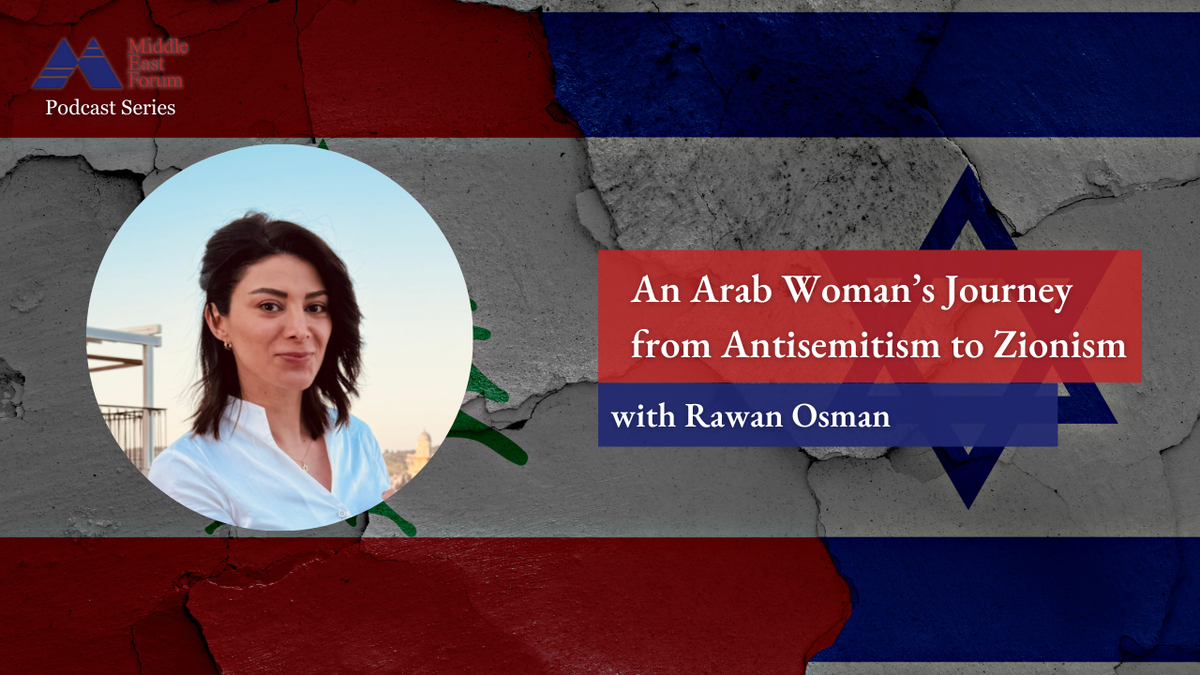 Lebanon's education system and media present Israelis and Jews as the enemy of Lebanon. The depictions, often extreme in their hostility, shape the perceptions of many Lebanese and also Syrians. Raised in this environment, Rawan Osman accepted the message. Only on moving to Europe and gaining access to new, uncensored information did she question her own biases. In the end, she embraced Israel's cause and became an activist who championed peace and human rights across borders. What lessons does her personal odyssey offer? Can Arabic speakers emerge from their Judeophobic blight? If so, how? Rawan Osman is the founder of Arabs Ask, a platform aimed at fostering dialogue and understanding between Arabs and Israeli Jews. A dual Syrian-Lebanese citizen fluent in Arabic, English, French, and German, she has worked with the Center for Peace Communications. She writes a blog for The Times of Israel, is working on a book on Israel and Israelis, and is studying for a BA in Jewish and Islamic Studies at the University of Heidelberg, Germany. To watch the full podcast episode, click here. | | Trump to Revive Travel Ban on Terrorist-Plagued Countries  By: Todd Bensman President Trump plans to reintroduce his travel ban targeting countries with terrorism concerns. Why it matters: This policy aims to enhance U.S. national security by restricting visas from nations stricken with terrorism, conflict, and political unrest. The goal is to prevent incidents like the many past terrorist attacks involving individuals from Somalia and Yemen who were able to enter the U.S. without adequate vetting procedures. The big picture: Trump's travel ban, commonly mislabeled as a "Muslim ban," focuses on countries that fail to cooperate with U.S. security measures and where terrorism has been known to proliferate. The plan has faced political opposition but must be allowed to move forward in the interest of defending American national security. What's next: The incoming administration may expand the list of countries to include new threats, such as Afghanistan and the Democratic Republic of Congo, to adapt to changing geopolitical landscapes and the spur of new conflicts that have emerged in the four years since President Trump was last in office. To read the full article, click here. | | The Fiction of Yemen's Government Shouldn't Be a Straitjacket 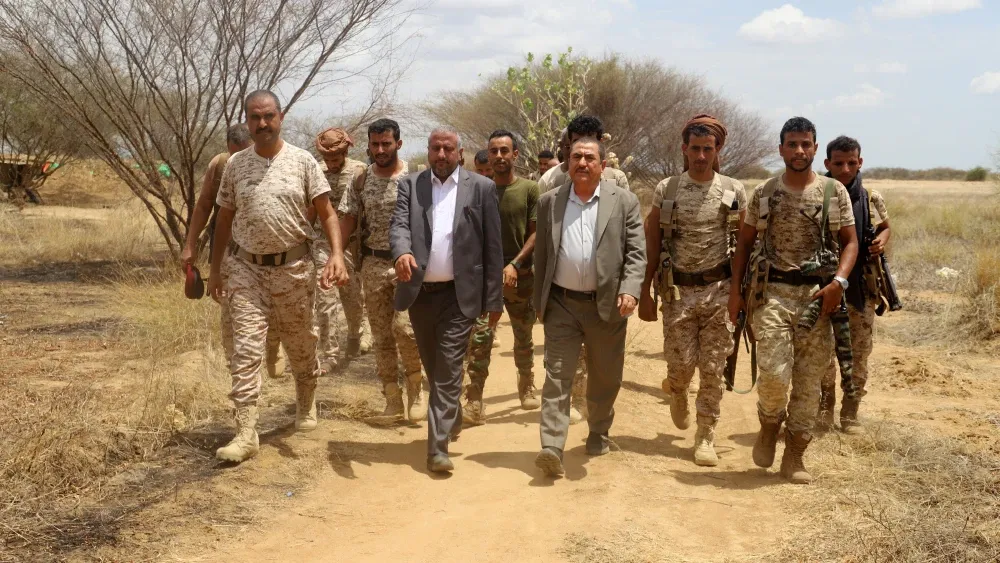 By: Michael Rubin U.S. policy in Yemen falters by ignoring the tribal and historical divides and governance issues. Why it matters: While international forces target Houthi arsenals, the lack of realistic governance strategy undermines efforts to stabilize Yemen and defeat the Houthis. A functional Yemeni state will not be possible while American policy favors both sides of a deeply divided Yemen. Complex leadership landscape: Yemen's Presidential Leadership Council, backed by the U.S., struggles with internal faction disparities. Not all factions hold equal power, complicating the unity narrative promoted by international stakeholders. What's next: U.S. policymakers should prioritize support for factions that control and manage territories effectively, such as the Southern Transitional Council, to facilitate a stable and functioning Yemen. To read the full article, click here. | | Despite Optimism Around Chances for Lebanon Deal, Immense Obstacles Remain 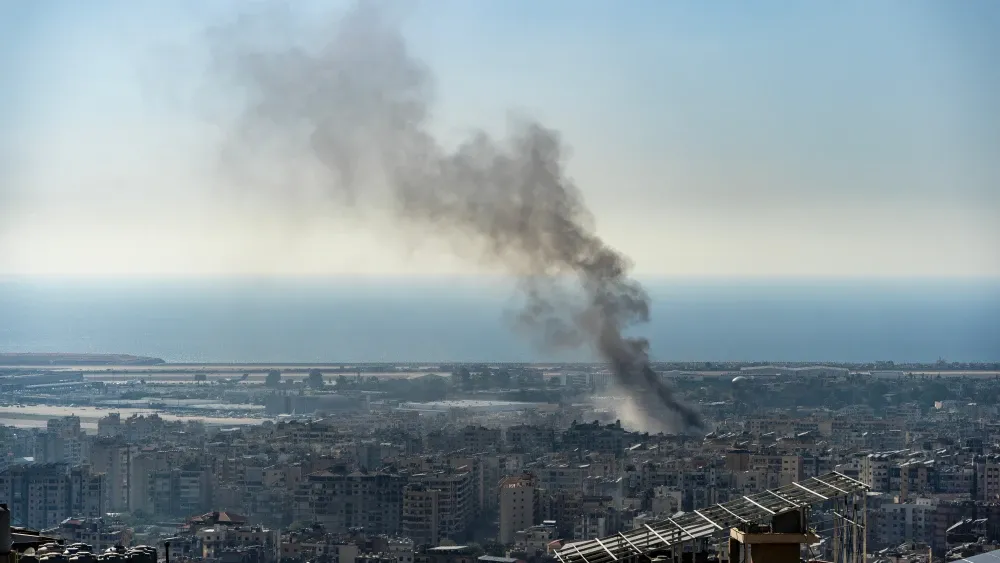 By: Lazar Berman Despite progress, significant hurdles remain in achieving a ceasefire between Israel and Hezbollah. Why it matters: U.S. and Israeli officials express optimism about a peace deal, but Hezbollah's acceptance of key demands is uncertain, complicating efforts to end the conflict and ensure regional stability. Core demands conflict: Israel insists on maintaining freedom of action in Lebanon to counter threats, a point Hezbollah is unlikely to concede. The Lebanese government will not agree to terms without Hezbollah's consent, posing a major roadblock. What's next: As U.S.-backed negotiations continue, the potential shift in U.S. policy with President-elect Trump's administration could influence Iran's stance on Hezbollah's actions, possibly altering the dynamics of the conflict and shifting the balance against Hezbollah and Iran. To read the full article, click here. | | The Secular West Can't Understand the Religious Roots of Islamic Violence  By: Raymond Ibrahim The materialistic West increasingly only understands motives prompted by material needs or desires. Why it matters: Western authorities often attribute violent acts by Islamists in the West to mental disorders due to a lack of understanding of jihadist motives. This misinterpretation hinders effective responses to Islamist radicalization and violence. Missed motivations: Many violent acts by Islamists in the West are dismissed as insanity due to a failure to recognize and understand jihadist motivations deeply rooted in religious teachings. This gap in understanding leads to failed policy and security measures. What's next: It's crucial for Western policymakers to acknowledge and address the religious motivations behind Islamic violence without fear of being politically incorrect or being labeled a bigot – or worse. To read the full article, click here. | | American Muslims for Palestine Convention 2024 Presents Speaker Lineup with Terror Links 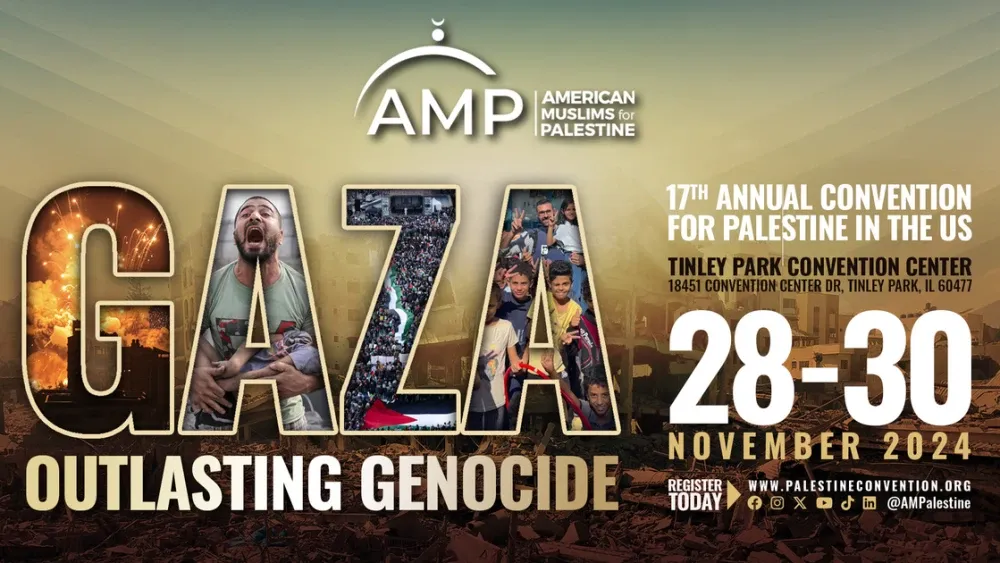 By: Anna Stanley AMP's upcoming convention in Illinois sparks controversy due to longstanding terrorist links among speakers. Why it matters: The American Muslims for Palestine (AMP) 2024 convention features speakers with expressed ties to Hamas and other extremist groups, raising significant concerns about the influence of Islamist extremist rhetoric and antisemitism within U.S. communities. Spotlight on speakers: The lineup includes individuals like Osama Abuirshaid, a Hamas sympathizer who was placed on a federal watch list in the past, and Hatem Bazian, a virulent antisemite who regularly calls for an intifada – or violent uprising – in the United States. What's next: As AMP continues to host extremist figures, there's increasing pressure for accountability regarding its connections to terrorist organizations and vocal antisemites. To read the full article, click here. | | Time for Jews to Leave Europe Before It's Too Late 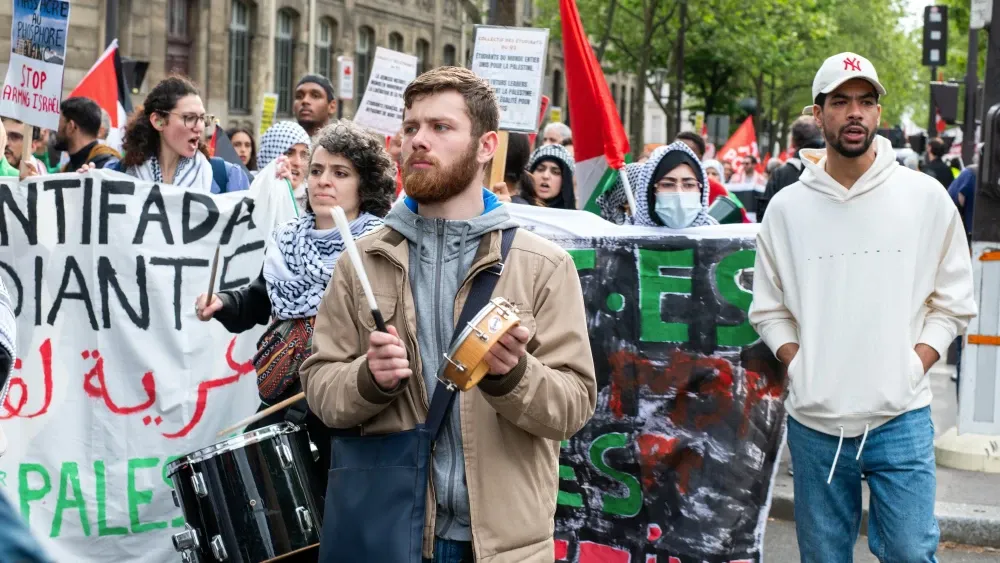 By: Giulio Meotti Rising anti-Semitism prompts calls for Jews to leave Europe for safety elsewhere. Why it matters: Jewish leaders across Europe, from France to Sweden, are urging their communities to emigrate due to growing threats from radical Islam and insufficient government action. This exodus signals a deepening crisis for Jews in Europe. Alarming trends: In recent years, thousands of Jews have left Europe, with leaders like Paris's Chief Rabbi advising young Jews to relocate to Israel or safer countries. This trend has only been amplified by the recent spate of attacks against Jews in Amsterdam and across Europe. What's next: As anti-Semitic sentiments rise, Europe faces losing its Jewish communities, which historically enrich its cultural tapestry. The challenge is whether European governments can act decisively to protect their Jewish citizens, or to pander to Islamists and antisemites and face a continued exodus of its Jews. To read the full article, click here. | | If Trump Leaves Iraq, It Will Be a Gift to Iran and China 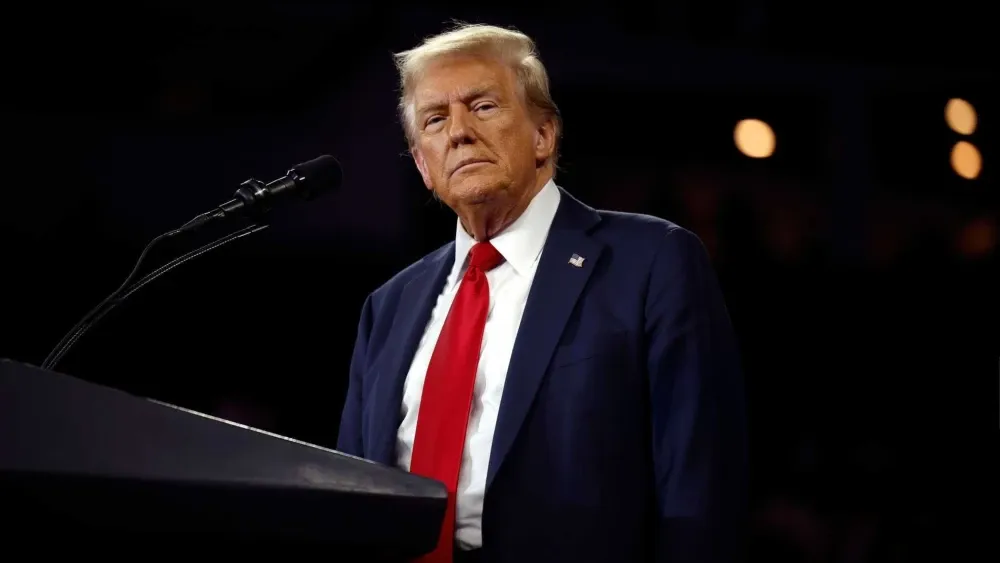 By: Eric Navarro Leaving Iraq could boost Iranian and Chinese influence, weakening U.S. strategic positions. Why it matters: President-elect Trump faces a critical decision on whether to maintain a U.S. presence in Iraq. Staying could deter Iran and China while supporting U.S. allies and strategic interests. Withdrawal risks leaving a vacuum for adversaries to fill, as has happened in the past. Strategic advantages: Keeping U.S. forces in Iraq allows power projection, strengthens alliances, and provides logistical hubs for military operations. It supports efforts against Iranian-backed militias and bolsters Iraq's government. What's next: The Trump administration must treat U.S. presence in Iraq as part of a greater geopolitical strategy aimed at curtailing the influence Tehran and Beijing. The decision could redefine U.S. influence in the Middle East and the global balance of power. To read the full article, click here. | | Trump Must Not Make the Same Mistake with Turkey and Syrian Kurds 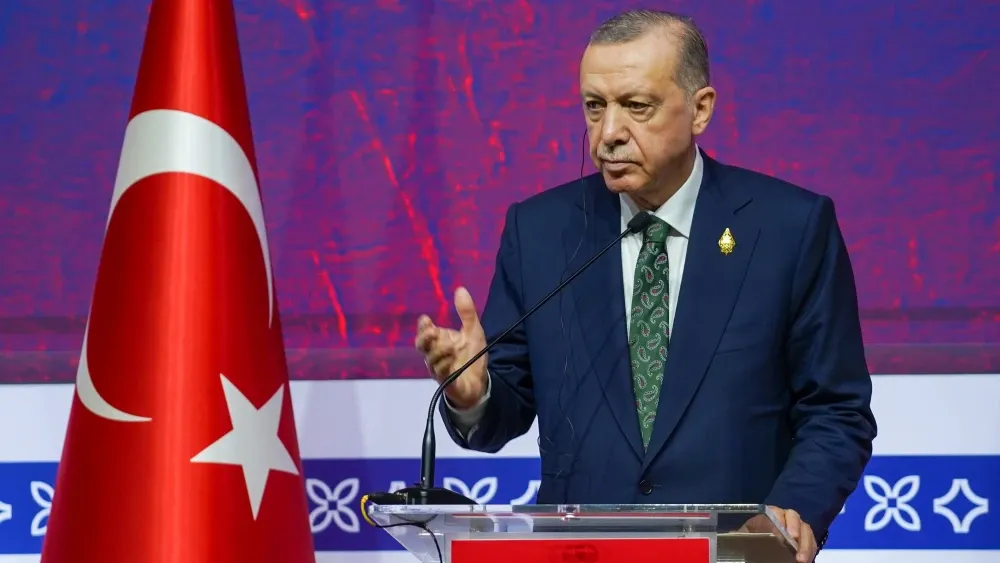 By: Kamal Chomani Trump must avoid repeating past mistakes with Turkey and the Syrian Kurds. Why it matters: President-elect Trump's potential withdrawal from Syria could embolden Turkey's Erdoğan, leading to chaos and a resurgence of the Islamic State. The move threatens to destabilize the region and undermine America's Kurdish allies. Erdoğan's ambitions: Turkey aims to create a "security zone" deep into Syria, risking ethnic cleansing of Kurds. This could weaken Kurdish forces vital to countering ISIS and disrupting Iran's influence in the region. What's next: The Trump administration should stand firm against Erdoğan's neo-Ottoman ambitions to maintain stability in the Middle East and prevent further geopolitical turmoil. To read the full article, click here. | | | | | This edition confirms the continuing danger to America, Europe, Israel, and our allies from perennially violent and destructive Middle Eastern forces. From the horrifying attacks on Jews in Amsterdam to continuing activities by ISIS-inspired jihadists, threats abound. But we also offer—as we always seek to do—solutions, advice, and counsel to leaders, policymakers, and citizens. Stay tuned for our next edition of MEF Dispatch, when we'll present the latest from MEF's stable of analysts and writers. Sincerely,
Ahnaf Kalam
Digital Media Specialist
Middle East Forum | | | | Feedback Please share your thoughts on this edition. Was this edition useful?  

Your responses are anonymous |        MEF, an activist think tank, deals with the Middle East, Islamism, U.S. foreign policy, and related topics, urging bold measures to protect Americans and their allies. Pursuing its goals via intellectual and operational means, the Forum recurrently has policy ideas adopted by the U.S. government.
Copyright © 2024 Middle East Forum, All rights reserved.
Our mailing address is:
Middle East Forum
1650 Market Street, Suite 3600
Philadelphia, PA 19103 | | | | | Powered by 
| | This email was sent by Middle East Forum via Axios HQ | | | |

0 коммент.:
Отправить комментарий